Why Arizona Gardeners Are Wrapping Tree Trunks Before Summer
Tree trunks across Arizona can start struggling long before summer officially arrives. Freshly planted trees and younger trees often face the biggest problems once sunlight becomes more intense and temperatures keep climbing higher each week.
Damage may not look serious at first, yet it can affect trees long after the hottest part of the year passes.
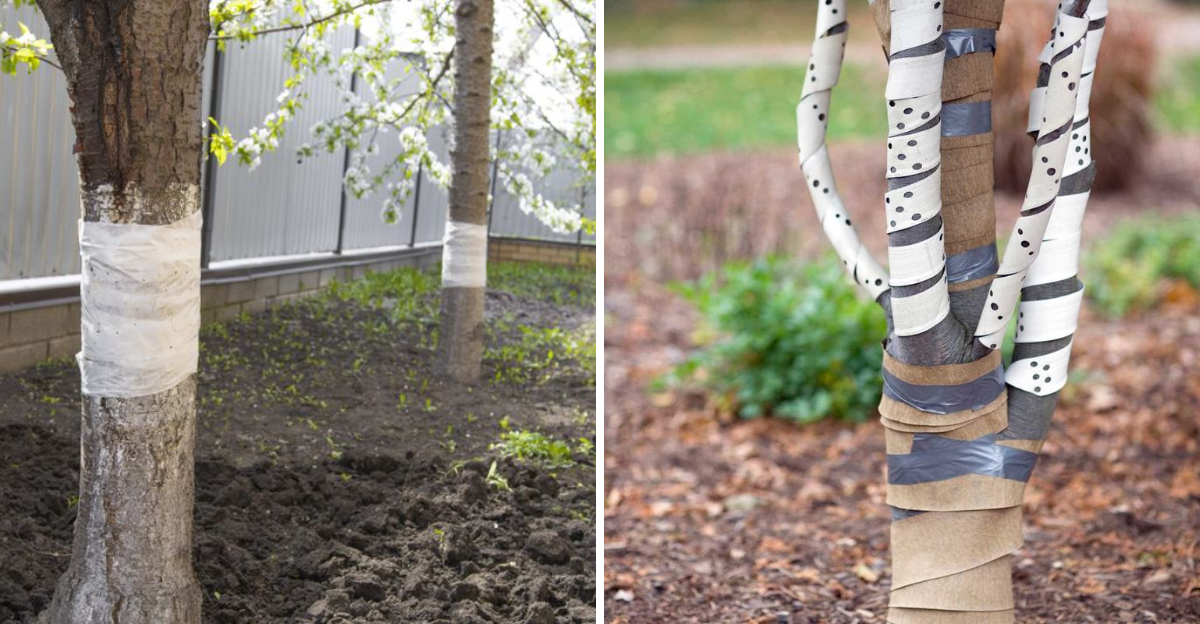
White wrapped trunks have become a much more common sight in Arizona landscapes for that reason. Many homeowners notice them around neighborhoods without fully understanding what they actually protect against.
One simple layer around the trunk can make a surprisingly big difference once extreme sun exposure starts building day after day.
1. Young Tree Bark Can Burn Quickly In Intense Sunlight
Bark on a young tree is nothing like the thick, rugged exterior you see on a mature oak or mesquite. On saplings and newly planted trees, the outer layer is still thin, smooth, and almost paper-like in texture.
In Arizona, where summer sun hits at brutal angles and temperatures soar well past 100 degrees, that thin bark absorbs heat faster than most people expect.
Direct sunlight hitting bark on a cloudless July afternoon in Phoenix can raise surface temperatures to levels that cause real cellular damage in the cambium layer just beneath the surface.
That inner layer is responsible for moving water and nutrients up and down the tree.
Once it gets scorched, the tree has a harder time recovering and pushing new growth.
Young trees planted in open yards with no shade cover are especially exposed. Unlike established trees that have built up thick bark over many years, a one or two-year-old tree has almost no natural insulation against that kind of heat.
Gardeners in Tucson and the greater Sonoran Desert region have learned this the hard way after watching newly planted trees show signs of stress by mid-June.
2. Tree Wraps Help Protect Thin Bark From Heat Damage
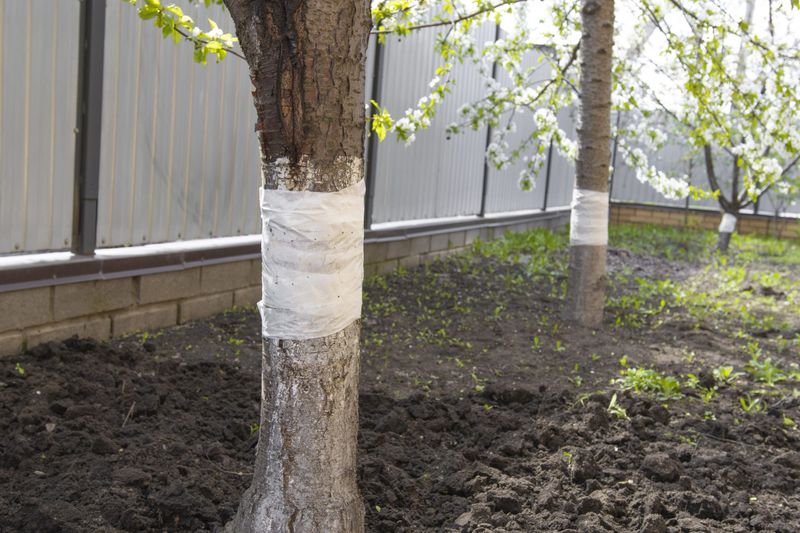
Not every gardening tool looks impressive, but tree wrap might be one of the most useful things sitting in an Arizona garden shed. A simple roll of breathable wrap spiraled around a trunk creates a physical barrier between harsh sunlight and vulnerable bark.
It sounds almost too straightforward, but the results speak for themselves across yards throughout the Valley of the Sun.
Tree wraps work by blocking direct solar radiation from reaching the bark surface. Instead of the bark absorbing all that heat, the wrap intercepts it first.
Depending on the material used, a good wrap can reduce surface temperature on the trunk by a meaningful margin, sometimes keeping it closer to ambient air temperature rather than the extreme spikes that bare bark experiences in open sun.
Burlap, paper-based tree wrap, and polyethylene foam wraps are all commonly used in Arizona gardens. Each has slightly different properties.
Burlap breathes well and resists moisture buildup, which matters during the monsoon season when humidity briefly spikes. Paper wraps are affordable and easy to find at local nurseries.
Foam wraps offer a bit more cushion and insulation for particularly delicate species.
Your Arizona Garden Changes Every Week. Your Plan Should Too.
Gardening in Arizona changes quickly throughout the season. Every Friday you’ll receive a simple weekly plan showing exactly what to plant, prune, fertilize, harvest, and protect so you never miss the right timing.
3. South And West Facing Trunks Often Suffer The Most
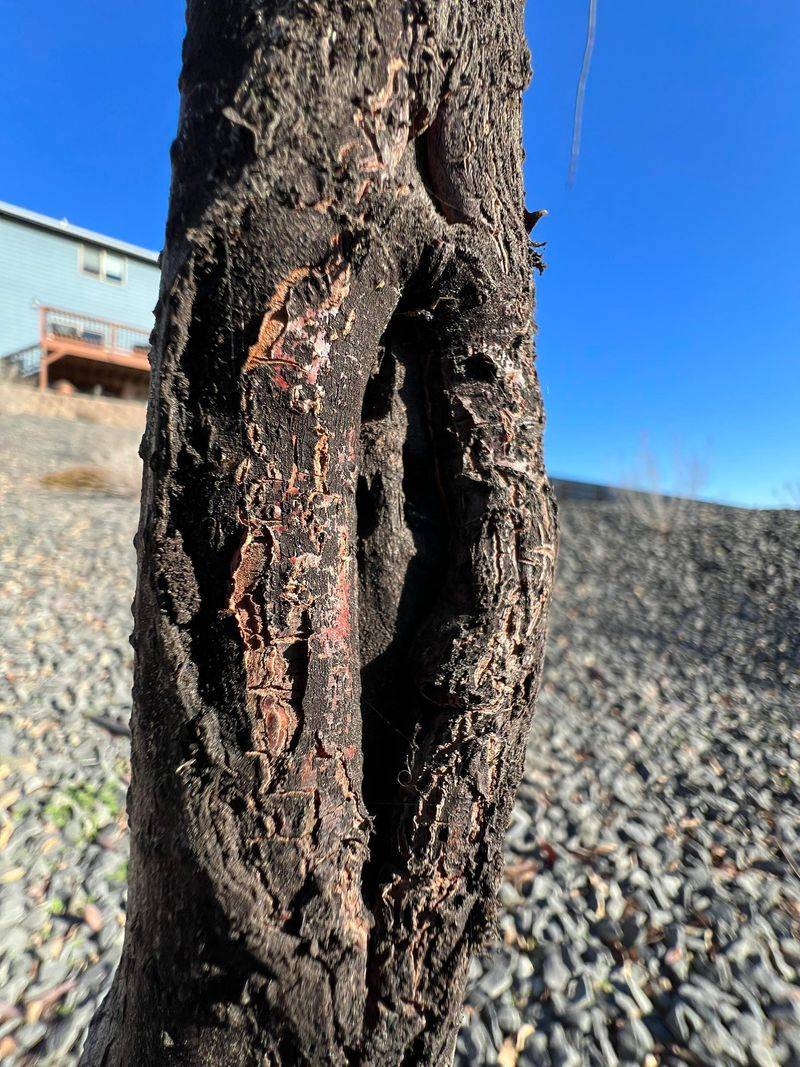
Orientation matters more than most new gardeners realize. A tree trunk facing south or west in Arizona gets a dramatically different sun exposure than the north or east-facing sides, and that difference shows up clearly by midsummer.
The afternoon sun in particular hammers the west side of any trunk with intense, low-angle heat that lingers well into the evening hours.
South-facing bark absorbs sunlight for the longest stretch of the day. In desert climates like those found in Phoenix, Mesa, or Scottsdale, that prolonged exposure adds up fast.
Surface temperatures on the south and west sides of an unprotected trunk can run significantly hotter than the shaded sides, sometimes by 20 to 30 degrees Fahrenheit or more depending on the time of day and surrounding conditions.
Experienced Arizona gardeners sometimes wrap only the south and west sides of a trunk rather than going all the way around. This targeted approach still provides meaningful protection where it counts most while allowing airflow on the cooler sides.
It is a practical compromise for trees that are older and have some bark thickness already built up, but are still not fully mature.
Newly planted fruit trees, ornamental pears, and smooth-barked species like crepe myrtles are especially prone to sun injury on these sides.
4. Newly Planted Trees Are More Vulnerable During Hot Weather
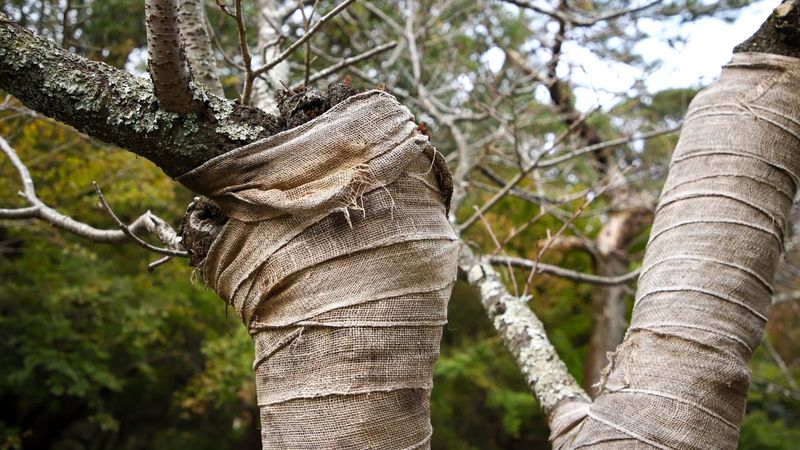
Putting a tree in the ground is just the beginning of the work in Arizona. A newly planted tree is dealing with root stress, soil adjustment, and limited water uptake all at once.
Adding extreme heat on top of all that creates a tough situation for a plant that has not yet had time to settle in and build resilience.
Root systems on recently transplanted trees are often damaged or reduced from the planting process. Bare-root trees and container trees both go through a transition period where their ability to pull water from the soil is limited.
During this adjustment phase, even a well-watered tree can struggle to replace moisture fast enough to keep up with what Arizona summer heat demands from its leaves and bark.
When a tree cannot move enough water to its outer tissues, the bark becomes even more susceptible to heat damage. Trunk wrapping during this vulnerable window is not just about blocking sunlight.
It also helps moderate the temperature swings that bark experiences throughout the day, which reduces the physical stress on tissues that are already working hard just to stay hydrated.
Planting in late spring or early summer in the Sonoran Desert is sometimes unavoidable, especially when nurseries are well-stocked and gardeners are eager to get started.
5. Sunburned Bark Can Crack And Weaken Over Time
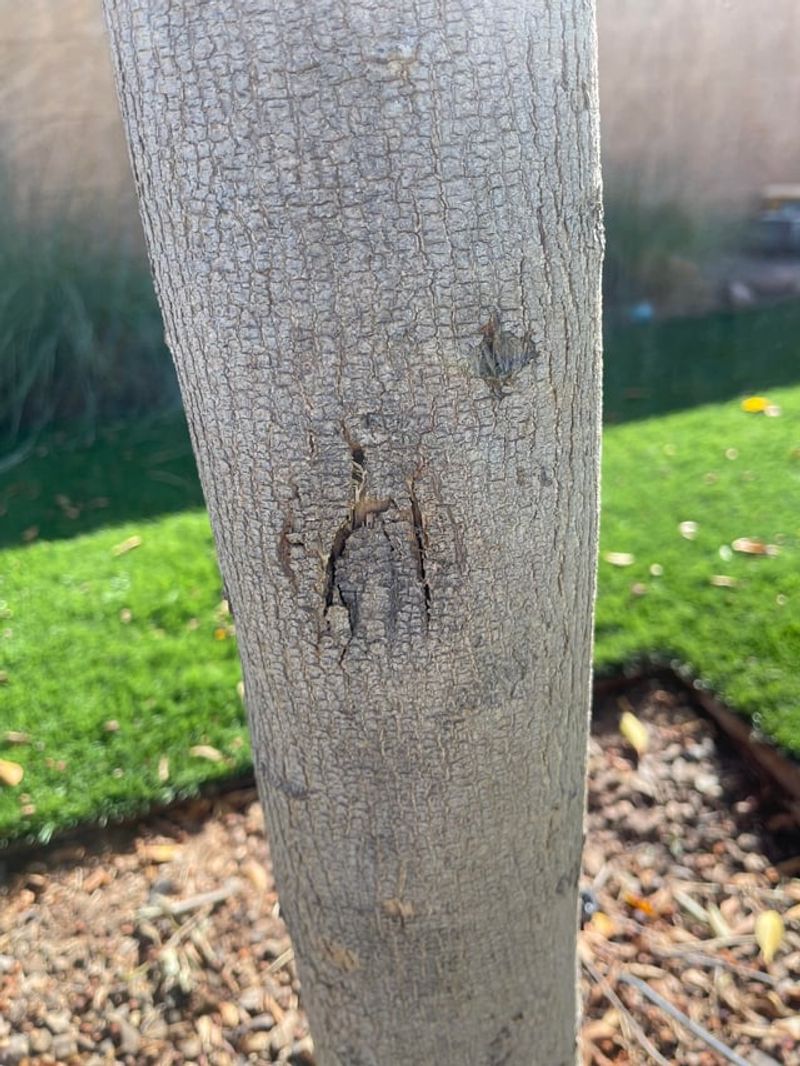
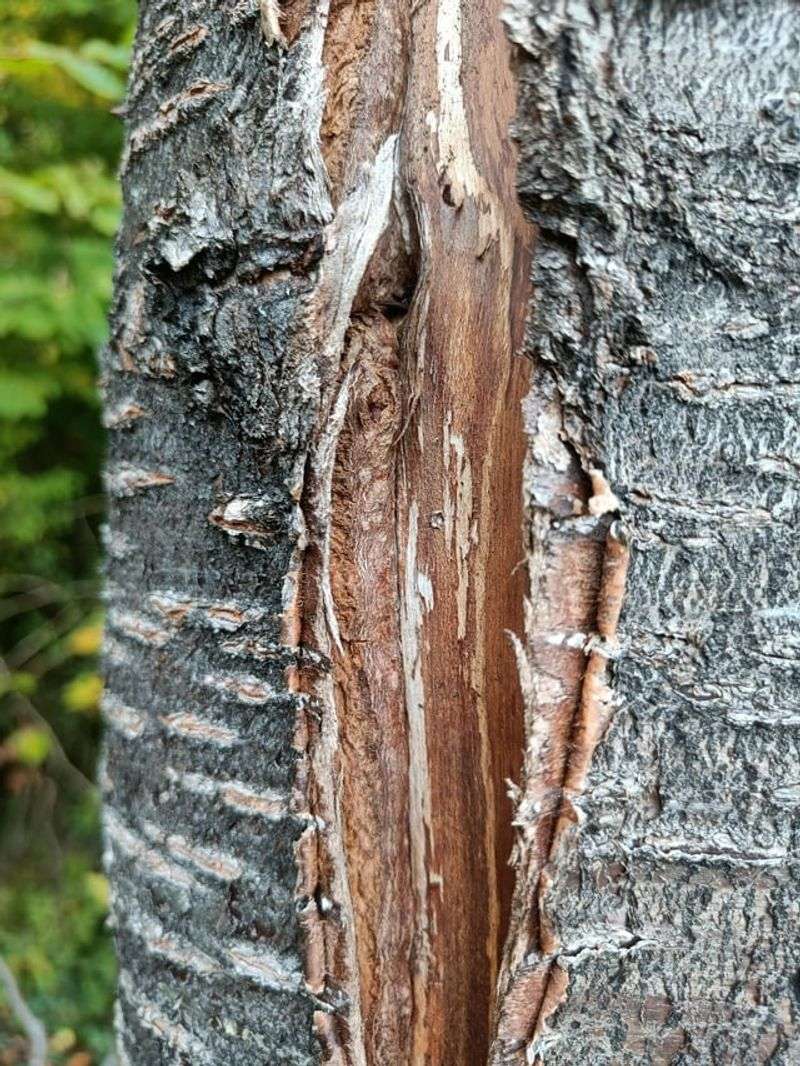
Sunburned bark does not always show dramatic damage right away. Sometimes the signs are subtle at first, a slight change in color, a small area where the bark feels dry and brittle compared to surrounding sections.
Left unaddressed in Arizona heat, those small signs tend to develop into something more serious over the course of a single summer.
Cracking happens when bark cells lose moisture faster than they can replenish it and then contract under the stress of extreme temperature fluctuations. In the desert Southwest, days can be scorching while nights cool down considerably, especially in spring and fall.
That repeated expansion and contraction cycle puts mechanical stress on bark that is already weakened by sun exposure, and cracks eventually form along the most vulnerable sections.
Once bark cracks, the tree faces a new set of challenges. Cracks create entry points for insects and fungal pathogens that would not otherwise penetrate healthy, intact bark.
In Arizona, bark beetles and certain boring insects are attracted to stressed trees, and a cracked trunk is essentially an open invitation. Preventing cracks in the first place is far easier than managing the cascade of problems that can follow once they develop.
6. Light Colored Wraps Reflect More Heat Away From Bark
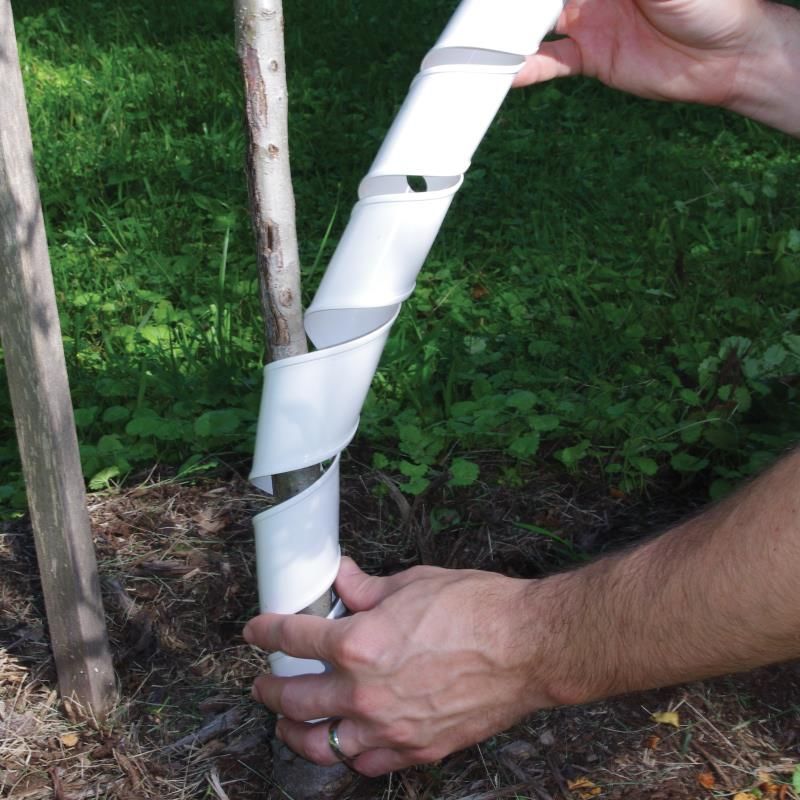
Color choice in tree wraps is not just about aesthetics.
White and light tan wraps reflect a significant portion of incoming solar radiation rather than absorbing it, which makes a real difference when Arizona summer sun is beating down on a trunk for eight or more hours a day.
Dark-colored materials absorb heat and can actually make the problem worse rather than solving it.
Reflectivity works on the same basic principle as wearing a white shirt on a hot day versus a black one. Light surfaces bounce solar energy away before it can be converted to heat, while dark surfaces pull that energy in.
For a tree trunk that already faces intense radiation pressure in the Sonoran Desert, starting with a reflective wrap is a straightforward way to reduce the thermal load on the bark underneath.
White polyethylene spiral guards and white burlap wraps are both popular choices among Arizona gardeners for exactly this reason.
Some growers even use diluted white latex paint on mature trunks as an alternative, though wraps are generally preferred for young trees because they provide physical protection in addition to heat reflection.
Paint can work on established trees but offers less cushioning for tender bark.
7. Proper Wrapping Helps Young Trees Establish More Safely
Getting wrapping right from the start sets a young tree up for a much smoother first few years in the ground.
Arizona is not a forgiving climate for trees that are still finding their footing, and the combination of heat, low humidity, and intense UV exposure creates a challenging environment even for species that are well-suited to desert conditions.
Wrapping is one of the few protective steps that costs very little and delivers reliable results when done correctly.
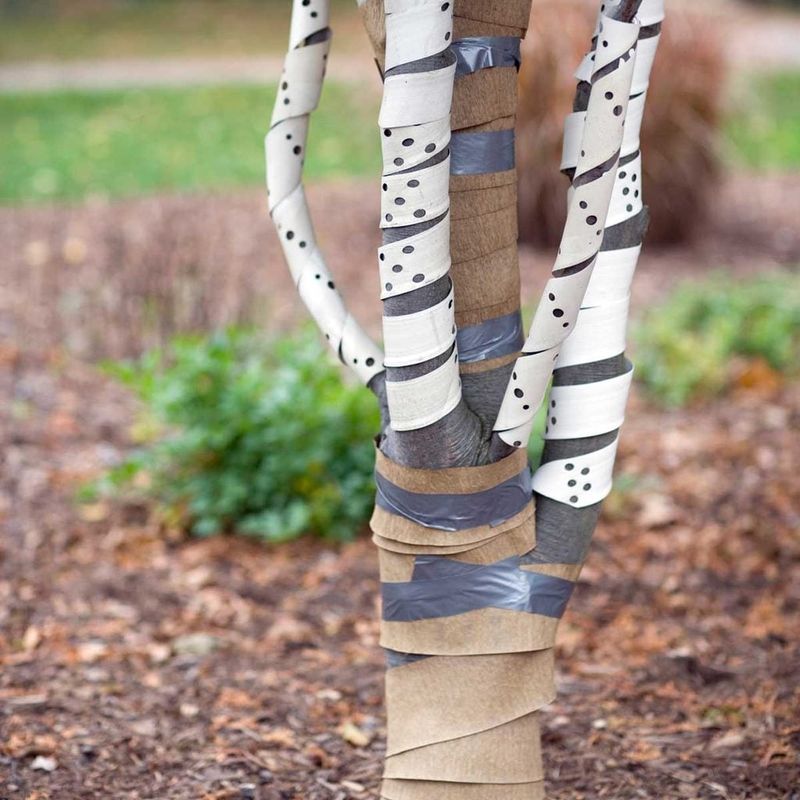
Start at the base of the trunk, just above the soil line, and work upward in overlapping spirals. Each pass should cover about one-third of the previous wrap to avoid leaving gaps where sunlight can slip through.
Continue wrapping up to the point where the main branches begin to spread, since that section of the trunk is where heat damage most commonly occurs on young trees in places like Chandler, Gilbert, and other Valley communities.
Secure the top end of the wrap with a small piece of tree tape or a gentle knot. Avoid using wire or tight rubber bands that can cut into bark as the trunk expands.
Check the wrap every few weeks throughout summer, especially after strong monsoon winds that can shift or loosen the material around the trunk.
Remove wraps in late fall or early winter once temperatures consistently drop and the risk of intense sun exposure fades.