The Simple Soil Rule Florida Herb Gardeners Should Know Before Planting
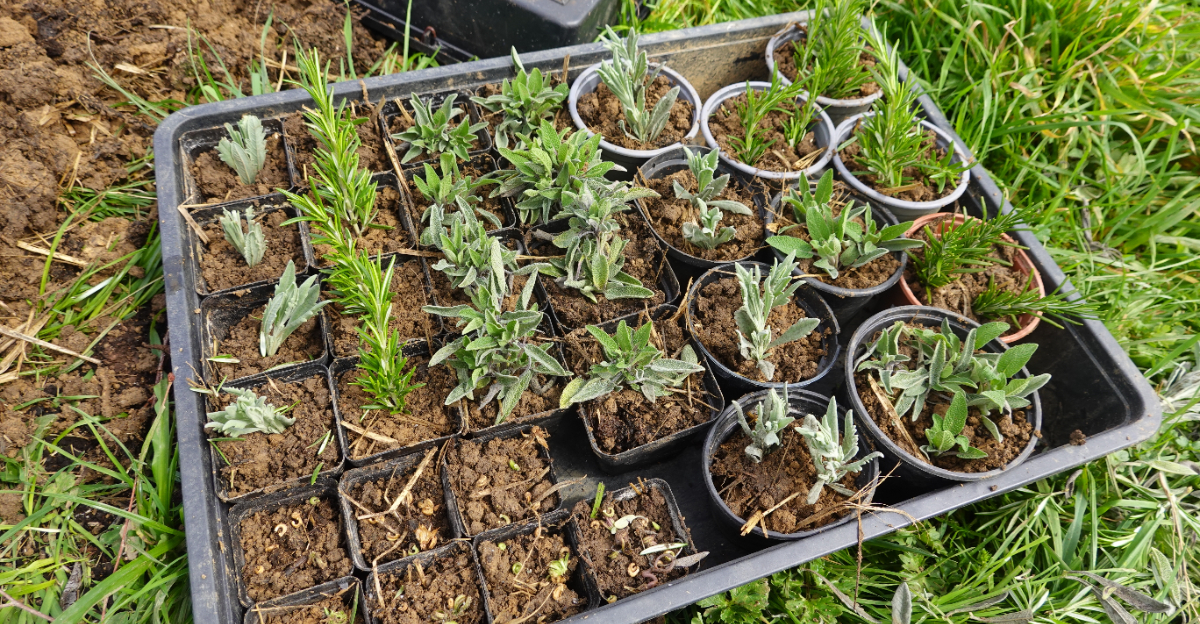
What if one bag of the wrong potting mix sent your herb garden downhill before a single plant had a real chance? Gardeners blame bugs, brutal heat, and forgotten watering all the time.
And sure, those things matter. But one of the sneakiest troublemakers is sitting right in the pot.
The soil. In Florida, herbs do not just need “good” soil.
They need the right kind of soil for the kind of herb you are growing. Some herbs want sharp drainage and roots that dry out between waterings.
Others want steady moisture without sitting in swampy muck. That difference matters here, because the Sunshine State does not play around with humidity, heavy rain, or soggy containers.
Nail the foundation, and Florida’s long growing season becomes a serious advantage. Skip it, and no amount of sunshine can fully make up for unhappy roots.
Start with the soil, and everything else gets a whole lot easier.
1. Start With The Right Soil Group
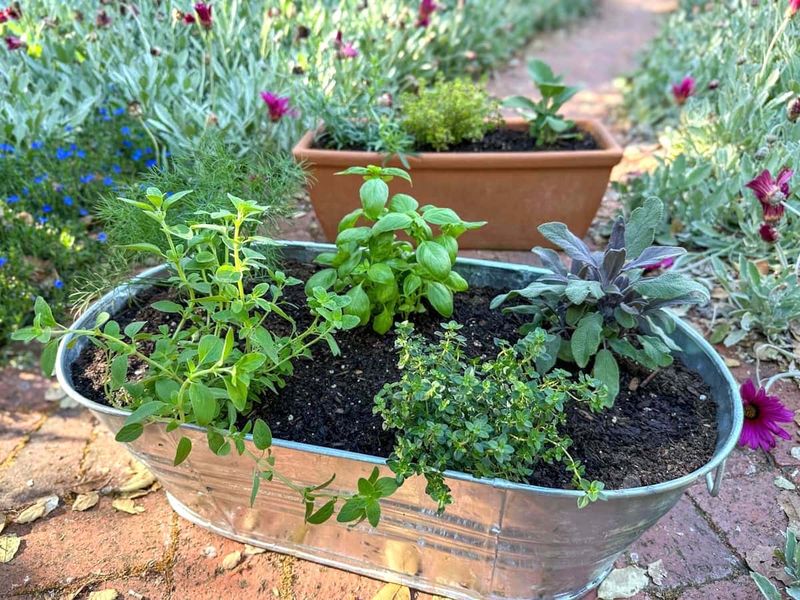
A common mistake Florida gardeners make is choosing herbs based on what looks good together or what they cook with most often. That is a totally understandable way to think about it, but it can lead to real trouble once those plants are sharing the same pot of soil.
The simple rule to follow is this: group herbs by what kind of soil and moisture they actually need, not by how they look or how often you reach for them in the kitchen.
Some herbs come from dry, rocky regions around the Mediterranean Sea. They are used to sharp drainage and soil that dries out quickly between waterings.
Others come from wetter, more temperate climates and prefer soil that stays a bit more evenly moist. When these two groups share one pot, you end up either overwatering the drought-tolerant herbs or underwatering the moisture-loving ones.
Think of the pot as a shared apartment. If one roommate loves it freezing cold and the other needs it warm, nobody is really comfortable.
Herbs work the same way underground. Their roots have different preferences, and the soil environment around those roots matters more than most people realize.
Grouping herbs correctly from the start means you can water each pot on its own schedule and fill it with the right potting mix for that group. This approach removes a lot of guesswork.
It also makes it easier to notice when something looks off, because all the herbs in that pot should be responding to water and heat in roughly the same way.
Starting with the right soil group is the single most useful habit any herb gardener in this state can build before the first seedling goes into the ground.
2. Use Fast-Draining Mix For Mediterranean Herbs
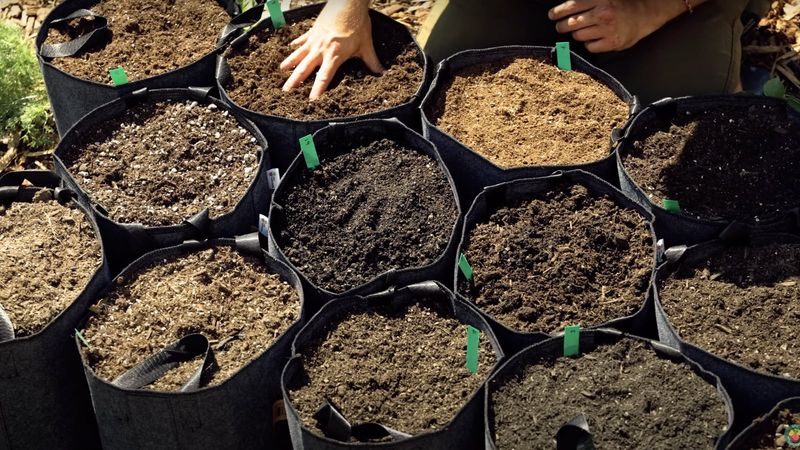
The trouble starts when gardeners use a standard, moisture-retaining potting mix for herbs that absolutely prefer to dry out between waterings. Rosemary, thyme, oregano, sage, and lavender are all Mediterranean herbs.
In their native habitat, these plants grow in rocky, sandy, or gravelly soil that sheds water quickly. Their roots are not built for sitting in wet conditions for long periods.
Your Florida Garden Changes Every Week. Your Plan Should Too.
Gardening in Florida changes quickly throughout the season. Every Friday you’ll receive a simple weekly plan showing exactly what to plant, prune, fertilize, harvest, and protect so you never miss the right timing.
For container growing in this state, a fast-draining potting mix is usually the best choice for this group. Many gardeners mix a standard potting medium with perlite or coarse sand to improve drainage.
The goal is a mix that feels loose and airy, not dense and heavy. When you water, it should drain through the bottom of the pot fairly quickly rather than pooling or staying soggy.
Container choice matters here too. Terracotta pots are often a good fit for Mediterranean herbs because they are porous and allow some moisture to evaporate through the sides.
This helps the root zone dry out more naturally between waterings. Plastic pots hold moisture longer, which can sometimes be too much for these herbs during rainy stretches.
Drainage holes are non-negotiable. Every pot used for this group should have at least one hole at the bottom, and it should be clear and unblocked.
Placing a small layer of gravel or broken pot pieces at the bottom used to be a common tip. Many extension resources now suggest this can actually slow drainage in some cases.
Simply using a well-draining mix in a pot with good holes is often enough.
During our rainy season, Mediterranean herbs in containers may need to be moved under a covered patio or overhang to avoid getting soaked by daily afternoon storms. A little extra attention during wet months can make a real difference for these herbs.
3. Give Tender Herbs Steadier Moisture
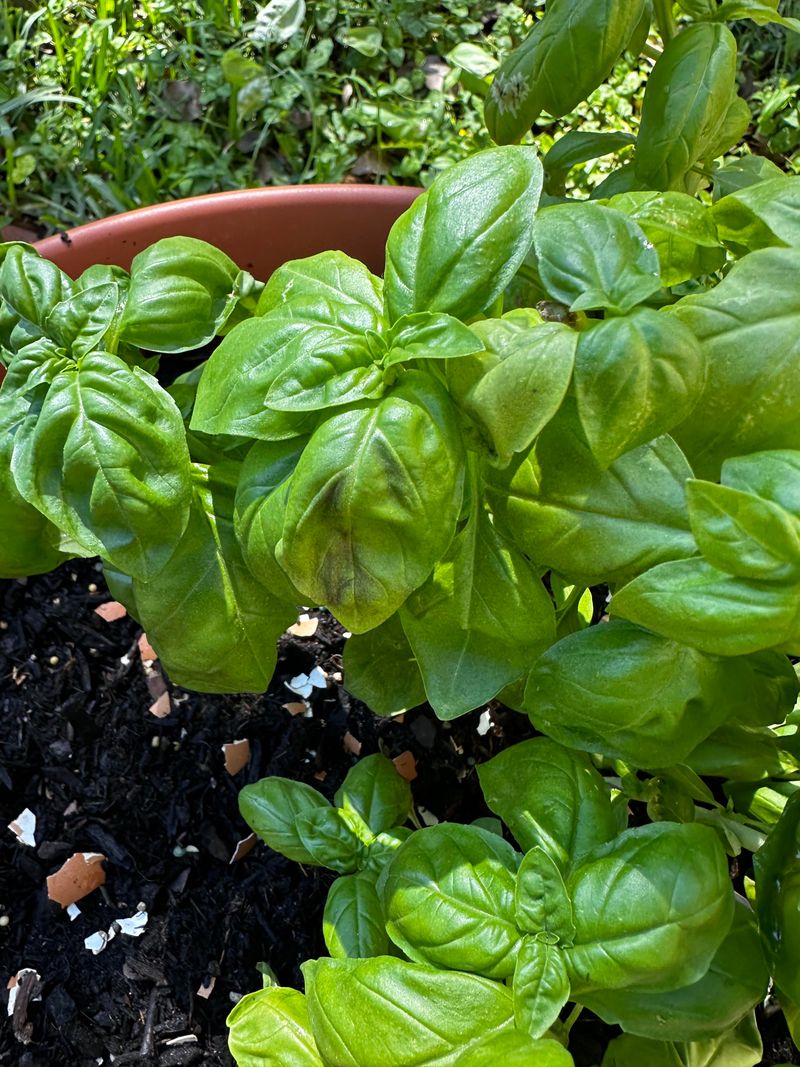
Not every herb wants to dry out between waterings. Basil, parsley, cilantro, dill, and chives are a different kind of plant altogether.
These tender herbs perform best when the soil stays consistently moist but never waterlogged. Think of it as the difference between a wrung-out sponge and a soaking wet one.
You want that middle ground.
In our warm climate, the top inch or two of potting mix can dry out surprisingly fast, especially during hot, sunny stretches. Checking the soil regularly, rather than watering on a fixed schedule, is one of the most practical habits you can build.
Push your finger about an inch into the soil. If it feels dry at that depth, it is usually time to water.
If it still feels cool and slightly damp, you can wait another day.
Mulching the top of the container with a thin layer of straw or shredded leaves can help slow moisture loss between waterings. This is especially useful for basil, which can look droopy and stressed when it dries out too quickly in summer heat.
Keeping pots in a spot that gets morning sun but some afternoon shade can also help the soil hold onto moisture a bit longer during the hottest parts of the day.
A standard potting mix with some added compost often works well for this herb group. The compost adds organic matter that holds moisture more evenly without becoming compacted or waterlogged.
Avoid mixes that are too heavy or clay-like, since those can hold too much water and limit airflow around the roots.
Grouping all your tender herbs together means you can water them on a similar schedule and adjust as a group when weather patterns shift throughout the season. It simplifies your routine and keeps each plant in better condition overall.
4. Keep Mint Out Of Dry Herb Mixes
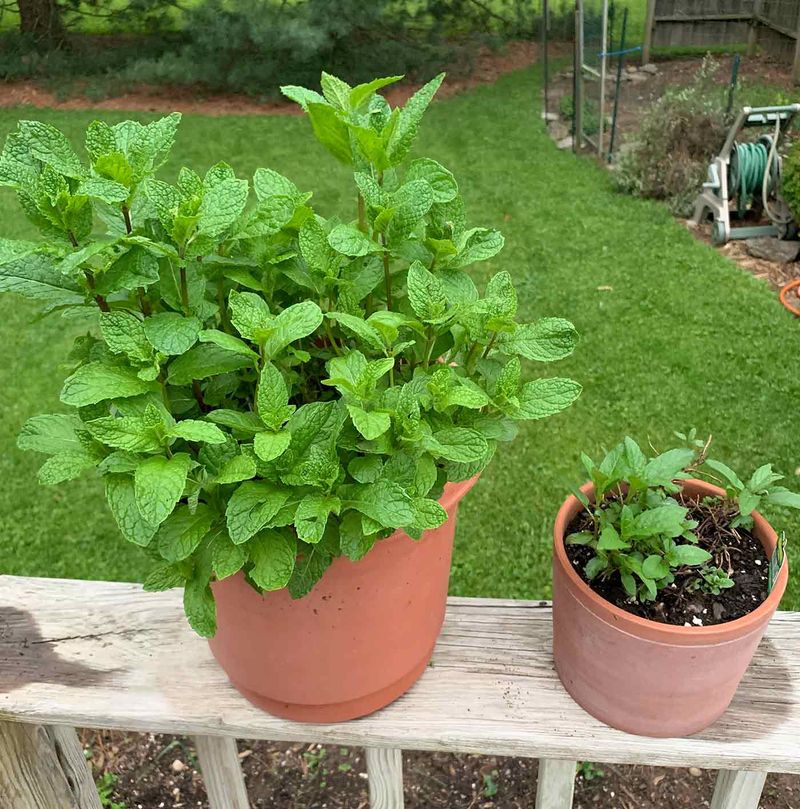
One simple way to avoid problems is to give mint its own pot before it even touches your other herbs. Mint is a special case in the herb garden, and it is worth treating it that way from the start.
It prefers more moisture than Mediterranean herbs like rosemary or thyme. Putting it in a fast-draining, dry-leaning mix is likely to leave it looking stressed and unhappy.
At the same time, mint does not always play nicely with tender herbs either. Its moisture needs can overlap somewhat with basil and parsley, but its growth habit is vigorous and wide-reaching.
Given enough room in a shared pot, it tends to crowd out neighboring plants. Growing mint solo removes that problem entirely and lets you water it on its own terms.
A regular potting mix with decent moisture retention works well for mint. You do not need anything fancy.
The main goal is a mix that stays consistently moist without becoming stagnant or waterlogged. Good drainage holes are still important, even though mint likes moisture, because sitting in standing water is not good for any herb.
In humid weather, mint often needs less frequent watering than you might expect. The air moisture and natural rain can do a lot of the work during wet seasons.
During drier stretches, check the soil every day or two and water when the top inch feels dry. Mint tends to show its stress quickly by wilting, but it also bounces back quickly once it gets a good drink.
Keeping mint in its own dedicated pot is not just about soil preferences. It is a clean, practical solution that makes your whole herb container setup easier to manage and much more enjoyable to maintain throughout the growing season.
5. Do Not Let Florida Rain Waterlog The Pot
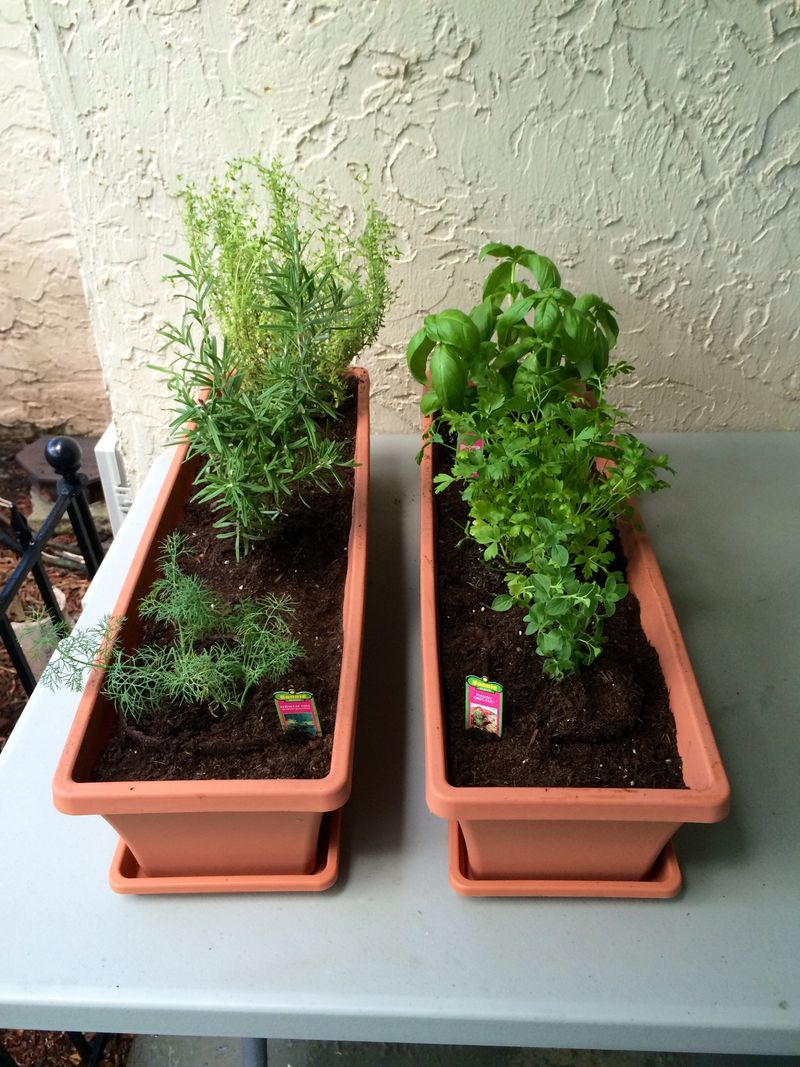
In humid weather, the rain does not always feel like a threat to your herb garden, but it can quickly become one if your pots are not set up to handle heavy downpours. This state gets some serious afternoon storms, especially from late spring through early fall.
A pot that seems perfectly watered in the morning can be sitting in soggy, saturated soil just a few hours later after a long storm rolls through.
Drainage holes are the first line of defense. Every herb container should have at least one clear, unblocked hole at the bottom.
If water cannot escape, it pools at the root zone and can cause real problems for almost any herb. Check your drainage holes regularly, since soil, roots, and debris can sometimes block them over time.
Pot placement also plays a big role. Containers that sit directly on flat ground or a solid surface can trap water underneath and slow drainage.
Raising pots slightly on pot feet, a small wooden stand, or even a few bricks allows water to flow freely from the drainage holes. This simple adjustment can make a noticeable difference during heavy rain periods.
Container material matters during the rainy season too. Terracotta breathes and helps excess moisture evaporate through the pot walls.
Glazed ceramic and plastic hold moisture longer, which can be a problem after several days of rain in a row. If you are using moisture-retaining containers, moving them under a covered overhang or patio roof during extended rainy stretches is a smart move.
Paying attention to how your pots look and feel after rain is one of the most useful habits you can build. It works better than following a fixed watering schedule in this warm, wet climate year-round.
6. Adjust Soil And Watering By Region
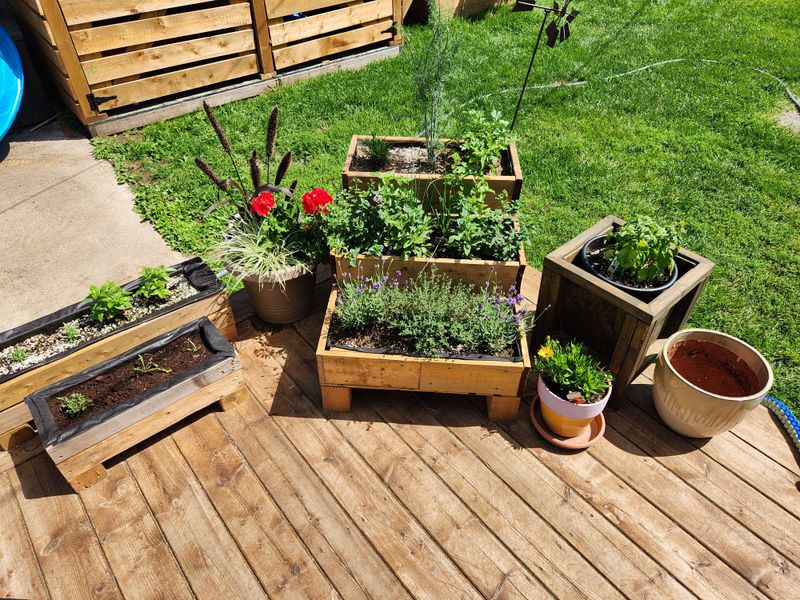
For gardeners in warmer regions of this state, the growing season stretches longer and the heat can be more intense for more months out of the year. But herb gardening in northern parts of the state looks a bit different from what works well down south.
Understanding those regional differences can help you make smarter decisions about soil and watering from the start.
Northern regions of the state can experience cooler winters and occasional frost. Herbs that are sensitive to cold may need extra protection or may be grown seasonally rather than year-round.
The soil in this part of the state may also hold moisture differently during cooler months. That means your watering schedule in winter will likely look very different from your summer routine.
Central regions often deal with long warm seasons, shifting rain patterns, and periods of both drought and heavy afternoon storms. Herb gardeners in this zone may find themselves adjusting watering frequency more often throughout the year as conditions change from season to season.
A fast-draining mix in containers can help manage the unpredictability of central region weather patterns.
Southern regions stay warm for a much larger portion of the year. The combination of heat, humidity, and frequent rain means that overwatering and poor drainage are more common concerns than dry soil.
Mediterranean herbs in this region may need even more careful attention to drainage and airflow around the pot. Tender herbs can thrive here but may benefit from some afternoon shade to reduce heat stress during peak summer months.
No matter where you garden in this state, the core soil rule stays the same: match the mix to the herb group and watch your drainage. Adjust your watering based on what the weather and the soil are actually doing rather than following a rigid schedule.
7. Put The Soil Rule Into Practice
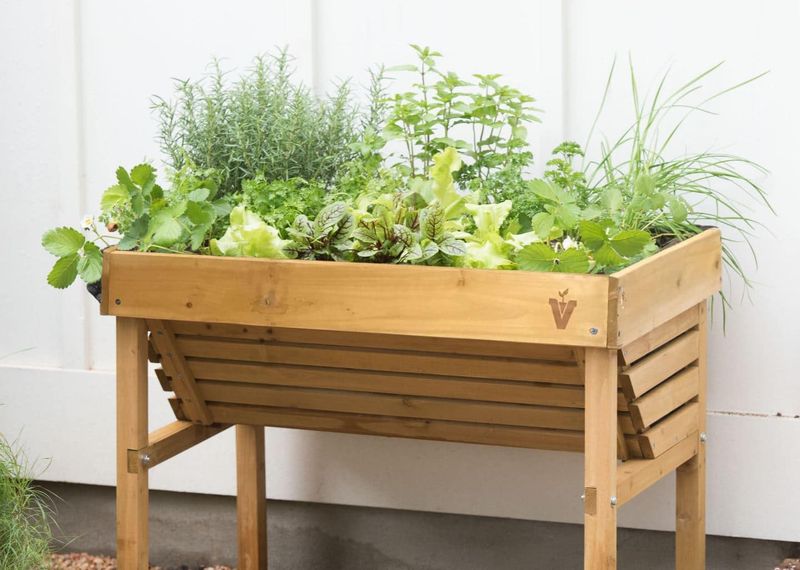
A small soil choice can change the entire outcome of your herb garden, and now that you know the core rule, putting it into practice is simpler than it might seem. Start by making a short list of the herbs you want to grow.
Then sort them into two or three groups based on their moisture and drainage preferences before you buy a single bag of potting mix or a single pot.
Mediterranean herbs like rosemary, thyme, oregano, sage, and lavender go in one group. Tender herbs like basil, parsley, cilantro, dill, and chives go in another.
Mint gets its own pot. That basic sorting is really the heart of the whole approach, and it takes about five minutes to do before you head to the garden center.
Once you have your groups sorted, choose your containers and potting mixes accordingly. Use fast-draining mix for the Mediterranean group.
Use a standard moisture-retaining mix with some compost for the tender herbs, and a regular mix with consistent watering for mint on its own. Label your pots if it helps you remember which group is which, especially when you are first getting started.
Check in on your pots regularly rather than watering by the calendar. Soil conditions in this climate can shift quickly with rain, heat, and humidity.
Getting comfortable with the finger test, pressing a finger an inch into the soil to check moisture, is one of the most reliable low-tech tools any gardener can use.
Herb gardening in this state is genuinely rewarding when your plants are set up with the right foundation from the beginning. The soil rule is not complicated.
It is the kind of simple, practical knowledge that makes a real difference between a pot that struggles and one that produces fresh herbs all season long.