The 8 Best Plants For A Sweet-Smelling Border Near Your Florida Patio
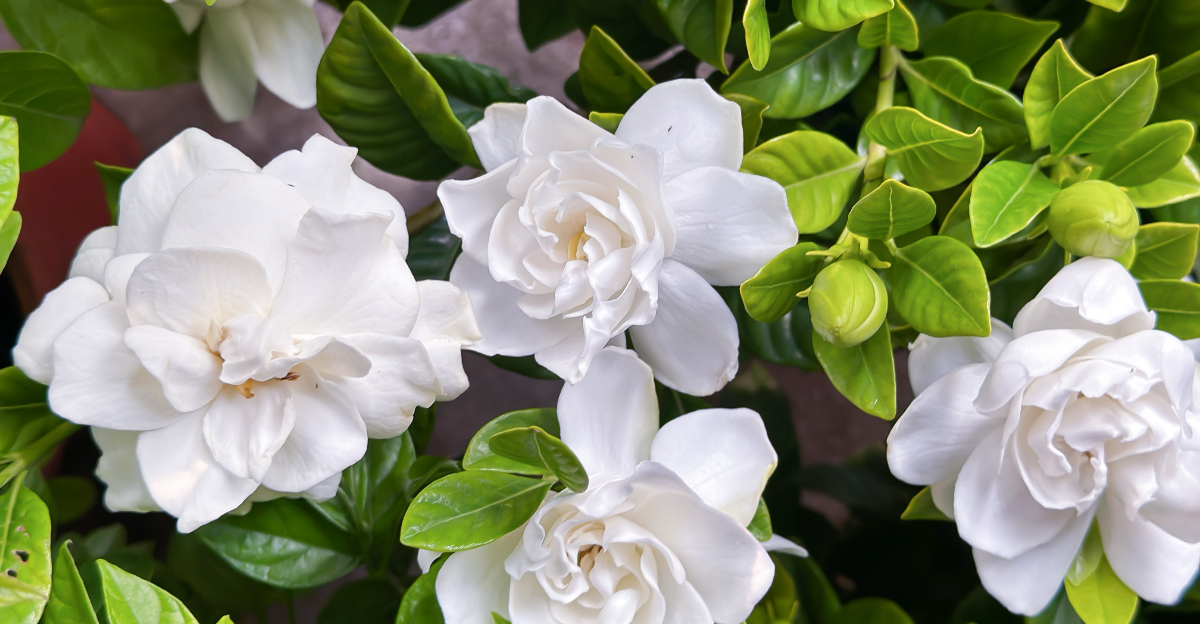
Florida patios have a mood problem on muggy afternoons. Synthetic air fresheners and candles cannot compete with what a well-planted border can do naturally.
The right plants pull double duty: they look good and they push fragrance right where you want it, close to where you actually spend time. Florida’s climate is not always forgiving, but it does have one generous habit of rewarding gardeners who plant smart.
A few of the right choices along a patio border can shift the whole feel of an outdoor space without much fuss. No elaborate garden design needed, no rare specimens that require a horticulture degree to maintain.
Just plants that genuinely perform in heat, humidity, and Florida’s unpredictable rain patterns. Some bloom, some are evergreen, and a handful surprise people who thought fragrant gardens were only possible up north.
These are worth a serious look.
1. Plant Gardenia Where The Patio Can Catch Its Perfume
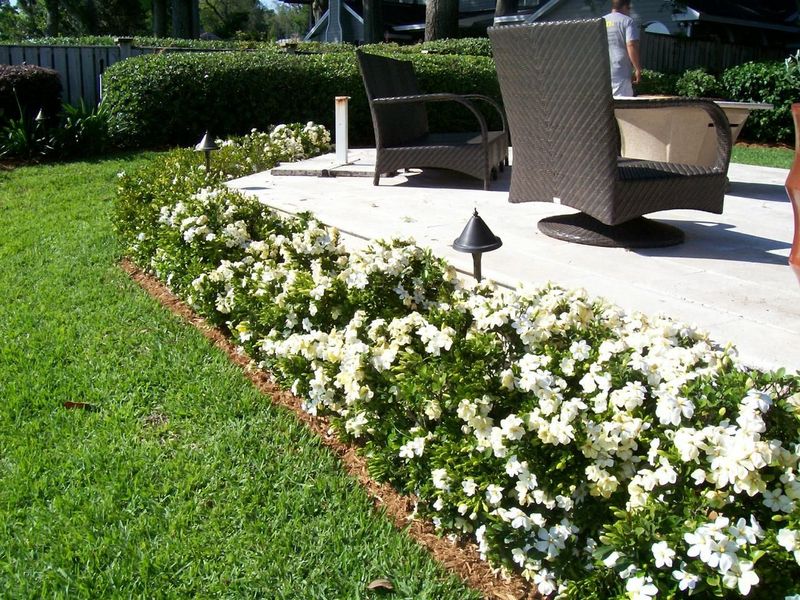
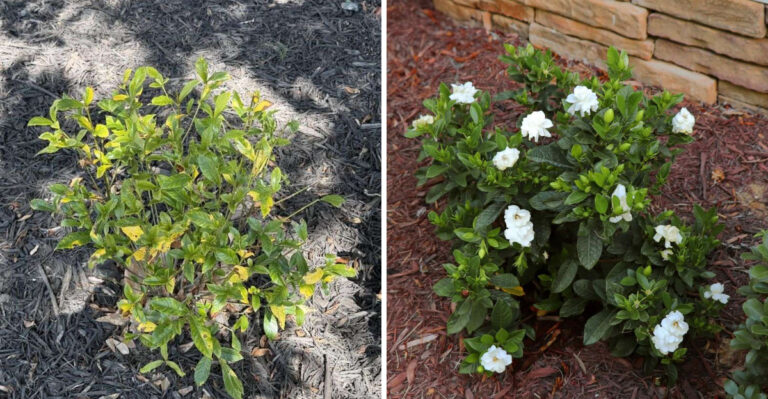
A patio border feels different when a gardenia is planted just close enough for the breeze to carry its scent straight to your seat. Few plants match that rich, creamy fragrance, and the glossy dark green leaves look polished even when the plant is not in bloom.
Gardenias have earned their place in Southern gardens for good reason.
Gardenia is not native to this state, but it is widely used as a Florida-friendly landscape shrub. It does best in well-drained, acidic soil with partial to full sun.
Without the right soil pH, leaves can turn yellow and the plant may struggle to bloom consistently. A soil test before planting can save a lot of guesswork.
Placement matters more than most people realize. Tucking a gardenia near a corner of the patio, along a fence line, or beside a seating wall lets the fragrance drift naturally toward you during warm evenings.
Morning sun with some afternoon shade often works well in warmer regions.
Gardenias may need more care than tougher shrubs, including regular feeding, pest monitoring, and occasional pruning after bloom. Grafted varieties can be less cold hardy, which is worth noting for gardeners in northern parts of the state.
Choose a cultivar suited to your region, give it the right soil conditions, and it can reward you with one of the most memorable scents in any garden.
2. Use Tea Olive For A Soft Scent That Returns Often
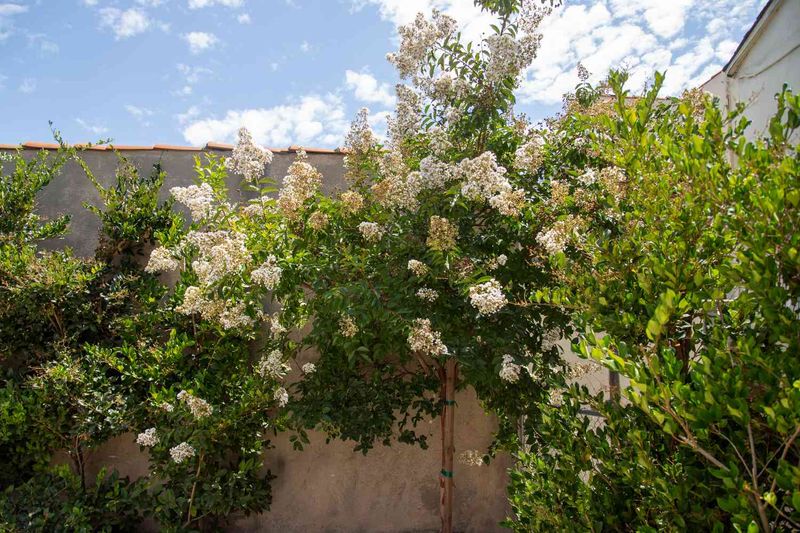
For a softer scent near seating areas, tea olive is one of the most reliable choices available in local gardens. The flowers are tiny, almost easy to overlook, but the fragrance they release is sweet and clean in a way that never feels overwhelming.
Many people smell it before they ever spot the blooms.
Tea olive is not native, but it is a well-regarded Florida-friendly shrub, especially in North and Central regions, that works in many garden styles.
It tends to bloom in cycles throughout the year rather than all at once, which means you get returning waves of fragrance instead of one short burst.
That quality makes it especially pleasant near a patio where you spend time across different seasons.
Your Florida Garden Changes Every Week. Your Plan Should Too.
Gardening in Florida changes quickly throughout the season. Every Friday you’ll receive a simple weekly plan showing exactly what to plant, prune, fertilize, harvest, and protect so you never miss the right timing.
Placement near entries, patio edges, or outdoor seating walls lets you enjoy the scent up close. In northern and central regions, tea olive generally performs well with full to partial sun and reasonable moisture.
In warmer southern areas, some afternoon shade and thoughtful placement may help, though it is usually a more reliable choice farther north.
Tea olive tends to be lower maintenance than some other fragrant shrubs, which is a genuine bonus. It can be shaped lightly to fit a border without losing its natural form.
If you want a plant that quietly delivers fragrance without demanding constant attention, this one earns a strong spot on the shortlist for any patio border in this state.
3. Train Star Jasmine Where It Can Be Pruned
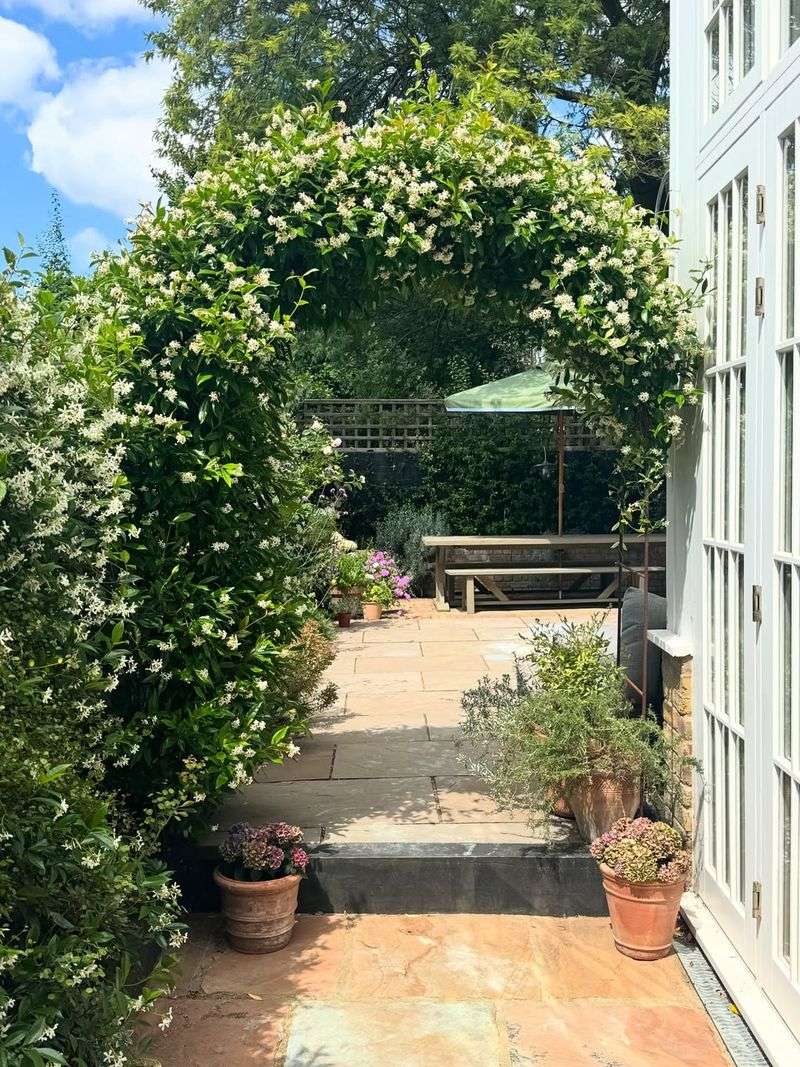
The best spot for this plant is somewhere you can reach it easily with a pair of pruning shears. Star jasmine is one of those fragrant vines that people fall for quickly, and for good reason.
The white, pinwheel-shaped flowers release a sweet scent that can fill a patio corner on a warm evening in a way that feels almost tropical.
Star jasmine is not native, but it is commonly used in this state as a fragrant vine or groundcover. It works well on fences, trellises, pergolas, and patio supports where it can climb and spread in a managed way.
The key word there is managed. This plant grows vigorously and will move into nearby shrubs, over walkways, or along the ground if left unchecked.
Pruning a few times a year keeps it looking tidy and prevents it from overwhelming the rest of the border. Without regular attention, it can crowd out smaller plants and become more work than expected.
A sturdy support structure helps keep growth directed and makes pruning much easier over time.
Despite its maintenance needs, star jasmine remains a popular choice because the fragrance is genuinely impressive. Many gardeners find the pruning routine manageable once they get into a seasonal rhythm.
If you have a fence or trellis near the patio and enjoy a strong sweet scent, this vine can be a rewarding addition when handled with a little consistency.
4. Edge The Border With Sweet Alyssum
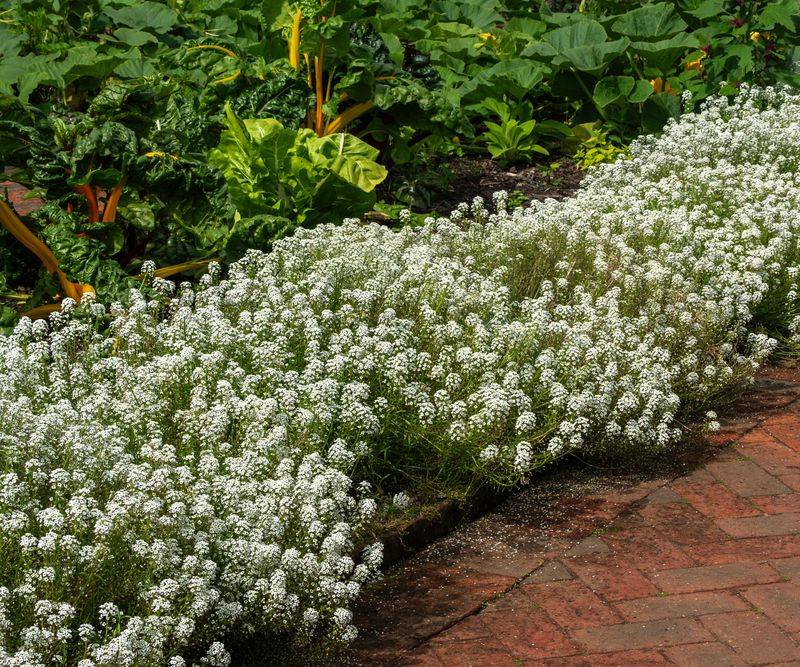
A small border plant can still make a big impression, and sweet alyssum proves that every single bloom season.
The clusters of tiny flowers carry a soft honey-like scent that drifts at ground level, making it especially noticeable when you walk past or sit close to the border edge.
It is one of those plants that rewards you just for being nearby.
Sweet alyssum is not native, but it can work beautifully as a low, fragrant edging plant during the cooler parts of the year.
Fall through early spring is typically its best season in warm regions, when temperatures drop enough for it to bloom freely and stay looking fresh.
The small mounded form and delicate flowers make it a natural fit along patio edges or the front of a mixed border.
Summer heat and high humidity are where this plant runs into trouble. In warmer parts of the state, it may fade, stop blooming, or look tired well before the season ends.
Treating it as a seasonal plant rather than a permanent fixture is the most realistic approach.
Planting fresh sweet alyssum each cool season is a simple way to keep the border fragrant and colorful during the months when you are most likely to be sitting outside. It pairs well with other cool-season plants and fills gaps in the border with very little fuss.
For a low-cost, low-effort fragrance boost along the patio edge, it is hard to beat during the right time of year.
5. Choose Simpson’s Stopper For Native Fragrance
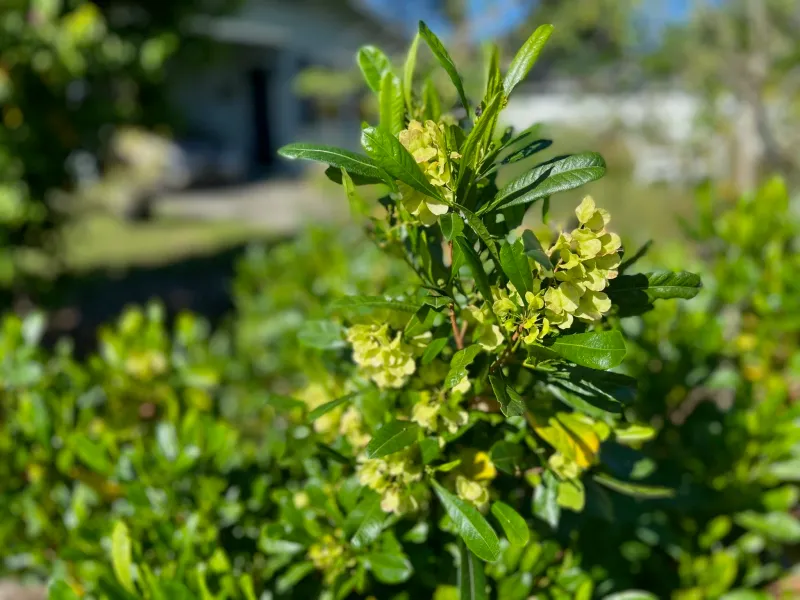
One reason gardeners like this choice is that it brings more than just fragrance to the border.
Simpson’s stopper is a native shrub with a lot going for it, including small white flowers with a light, pleasant scent, bright red berries that attract birds, and dense evergreen foliage that looks tidy year-round.
It earns its space without needing much fuss.
The fragrance from Simpson’s stopper is real but subtle. It is worth being honest about that upfront.
This is not a plant that will fill the patio with perfume the way gardenia does. The scent is light and pleasant, something you notice when you walk past or when a breeze moves through the border, rather than something that announces itself from a distance.
As a native plant, it supports local wildlife and fits naturally into Florida-friendly landscape designs. It can work well as a medium-sized shrub near a patio when there is enough room for it to grow.
Checking the mature size before planting is always a good idea, since some selections can grow larger than expected in good conditions.
For gardeners who want to move beyond purely ornamental imports and include plants with genuine ecological value, Simpson’s stopper is a strong candidate.
It handles heat, humidity, and local conditions well, and it brings a layered kind of beauty that goes beyond just the blooms.
Native fragrance with wildlife value is a combination worth choosing whenever the space allows.
6. Use Carolina Jessamine With Care Near Patio Borders
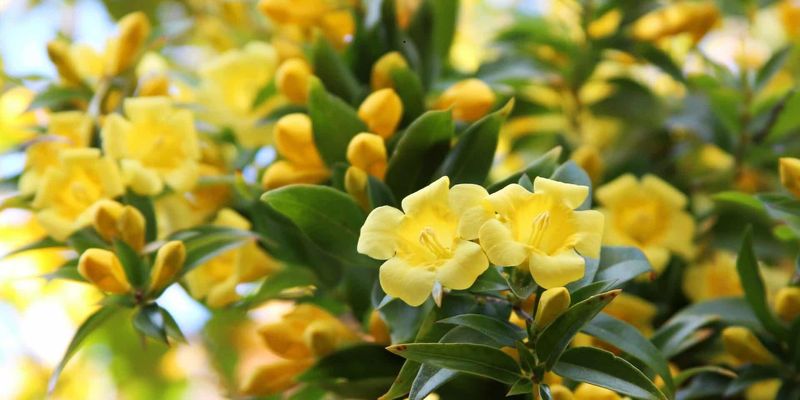
Safety matters with this vine because every part of it is poisonous if ingested. Carolina jessamine is native, cheerful, and genuinely fragrant, with bright yellow tubular flowers that bloom in late winter and early spring.
It can be a beautiful addition to the right spot, but it is not the right choice for every patio situation.
Households with curious pets, young children, or any grazing animals nearby should think carefully before planting this one close to traffic areas or play spaces.
The toxicity applies to all parts of the plant, so placement matters more here than with most other options on this list.
A fence, arbor, or trellis in a low-traffic corner is a much safer setting than a low border where contact is easy.
When placed thoughtfully, Carolina jessamine can bring real beauty and fragrance to a patio border. The yellow blooms are vivid and the scent is sweet without being heavy.
It is a native vine that can attract some pollinators and fits well into Florida-friendly garden designs when used in the right context.
Pruning after bloom keeps it manageable and prevents it from spreading too aggressively.
Like other vigorous vines, it benefits from a sturdy support structure and seasonal attention.
If your patio has a fence or arbor away from areas where children or pets spend time, Carolina jessamine can be a rewarding native choice that adds color, fragrance, and ecological value to the border.
7. Use Sweet Bay Magnolia For A Native Fragrant Backdrop
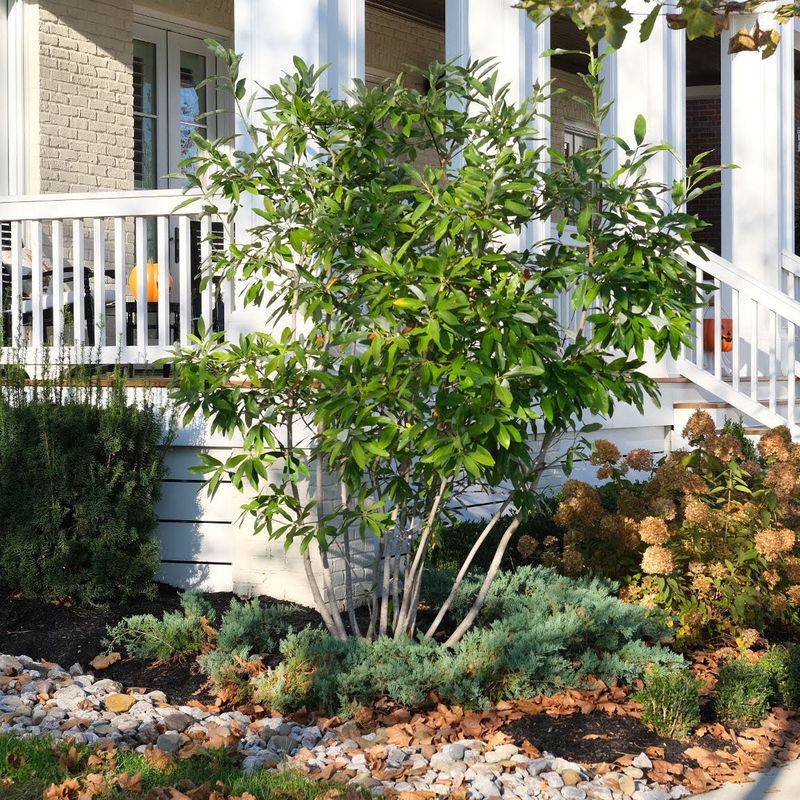
Before planting, think about how much space your patio border actually has, because sweet bay magnolia can grow into a sizeable tree or large shrub depending on the conditions.
That said, when there is room for it, this native plant makes a genuinely lovely fragrant backdrop.
The flowers are creamy white with a soft lemony scent that feels clean and natural rather than heavy or sweet.
Sweet bay magnolia is native to this state and tends to do well in moist, even wet, soils. It is a good fit near low spots in the yard or areas that stay a little damp after rain.
In drier spots, it may need more supplemental water to stay healthy and look its best, especially while it is getting established.
The foliage has a silvery underside that catches the light and adds visual interest even when the plant is not in bloom. It offers a soft, natural look that pairs well with other native plants in a mixed border.
Regional considerations matter here too, since mature size, available moisture, and sun exposure can all vary depending on where in the state you garden.
For gardeners with enough space and a preference for native plants, sweet bay magnolia brings fragrance, structure, and year-round appeal to a patio border.
It is worth researching the mature size of the specific form you choose before committing to a planting spot near a patio or walkway.
8. Try Walter’s Viburnum For Light Native Fragrance
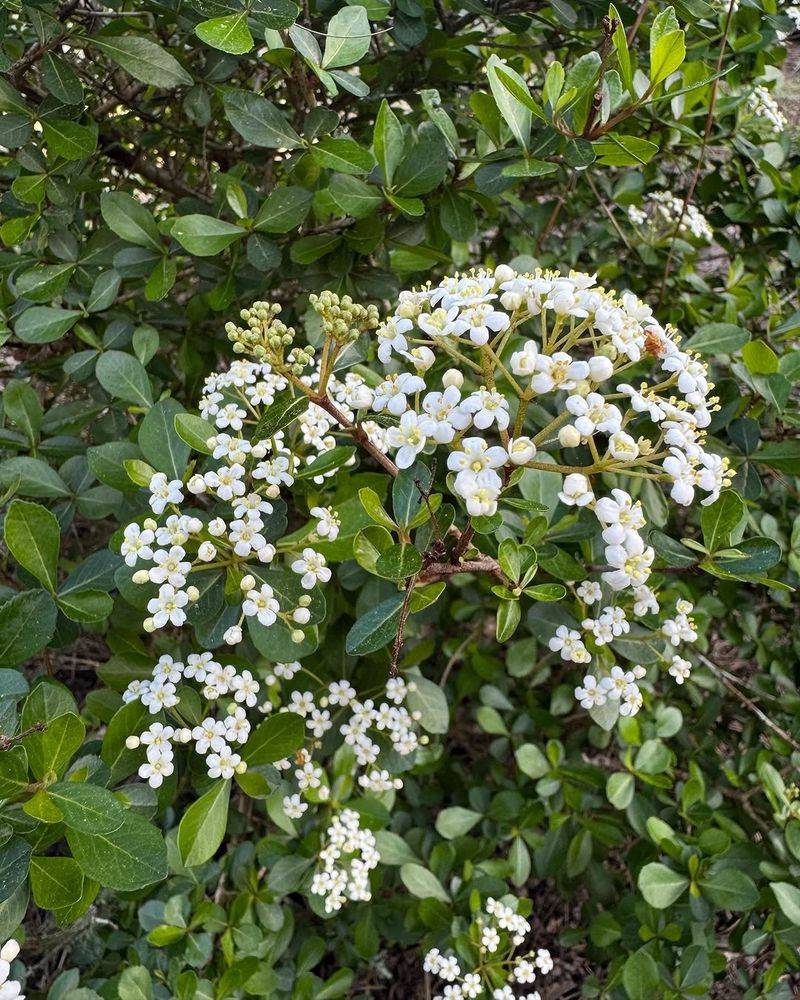
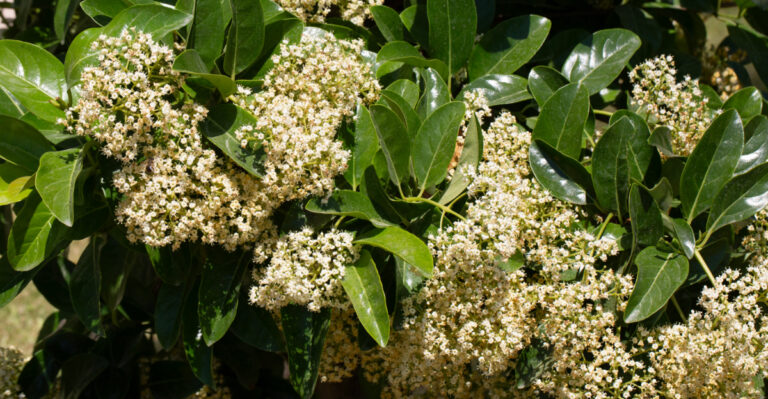
This native shrub earns its place by doing several things well at once. Walter’s viburnum can be used as a shrub, a hedge, or a border plant, and its clusters of small white flowers add a light, sweet fragrance to the garden during bloom time.
It is not a heavily perfumed plant, and describing it that way would be an overstatement, but the scent is real and pleasant when you are close to it.
Beyond fragrance, Walter’s viburnum brings genuine wildlife value to the border. The berries attract birds, and the dense foliage provides cover for small wildlife.
For gardeners who want a border that does more than just look and smell nice, this native option checks a lot of boxes without requiring unusual care or hard-to-find inputs.
Size can vary depending on the selection, which is something to check before buying. Some forms stay compact and manageable for a patio border, while others can grow quite large over time.
Choosing a form that fits your available space from the start saves a lot of reshaping work later on.
Walter’s viburnum handles heat and humidity well, which makes it a dependable choice across many parts of the state. It fits naturally into Florida-friendly landscape designs and works well alongside other native shrubs in a mixed fragrant border.
For a low-drama native option that brings light scent, wildlife appeal, and evergreen structure, this one is worth a close look.