Why Florida Gardeners Add Pine Cones To The Bottom Of Large Planters
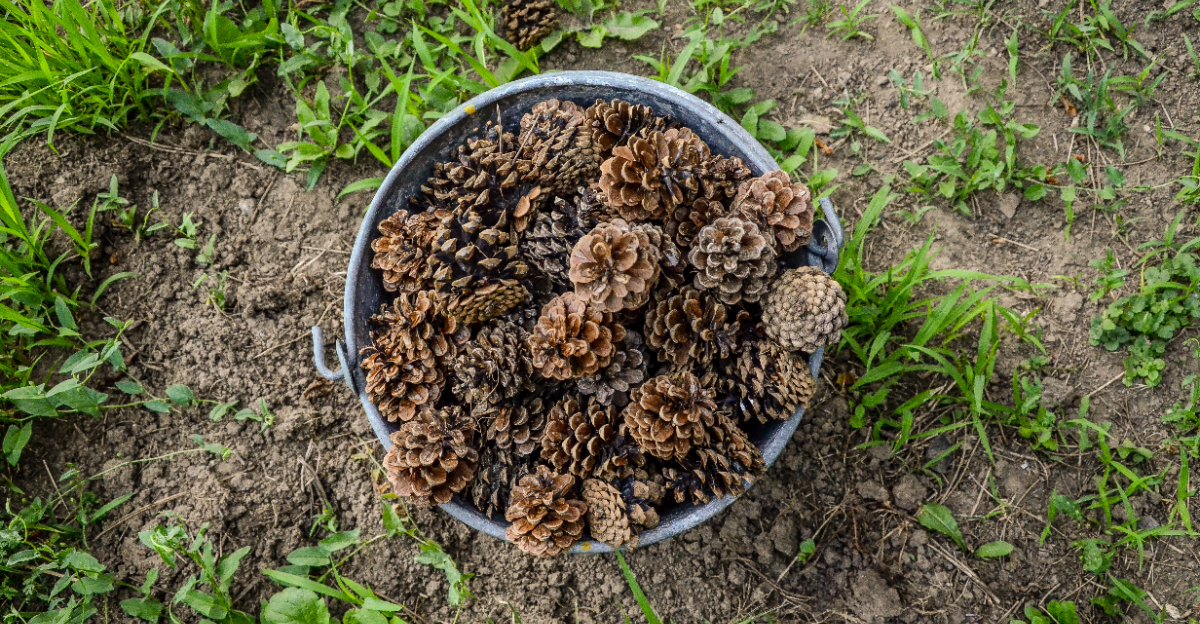
Scroll through any Florida gardening group and pine cones in planters come up more than you would expect.
Not as decoration, not as some folk remedy passed down from a grandparent, but as a practical solution to a problem that catches a lot of container gardeners off guard.
Large planters are expensive to fill, heavy to move, and surprisingly easy to mess up once Florida’s rainy season starts dumping water by the bucket. Poor drainage and soggy potting mix can turn a gorgeous container into a swamp fast.
That is where pine cones come in – not as a miracle drainage cure, but as a free, lightweight space filler for oversized pots that do not need soil from top to bottom.
Florida gardeners are nothing if not resourceful, and this trick earns its place when it is used for the right reason.
Pine cones can save soil, cut weight, and make big planters easier to manage. But there is a right way to do it, and a few things worth knowing before you start layering anything into a planter that costs serious money to fill.
1. Use Pine Cones As A Space Filler, Not A Drainage Fix
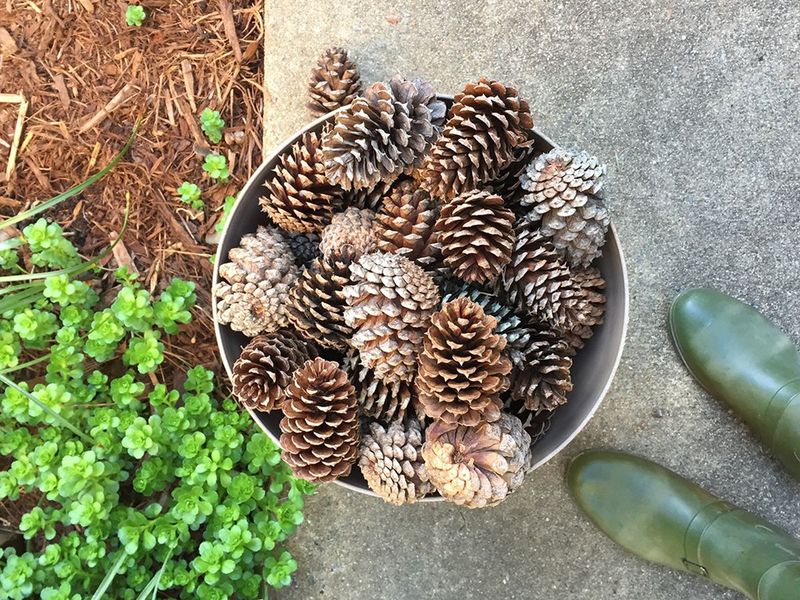
The biggest misunderstanding about pine cones in planters is that they somehow improve drainage on their own. That is not quite how it works.
Pine cones placed at the bottom of a deep pot are useful as a space filler, not as a drainage system.
When you have a very large or deep planter, filling the entire thing with potting mix can get expensive fast. A layer of pine cones at the base takes up volume without adding much weight, which also makes oversized pots easier to move around a patio or deck.
That is the practical win here, not drainage.
Drainage depends on two things above all else. Your planter needs open holes at the bottom, and water must be able to flow through and out of the container freely.
Pine cones sitting below the soil do not create drainage. They do not pull water away from roots or prevent soggy conditions on their own.
If your pot has no drainage holes, adding pine cones will not fix that. Water will still collect at the base and create wet, stagnant conditions that most plants do not handle well.
The pine cones may even trap moisture around themselves as they slowly absorb water over time.
Think of pine cones as a lightweight filler that reduces how much potting mix you need, especially in pots that are deeper than your plant actually requires. That is a reasonable, practical use.
Just do not expect them to do the work that proper holes, good-quality potting mix, and careful watering are supposed to do. Used with realistic expectations, pine cones can be a helpful tool in a large container setup without overpromising results.
2. Save Them For Large Planters With Extra Depth
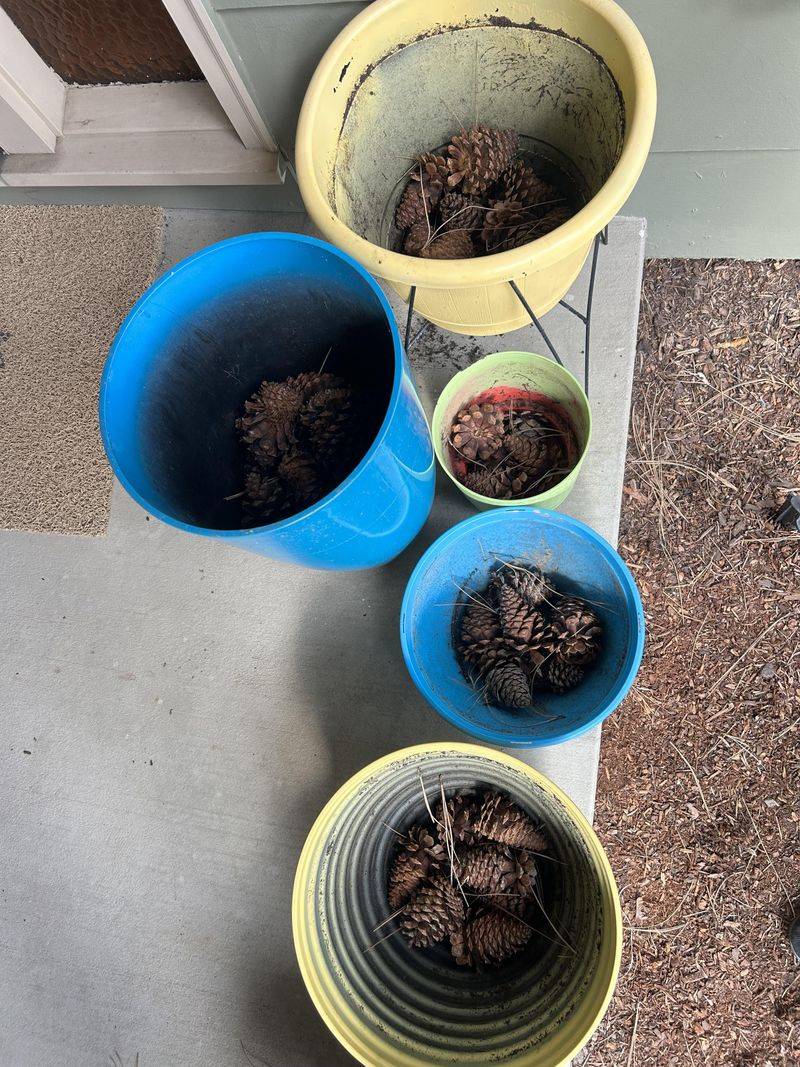
Deep planters can trick gardeners into thinking every inch of space needs to be packed with potting mix. For a small annual flower or a compact shrub, that extra depth at the bottom often goes unused by roots anyway.
Your Florida Garden Changes Every Week. Your Plan Should Too.
Gardening in Florida changes quickly throughout the season. Every Friday you’ll receive a simple weekly plan showing exactly what to plant, prune, fertilize, harvest, and protect so you never miss the right timing.
That is where pine cones can quietly do their job.
Tall planters, wide decorative urns, and oversized containers are the best candidates for this approach. When you are growing a plant with a moderate root system, check the depth of the pot.
If the pot is significantly deeper than the plant needs, filling the lower portion with pine cones makes practical sense. You use less potting mix, the pot stays lighter, and the plant still has plenty of healthy growing space above.
Small pots, however, are not the right fit for this trick. Shallow containers, seedling trays, and compact pots used for herbs or young transplants need every inch of quality potting mix they can get.
Adding pine cones to a small pot just takes up room that roots actually need.
Plants with deep root systems are also not good candidates. Trees, large palms, or vigorous shrubs planted in containers may eventually send roots deeper than you expect.
For those plants, it is better to fill the entire pot with proper potting mix so roots have space to develop without hitting a layer of decomposing organic material.
The general rule is simple: the bigger and deeper the decorative planter, and the shallower the plant’s root zone, the more sense it makes to use pine cones as filler. For everything else, skip the pine cones and just use a pot that fits the plant more closely.
Matching pot size to plant size is often the better first step before reaching for any kind of filler material.
3. Keep The Root Zone Filled With Real Potting Mix
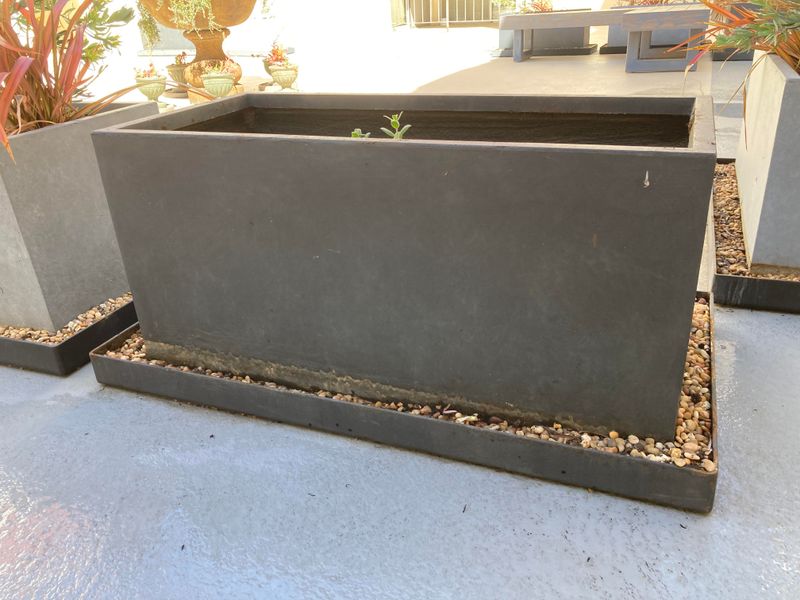
Roots still need the good stuff, no matter what is sitting below them. Pine cones might take up space at the base of a deep pot, but the active root zone above that layer has to be filled with quality potting mix.
There is no shortcut around this part.
Potting mix designed for containers does several important things at once. It holds enough moisture for roots to absorb between waterings and allows excess water to drain through.
It also provides a loose, aerated structure that roots can grow through easily. Garden soil from the yard does not do these things reliably in a container setting.
It tends to compact, drain poorly, and create conditions that stress container plants over time.
UF/IFAS Extension guidance consistently points to using a high-quality commercial potting mix for container plants rather than native soil. That advice holds whether you are growing vegetables, tropical ornamentals, or flowering annuals in pots on a porch or patio.
When planning how much potting mix to add above the pine cones, think about the specific plant you are growing. A shallow-rooted coleus or petunia needs much less depth than a larger shrub or a citrus tree in a container.
Giving roots the right amount of space, filled with the right material, is what sets a container planting up for steady, healthy growth.
Do not let the pine cones creep too high into the planting zone. Keep them as a base layer only, and make sure there is a generous buffer of potting mix above before setting the plant in place.
Roots should never be sitting directly on or tangled into the pine cone layer. Keeping those two zones clearly separated helps the plant thrive and makes future replanting or refreshing much easier to manage.
4. Check For Drainage Holes Before Adding Anything
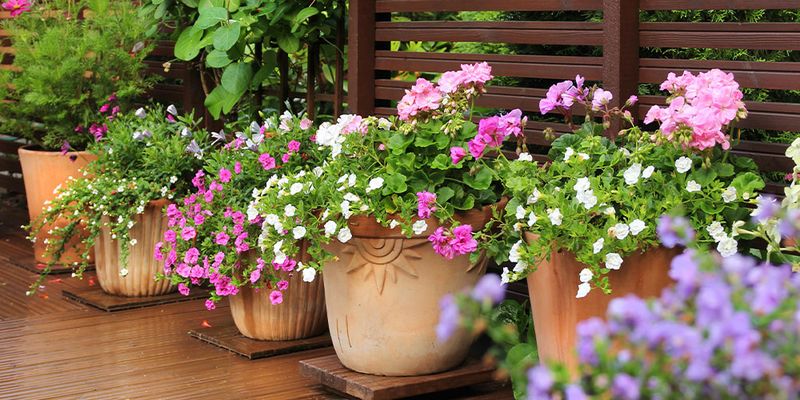
Before adding filler, look underneath. This step sounds obvious, but it gets skipped more often than you might think, especially with decorative pots purchased for their looks rather than their function.
Drainage holes matter more than anything else in a container setup, including pine cones.
A planter without open drainage holes is going to hold water at the bottom regardless of what you put inside it. Pine cones, gravel, broken pottery shards – none of these materials will drain water out of a closed container.
Water will still accumulate, sit, and create soggy conditions that most plants struggle with over time.
Some decorative pots come with drainage holes that are partially sealed or plugged during manufacturing. Others have a single small hole that may become blocked by soil or debris after a season or two.
Before filling any large planter, flip it over and check that the holes are open and clear. If they are blocked, a drill with the right bit can create or enlarge drainage holes in most pot materials.
Once you confirm the holes are open, also think about what the pot is sitting on. A planter placed flat on a solid surface can sometimes seal against the ground, preventing water from flowing out freely.
Raising the pot slightly on pot feet or small risers allows water to escape and air to circulate underneath, which supports better drainage overall.
Getting drainage right before adding any filler or potting mix is the foundation of good container gardening. Pine cones can be a useful addition after this step is confirmed, but they cannot replace it.
A pot that drains freely gives every plant a much better start, regardless of what else goes inside. Check the holes first, every time, with every new planter you set up.
5. Expect Pine Cones To Break Down Over Time
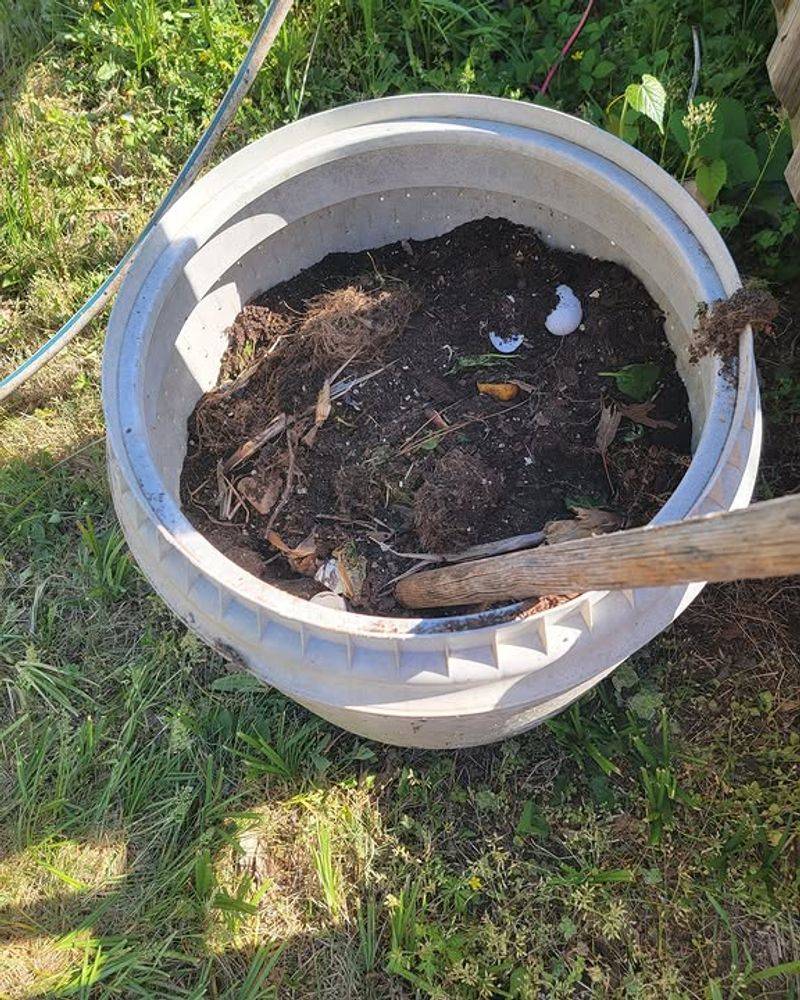
Organic filler does not stay the same forever. Pine cones are made of natural plant material, and like any organic matter, they will slowly break down once they are buried inside a warm, moist container.
In this state’s climate, that process can move along faster than gardeners expect.
As pine cones decompose, they lose volume. That gradual breakdown means the base layer inside your planter may compress and settle over time.
When that happens, the potting mix above it can drop lower inside the pot, leaving a gap between the soil surface and the rim of the container. For decorative plantings, that sunken look can be frustrating to manage.
This settling effect is one reason pine cones work better in seasonal or shorter-term container projects than in permanent plantings. If you are filling a large urn for a one-season display of colorful annuals, the breakdown timeline is not a major concern.
But if you are planting a long-lived shrub or perennial, think carefully before using pine cones. If you want to keep the plant in the same pot for several years, the shifting base layer can become an ongoing maintenance issue.
There is also the question of what happens to the decomposing material itself. As organic matter breaks down, it can change the moisture dynamics in the lower part of the pot.
Decomposed pine cone material may hold more moisture than fresh cones, which could affect how water moves through the container over a long growing season.
For Florida gardeners who do use pine cones as filler, checking the soil level each season and topping off with fresh potting mix as needed is a smart habit. Refreshing the top layer keeps plants at the right depth.
It also ensures roots always have access to quality growing material, even as the base layer slowly changes beneath them.
6. Match The Trick To Florida Rain And Humidity
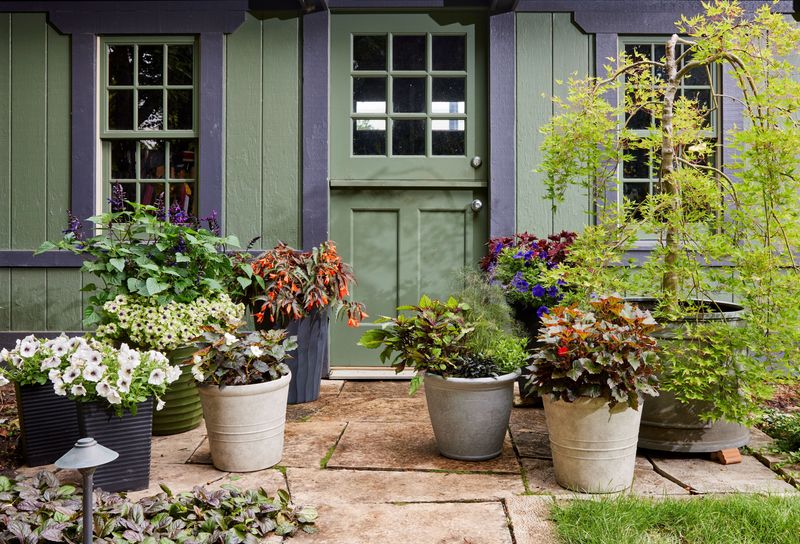
Rain changes the way containers behave, and this state gets plenty of it during the warm months. Heavy summer downpours can saturate a container quickly, especially one that is not draining freely.
Understanding how local weather affects your planters is just as important as anything you put inside them.
Gardeners in central regions of the state often deal with dramatic swings between the dry season and the rainy season. During dry stretches, containers may need more frequent watering to keep roots from drying out.
Then when the rains arrive, those same pots can stay wet for days at a time if drainage is not working well. Any filler material at the base, including pine cones, needs to work alongside a properly draining container to handle those swings without stressing the plant.
In southern regions, warm temperatures and high humidity stretch across much of the year. Containers in these areas stay moist longer after watering or rain, which means choosing plants suited to those conditions matters as much as how the pot is set up.
Overwatering is a common challenge in warm, humid regions. No amount of filler at the base changes that if the watering routine does not match the plant’s actual needs.
Northern regions of the state experience cooler winters and occasionally dry periods that differ from the rest of the state. Container gardeners there may have more flexibility with seasonal plantings and slightly different watering rhythms through the year.
Across all regions, the advice stays consistent: match the plant to the pot, the light, the soil, and the watering routine. Pine cones can play a small supporting role in a large container setup, but the local climate is always the bigger factor.
Paying attention to how your specific area handles rain and humidity will always matter more than any single trick inside the pot.