Why Native Ninebark Is One Of Michigan’s Fastest-Growing Shrubs
Many people plant a shrub, watch it struggle for years, and silently blame themselves. They think it’s due to bad soil, the wrong location, or insufficient watering. The reality is, they likely just chose the wrong plant.
Luckily, native ninebark doesn’t demand much from you. Give it a decent spot and a little patience, and it tends to take things from there.
In return, it offers one of the most rewarding growth stories in Michigan gardening.
This shrub can grow two to three feet in just one season when it’s young. It quickly fills empty corners, creates a natural privacy screen, and withstands whatever winter Michigan throws its way.
And none of this requires you to be a gardening expert with a soil test kit and a drip irrigation system.
Throughout the state, gardeners have planted it in wet low areas, dry sandy hills, heavy clay, partial shade, and full sunlight. In most cases, it has delivered.
That kind of success isn’t just luck. It’s a perfect example of what a well-suited plant looks like in action.
It Feels Right At Home In Michigan
Michigan has a unique way of testing shrubs. Cold winters, wet springs, and late frosts can really challenge many landscape plants.
Luckily, ninebark avoids most of these problems because it evolved right here. It’s already adapted to local conditions in a way that imported ornamental shrubs just can’t match.
Being native is important for more reasons than just being tough. Native plants have formed relationships with local insects, birds, and soil organisms over thousands of years.
When you plant ninebark in a Michigan yard, you are not just adding a shrub. You are connecting to an existing ecological web.
This connection helps pollinators, songbirds, and beneficial insects in ways that non-native species often can’t compete with.
Native plants also usually need less extra watering once they are established, because their root systems are designed for local rainfall patterns.
So, for anyone looking to create a landscape that doesn’t need constant care, starting with a plant that already belongs here is a really smart choice.
It Powers Through Tough Garden Spots
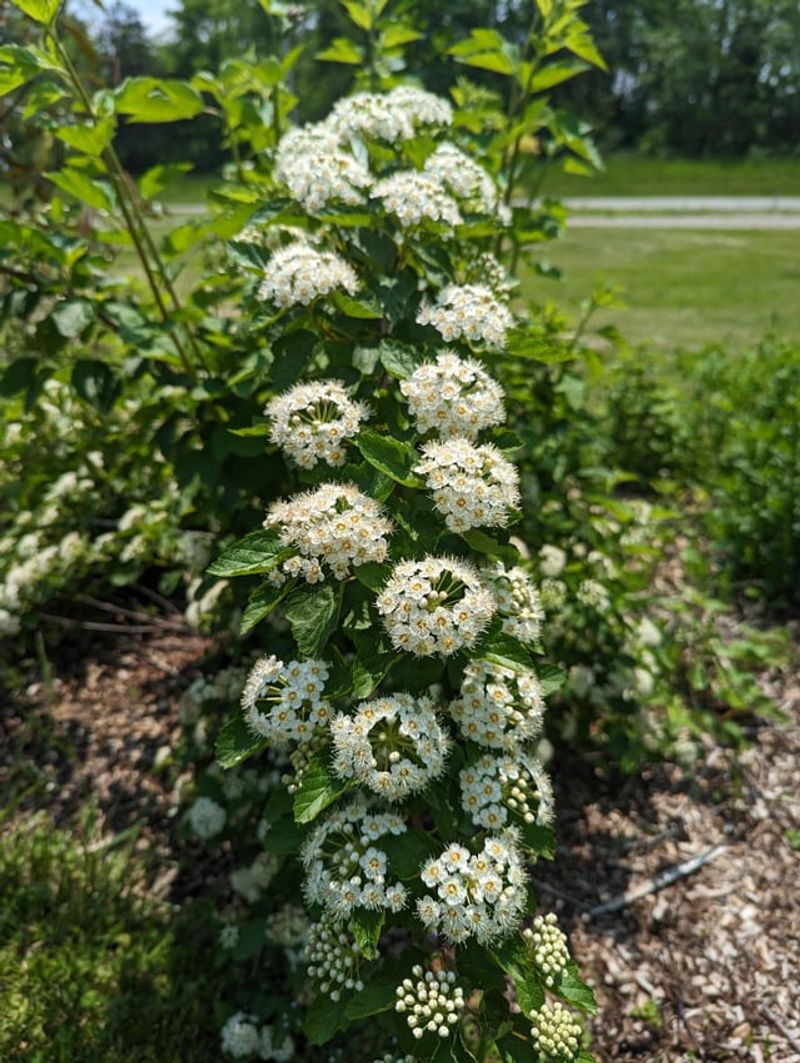
Gardens in Michigan can be tough. There are slopes that let water run off before the roots can soak it up.
Low areas that stay muddy until May. Soil that gets packed down by driveways where nothing seems to grow.
Windy spots that dry out and damage anything you try to plant there.
Most decorative shrubs look at these conditions and just give up quietly. But Ninebark looks at them and gets to work. Soggy soil after a rainy spring? It can handle that.
Drier times when summer comes? Just give it a season or two to settle in, and it can manage that too.
This kind of flexibility is rare. Most plants prefer one condition or the other. Ninebark doesn’t seem to mind either way.
Cold hardiness is another strong point. Some gardening sources say it can survive in USDA Zone 2, which means it can grow well in every part of Michigan.
Your Michigan Garden Changes Every Week. Your Plan Should Too.
Gardening in Michigan changes quickly throughout the season. Every Friday you’ll receive a simple weekly plan showing exactly what to plant, prune, fertilize, harvest, and protect so you never miss the right timing.
Harsh winters and the freeze-thaw cycles don’t usually affect ninebark much. For gardeners who have a spot in their yard where plants keep failing, this is the shrub to try next.
It was really made for those kinds of imperfect places.
It Thrives In Sun And Handles Some Shade
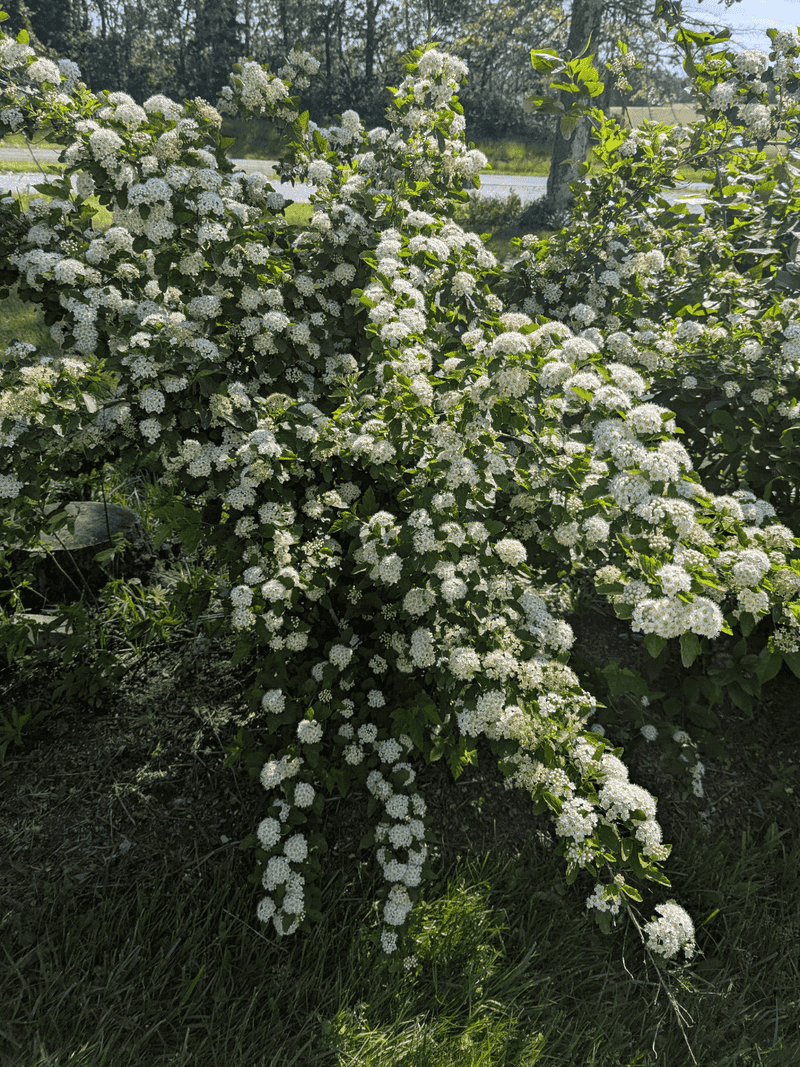
Full sun is where ninebark really shines. If you give it a bright border, the results are amazing.
Michigan State University Extension suggests full sun as the best exposure, and it’s easy to understand why. But ninebark isn’t picky about it.
Partial shade works too. Yes, the leaves might lose a bit of their brightness and the shape could open up a little. But, the plant still stays healthy and continues to grow.
For a shrub, that kind of flexibility is super helpful. Most gardens aren’t perfectly sunny everywhere, and ninebark gets that.
You can plant it on the sunnier side of a tree line. You can also try it on the north side of a building where it usually gets morning shade.
Or you can place it in a mixed border where taller plants create some shade. It can handle all of these situations without any fuss.
Just don’t put it in deep shade. Ninebark will survive, but surviving and thriving are not the same.
The rich color will fade, and the tight shape will loosen. You’ll end up with a plant that’s just getting by in tough conditions instead of one that’s really showing off. Give it some light, and it will reward you a lot.
It Rolls With Michigan Soil Conditions
Many gardeners spend a lot of time changing their soil before they decide to find plants that can just grow in what they already have. Ninebark is that kind of plant.
It can grow in clay, loam, or sandy soil. It does well in wet conditions and can handle moderately dry ones too. Ninebark can thrive in all these situations without asking for much care.
It likes slightly acidic to neutral soil pH, which is pretty common in many parts of Michigan. Most gardeners won’t need to change anything before they plant it.
But there is one important thing to note. In its first year of growth, ninebark is still developing its root system.
If the soil is too dry during this time, it can slow down its growth. Giving it regular water in the first year is a smart choice that will benefit you for many years to come.
After that first year, it mostly takes care of itself. Michigan’s changing rainfall that can stress other plants is something ninebark can handle without any fuss.
For gardeners who are tired of struggling with their soil, that’s a big deal. That’s the whole point.
It Puts On Size Without The Drama
Some shrubs can take a long time to grow. You have to wait years while you give them the right conditions. However, ninebark is different.
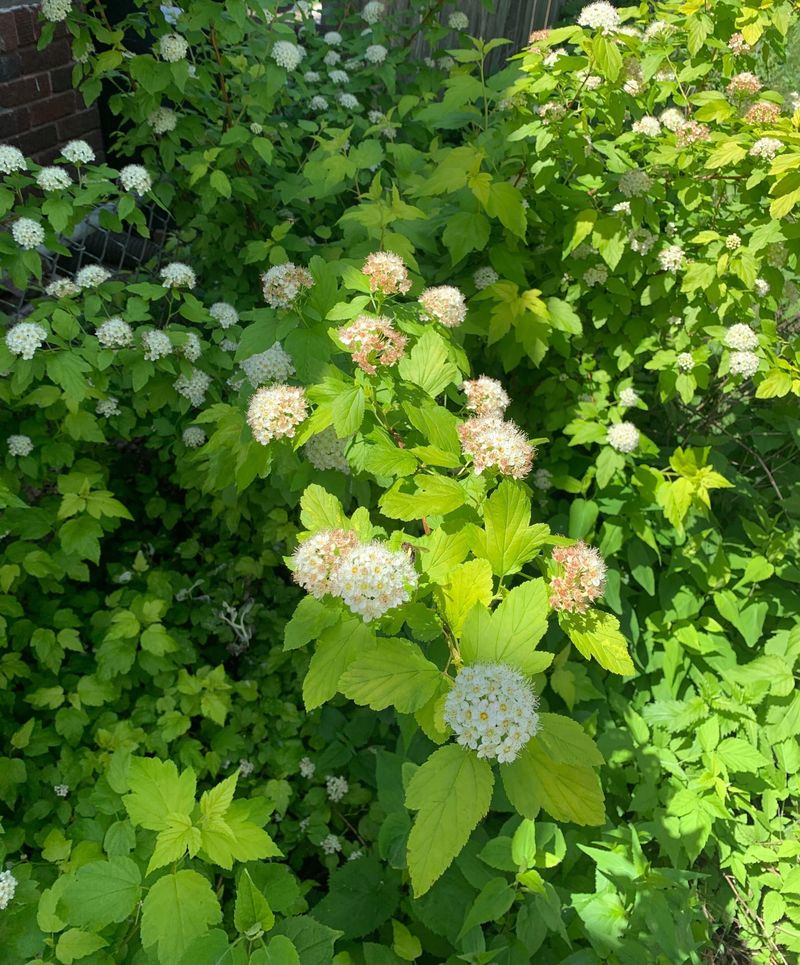
As mentioned earlier, it can grow two to three feet in just one season when it’s young. It can reach a size of about six to ten feet tall and wide, and it does this without needing a lot of extra care.
The mature ninebark is also worth the wait, even though it doesn’t take long. It has a beautiful arching shape with multiple stems and a layered look.
The branches are thick enough to provide good privacy. Plus, in winter, when most shrubs look bare, ninebark still has something special.
Its bark peels off in thin strips to show off cinnamon and orange-brown colors underneath. That’s actually how it got its name, because of all the layers hiding below the surface.
One important thing to remember is that this shrub can get really wide. If you plant a ninebark too close to a path, your house, or other plants, you’ll have to do a lot of heavy trimming to keep it in check.
So, give it plenty of space from the beginning. It will fill that area nicely, and it will look fantastic while doing it.
It Starts The Season With Soft Blooms
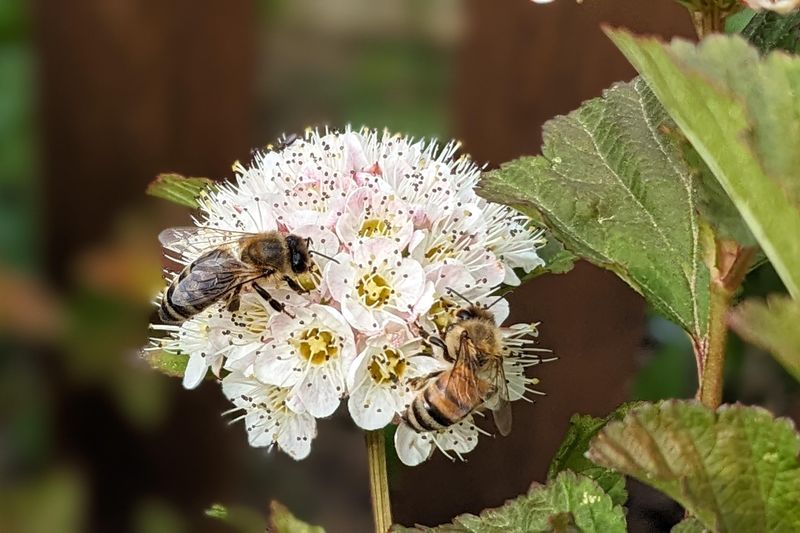
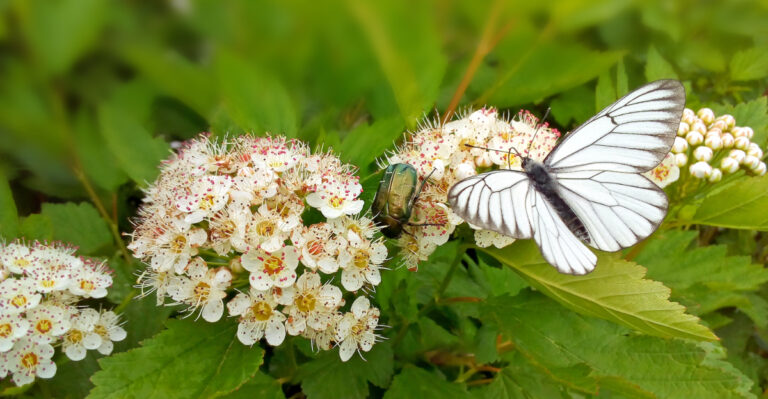
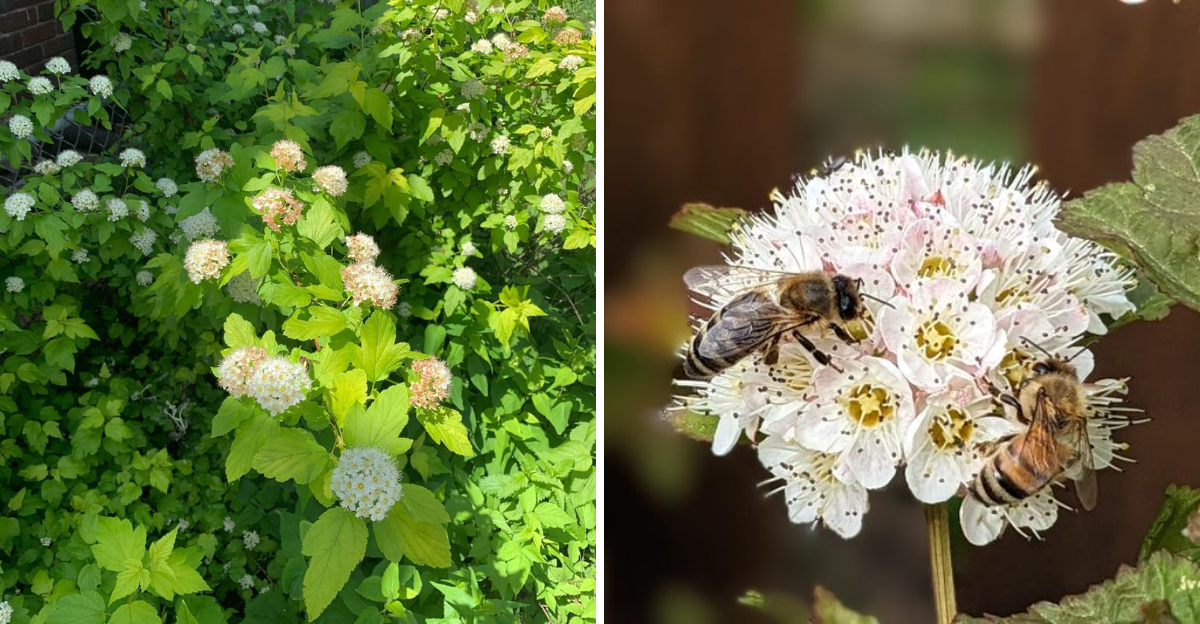
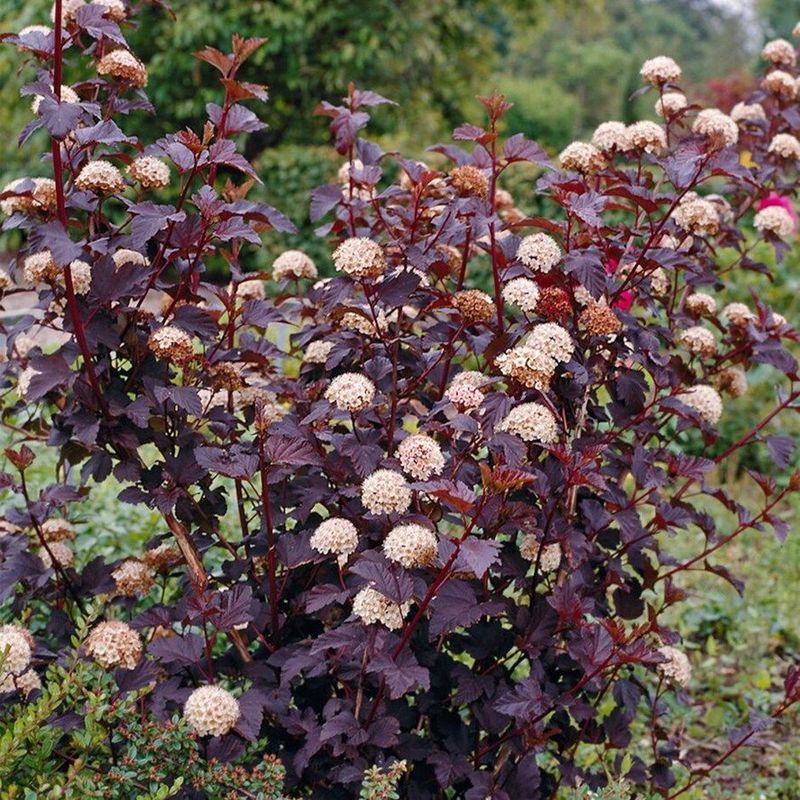
By late spring, ninebark has one more surprise in store. Bunches of small, round flowers bloom in colors ranging from white to soft pink, depending on the type.
In many areas of Michigan, these flowers start to appear from late May to June, just after the leaves have fully grown. This timing is intentional. It creates a beautiful display.
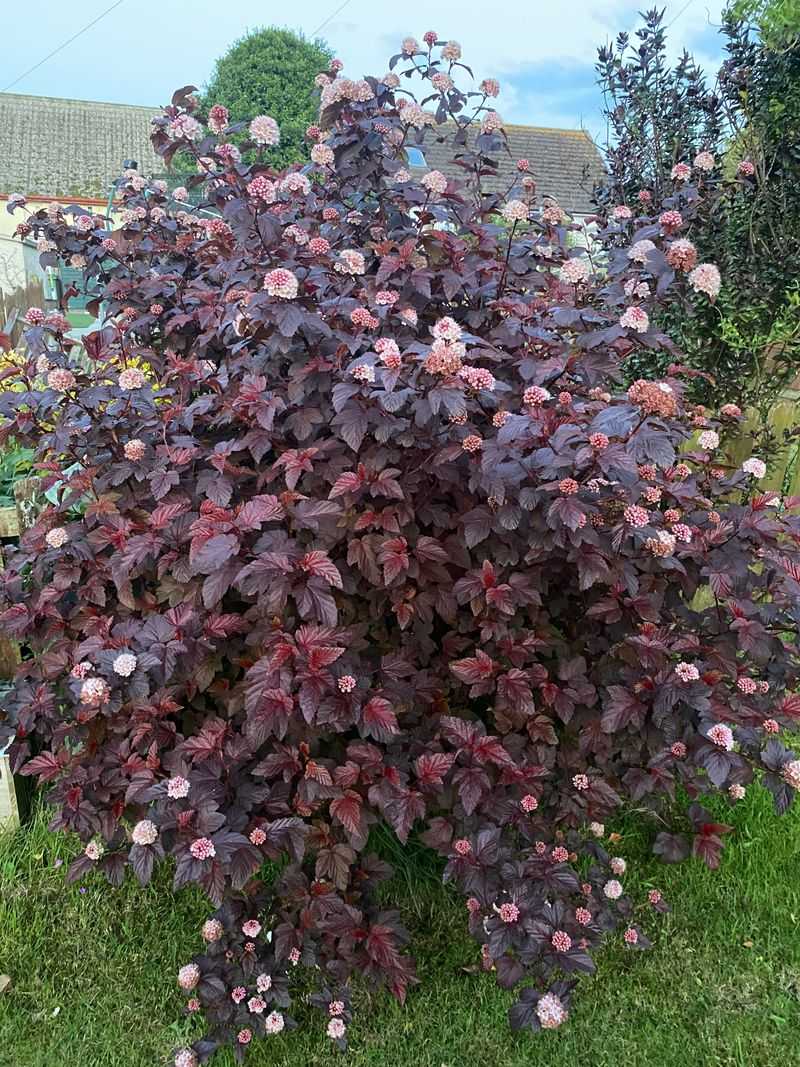
The light-colored flowers against the dark burgundy leaves of certain varieties create a stunning contrast that catches people’s attention.
However, the flowers do more than just look pretty. According to Michigan State University Extension, they are very appealing to native bees and other pollinators.
The way the flowers are structured makes it easy for these creatures to access the nectar and pollen. Small native bees, in particular, seem to love ninebark.
If you plant it near a vegetable garden or fruit trees, the increased pollinator activity can really help everything else grow nearby.
The flower clusters, known as corymbs, are about two to three inches wide and grow at the ends of the branches. There’s nothing hidden among the leaves.
The blooms appear all over the plant at the same time. However, the blooming period is short. It lasts only a few weeks, most years.
But it happens at just the right time in the Michigan gardening season. Right when you’re looking for something bright and cheerful after a long winter.
It Brings Birds Back For The Fruit
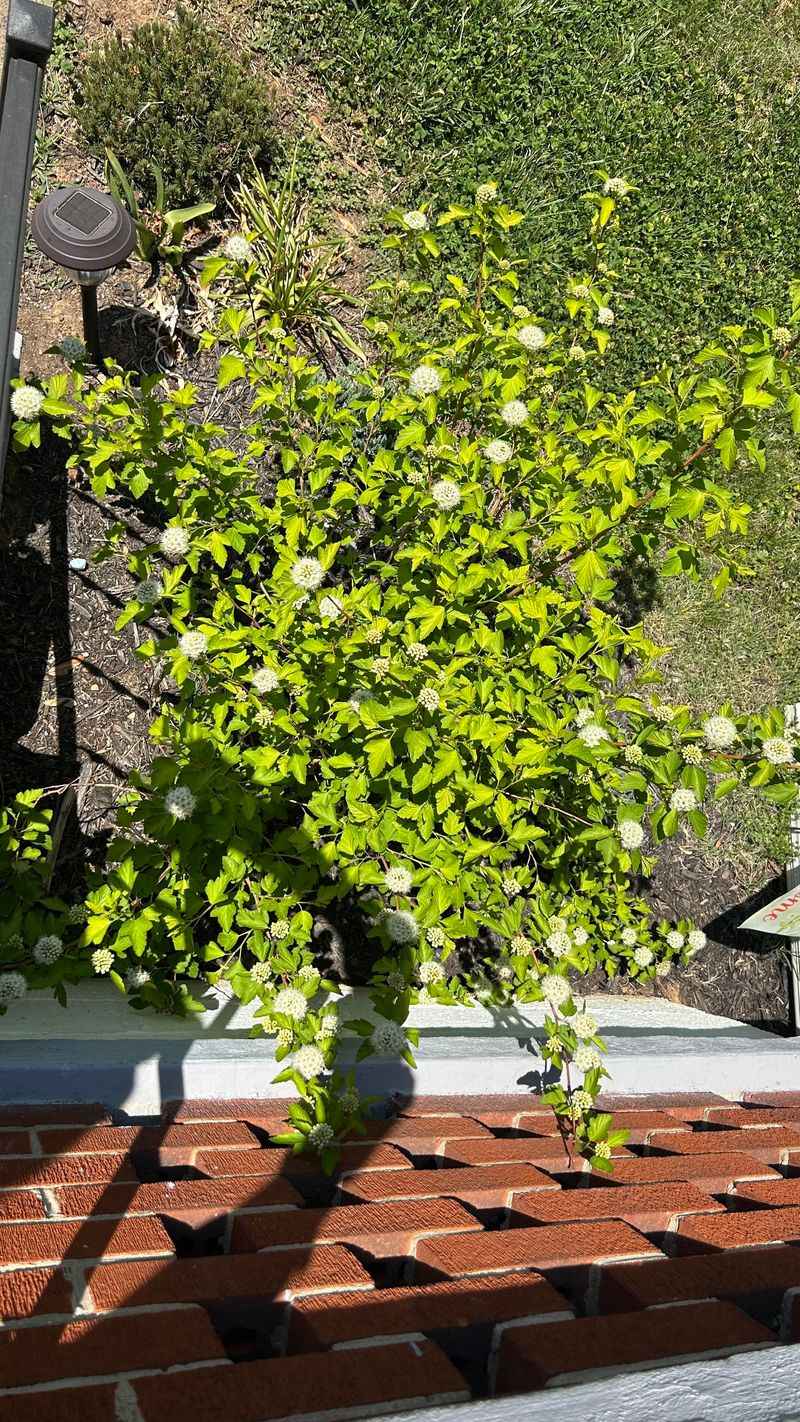
The flowers wither, but ninebark keeps going strong. By the end of summer, the seed clusters turn into puffy pods that dangle in small groups along the branches.
While other shrubs are browning and calling it quits for the season, ninebark continues to bring warm colors to the garden.
The birds notice it too. Finches and other seed-loving songbirds that travel through Michigan in late summer are attracted to the fruit of ninebark.
The visual appeal remains strong as well. In some varieties, the seed pods change to a reddish-bronze color that contrasts beautifully with the fall leaves.
And unlike some native fruiting shrubs that birds strip bare, ninebark’s fruit tends to stick around. You get weeks of color and wildlife activity instead of just one hectic afternoon.
For Michigan gardeners creating a yard that truly benefits local wildlife, that kind of longevity is definitely worth planning for.
Ninebark deserves its spot in every season. That’s pretty rare, right?