Don’t Miss Your Window To Divide These Virginia Plants Before May Ends
Your garden is trying to tell you something, and it isn’t subtle.
May in Virginia is basically one long, green cry for help.
Those hostas that used to look so elegant?
Overcrowded.
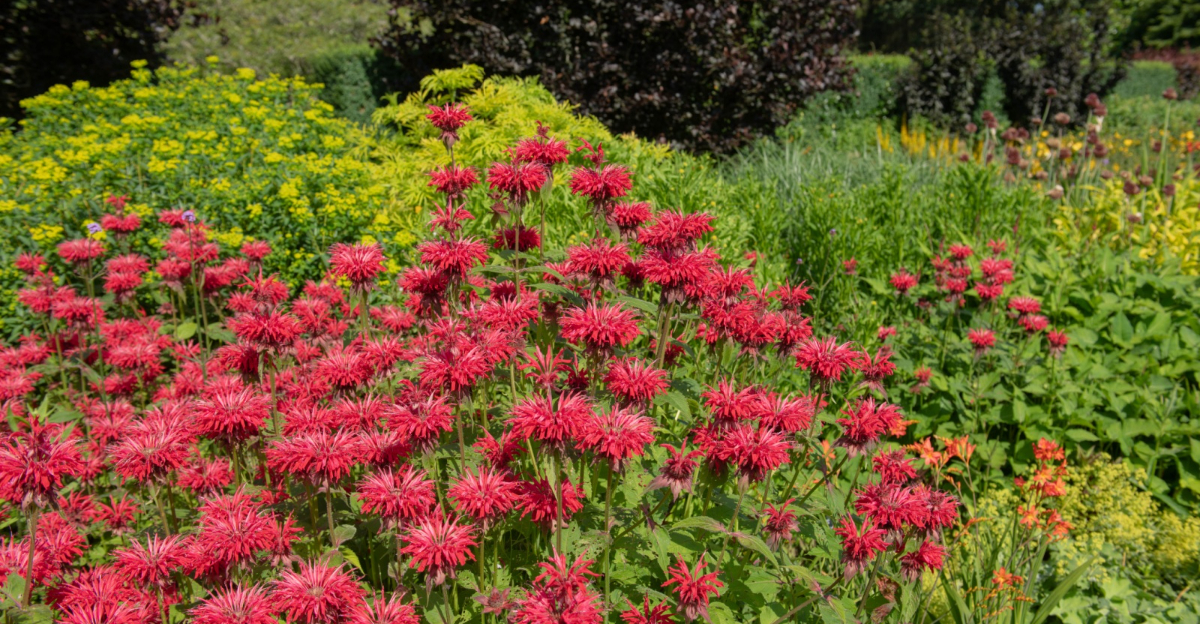
The bee balm you planted three years ago?
It has claimed the entire bed as its own.
And those coneflowers?
Exhausted from competing with themselves.
Dividing perennials is a rare win for everyone involved.
The plants get breathing room, you get free plants, and your neighbor gets a flat of hostas whether they asked for one or not.
It’s the closest thing to a win-win-win that gardening offers.
Right now, before Virginia’s summer heat arrives and makes everything harder, is the perfect moment to grab a shovel and get to work.
Here’s exactly which plants to divide, how to do it, and what to do with all the extras.
1. Bee Balm And Phlox
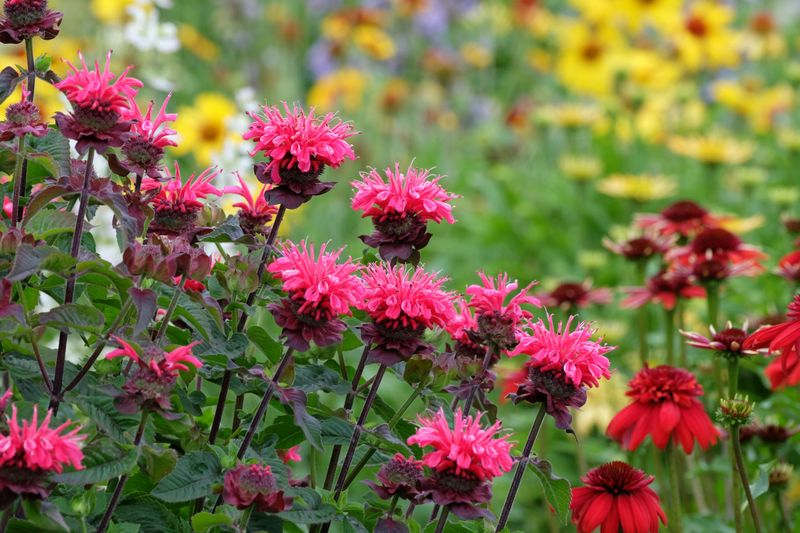
Bee Balm spreads like it has somewhere important to be, and Phlox is right behind it.
These two plants are the classic dynamic duo of the Virginia summer garden, but they come with a catch.
Left alone too long, both turn into crowded, airless clumps that invite powdery mildew and weak blooms.
Dividing Bee Balm every two to three years keeps the center from going hollow and woody.
You’ll notice the center of the growth starts to fade and hollow out while the edges stay lush and green.
That’s your sign to dig up the whole thing, toss the center, and replant only the fresh outer sections.
Phlox follows a similar pattern but also benefits from division to improve air circulation between stems.
Poor airflow is the main reason Phlox gets that white powdery coating on its leaves every summer.
Splitting the clump thins it out, which helps the plant breathe and fight off fungal problems naturally.
May is the ideal time to divide both of these plants in Virginia before the summer heat sets in.
The cooler temperatures help the new divisions settle in without the stress of summer heat.
Give them a good drink after replanting.
They’ve been through a lot today.
Next spring, they’ll make it up to you.
2. Fennel And Dill
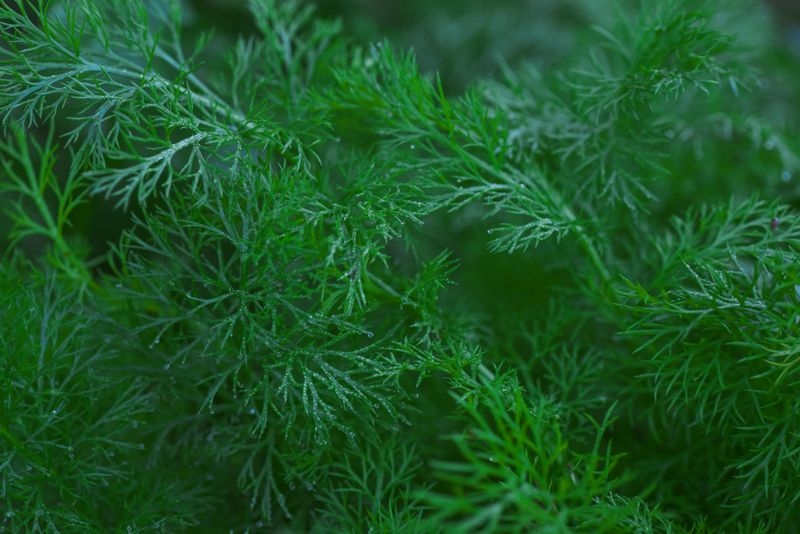
They grow side by side, they look almost identical, and one of them is quietly undermining the other.
But after a season or two, their root systems expand and start competing with everything nearby.
Removing young offshoots before they establish gives you more control over where these herbs spread their influence.
Fennel, in particular, is a bold self-seeder and can crowd out neighbors if left unchecked.
Digging up young offshoots in May lets you move them to a better spot or share them with a neighbor.
Keep Fennel away from tomatoes and peppers, since it’s known to stunt their growth when planted too close.
Dill is slightly more cooperative but still benefits from being thinned and divided when clumps get thick.
Your Virginia Garden Changes Every Week. Your Plan Should Too.
Gardening in Virginia changes quickly throughout the season. Every Friday you’ll receive a simple weekly plan showing exactly what to plant, prune, fertilize, harvest, and protect so you never miss the right timing.
The roots are delicate, so work quickly and keep as much soil around them as possible when transplanting.
A freshly divided Dill plant, placed in well-drained soil with full sun, bounces back fast and keeps producing all season.
Both of these herbs attract swallowtail butterflies, making them worth every bit of effort in a Virginia garden.
Planting divided sections in different spots around the yard creates multiple feeding stations for pollinators.
Honestly, the whole garden wins, and so do the butterflies.
3. Coneflowers And Ornamental Grasses
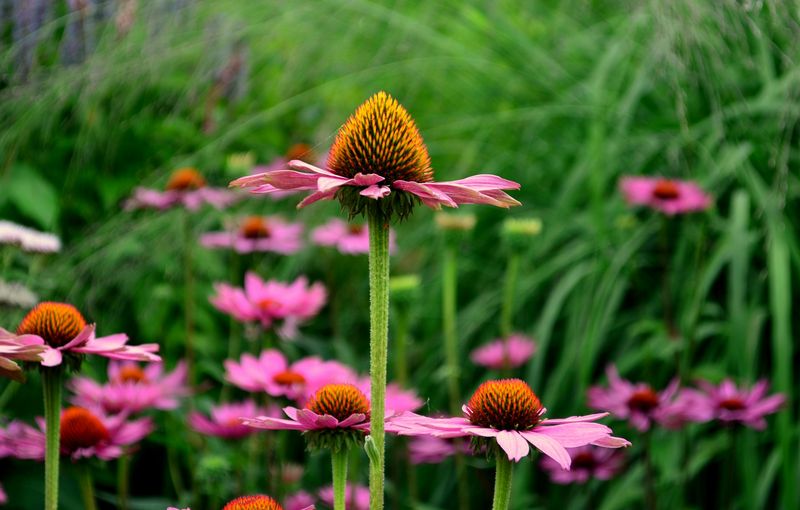
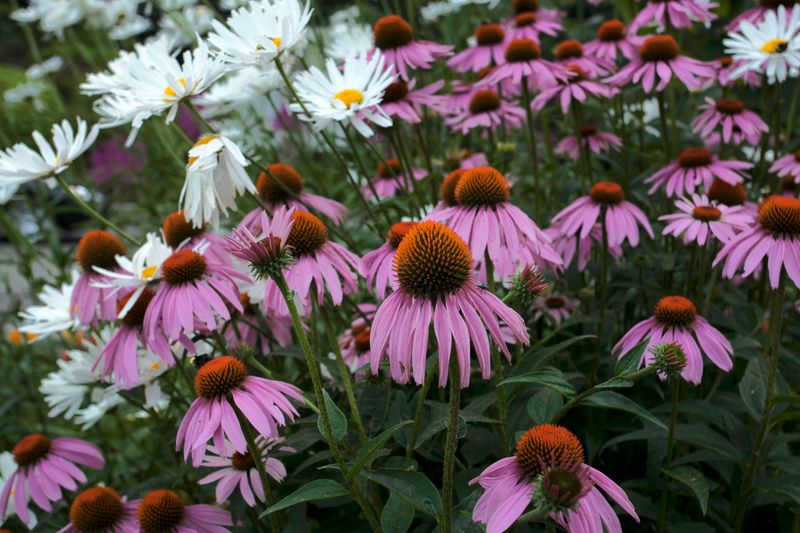
Few combinations look as effortlessly stunning as purple Coneflowers nodding next to swaying Ornamental Grasses.
But after three or four years, both plants hit a tipping point where crowding starts working against them.
Flower production drops, the center of the clump thins out, and the whole planting starts to look tired.
Coneflowers, also called echinacea, are one of the easiest plants to divide and share.
Simply lift the entire root mass, shake off the soil, and pull or cut it apart into smaller sections.
Each piece with a few healthy roots and a crown of leaves will grow into a full plant within one season.
Ornamental Grasses need a slightly different approach because their roots get dense and tough over time.
You may need a sharp spade or even a pruning saw to cut through the thick root mass.
The sweet spot for dividing ornamental grasses in Virginia is May, before the season tips into full summer.
One underrated reason to divide Ornamental Grasses is to remove the old center that builds up over the years.
That hollow, brown middle is a sign the plant is exhausted and needs refreshing.
Replant the outer sections, ditch the worn-out core, and watch your Ornamental Grass go from embarrassing to actually worth photographing.
4. Daylilies And Coreopsis
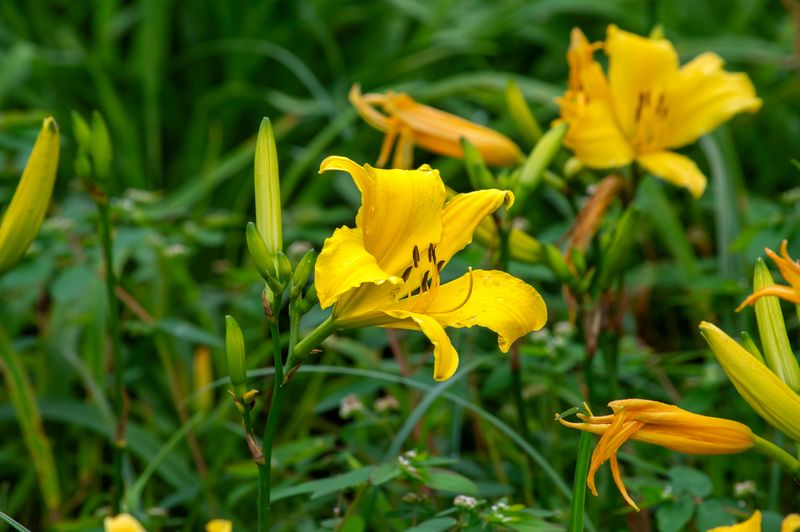
Daylilies and coreopsis are the kind of plants that make a Virginia garden look effortlessly put together.
Both bloom generously, both tolerate heat, and both ask for very little in return.
The problem is that they ask for very little in return from the same patch of soil, at the same time, every single season.
Daylilies spread by expanding root clumps that push outward a little more each year.
What starts as a tidy, contained plant can double in size within two or three seasons, leaving less and less room for anything growing nearby.
Coreopsis, meanwhile, self-seeds enthusiastically and sends out shallow roots that weave into whatever is around them.
Together, they create a dense, tangled mat where both plants eventually run out of space and energy.
Bloom counts drop, stems get weaker, and the whole planting starts to look more crowded than cheerful.
The good news is that both plants divide easily and recover quickly.
Dig up the daylily clumps in May, pull them apart into smaller fans of roots and foliage, and replant them with room to breathe.
Do the same with coreopsis, keeping only the healthiest outer growth and composting the rest.
Give each plant its own space and they’ll both come back stronger, brighter, and more generous than they’ve been in years.
5. Mint And Lemon Balm
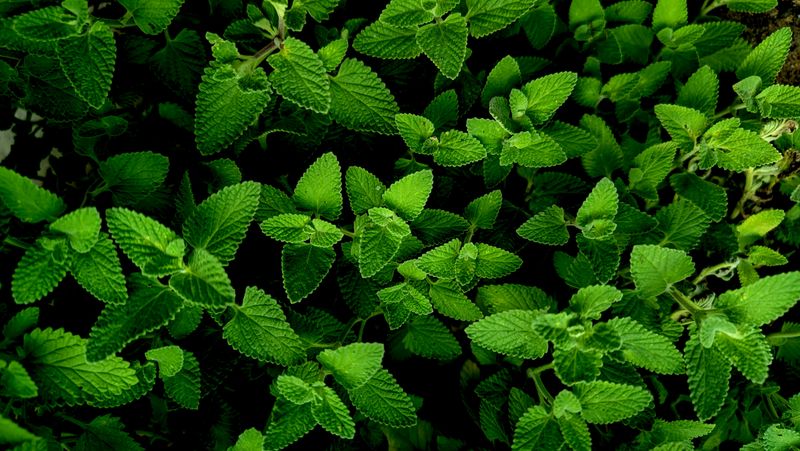
Mint is the plant that gardeners either love completely or regret deeply, depending on whether they gave it boundaries.
Grow it in the ground without containment and it will spread into every corner of your garden within two seasons.
Dividing Mint regularly is one of the most effective ways to manage its enthusiastic personality.
Getting ahead of Mint and Lemon Balm in May means spending the rest of the summer enjoying them instead of managing them.
Lift the entire root mass, separate the runners into smaller sections, and replant only what you need.
The rest can go into pots for the kitchen windowsill or making fresh tea all winter long.
Lemon Balm behaves similarly to Mint but adds a bright citrus scent that makes the whole garden smell wonderful.
It spreads by both runners and self-seeding, so dividing it also gives you a chance to remove any unwanted seedlings nearby.
Keep divided sections in well-drained soil and partial shade for the best growth and fragrance.
One surprising benefit of dividing both plants is that freshly split sections are more aromatic than old, overgrown clumps.
The essential oils in the leaves are more concentrated in young, actively growing plants.
Divide them now, and by July you’ll have enough Mint for every tea, salad, and questionable herbal experiment you’ve ever wanted to try.
6. Goldenrod And Aster

Goldenrod and aster may be fall bloomers, but May is actually the smartest time to divide them.
By the time their flowers appear in September, it’s already too late to split them without sacrificing the whole season’s blooms.
Dividing them now, while they’re still in active early growth, gives the new sections an entire summer to establish strong roots before they’re asked to perform.
Goldenrod spreads through underground rhizomes and can form large, dense patches that crowd out other plants surprisingly fast.
Dig up the outer sections in May, which are the youngest and most vigorous, and replant them in a fresh spot with good sun.
Asters are a little more forgiving but also benefit greatly from being split every two to three years.
A crowded aster patch produces smaller flowers and becomes more susceptible to fungal issues as airflow decreases.
Dividing both plants now opens up the root system, refreshes the growth, and sets them up for a noticeably better bloom come fall.
Do the work in May and September will take care of itself.
Planting divided Goldenrod and Aster sections together creates a stunning late-season combination that supports migrating monarch butterflies.
Both plants are native to the region, which means they’re already adapted to Virginia’s soil and climate conditions.
Plant them, divide them every few years, and get out of their way.
They’ll handle the rest.
7. Creeping Jenny And Hostas
Give Creeping Jenny an inch and it will, quite literally, take your entire garden.
Its bright chartreuse leaves light up shady spots in a way few plants can match.
But give it a season or two and it starts to travel well beyond where you originally intended it to go.
Dividing Creeping Jenny is almost embarrassingly easy since it roots wherever its stems touch the ground.
Simply pull up sections, snip off rooted pieces, and replant them wherever you need a splash of color.
Doing this in May gives new roots the whole summer to establish before the garden needs them to perform.
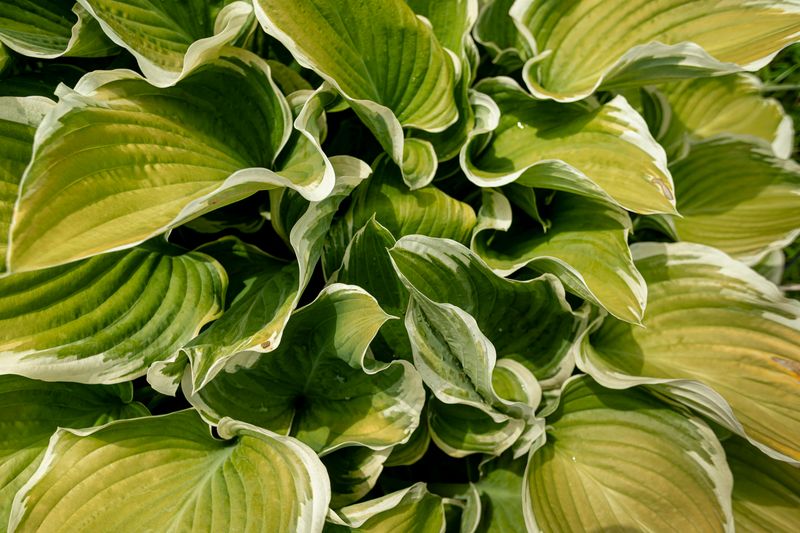
Hostas are the beloved workhorses of the shaded Virginia garden, and they genuinely benefit from division every three to five years.
A mature Hosta clump can get enormous, sometimes two to three feet across, and the center starts to decline with age.
Dividing it refreshes the plant, creates multiple new specimens, and opens up the bed for better air movement.
To divide a Hosta, dig up the entire clump and use a sharp knife or spade to cut through the root mass cleanly.
Each division should have at least two or three eyes, which are the small growth points visible at the base of the stems.
Replant, water deeply, and mulch like you’re putting them to bed for the season, because you are.
They’ll wake up ready.
8. Yarrow And Shasta Daisy
They both look innocent enough, cheerful, sun-loving, and effortlessly pretty in a Virginia garden bed.
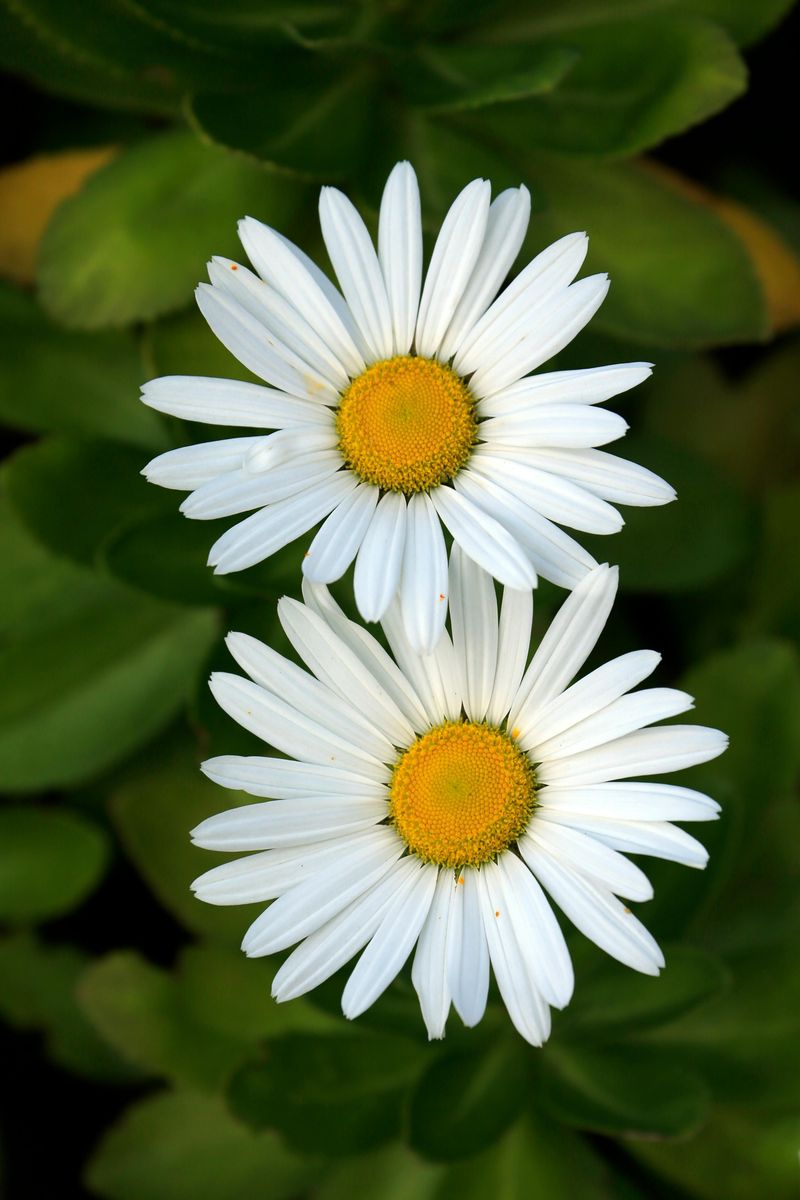
But plant Yarrow and Shasta Daisy too close together and you’ll spend the next three summers refereeing a slow-motion land grab that neither plant is willing to lose.
Yarrow spreads aggressively through both seeds and underground runners, claiming new territory before you’ve even noticed it’s moved.
Shasta Daisy isn’t far behind, it self-seeds enthusiastically and forms dense clumps that push outward every season.
Together, they create a tangled, overcrowded mess where both plants eventually underperform, producing fewer blooms and weaker stems than either would on its own.
The fix is straightforward.
In May, dig up both clumps entirely, shake off the soil, and separate them with intention.
Replant Yarrow on one side of the bed and give Shasta Daisy its own designated space at least two feet away.
Divide each plant while you’re at it, keep only the healthiest outer sections and compost the rest.
Give them clear boundaries now, and both plants will reward you with exactly the bold, generous blooms they’ve been too crowded to produce.
Sometimes the kindest thing you can do for a plant is give it a little space.
9. Before You Put The Shovel Away
May in Virginia doesn’t last forever, and neither does the window for dividing these plants without consequence.
Push it into June and the summer heat turns every transplant into an uphill battle.
Push it into July and you’re basically asking your plants to recover in an oven.
The good news is that none of this is complicated.
You don’t need a horticulture degree or a perfectly planned weekend.
You need a sharp spade, a free afternoon, and a neighbor who’s been eyeing your Hostas for the past two seasons.
Start with one plant.
Dig it up, split it apart, and replant it.
Then do the next one.
By the time you’ve worked through even half this list, your garden will already look more intentional, more open, and more alive than it did when you started.
The plants you divide this May will spend the rest of the season quietly recovering and building stronger roots.
By next spring, they’ll come back fuller, healthier, and more generous with their blooms than they’ve been in years.
That’s the deal with dividing.
A little disruption now pays off in ways that are genuinely hard to overstate.
Your garden is ready.
May is almost gone.
Go dig something up.