Plants That Are Holding Your Cucumbers Back In New York (Plus The Ones They Love)
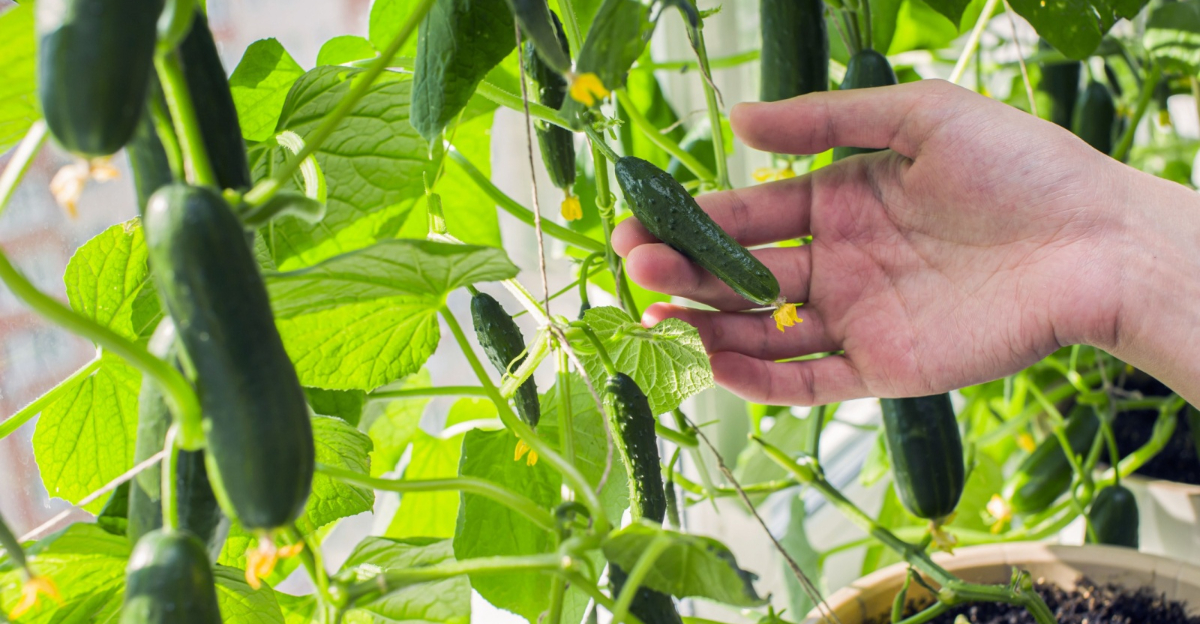
You’ve watered faithfully, amended your soil, and even talked nicely to your cucumber plants, yet something still feels off.
Before you blame the weather or start questioning your green thumb, take a closer look at what’s actually growing right next to them.
Cucumbers are surprisingly particular about their neighbors, and not in a polite, easy-to-ignore kind of way.
Some plants quietly release chemicals that slow their growth, while others roll out the welcome mat for the exact pests your cucumbers hate most.
A few are simply too competitive to share space without causing real damage.
It’s less about what you’re doing wrong and more about who you’ve seated at the wrong table.
The good news?
This is one of the easiest fixes in the garden.
Once you know which plants to keep at a distance, everything changes.
Your cucumbers will finally have the breathing room and the resources they need to truly thrive.
Sage
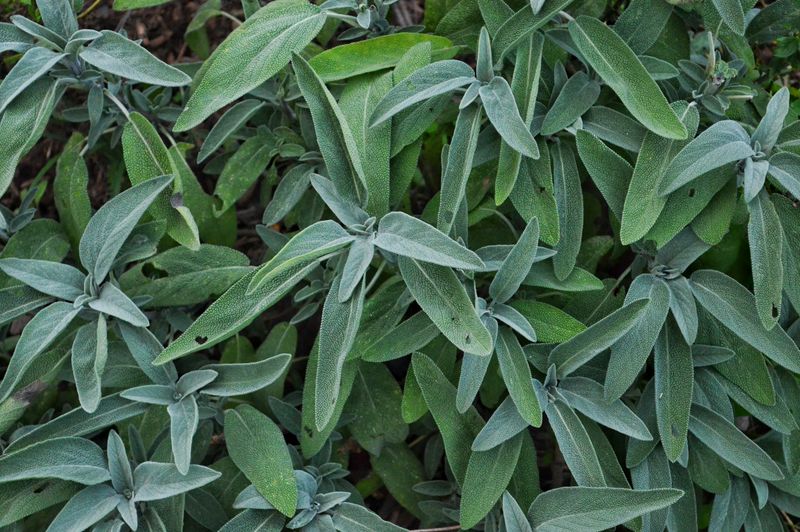
Few herbs are as lovable as sage, fragrant, beautiful, and endlessly useful in the kitchen.
But in the garden, it has one serious flaw: it is a terrible neighbor to your cucumbers.
Sage releases aromatic oils into the surrounding soil and air.
These oils can slow the development of nearby plants, and many gardeners find that cucumbers are among the first to show the effects.
Many gardeners report that cucumbers planted close to sage tend to grow slower and produce fewer fruits.
The two plants seem to compete on a chemical level that goes beyond simple nutrient rivalry.
Beyond the chemical issue, sage thrives in dry, well-drained soil.
Cucumbers, on the other hand, love consistent moisture.
Growing them side by side means one plant will always be uncomfortable.
If you love having sage in your garden, keep it at least several feet away from your cucumber rows.
A raised bed or a separate container works perfectly for keeping sage contained without sacrificing its benefits.
Sage pairs wonderfully with rosemary, brassicas, and carrots.
Your cucumbers deserve better neighbors, and thankfully, dill, beans, and marigolds are happy to take that spot.
Potatoes

Potatoes and cucumbers might both be garden staples, but pairing them together is one of the sneakiest mistakes you can make.
Both crops are heavy feeders, meaning they pull large amounts of nutrients from the soil.
Planted together, they compete steadily underground for nitrogen, potassium, and phosphorus all season long.
The real danger, though, goes beyond nutrition.
Potatoes are highly susceptible to blight, a fungal disease that spreads quickly through soil and water splash.
Cucumbers are not immune to fungal issues, and having infected potatoes nearby increases the overall disease pressure in your garden.
Potato beetles primarily target potatoes, but they can occasionally spread to neighboring plants, including cucumbers.
Spacing them far apart in the garden reduces the risk of shared pests and disease considerably.
Many experienced gardeners recommend keeping potatoes on the complete opposite side of the garden from cucumbers.
Your New York Garden Changes Every Week. Your Plan Should Too.
Gardening in New York changes quickly throughout the season. Every Friday you’ll receive a simple weekly plan showing exactly what to plant, prune, fertilize, harvest, and protect so you never miss the right timing.
If space is limited, using physical barriers like raised beds with separate soil can help.
Always rotate your crops each season so neither plant has to deal with leftover soil problems from the previous year.
Fennel
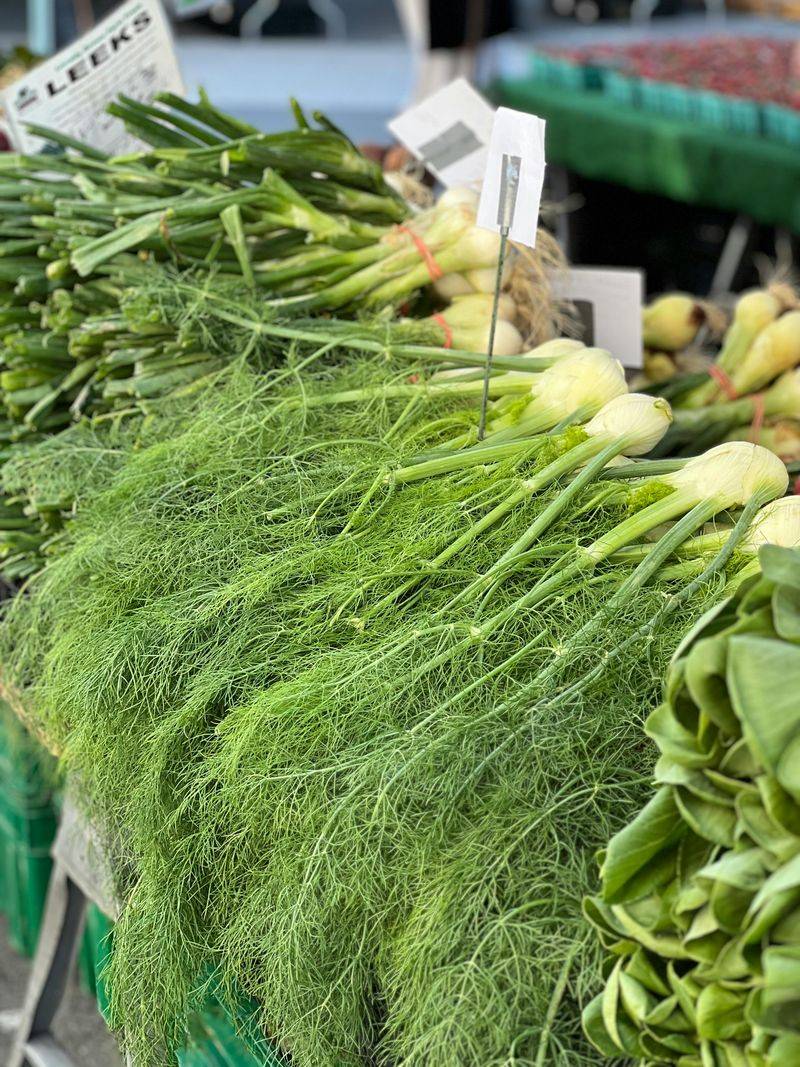
Fennel is one of those plants that almost every experienced gardener will tell you to keep away from everything else.
The reason comes down to allelopathy, which is a fancy science term for when one plant releases chemicals that suppress the growth of another.
Fennel is one of the strongest allelopathic plants in the garden world.
Those feathery fronds look harmless, but the roots and leaves release compounds that stunt the growth of nearby plants.
Cucumbers exposed to fennel often produce smaller fruits and weaker vines overall.
Fennel also attracts certain insects that can become problematic for cucumbers.
Aphids, for instance, love fennel and will move to neighboring plants when the population grows large enough.
Many gardeners even grow it in containers specifically to prevent its roots from mingling with other plants.
Fennel and cucumbers simply do not get along, but that does not mean fennel has to go.
Give it its own dedicated corner and let the butterflies and bees do the rest.
Broccoli
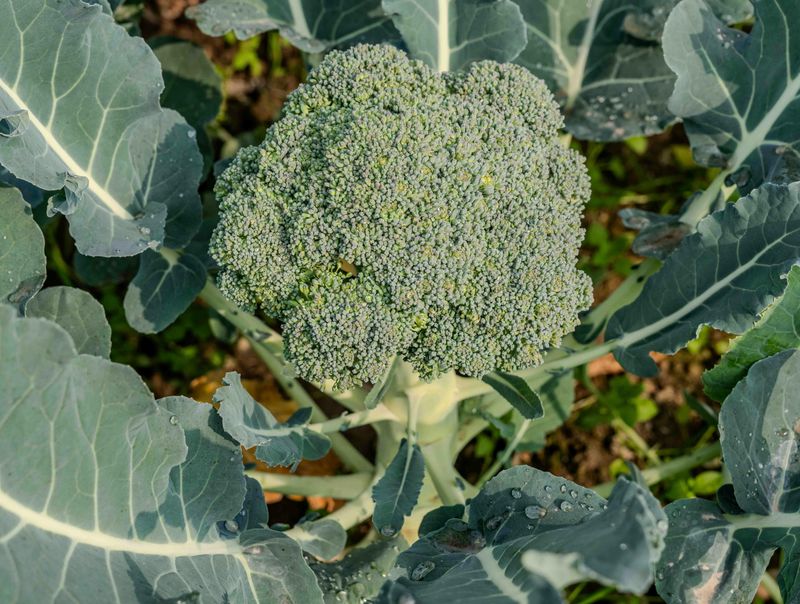
Broccoli looks like the picture of a healthy garden.
It is packed with nutrients, relatively easy to grow, and beloved by gardeners everywhere.
But planting it next to cucumbers creates more problems than most people expect.
Broccoli is a heavy nitrogen feeder.
So are cucumbers.
Put them side by side and both plants end up competing fiercely for the same nutrients in the soil, leaving both crops weaker than they should be.
Beyond nutrition, broccoli belongs to the brassica family, which attracts a specific set of pests including cabbage worms and aphids.
These insects can spread from broccoli to neighboring cucumber plants faster than you might think.
Broccoli also has large, broad leaves that cast significant shade.
Cucumbers need full sun to thrive, and even partial shading from nearby broccoli can reduce fruit production noticeably.
Timing matters too.
Broccoli is a cool-season crop while cucumbers love warm summer heat.
Trying to grow them together often means one plant is being pushed outside its ideal growing window.
Keep broccoli in a separate bed and give your cucumbers the open, sunny space they crave.
Pairing broccoli with herbs like dill or nasturtiums works much better for everyone involved.
Cauliflower
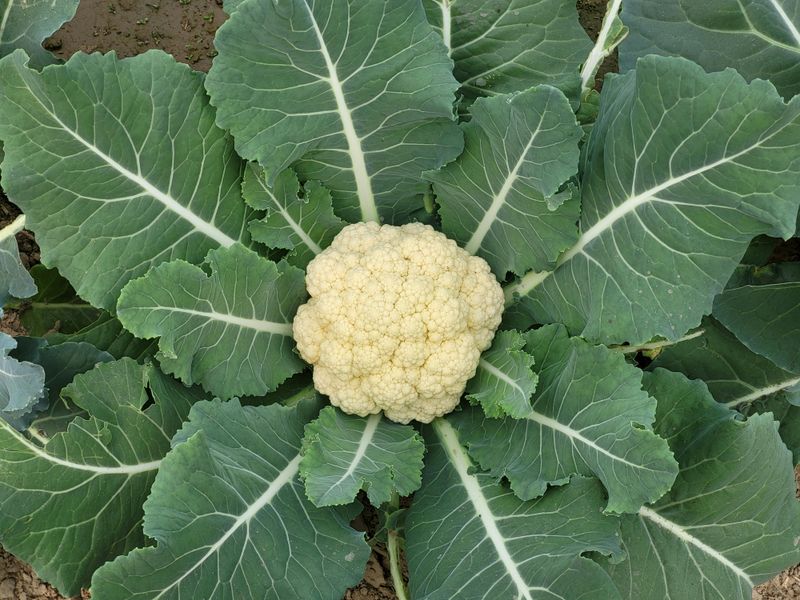
Cauliflower is one of those vegetables that requires a lot of attention and care to grow well.
Unfortunately, when it shares space with cucumbers, both plants end up getting the short end of the stick.
Like broccoli, cauliflower belongs to the brassica family and shares many of the same growing challenges.
It is a nutrient hog, pulling heavily from the soil and leaving less available for cucumber roots to absorb.
The pests that target cauliflower are persistent and widespread.
Cabbage loopers, aphids, and imported cabbage worms all flock to brassica plants, and once they establish a population, they spread to surrounding crops quickly.
Cauliflower also prefers cooler growing conditions and moist, rich soil.
Cucumbers want warmth and consistent but not excessive moisture.
These conflicting preferences make it nearly impossible to keep both plants happy in the same bed.
Root competition is another real issue.
Both plants develop strong root systems that spread outward and can tangle underground, limiting each other’s ability to absorb water and nutrients effectively.
Separate your cauliflower into a cool-season bed and let your cucumbers enjoy their own sunny, warm space.
A little distance goes a long way, both crops will reward you for it come harvest time.
Cabbage
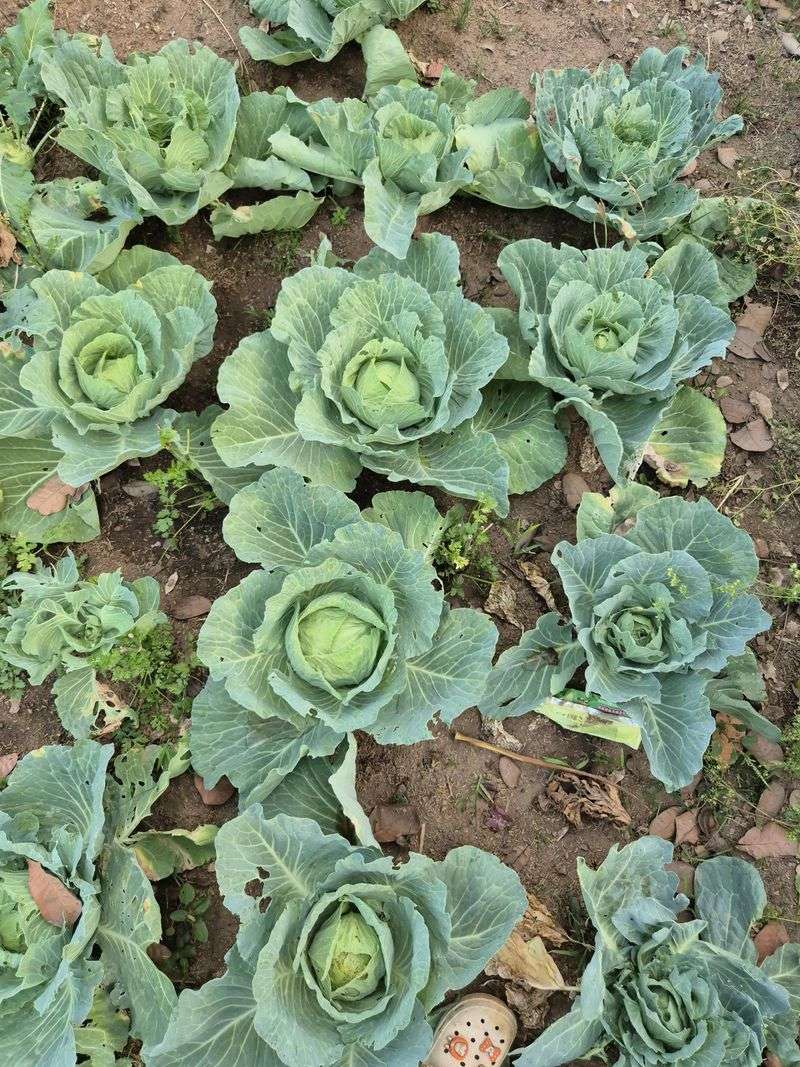
Cabbage has been a garden staple for centuries, but it makes a poor neighbor for cucumbers.
The two plants have almost nothing in common when it comes to what they need to grow well.
With cucumbers already attracting their own pests, adding cabbage nearby simply increases the total pest pressure in that area of your garden.
The soil conditions each plant prefers are also quite different.
Cabbage thrives with slightly alkaline, firm soil, while cucumbers prefer looser, slightly acidic, and consistently moist ground.
Growing them together forces a compromise that helps neither plant reach its full potential.
Overhead watering, which many gardeners use on cabbage, can also splash fungal spores onto cucumber leaves.
This increases the risk of powdery mildew and other leaf diseases that cucumbers are already prone to developing.
Give cabbage its own cool, separate section of the garden.
Without brassicas crowding them out, your cucumbers can finally focus on what they do best, growing strong, healthy, and abundantly.
Sunflowers

Sunflowers have a way of making the whole garden feel happier just by showing up.
Surprisingly, planting them right next to cucumbers can cause some real headaches throughout the growing season.
The biggest problem is shade.
Sunflowers grow tall, sometimes reaching six to ten feet in height.
Their large heads and broad leaves block significant amounts of sunlight from reaching cucumber plants below and beside them.
Cucumbers need at least six to eight hours of direct sunlight each day to produce well.
Even a few hours of lost sunlight from sunflower shade can noticeably reduce the number of fruits your plants set.
Sunflowers are also allelopathic to some degree.
Their roots release compounds that can slow the germination and early growth of nearby plants, including cucumbers that are just getting established in the garden.
There is also the issue of water competition.
Sunflower roots run deep and wide, pulling moisture from a large area of soil.
Cucumbers, which are shallow-rooted, can struggle to access enough water when sunflowers are nearby.
The fix is simple, move them five to six feet back and suddenly sunflowers go from competitor to ally, pulling in exactly the pollinators your cucumbers need.
Melons
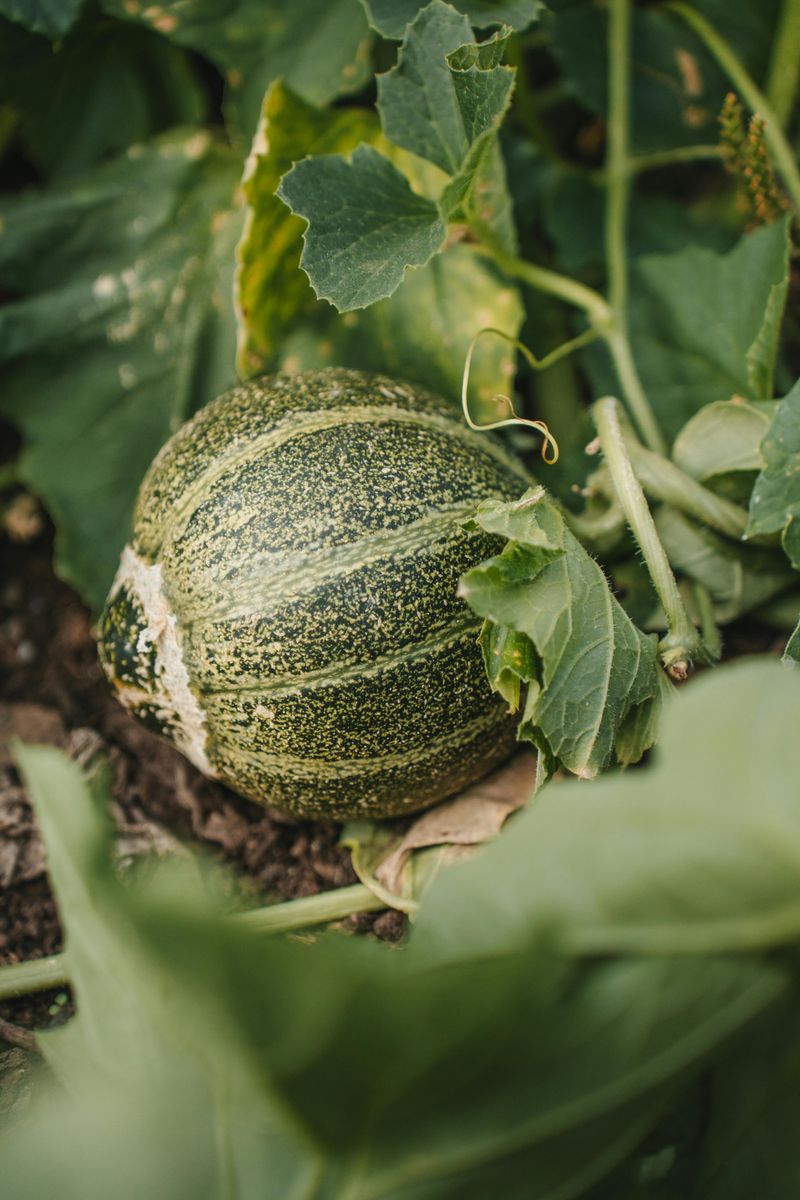
Melons and cucumbers are actually cousins in the plant world, both belonging to the cucurbit family.
You might think that makes them natural companions, but the truth is almost the opposite.
Because they are so closely related, melons and cucumbers attract the exact same pests.
Cucumber beetles, squash vine borers, and aphids will happily move between both plants, creating a concentrated pest problem that is harder to manage.
Disease transfer is equally concerning.
Powdery mildew, downy mildew, and bacterial wilt all affect cucurbits.
Planting melons and cucumbers together creates a situation where disease can jump easily from one plant to the other.
Space is another major factor.
Melon vines spread aggressively across garden beds, often covering several square feet per plant.
Cucumbers need room to sprawl too, and the two vines frequently tangle and compete for the same physical space.
This is mainly a concern if you plan to save seeds from heirloom or open-pollinated varieties, as cross-pollination can affect seed quality rather than the fruit itself.
Separate your melons and cucumbers by several rows or beds and both will have the space they need to produce their best.
Tomatoes
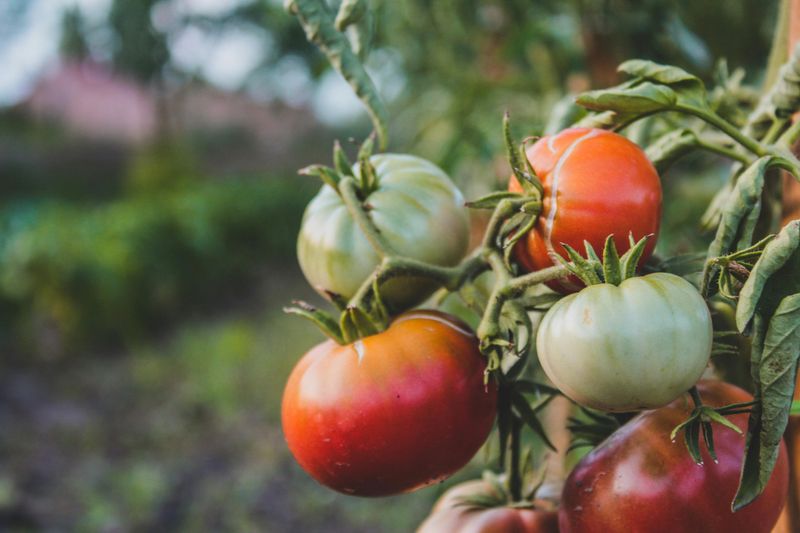
Tomatoes are the crown jewel of the American home garden.
Nearly everyone grows them.
Nearly everyone loves them.
And nearly everyone makes the same mistake of planting them right next to their cucumbers.
Both plants are heavy feeders that demand large amounts of nutrients, especially nitrogen and potassium.
Side by side, they drain the soil rapidly, leaving both crops undernourished and underperforming well before the season ends.
Watering needs also clash in a frustrating way.
Tomatoes prefer to dry out slightly between watering sessions to avoid root rot and blossom end rot.
Cucumbers need consistent moisture at all times.
Meeting both needs simultaneously is nearly impossible without overwatering one or stressing the other.
Shared diseases are a serious concern when these plants grow together.
Mosaic virus can affect both tomatoes and cucumbers, and close proximity makes it easier for the disease to spread between plants.
Close proximity makes it much easier for these pathogens to spread rapidly through an entire bed.
Tomato plants that are not caged or staked properly can also shade cucumber vines.
That lost sunlight makes it much harder for cucumbers to set fruit successfully.
Keep your tomatoes in their own dedicated rows with good airflow and sunshine.
Remove the competition, give them room to breathe, and your cucumbers will remind you why you planted them in the first place.
Now That You Know What to Avoid, Here Is What Actually Works
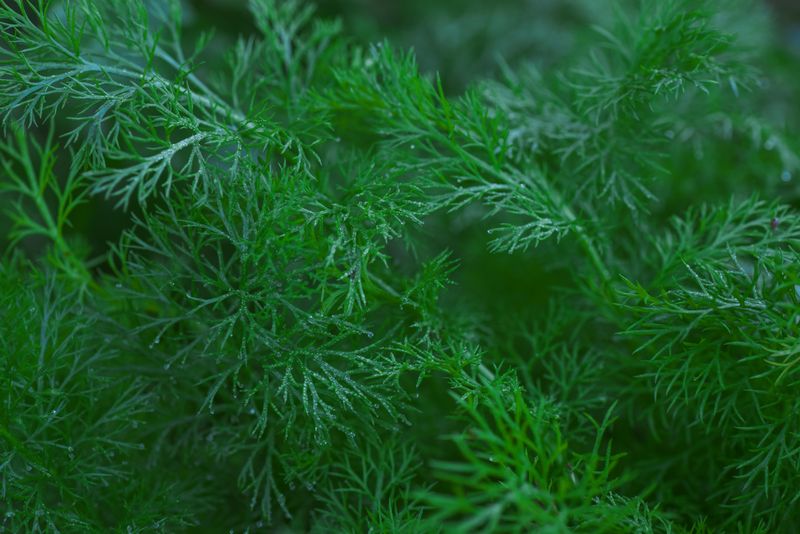
Not every plant is out to make life difficult for your cucumbers.
Some of the best garden companions you can choose are closer than you think.
Dill is a natural first choice, it attracts beneficial insects and helps keep aphids under control without any extra effort on your part.
Marigolds are another smart pick, quietly deterring pests while adding a splash of color to your garden beds.
Beans are worth planting nearby too, since they fix nitrogen in the soil and give your cucumbers a steady, reliable nutrient boost all season long.
Nasturtiums pull double duty as both a pest deterrent and a trap crop, drawing aphids away from your cucumbers before they become a real problem.
Give your cucumber patch the right neighbors and the difference will show up right where it matters most, in your harvest.