11 Yard Mistakes Worsening Summer Drought Stress On Colorado Lawns
Is your Colorado lawn looking more brown than green by midsummer? Summer here can be tough on grass.
The sun stays intense for weeks. The air is dry.
Water restrictions often limit what you can do. But heat alone is rarely the whole story.
Many lawns struggle because of small, overlooked habits. Watering at the wrong time makes things worse.
Choosing the wrong grass type adds more stress. Even mowing too short can push a lawn toward decline.
The good news is that most of these issues are very fixable. Once you know what to look for, the solutions are simpler than you might think.
Most Colorado homeowners run into the same handful of lawn mistakes every summer. They tend to show up right when drought stress is already pushing the grass to its limits.
What comes next might save your lawn this season. Ready to give your grass a real fighting chance this summer?
1. Watering Too Often But Too Lightly
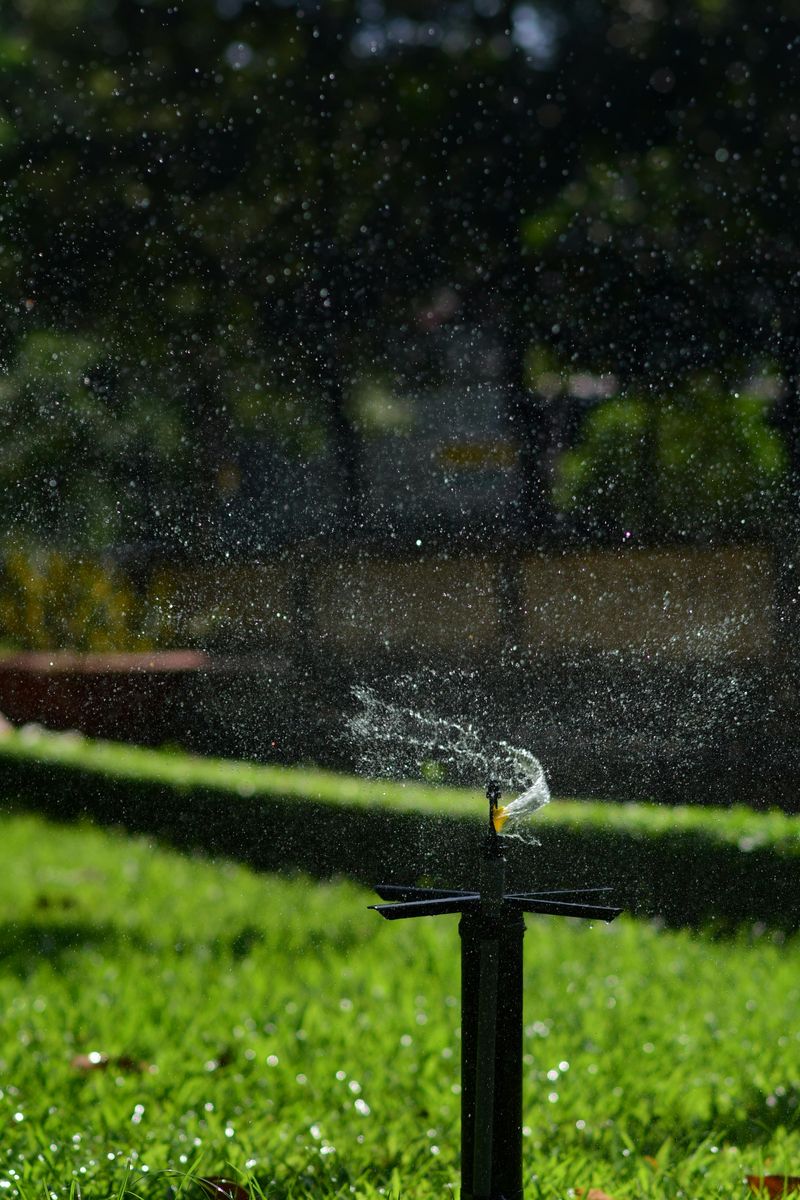
Shallow watering is one of the sneakiest ways to weaken your lawn during a Colorado summer.
When you water frequently but only wet the top inch or two of soil, grass roots never have a reason to grow deeper.
Shallow roots mean the lawn dries out faster between watering sessions, making drought stress hit harder and sooner.
Think of it this way: a lawn with deep roots can tap into moisture stored further down in the soil.
A lawn with shallow roots? It’s totally dependent on you showing up with the hose every day.
That’s a stressful situation for both you and your grass.
The fix is surprisingly simple: water less often but longer each time.
Aim to wet the soil at least six inches deep per watering session.
You can check by pushing a screwdriver into the ground after watering. If it slides in easily to six inches, you’re on track.
Most Colorado lawns need about one inch of water per week during summer, ideally applied in two deep sessions rather than five quick ones.
Changing this one habit alone can dramatically improve how your lawn handles dry spells.
2. Watering At The Wrong Time Of Day
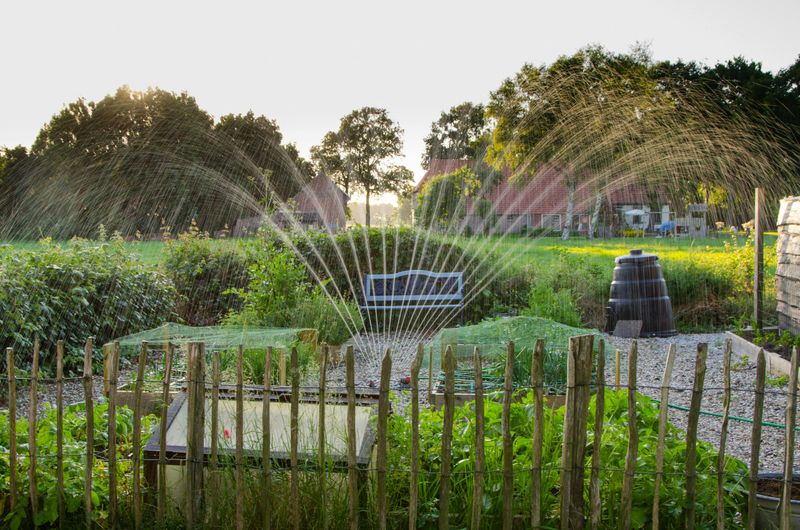
Watering your lawn at noon on a hot Colorado summer day is basically pouring money down the drain.
A significant portion of water applied during peak afternoon heat can evaporate before it ever reaches the root zone.
That’s a staggering waste, especially when water restrictions are already in place across much of the state.
Morning watering, ideally between 4 a.m. and 10 a.m., is the gold standard for lawn care in dry climates.
The air is cooler, wind is typically calmer, and the sun hasn’t cranked up enough to steal moisture before it soaks in.
Grass blades also have time to dry before nightfall, which reduces the risk of fungal disease.
Evening watering is tempting because it feels cooler outside, but wet grass sitting overnight is an open invitation for mold and mildew.
Your Colorado Garden Changes Every Week. Your Plan Should Too.
Gardening in Colorado changes quickly throughout the season. Every Friday you’ll receive a simple weekly plan showing exactly what to plant, prune, fertilize, harvest, and protect so you never miss the right timing.
If you’re using an automated irrigation system, take ten minutes to reprogram it for early morning cycles.
That small adjustment can cut your water usage noticeably while actually improving how well your lawn absorbs moisture.
Timing really does matter more than most homeowners realize, and fixing this mistake costs absolutely nothing.
3. Overwatering The Lawn
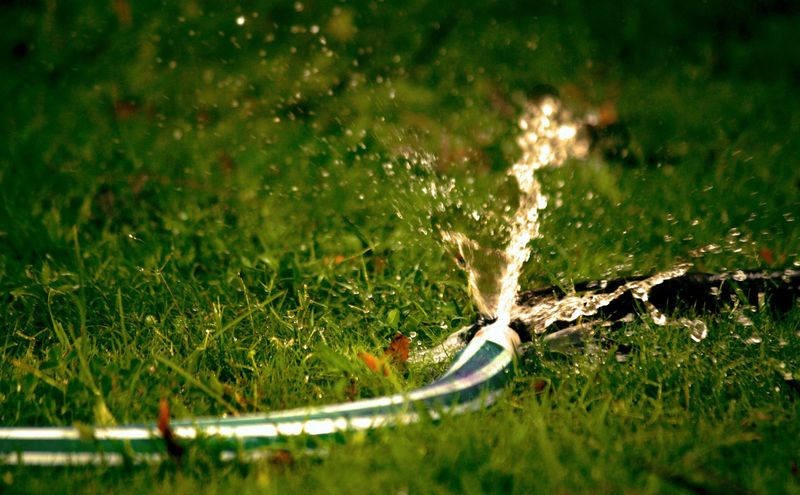
Believe it or not, overwatering can cause just as much damage as not watering enough.
When soil stays constantly saturated, grass roots are deprived of oxygen and begin to suffocate.
The lawn starts to look yellow, spongy, and weak, which is often mistaken for drought stress when the real problem is the opposite.
Overwatered lawns also develop shallow root systems, though for a different reason than underwatered ones. Rather than lacking moisture to draw roots deeper, waterlogged soil gives roots no reason to move at all.
The result is the same: a lawn that struggles the moment conditions get tough.
On top of that, soggy soil becomes a breeding ground for fungal diseases, pests, and moss.
All of these weaken the grass even further before a dry stretch hits.
A simple way to check if you’re overwatering is the screwdriver test again.
Push it into the lawn soil: if it slides in with zero resistance and the ground feels squishy, you’re watering too much.
Another clue is runoff. If water is pooling on the surface or running off the lawn before soaking in, your irrigation schedule needs adjusting.
Scale back to watering deeply twice a week at most and let the top inch of soil dry out between sessions.
Your grass will actually thank you for the break.
4. Mowing Grass Too Short
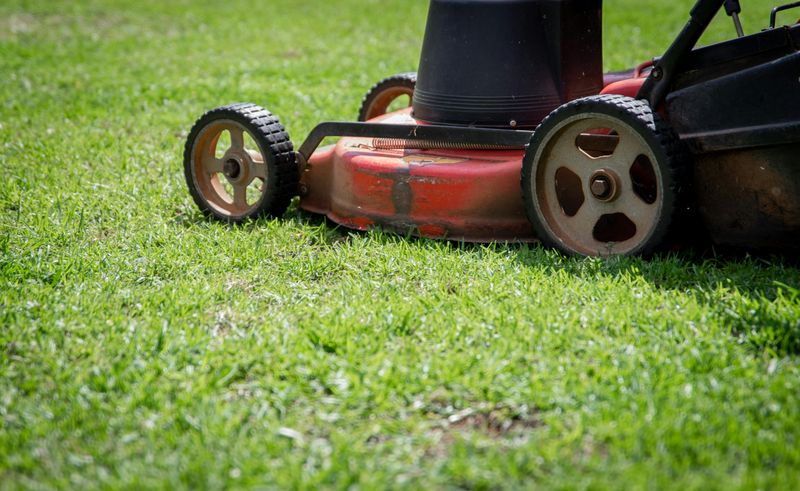
Scalping your lawn might look neat for about three days, then it turns into a brown, stressed-out mess.
Cutting your lawn too short may look tidy briefly, but stress and discoloration often follow within days.
Without enough leaf surface, the grass struggles to feed itself and becomes far more vulnerable to heat and dry conditions.
Short grass also allows the sun to bake the soil directly, raising soil temperature and causing moisture to evaporate faster than it should.
Taller grass blades shade the root zone, keeping the ground cooler and holding in moisture much more effectively.
During a Colorado summer, that shade can make a serious difference.
For most cool-season grasses common in Colorado, like Kentucky bluegrass and tall fescue, the ideal mowing height is between three and four inches.
Warm-season grasses like buffalograss can go a little shorter, but still shouldn’t be scalped.
As a general rule, never remove more than one-third of the grass blade in a single mowing session.
Also, keep your mower blades sharp. Dull blades tear rather than cut, leaving jagged edges that lose moisture faster and invite disease.
A small adjustment to your mowing height can protect your lawn through the hottest months of the year.
5. Ignoring Soil Problems
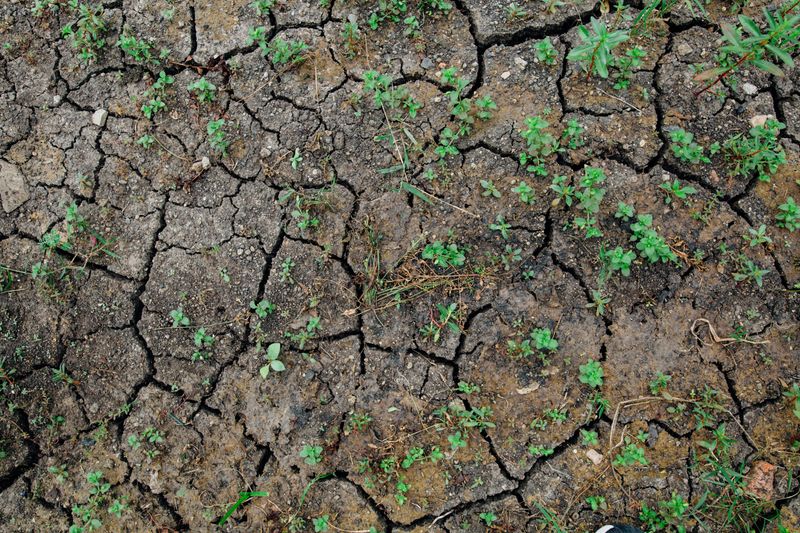
Hard, compacted soil is basically a wall between your grass roots and the water they desperately need.
Colorado is notorious for its heavy clay soils, which compact easily and resist water penetration.
When water can’t soak in, it either runs off or evaporates, leaving the root zone dry even after you’ve watered.
Compaction also limits the space roots have to grow, keeping them shallow and fragile going into summer.
The solution starts with aeration, which involves pulling small plugs of soil from the lawn to open up channels for water, air, and nutrients.
Core aeration once or twice a year, ideally in spring or early fall, can dramatically improve how your lawn handles summer stress.
After aerating, topdressing with compost helps break up clay over time and improves the soil’s ability to hold moisture.
Sandy soils have the opposite problem: they drain too fast and can’t hold water long enough for roots to absorb it.
Adding organic matter to sandy soil helps it retain moisture better.
Testing your soil pH is also smart. Grass in Colorado often grows in alkaline soil, and adjusting pH can improve nutrient uptake significantly.
Healthy soil is the foundation of a lawn that survives summer without falling apart.
6. Using Thirsty Grass Types Not Suited For Colorado
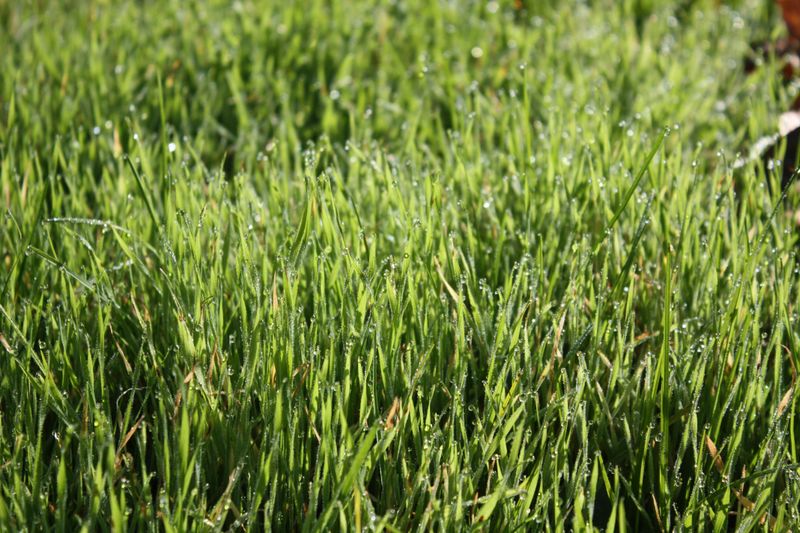
Not all grass is created equal, and planting a water-hungry variety in a semi-arid climate is setting yourself up for a tough summer.
Some grass types require significantly more water than the natural rainfall and reasonable irrigation levels in Colorado can provide.
When those needs aren’t met, drought stress sets in fast and the lawn declines rapidly.
Kentucky bluegrass is the most common turf in Colorado and it’s beautiful, but it needs consistent moisture to stay green.
During a drought year or under strict water restrictions, it’s one of the first grasses to go dormant and brown.
That’s not necessarily a problem if you understand the grass and plan for it, but many homeowners panic and overwater trying to keep it green.
Switching to more drought-tolerant options like tall fescue, fine fescue (a good choice for shadier spots), or native buffalograss can meaningfully reduce your lawn’s water needs.
Tall fescue in particular has deep roots and handles dry conditions well while still looking lush and full.
If a full lawn replacement isn’t in the budget, consider overseeding with a drought-tolerant blend gradually over time.
Matching your grass type to your local climate is one of the smartest long-term investments you can make for your yard.
7. Using Too Much Decorative Rock
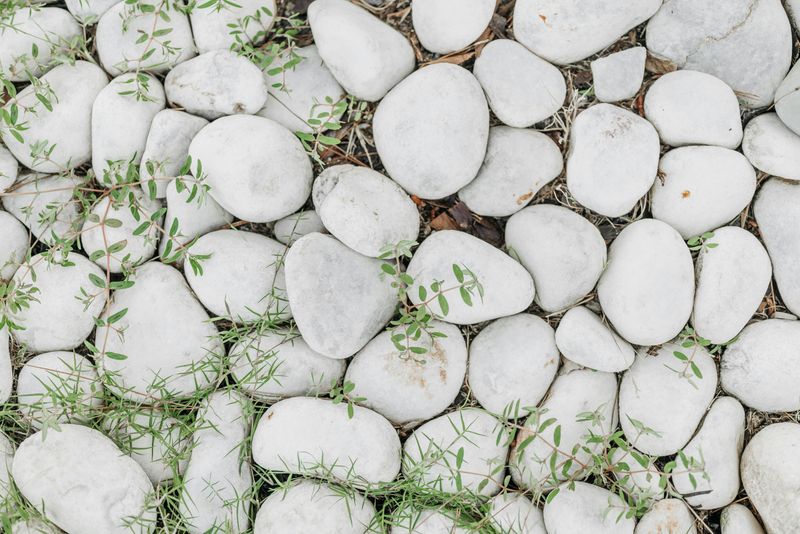
Rock mulch can noticeably raise the soil temperature beneath it compared to bare ground.
Rocks absorb and radiate heat throughout the day, raising the temperature around nearby plants and drying out the soil faster than organic mulch would. Rock mulch retains and radiates significantly more heat than organic mulch.
This can meaningfully raise soil temperatures in the areas directly beneath and around it.
That extreme heat stresses plant roots, speeds up moisture evaporation, and can even scorch low-growing plants during the hottest part of the day.
Rock also does nothing to improve soil quality over time.
Organic mulches like wood chips or shredded bark break down slowly, feeding the soil and improving its moisture-holding capacity with every passing season.
If your yard is already heavily rocked, consider replacing some sections with organic mulch around trees, shrubs, and garden beds.
A three-inch layer of wood chip mulch can significantly reduce soil moisture loss compared to bare or rock-covered ground.
That’s a massive difference when water is limited and temperatures are soaring.
Rock does have its place in a Colorado landscape, especially for pathways and drainage areas.
But using it as a blanket solution across large planting areas often does more harm than good during the dry summer months.
8. Skipping Mulch Around Plants
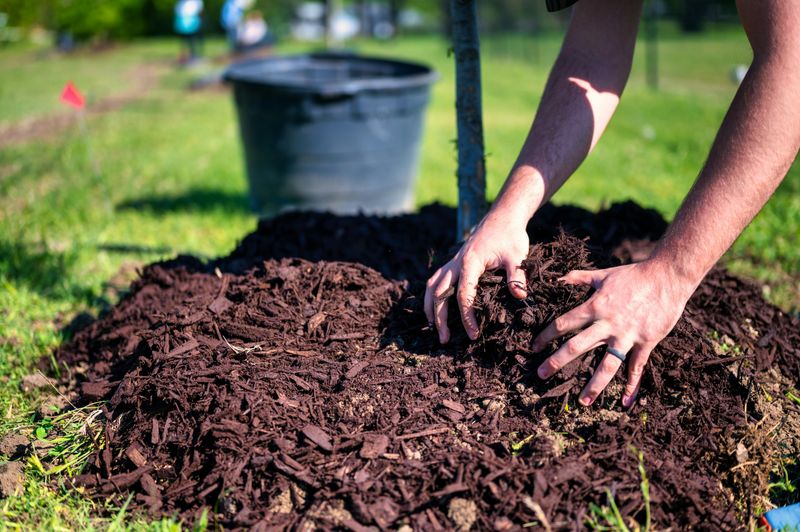
Bare soil in a Colorado summer is basically an open invitation for moisture to vanish before your plants can use it.
Without a protective layer of mulch, soil temperatures soar, water evaporates quickly, and weeds compete aggressively for whatever moisture remains.
It’s one of the simplest and most overlooked ways to protect your yard during a drought.
Mulch acts like a blanket over the soil, keeping it cooler, retaining moisture, and suppressing weed growth all at once.
A two-to-three-inch layer of organic mulch around trees, shrubs, and garden beds can cut your watering needs significantly.
Research suggests properly mulched plants need noticeably less water than unmulched ones in hot, dry climates. Mulch depth and soil type both affect how much of a difference you’ll see.
Wood chips, shredded bark, straw, and even pine needles all work well as mulch options.
Avoid piling mulch directly against plant stems or tree trunks, as that traps moisture against the bark and can cause rot.
Keep a small gap around the base of each plant and spread the mulch outward from there.
Refresh your mulch layer each spring before summer heat arrives to maintain its effectiveness.
This one affordable habit can make a dramatic difference in how your plants and lawn areas hold up through Colorado’s driest and hottest months.
9. Failing To Fix Irrigation Issues
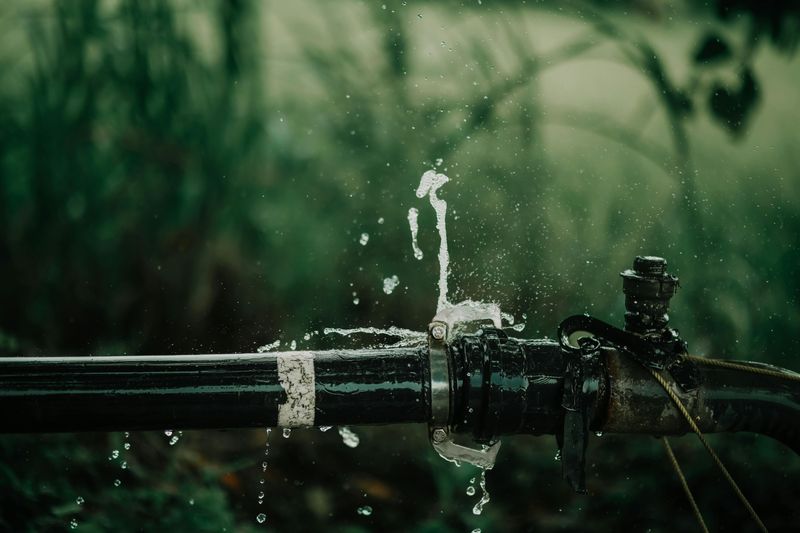
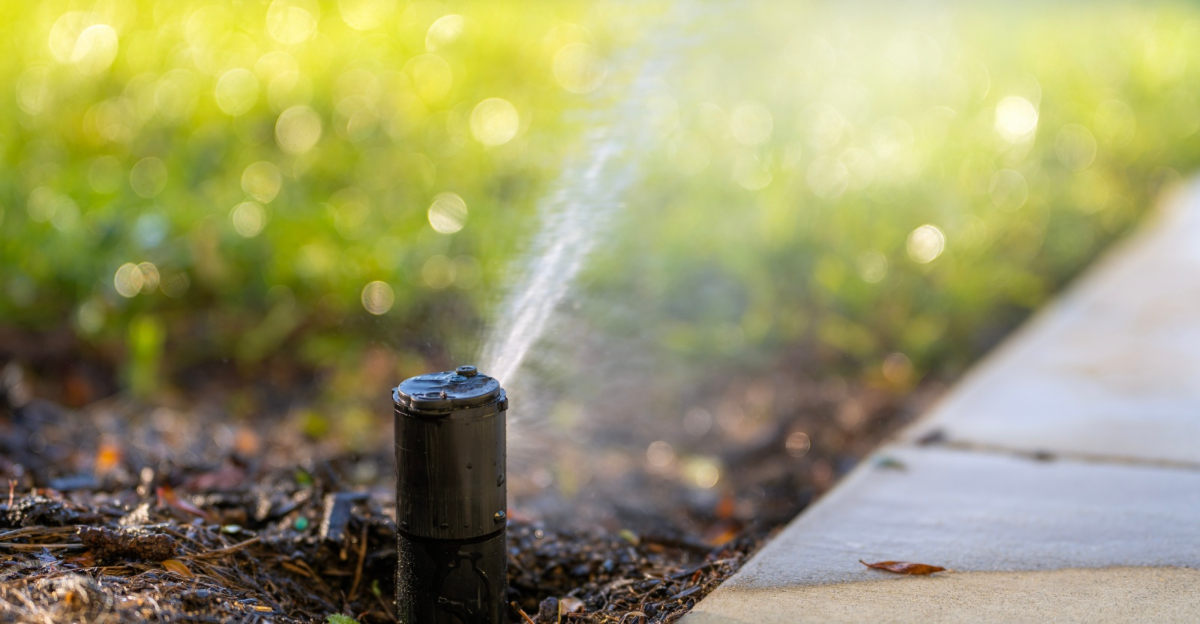
A broken sprinkler head spraying water onto your driveway instead of your lawn is basically flushing money and water away every single cycle.
Irrigation problems are incredibly common, yet most homeowners go weeks or even entire seasons without noticing or fixing them.
Meanwhile, dry patches expand, grass weakens, and drought stress deepens in the areas that aren’t getting proper coverage.
Common issues include clogged or misaligned heads, cracked lines, pressure problems, and timer settings left over from spring that no longer match summer needs.
A quick visual inspection of your system while it runs can reveal most of these problems in minutes.
Walk your yard during a full irrigation cycle and watch every head to make sure it’s rotating correctly and hitting the right areas.
Pressure issues are trickier to spot but just as damaging.
Too much pressure causes misting, which loses water to wind and evaporation.
Too little pressure means incomplete coverage, leaving dry zones even when the system runs on schedule.
Consider having a licensed irrigation professional inspect your system at the start of each season.
Catching a small leak or misaligned head early can save hundreds of gallons of water over a summer.
10. Crowding Plants Too Closely Together
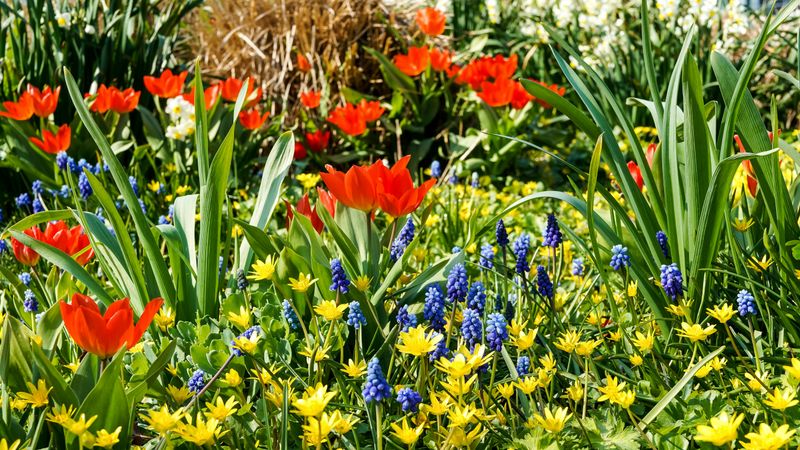
Packing plants together might look lush on planting day, but by midsummer it often creates a tangled, stressed mess.
When plants are crowded, they compete fiercely for the same water, nutrients, and light, and nobody wins that fight during a drought.
Root systems overlap and tangle, making it harder for any individual plant to access the moisture it needs from the soil.
Dense plantings also reduce airflow between plants, which raises humidity at the soil surface and encourages fungal problems like powdery mildew and root rot.
Ironically, crowded plants often look worse during dry spells than properly spaced ones, even when they receive the same amount of water.
Before planting anything new, check the mature size listed on the plant tag and space accordingly.
It may look sparse at first, but within a season or two the plants will fill in naturally without competing destructively.
For existing crowded beds, thinning out some plants can immediately improve the health of those that remain.
Transplant extras to new locations, share them with neighbors, or compost them.
Adding mulch to the newly opened space between plants helps retain moisture and keeps the area from looking bare.
Giving each plant room to breathe makes your entire garden more resilient when summer drought stress arrives.
11. Refusing To Let Grass Go Dormant
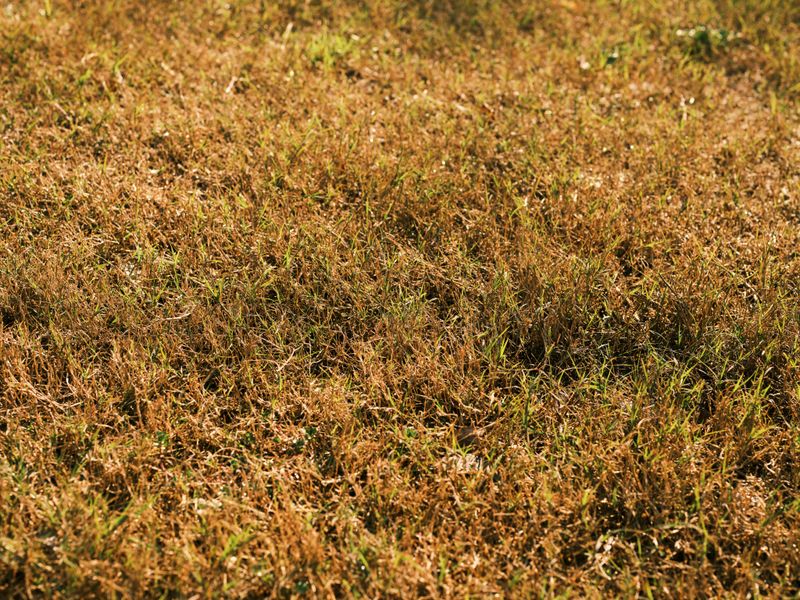
Brown grass in summer feels like failure, but for many Colorado lawns, dormancy is actually a survival strategy, not a problem.
Cool-season grasses like Kentucky bluegrass naturally go dormant during extreme heat and drought, turning brown to conserve energy and protect their root systems.
Fighting that process by aggressively watering a dormant lawn can actually cause more harm than good.
When you try to force dormant grass back to green with heavy irrigation during peak summer drought stress, you’re stressing the plant through repeated cycles of waking up and shutting back down.
That cycle weakens the root system over time and leaves the lawn more vulnerable heading into fall.
A better approach is to either commit to maintaining consistent moisture to prevent dormancy from starting, or let the lawn go fully dormant and give it just enough water to stay alive.
About half an inch of water every two to three weeks is usually enough to keep dormant grass roots viable without pushing the plant out of rest mode.
When cooler temperatures and fall rains return, a properly managed dormant lawn will green back up on its own.
Accepting natural dormancy as part of Colorado lawn care takes the pressure off both you and your grass during the toughest summer drought stress periods of the year.