These Are The 8 Simple Tips For Growing Zucchini In Ohio
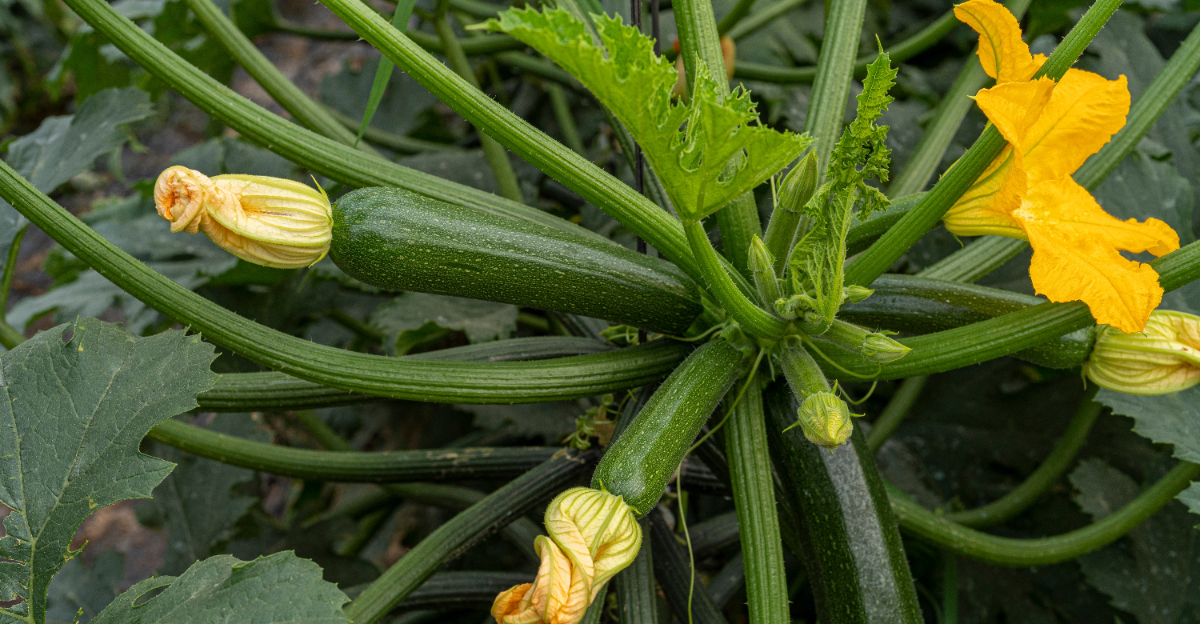
Zucchini has a reputation for being the easiest vegetable in the garden. The one that practically grows itself and takes over by midsummer.
Ohio gardeners know the reality is more complicated. Late spring cold snaps stall germination.
Humid summers invite powdery mildew onto leaves that looked perfectly healthy a week earlier. Zucchini is productive when conditions line up, but small missteps early in the season compound into bigger problems by harvest time.
Spacing, soil preparation, watering habits, and pollination all play a role that beginner guides tend to gloss over. Some gardeners drown in zucchini.
Others scratch their heads wondering why their plants never delivered. The difference usually comes down to a handful of straightforward habits that are easy to overlook and just as easy to fix.
1. Plant Zucchini After The Soil Warms Up
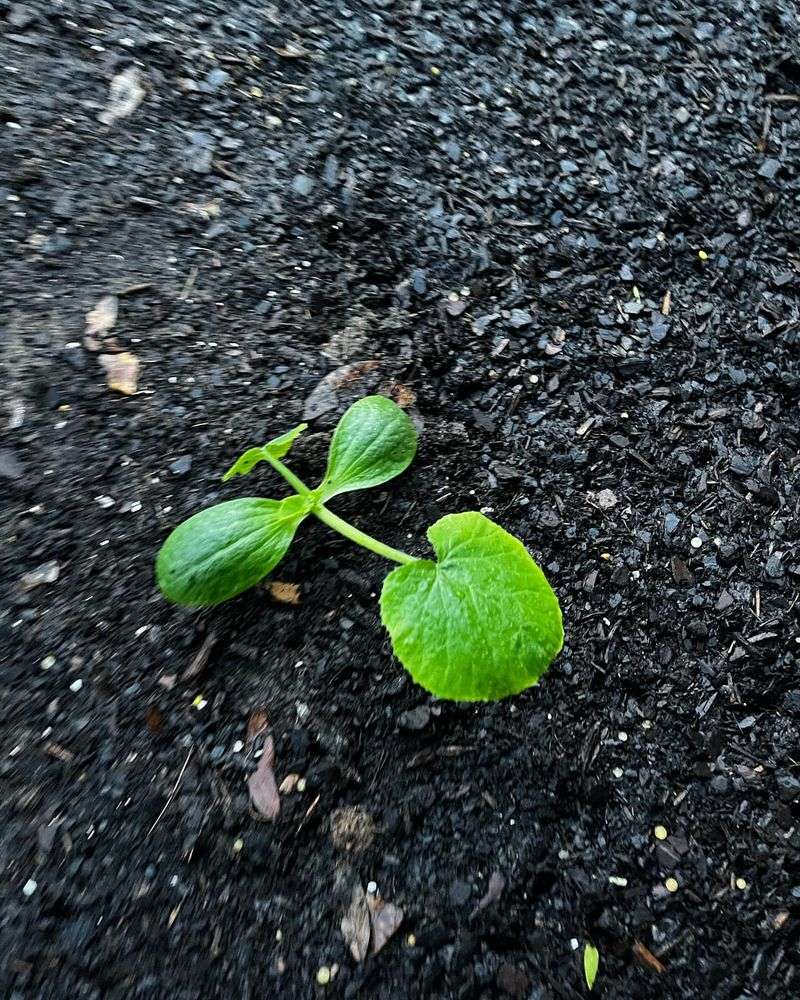
Timing is everything when it comes to zucchini, and planting too early is one of the most common mistakes gardeners make each season. Zucchini is a warm-season crop that needs both warm air and warm soil to get off to a strong start.
Cold soil slows germination, stresses young plants, and can leave seedlings sitting in the ground without making any real progress.
Most gardeners across the state should wait until after the last frost date before putting zucchini in the ground. In southern regions, that window often opens in late April or early May.
Central areas typically see safe planting conditions by mid-May. Northern regions and frost-prone spots near Lake Erie may need to wait until late May or even the first days of June to be safe.
Soil temperature matters just as much as air temperature. Zucchini seeds germinate best when the soil is at least 60 degrees Fahrenheit, though 70 degrees is even better.
A simple soil thermometer takes the guesswork out of the decision. You can direct sow seeds about an inch deep once the soil is ready, or transplant seedlings started indoors two to three weeks before the outdoor planting date.
Either way, waiting for genuinely warm conditions gives your plants a much stronger start than rushing the season by even a week or two.
2. Choose A Sunny Spot With Rich, Loose Soil
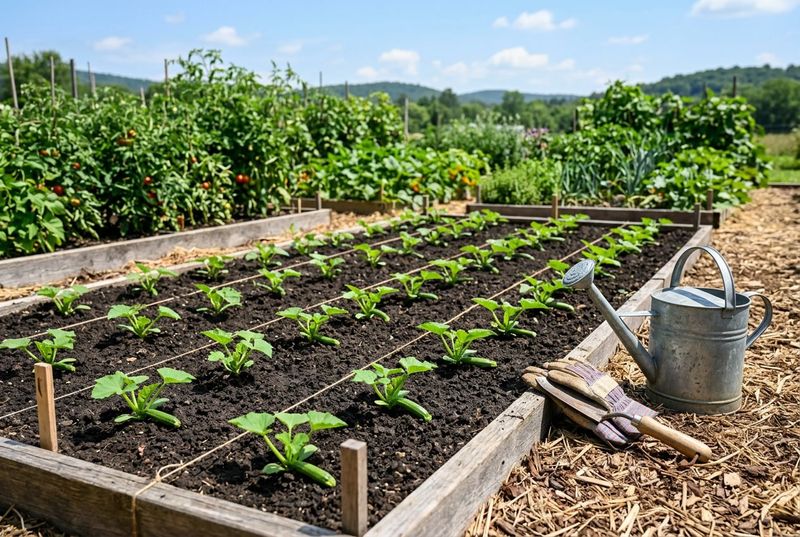
Zucchini is a heavy feeder and a sun lover, which means the spot you choose for your plants matters more than most people realize.
A location that gets at least six to eight hours of direct sunlight each day gives plants the energy they need to grow quickly and produce fruit steadily.
Shaded or partially shaded spots tend to produce weaker plants with fewer fruits.
Soil quality plays an equally important role. Zucchini roots need loose, well-drained soil that lets them spread without hitting compacted layers.
Heavy clay soil, which is common in many parts of the state, can hold too much water around the roots and slow growth considerably. Working in aged compost or other organic matter helps loosen clay soils and improves drainage over time.
That said, compost alone is not always enough to fix a serious drainage problem, and raised beds can be a practical solution in areas where the soil stays wet.
Your Ohio Garden Changes Every Week. Your Plan Should Too.
Gardening in Ohio changes quickly throughout the season. Every Friday you’ll receive a simple weekly plan showing exactly what to plant, prune, fertilize, harvest, and protect so you never miss the right timing.
Before planting, a basic soil test is worth doing at least once. Ohio State University Extension offers affordable soil testing services that tell you exactly what your soil has and what it is missing.
Knowing your soil pH and nutrient levels helps you add only what is actually needed, rather than guessing. Zucchini generally prefers a soil pH between 6.0 and 7.0 for the best nutrient availability and root health.
3. Give Each Plant Enough Room To Spread
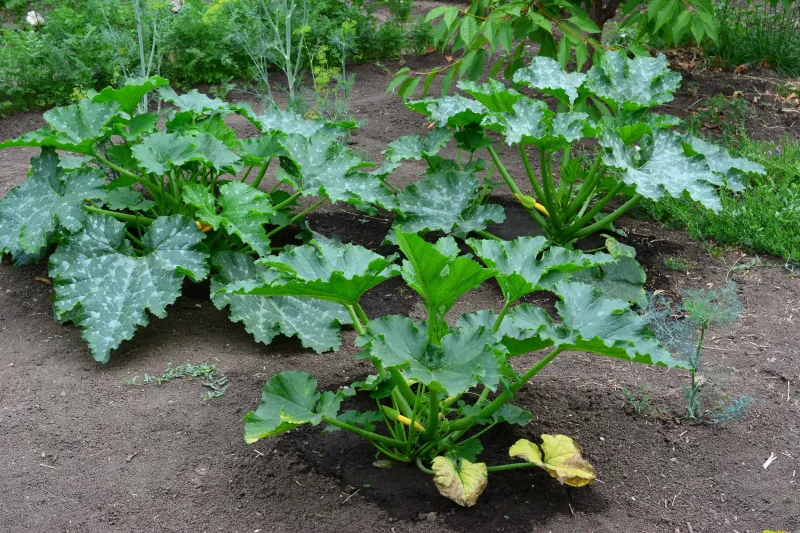
Few vegetables grow as big as a zucchini plant at full size. Those wide, spiky leaves and thick stems need real space to do their job, and crowding plants together creates more problems than most gardeners expect.
Leaves that press against each other stay damp longer after rain or watering, which can invite fungal issues like powdery mildew.
For garden beds, space zucchini plants about three to four feet apart in rows. Keep rows at least four to five feet apart so each plant gets the airflow and root space it needs.
If you are planting in hills, use two to three seeds per hill. This traditional squash method works well, and you can thin to the strongest plant once seedlings are a few inches tall.
Hills should be spaced about four feet apart in every direction.
Container gardening is possible with zucchini, but the container needs to be large, at least five gallons and ideally closer to ten. Compact or bush varieties work better in pots than sprawling types.
Even in containers, airflow around the leaves matters. Avoid pushing pots against walls or fences where air movement is limited.
Proper spacing is one of those simple steps that pays off all season long. Plants with enough room are easier to check for pests, easier to water correctly, and tend to stay healthier overall through the summer months.
4. Water Deeply To Keep Growth Steady
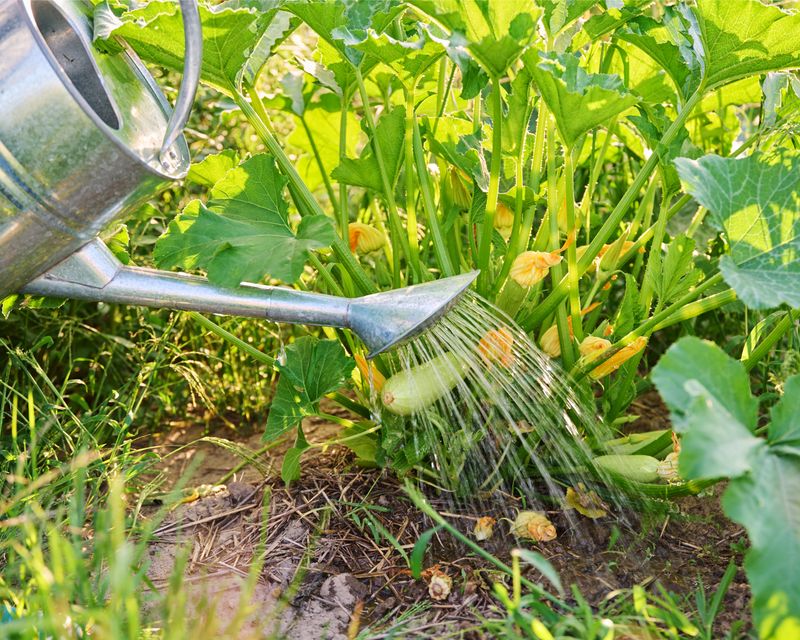
Zucchini plants move through water quickly, especially during the heat of an Ohio summer. Shallow or infrequent watering leads to stressed plants, poor fruit development, and problems like blossom end rot that can cut the harvest short.
Deep, consistent watering encourages roots to grow downward, which helps plants handle dry stretches better.
A good rule of thumb is to give zucchini about one inch of water per week, more during hot and dry stretches. The key is to water at the base of the plant rather than over the leaves.
Wet foliage invites fungal problems, and summer gardens in this state can already be humid enough to encourage mildew without adding extra moisture to the leaves.
A soaker hose or drip irrigation system works well for zucchini and keeps water right where it belongs.
Checking soil moisture before watering is a simple habit that makes a real difference. Push a finger about two inches into the soil near the base of the plant.
If it feels dry at that depth, it is time to water. If it still feels moist, give it another day.
During peak summer heat, you may find yourself watering every two to three days.
Keeping moisture levels steady during flowering and early fruiting is especially important because that is when the plant is working hardest to set and develop fruit.
5. Mulch Around Plants To Hold Moisture
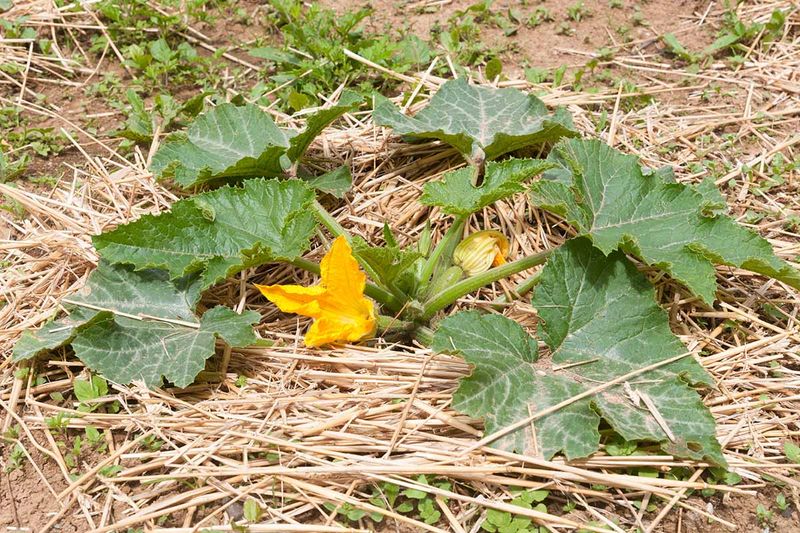
A layer of mulch around your zucchini plants might be one of the simplest steps you can take to support a good harvest. Mulch slows evaporation from the soil surface, which means less frequent watering and more consistent moisture around the roots.
During the hot, dry stretches that hit many local gardens in July and August, that moisture retention makes a noticeable difference.
Straw is a popular choice and works well in vegetable gardens. Shredded leaves, untreated grass clippings, and wood chips are other options that break down over time and add organic matter to the soil.
Spread mulch about two to three inches deep around each plant, keeping it pulled back a few inches from the crown and main stem. Piling mulch right up against the stem can trap moisture against the plant base and lead to rot or pest problems.
Beyond moisture, mulch also helps suppress weeds that would otherwise compete with your plants for nutrients and water. It keeps developing zucchini fruits off the bare soil, which reduces the chance of soft spots or rot on the underside of the fruit.
Mulch can also help moderate soil temperature during sudden heat spikes, which are not uncommon in summer gardens across the state. Reapply mulch during the season if it thins out or breaks down, especially after heavy rain or active weeding around your beds.
6. Watch Early For Squash Bugs And Vine Borers
Two pests cause more trouble in squash and zucchini plantings than almost anything else: squash bugs and squash vine borers. Both show up in summer gardens across this state, and both are much easier to manage when caught early.
Waiting until plants are already struggling makes control much harder.
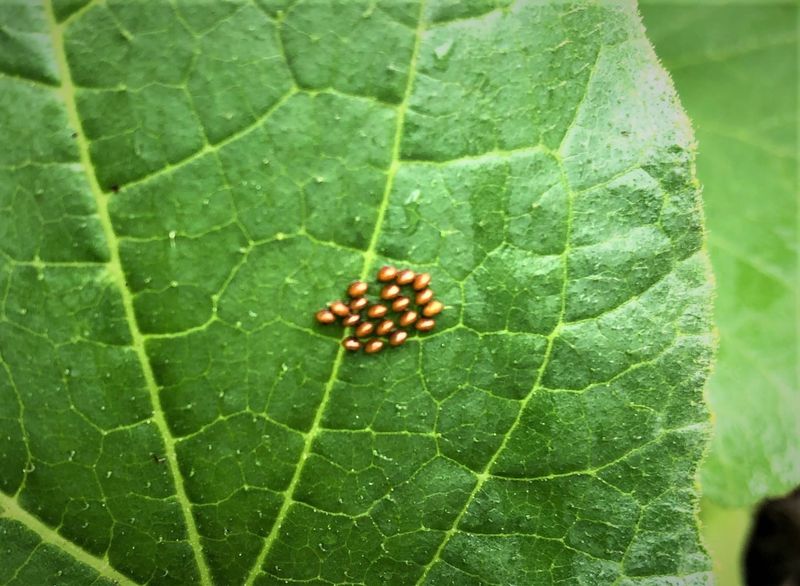
Squash bugs are flat, brownish-gray insects that feed on plant tissue and can cause leaves to wilt and yellow quickly. Check the undersides of leaves and the base of stems regularly for their small, shiny bronze-colored eggs, which are laid in neat clusters.
Remove eggs by hand as soon as you spot them. Adult squash bugs can be picked off by hand and dropped into a bucket of soapy water.
Catching them early in the season, before populations build, is the most effective strategy.
Squash vine borers are the larvae of a moth that lays eggs near the base of the stem. The first signs of trouble are often sudden wilting despite adequate moisture, or small piles of sawdust-like frass near the base of the plant.
Once a borer is inside the stem, options for management are limited. Inspecting the base of stems at least twice a week starting in late June through July gives you the best chance of catching egg-laying adults before damage is done.
Row covers used early in the season can help protect young plants, but they must be removed once flowering begins to allow pollination.
7. Harvest Small Zucchini Before They Get Oversized
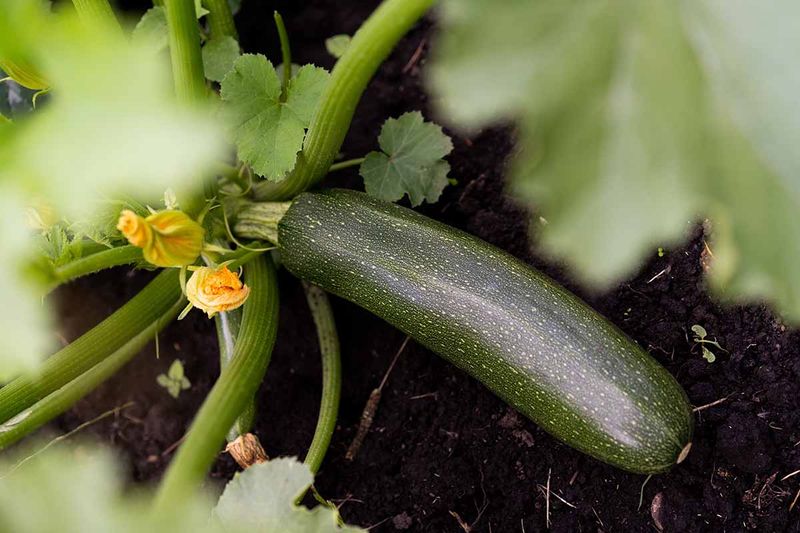
Ask any experienced gardener and they will tell you the same thing: zucchini that gets away from you is not the same vegetable you were hoping to harvest.
Fruit that grows past its ideal size tends to develop thick skin, large seeds, and a texture that is far less enjoyable than a younger, smaller squash.
Picking at the right time is one of the easiest ways to get better quality from every plant.
Most sources recommend harvesting zucchini when the fruit is between six and eight inches long. At that size, the skin is still tender, the flesh is firm and mild, and the seeds are small and barely noticeable.
Some gardeners prefer picking even smaller, around four to five inches, for the most delicate texture. Either size is far better than the baseball-bat zucchini that tends to appear when a plant is not checked for a few days.
Use a sharp knife or garden shears to cut the fruit from the vine rather than twisting or pulling, which can stress the plant. Leave a short stub of stem attached to the fruit.
Once you start harvesting, check your plants every day or every other day during peak production. Zucchini can grow surprisingly fast in warm weather.
Staying on top of the harvest keeps fruit quality high and signals the plant to keep producing rather than putting energy into maturing oversized fruit.
8. Keep Picking To Encourage More Fruit
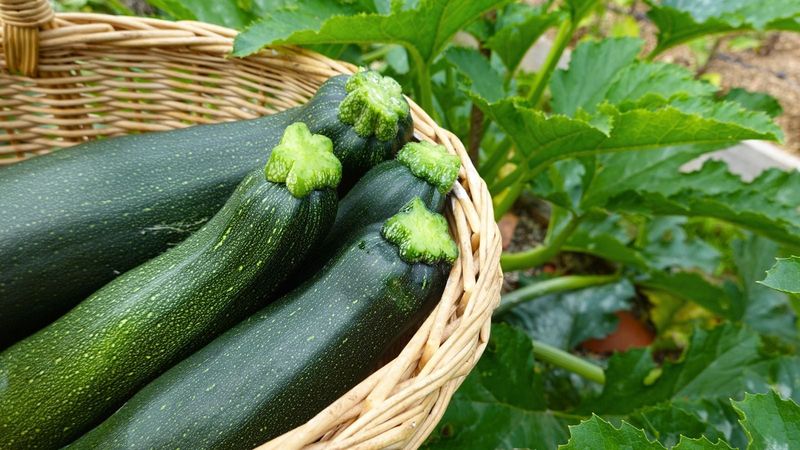
Once a zucchini plant hits its stride in midsummer, it can produce fruit faster than most people expect. Plants that are picked regularly tend to keep flowering and setting new fruit throughout the season.
Ones that are left with large, mature fruits still attached slow down noticeably, putting energy into those oversized squash rather than developing new ones.
Make a habit of walking through your garden every day or two during peak season. Look under the big leaves because zucchini hides well in dense foliage.
A fruit that was small yesterday can be surprisingly large by tomorrow in hot weather. Keeping up with the harvest is genuinely one of the most productive things you can do for your plants.
If you find yourself with more zucchini than your household can use, there are plenty of easy ways to share the surplus. Neighbors, coworkers, community food pantries, and local buy-nothing groups are always happy to take fresh produce.
Zucchini also freezes well when shredded and portioned, making it easy to use later in soups, breads, and other dishes without any pressure to use it all at once. Keeping the harvest moving is good for the plant and good for the community.
A productive zucchini plant is genuinely one of summer’s most reliable rewards. You just need to stay engaged with it from the first fruit to the last warm days of the growing season.