8 Plants Georgia Gardeners Grow To Keep Squirrels Away
Squirrels seem to appear the second fruits start ripening in Georgia yards. Tomatoes get chewed overnight, fresh soil gets tossed out of containers, and bird feeders quickly become regular squirrel stops once food is easy to reach.
Damage often begins in one small area, then suddenly spreads across several parts of the yard at once.
Strong scents and rough textures can make certain plants much less appealing to squirrels.
Some work best near vegetables while others fit better around containers, patios, or flower beds where digging becomes more common during warmer weather.
The layout of the yard matters too. Easy hiding spots, crowded corners, and low feeders can encourage squirrels to stay longer once they begin searching for food nearby.
Small planting changes sometimes help interrupt those habits before damage spreads further.
Completely stopping squirrels is difficult, especially during active growing months, but the right plants can help make problem areas far less inviting over time.
1. Daffodils Are Often Avoided Around Garden Borders
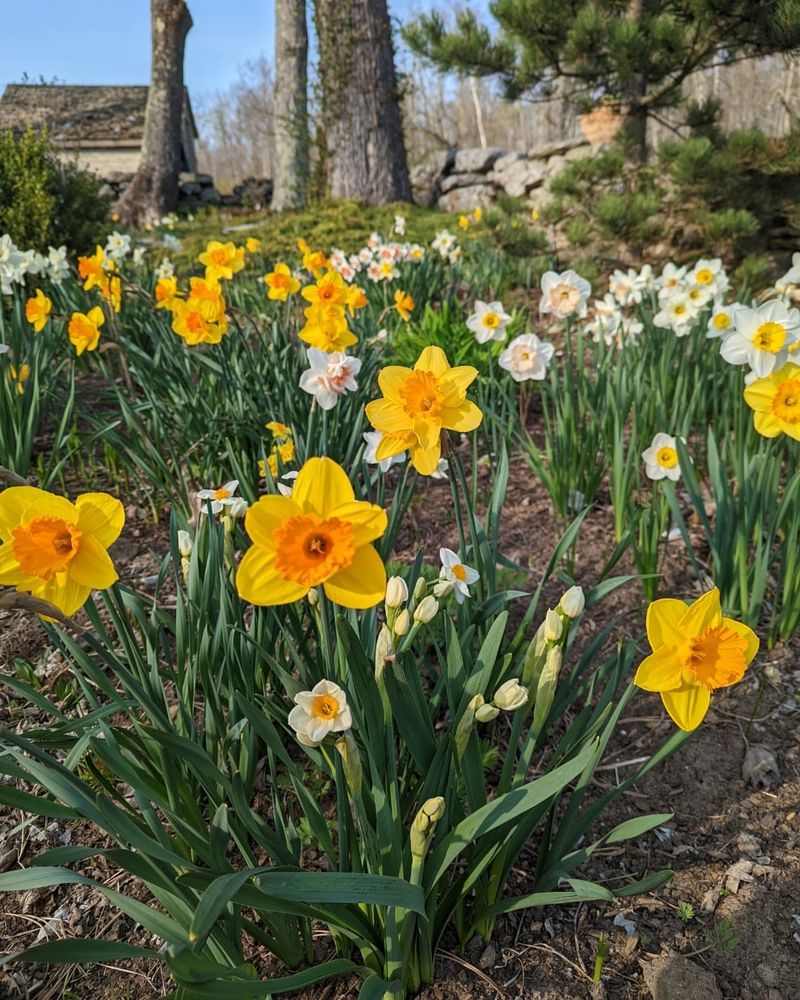
Squirrels usually avoid daffodils, and gardeners have relied on them for years as a natural way to discourage digging around flower beds. Unlike tulips or crocuses, daffodils contain a compound called lycorine that most burrowing animals find unappealing.
Planting them along garden borders can create a protective barrier that returns year after year.
In northern parts of Georgia, daffodils often begin emerging as early as February, bringing early color just as squirrel activity starts increasing again after winter.
Many gardeners plant daffodils around more vulnerable spring bulbs as an added layer of protection. Positioning daffodils around the outer edges while keeping tulips or other bulbs behind them is a common strategy that tends to work surprisingly well.
Maintenance is minimal once bulbs become established. Daffodils gradually multiply on their own and usually return reliably every spring without much extra care.
Even in warmer and lower elevation areas, they generally perform well when they receive enough winter chilling.
Mixing early, midseason, and late blooming varieties also helps extend flowering and keeps that protective border active longer through spring.
Daffodils also handle unpredictable spring weather surprisingly well once established. Their long bloom period keeps that protective border active during one of the busiest squirrel seasons of the year.
2. Mint Creates A Strong Smell Near Problem Areas
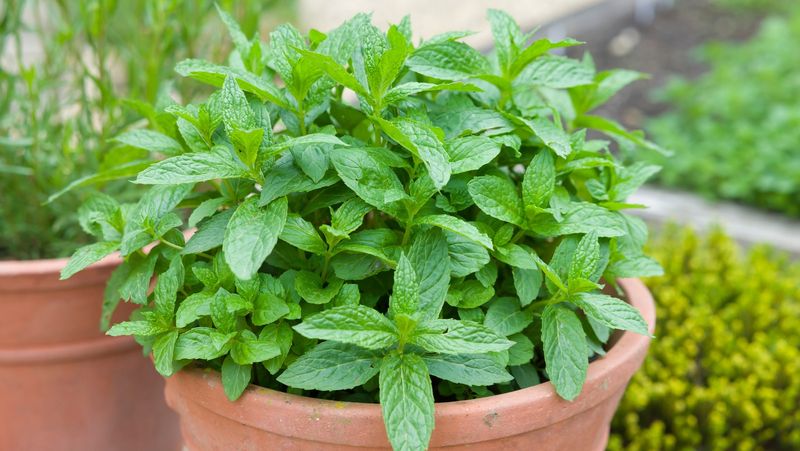
Few smells bother squirrels more than a strong patch of mint growing near the areas they like exploring.
Many gardeners use potted mint near raised beds, vegetable gardens, and common entry points where squirrels regularly cause problems.
The sharp scent is often enough to make animals avoid the area altogether. Growing mint in containers is usually the better choice.
Once planted directly in the ground, mint spreads aggressively and can take over beds surprisingly fast. Pots make it much easier to control and allow you to move plants around depending on where squirrel activity becomes worst during the season.
Spearmint and peppermint are both reliable choices that handle Georgia’s humidity very well. Crushing a handful of leaves every couple of weeks helps release fresh oils into the air and keeps the scent stronger around the garden.
Your Georgia Garden Changes Every Week. Your Plan Should Too.
Gardening in Georgia changes quickly throughout the season. Every Friday you’ll receive a simple weekly plan showing exactly what to plant, prune, fertilize, harvest, and protect so you never miss the right timing.
Mint also attracts pollinators, which gives it another useful role beyond discouraging pests. In hotter and more humid coastal areas, mint can grow especially aggressively and benefits from regular trimming.
Frequent harvesting helps keep the plant under control while also giving you fresh mint for teas, drinks, and cooking throughout the growing season.
Mint also recovers quickly after trimming, which makes it easy to harvest regularly without weakening the plant.
Keeping containers close to patios, raised beds, or walkways helps concentrate the scent in the areas squirrels visit most often.
3. Marigolds Bring Bright Color To Busy Garden Beds
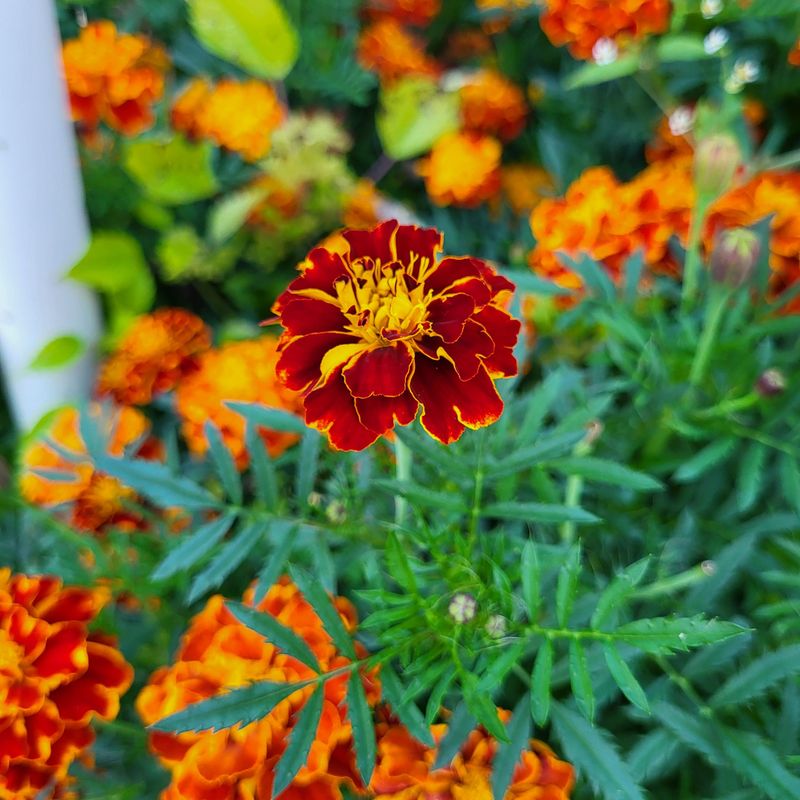
Walk through any garden center in Georgia during spring and you will probably see marigolds everywhere, and there is a reason they remain so popular.
Beyond their bright orange and yellow flowers, marigolds release a scent through their leaves and roots that squirrels tend to avoid.
Planting them throughout vegetable beds adds a layer of protection while also bringing steady color to the garden all season. French marigolds usually work better for this purpose than the larger African types.
Their smaller and bushier growth habit allows for more plants in a smaller area, creating a stronger concentration of scent around nearby crops.
Tucking them between tomatoes, peppers, and squash creates a mixed planting that makes the bed less appealing to pests overall.
In central and southern parts of the state, marigolds handle long warm seasons very well and continue blooming deep into fall. Removing old flowers regularly encourages more blooms and helps keep the scent active through the season.
Starting seeds indoors about six weeks before the last frost date can also give plants a strong early start. Even gardeners in cooler northern areas usually find marigolds establish quickly once temperatures warm consistently.
With full sun and steady watering, they continue performing well through summer heat while helping make vegetable beds less attractive to squirrels.
Marigolds also fit easily into small garden spaces without competing heavily with nearby vegetables. Dense plantings around the edges of beds help spread the scent more evenly through the entire growing area.
4. Hyacinths Are Commonly Left Undisturbed In Spring
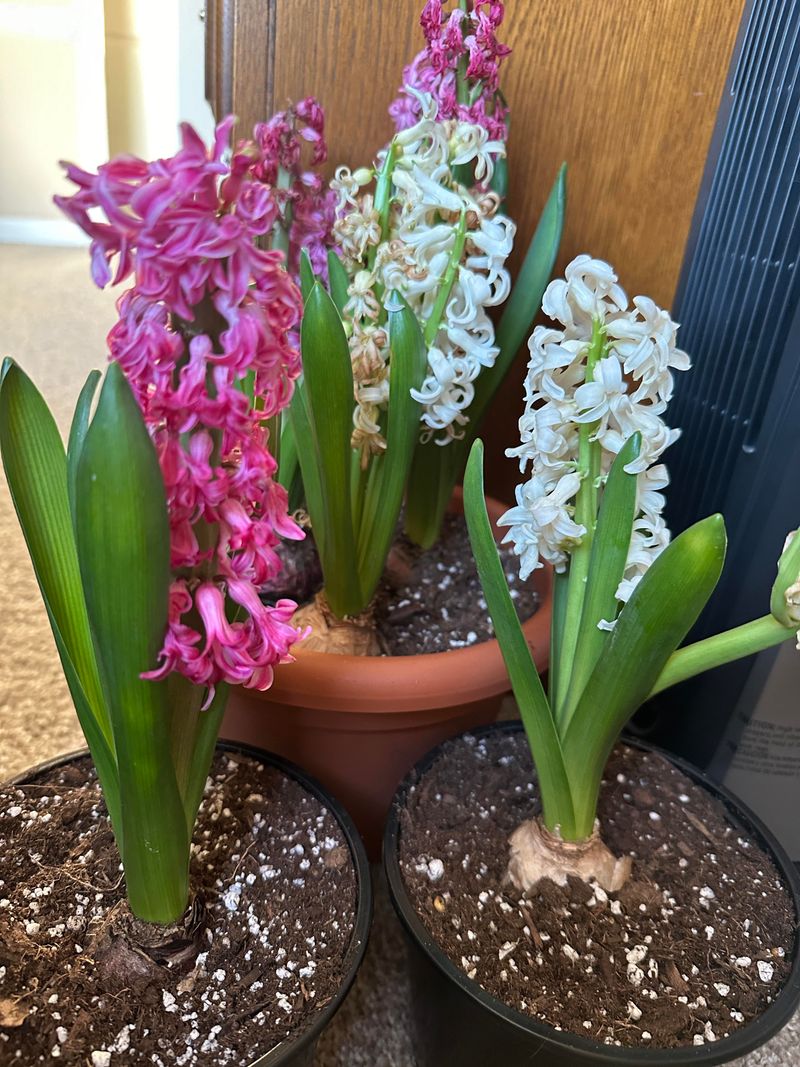
Hyacinths have a strong fragrance that many people enjoy, but squirrels usually avoid, which makes them surprisingly useful in spring gardens.
Many gardeners plant them near other bulbs they want to protect, using the scent almost like a natural barrier that squirrels hesitate to cross.
Hyacinths are also practical because the bulbs contain calcium oxalate crystals, which animals quickly learn are not pleasant to dig up or chew on. Because of that, squirrels often avoid disturbing the surrounding planting area as well.
Planting hyacinths around tulips or crocuses is a simple strategy that can help reduce digging problems during spring. In northern parts of Georgia, winter temperatures are usually cold enough for hyacinths to bloom reliably on their own.
Warmer southern areas often benefit from pre chilling bulbs in the refrigerator for about six weeks before planting, which can improve flowering noticeably.
Hyacinths prefer well drained soil and a location with good morning sunlight, conditions that are fairly easy to provide in most gardens.
After flowering finishes, allow the foliage to fade naturally so the bulbs can store enough energy for the following spring and continue providing that protective presence around nearby plants.
Hyacinths also pair well with other spring bulbs because their upright blooms add structure and color early in the season.
Planting bulbs in tight clusters creates a stronger fragrance around the garden and makes the display look fuller once flowering begins.
5. Rosemary Works Well Near Raised Beds And Pots
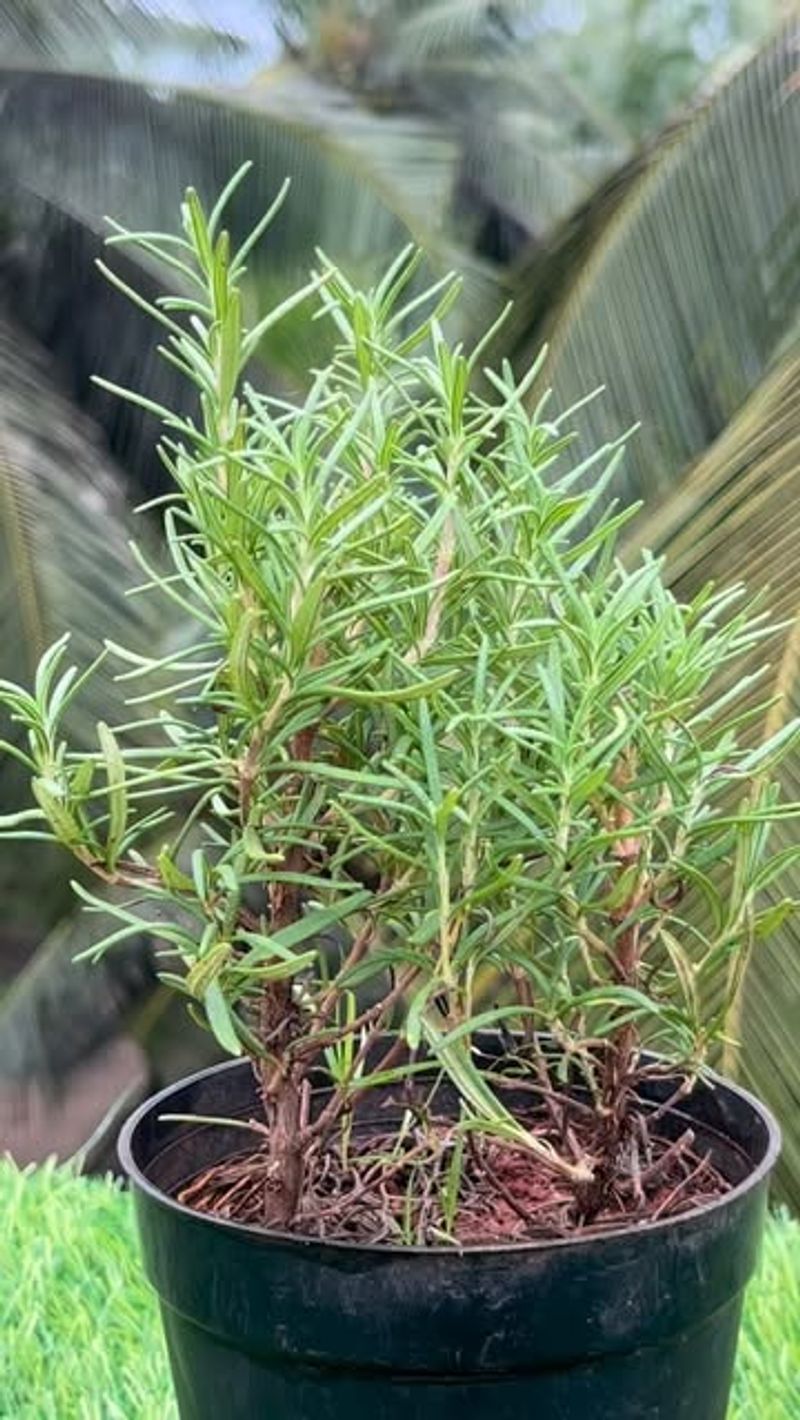
Rosemary is one of those plants that easily earns its place in a Georgia garden. It handles heat well, stays attractive through most of the year, and produces a strong herbal scent that squirrels tend to avoid.
Planting it along raised bed edges or around containers can create a natural scent barrier that continues working even during the hottest part of summer. Upright rosemary varieties are especially useful as low garden hedges.
Types like Tuscan Blue or Arp grow tall enough to create a noticeable visual and scent border without taking over too much space.
In southern and coastal parts of the state, rosemary often matures into a woody shrub that returns reliably year after year with minimal maintenance.
Soil drainage is one of the biggest factors when growing rosemary successfully. Heavy clay soil can hold too much moisture and slowly weaken the plant over time.
Raised beds and containers help solve that issue while also allowing you to place rosemary exactly where squirrel activity becomes most frustrating.
Rosemary also handles dry conditions well, which makes it especially useful during hotter stretches when watering routines become less consistent.
Regular harvesting keeps the plant fuller and less leggy while releasing fresh oils that strengthen the scent around nearby plants and garden beds.
Rosemary also blends easily into vegetable gardens without looking out of place beside tomatoes, peppers, or other warm season crops.
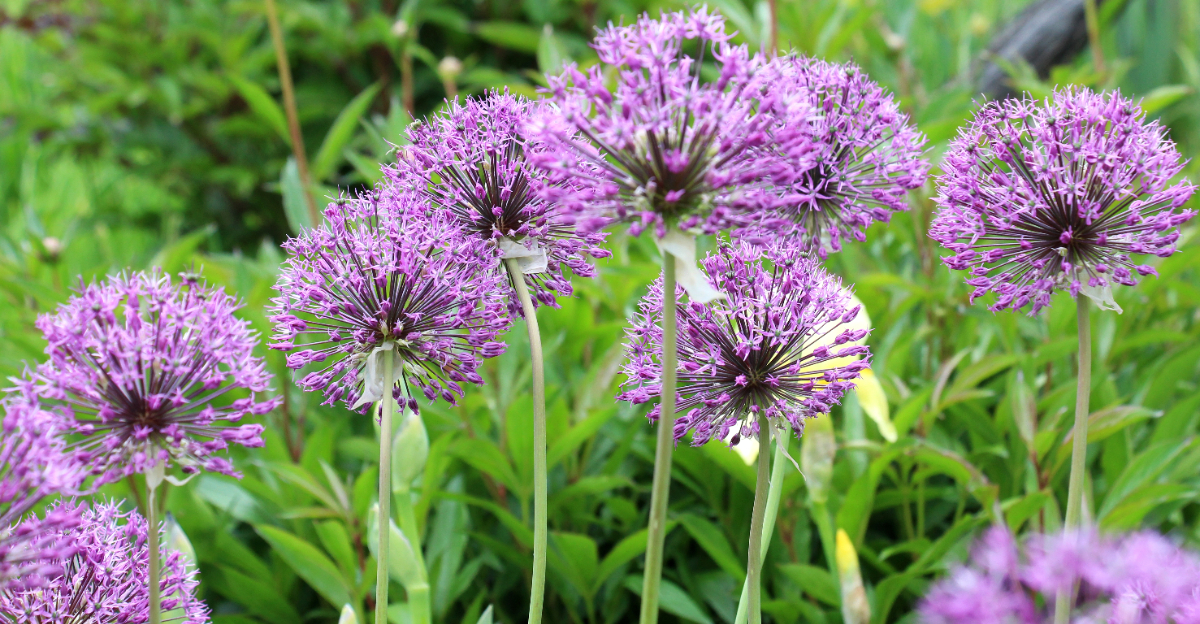
6. Alliums Stand Out With Their Sharp Garden Scent
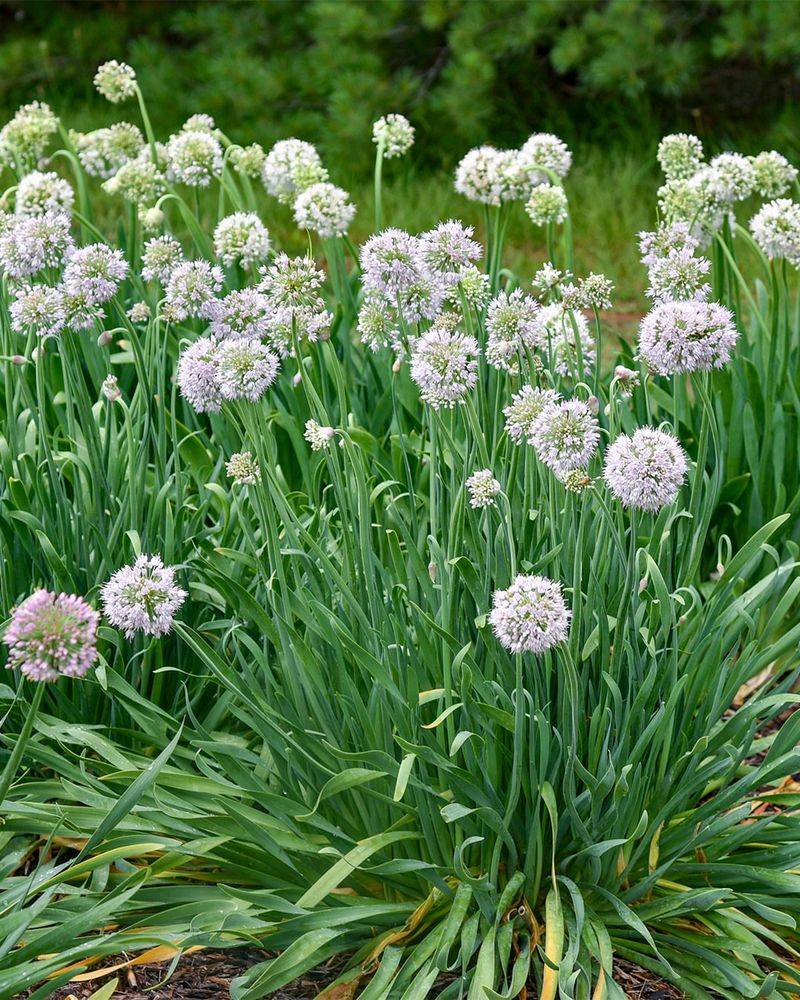
Alliums are basically ornamental relatives of onions and garlic, and squirrels usually avoid them completely.
Many Georgia gardeners grow ornamental alliums for their large round blooms, but they also help discourage squirrels from digging around nearby plants.
The strong sulfur like scent released by the foliage and bulbs makes the surrounding area much less appealing to many burrowing animals.
Smaller allium varieties like Allium moly work well planted between other spring bulbs as added protection.
Larger types such as Purple Sensation or Globemaster create bold color at the back of borders while helping make the entire planting area less attractive to wildlife.
Mixing different sizes and bloom times can extend both color and protection from mid spring into early summer.
Alliums generally naturalize well and slowly spread over time without needing much extra attention. Allowing some seed heads to remain can gradually increase coverage through the years.
In cooler northern parts of the state, bulbs often establish especially well and multiply more quickly than they do in warmer southern areas. Well drained soil is important because overly wet spring conditions can weaken bulbs.
Pairing alliums with tulips and daffodils creates a layered planting that combines strong spring color with practical squirrel deterrence throughout the season.
Alliums also hold up well in sunny borders where many spring flowers begin fading once temperatures rise. Their tall stems and rounded blooms add height and structure without creating heavy shade around nearby plants.
7. Lavender Fits Dry Sunny Spots Around The Yard
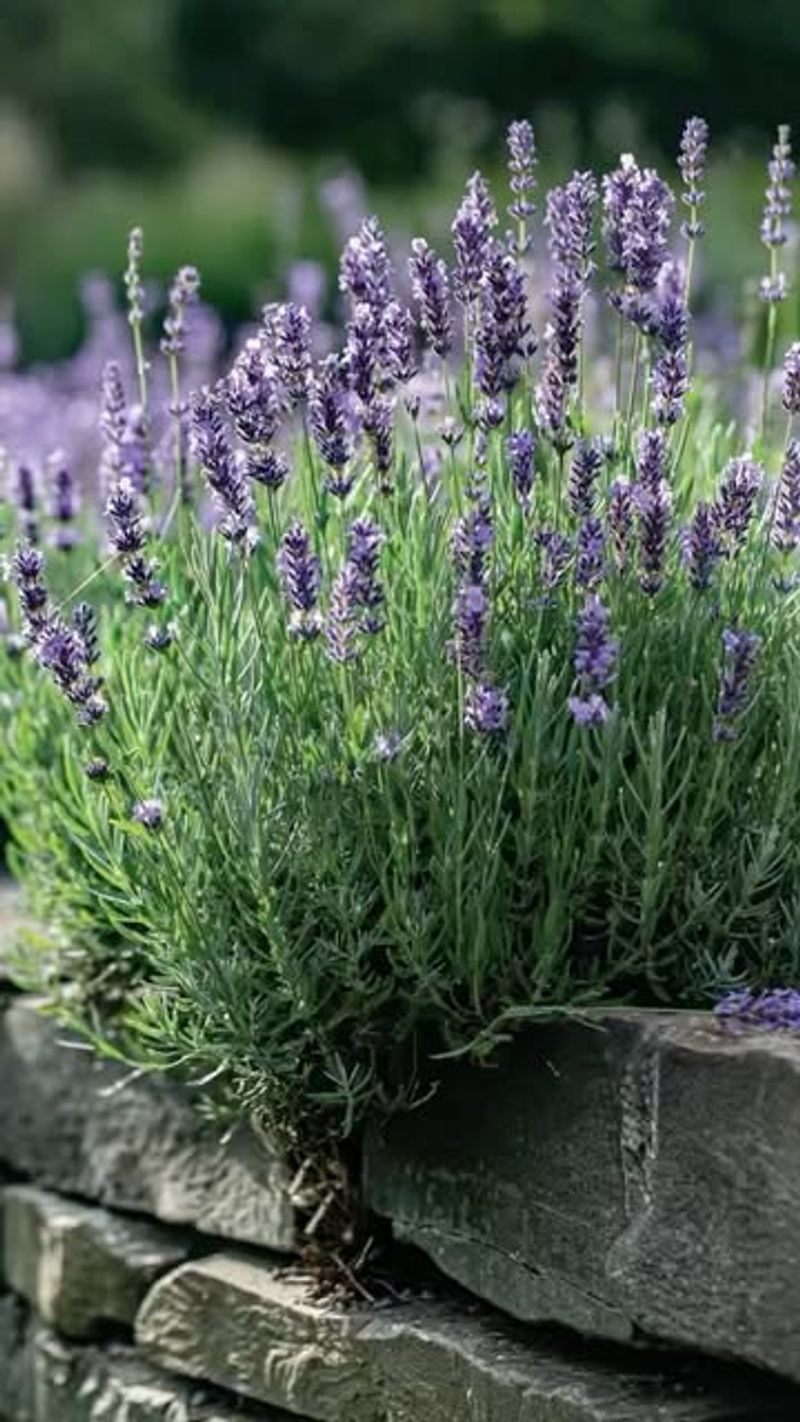
Lavender thrives in conditions that many other plants struggle with, which makes it especially useful in dry and sunny parts of a Georgia yard where squirrels often roam.
Its strong floral scent may smell pleasant to people, but small animals with sensitive noses usually find it overwhelming.
Planting lavender near bird feeders, garden borders, or container gardens can help redirect squirrel activity away from those areas naturally.
English lavender varieties like Hidcote and Munstead often perform well in northern and central parts of the state where humidity is slightly lower.
In hotter and more humid southern areas, Spanish lavender sometimes holds up better because it tolerates moisture more easily and is less likely to develop root rot.
Choosing the right variety for your growing conditions makes a noticeable difference over time.
Lavender needs full sun and excellent drainage more than anything else. Raised beds, sloped areas, and rock gardens usually provide the conditions it prefers.
Light pruning after each bloom cycle helps prevent plants from becoming overly woody and encourages fresh growth with stronger fragrance. Lavender also attracts bees and butterflies regularly, which gives it additional value in pollinator friendly gardens.
Squirrels, however, usually avoid the scent completely, making lavender one of the easier low maintenance plants for discouraging unwanted digging and activity around the yard.
Lavender also handles dry summer stretches better than many flowering plants once roots become established. Planting several together instead of spacing them too far apart creates a stronger scent presence around the garden.
8. Geraniums Add Long Lasting Color Near Entry Areas
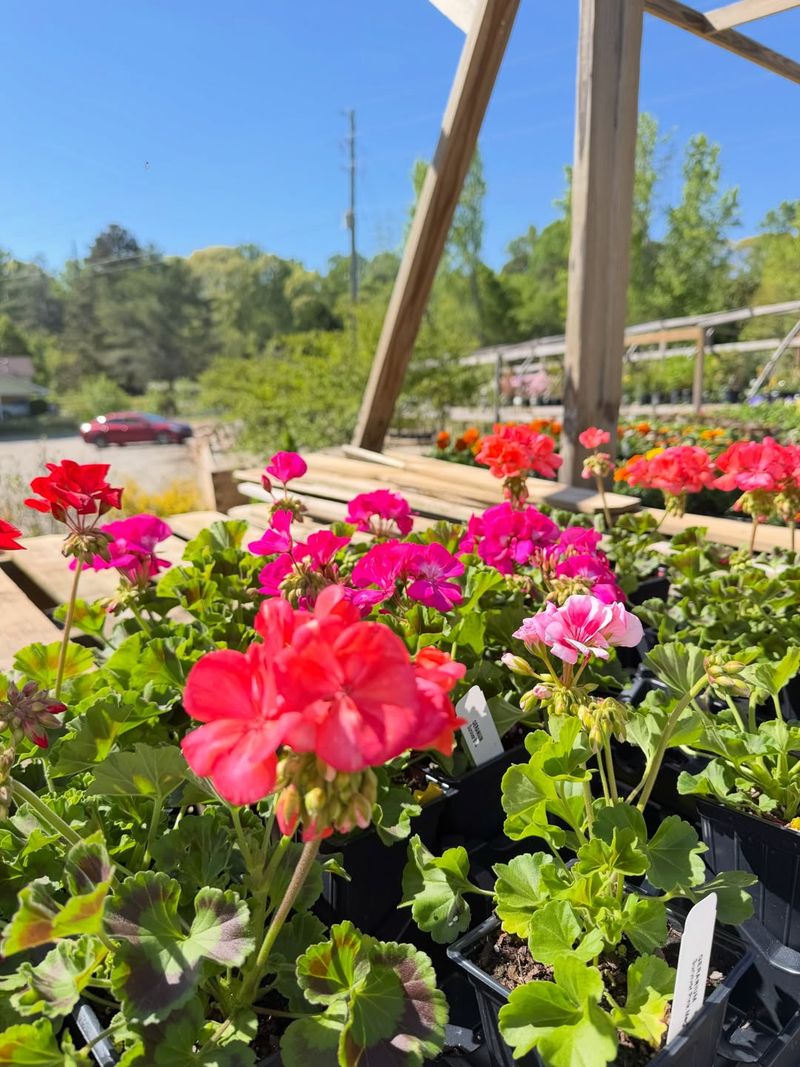
Geraniums are a familiar sight on porches and around entryways in Georgia, and beyond their colorful blooms, they produce a scent that squirrels tend to avoid.
The slightly musky fragrance released by the foliage can make squirrels hesitate around planters, container gardens, and flower beds near walkways or patios.
Gardeners who place them around common problem areas often notice less squirrel activity nearby. Scented geraniums usually work better for deterrence than standard flowering types.
Citronella scented and peppermint scented varieties release stronger oils, especially when leaves are brushed against or heated by afternoon sun.
Positioning them along fence lines, near raised beds, or around containers places the scent directly where squirrels are most likely to travel.
In most parts of the state, geraniums are grown as annuals unless brought indoors before frost arrives. Some varieties can occasionally survive outdoors in the mildest coastal areas.
Containers are especially popular because they allow plants to be moved easily depending on where squirrel activity becomes most noticeable during the season.
Geraniums need fairly regular watering but generally handle summer heat well when given some afternoon shade.
Removing faded blooms also helps keep plants fuller and encourages dense foliage, which strengthens the scent barrier around vulnerable garden areas through the warmer months.