What Arizona Gardeners Should Watch For Before Monsoon Season Starts
Arizona gardens often look completely different once monsoon season gets closer. Dry windy days can suddenly shift toward heavy dust, powerful storms, and sharp humidity changes that place stress on plants in ways many gardeners do not expect.
Weak branches, loose containers, and thirsty soil usually become much bigger problems once those conditions arrive.
The transition period before monsoon season matters more than many people realize. Plants already struggling from heat or uneven watering often react the fastest once strong winds and sudden rain move in.
Garden structures can also become vulnerable if supports, shade cloth, or tall growth are not secured early enough.
Pests and fungal problems sometimes begin appearing around this time too, especially when moisture levels start rising after long dry stretches. Even healthy gardens can change quickly once weather patterns shift.
Checking a few key areas before monsoon season begins can help prevent a lot of damage later during the most active storm periods.
1. Sudden Leaf Stress During Rising Humidity Levels
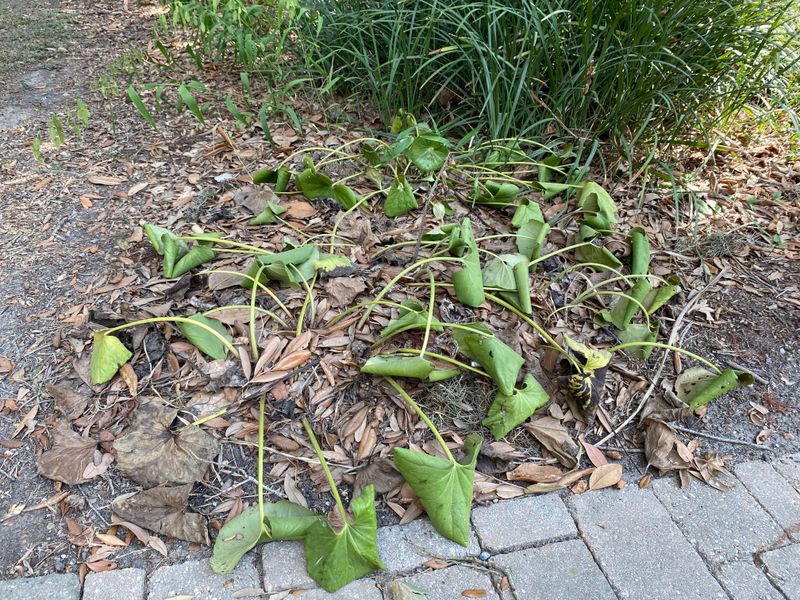
Leaves that looked perfectly fine last week can start curling, yellowing, or dropping almost overnight once pre-monsoon humidity starts creeping in.
Plants adapted to dry desert conditions often struggle when moisture levels in the air spike before actual rainfall arrives.
It creates a confusing environment where roots are still thirsty but leaves are reacting to atmospheric moisture they cannot fully use.
Watch for signs like soft, limp foliage in the morning that does not perk back up by midday.
If you notice leaves looking dull or slightly translucent, that is usually a sign the plant is under stress, not just heat fatigue.
Avoid overwatering in response to leaf stress during this period. Adding extra water when humidity is already high can lead to root problems faster than the heat alone would.
Cut back on irrigation slightly and check soil moisture a few inches down before adding more water.
Mulching around the base of plants helps buffer the soil temperature and keeps moisture levels more stable. A two to three inch layer of organic mulch can make a noticeable difference during this transitional stretch.
Bark chips, straw, or decomposed compost all work well in low desert gardens across the region.
2. Weak Tree Branches Before Storm Winds Arrive
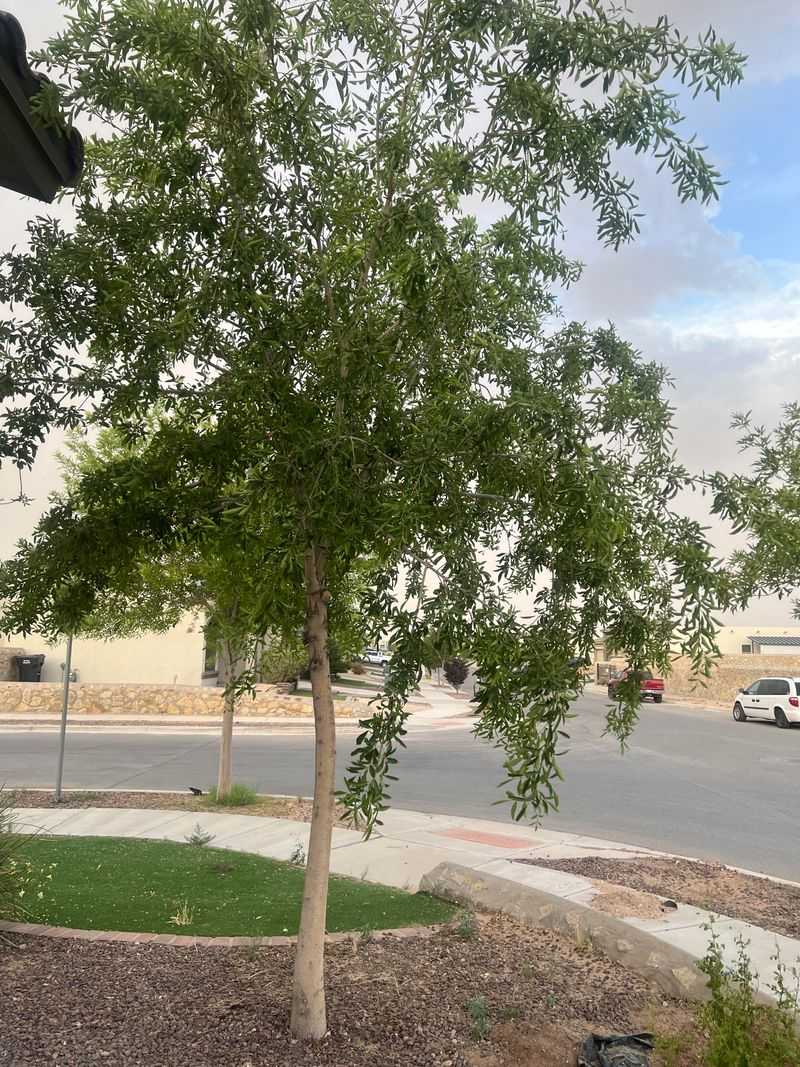
A branch that looks solid from the ground can be hollow, cracked, or only loosely attached at the collar. Monsoon winds in Arizona often reach 40 to 60 miles per hour during the first major storms of the season, and weak limbs rarely withstand that level of force.
Walking your yard and inspecting trees from below takes only a short time and can prevent serious damage later.
Pay close attention to mesquite, palo verde, and eucalyptus, which are common in the region and can become vulnerable when stressed by drought.
Look for peeling bark, visible cracks, or limbs attached at unusually sharp angles to the trunk, as these are often early warning signs of weakness.
Branches that hang over roofs, fences, or vehicles deserve the highest priority because even smaller limbs can cause costly damage if they fall.
Your Arizona Garden Changes Every Week. Your Plan Should Too.
Gardening in Arizona changes quickly throughout the season. Every Friday you’ll receive a simple weekly plan showing exactly what to plant, prune, fertilize, harvest, and protect so you never miss the right timing.
Larger trees are best evaluated by a certified arborist, especially when branches are high or thick. Improper cutting can create safety risks and long term damage to the tree.
Smaller limbs can usually be removed with clean, sharp pruning tools. Make cuts just outside the branch collar to encourage proper healing.
3. Dry Soil That Struggles To Absorb Heavy Rain
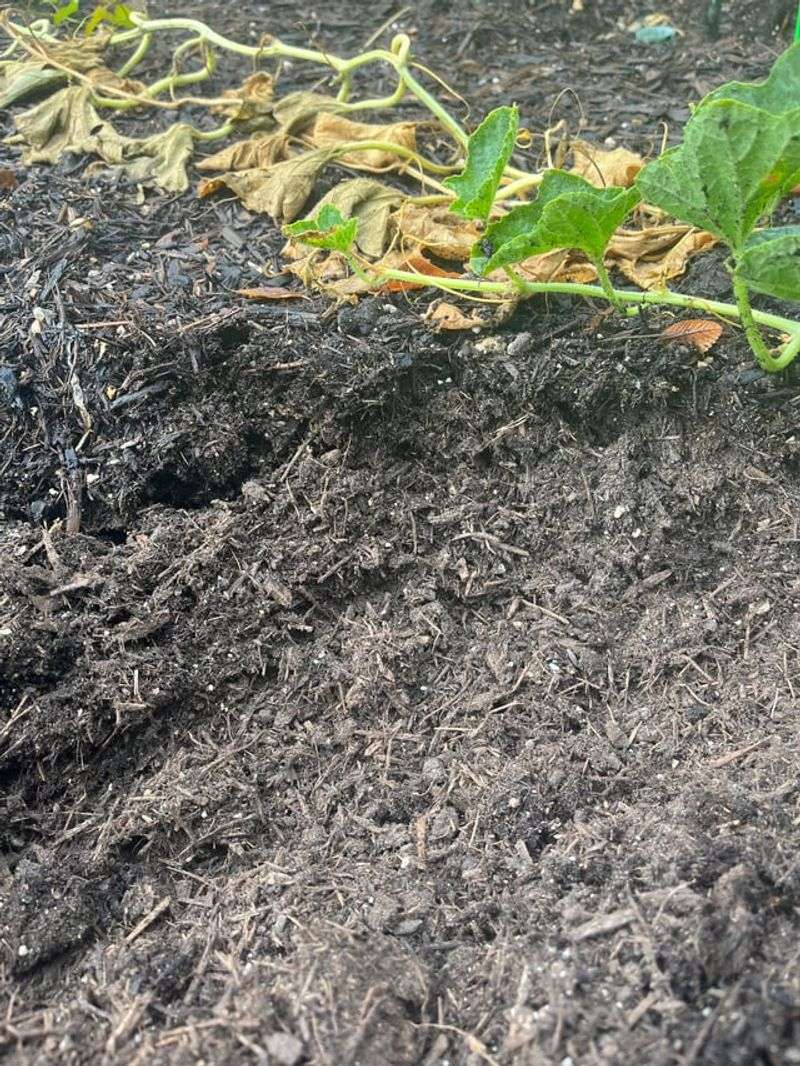
Bone-dry soil can actually repel water instead of absorbing it. When soil in Arizona dries out completely during long hot periods, organic particles can develop a waxy coating that causes water to bead up and run off rather than soak in.
This condition is known as hydrophobic soil and is common in desert gardens. You can test it quickly by pouring a small cup of water onto a dry patch of soil.
If it sits on the surface for more than about 30 seconds before soaking in, the soil likely has a hydrophobic issue.
This becomes especially problematic during monsoon season because heavy rainfall runs across the surface instead of soaking into the root zone, often carrying topsoil with it.
Loosening compacted or hydrophobic soil before the rainy season helps improve water movement. A hand cultivator or garden fork can be used to break up the top four to six inches of soil in planting beds.
Adding a thin layer of compost while working the soil improves structure and helps moisture retention over time. Slow, deep watering in the weeks leading up to monsoon conditions can also help recondition the soil gradually.
Drip irrigation on longer, slower cycles is generally more effective than short, frequent watering bursts.
4. Standing Water Around Low Garden Areas
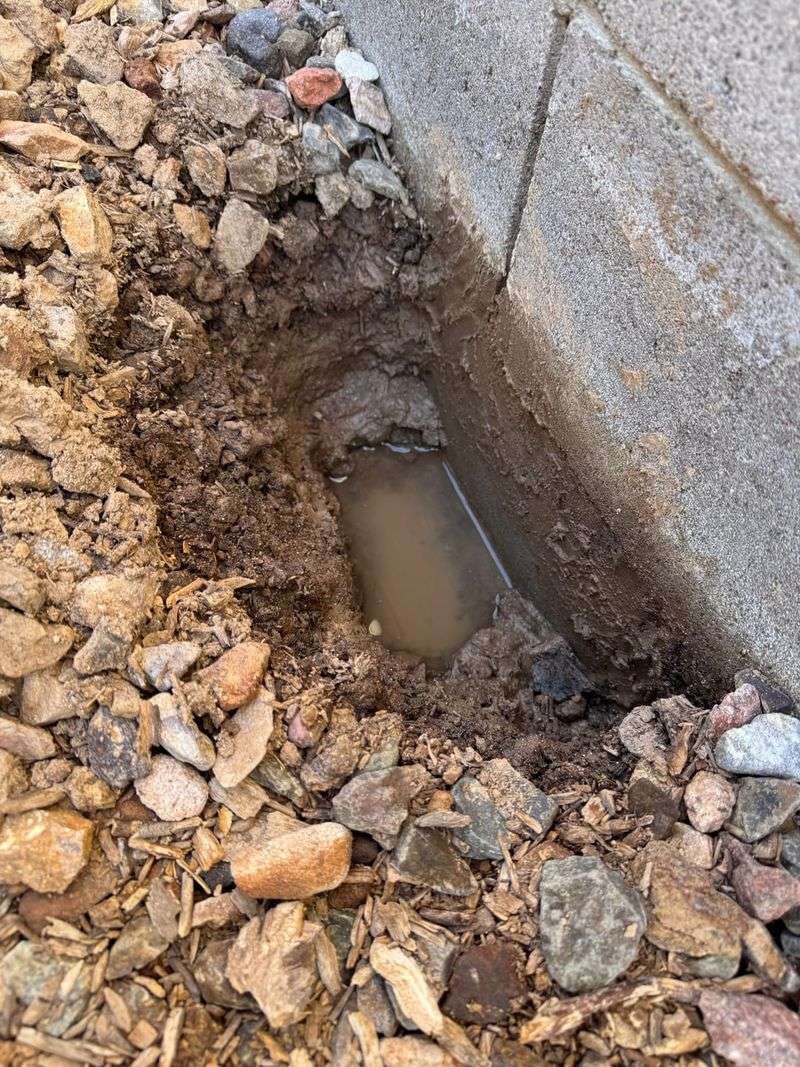
Low spots in a yard collect water fast and drain slowly, which sounds helpful during a drought but becomes a real problem when monsoon rains hit hard and often.
Roots sitting in standing water for more than 24 to 48 hours begin to struggle, and many desert-adapted plants are especially sensitive to waterlogged conditions.
Knowing where your yard holds water before the season starts gives you time to fix the problem rather than react to it.
Walk your yard after any irrigation cycle or light rain and note where puddles form and how long they stick around. Areas near block walls, along fence lines, and at the base of slopes are the most common trouble spots across properties in our state.
Even shallow depressions of a few inches can become standing pools during a strong monsoon cell.
Simple grading fixes can redirect water away from plant roots and toward street gutters or dry creek beds. A flat shovel and a few hours of work can reshape a problem area significantly.
For deeper drainage issues, installing a French drain or dry well is a more permanent solution that pays off over multiple monsoon seasons.
Adding gravel or decomposed granite around low areas also helps water move down rather than spread out.
These materials are widely available at landscape supply yards throughout the region and blend naturally into desert-style gardens.
5. Pest Activity Increasing During Warmer Evenings
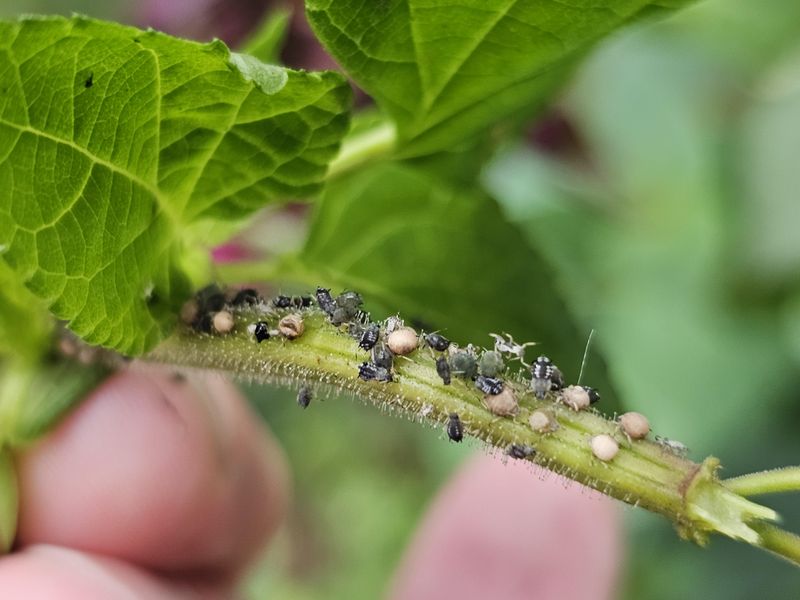
Aphids, whiteflies, spider mites, and thrips all ramp up their activity when evening temperatures stay above 75 degrees Fahrenheit for several nights in a row.
Plants that are already under heat stress are far more vulnerable to infestations during this window.
Check the undersides of leaves regularly starting in late May and into June.
Aphid colonies can double in size within a few days under warm conditions, and by the time you notice curling or sticky residue on leaves, the population is already well established.
Catching them early keeps control much simpler and less disruptive to beneficial insects in the garden.
A strong spray of water from a garden hose knocks aphids and spider mites off plants effectively without using any chemicals. Doing this in the early morning gives foliage time to dry before temperatures peak.
Repeat every few days to keep populations from rebounding.
Neem oil and insecticidal soap are both low-impact options for heavier infestations. Apply either product in the evening to avoid burning foliage in the midday heat, which is especially harsh across low desert areas of the region.
Always follow label directions and avoid spraying when bees are actively foraging on flowers nearby.
6. Loose Containers Before Strong Gusts Develop
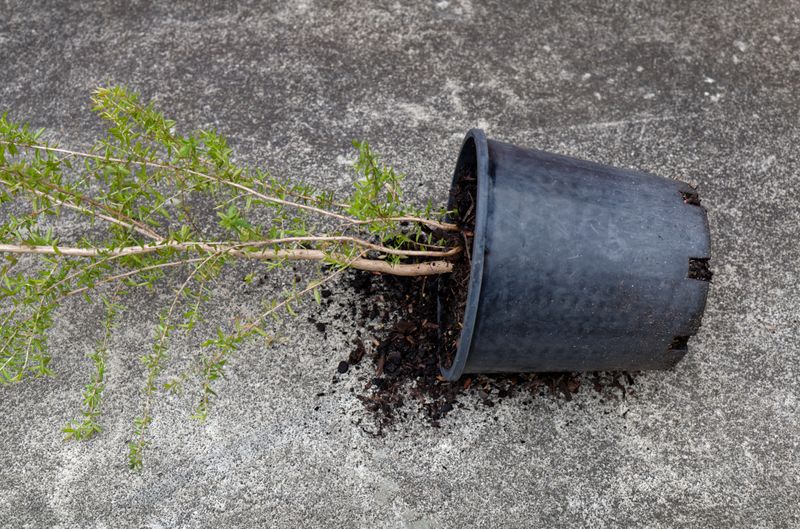
Container plants on patios and porches can become hazardous during monsoon wind gusts in Arizona.
Storms often arrive with very little warning, and wind speeds can jump from calm conditions to over 50 miles per hour in under a minute.
Lightweight pots on elevated surfaces are especially vulnerable, and anything nearby can be affected if they tip or become airborne. It is important to assess each container based on weight, size, and placement.
Tall, narrow pots are the least stable, particularly when planted with large leafy plants that catch wind like a sail.
Even heavy ceramic or terracotta pots can tip over if they are placed on uneven surfaces or near walls that funnel wind in unpredictable ways.
Grouping containers together in a sheltered corner can significantly reduce wind exposure for each pot. Clusters tend to support one another and create a lower overall profile compared to scattered individual containers across an open patio.
Moving valuable or fragile pots into a garage or covered space during the most active storm periods is also a practical precaution.
7. Drainage Problems Around Raised Garden Beds
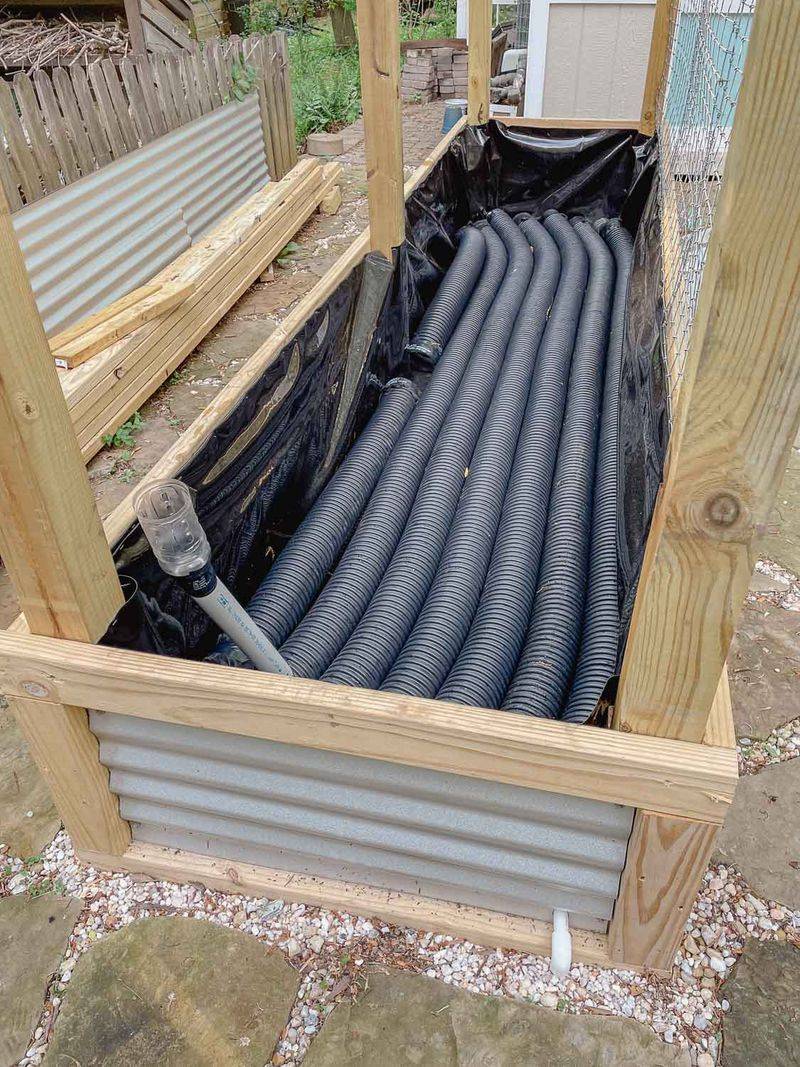
Raised beds are a popular choice for gardeners in Arizona because they improve soil control and help lift plant roots above the hardpan common in many desert yards.
However, what happens around and beneath those beds is just as important as the soil inside them.
Poor drainage along the base or sides can lead to water pooling, frame damage, and root zones that stay overly wet long after irrigation or rain. It helps to check the ground around each raised bed and notice where water collects after watering or storms.
In areas with compacted clay or caliche, runoff often has nowhere to drain quickly, which increases pressure against wooden frames over time. This constant moisture exposure can weaken boards from the outside and speed up rot at the base.
Creating shallow channels or swales along the edges of beds can help redirect excess water away from the structure. Even a small channel filled with gravel can move water more efficiently than flat, compacted soil.
Gravel or decomposed granite pathways between beds also improve drainage because they allow water to filter down instead of flowing sideways into the frames.
Bare soil paths tend to compact and shed water poorly, especially after heavy rain or frequent foot traffic.
It is also important to make sure any built in drainage openings at the base of raised beds remain clear.