The Arizona Groundcover That Stays Cooler Than Gravel During Extreme Heat
Gravel seems like the obvious choice until the hottest part of summer arrives. Suddenly it feels like every step sends heat right back at you, and the yard becomes much less enjoyable than you expected.
That is usually when people start wondering if there is a better option. The surprising part is that there is, and it does much more than cover bare ground.
One living groundcover stays noticeably cooler while adding color and softness to the landscape. Small changes like that can make a bigger difference than most people expect.
Many landscapes depend on gravel, but it is not the only choice.
Arizona has a groundcover that handles extreme heat while staying much cooler, and the difference becomes obvious once temperatures start climbing.
1. Kurapia Is The Plant Behind This Cooler Yard
Forget everything you think you know about groundcover in the desert.
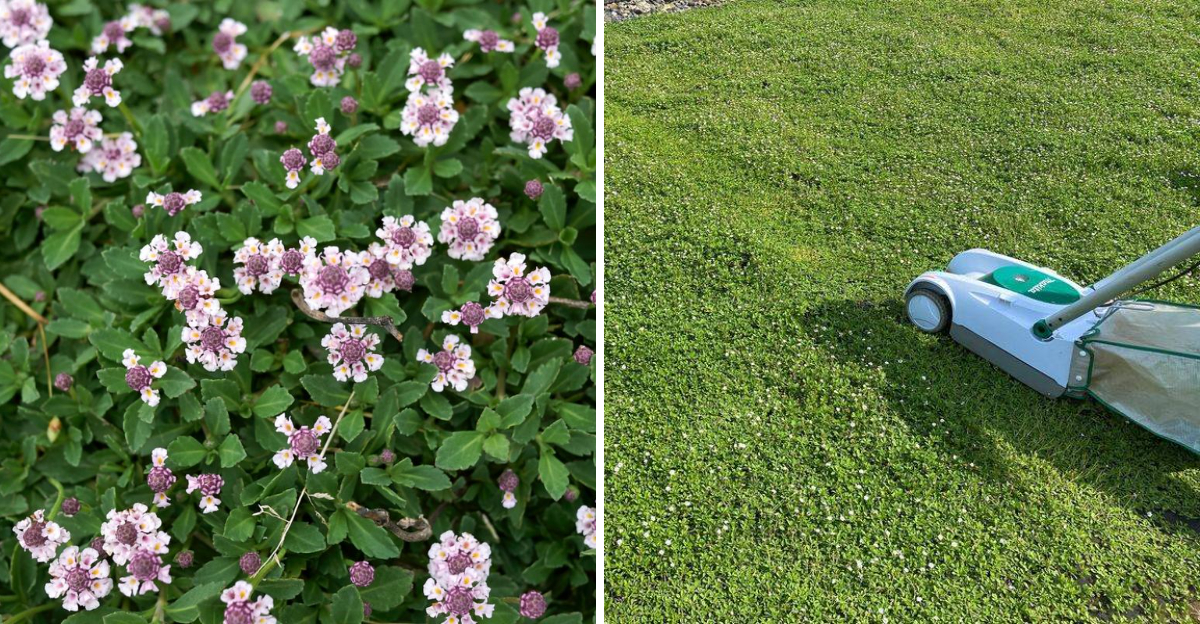
Kurapia is a low-growing, mat-forming plant originally developed in Japan and later introduced to drought-stressed regions across the American Southwest.
Unlike gravel, which soaks up heat and slowly radiates it back for hours, Kurapia uses a process called evapotranspiration. It releases moisture through its leaves, which naturally cools the surface around it.
On a 110-degree day, bare gravel can reach surface temperatures well above 150 degrees. Kurapia-covered ground can run significantly cooler, though exact differences depend on shade, soil, and irrigation levels.
It grows only about two inches tall without mowing, so it stays flat and tidy on its own. Roots anchor firmly into the soil, reducing erosion on slopes and flat areas alike.
Kurapia spreads by sending out runners, eventually filling in gaps without replanting. It handles foot traffic better than many groundcovers, making it practical for yards where kids or pets roam.
It is not completely indestructible, but it recovers well from light wear.
Water needs drop sharply once plants are established, usually after the first season.
2. Small White Flowers Attract Pollinators
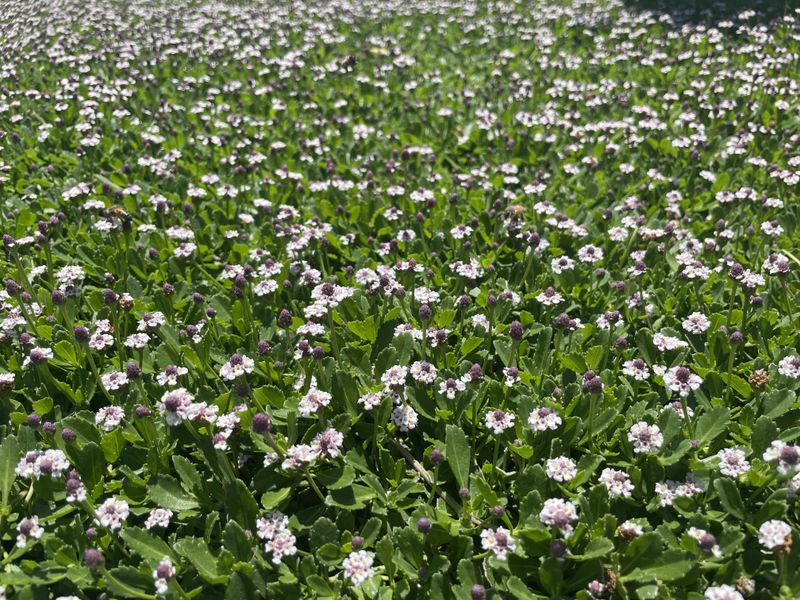
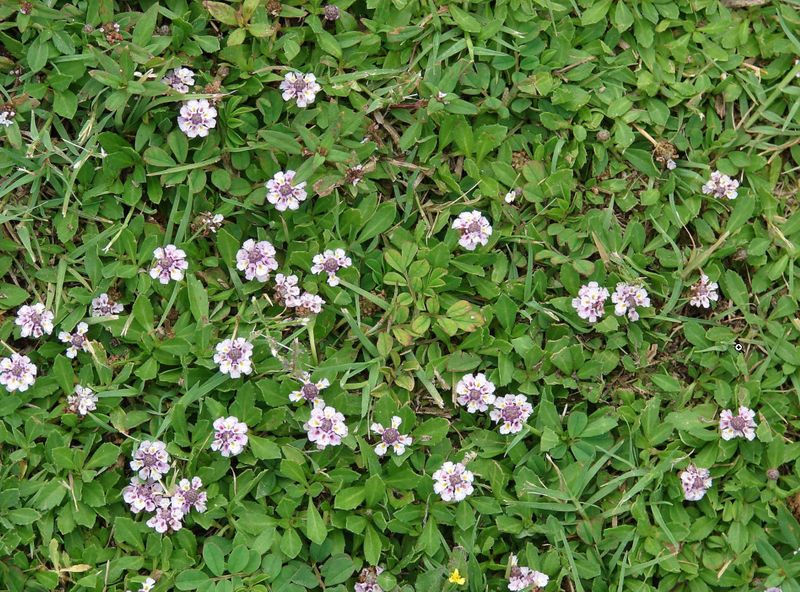
A carpet of tiny white flowers might not sound impressive at first, but pollinators completely disagree. Kurapia produces small, delicate blooms that bees, especially native species, find genuinely hard to resist.
In Arizona, supporting pollinators matters more than many people realize. Native bee populations face real pressure from habitat loss and heat stress.
A yard covered in Kurapia essentially becomes a low-maintenance feeding ground during blooming periods, which can stretch across several months in warmer climates.
Butterflies also visit the flowers regularly. Watching them move across a flowering Kurapia mat on a warm morning is honestly one of the unexpected pleasures of growing this plant.
Worth noting: if you mow Kurapia frequently, you reduce flower production. Less mowing means more blooms, which means more pollinator activity.
Finding a balance between a neat appearance and flower coverage is something each gardener works out based on personal preference.
Kurapia flowers are small enough that they do not look messy or overgrown when left to bloom. The plant stays flat regardless, so even an unmowed patch maintains a relatively tidy look compared to taller flowering plants.
Your Arizona Garden Changes Every Week. Your Plan Should Too.
Gardening in Arizona changes quickly throughout the season. Every Friday you’ll receive a simple weekly plan showing exactly what to plant, prune, fertilize, harvest, and protect so you never miss the right timing.
For anyone wanting to support local bee and butterfly populations without planting elaborate flower beds, Kurapia offers a practical, low-effort path.
Groundcover that feeds pollinators while cooling your yard is genuinely useful, not just decorative.
3. Full Sun Helps It Grow Well
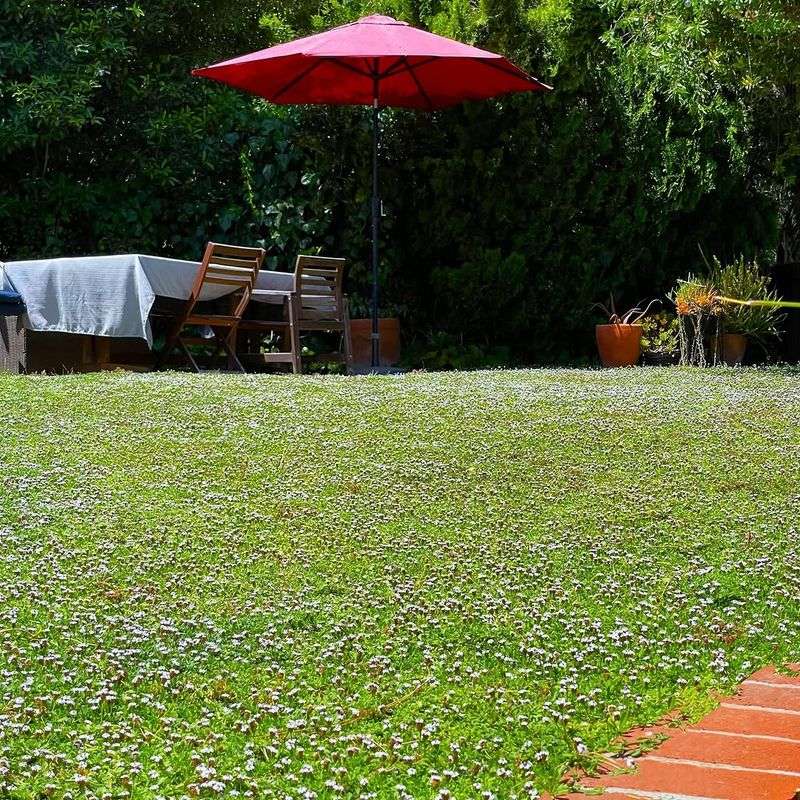
Most plants beg for shade when Arizona summer arrives. Kurapia does the opposite.
Full sun is where it genuinely thrives, making it one of the few green groundcovers that actually performs better under direct, intense sunlight.
Partial shade can cause Kurapia to grow unevenly. Patches under trees or near walls often fill in slower and look thinner than areas with unobstructed sun exposure.
If your yard has mostly open, sunny ground, Kurapia is likely a strong fit.
Heat tolerance in Kurapia comes from its deep root system and its efficient use of available moisture. Roots push down further than you might expect for such a short plant, helping it access soil water even during dry stretches between irrigation cycles.
That said, full sun performance still depends on consistent watering during the establishment phase. Planting in late spring or early summer and then ignoring irrigation can stress young plants significantly.
Sun tolerance improves dramatically once roots are well established, typically after several months of regular watering.
North-facing yards or areas with heavy tree canopy may see slower growth and patchier coverage. Kurapia is not the best choice for deeply shaded spaces.
Matching the plant to the right location makes a noticeable difference in how well it fills in and how healthy it looks season after season.
Open, sunny yards in the Southwest are genuinely where Kurapia earns its reputation.
4. Well Drained Soil Supports Healthy Roots
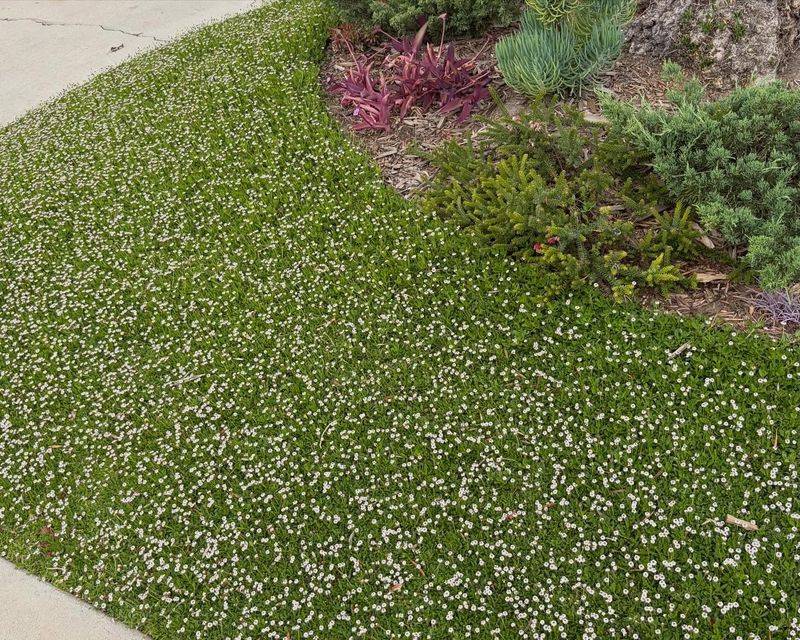
Soggy roots cause more problems for Kurapia than dry heat ever will. Good drainage is not optional with this plant.
It is one of the key factors separating a thriving mat from a struggling, patchy one.
Arizona soils vary widely. Some yards have sandy, fast-draining ground that Kurapia handles well.
Others sit on heavy clay or caliche layers that trap water. If water pools in your yard after rain or irrigation, that standing moisture can weaken roots and invite root rot over time.
Before planting, check how quickly your soil drains. Dig a hole about twelve inches deep, fill it with water, and watch how long it takes to empty.
If water sits for several hours, drainage improvement is worth considering before putting Kurapia in the ground.
Amending heavy soil with coarse sand or decomposed granite can help. Raised planting areas also improve drainage naturally without major soil replacement.
Small adjustments at planting time pay off significantly over the following growing seasons.
Established Kurapia handles dry periods reasonably well in good drainage conditions. Roots spread laterally and downward, anchoring the plant and accessing moisture from a wider area of soil.
Compact or waterlogged soil limits that root spread and weakens the plant over time.
5. Water New Plants Regularly While They Become Established
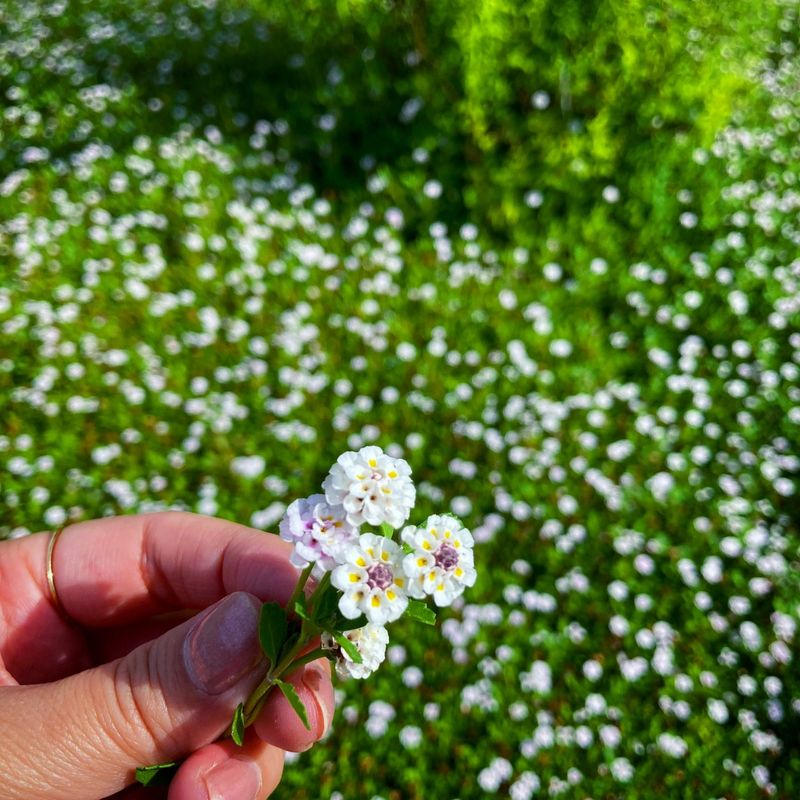
Young Kurapia plants are not drought-tolerant right out of the ground. Establishment takes time, and skipping irrigation during that window is one of the most common reasons new plantings struggle or fail to spread properly.
Roots need consistent moisture to push outward and anchor into surrounding soil. Without it, plants stall.
Runners stop spreading. Coverage gaps stay open longer than necessary, leaving bare soil exposed to heat and weeds.
A general approach during the first season involves watering every one to three days, depending on temperatures and soil type. Sandy soil dries faster and may need more frequent irrigation.
Cooler months require less frequent watering than peak summer heat periods.
Drip irrigation works well for Kurapia. It delivers water directly to the root zone without excessive evaporation from the surface.
Sprinkler systems can also work, though wet foliage for extended periods may occasionally encourage fungal issues in humid stretches.
Watch the plant for signs that it needs more water. Wilting or a dull, grayish tint to the leaves usually signals moisture stress.
Catching that early and adjusting your schedule prevents setbacks that slow the overall establishment timeline.
Once Kurapia roots are fully established, typically after one full growing season, irrigation frequency drops noticeably.
6. Occasional Mowing Keeps It Looking Neat
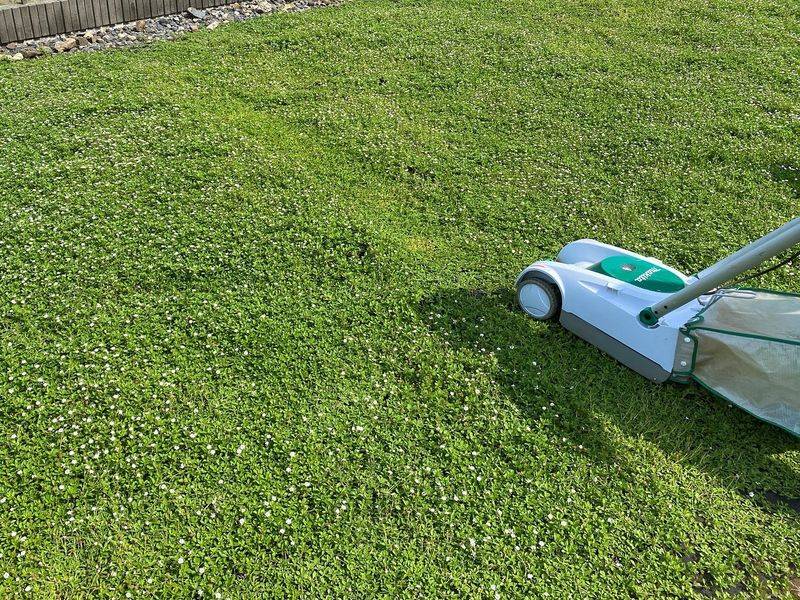
Kurapia stays naturally short, but occasional mowing still makes a real difference in appearance. Left completely uncut, it can develop a slightly uneven, lumpy texture over time, especially in areas with heavy growth or uneven irrigation.
Mowing once a month or every few weeks during the active growing season is a common approach. Using a rotary mower set to about one to two inches works well for most home yards.
Cutting too short stresses the plant and slows recovery, so keeping the blade height reasonable matters.
One thing worth knowing: mowing reduces flower production. Kurapia blooms on its stems, and cutting them removes the flowers along with the height.
If attracting pollinators is a priority, letting it go a few extra weeks between mowing sessions gives blooms time to develop and persist.
A reel mower also works nicely on Kurapia and leaves a clean, even cut without tearing the stems. Some homeowners alternate between mowing and skipping a cycle depending on how much flowering they want at any given time.
Edging along sidewalks, driveways, and planting beds keeps Kurapia from creeping into unwanted areas. It spreads by runners, so without edging, it can slowly push beyond where you originally planned.
A simple spade or edging tool handles that job without much effort.
7. Too Much Fertilizer Can Reduce Flowering
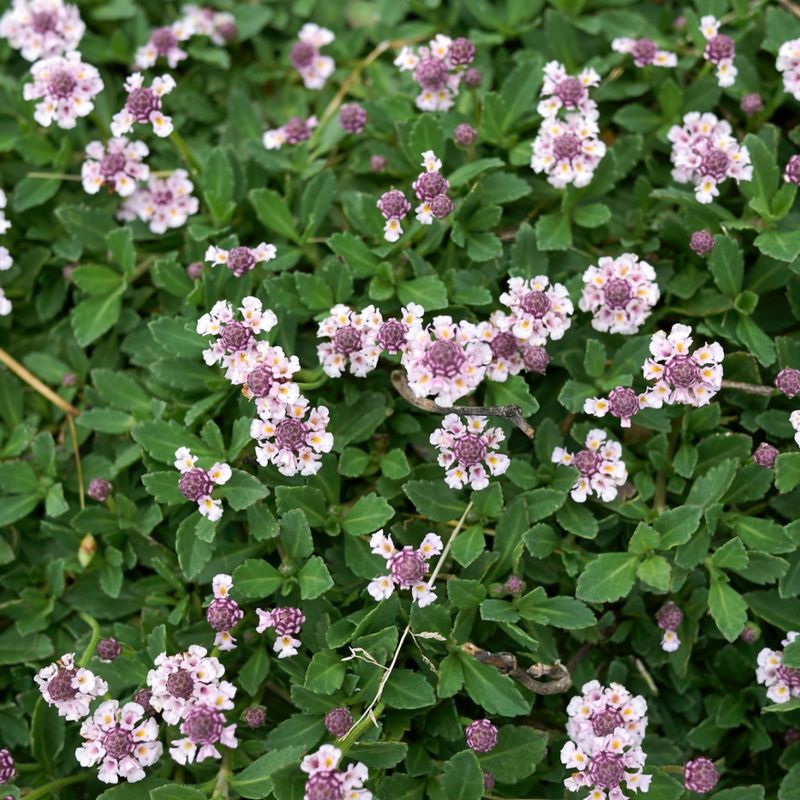
More fertilizer does not mean better results with Kurapia. Heavy feeding, especially with nitrogen-rich products, pushes the plant toward aggressive leaf and stem growth at the expense of flowering.
The result is thick, dark green coverage with noticeably fewer blooms.
Kurapia naturally fixes some nitrogen from the air through a relationship with soil microbes, which reduces how much supplemental feeding it actually needs. Over-fertilizing disrupts that balance and can make the plant harder to manage overall.
A light application of balanced, slow-release fertilizer in early spring is often enough for most established plantings. Some gardeners skip fertilizing after the first year entirely and report no visible decline in plant health or spread.
Soil quality plays a big role in whether supplemental feeding is even necessary.
If flowering matters to you, err toward less fertilizer rather than more. Slightly leaner soil conditions tend to encourage more blooms, which also means more pollinator activity in the yard.
It is a counterintuitive result, but it holds up in practice for many growers.
Watch how the plant responds after any feeding. Rapid, lush growth with minimal flowers is a clear signal to reduce or stop fertilizing for a while.
Letting the plant settle and redirect energy toward blooming usually brings flowers back within a few weeks.