New York Gardeners Should Divide These 10 Plants Right Now
Is your garden sending you an SOS? Those overcrowded clumps, floppy stems, and lackluster blooms are not a sign of failure. They are your perennials begging for a little tough love.
May in New York is the golden window: warm enough to dig, cool enough not to stress your plants, and perfectly timed before summer heat slams the door on the whole operation. Dividing perennials is the one garden chore that pays you back triple.
Healthier plants, bigger blooms, and a free supply of divisions to fill bare spots or pass along to a neighbor who keeps eyeing your hostas. So what exactly needs dividing right now?
Ten of your garden’s hardest workers are overdue, from shade-hugging ground covers to sun-loving ornamental grasses. Grab your spade, pull on your gloves, and get ready to break things apart.
Because in gardening, a little destruction is how the best growth begins.
1. Hostas
Even the most reliable shade garden plants have their limits, and ignoring the signs usually costs you a season.
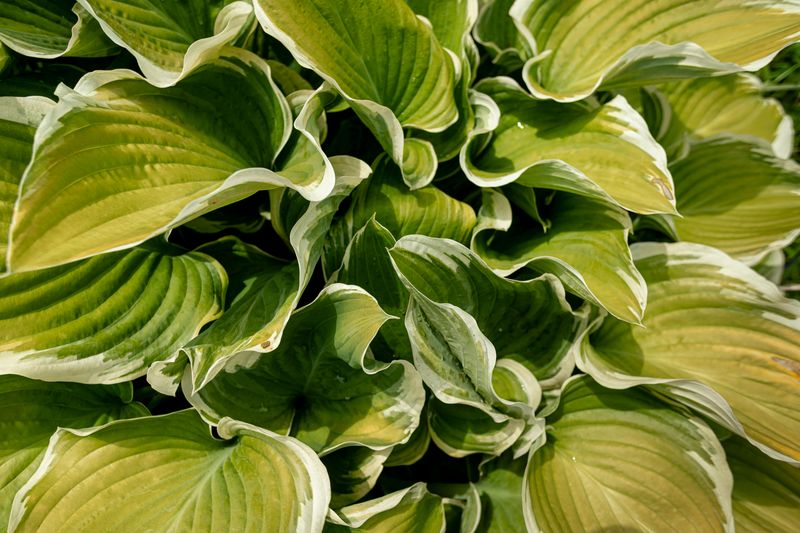
When a hosta clump starts looking like a tight fist of leaves pushing out of the soil, that is your signal to act.
Overcrowded hostas lose their signature bold leaf shape and produce fewer, smaller leaves each season.
Dividing hostas in May is almost foolproof.
Use a sharp spade or garden fork to lift the entire clump out of the ground.
You will see natural “eyes” or growth points, and each division needs at least one of those to thrive.
Replant divisions at the same soil depth they were growing before.
Water them well and give them a few weeks to settle in before expecting lush new growth.
Shaded spots under trees or along north-facing fences are prime real estate for transplanted sections.
One clump can often yield four or five new plants at very little cost.
Note that hosta leaves and roots are toxic to dogs and cats, so keep pets in mind when choosing planting locations.
Hostas are incredibly forgiving, so even a rough division will usually bounce back beautifully.
Few garden tasks offer this kind of instant payoff with so little risk involved.
2. Daylilies
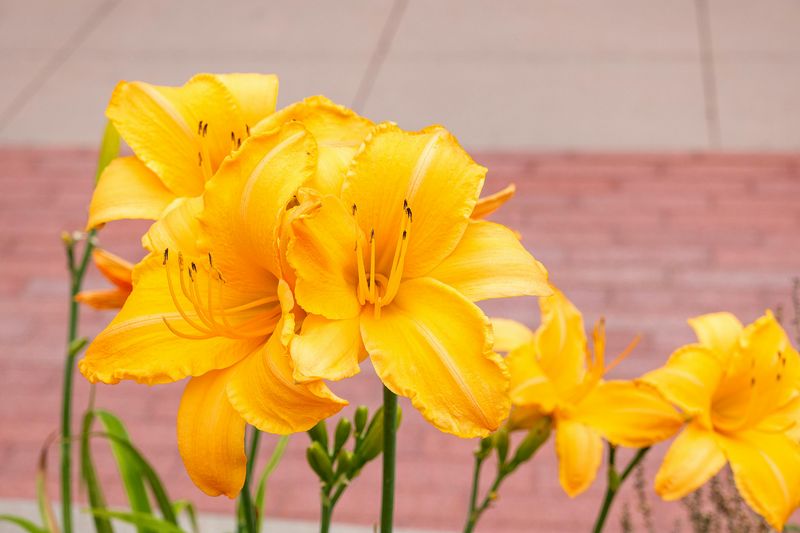
Daylilies are the overachievers of the flower bed, blooming like champions year after year without much fuss.
But push them too long without dividing and their bloom count drops sharply.
A clump that once dazzled you with dozens of flowers starts looking sparse and sad after three or four seasons.
The telltale sign is a browning center, where the middle of the clump goes brown while the outer edges stay green.
That hollow donut shape means the plant has used up the nutrients at its core.
May is the ideal time to split them before the heat of summer strains fresh divisions.
Lift the clump with a garden fork and use two forks back to back to pry sections apart.
Each division should have several healthy fans of foliage and a good chunk of roots attached.
Your New York Garden Changes Every Week. Your Plan Should Too.
Gardening in New York changes quickly throughout the season. Every Friday you’ll receive a simple weekly plan showing exactly what to plant, prune, fertilize, harvest, and protect so you never miss the right timing.
Replant them about eighteen inches apart to give each section plenty of room to expand.
Daylilies adapt fast and forgive rough handling better than almost any other perennial.
Within a few weeks, new growth will push up and the plants will look refreshed and ready to perform.
Sharing extras with neighbors is one of the best parts of this whole process.
Important for cat owners: daylilies are highly toxic to cats and even small amounts can cause serious kidney problems. Consider placement carefully if cats have access to your garden.
3. Coneflowers
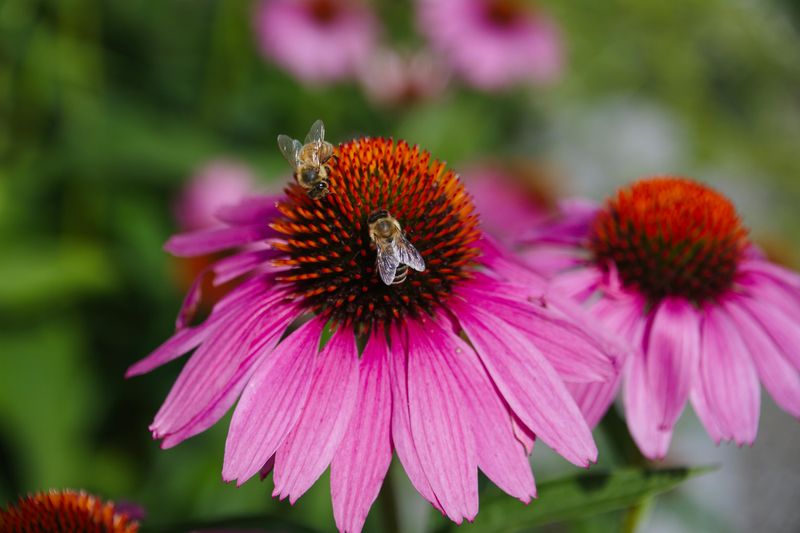
Imagine one plant that turns your garden into a buzzing, fluttering hub of activity all summer long. I am talking about a plant that brings bees, butterflies, and goldfinches to your garden all summer long.
Coneflowers.
After three or four years, though, a coneflower patch can get so dense that air circulation drops and disease can take hold.
Powdery mildew is a common problem in crowded coneflower patches, and dividing them is one of the best ways to prevent it.
Spacing out divisions improves airflow and gives each plant access to more nutrients in the soil.
May planting gives roots time to establish before the summer blooming season kicks off.
Dig up the clump carefully and pull apart natural sections by hand or with a fork.
Each piece should have a healthy crown and several strong roots.
Avoid divisions that look woody or hollow at the center since those sections rarely recover well.
Coneflowers are native to North America, which means they are naturally tough and adaptable.
Once replanted, they require very little extra care beyond regular watering for the first few weeks.
A well-divided patch will reward you with more blooms and a healthier, more open plant structure all season long.
4. Black-Eyed Susans

Image Credit: © Prathyusha Mettupalle / Pexels
Few flowers shout “summer” louder than a bold patch of black-eyed Susans with their golden petals and dark chocolate centers.They are cheerful, tough, and beloved by pollinators from July straight through September.
But after a few seasons of spreading freely, they can crowd out neighboring plants and start to lose their vigor.
Black-eyed Susans spread both by seed and by expanding root clumps, so they can take over a bed faster than you expect.Dividing them in May gives you control over where they grow and keeps the plants blooming at their best.
Younger outer sections of the clump tend to be the most productive, so those are the pieces worth saving.
Lift the whole clump and separate it into smaller sections, each with healthy roots and a few stems.Discard the woody center if it looks tired or hollow.
Replant divisions in full sun with good drainage for the strongest results.
These sunny flowers are incredibly low-maintenance once established, making them a favorite for busy gardeners.They also attract native bees and monarch butterflies, adding real ecological value to your yard.
A freshly divided patch will look tidy, grow stronger, and put on a spectacular show by late summer.
5. Astilbe
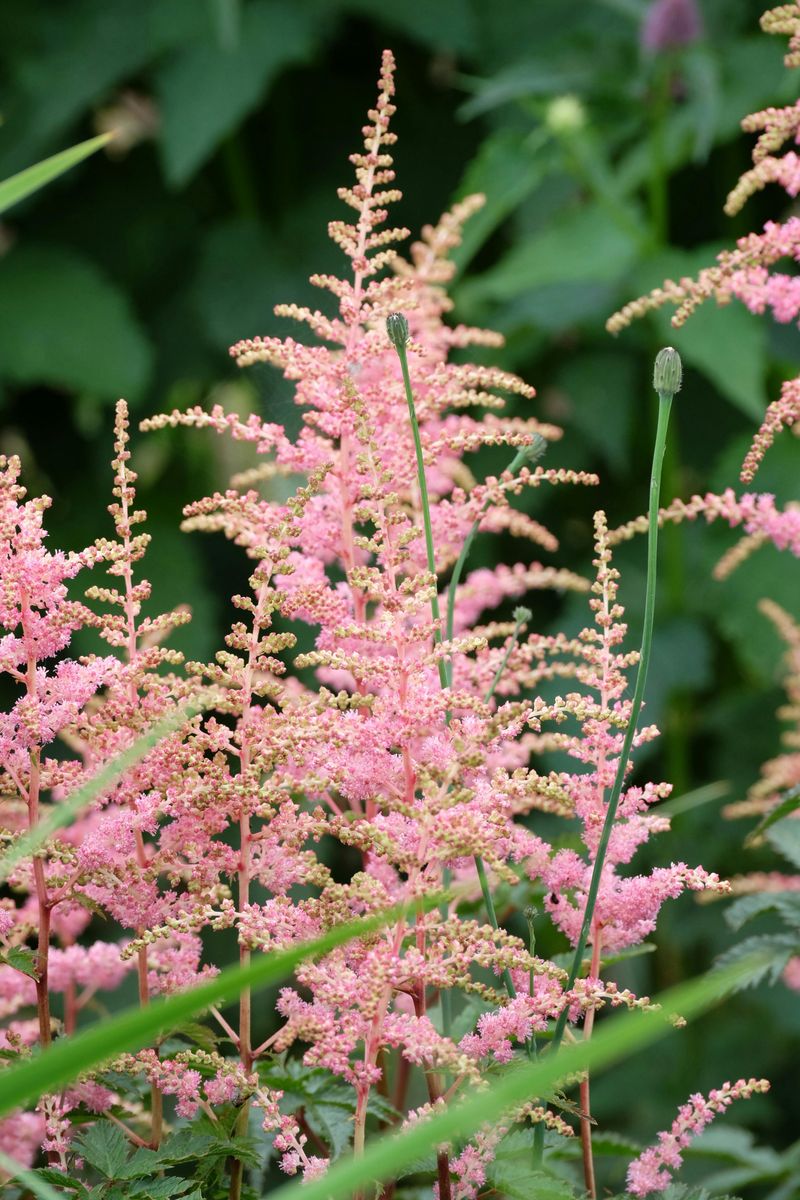
Image Credit: © Roman Biernacki / Pexels
Astilbe is the plant that makes shady corners feel magical, with its feathery plumes in shades of pink, red, white, and lavender.It thrives in moist, part-shade spots that most sun-loving plants would refuse, making it a true team player in tough garden locations.
Over time, though, astilbe clumps get woody and the blooms become fewer and smaller.
A crowded astilbe clump will actually lift itself out of the soil as the crown expands, a process called “heaving.”
When you notice the center sitting above the soil line or blooming poorly, it is past time to divide.
May is perfect timing because the foliage is just emerging and the roots are still cool and easy to work with.
Use a sharp spade to cut the clump into sections, making sure each piece has several healthy buds and fibrous roots.Avoid letting the divisions dry out since astilbe roots are sensitive to drying.
Replant promptly and water thoroughly to help them settle in fast.
Astilbe divisions establish quickly in moist, enriched soil and will reward your effort with fuller, more vibrant plumes.Adding compost to the planting hole gives each new section a strong nutritional head start.
Few perennials transform a shady border as dramatically as a freshly rejuvenated astilbe planting.
6. Phlox
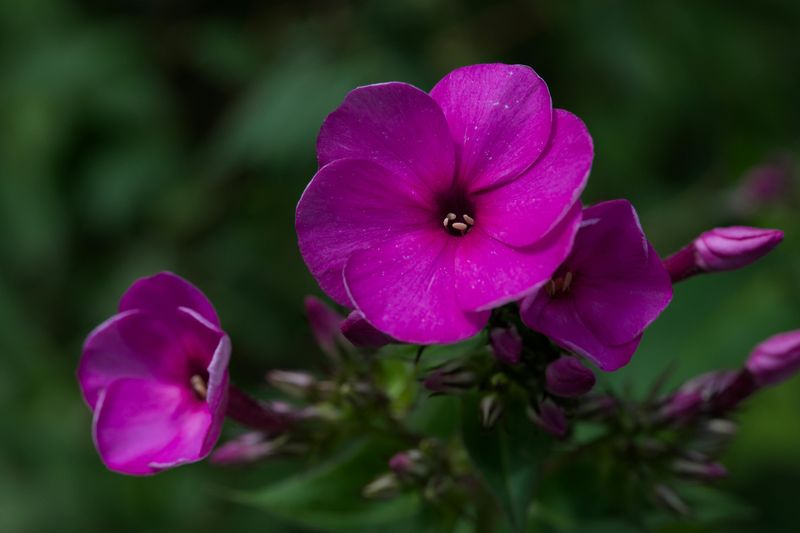
Few plants stop people mid-summer the way this one does. Bold, fragrant, and impossible to ignore, it brings color and scent to the garden right when everything else is starting to fade.
Unfortunately, phlox is also one of the most powdery-mildew-prone plants in the garden when stems are packed too tightly together.
Dividing phlox every three years or so is one of the most practical steps you can take to reduce powdery mildew. Choosing mildew-resistant cultivars like ‘David’ is equally effective, and combining both approaches gives the best results.
When you open up the clump and replant smaller sections with better spacing, air flows freely and the disease has nowhere to hide.
May is ideal because new growth is just getting started and roots have not yet committed to a long season of effort.
Dig up the entire clump and pull it apart into sections of three to five strong stems each.
Discard any stems that already show signs of mildew or weakness.
Plant divisions in full sun with at least eighteen inches between each grouping for maximum airflow.
Phlox that gets regular division stays vigorous, fragrant, and mildew-resistant for years.
Pairing it with tall ornamental grasses or coneflowers creates a stunning mid-summer display.
The effort you put in during May pays back in waves of color and fragrance all through July and August.
7. Feather Reed Grass

Feather reed grass is one of the most architectural plants you can grow, standing tall and upright like a living sculpture from late spring through winter.
Its golden plumes catch the light beautifully and sway with even the gentlest breeze.
Most gardeners do not realize it needs dividing until the center of the clump starts turning brown.
That hollow center is a classic sign that the plant has outgrown its space and used up nutrients at its core
Dividing in early May, just as new growth pushes up from the base, gives each section the full season to establish.
A sharp spade or even a pruning saw is sometimes needed to cut through the tough, dense root mass.
Split the clump into sections with plenty of roots and several healthy new shoots at the base.
Replant in full sun since feather reed grass performs best with at least six hours of direct light daily.
Water consistently for the first month to help the roots anchor into their new location.
Feather reed grass is one of the most cold-hardy ornamental grasses available, making it a standout choice for northeastern gardens.
Once established, it needs almost no maintenance beyond cutting it back to a few inches each late winter.
Fresh divisions will fill in quickly and restore that bold, upright presence that makes this grass so striking.
8. Blue Oat Grass
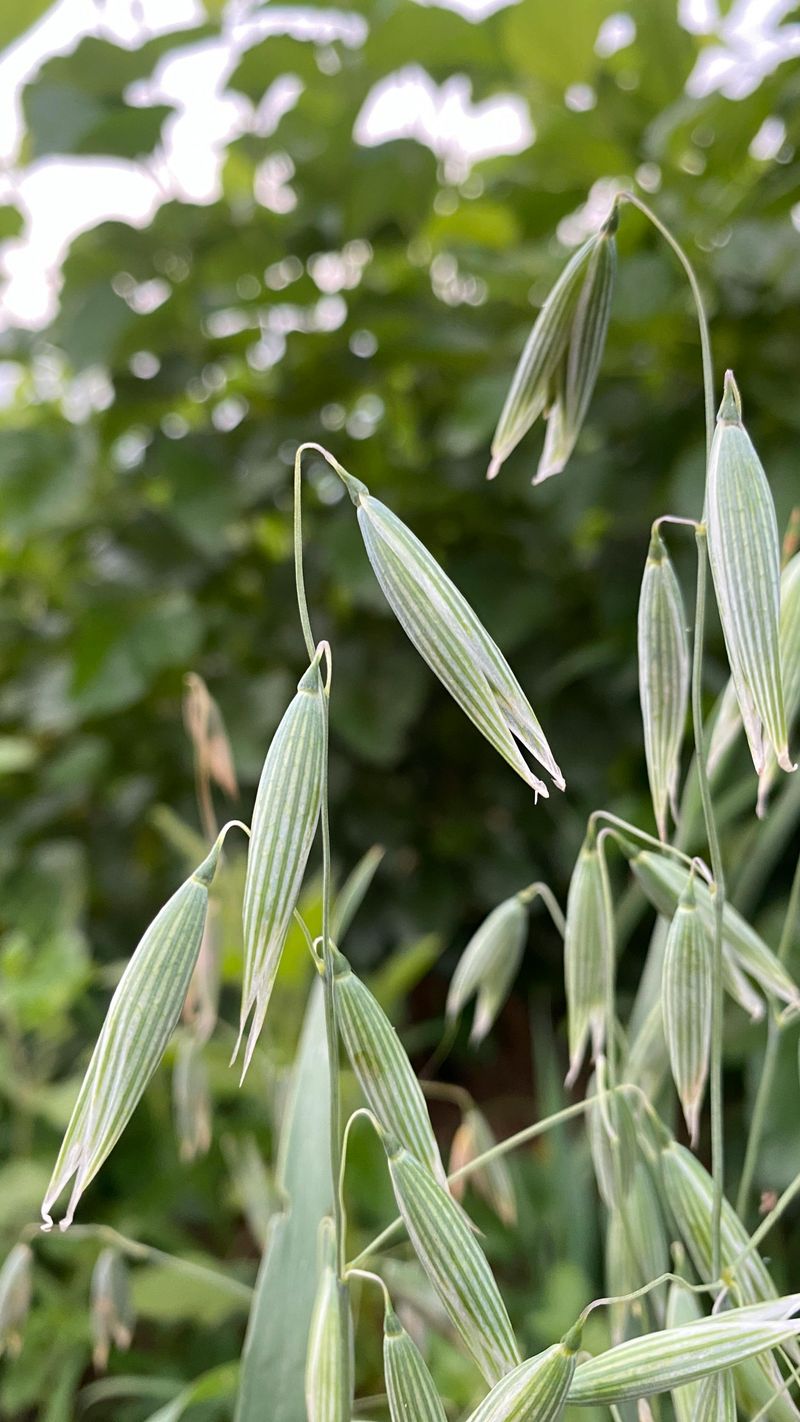
Are there any plants that make your warm-toned flowers look even better just by standing next to them? The answer is yes, and blue oat grass might be exactly what your garden is missing.
The contrast it creates against orange daylilies or yellow coneflowers is genuinely stunning.
After a few years, though, the center of the clump browns out and the whole plant starts to look ragged.
Unlike some ornamental grasses, blue oat grass is semi-evergreen, which means it holds some foliage through winter.
This makes spring the best time to clean it up, cut it back, and divide the clump before new growth takes off.
May timing lets you work with fresh, emerging shoots that establish much faster than older, stressed sections.
Dig up the entire clump and use a sharp spade or knife to cut it into sections.
Each division should have healthy blue foliage and a solid root mass.
Discard any brown, bare center sections since they will not regenerate reliably.
Blue oat grass needs well-drained soil and full sun to keep its signature blue color looking sharp.
In heavy clay or overly wet conditions, the color fades to a duller green and the plant becomes prone to rot.
Replanting divisions in amended, loose soil with good drainage will keep that striking steel-blue tone vivid all season long.
9. Fountain Grass
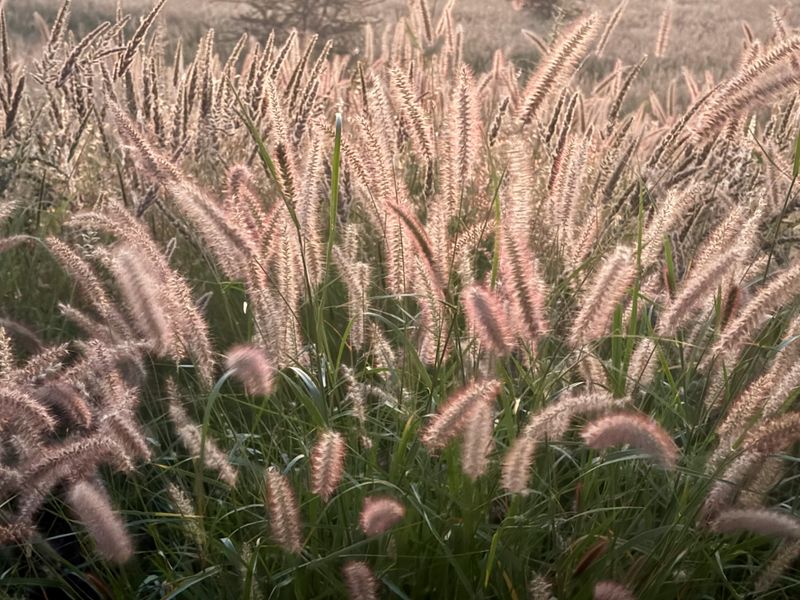
Fountain grass earns its name with graceful arching blades that flow outward like water spilling from a bowl. The soft, bottlebrush-like seed heads sway in the breeze and add gentle movement to any planting.
Before buying, check that you are growing Pennsylvania fountain grass, the variety well suited to New York gardens. Its close relative, purple fountain grass, looks similar but is considered invasive in parts of the United States.
Always check the plant label for the full species name before purchasing.
After three or four seasons, the clump can grow quite dense and the center may start to brown. May is a good window for dividing before the new season of growth gets too far along.
Early divisions have the whole growing season ahead to settle in and fill out.
Cut the clump back to about six inches before digging to make the job easier. Use a sturdy spade or garden fork to lift the root ball, then slice it into sections with a sharp blade.
Each piece should have healthy roots and a few new shoots at the base.
Pennsylvania fountain grass grows well in full sun and tends to tolerate drier conditions once established. It can also work nicely in containers when given enough room to arch and spread.
Fresh divisions will generally fill in and restore their flowing shape by late summer.
10. Creeping Phlox
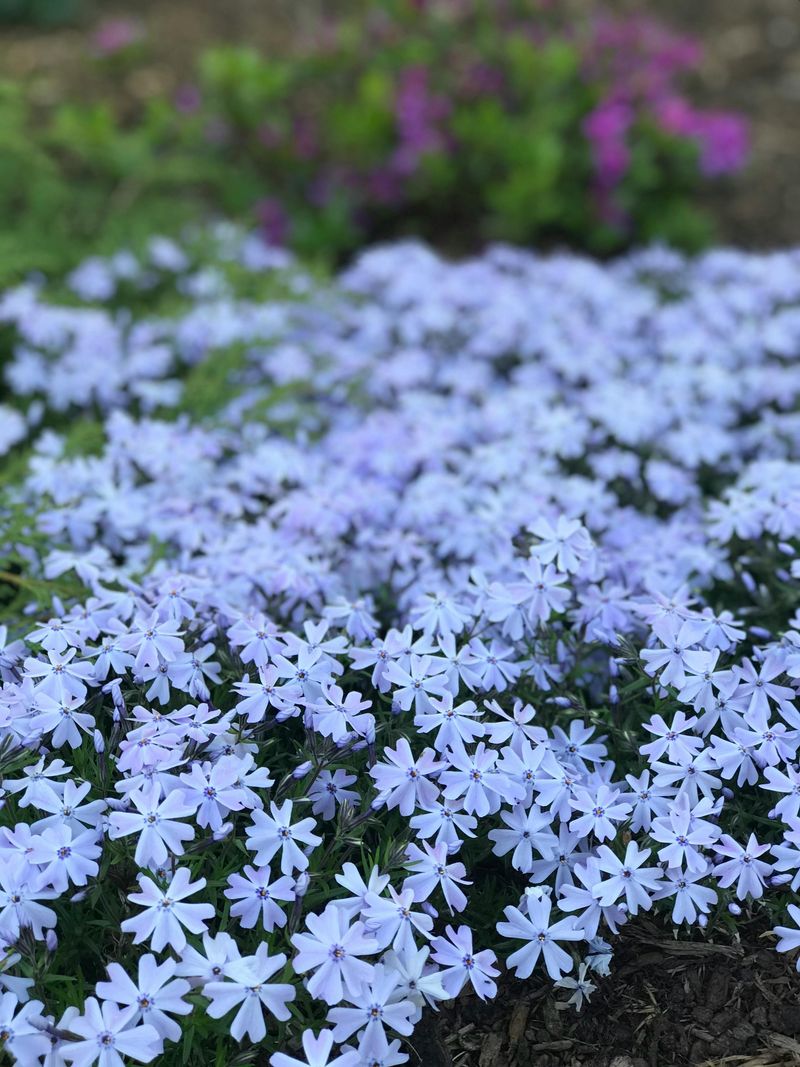
What if one plant could turn a bare, awkward slope into a stunning river of color every spring?
For a few glorious weeks in April and May, it looks almost too good to be real.
But over time, the center of the mat goes woody and bare while the outer edges continue to spread outward.
That patchy, uneven look is the classic sign that creeping phlox needs to be divided and rejuvenated.
May, right after the blooms fade, is the perfect time to tackle this task without losing next year’s flower show.
Dividing too late in summer stresses the plant during its period of heat-related dormancy.
Use a sharp spade to cut sections from the outer edges of the mat where growth is still lush and green.
Each division should include healthy stems with roots attached.
Avoid replanting the woody, bare center sections since they rarely produce good coverage.
Creeping phlox performs best in well-drained, slightly alkaline soil with full sun to light shade.
It is a natural choice for slopes, rock gardens, and the edges of raised beds where it can trail gracefully.
Fresh divisions will knit together into a tidy, dense mat and reward you with an equally stunning bloom display the following spring.