Oregon Perennials That Practically Multiply Themselves When You Divide And Replant
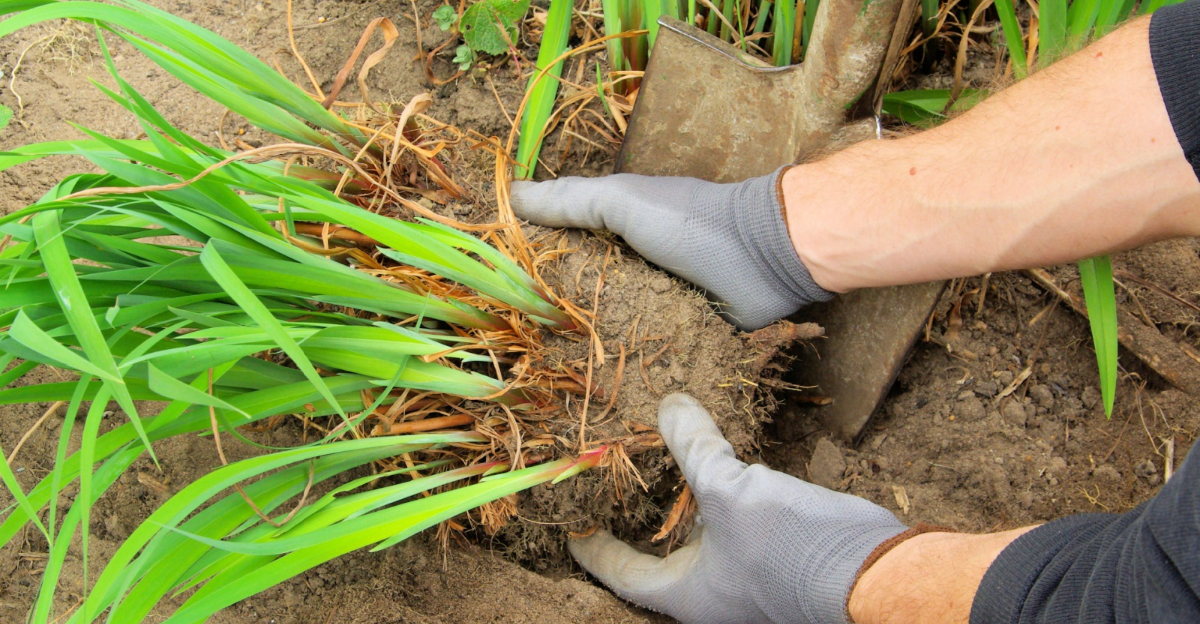
Free plants. Two words that every gardener loves to hear, and the good news is they are sitting right there in your yard already.
Dividing perennials is one of those gardening habits that feels almost too good to be true. You dig up a crowded clump, split it apart, replant the pieces, and suddenly you have two, three, maybe four healthy plants where one used to be.
No seed packets, no nursery trips, no receipts. Oregon gardens are particularly well suited to this kind of seasonal refresh because so many popular perennials thrive here and bulk up fast.
Spring is prime time to get this done before summer heat kicks in and makes the whole process a lot less fun for you and the plants.
1. Hosta Splits Easily Into More Shade Garden Beauty
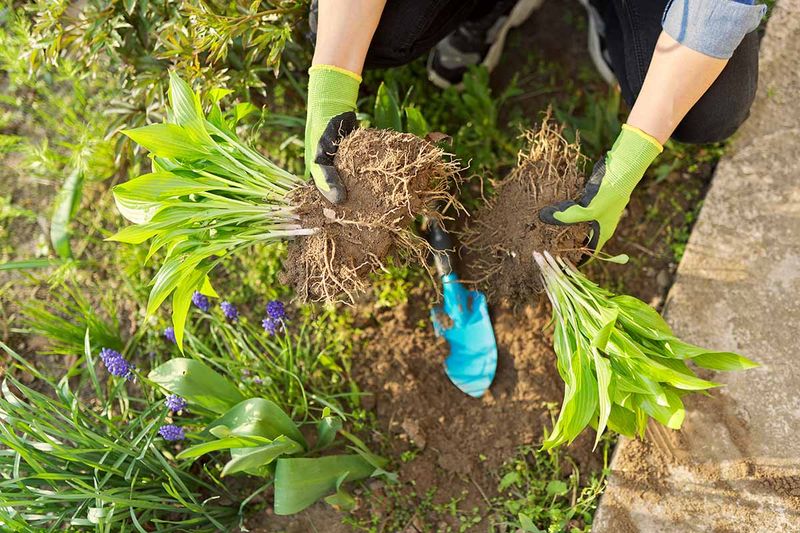
Crowded hosta clumps are one of the most reliable signs that your shade garden is ready for some attention.
Hostas grow vigorously in Oregon’s mild, moist climate, and over a few seasons, a single plant can expand into a wide, dense clump that starts to look tired in the center.
That crowding is actually your invitation to divide.
Spring is a good time to split hostas in Oregon, right as the shoots are emerging from the soil. At that stage, you can see exactly where each crown is forming, which makes it easier to separate the clump into clean sections.
A sharp spade or garden fork works well for lifting the whole clump before pulling or cutting it apart.
Each division only needs a few healthy roots and at least one growing point to establish on its own. Replant divisions at the same soil depth they were growing before, water them in well, and keep them out of direct afternoon sun while they settle in.
Oregon’s naturally cool spring temperatures help divisions recover without too much stress.
Hostas planted in rich, well-amended soil with consistent moisture tend to bounce back quickly. Within a single season, most divisions will fill out nicely.
You can use extra divisions to expand a shaded border, tuck them under a tree, or pot them up to give away.
2. Daylilies Multiply Fast With A Simple Divide
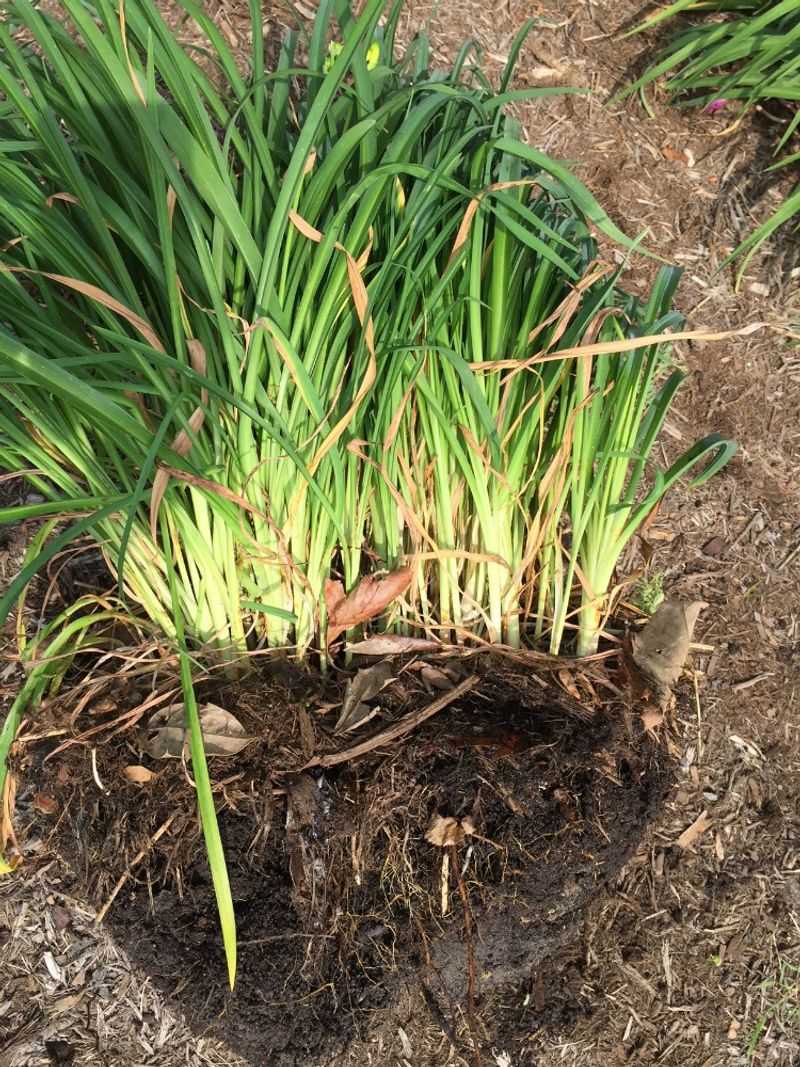
Few perennials reward division quite as enthusiastically as daylilies. A single fan planted in a sunny Oregon border can multiply into a thick, crowded clump within just two or three growing seasons.
When bloom production starts to slow or the center of the clump looks thin and worn, that is a clear signal it is time to dig and divide.
Daylilies can be divided in early spring before growth gets too tall, or again in late summer after the main bloom period wraps up. Both windows tend to work well in Oregon’s climate.
Use a garden fork to lift the entire clump, then separate the fans by hand or with a sharp knife, making sure each division has healthy roots attached.
Replant divisions at a shallow depth, just deep enough that the crown sits at soil level. Space them about 18 inches apart to give them room to spread again over the next season or two.
Your Oregon Garden Changes Every Week. Your Plan Should Too.
Gardening in Oregon changes quickly throughout the season. Every Friday you’ll receive a simple weekly plan showing exactly what to plant, prune, fertilize, harvest, and protect so you never miss the right timing.
Water them in thoroughly and expect some wilting in the first week, which is normal as the roots adjust.
Most daylily divisions establish quickly and may even produce a few blooms in their first season back in the ground.
Gardeners often end up with far more plants than expected from a single clump, making daylilies one of the most generous perennials you can grow.
3. Ornamental Grasses Create More Plants In One Step
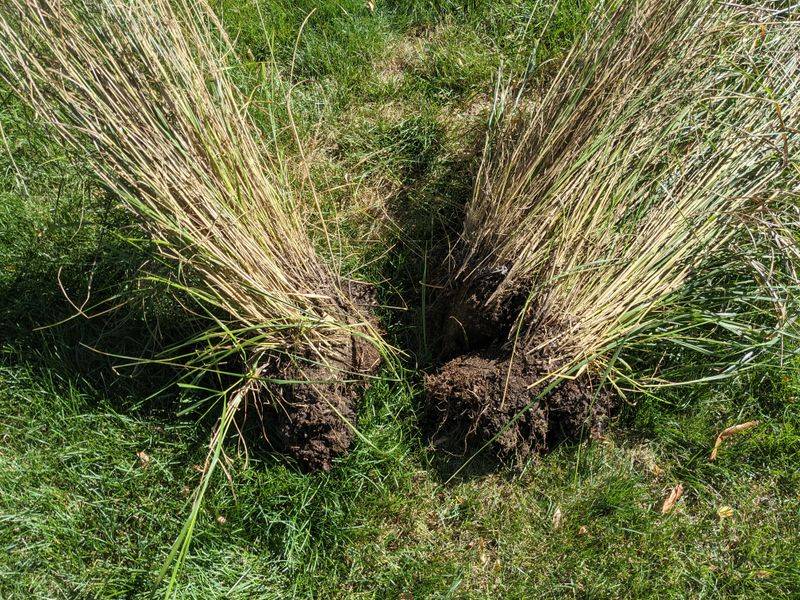
Ornamental grasses have a bold presence in the garden, but after several years, even the most striking clumps can become woody and hollow in the center. A hollow, worn-out center is one of the clearest signs that division is overdue.
Lifting and splitting an ornamental grass clump gives you several vigorous outer sections that will grow with renewed energy.
In Oregon, early spring is the recommended window for dividing most ornamental grasses, just before new growth begins to emerge from the base. Waiting too long into the season can stress the plant, so watching for the first signs of green growth is a useful cue.
A sharp spade, a pruning saw, or even a reciprocating saw may be needed for very large or tough clumps.
Once the clump is out of the ground, cut it into sections, each with healthy roots and a portion of the outer growth. Remove the worn-out center and replant the outer sections at the same depth they were growing before.
Firm the soil around each division and water deeply.
Recovery time varies depending on the grass variety and the size of each division. Smaller sections may take a full season to establish a strong root system before putting on significant top growth.
Oregon’s wet springs can actually help divisions settle in, as long as drainage is adequate to prevent root rot in heavier soils.
4. Mums Bounce Back Strong After Division
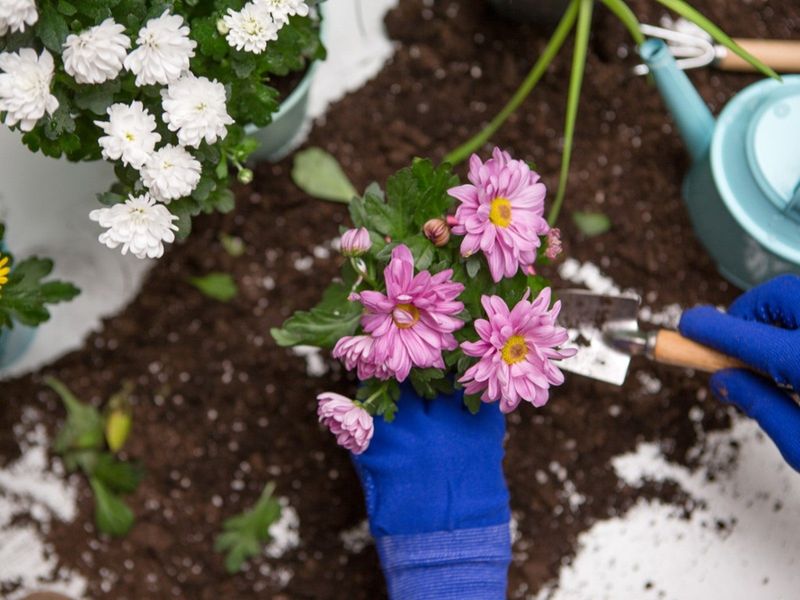
Garden mums are tougher than they sometimes get credit for.
While many people treat them as seasonal color and toss them after fall, established mums planted in the ground in Oregon can overwinter successfully and come back each spring ready to grow again.
That returning growth is the perfect opportunity to divide them.
Spring division is the right approach for mums, and Oregon’s cool, moist spring weather gives divisions a comfortable environment to root and establish before summer heat arrives.
As new shoots emerge from the base of the plant, you can carefully dig up the clump and pull apart the outer sections, which tend to be the most vigorous.
The older, woodier center of the clump is generally less productive and can be set aside. Focus on the fresh outer growth, making sure each small division has roots attached.
Replant the divisions about 18 to 24 inches apart in a sunny spot with well-drained soil, then water them in and keep the soil consistently moist for the first couple of weeks.
Pinching the new growth back through early summer encourages mums to branch out and produce more flower buds rather than growing tall and floppy.
Gardeners who divide mums regularly tend to have fuller, more compact plants that bloom more reliably each fall than those left in place without any attention.
5. Iris Divides Well And Spreads Garden Color
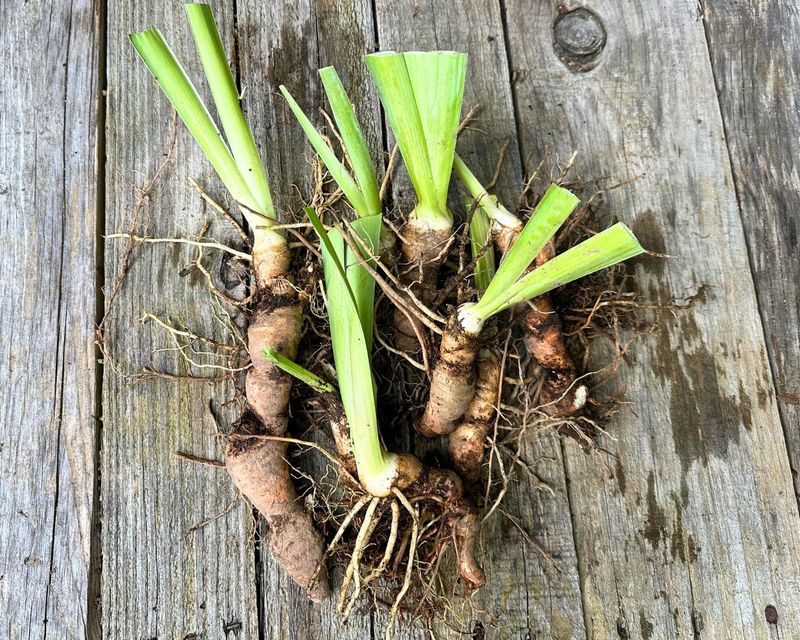
Bearded iris rhizomes spread steadily across the soil surface, and within a few years, a small planting can grow into a crowded mat that produces fewer and fewer blooms.
That drop in flower production is one of the most reliable signs that your iris bed needs attention.
Division restores vigor and opens up the bed for fresh growth.
Late summer, usually after the blooms have finished and the heat of summer begins to ease, is the recommended time to divide iris in Oregon.
Lift the clumps with a garden fork and use a sharp, clean knife to separate the healthy outer rhizomes from the older, softer center sections.
Each division should have firm, plump rhizomes with healthy roots and a fan of trimmed leaves.
Trimming the leaf fans down to about four to six inches helps reduce moisture loss while the divisions are getting established.
Replant them shallowly, with the tops of the rhizomes sitting just at or slightly above the soil surface, since burying them too deep can limit blooming.
Space divisions about 12 to 18 inches apart to give them room to spread over the next season.
Gardeners often end up with a generous number of extra rhizomes from a single established clump. Those extras can fill new beds, extend existing borders, or be shared with other gardeners.
Most well-divided iris plants return to blooming within one to two seasons after replanting.
6. Peonies Reward Patience When Replanted
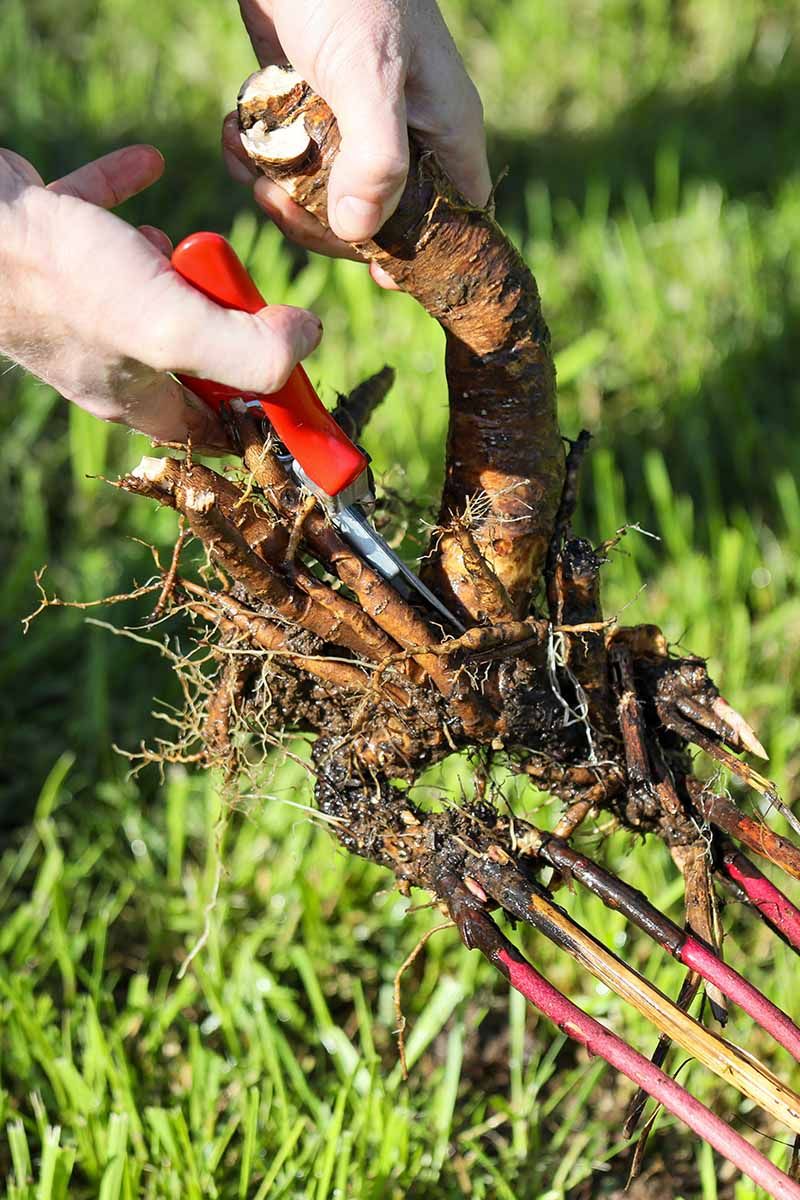
Peonies have a well-earned reputation for being slow to settle in after being moved, but that should not discourage gardeners from dividing them when the time is right.
An established peony clump that has been growing in the same spot for many years can be carefully lifted, divided, and replanted with good results, as long as gardeners go in with realistic expectations about timing.
Early fall is generally the preferred window for dividing peonies in Oregon, giving the roots time to establish before winter sets in. Dig up the entire clump carefully to avoid breaking too many of the thick, tuberous roots.
Once lifted, wash the roots gently to see the pink or reddish growth buds, called eyes, more clearly. Each division should have at least three to five eyes along with a healthy section of root.
Replant divisions so the eyes sit no more than one to two inches below the soil surface. Planting too deep is one of the most common reasons peonies fail to bloom after being moved.
Choose a sunny location with well-drained soil, since peonies in Oregon’s wetter regions can struggle in areas where water tends to pool.
The first season after replanting, most peony divisions focus their energy on root development rather than flowers. By the second or third year, bloom production typically picks back up.
The wait is worth it for the lush, fragrant flowers that follow.
7. Coral Bells Make It Easy To Fill Small Gaps
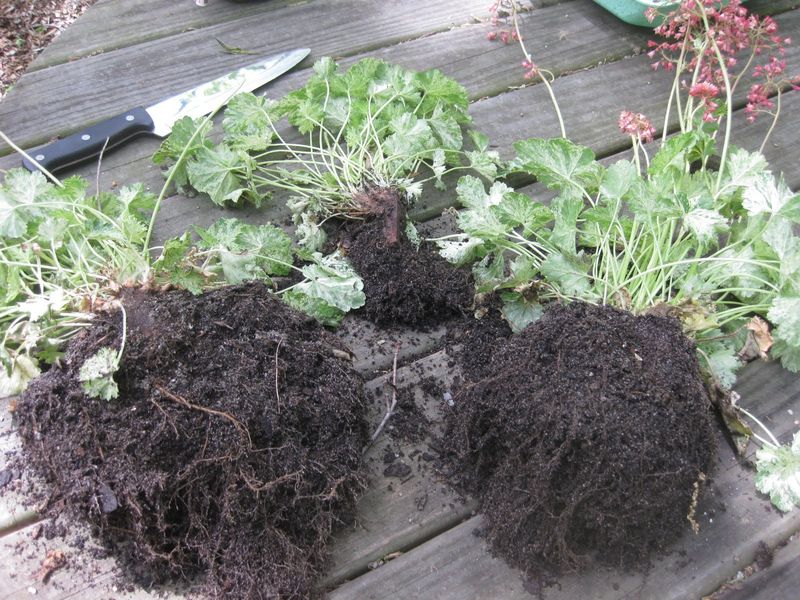
Heucheras, known widely as coral bells, are among the most versatile perennials you can grow in an Oregon garden.
Their colorful foliage, ranging from deep burgundy to lime green to copper tones, makes them useful in borders, containers, and shade gardens alike.
Over time, coral bells tend to develop a woody crown that lifts out of the soil, which is a natural sign that the plant is ready for some refreshing attention.
Spring or early fall are both workable times to divide coral bells in Oregon.
When the crown gets leggy and elevated, carefully dig up the plant and use a sharp knife to cut through the crown, making sure each division has healthy roots and a section of fresh foliage attached.
Trim away any damaged or mushy material from the base before replanting.
Set each division at the proper soil level, with the crown sitting at or just slightly below the surface. Replant in a spot with partial shade or filtered light, which suits most coral bell varieties well in Oregon’s climate.
Water consistently after replanting and watch for new leaf growth, which signals that the division is rooting in successfully.
One mature coral bells plant can yield several usable divisions, which is a practical way to fill in small gaps along a shaded path or edge a mixed border.
The foliage color tends to hold well even in the first season after replanting, keeping the bed looking attractive while the roots establish.
8. Hollyhock Gives You More Plants With A Careful Divide
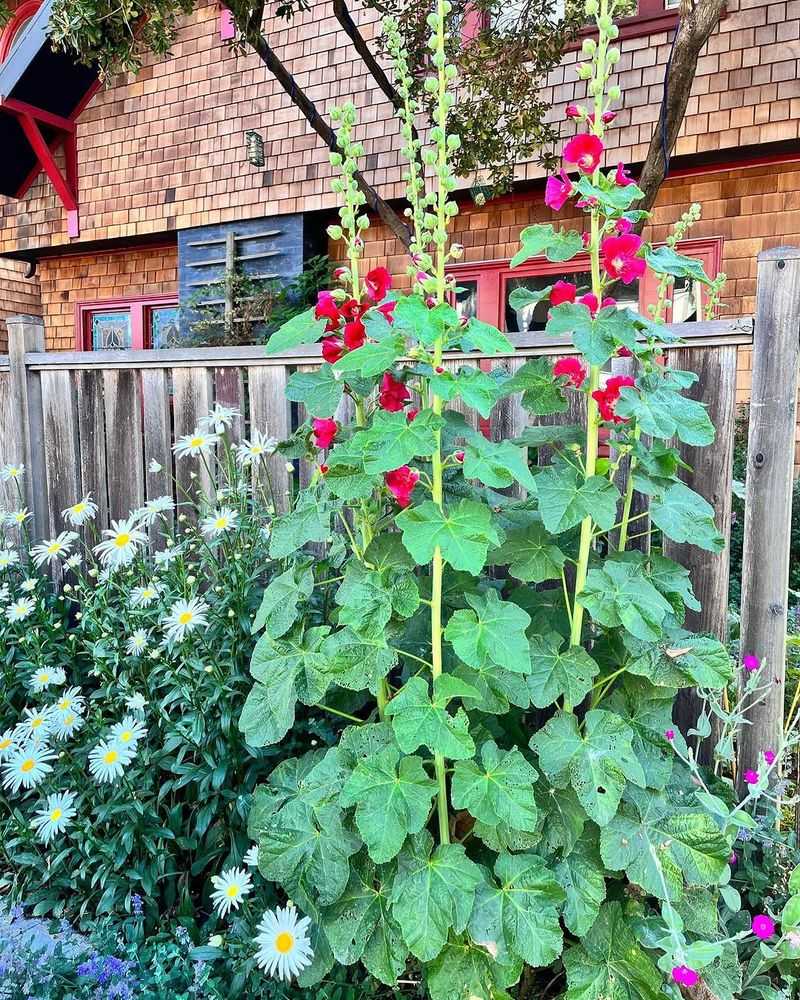
Hollyhocks have a classic, stately presence that suits cottage gardens, fence lines, and tall back borders beautifully.
While they are often grown as biennials or short-lived perennials, some hollyhock varieties do establish a persistent root system that sends up new basal offshoots over time.
Those offshoots are what make careful division possible and worthwhile.
Rather than lifting the entire plant, gardeners can look for young offshoots growing at the base of an established hollyhock in early spring.
These smaller plants develop their own roots while still connected to the parent, making them good candidates for careful separation.
Use a sharp trowel to cut through the connection and lift the offshoot with as much root as possible.
Replant the divisions in a sunny location with well-drained soil, spacing them generously since hollyhocks can grow quite tall and benefit from good air circulation.
Hollyhock rust, a common fungal issue in Oregon’s wetter areas, tends to spread more easily in crowded conditions, so spacing new divisions thoughtfully can help reduce that risk.
Water new divisions regularly through their first season while their roots get established in the new location. Hollyhocks divided from strong parent plants tend to bloom reliably, though it may take a full season before they reach their full height and flower production.
Staking taller varieties in Oregon’s windier areas is a practical step that helps new plants stay upright through their first growing season.