These Low-Growing California Shrubs Stop Weeds Before They Start
Well, here is a fun little truth about California gardens: bare soil does not stay bare for long. And not in a good way.
Weeds are basically the uninvited guests who show up the second you turn your back, set up camp, and refuse to leave. Sound familiar?
The good news is that there is a smarter way to handle this, and it does not involve spending every weekend on your hands and knees pulling things out of the ground.
Low-growing native shrubs that spread wide and hug the soil can do a surprisingly impressive job of crowding weeds out naturally.
They look great doing it too, which is honestly the best part. No constant mulching, no endless maintenance, just a landscape that fills in beautifully and actually works with California’s climate instead of against it.
1. Emerald Carpet Manzanita Creates Thick Low Cover
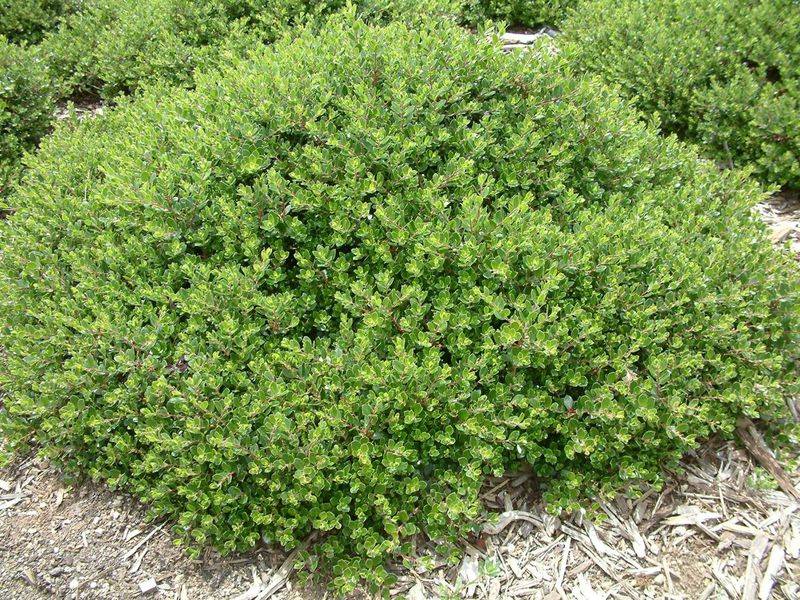
Walk past a well-established planting of Emerald Carpet Manzanita and it is hard not to notice how completely the ground disappears beneath it.
This low-growing selection of Arctostaphylos stays under two feet tall while spreading six feet or more in width, creating a thick, glossy carpet of small evergreen leaves that shades the soil almost completely once the plant matures.
That dense coverage is exactly what gardeners need in spots where weeds seem to return every season.
In late winter and early spring, tiny white or pale pink urn-shaped flowers appear along the stems, adding a delicate seasonal detail to what is otherwise a very tidy, structured-looking plant.
The reddish bark on older stems adds a subtle visual contrast against the deep green foliage.
Emerald Carpet fits naturally into dry garden designs, native plantings, and low-water front yards throughout much of California.
Getting Emerald Carpet established requires good drainage and moderate watering during the first year or two. It does not tolerate heavy clay or overly wet soil, so raised beds and well-amended planting areas suit it better in those situations.
Mulch helps retain moisture and reduce weed competition while the plant fills in. Once it reaches its full spread, very little maintenance is needed to keep it looking full and healthy.
2. Monterey Carpet Manzanita Creates Thick Evergreen Cover
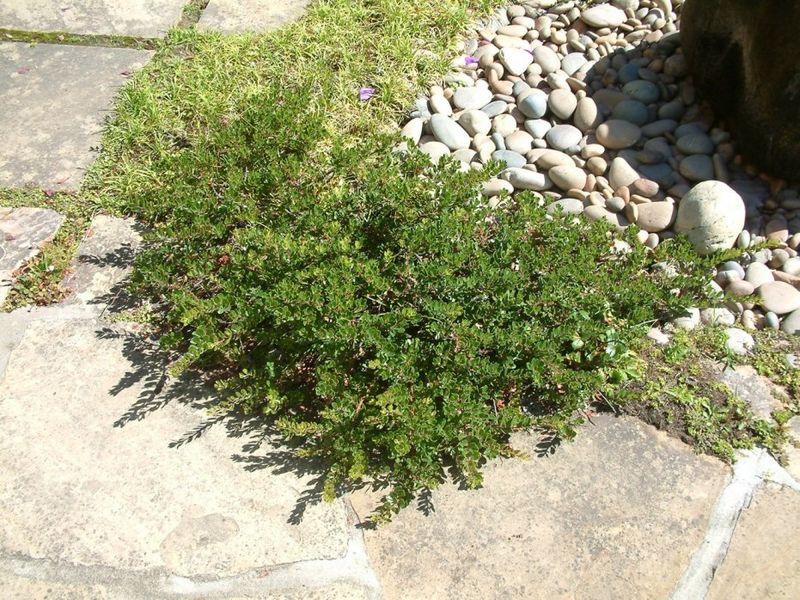
Monterey Carpet Manzanita is one of the neatest low growers California gardeners can use when they want a planting to look tidy and stay close to the ground.
This selection of Hooker’s manzanita typically stays around 1 foot tall and can spread several feet wide, forming a dense evergreen layer of small deep green leaves over red-toned stems.
That low, tight habit is what makes it useful in weed-prone spots. As it expands, it covers exposed soil and reduces the open gaps where many annual weeds tend to pop up.
It also brings more than just function. The foliage looks polished year-round, and the small white to pale pink flowers add a subtle winter to early spring display.
In California gardens, it is often used on slopes, along path edges, and in dry beds where a refined ground-hugging shrub is more useful than a loose, rangy plant.
Your California Garden Changes Every Week. Your Plan Should Too.
Gardening in California changes quickly throughout the season. Every Friday you’ll receive a simple weekly plan showing exactly what to plant, prune, fertilize, harvest, and protect so you never miss the right timing.
Inland, it tends to appreciate a bit of protection from the hottest afternoon sun, while coastal and near-coastal gardens usually suit it especially well.
It is not a fast fix, but once established and spaced well, Monterey Carpet Manzanita can create the kind of evergreen cover that makes a planting look finished while helping cut back on ongoing weed pressure.
3. Bee’s Bliss Sage Fills In Fast
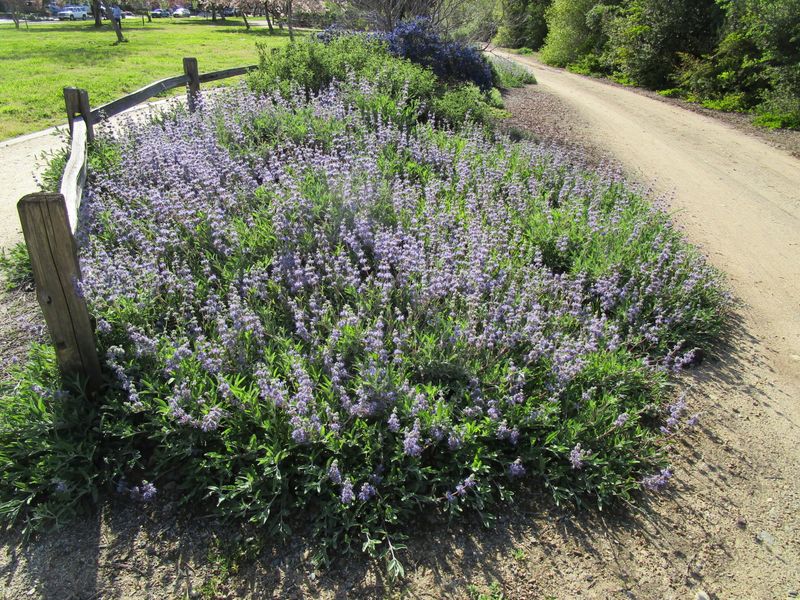
Bee’s Bliss Sage has earned a strong reputation in California for doing a lot with very little fuss.
It is a low, spreading sage that can reach roughly 2 feet tall and around 8 feet wide, which makes it especially useful where gardeners want broad coverage without adding a tall shrub that blocks views or overwhelms a slope.
Its silver-green foliage stays dense, fragrant, and soft-looking, and the plant is valued as a groundcover in both sunny areas and lighter shade. That dense surface growth is a big part of why it helps reduce weed pressure over time.
When planted with enough room to knit together, Bee’s Bliss shades the soil and leaves fewer sunny openings for weeds to settle in.
The purple flower spikes in spring add another layer of appeal, especially for gardeners who want a planting that supports bees and butterflies while still looking orderly.
In California landscapes, this sage is often used on banks, under open-canopy trees, and in low-water plantings where a broad evergreen mat is more useful than individual scattered shrubs.
It is also relatively fast growing, which matters when the goal is getting good soil coverage sooner rather than later.
Paired with mulch during establishment, Bee’s Bliss Sage can be one of the most practical and attractive ways to soften bare ground and make weeding feel less constant.
4. Warriner Lytle Buckwheat Softens Bare Ground
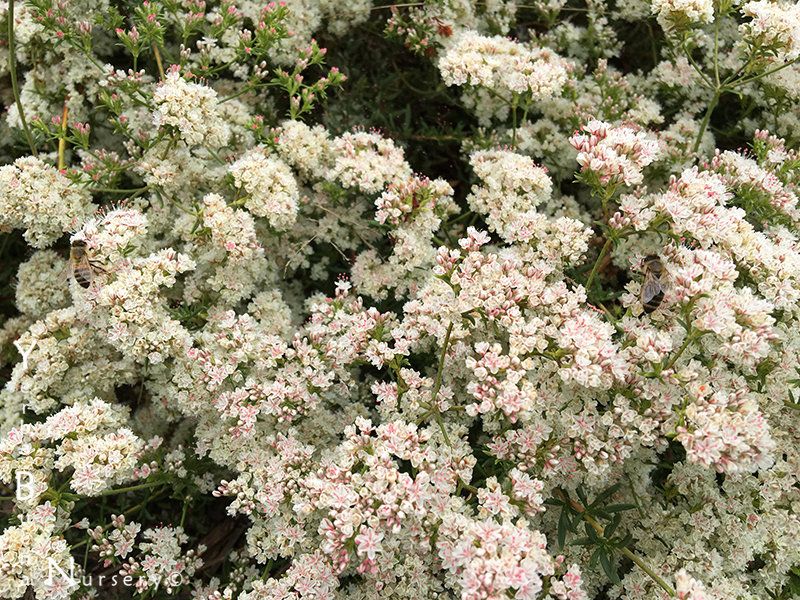
Warriner Lytle Buckwheat is a smart choice for dry California gardens that need a low shrub with a soft, spreading habit and strong seasonal interest.
This selection of California buckwheat generally stays under about 2 feet tall while spreading roughly 4 to 5 feet wide, creating a broad mound of fine-textured foliage that can cover a surprising amount of ground.
That shape matters in weed-prone spaces. As the plant fills in, it shades the soil surface and helps reduce the light and open space that many small weeds rely on.
The summer flowers are another reason gardeners like it so much. They begin as pale clusters and gradually age into warmer rust and cinnamon tones, which means the plant keeps visual interest long after the first bloom flush.
In California landscapes, Warriner Lytle Buckwheat works especially well on slopes, dry borders, and sunny banks where a loose but dependable shrub cover is more useful than bare mulch alone.
It is also noted for erosion control and slope stabilization, which adds to its value in tougher sites.
This is not the shrub to use where you want a clipped formal edge, but it is excellent where you want a natural California look that still reads as intentional and helps hold the ground in a cleaner, fuller planting pattern.
5. Point Reyes Ceanothus Spreads With Dense Native Growth
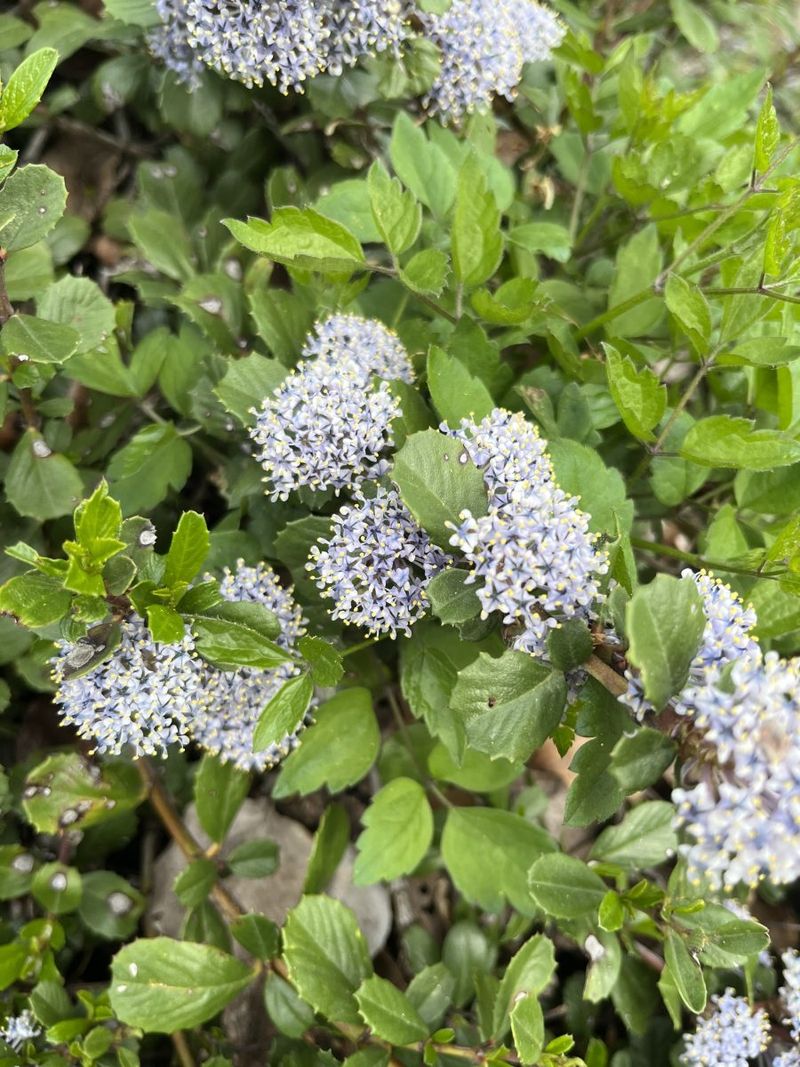
Point Reyes Ceanothus is one of the classic low California natives for gardeners who want evergreen coverage with a more dramatic spring bloom.
This shrub stays relatively low and spreading, often around 2 to 3 feet tall and several feet wide, with arching branches that can form a broad groundcover effect over time.
That spreading structure makes it useful in places where exposed soil tends to invite weeds.
Once the branches begin to knit together and the foliage shades the ground, the planting becomes much better at reducing weed pressure than an open, sparsely planted bed.
The flowers are a major bonus. In spring, Point Reyes Ceanothus can cover itself in rich blue blossoms that stand out beautifully against the dark green leaves, so it does more than simply fill space.
In California gardens, it is often used on slopes, at the front of shrub borders, or anywhere a wide evergreen mass is needed without much height. It tends to look best where the plant has room to spread naturally instead of being forced into a cramped spot.
Good drainage is important, and like many ceanothus selections, it is best used in a way that respects its natural form.
For gardeners trying to keep a bed fuller and less weed-prone while still getting a strong native bloom display, Point Reyes Ceanothus is one of the more useful low shrubs to consider.
6. Anchor Bay Ceanothus Keeps The Ground Well Covered
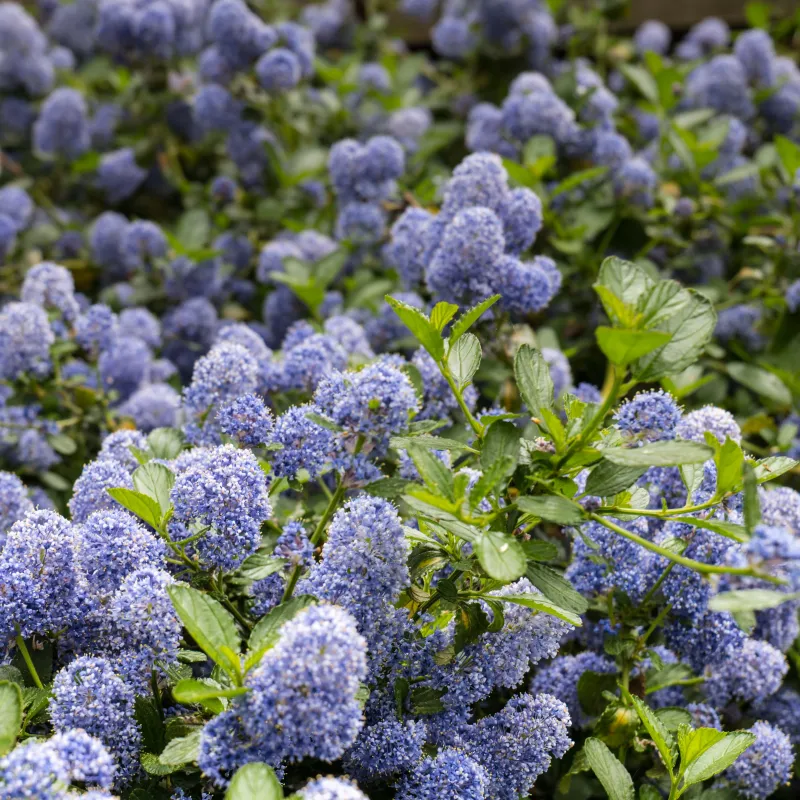
Anchor Bay Ceanothus offers many of the same advantages as other low ceanothus selections, but in an especially neat and dense form that works beautifully in California gardens.
This evergreen groundcover shrub is known for staying low, often around 1 to 3 feet tall, while spreading outward into a compact, tidy mass.
That dense habit is exactly what makes it so helpful in plantings where weed pressure becomes a nuisance as soon as the soil is exposed.
Instead of leaving big gaps between branches, Anchor Bay tends to fill in with a close, mounded spread that helps shade the soil and create a more finished-looking bed.
Its deep blue flowers in spring are another reason it gets attention. They add a vivid seasonal show without asking for the kind of high-input care many flowering shrubs need.
In California landscapes, this plant is especially useful on slopes, along retaining walls, and in low-water borders where a broad evergreen layer helps connect the planting together. It also stays visually neat enough to fit gardens that lean more polished than wild.
As with other ceanothus types, it performs best when planted in a site with good drainage and enough room to spread naturally.
Given that space, Anchor Bay Ceanothus can become one of those hardworking shrubs that makes a planting look fuller, cleaner, and much less inviting to opportunistic weeds.
7. Pacific Mist Manzanita Brings Wide Low Coverage
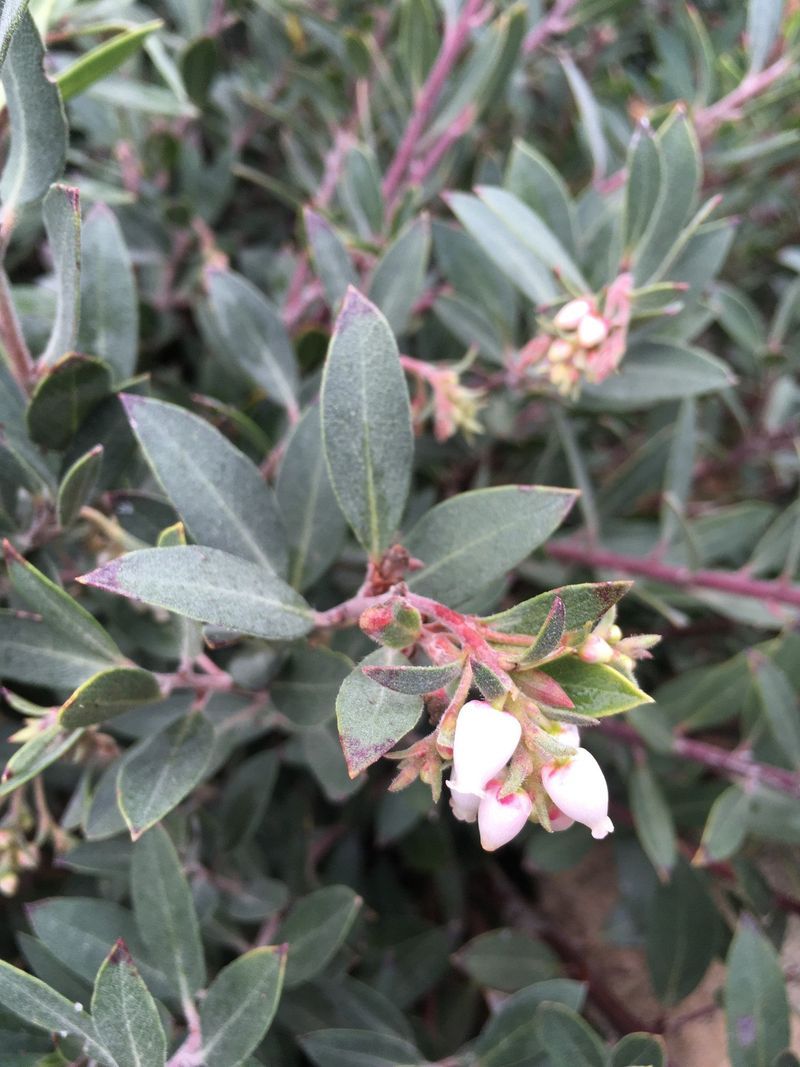
Pacific Mist Manzanita is one of the more versatile low manzanitas for California gardens, especially when the goal is broad, attractive coverage in a dry planting.
It usually matures at roughly 2 to 3 feet tall and can spread 6 to 10 feet wide, developing a rambling, arching habit with gray-green leaves and reddish stems.
That wide, low profile is what makes it so valuable in spots where weeds tend to appear between scattered shrubs. As the plant expands, it covers the soil more thoroughly and helps reduce the open, sunlit patches where weed seeds often get started.
One reason gardeners appreciate Pacific Mist so much is that it tolerates more shade than many other manzanitas, including dry shade in some situations, which gives it a little more flexibility in California landscapes.
It is often recommended for slopes, retaining walls, and cascades over edges, where the branches can spill naturally instead of being boxed into a rigid shape.
The flowers are usually small and not especially showy, but the real appeal is the evergreen structure and dependable groundcover effect.
In a well-planned planting, Pacific Mist can do a lot of quiet work by softening hard edges, holding a slope visually together, and helping reduce weed pressure once it has had time to establish and spread.
8. Dwarf Coyote Brush Builds A Tough Living Carpet
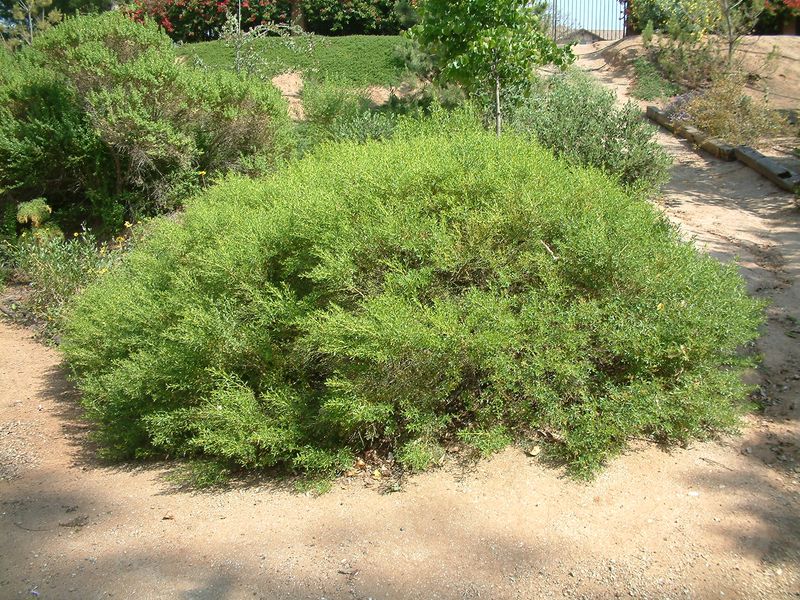
Dwarf Coyote Brush is one of the most practical California natives for gardeners who want quick, broad coverage in difficult spaces. Selections such as ‘Pigeon Point’ stay very low, often around 1 foot tall, while spreading about 6 feet or more across the ground.
That combination makes it especially useful on slopes, banks, and open beds where bare soil tends to invite constant weed problems.
Once established, it forms a dense evergreen mat that shades the soil surface and helps reduce the space available for many annual weeds to get started.
Its texture is simple and clean rather than flashy, which is part of its strength. Dwarf Coyote Brush works as the kind of background plant that quietly holds a planting together and makes more ornamental shrubs or perennials look better.
In California landscapes, it is often used for slope stabilization and as a large-scale groundcover where a tough native is needed to spread reliably. It also tolerates a wide range of soils, which adds to its usefulness in real gardens that are not always ideal.
This is a plant that earns its keep by covering ground well and staying dependable with relatively little attention after establishment.
For gardeners trying to reduce maintenance in a dry native planting, Dwarf Coyote Brush can be one of the most effective low shrubs for creating a fuller surface and making weeds less of a recurring battle.