California Gardeners Are Replacing Their Lawns This Summer And Getting Paid To Do It
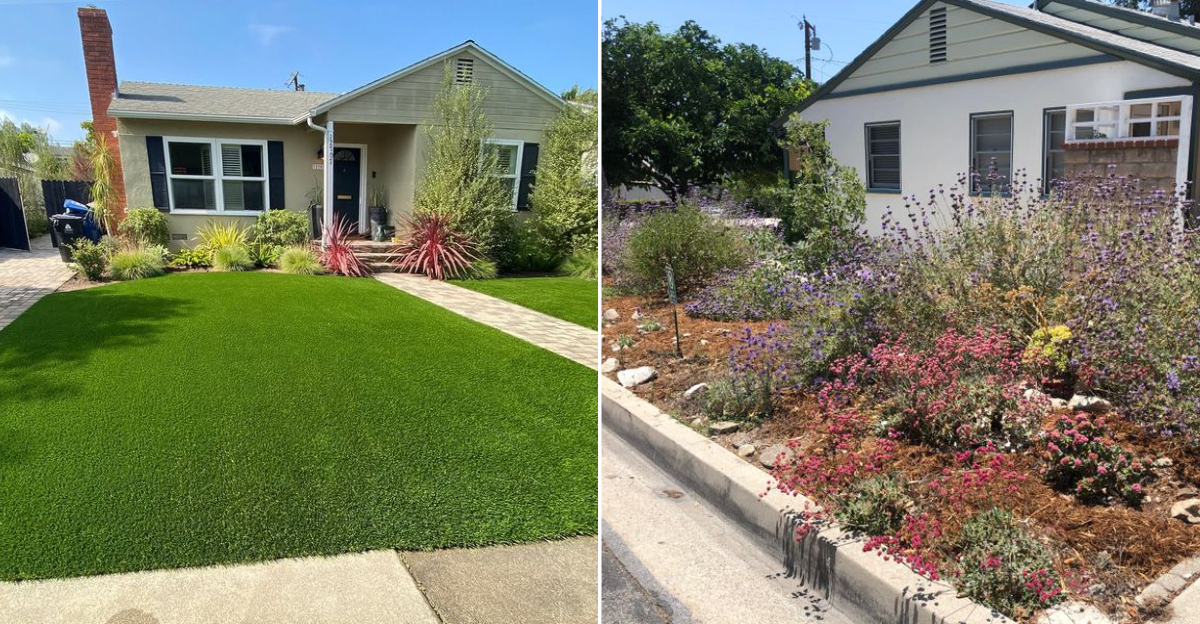
A green lawn can look nice, but in a California summer, it can also feel like a thirsty little money pit. Many homeowners are starting to see grass in a new way.
It needs constant water, regular mowing, and plenty of attention during the hottest months. That is a lot of work for a patch of yard that may still turn brown by August.
Now, more California gardeners are swapping lawns for drought friendly plants and smarter yard designs. The best part is that some local programs may help pay for the change.
That makes the idea much more tempting. Less grass can mean lower water use, easier upkeep, and a yard that handles summer with more confidence.
It can also create space for native plants that bring color and life back into the landscape. For anyone tired of dragging a hose across crispy grass, this summer might be the perfect time to rethink the lawn.
1. California Is Paying Gardeners To Remove Thirsty Lawns
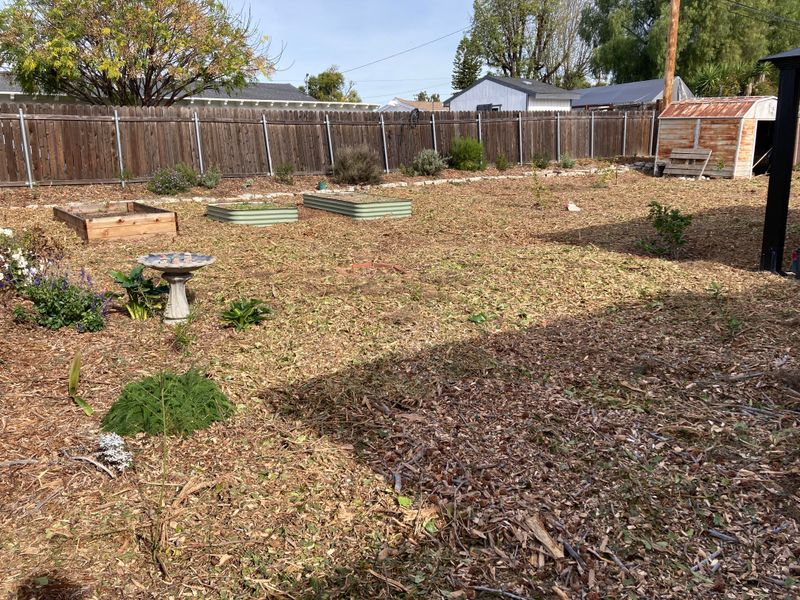
Every summer, millions of gallons of water get soaked up by traditional grass lawns across our state. Much of that water can be lost to evaporation, runoff, or inefficient irrigation before it does much good.
Water agencies noticed this problem years ago and started creating rebate programs to encourage homeowners to make a change.
These programs are funded by local water districts, not one central government office. That means the money available, the rules, and the application process can look very different depending on your zip code.
Some programs are generous and easy to apply for, while others have waitlists or limited funding each year.
The core idea behind every program is the same. You remove your existing irrigated grass lawn and replace it with something that uses far less water.
In return, your local water agency sends you a rebate check based on how many square feet of turf you removed.
Homeowners who have gone through the process say the savings feel like a bonus on top of already lower water bills.
Summer is when lawns demand the most irrigation, so acting before peak heat can help you reduce costs fast. Getting started is easier than most people think.
2. Turf Rebates Can Add Up By The Square Foot
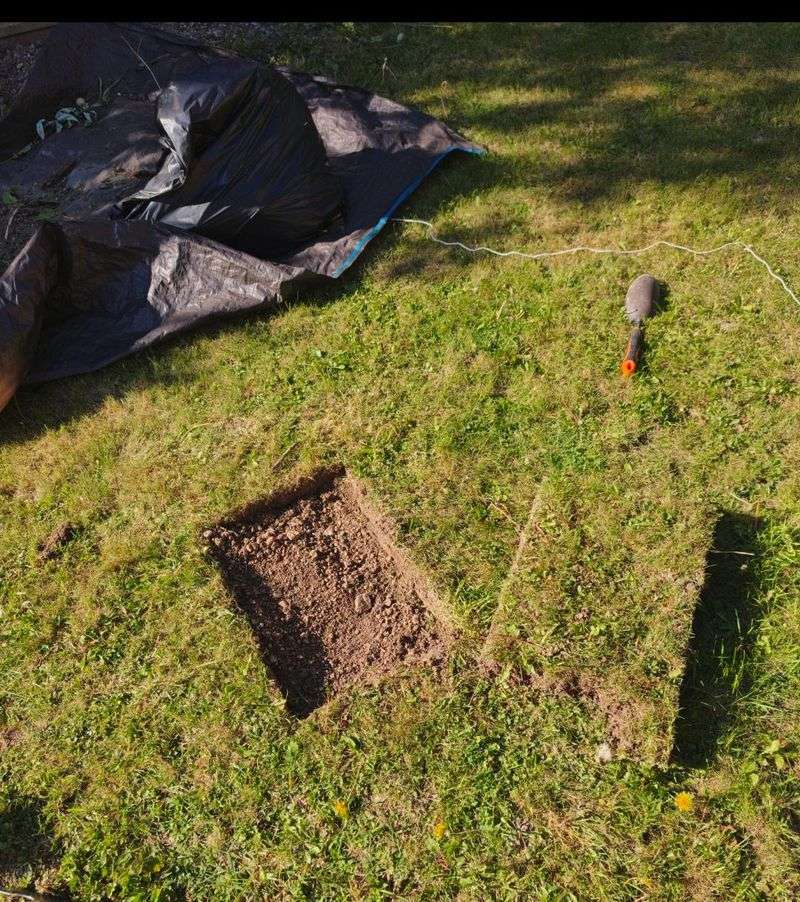
Most rebate programs in our state pay homeowners based on how much grass they remove. The payment is calculated per square foot, so a bigger lawn means a bigger check.
Many programs pay around $2 to $3 per square foot, though some local agencies offer higher amounts, such as $4 or $5 per square foot.
Larger front yards can push that number even higher. When you combine the rebate with the savings on your monthly water bill, the financial benefit adds up quickly over a single summer season.
Some programs also cap the total rebate amount per household. Reading the fine print matters before you plan your project budget.
Knowing the cap ahead of time helps you prioritize which sections of your yard to tackle first for the best return.
Your California Garden Changes Every Week. Your Plan Should Too.
Gardening in California changes quickly throughout the season. Every Friday you’ll receive a simple weekly plan showing exactly what to plant, prune, fertilize, harvest, and protect so you never miss the right timing.
Measuring your lawn accurately before applying is important. Most agencies require you to submit photos and measurements as part of your application.
Rounding up or guessing your square footage can cause problems during the inspection process and may delay your payment.
3. Some Local Programs Pay More Than Others
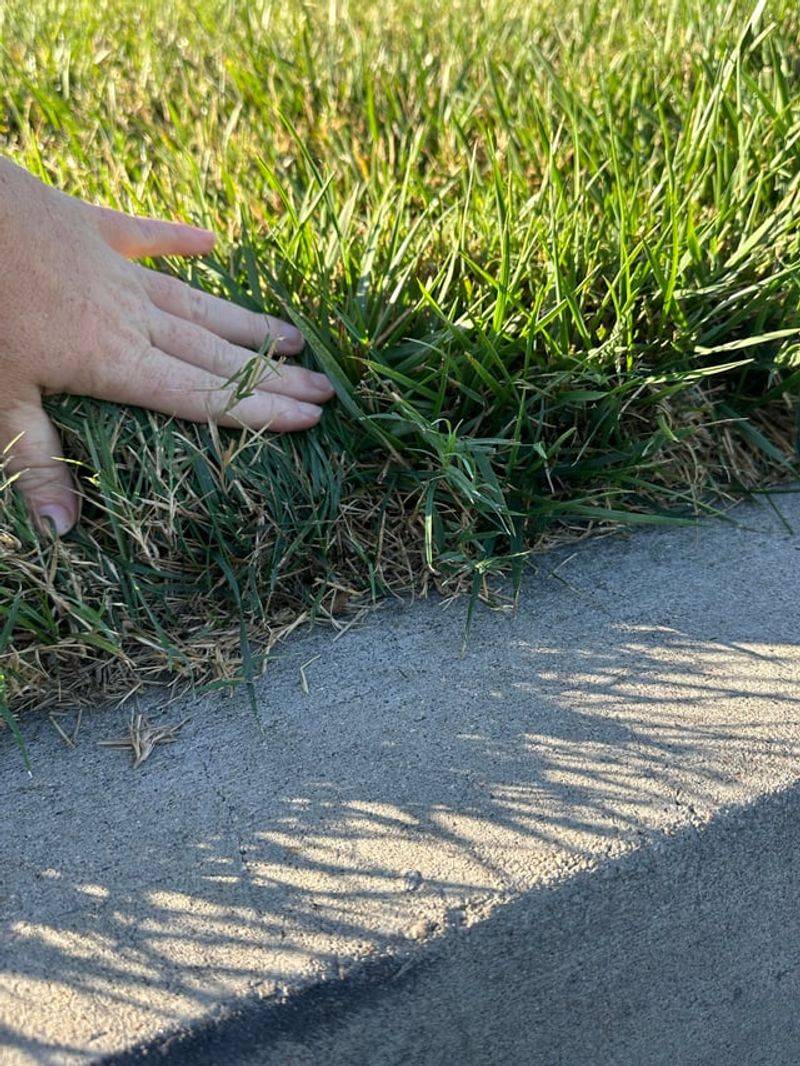
Not every water agency in our state offers the same amount of money. Some districts have secured extra funding through state grants, which lets them offer higher per-square-foot rates or bonus incentives.
Others work with tighter budgets and may only cover a smaller portion of your project costs.
Some large regional water agencies and participating city programs, including parts of Southern California and the Bay Area, may offer stronger rebates.
Smaller cities and rural districts may offer less, but they often have shorter waitlists and faster approval times. It really depends on where you live.
A few agencies stack their rebates with state-level programs, meaning you could qualify for money from more than one source at the same time.
Checking both your local water district and any regional programs in your area is a smart move before you start planning.
Neighbors in the same city sometimes qualify for different rates if they are served by different water providers.
Your water bill will show which agency supplies your home. That name is your starting point for finding out exactly how much your area pays.
4. Native Plants Can Help Stretch The Savings
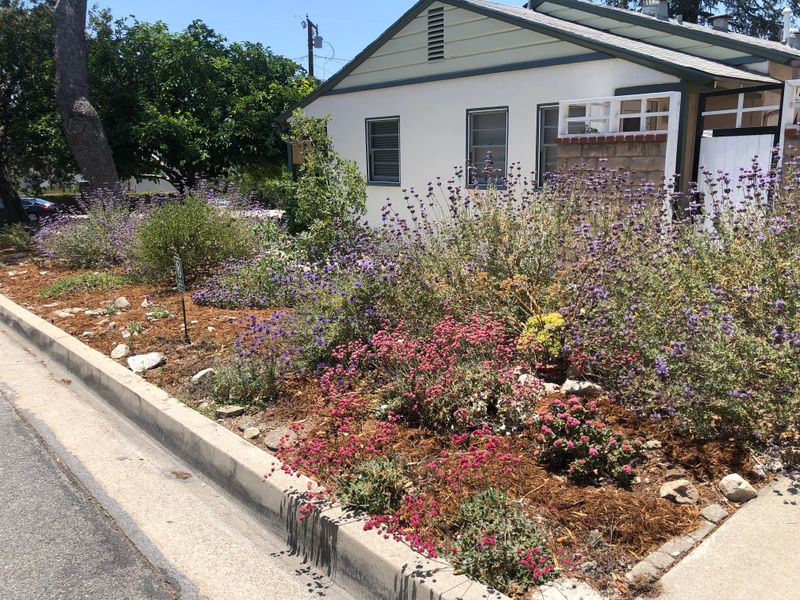
Swapping grass for native plants does more than just qualify you for a rebate. Some programs require or encourage California-friendly or native plants, and a few may offer extra incentives or partner discounts.
These plants evolved here, so they are built to handle dry summers without constant watering.
Popular choices include California poppy, blue oak, toyon, and various native grasses. These plants attract pollinators, support local wildlife, and look beautiful once they are established.
They also tend to need very little maintenance after their first growing season.
Some programs partner with local nurseries to offer discounted native plants as part of the rebate package.
That means you could get money back on your plants and your turf removal at the same time. Asking your water agency about nursery partnerships is worth the extra phone call.
One thing to keep in mind is that invasive plants do not qualify, even if they look natural. Your replacement plants must come from an approved list provided by your water agency.
Checking that list before you shop saves you from buying plants that could disqualify your whole project.
5. Trees May Qualify For Bonus Rebates
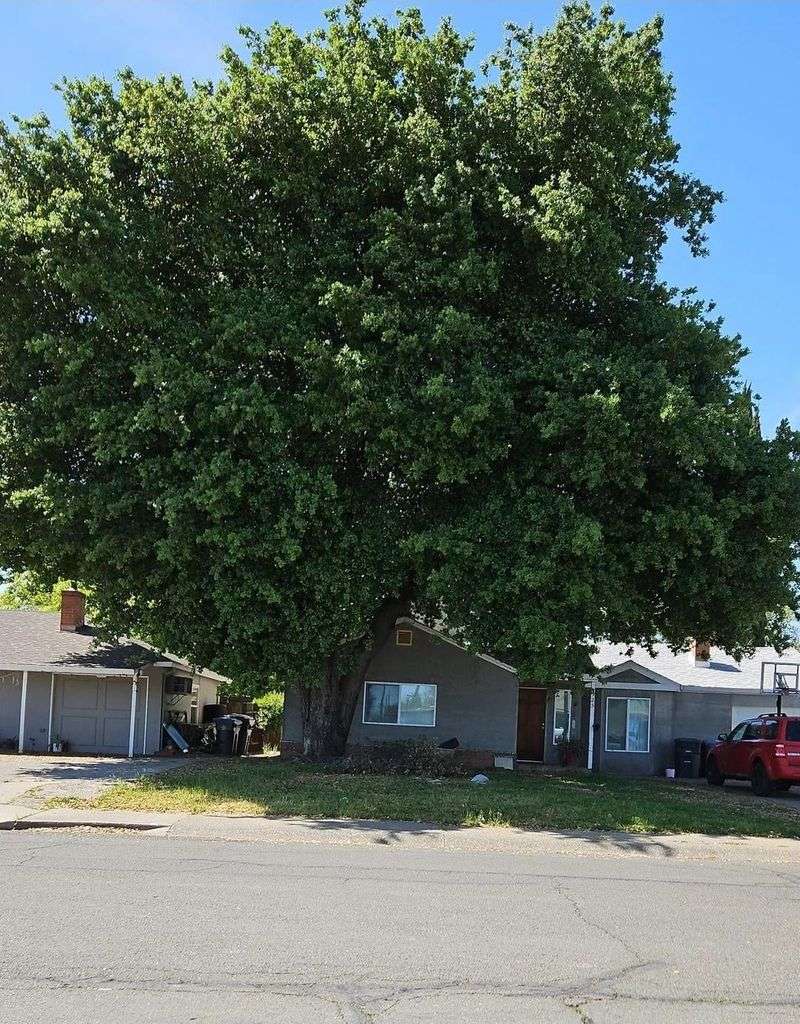
Shade trees are one of the most underrated tools in water-wise landscaping. A well-placed tree can lower the temperature of your yard by several degrees, which means the plants around it need less water to stay healthy.
Some water agencies recognize this and offer bonus rebates for approved shade trees planted as part of a turf replacement project.
Some Southern California programs offer a tree bonus, such as $100 per eligible tree, usually with limits on how many trees qualify. Fruit trees, native oaks, and other low-water species are often on the approved list.
Ornamental trees that need heavy irrigation usually do not qualify.
Trees also add long-term value to your property. A mature shade tree can reduce home cooling costs during hot summers, which adds to your savings beyond just the water bill.
That combination of rebate money, lower utility costs, and increased property value makes trees a smart investment.
Before planting, check with your water agency and also your city or county. Some areas have separate tree-planting programs that layer on top of the turf rebate.
Combining both programs when they are available can significantly increase the total benefit you receive.
6. Approval Usually Has To Happen Before You Start
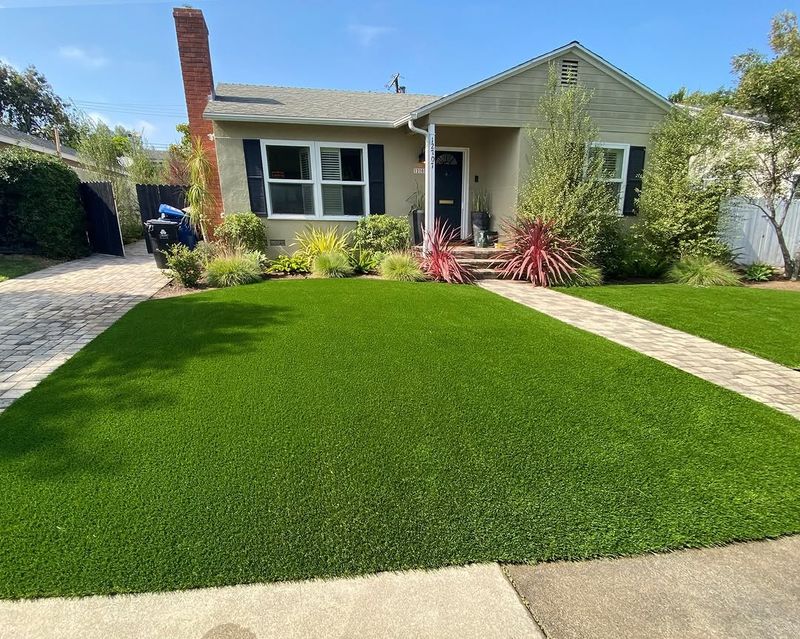
One of the biggest mistakes homeowners make is ripping out their lawn before applying for a rebate. Most programs require pre-approval before any work begins.
If you remove your grass without getting that approval first, you could lose your eligibility entirely and miss out on the rebate money.
The pre-approval process usually involves submitting photos of your existing lawn, measurements of the area you plan to remove, and a basic plan for what you will replace it with.
Some agencies also send an inspector to verify the current condition of your turf before issuing approval.
Processing times vary by agency and season. Summer is the busiest time for applications, so submitting yours early in spring gives you the best chance of getting approved quickly.
Waiting until July or August can mean delays that push your project into fall.
Once you receive approval, most programs give you a set window of time to complete the project, often between 90 and 180 days. Keeping track of that deadline is important.
Missing it can require you to reapply, which starts the clock all over again and may mean waiting for the next funding cycle.
7. Withered Or Already-Removed Grass May Not Count
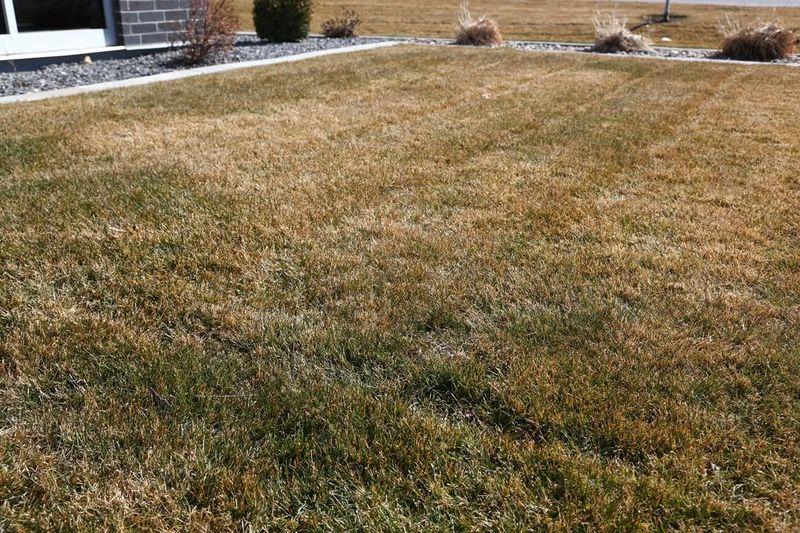
Here is something that surprises a lot of people: a lawn that has already turned brown and stopped growing may not qualify for a rebate.
Many programs require that the grass being removed is a living, actively irrigated lawn at the time of application. A lawn that has already dried out or been partially removed might not meet that standard.
This rule exists because water agencies want to ensure that real water savings are being created by the project. If the lawn was already not using water, the agency cannot count it as a conservation win.
Inspectors are trained to spot the difference between a neglected yard and an eligible turf area.
Artificial turf is another common disqualifier. Replacing fake grass with drought-tolerant plants usually does not qualify for a rebate because no irrigation water was being saved in the first place.
The program is designed to reduce actual water use, not just change the look of a yard. Bare dirt, gravel without plants, and projects that started before approval are also typically excluded.
Checking the eligibility rules for your specific agency before doing anything is the only way to make sure your project will qualify when the inspector comes to verify your work.
8. The First Step Is Checking Your Water Agency
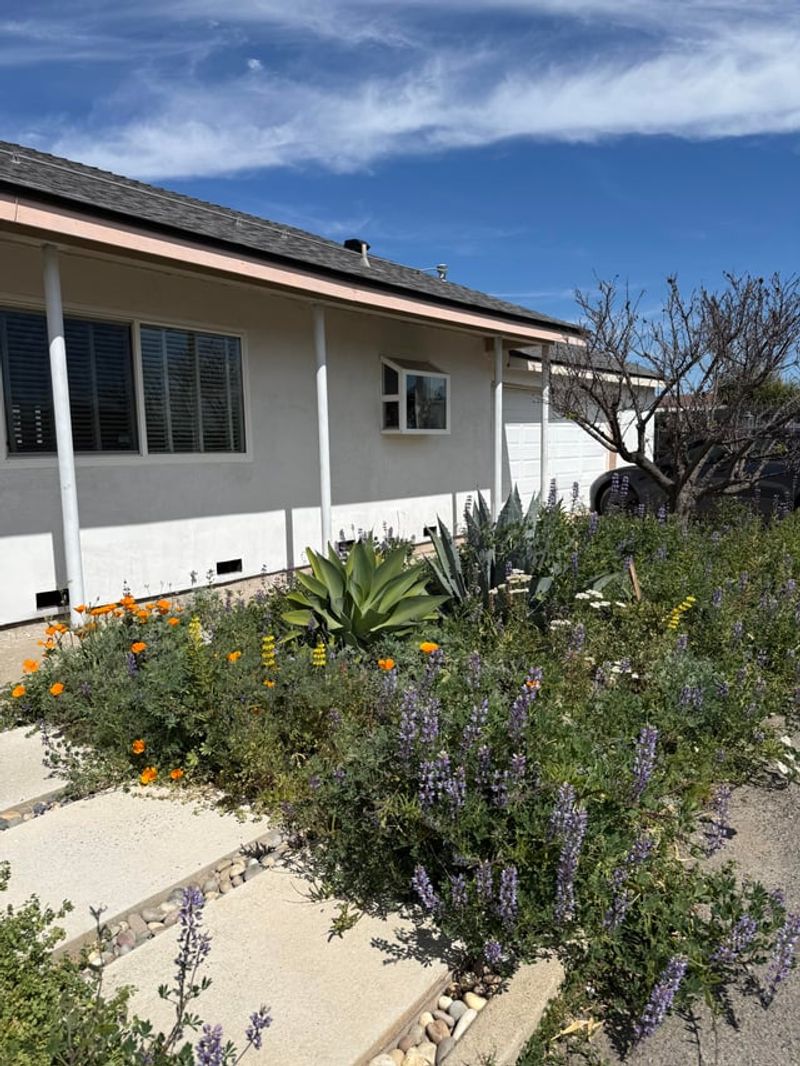
Before you buy a single plant or pull up one square foot of grass, the most important move is finding out who supplies your water. Your monthly water bill has the name of your water provider printed on it.
That agency is your gateway to finding out what rebate programs are currently available in your area.
The Save Our Water website, run by the state, has a rebate lookup tool that lets you search by zip code.
It pulls up programs from local water districts across the state and gives you direct links to apply. It is one of the fastest ways to see what money is on the table where you live.
Once you find your agency, call or email them directly. Websites do not always reflect the most current program details, especially when funding runs out or new grants come in.
A quick conversation with a representative can confirm current rates, timelines, and any recent changes to the program rules.
Taking notes during that call is a smart habit. Write down the rebate rate, the application deadline, any pre-approval steps, and the name of the person you spoke with.
Having that information organized makes the whole process move faster and helps you avoid surprises later on.