Why This July Heat Wave Is Putting California Gardens At Risk Of Sunscald
California July heat waves are not messing around, and your garden plants know it. Wilting is one thing, that is a problem most gardeners recognize and can respond to pretty quickly.
But sunscald is a different situation entirely, and it catches a lot of people off guard because it does not always look like what you would expect.
This is what happens when exposed fruit, tender stems, or leaves receive more direct sun and heat than the plant tissue can actually handle, and the results can range from disappointing to genuinely devastating for a summer harvest.
Intense afternoon sun, thin leaf cover, recent pruning that opened up the canopy, dry soil, reflected heat bouncing off nearby walls, all of it raises the risk.
The good news is that there are some pretty practical ways to reduce that risk before the damage shows up.
1. Sudden Direct Sun Can Scald Exposed Fruit
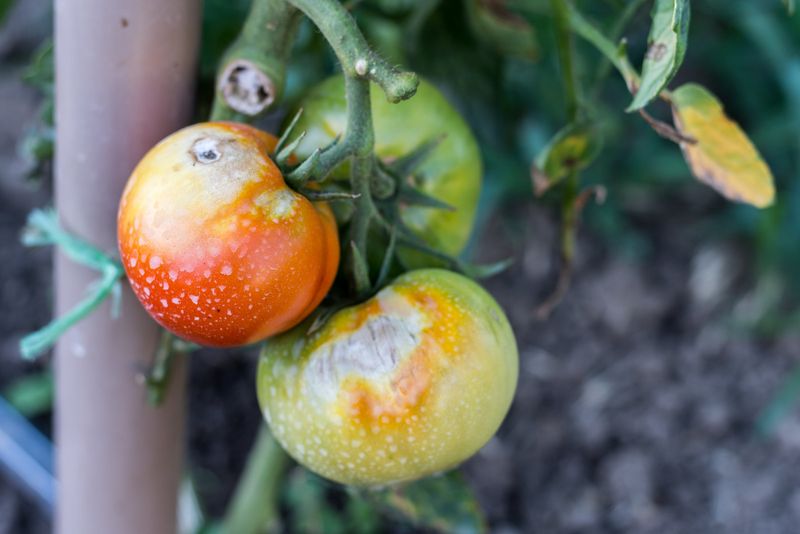
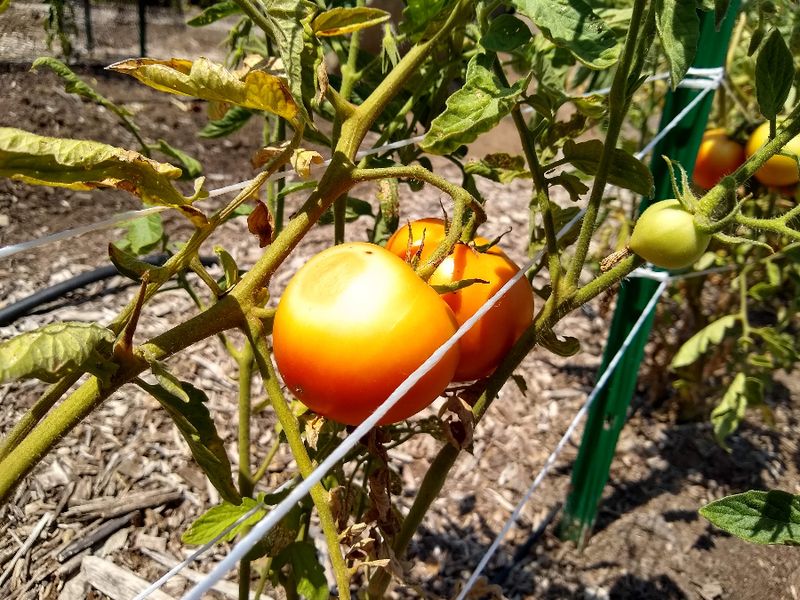
Pale, papery patches on a tomato that looked perfectly fine just a few days ago can be one of the first signs of sunscald.
When fruit is suddenly exposed to intense direct sun, especially during a July heat wave in California, the tissue on the sun-facing side can overheat faster than the plant can manage.
This is not a disease or a pest problem. It is a heat and light injury that happens when fruit gets more direct sun than it was built to handle.
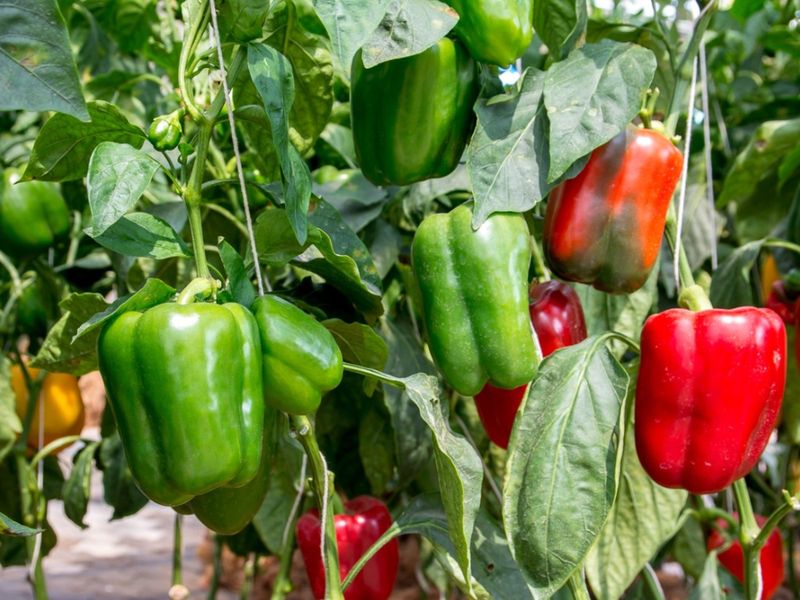
Sunscald tends to show up on the side of the fruit that faces south or west, where afternoon sun hits hardest. Tomatoes, peppers, and summer squash are among the most commonly affected crops in California home gardens.
The damaged area often starts as a light-colored, slightly soft patch and may eventually dry out or take on a leathery texture.
Fruit that was previously shaded by leaves is especially at risk when leaf cover is lost suddenly, whether from wind, pest pressure, or disease. During a heat wave, even a small change in how much shade a fruit receives can make a noticeable difference.
Keeping fruit shaded, either naturally through healthy leaf cover or with a light cloth, can help reduce the chance of sunscald developing during the hottest stretch of a California summer.
2. Thin Leaf Cover Leaves Plants Unprotected
Walk through a California vegetable garden in late July and you may notice that some plants look a little bare. Leaf cover thins out for several reasons during summer, including pest pressure, heat stress, fungal issues, or just the natural growth cycle of the plant.
When foliage drops or fails to fill in fully, fruit and stems that were once shaded suddenly find themselves sitting in direct sun for hours each day.
Healthy, dense foliage acts like a built-in sunshade for developing fruit. Tomatoes and peppers, in particular, rely on their leaves to filter harsh afternoon light.
When that natural canopy becomes sparse, the skin of exposed fruit can heat up significantly, sometimes reaching temperatures well above what the surrounding air feels like. That kind of surface heat is what drives sunscald damage.
Your California Garden Changes Every Week. Your Plan Should Too.
Gardening in California changes quickly throughout the season. Every Friday you’ll receive a simple weekly plan showing exactly what to plant, prune, fertilize, harvest, and protect so you never miss the right timing.
Gardeners in warmer inland parts of California tend to notice this problem more than those near the coast, but thin leaf cover can be risky anywhere during a serious heat wave.
Checking plants regularly for unusual leaf drop, yellow foliage, or bare sections can help catch the problem early.
Encouraging healthy leaf growth through consistent watering and appropriate fertilizing gives fruit the best chance of staying naturally protected.
In some cases, adding a light shade cloth over the most exposed beds can fill in the gap when leaf cover is not enough on its own.
3. Summer Pruning Can Expose Tender Growth
Pruning tomatoes and other vegetables in summer is a common practice for home gardeners trying to improve airflow, manage plant size, or redirect energy into ripening fruit.
However, removing leaves and stems during a July heat wave in California can unintentionally expose fruit and tender growth to harsh, direct sun that they were never receiving before.
The timing of pruning matters more than many gardeners realize.
When a plant is pruned heavily during peak summer heat, the sections of fruit or stem that were previously tucked under foliage can suddenly face full afternoon sun.
Young, newly formed fruit and freshly cut stem tissue are especially sensitive because they have not had a chance to develop any tolerance to intense light.
In a matter of days, sunscald can appear on areas that were completely fine before the pruning session.
A more cautious approach during heat waves is to limit pruning to small adjustments rather than large cuts. Removing only clearly damaged or diseased growth, and waiting until temperatures ease before doing any significant shaping, can reduce the risk.
If pruning is necessary during a heat wave, doing it in the early morning gives the plant a few hours to adjust before the hottest part of the day arrives.
California gardeners with raised beds and containers may want to be especially careful, since plants in smaller soil volumes can already be under added stress during extreme heat.
4. Dry Soil Makes Sunscald More Likely
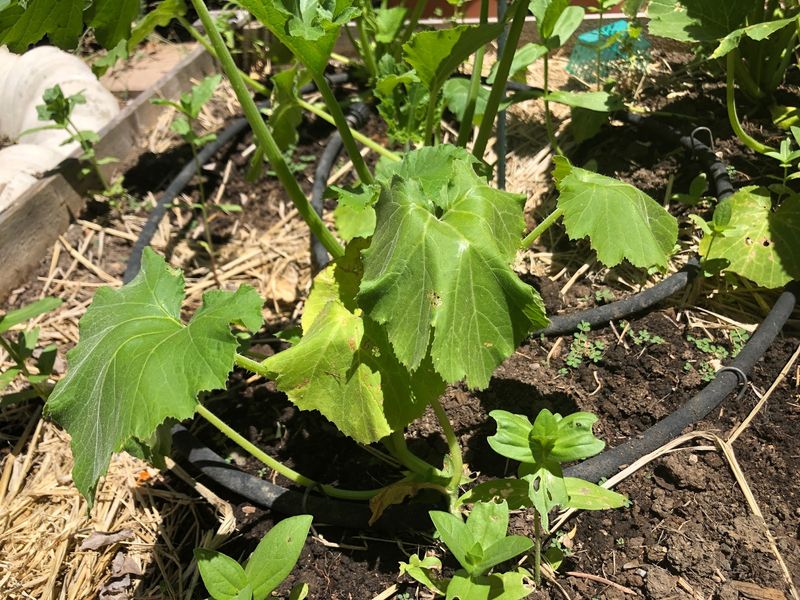
Soil moisture plays a bigger role in sunscald than most gardeners expect. When soil dries out significantly during a California heat wave, plants lose some of their ability to move water up through their stems and into their leaves and fruit.
That reduced water flow affects how well the plant can regulate temperature at the surface of its tissue, and that is where sunscald damage often starts.
A well-watered plant is not automatically protected from sunscald, because fruit that is directly exposed to intense sun can still overheat even when soil moisture is adequate. However, dry soil adds another layer of stress that makes the overall situation worse.
Plants that are already struggling to stay hydrated have fewer resources to manage heat at the tissue level, which can make sun-exposed fruit and leaves more vulnerable.
During July heat waves, California gardeners often find that their usual watering schedule is not keeping up with how fast the soil is drying out.
Checking soil moisture a few inches below the surface, rather than just looking at the top layer, gives a more accurate picture of what the roots are actually experiencing.
Watering deeply and less frequently, rather than lightly and often, tends to encourage roots to go deeper where soil stays cooler and holds moisture longer. This approach can help plants stay better hydrated through the hottest days of a California summer.
5. Mulch Helps Cool The Root Zone
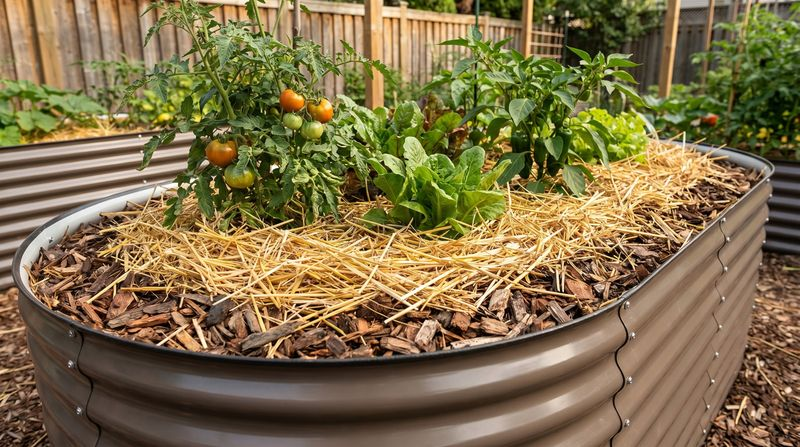
One of the quieter but genuinely effective tools in a summer garden is a good layer of mulch. Spread a few inches of organic material around the base of tomato plants, peppers, or squash, and it starts doing several useful things at once.
It slows down water evaporation from the soil surface, moderates soil temperature, and helps keep roots from experiencing the kind of rapid heating that can stress a plant during a July heat wave in California.
Cooler, more stable soil temperatures give plants a better foundation for handling the heat above ground. When roots are not fighting extreme soil heat, the whole plant tends to stay more functional during stress periods.
This does not mean mulch prevents sunscald on its own, but it does reduce one of the contributing stress factors that makes plants more vulnerable when temperatures spike.
Straw, wood chips, shredded leaves, and similar organic mulches all work well in California vegetable gardens. Applying mulch before a heat wave arrives is more effective than adding it after the soil has already dried and heated significantly.
Aim for a layer that is roughly two to three inches deep, keeping it slightly away from the main stem to avoid creating conditions that hold excess moisture directly against the plant.
During a prolonged heat wave, checking that the mulch layer has not thinned out or shifted can help it keep doing its job through the hottest stretch of summer.
6. Reflected Heat Raises Risk Near Walls
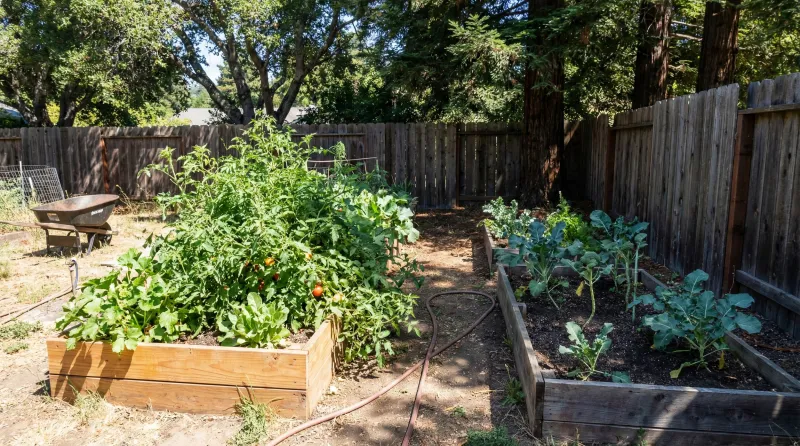
Gardening along a south- or west-facing wall in California can feel like a great idea in spring, when that extra warmth helps plants get established faster.
By July, however, that same wall can become a source of intense reflected heat that pushes nearby plants well past their comfort range.
Light-colored stucco, concrete block, and painted wood surfaces all reflect both sunlight and radiant heat back onto whatever is planted nearby, and that extra heat load can significantly raise the risk of sunscald.
Plants growing within a few feet of a heat-reflecting wall may experience surface temperatures on fruit and leaves that are considerably higher than what an open-bed garden plant would face.
Tomatoes and peppers near a sun-baked wall can develop sunscald damage on the sides facing the wall as well as the sides facing the sky, which makes the problem harder to address with shade cloth alone.
Moving containers away from hot walls during a heat wave is one option for gardeners with portable plants.
For in-ground beds near walls, adding a temporary shade barrier between the wall and the plants can help reduce reflected heat during the worst of a California July heat wave.
Paying attention to how quickly soil dries out near walls is also useful, since reflected heat accelerates moisture loss and can leave plants in those spots more stressed than others in the same garden.
A little extra attention during heat waves can help plants in these spots come through in better shape.
7. Tomatoes And Peppers Show Pale Sunken Spots
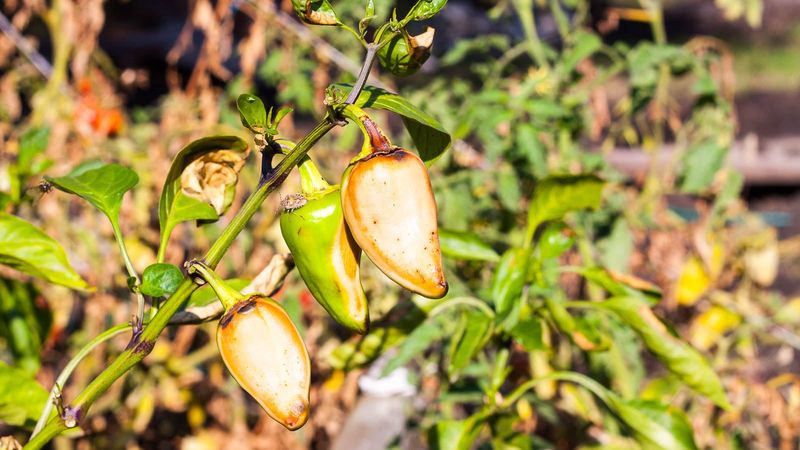
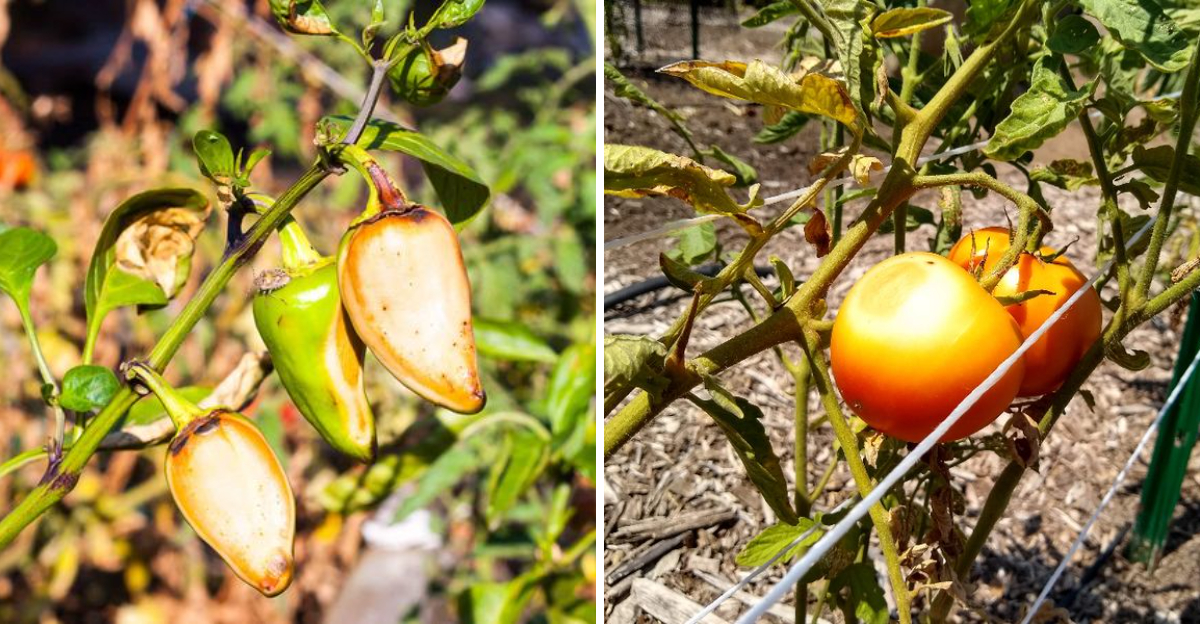
Spotting sunscald on tomatoes and peppers is usually pretty straightforward once you know what to look for. On tomatoes, the damage typically appears as a pale, slightly shiny area on the side of the fruit that faces the sun directly.
The spot may feel a bit soft at first and can eventually dry out into a papery, sunken patch. On peppers, the affected area often turns pale yellow or white and may take on a slightly waxy or translucent look before sinking inward.
One thing that trips up some gardeners is assuming the discoloration is caused by a disease or a nutritional deficiency. Sunscald damage is primarily a physical response to heat and light exposure rather than a biological problem.
The fruit itself is still edible in most cases if the damaged area is trimmed away, though the texture and flavor of the affected section will not be at their best.
California gardeners growing tomatoes and peppers in raised beds or containers may notice sunscald appearing more quickly during a July heat wave because smaller soil volumes heat up faster and dry out sooner.
Checking fruit regularly during hot stretches, and paying close attention to any fruit that is sitting in a newly exposed position, can help catch the early signs before the damage spreads.
Adjusting plant support, adding nearby foliage cover, or using a lightweight shade cloth can help protect vulnerable fruit during the peak heat hours of the afternoon.
8. Shade Cloth Can Help During Extreme Heat
When a heat wave pushes temperatures into triple digits across parts of California, even well-established garden plants can start to struggle.
Shade cloth is one of the more practical tools available to home gardeners who want to reduce the intensity of afternoon sun without blocking out light entirely.
A cloth rated at around 30 to 40 percent shade is often a reasonable starting point for vegetable beds, providing some relief without making conditions too dim for fruiting plants that still need plenty of light to develop properly.
Setting up shade cloth before the hottest days arrive tends to work better than waiting until plants already show signs of stress.
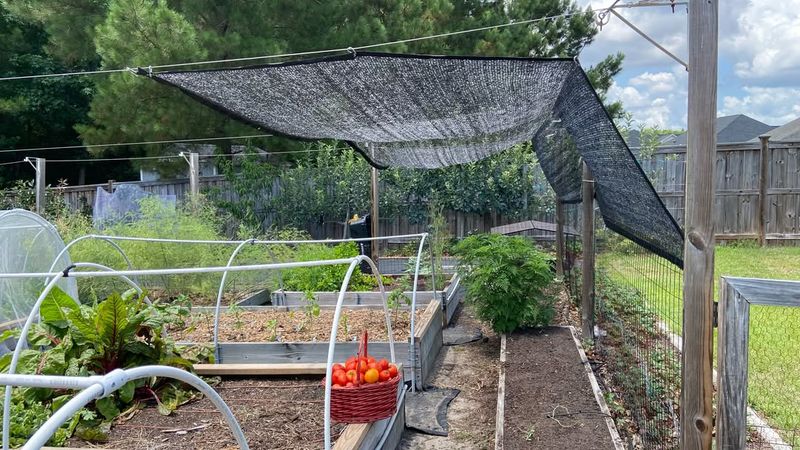
Suspending it above the plants rather than draping it directly on top of them allows air to keep moving around the foliage, which helps with temperature regulation.
Simple frames made from stakes, PVC pipe, or even a temporary structure over a raised bed can hold the cloth in place without much effort.
For California gardeners dealing with both intense sun and reflected heat, shade cloth works best when it covers the side of the bed that receives the harshest afternoon light, not just the top.
Removing or rolling back the cloth on cooler mornings can help plants get the full sun they need during less intense parts of the day.
Shade cloth is not a permanent fix, but during a serious July heat wave it can give tomatoes, peppers, and other vulnerable crops a meaningful buffer against sunscald and heat stress.