8 Tomato-Splitting Mistakes Minnesota Gardeners Make Without Realizing
Minnesota summers are short, brutal, and completely unforgiving to tomatoes.
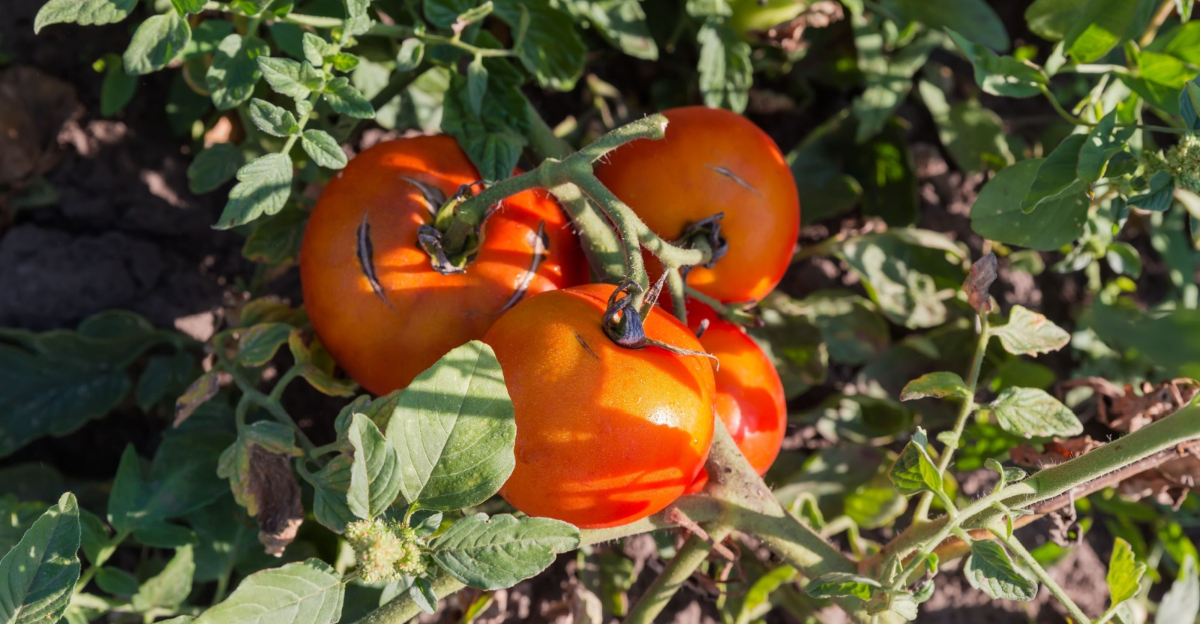
You nurse those plants through a late frost, a heat wave, and three weeks of drought, and then one morning you walk outside to find your best fruit split wide open.
It feels random.
It is not.
Tomato splitting almost always traces back to the same handful of habits that seem harmless in the moment but quietly set your crop up to fail.
The temperature swings here are relentless, and the storms that roll in on a summer afternoon do not care how close your tomatoes are to perfect.
What most local gardeners never realize is that the damage was already done long before the crack appeared.
These eight reasons explain exactly what is going wrong and why it keeps happening season after season.
Once you see the pattern, fixing it is easier than you think.
1. The Rain Gets The Blame But Dry Soil Is The Real Problem
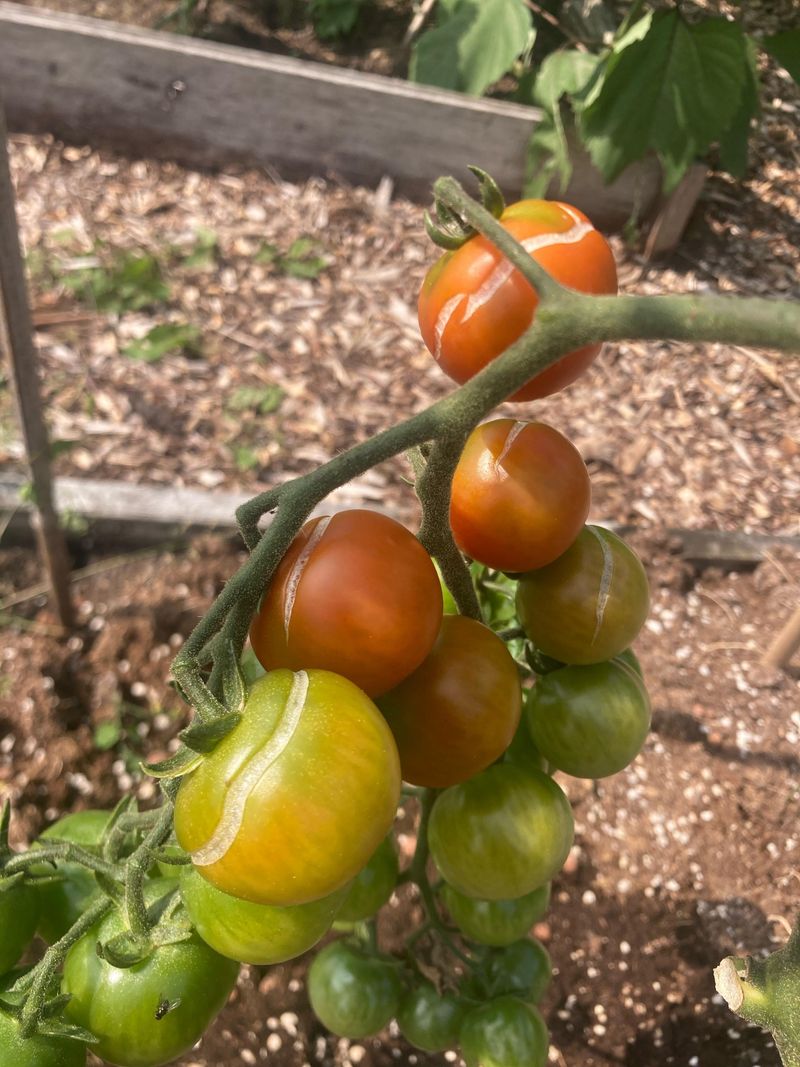
Blame the rain all you want, but the real villain behind tomato splitting is something far more controllable.
Most gardeners assume a heavy downpour is the culprit, but the actual cause is a sudden spike in water intake after a dry spell.
When a tomato plant has been thirsty for days and then receives a flood of moisture, the fruit absorbs water faster than its skin can stretch.
The inside swells quickly, the outside cannot keep up, and the skin tears from the pressure.
This happens whether the water comes from the sky or your garden hose.
Rain gets the blame simply because it is the most dramatic and visible event.
Tomato splitting in Minnesota is especially common because the weather here shifts fast.
A dry, hot week followed by a soaking thunderstorm is practically a summer tradition in this part of the country.
Understanding that the split comes from imbalance, not just wetness, changes how you approach the whole problem.
Consistent soil moisture is what your tomatoes are actually craving.
Think of the fruit skin like a rubber band that loses its stretch when pulled too hard, too fast.
Once you stop blaming the rain and start managing the dry spells, you are finally solving the right problem.
2. Watering Time Matters More Than You Think
Watering your tomatoes at the wrong time of day is like giving someone a large meal right before bed and wondering why they feel sick.
Morning watering gives plants time to absorb moisture slowly and steadily before the heat of the afternoon pushes any excess out.
Evening watering leaves moisture sitting on leaves and stems overnight, which creates the right conditions for fungal disease to take hold.
Healthy plants resist stress better, and disease-weakened skin is far more likely to crack under pressure.
Afternoon watering is the worst offender for tomato splitting.
When soil is hot and dry and you suddenly drench it, the plant drinks greedily and the fruit swells too fast.
The skin simply cannot expand at the same rate as the pulp inside, and a crack forms almost immediately.
Your Minnesota Garden Changes Every Week. Your Plan Should Too.
Gardening in Minnesota changes quickly throughout the season. Every Friday you’ll receive a simple weekly plan showing exactly what to plant, prune, fertilize, harvest, and protect so you never miss the right timing.
A drip irrigation system set to run in the early morning hours is one of the best investments a tomato gardener can make.
It delivers water slowly, directly to the root zone, and avoids the feast-or-famine cycle that causes so much fruit damage.
Even a simple soaker hose on a timer can make a noticeable difference by the end of the season.
Watering deeply and less frequently trains roots to grow downward, where soil stays more consistently moist.
Shallow, frequent watering keeps roots near the surface where they feel every dry spell.
Shift your timing and your tomatoes will thank you with smoother, uncracked skin.
3. Not Every Tomato Variety Is Built for Minnesota’s Short Season
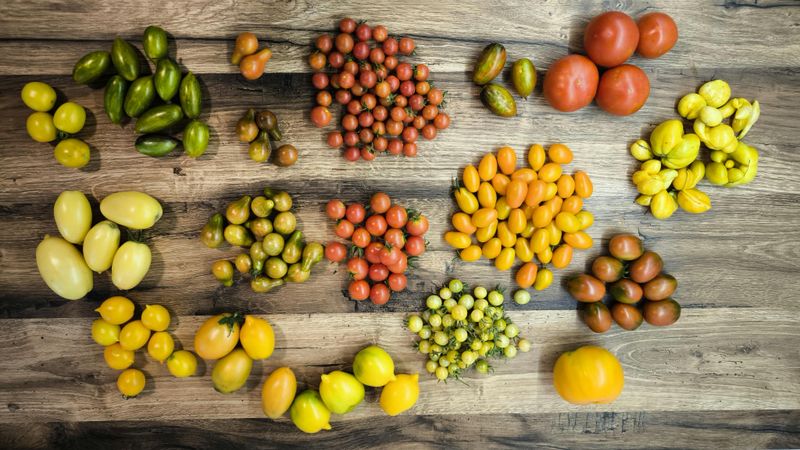
Choosing the wrong tomato variety for your climate is like buying a winter coat designed for Florida.
It might look great in the catalog, but it will fail you when the conditions get real.
Many gardeners fall in love with large heirloom varieties without realizing those types are among the most prone to cracking.
That is especially true in short-season climates like Minnesota, where the growing window does not leave much room for error.
Heirlooms tend to have thinner skins and less tolerance for moisture fluctuations.
They were often bred in more stable climates with longer growing seasons.
Their skin simply was not designed to handle the rapid, unpredictable changes that come with a northern summer.
When the weather shifts quickly, those beautiful fruits split before you even get a chance to pick them.
Crack-resistant hybrid varieties like Jetstar, Celebrity, and Mountain Fresh Plus were specifically developed to hold up under pressure.
Their skins are bred to stretch as the fruit swells.
That extra flexibility gives them a much better chance of surviving a sudden rain or an uneven watering schedule.
For Minnesota growers, selecting the right variety is one of the most powerful preventive steps available.
Tomato splitting can often be traced back to the seed packet choice made back in March.
Visit a local nursery and ask specifically about crack-resistant types suited for short growing windows.
The variety you plant in spring decides a lot about what lands on your table in August.
4. Leaving Tomatoes On The Vine Just A Few Days Too Long
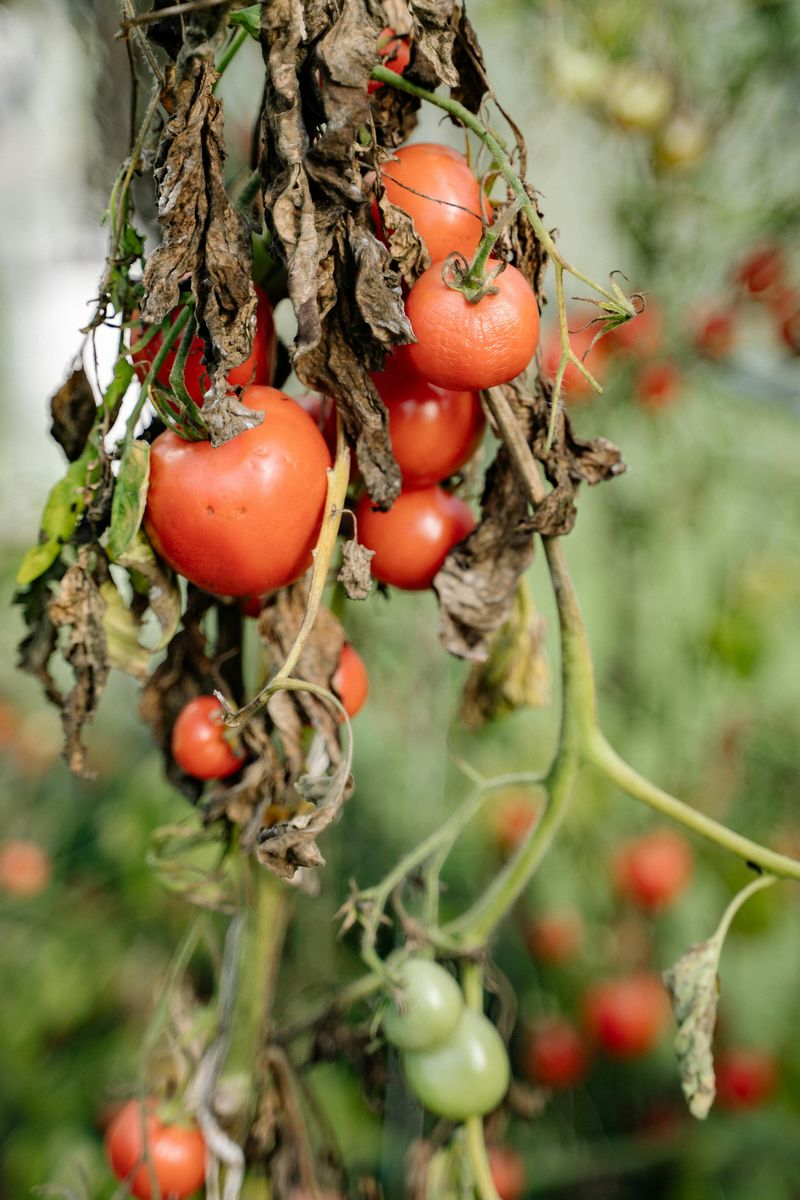
Patience is a virtue, but in the tomato garden, too much patience costs you fruit.
Leaving a tomato on the vine past its peak ripeness makes the skin thinner and far less elastic.
At that point, even a small amount of extra moisture is enough to split it.
A tomato that looks perfect on Monday can be cracked and leaking by Thursday if the weather shifts.
As tomatoes ripen fully, the skin stops growing but the internal cells keep absorbing water and sugars.
The pressure builds slowly from the inside, and all it takes is one good rain or a deep watering to push that pressure past the breaking point.
The split happens fast, often overnight, and by morning you have a fruit that is open to insects and mold.
Most tomatoes can be picked slightly early and ripened on the counter with no loss of flavor.
Once the fruit shows full color and gives slightly under gentle pressure, it is ready to come off the vine.
Waiting for perfection on the plant is one of the most common tomato splitting mistakes gardeners make.
Check your plants every day during peak season, especially after rain or hot stretches.
A daily harvest habit keeps fruit from sitting too long and reduces the chance of finding cracked tomatoes.
Picking a little early feels wrong at first, but the flavor inside a counter-ripened tomato will change your mind quickly.
5. Inconsistent Mulching Creates Bigger Moisture Swings Than Expected
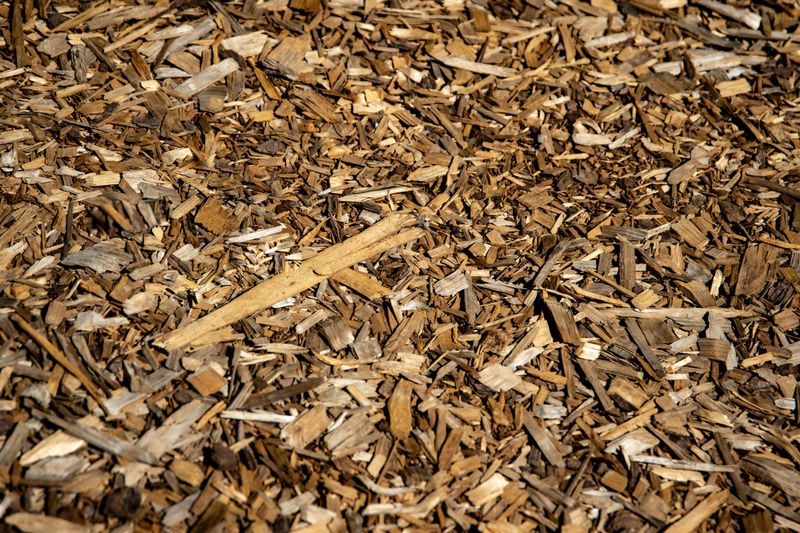
Bare soil around your tomato plants is a silent problem that builds all season long.
Without a good layer of mulch, soil dries out fast on hot days and soaks up water rapidly when it finally rains.
That cycle of extreme dryness followed by sudden wetness is exactly what triggers tomato splitting.
Mulch acts as a buffer between your soil and whatever the weather throws at it.
A two-to-three-inch layer of straw, wood chips, or shredded leaves slows evaporation during dry spells and cushions the soil during heavy rains.
The result is a more stable moisture level in the root zone.
Your tomatoes are far less likely to experience the sudden swells that crack the skin.
Many gardeners apply mulch once at the beginning of the season and forget about it.
But mulch breaks down, gets moved by wind, or gets pushed aside during watering.
Checking the mulch layer every few weeks and topping it off as needed keeps the protection consistent through the whole growing season.
Keep mulch a couple of inches away from the stem itself to avoid rot at the base of the plant.
Spread it wide enough to cover the area where roots are actively feeding, which often extends well beyond the drip line.
A well-mulched bed does more quiet work than almost anything else in your garden.
6. Late-Season Nitrogen Feeding Pushes Growth The Skin Can’t Keep Up With
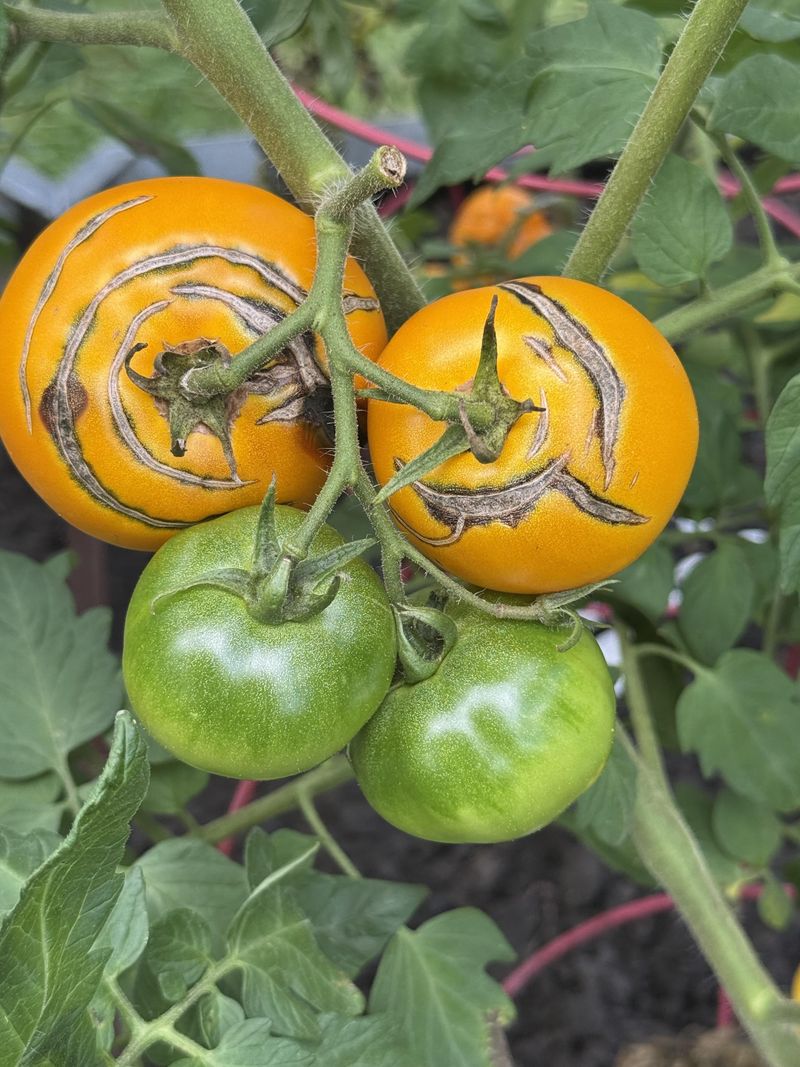
Feeding your tomatoes nitrogen in late summer feels helpful, but it can quietly wreck your harvest.
Nitrogen is the nutrient that drives leafy, fast growth.
When you apply it to plants that are already loaded with nearly ripe fruit, you are telling the plant to grow faster than it is ready to.
The internal flesh of each tomato responds by swelling rapidly, while the outer skin lags behind.
The result looks a lot like what happens during a water imbalance, because the mechanism is basically the same.
The skin cannot stretch fast enough to accommodate the sudden internal growth, and it cracks under the pressure.
Many gardeners switch to a high-nitrogen fertilizer in August and notice more splitting in the weeks that follow.
Most never realize the fertilizer is the reason.
By midsummer, tomatoes need phosphorus and potassium more than nitrogen.
Those nutrients support fruit development, root strength, and disease resistance without pushing aggressive new growth.
Switching to a low-nitrogen or tomato-specific fertilizer after plants have set fruit is one of the smarter mid-season adjustments you can make.
Read your fertilizer labels carefully and look at the three numbers on the package.
The first number represents nitrogen, and anything high in that category should stay off your tomato beds once fruit has formed.
Feeding your plants the right nutrients at the right time is one of the most overlooked fixes for tomato splitting.
7. Minnesota Nights Are Colder Than Your Tomatoes Can Handle
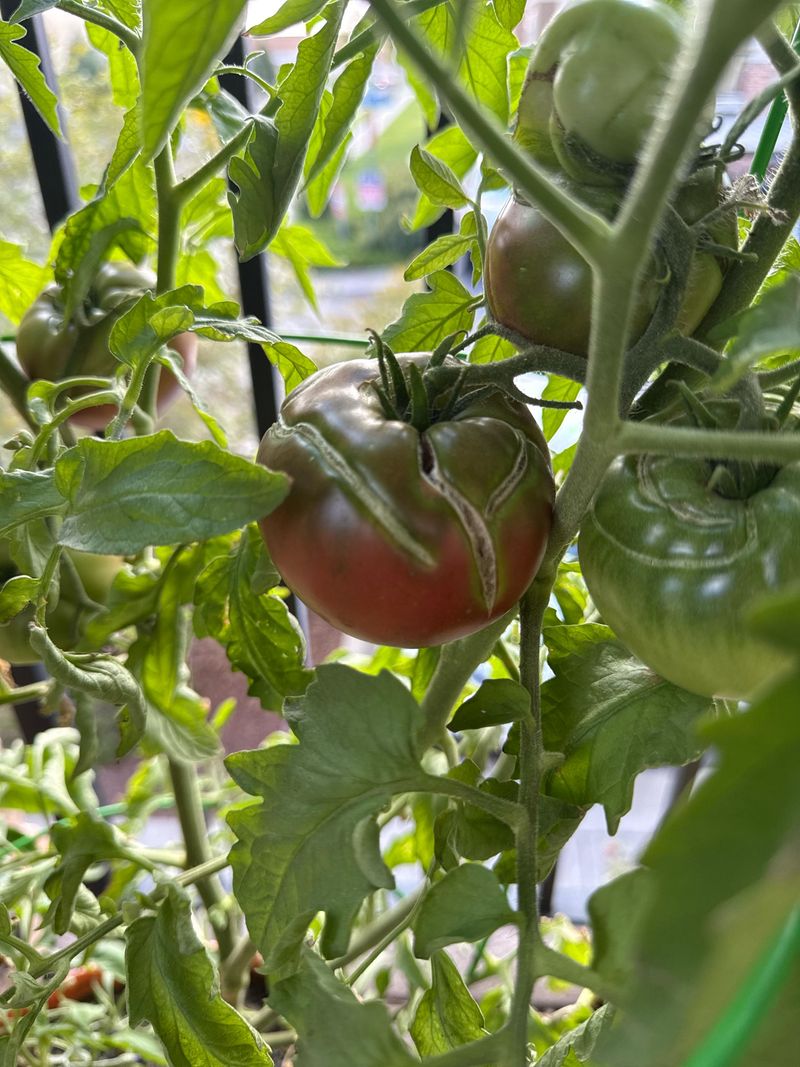
Summer nights in Minnesota can drop twenty degrees or more below the afternoon high, and your tomatoes feel every degree of that shift.
Cool nights slow the movement of water and nutrients through the plant, but the roots keep absorbing moisture from the soil.
By morning, there is more fluid inside the fruit than the plant processed overnight, and the pressure builds silently.
When the sun rises and temperatures climb quickly, that built-up pressure meets a skin that has been stiffened by the cold.
A cold skin has less give than a warm one, and the combination of internal pressure and reduced flexibility is a classic recipe for tomato splitting.
This pattern is especially common in August and early September when day-night temperature swings are at their most dramatic.
When a significant overnight drop is in the forecast, a simple row cover can keep fruit skins warm enough to stay flexible.
Even a few degrees of warmth overnight can make a meaningful difference in how the skin responds to morning moisture pressure.
This is a low-cost fix that many local gardeners overlook until they have already lost a significant portion of their crop.
Tomato splitting from temperature stress is one of the most Minnesota-specific challenges on this list.
Paying attention to the overnight forecast and covering plants when a big drop is expected gives your fruit a real fighting chance.
A little preparation the evening before can save a lot of heartbreak the morning after.
8. Your Tomatoes Need More Space Than You Think
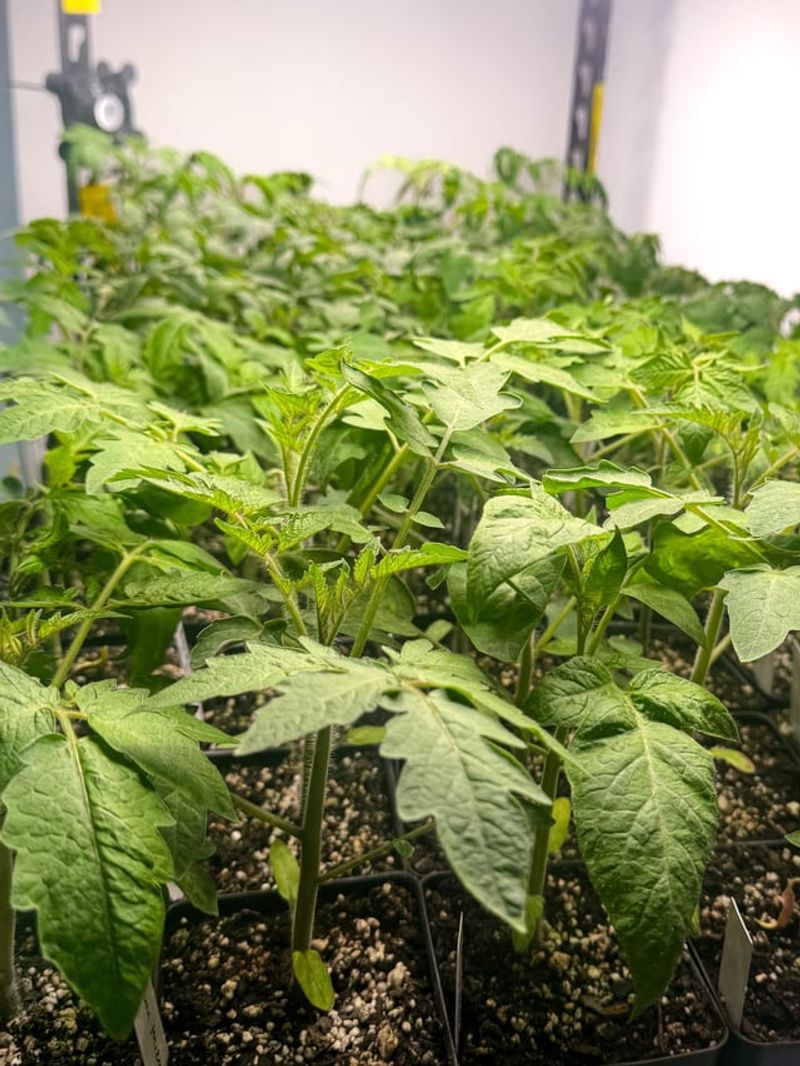
Most gardeners plant their tomatoes with the best intentions and then squeeze in just one more because the bed looks half empty in May.
By July, that decision is hard to undo.
When tomato plants grow too close together, their root systems compete aggressively for the same water and nutrients in the soil.
One plant may absorb a disproportionate share after a heavy rain while the one next to it goes without.
That uneven distribution creates exactly the cycle of dry and wet inside the fruit that leads to splitting.
Poor air circulation makes the problem worse.
When plants are crowded, air cannot move freely between them, and the space between stems stays humid and warm all day.
That trapped moisture affects how evenly the fruit develops and makes the skin far more sensitive to any sudden change in water intake.
Determinate varieties need at least twenty-four inches between plants.
Indeterminate varieties need even more, and a crowded bed makes staking and pruning nearly impossible.
If your garden space is limited, raised beds and large containers give you more control over spacing without sacrificing your whole crop.
Resist the urge to fit in one more plant.
That extra room pays off every single time.