Why Oregon Gardeners Should Stop Rototilling Their Garden Right Now
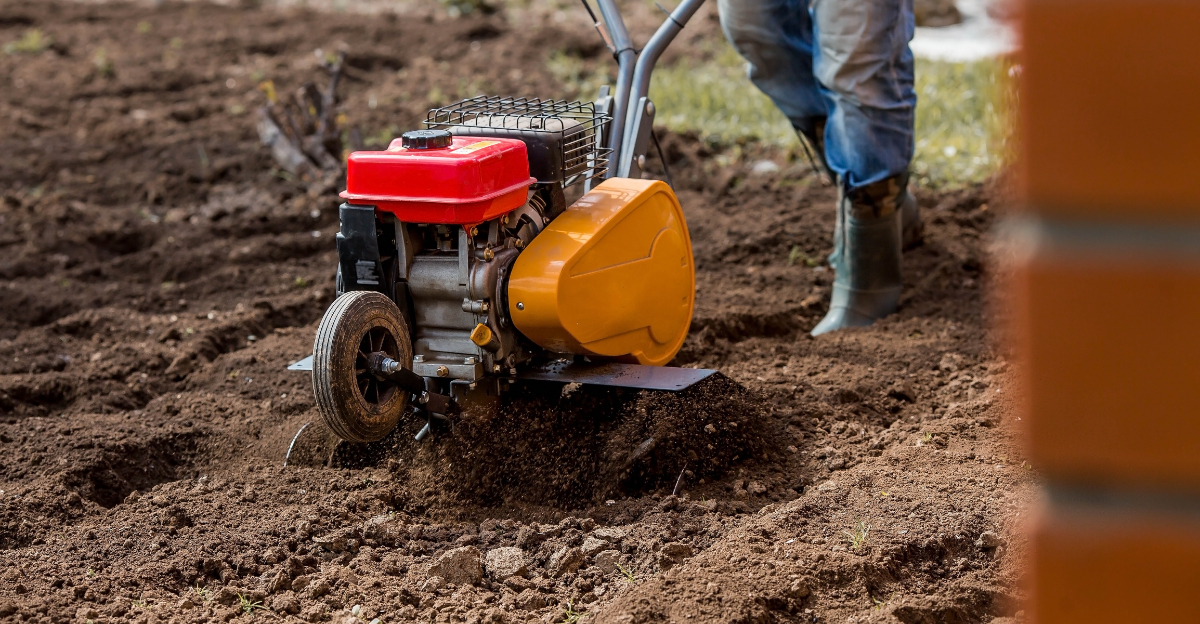
Rototilling can feel like the official start of garden season, especially when the soil looks packed after a wet Oregon spring. The machine roars, the dirt flips, and it seems like progress is happening fast.
But that clean, fluffy bed can come with hidden problems. Tilling can break apart healthy soil structure, bring buried weed seeds closer to the surface, and disturb the tiny life that helps plants grow.
Oregon gardeners also deal with heavy winter moisture, which can make soil easier to damage when worked too soon. Once the ground gets compacted again, roots may have a harder time spreading.
The garden can end up needing more help than before, which is a sneaky little twist. Many gardeners are now using gentler ways to loosen soil and add compost.
Your garden does not always need a big machine to wake up. Sometimes it needs less noise and more patience.
1. Wet Soil Compacts Fast
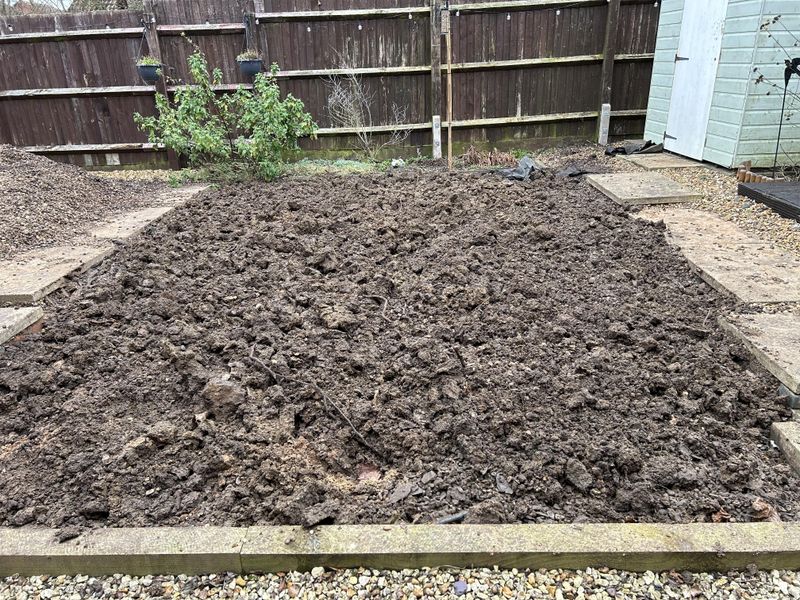
Rain is a constant companion in our state, and that means garden soil spends a lot of time soaking wet. When you run a tiller through wet ground, you are not loosening it.
You are actually squishing the soil particles together and removing the tiny air pockets that plant roots need to breathe.
Wet soil is fragile. The structure it has built up over months or years can be destroyed in a single tilling session.
Once those air pockets collapse, water has nowhere to drain, and roots have a much harder time pushing through.
A simple squeeze test tells you a lot. Grab a handful of soil and squeeze it into a ball.
If it stays packed together when you open your hand, the ground is too wet to work. Tilling at that point will compact it further, not loosen it.
Many gardeners in our state make the mistake of tilling in early spring when they are eager to get started. But spring here often means saturated ground.
Waiting until the soil crumbles apart easily in your hand is always worth the extra patience.
Compacted soil also drains poorly, which leads to standing water around plant roots. That creates conditions where root rot and fungal problems thrive.
Skipping the tiller and letting the soil dry naturally protects the structure that keeps your plants healthy and your garden productive all season long.
2. Tilling Breaks Soil Structure
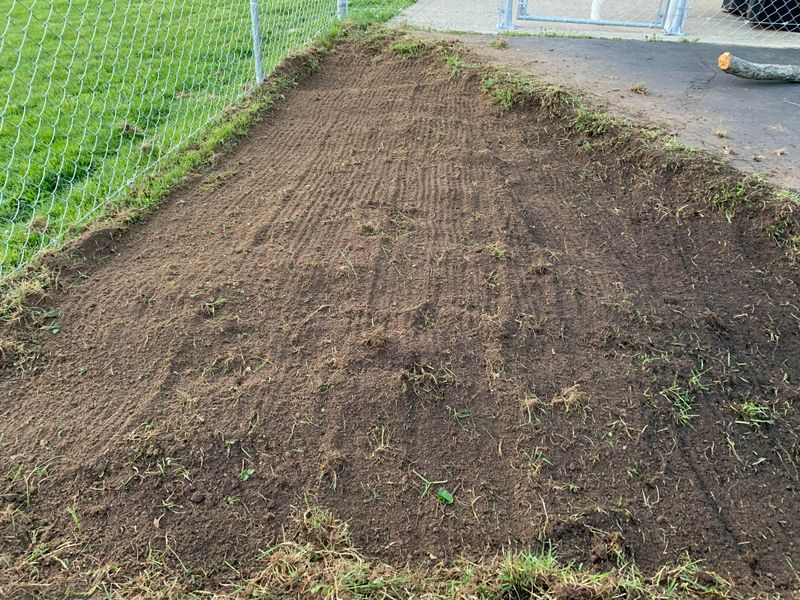
Healthy garden soil is not just dirt. It is a carefully layered system with different zones that each do a specific job.
The top layer holds organic matter. Below that, fungal threads called mycorrhizae spread out like a web.
Deeper still, earthworms and bacteria break down nutrients. Tilling scrambles all of that.
When a tiller spins through the ground, it mixes everything up. The organic layer gets buried too deep to be useful.
The fungal networks get shredded. Earthworms get cut apart or pushed to areas where they cannot survive.
What was once a working system becomes a jumbled mess.
Soil structure also includes something called aggregates. These are tiny clumps of particles held together by organic glue produced by bacteria and fungi.
Your Oregon Garden Changes Every Week. Your Plan Should Too.
Gardening in Oregon changes quickly throughout the season. Every Friday you’ll receive a simple weekly plan showing exactly what to plant, prune, fertilize, harvest, and protect so you never miss the right timing.
They create channels for water and air to move through. One pass of a tiller can destroy aggregates that took a full growing season to form.
Without good structure, soil behaves more like sand or clay depending on your yard. Water either runs off too fast or pools in low spots.
Neither condition is good for vegetables, flowers, or shrubs.
Rebuilding soil structure after repeated tilling takes time and effort. Adding compost to the surface each year and letting worms pull it down naturally is a slower process, but it builds lasting structure.
Skipping the tiller is honestly the fastest way to let your soil recover and stay healthy long-term.
3. Weed Seeds Come Back Up
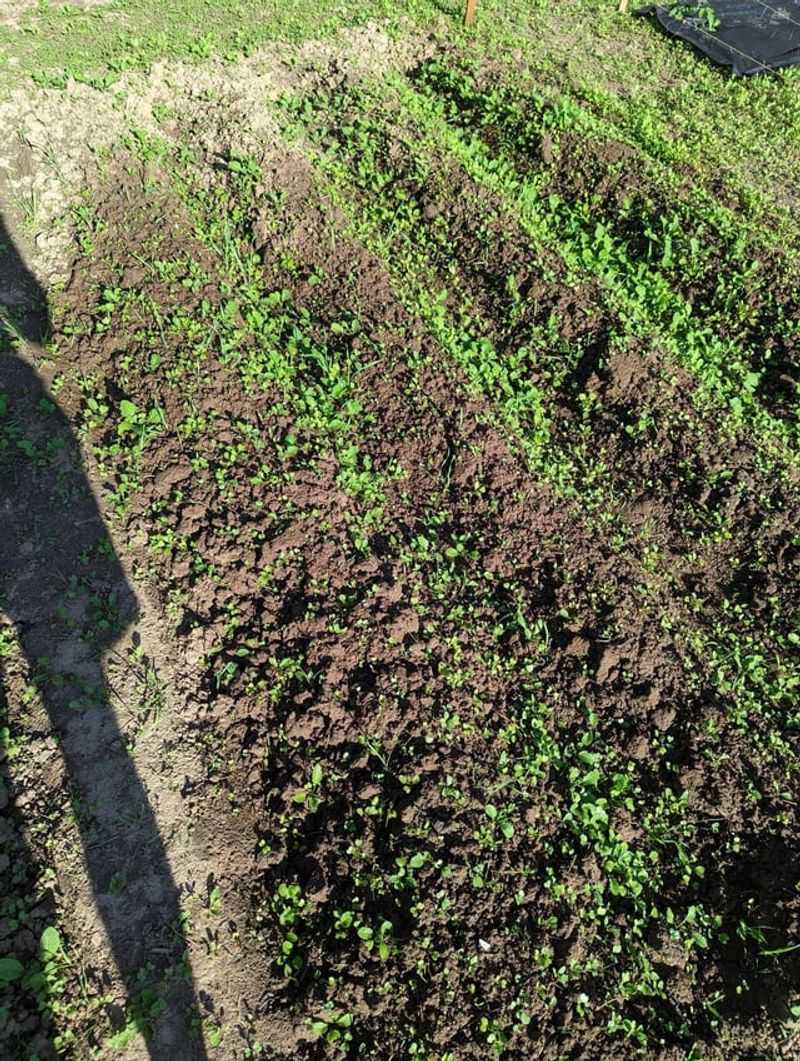
Every garden has a hidden weed seed bank buried in the soil. Some of those seeds have been sitting underground for years, waiting for the right conditions to sprout.
Tilling is basically an invitation for them to wake up.
When you till the ground, you flip buried weed seeds up to the surface where they get the light and warmth they need to germinate.
Studies have shown that a single tilling session can bring thousands of weed seeds to the top layer of soil. That means more weeding for you all season long.
Our state has no shortage of aggressive weeds. Bindweed, creeping buttercup, hairy bittercress, and chickweed are all common here and all take advantage of freshly tilled ground.
Once they sprout, they grow fast and compete directly with your vegetables and flowers for water and nutrients.
No-till gardening keeps those dormant seeds buried and in the dark. Without tilling, far fewer weeds germinate each season.
That saves you hours of weeding time and reduces the need for mulch to smother new growth.
Some gardeners worry that not tilling means the soil will get too hard for planting. But with regular compost top-dressing and good mulch cover, the top few inches stay loose enough for transplants and direct seeding.
You get the benefit of weed suppression without sacrificing planting ease. It is a trade-off that clearly favors leaving the soil alone.
4. Soil Life Gets Disturbed
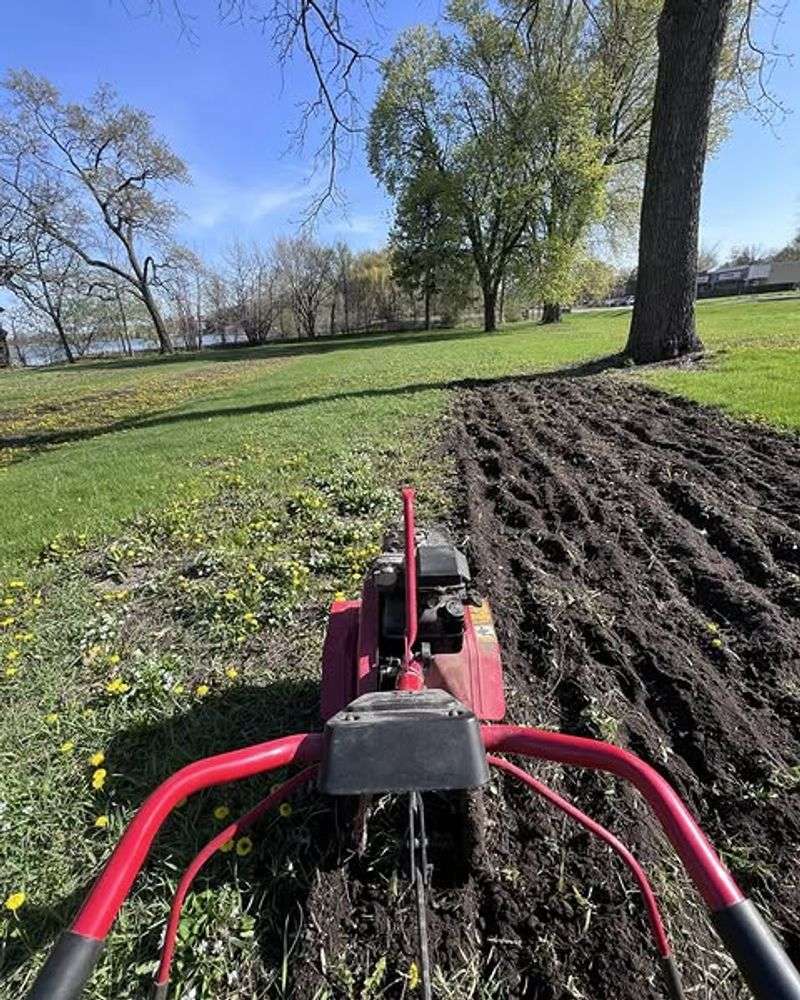
Your garden soil is alive in ways most people never think about. A single teaspoon of healthy soil can hold billions of bacteria, thousands of fungi, and dozens of tiny insects and worms.
All of these creatures work together to feed your plants, fight off disease, and keep the soil loose and aerated.
Tilling tears through that community like a storm. Earthworms get sliced or brought to the surface where birds eat them or the sun dries them out.
Fungal threads that took months to grow get shredded in seconds. Beneficial nematodes and soil insects get displaced or crushed.
One of the most important relationships in the soil is between plant roots and mycorrhizal fungi. These fungi wrap around roots and extend their reach far beyond what roots can do alone.
They help plants pull in water and phosphorus. Tilling breaks these connections every single time.
After tilling, the soil life has to start rebuilding from scratch. That process takes weeks or months.
During that rebuilding period, your plants are missing out on the full support system that healthy soil provides. They may look fine on the surface, but they are working harder than they need to.
Leaving the soil undisturbed lets the underground community thrive year after year. Over time, no-till gardens develop richer, more active soil life than tilled gardens.
That translates directly into stronger plants, better harvests, and fewer problems with pests and disease throughout the growing season.
5. Hardpan Can Form Below
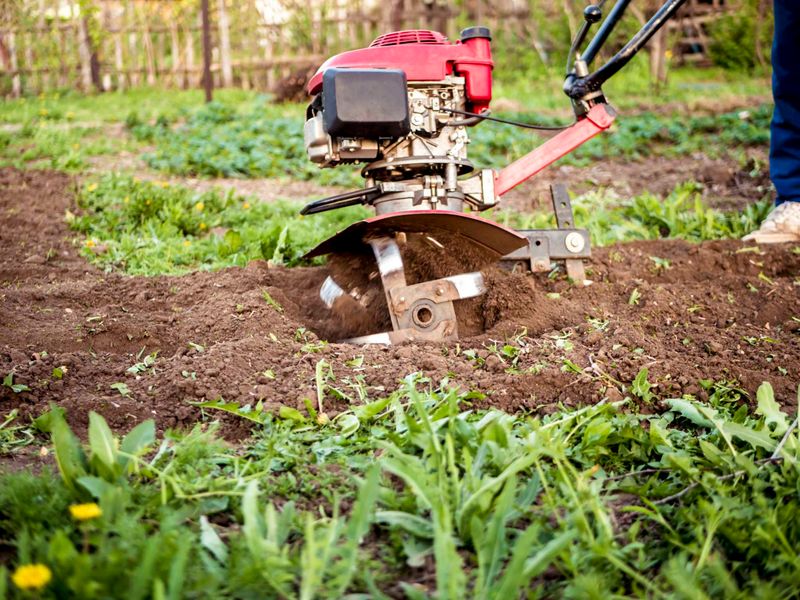
One of the sneakiest problems caused by repeated tilling is something called hardpan. It forms just below the depth your tiller reaches, and most gardeners never even know it is there until their plants start struggling.
Every time you till, the tiller blades churn at roughly the same depth. The soil just below that line gets compressed over and over by the weight of the machine.
Eventually, it packs into a dense, nearly impenetrable layer. Water cannot drain through it easily, and roots cannot push past it.
In our state, where rainfall is heavy for much of the year, a hardpan layer is especially problematic. Water hits that layer and backs up, turning your garden bed into a soggy mess even after the rain stops.
Plant roots sit in standing water and struggle to get the oxygen they need.
Vegetable crops like carrots, parsnips, and potatoes need deep, loose soil to develop properly.
A hardpan layer forces roots to spread sideways instead of down, which limits how much water and nutrients the plant can access.
You end up with smaller yields and weaker plants even when you fertilize regularly.
Breaking up an existing hardpan requires a broadfork or a deep aerating tool, and it takes real effort. Preventing it from forming in the first place is much easier.
Switching to a no-till approach stops the cycle of compression before that stubborn layer ever gets a chance to develop.
6. Loose Soil Dries Out Faster
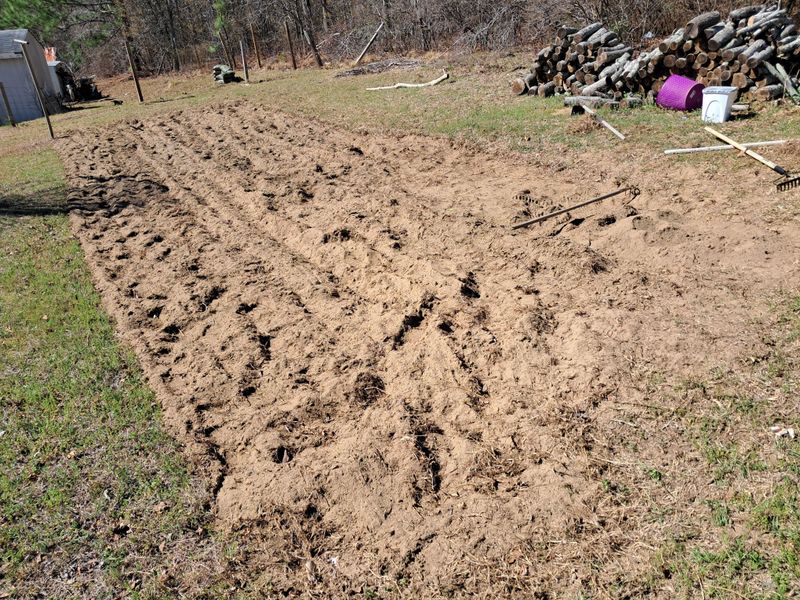
Fresh-tilled soil might look fluffy and perfect right after you run the machine through it. But that fluffy texture comes with a hidden downside.
Loose, airy soil dries out much faster than soil that has natural structure and organic matter holding moisture in place.
Our state gets very dry summers, especially from July through September. Water conservation in the garden becomes a real priority during those months.
When you till and then plant, you are starting the season with soil that loses moisture quickly. That means more frequent watering and higher water bills.
Untilled soil with a good layer of compost and mulch on top behaves very differently. The organic matter acts like a sponge, soaking up water and releasing it slowly to plant roots over time.
The soil structure underneath keeps moisture from evaporating too quickly from the surface.
Gardeners who switch to no-till methods often report watering their beds less frequently, even during dry stretches.
The combination of intact soil structure and surface mulch creates a much more water-efficient system than any tilled bed can offer.
Water use matters a lot in our state, especially in areas with water restrictions during summer. Keeping your soil undisturbed and covered is one of the simplest ways to stretch every gallon you put on your garden.
Your plants stay consistently hydrated, and you spend less time dragging hoses around on hot afternoons. That is a win worth considering before you fire up the tiller again.
7. Compost Works Better On Top
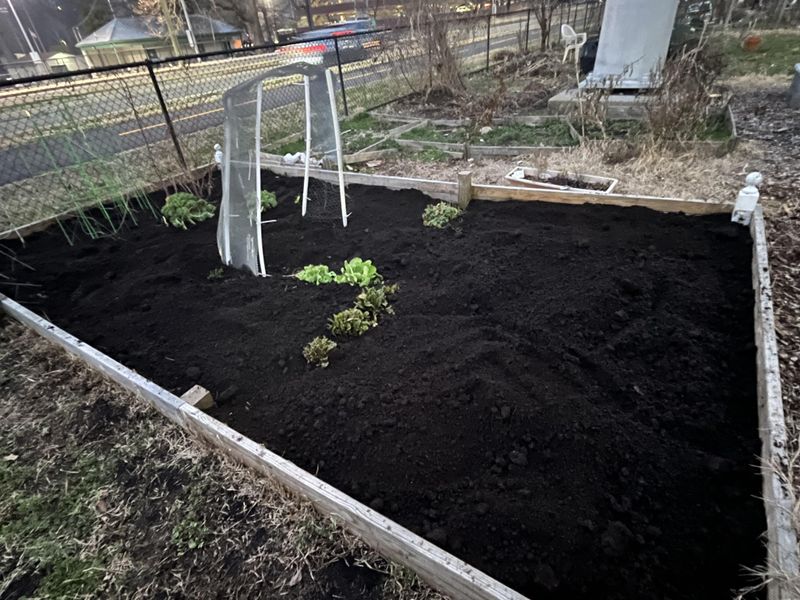
A lot of gardeners till compost into the soil thinking it will work faster. The idea makes sense on the surface.
Mix the good stuff in and the plants get it right away. But research into soil biology tells a different story, and it is worth paying attention to.
Compost applied to the top of the soil feeds the entire system from the surface down. Earthworms and other soil creatures pull it down naturally at the pace the soil needs.
Bacteria and fungi break it down gradually, releasing nutrients slowly and steadily right where plant roots are actively growing.
When you till compost in, you bury it too deep for many of those surface-dwelling organisms to reach. You also speed up decomposition in a way that releases nutrients too quickly.
Plants cannot absorb nutrients that fast, and the excess can wash away with rain, ending up in waterways instead of your garden.
Surface compost also acts as a physical barrier that protects soil from heavy rain. Our state gets downpours that can strip bare soil and cause erosion.
A two-inch layer of compost on top softens that impact and keeps the soil surface intact.
Applying compost on top is also just easier. No machine needed, no special timing, and no risk of compacting wet soil.
Spread it in fall or early spring, let the soil life do the rest, and your garden beds improve steadily every single year without any extra digging or tilling required.
8. Mulch Beats Another Tiller Pass
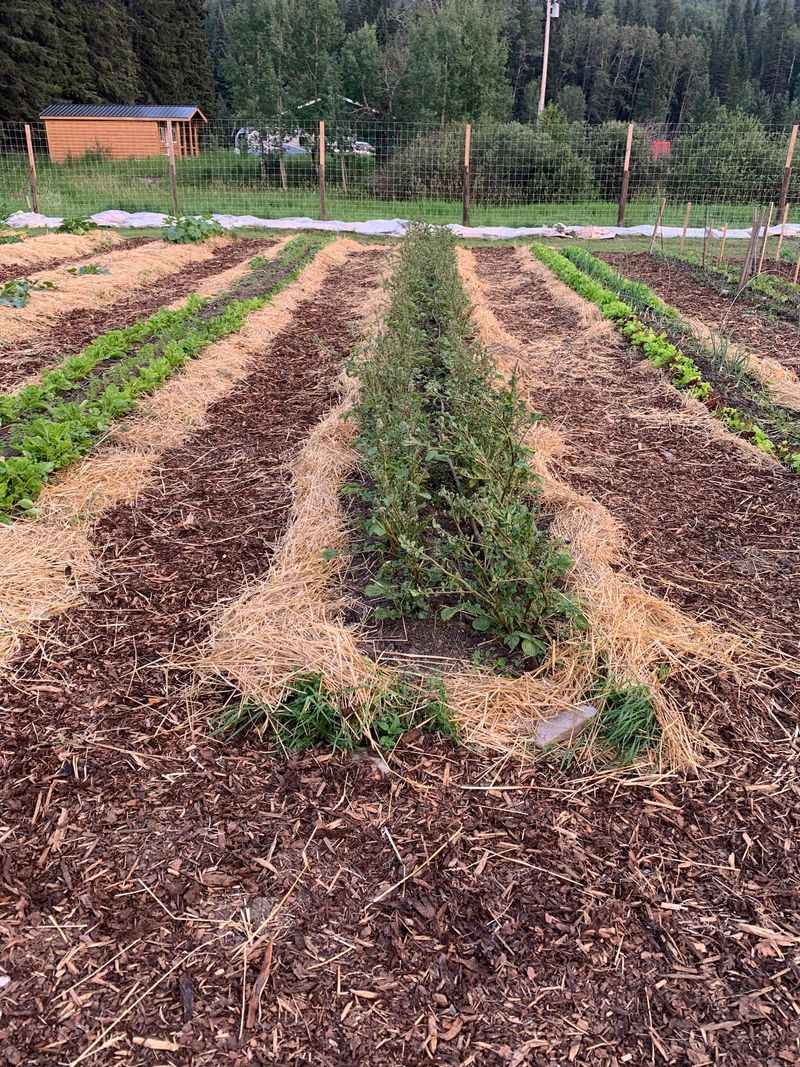
Wood chips, straw, shredded leaves, or even cardboard laid on top of a garden bed can do more for your soil than a tiller ever could.
Mulch is one of the most underrated tools in a gardener’s shed, and it works around the clock without any fuel or effort from you.
A thick layer of mulch keeps soil temperature stable, which is a big deal in our state where spring temperatures swing wildly from week to week.
Consistent soil temperature helps seeds germinate more evenly and gives transplants a less stressful start.
Mulch also blocks light from reaching the soil surface, which stops most weed seeds from sprouting. Combined with the fact that no-till gardening keeps buried seeds from coming up, mulch creates a powerful double layer of weed defense.
Less weeding means more time enjoying your garden instead of fighting it.
As mulch breaks down over time, it adds organic matter directly to the top layer of soil. That feeds soil life, improves drainage, and increases the soil’s ability to hold moisture.
Each season, the layer beneath gets richer and more productive without any extra work on your part.
Many no-till gardeners in our state use the Back to Eden method, which involves a deep layer of wood chips sourced from local tree trimmers.
It costs little to nothing, requires no machinery, and produces garden beds that are noticeably more productive after just one or two seasons. Try it once and the tiller might stay parked for good.