Ohio Gardeners, These Are The 7 Zinnias Worth Growing This Year
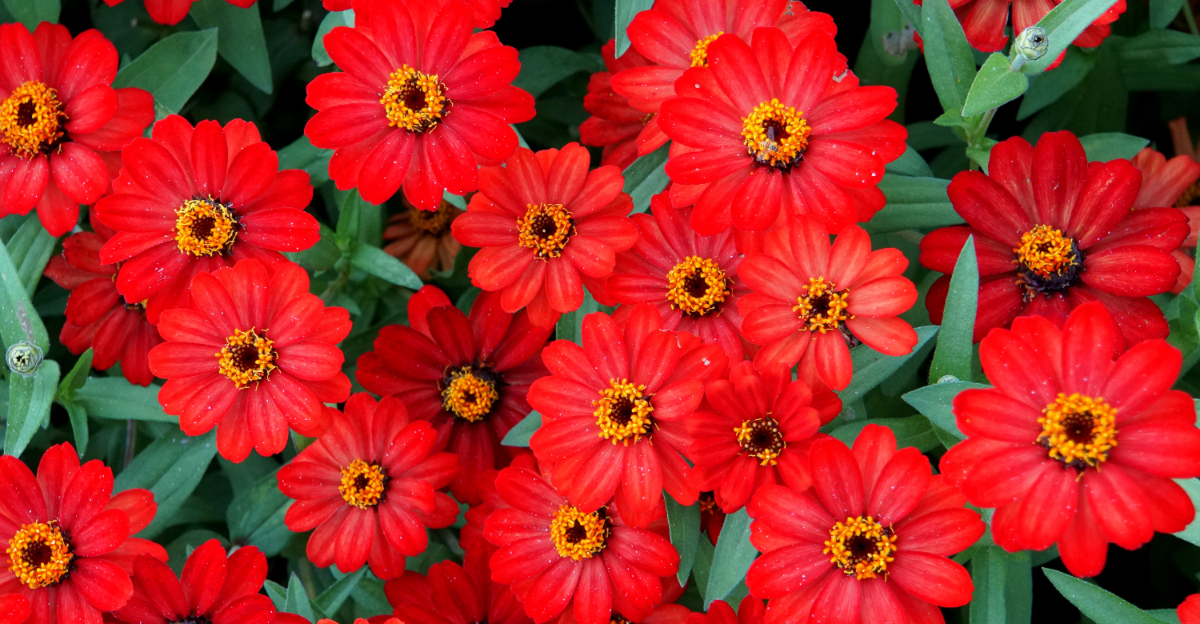
Zinnias are having a moment in Ohio gardens and it is completely deserved. Few annuals bring as much color, for as long, with as little drama through a Midwestern summer.
The problem is that not all zinnias are created equal. The variety chosen matters more than most gardeners realize going in.
Ohio’s humidity is the filter that separates the performers from the disappointments. Some zinnias power through it without skipping a beat.
Others succumb to powdery mildew before August arrives and spend the rest of the season looking ragged. Choosing the right variety before anything goes in the ground saves a season of frustration.
A handful of zinnias stand out as particularly well suited to what Ohio summers actually deliver, and they happen to be some of the most beautiful the genus has to offer.
1. Benary’s Giant Zinnias Bring Big Cutting-Garden Blooms
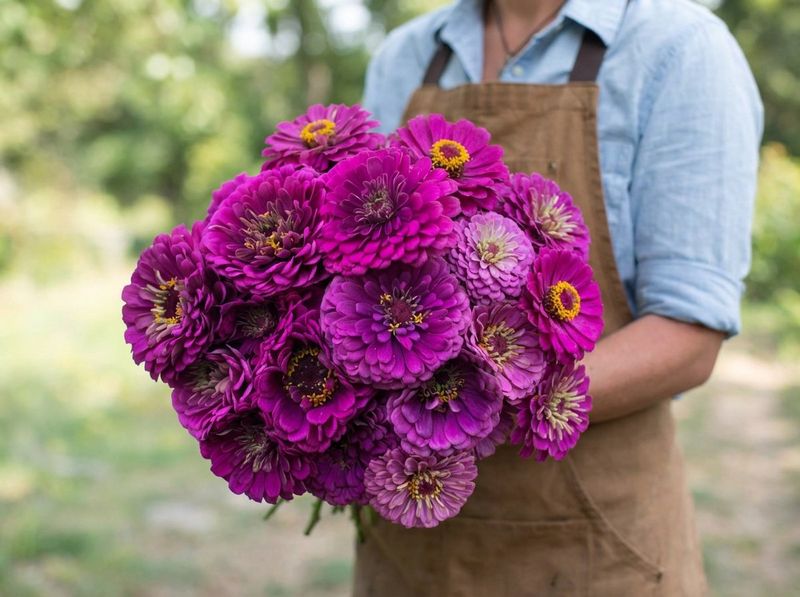
Few cutting-garden flowers can match the sheer presence of Benary’s Giant zinnias. These tall, sturdy plants produce blooms that can reach four inches or more across, sitting on strong stems that hold up well in a vase.
Florists and home gardeners alike have relied on this series for decades because the stem quality is genuinely good for cutting.
Benary’s Giant plants typically grow between 36 and 48 inches tall, so they need space to stretch. In our growing season, that means planting after the last frost date has passed and the soil has warmed.
Most of the state sees that planting window open in mid to late May.
Northern regions near Lake Erie should wait until conditions are consistently warm before direct sowing or transplanting.
Full sun is non-negotiable for this series. These plants want at least six to eight hours of direct light each day.
Rich, well-drained soil gives them the best start. Spacing matters a great deal with tall zinnias.
Crowded plants trap humidity around the foliage, which increases the risk of powdery mildew during our humid summer months. Aim for at least 12 inches between plants, and 18 inches is even better if you have the room.
Avoid overhead watering when possible. Watering at the base of the plant keeps the foliage drier and helps reduce disease pressure.
Trimming spent blooms encourages more flowers through the season. Benary’s Giant is available in single colors and mixed packs, so gardeners can plan specific color themes or go bold with a full rainbow of summer shades.
2. Profusion Zinnias Stay Compact And Bloom Like Crazy
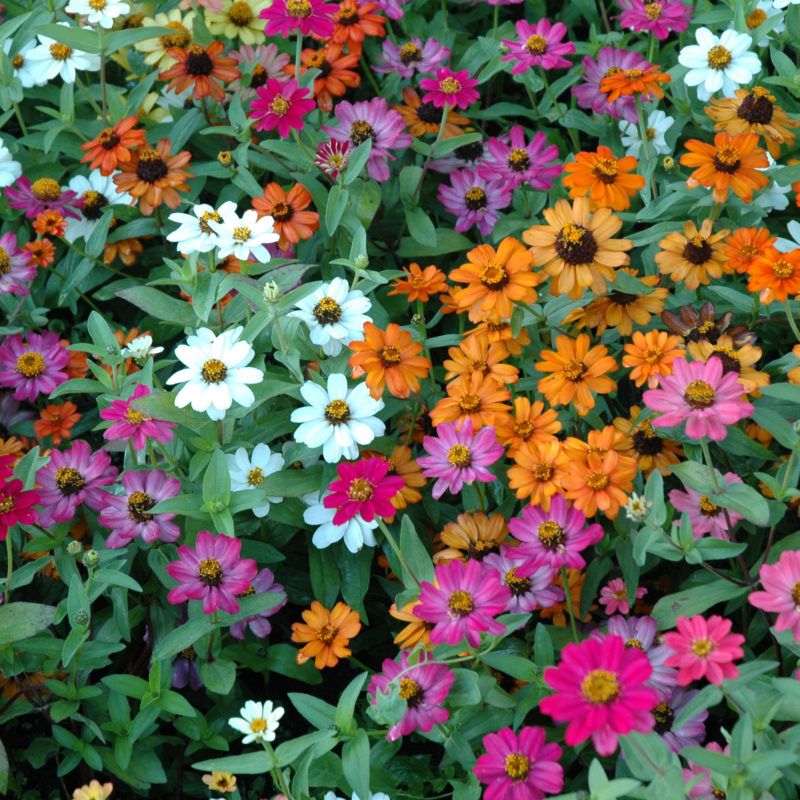
Compact, tidy, and loaded with color from early summer through fall, Profusion zinnias have earned a loyal following. They are popular with Ohio gardeners who want reliable performance in tighter spaces.
These plants typically stay between 12 and 18 inches tall. That makes them a natural fit for edging sunny borders, filling window boxes, or anchoring mixed container plantings on a porch or patio.
The Profusion series was developed with disease resistance in mind, and it shows. Compared to older, taller types, Profusion plants tend to hold up better in humid weather.
Your Ohio Garden Changes Every Week. Your Plan Should Too.
Gardening in Ohio changes quickly throughout the season. Every Friday you’ll receive a simple weekly plan showing exactly what to plant, prune, fertilize, harvest, and protect so you never miss the right timing.
That said, no zinnia is completely free of disease concerns. Powdery mildew and other fungal issues can still appear when air circulation is poor or plants are watered from above.
Good spacing and bottom watering still apply here.
Plant Profusion zinnias after frost danger has fully passed and the soil feels warm to the touch. These plants do not like cold soil.
Starting seeds indoors a few weeks before your expected planting date can give you a head start, but avoid transplanting too early. They want full sun and well-drained soil, just like any other zinnia in the garden.
One of the most practical things about Profusion zinnias is that they are largely self-cleaning, meaning spent blooms drop away without constant trimming. That does not mean zero maintenance, but it does reduce the workload compared to larger-flowered types.
Colors range from classic orange and white to cherry, yellow, and salmon. The Fire and Ice mix, with its warm and cool tones together, is especially eye-catching along a front walkway or driveway border.
3. Zahara Zinnias Handle Heat With Less Fuss
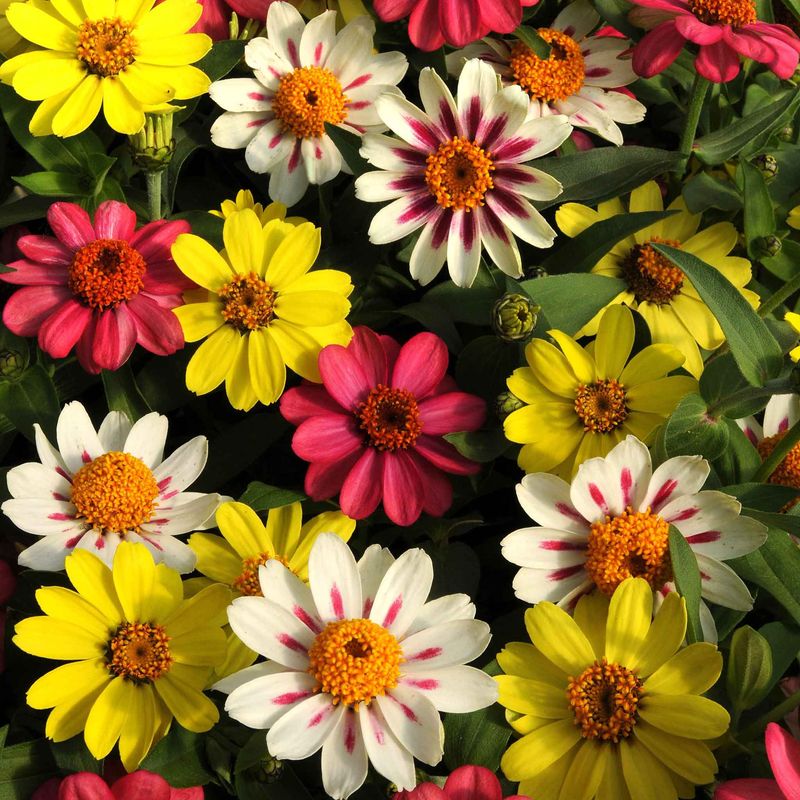
Some summers in this state feel relentless, with weeks of heat, humidity, and sporadic rain that push plants to their limits. Zahara zinnias were bred with exactly those conditions in mind.
The Zahara series was developed with improved tolerance for heat and better disease resistance than older varieties.
It has become a go-to recommendation from many university extension programs for gardeners dealing with tough summer conditions.
Zahara plants stay relatively compact, usually reaching 12 to 18 inches tall and wide. That size makes them versatile.
They work in ground-level beds, raised beds, and large containers with equal ease. Like all zinnias, they need full sun to perform well.
A spot that gets six or more hours of direct sunlight each day is the minimum, and eight hours is better.
Good drainage is critical. Zahara zinnias sitting in soggy soil will struggle, no matter how heat-tolerant the variety is.
Raised beds with amended soil, or containers with drainage holes, give these plants the best environment to thrive. During dry spells, consistent watering at the base of the plant keeps stress low without wetting the foliage unnecessarily.
Zahara does show better resistance to powdery mildew compared to many older zinnia types, which is a real advantage in humid growing seasons. But resistance is not the same as immunity.
Planting with proper spacing, usually at least 12 inches apart, allows air to move between plants and helps keep foliage healthier through the season.
Available colors include red, yellow, coral, white, and several bicolor options that look sharp in mixed summer plantings.
4. State Fair Zinnias Add Classic Tall Garden Color
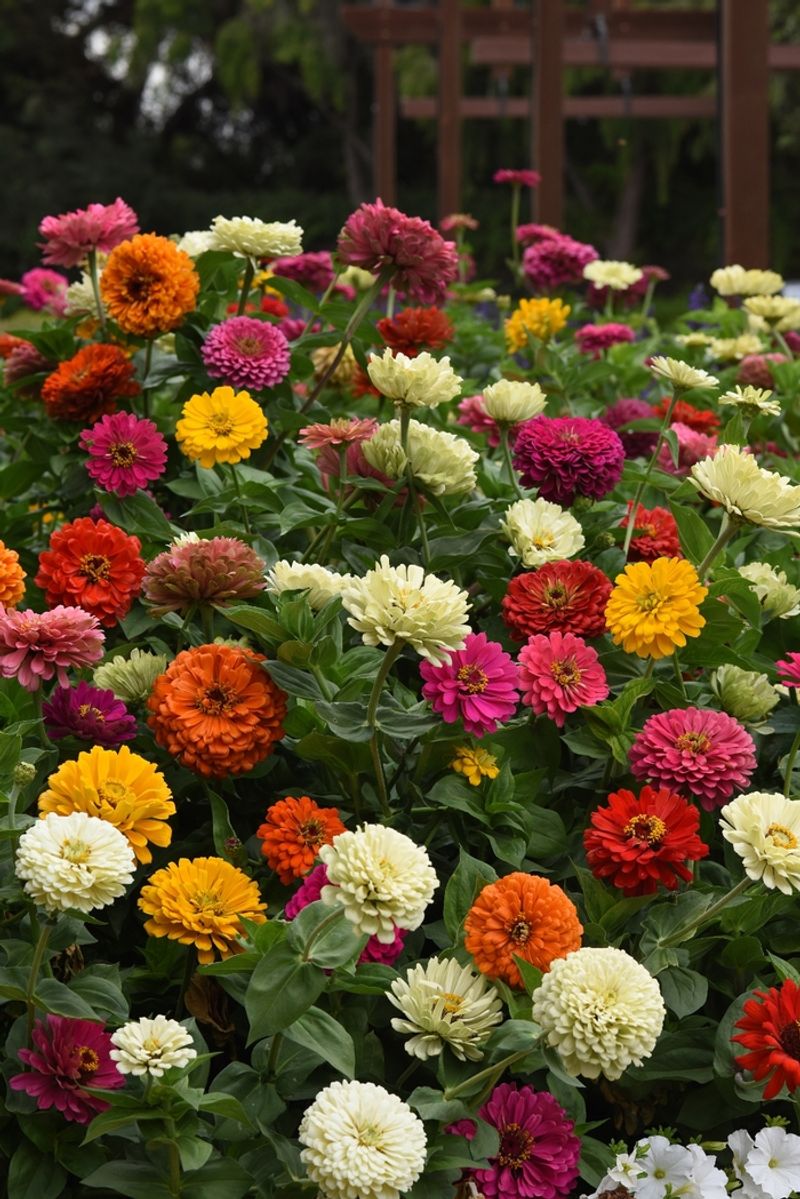
Bold, bright, and unapologetically old-fashioned, State Fair zinnias have been a staple in American cutting gardens for generations.
These plants grow tall, often reaching 24 to 36 inches or more, and they produce large, dahlia-like blooms in a wide range of vivid colors.
If you want the kind of flower bed that stops people on the sidewalk, this is a strong candidate.
State Fair zinnias work best at the back of a mixed border or in a dedicated cutting patch where their height becomes an asset rather than a problem.
Planting them in front of shorter flowers or along a fence line gives the tall stems something to lean against if summer storms roll through.
Staking is rarely needed, but it is worth considering in very exposed spots.
Timing and spacing are both important here. Wait until after the last frost and until the soil has warmed before sowing seeds directly in the garden.
State Fair zinnias grow quickly from seed, so direct sowing in a prepared, sunny bed is often the simplest approach. If you start them indoors, transplant carefully to avoid disturbing the roots.
Space plants at least 12 to 18 inches apart. Tall zinnias grown too close together create a dense canopy that traps moisture and restricts airflow, both of which invite fungal disease in our humid summers.
Avoid overhead irrigation whenever possible. A soaker hose or drip line keeps water off the leaves and reduces mildew risk considerably.
Trim regularly to keep the blooms coming strong from midsummer into early fall.
5. Queen Series Zinnias Bring Trendy Antique Shades
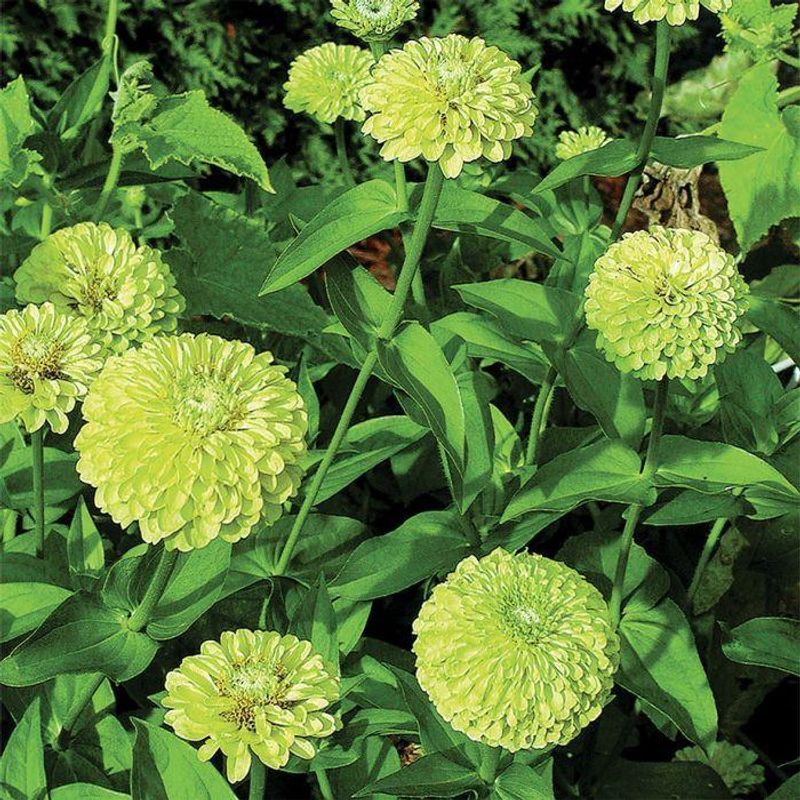
Not every gardener wants a riot of neon color. Some prefer something a little more refined, the kind of palette that looks equally at home in a mason jar on a kitchen table or a tall vase in a dining room.
That is exactly where the Queen Series zinnias shine. Varieties like Queen Lime, Queen Lime with Blush, and Queen Red Lime offer soft, layered tones that feel genuinely different from the typical zinnia color range.
These antique-toned zinnias have become popular in the cut-flower world, and it is easy to see why.
The color combinations, often mixing lime green with coral, blush, or burgundy, photograph beautifully and pair well with other summer flowers in mixed bouquets.
Florists and cottage gardeners have both embraced this series in recent years.
From a growing standpoint, Queen Series zinnias need the same basics as any other zinnia. Full sun is essential.
Warm soil at planting time matters. Well-drained ground or containers with good drainage holes are a must.
Wait until frost risk is behind you before putting transplants in the ground or sowing seeds outdoors.
Spacing is just as important here as with bolder varieties. These plants can reach 24 to 36 inches tall, so give them room to breathe.
At least 12 inches between plants is a solid baseline, and more space means better airflow in humid stretches. Start seeds indoors four to six weeks before your expected outdoor planting date for earlier blooms.
Queen Series zinnias reward a little extra planning with a long, colorful cutting season that runs deep into summer.
6. Thumbelina Zinnias Fit Small Pots And Front Borders
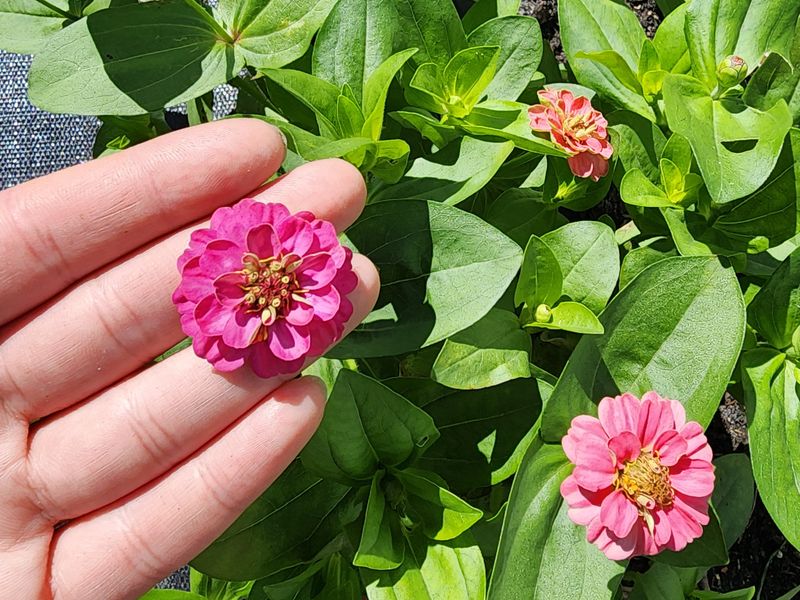
Space is not always unlimited, and not every gardener has a sprawling backyard to fill with tall flower rows. Thumbelina zinnias were made for exactly that situation.
These dwarf zinnias typically grow only six to eight inches tall, which makes them one of the most compact options in the entire zinnia family. They fit comfortably in small pots, window boxes, porch containers, and tight front-border edging strips.
Despite their small size, Thumbelina zinnias produce cheerful, fully double blooms in a wide mix of colors including red, orange, yellow, pink, and white.
The flowers are smaller than what you would find on a Benary’s Giant or State Fair plant, but they are charming and plentiful.
For patio gardeners or anyone working with limited square footage, that compact habit is a genuine advantage.
Container growing comes with one important responsibility: consistent watering. Pots and planters dry out much faster than in-ground beds, especially during hot summer stretches.
Check the soil moisture in containers daily during heat waves. Water when the top inch of soil feels dry, and make sure every container has drainage holes so roots are never sitting in standing water.
Sun requirements remain the same regardless of pot size. Thumbelina zinnias need full sun to bloom well.
A shady porch spot will produce weak, stretched plants with fewer flowers. Pick a location that gets at least six solid hours of direct sunlight each day.
Use a quality potting mix with good drainage rather than heavy garden soil, which can compact in containers and restrict root growth through the season.
7. Cactus Zinnias Add Spiky Texture To Summer Beds
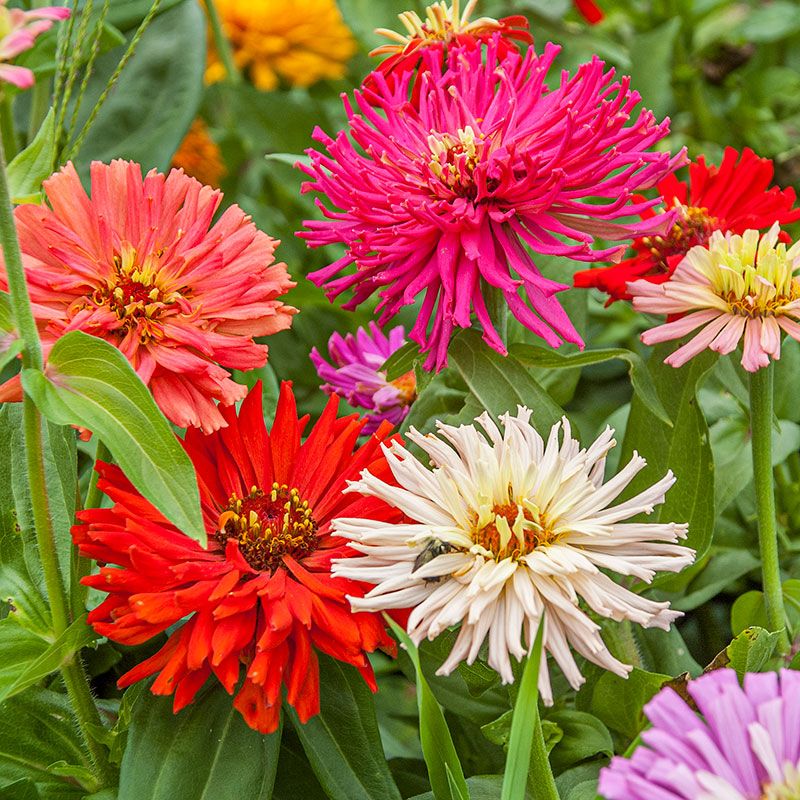
Round, flat blooms are beautiful, but sometimes a garden needs something with a little more visual edge. Cactus zinnias deliver exactly that.
Their petals are rolled, quilled, or twisted into narrow tubes that give each flower a spiky, almost dahlia-like texture.
That unique look adds movement and dimension to summer beds and makes them stand out in mixed arrangements where classic round blooms might blend together.
Cactus zinnias are not a single named series but rather a flower form found across several seed lines. You will often see them sold as Cactus Mix or Cactus Flowered zinnias.
They typically grow between 24 and 36 inches tall and produce blooms in a wide range of colors including orange, red, yellow, pink, and bicolor combinations. The quilled petals hold their shape well both on the plant and in a vase.
Growing cactus zinnias follows the same playbook as any other tall zinnia type. Plant after frost danger has fully passed and the soil has warmed.
Direct sow in a prepared, sunny bed or start seeds indoors a few weeks early for a longer bloom window. Full sun is required.
Partial shade leads to stretched, weak plants that bloom poorly.
Spacing and airflow matter just as much here as with any zinnia. Give plants at least 12 inches of breathing room, ideally more.
Our state’s humid summers create conditions where fungal disease can spread quickly in crowded plantings. Water at the base rather than from above, and remove spent blooms to keep the plant focused on producing new flowers.
Cactus zinnias are a low-cost, high-impact way to bring real texture into a summer border.