Why Oregon Gardeners Should Never Mulch Too Early In The Season
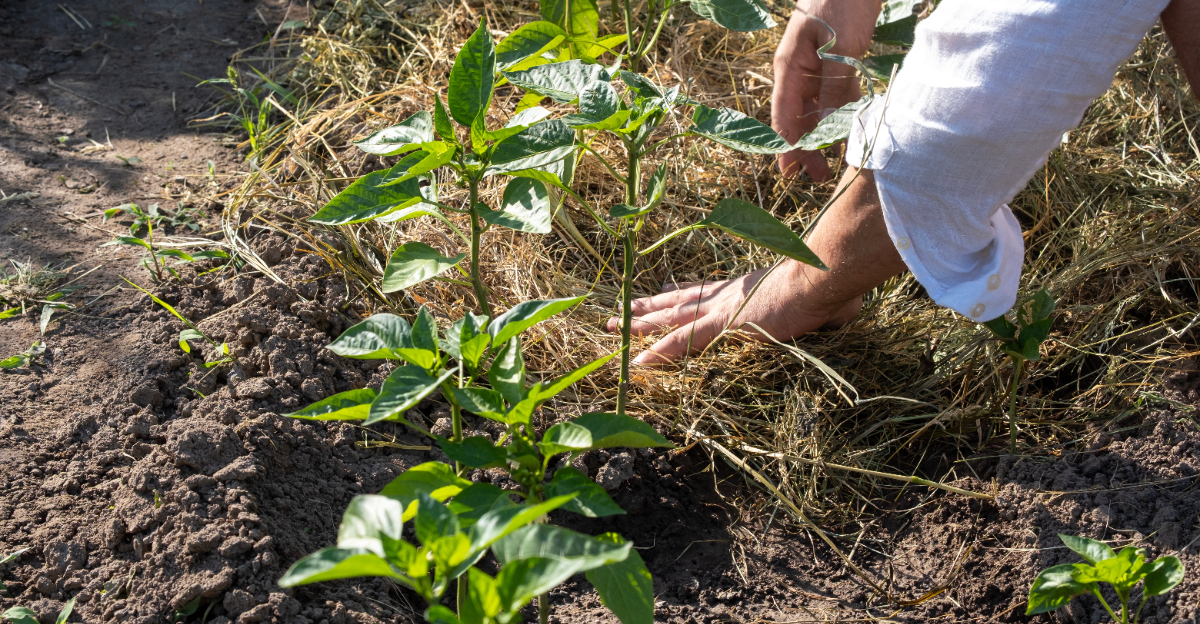
Mulch can feel like the perfect spring fix for an Oregon garden. It makes beds look tidy, helps hold moisture, and gives everything a finished look.
But spreading it too early can work against your plants. Oregon soil often stays cold long after the first sunny days arrive.
A thick mulch layer can trap that chill in the ground and slow the warmup plants need for strong root growth. Seeds may sprout poorly, and new transplants can sit there looking confused.
Not exactly the garden comeback anyone wants. Early mulch can also keep soggy soil wet for too long after spring rain.
That can be hard on roots that need air as much as water. Mulch is still useful, but timing matters.
Waiting until the soil warms gives plants a better start and keeps beds healthier. In spring gardening, cozy is good, but cold and soggy is not the vibe.
1. Early Mulch Can Keep Soil Too Cold
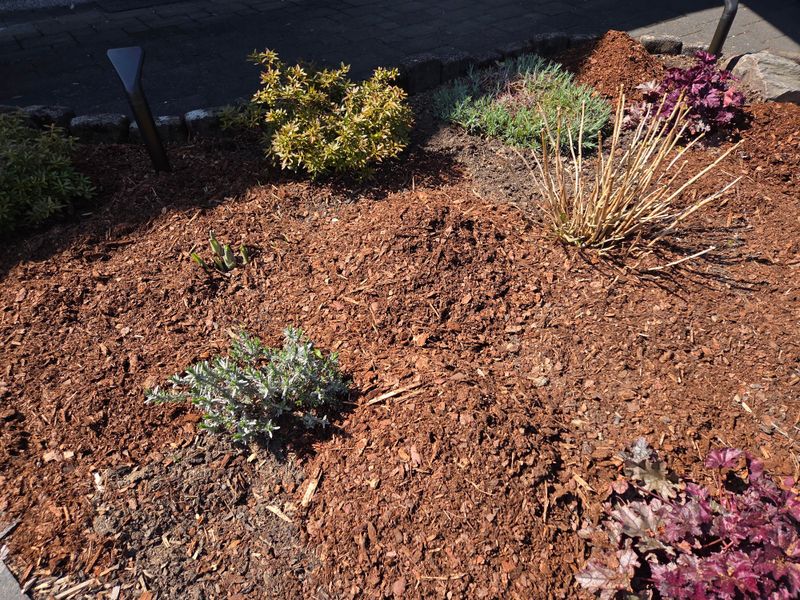
Most gardeners think of mulch as something that always helps. And most of the time, that is true.
But in early spring, that same layer of mulch can actually trap cold temperatures in the soil instead of letting it warm up naturally.
Soil needs warmth to wake up after winter. When the sun starts shining in late February or March, it slowly heats the ground.
That warmth signals plant roots, earthworms, and helpful soil microbes to get active again. But if you lay down two or three inches of mulch too soon, you block that solar heat from reaching the soil at all.
Think of it like putting a cold, wet blanket over the ground. The mulch acts as insulation, which sounds helpful, but in spring it works the wrong way.
It keeps the cold locked in rather than letting warmth in.
In this state, the soil can stay cold well into April or even May in some areas. Covering it early just extends that cold period longer than necessary.
Gardeners who wait until the soil has warmed to at least 60 degrees Fahrenheit before mulching will usually see much better results. A simple soil thermometer costs just a few dollars and takes the guesswork out of timing.
Patience in spring really does pay off when it comes to mulching your beds the right way.
2. Cold Soil Slows Summer Vegetables
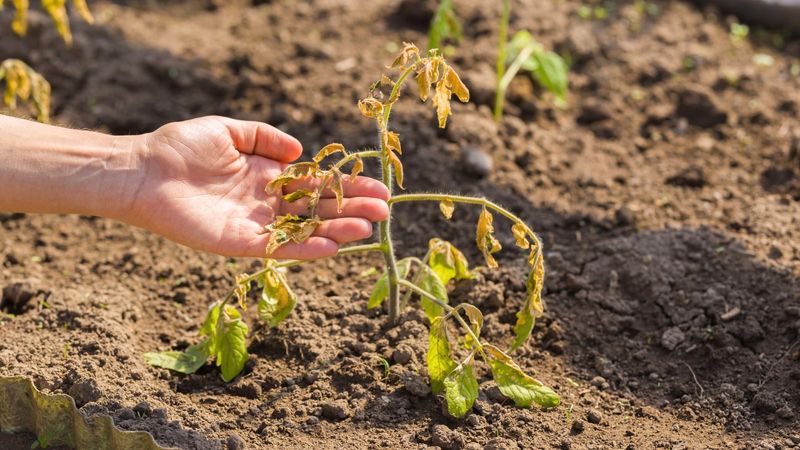
Tomatoes, peppers, squash, and cucumbers all have something in common. They love warm soil.
These summer vegetables thrive when the ground temperature is consistently above 60 degrees Fahrenheit, and they really take off closer to 65 or 70 degrees.
When you mulch too early, you keep the soil cold for longer. That means your summer vegetables sit in cool, sluggish ground instead of the warm environment they need to grow strong.
Even if the air temperature feels warm on a sunny afternoon, the soil underneath an early layer of mulch can stay cold for weeks longer than it should.
Gardeners in this state who plant tomatoes or peppers in cold, mulched beds often notice the plants just sitting there, barely growing, for the first few weeks. That slow start can cost you weeks of productivity later in the season.
Your Oregon Garden Changes Every Week. Your Plan Should Too.
Gardening in Oregon changes quickly throughout the season. Every Friday you’ll receive a simple weekly plan showing exactly what to plant, prune, fertilize, harvest, and protect so you never miss the right timing.
In a place with a shorter warm season like ours, every week counts.
Waiting to mulch gives the soil time to absorb heat naturally. Once your summer vegetables are planted and the soil has warmed up properly, then adding mulch makes a lot of sense.
At that point, it helps lock in that warmth and keeps moisture steady during drier summer months.
The timing shift is small but the payoff in plant growth and harvest size can be surprisingly large for a home gardener.
3. Warm Days Don’t Mean Warm Beds
A warm, sunny afternoon in March can feel like a sign that spring has fully arrived. The birds are singing, the sky is blue, and it seems like the perfect time to get outside and start mulching your garden beds.
But that feeling can be misleading in a big way.
Air temperature and soil temperature are very different things. The air can warm up quickly on a sunny day, but the ground takes much longer to catch up.
In this state, where soils tend to hold a lot of moisture through winter and early spring, cold ground is the norm well into the growing season.
Many gardeners make the mistake of using air temperature as their guide for garden tasks. They feel warmth on their face and assume the soil is ready.
But just a few inches below the surface, the temperature can be 10 to 20 degrees cooler than the air above it. That gap matters a lot for plant health and root development.
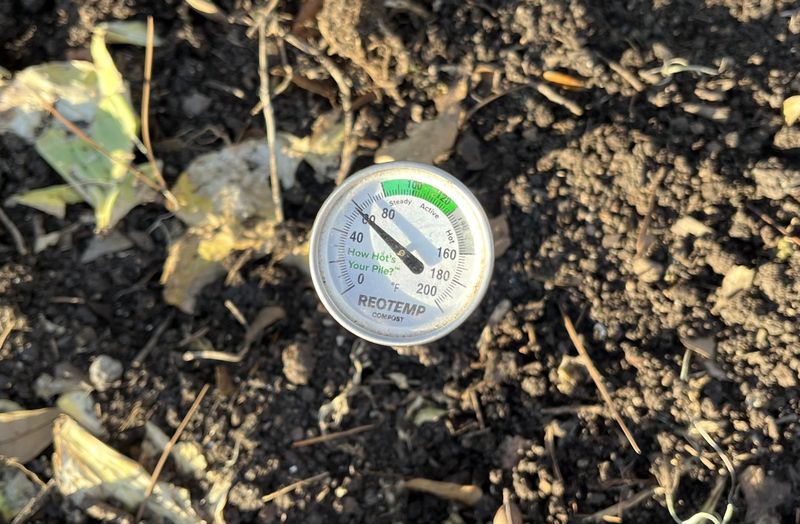
A soil thermometer is one of the most underrated tools a home gardener can own. Push it a few inches into the ground in different spots around your garden.
If the reading is below 55 or 60 degrees Fahrenheit, the soil is not ready for mulch yet. Give it more time to warm up before you cover it.
Checking the soil directly takes just a minute and saves a lot of frustration later.
4. Mulch Can Trap Spring Moisture
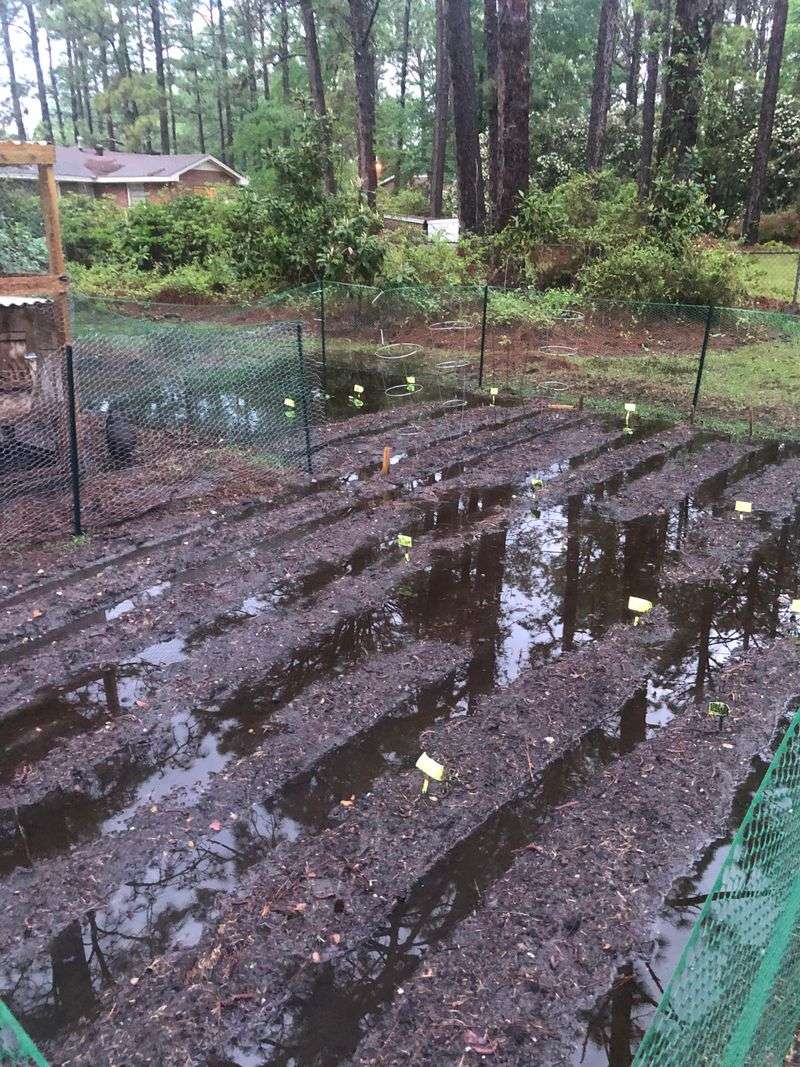
Spring in this state is famously wet. Rain falls regularly from October through May, and the soil absorbs a tremendous amount of water over those months.
By the time spring gardening season arrives, many garden beds are already saturated or close to it.
Adding a layer of mulch on top of already wet soil makes the situation worse. Mulch slows down evaporation, which is great in summer when you want to hold moisture in.
But in spring, that same quality becomes a problem. The soil stays wetter for longer, and that excess moisture can cause roots to rot and plants to struggle.
Roots need both water and oxygen to function properly. When soil stays waterlogged for too long, air pockets in the ground fill with water, and roots begin to suffocate.
This is a common issue in Pacific Northwest gardens where heavy clay soils already drain slowly without any help from mulch.
Letting the soil breathe and dry out a bit before mulching gives it a chance to reach the right moisture balance. You want the ground to be moist but not soggy before you add any covering.
Rake the bed, check how it feels by squeezing a handful of soil. If water drips out, it is too wet to mulch.
If it holds its shape and crumbles slightly, you are closer to the right conditions. Timing makes all the difference here.
5. Wet Soil Invites Slugs
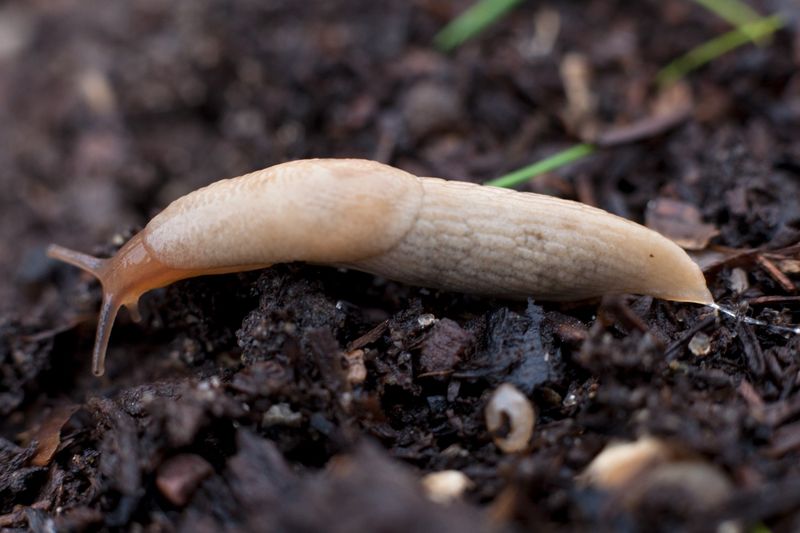
Slugs are one of the most frustrating garden pests in the Pacific Northwest, and they absolutely love damp, dark hiding spots.
If you have ever gone out to check on your seedlings and found them half-eaten overnight, slugs were almost certainly the reason.
Mulching too early in the season creates the perfect environment for slugs to multiply. A thick layer of moist mulch over already wet spring soil gives these slimy creatures exactly what they want: shelter, darkness, and humidity.
They hide under the mulch during the day and come out at night to feed on your young plants.
Early-season seedlings and transplants are especially vulnerable. Their stems are soft and tender, making them easy targets.
A small slug population can wipe out an entire row of lettuce or young brassica seedlings in just a night or two. It can feel discouraging when you have worked hard to get your garden started.
Waiting to mulch until the soil has dried and warmed reduces slug habitat significantly. Fewer hiding spots mean fewer slugs actively feeding in your beds.
You can also use iron phosphate slug bait as a safe, organic option if slugs are already a problem in your space. Keeping your mulch thin and not pressed directly against plant stems also helps reduce the risk.
Good air circulation around seedlings goes a long way in keeping slug pressure manageable throughout the season.
6. Seeds May Sprout More Slowly
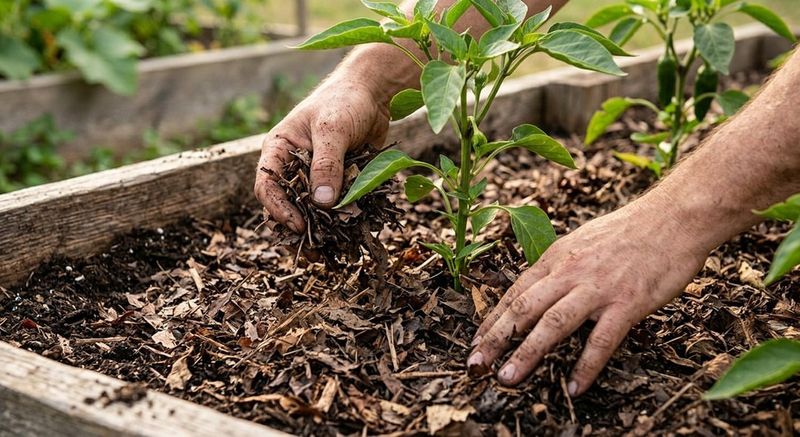
Planting seeds directly in the ground is one of the most satisfying parts of gardening. There is something exciting about watching tiny green shoots push up through the soil.
But when mulch goes down too early, that moment can be delayed by days or even weeks.
Seeds need warmth to germinate. Most vegetable seeds sprout best when soil temperatures are between 55 and 75 degrees Fahrenheit, depending on the variety.
Cold soil slows germination down or stops it entirely. Mulching before the soil has warmed keeps the ground too cold for seeds to sprout at a healthy rate.
Beyond temperature, seeds also need consistent moisture and light contact with the soil. A thick layer of mulch can interfere with both.
It can block light from reaching the surface, and in some cases, the mulch itself can dry out before moisture reaches the seed level below. This creates an uneven environment that confuses germination timing.
For direct-sown crops like carrots, beets, beans, and peas, it is usually best to wait until seedlings have emerged and grown a few inches tall before adding any mulch around them.
At that point, a light layer of fine compost or straw can help without smothering new growth.
Checking your soil temperature before direct sowing is just as important as checking it before mulching. Both steps work together to give your seeds the best possible start.
7. Transplants Can Sit Without Growing
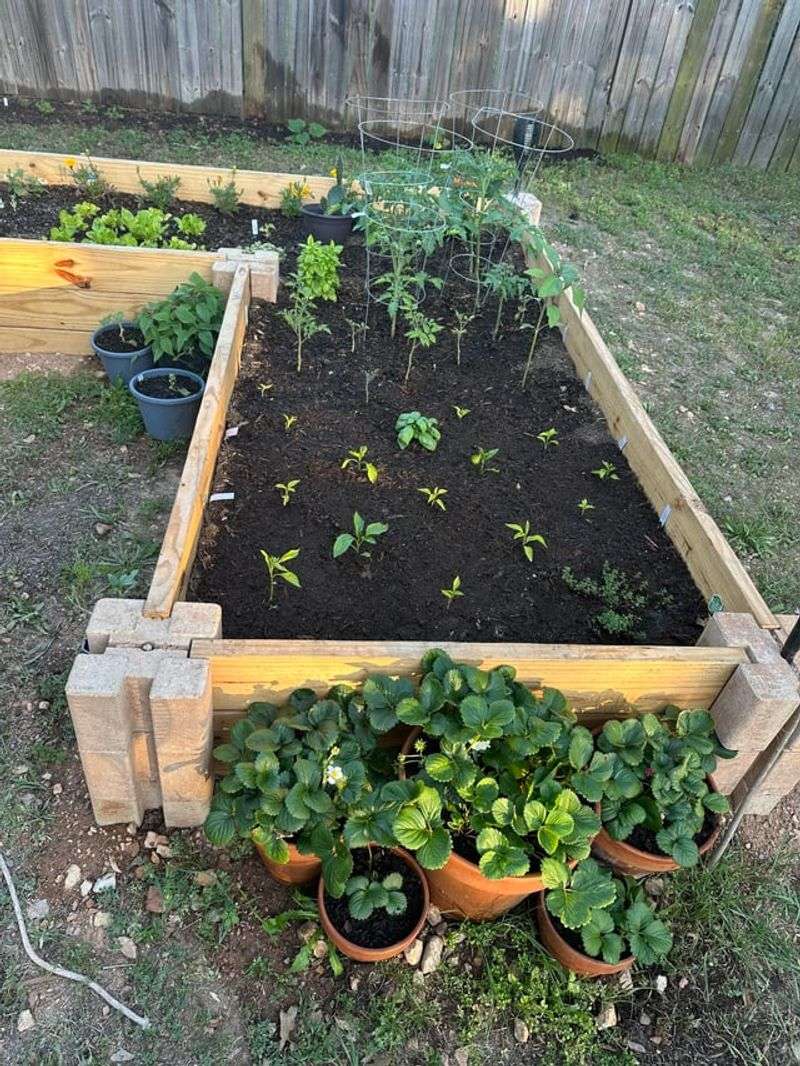
You spent weeks starting seeds indoors, carefully watering them under grow lights, and hardening them off before finally getting them into the ground.
So when those transplants just sit there doing nothing for the first few weeks, it is genuinely frustrating. Early mulching is often a big reason why this happens.
Transplants go through something called transplant shock after they move from a warm indoor environment to the outdoor garden. Their roots need time to adjust and start spreading into new soil.
That process is much harder when the surrounding soil is cold and covered with mulch that keeps warmth from reaching the root zone.
Young transplants of tomatoes, peppers, eggplants, and basil are especially sensitive to cold soil. Even if daytime temperatures feel warm, cold nights combined with chilly mulched soil can stall their growth for weeks.
Gardeners sometimes assume the plant is struggling because of pests or disease, when really the soil temperature is the main issue.
Letting the soil warm up fully before adding mulch gives transplants a much better chance to establish quickly.
Once roots are settled and new growth is visible, you can add a modest layer of mulch to help maintain moisture and regulate temperature.
At that stage, the mulch truly works in your favor. Waiting just a couple of extra weeks can mean the difference between a plant that thrives and one that barely gets through the season.
8. Heavy Mulch Can Smother Small Plants
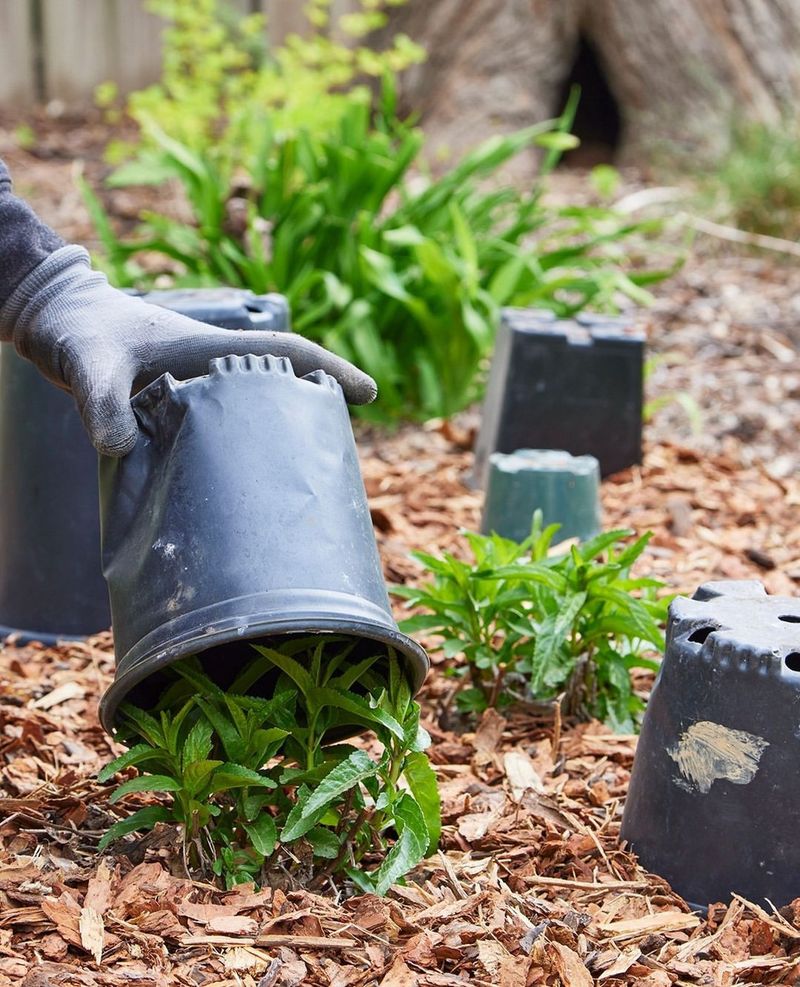
More mulch is not always better. That is a lesson many enthusiastic gardeners learn the hard way.
A thick, heavy layer of mulch applied too early in the season can physically press down on small plants, block light, and cut off the airflow that young seedlings need to grow.
Small plants have delicate, thin stems that can bend or break under the weight of heavy mulch.
Even wood chips or straw, which seem lightweight, can pile up around a young plant and create a wall that traps moisture right at the base of the stem.
That constant dampness leads to stem rot, which is one of the most common ways young plants are lost in early spring gardens.
Airflow matters more than most people realize. When air cannot circulate around the base of a plant, fungal issues like damping off become much more likely.
Damping off causes seedling stems to collapse right at the soil line. It spreads quickly and can take out an entire flat of seedlings or a whole row of young plants in just a few days.
A good rule of thumb is to keep mulch at least an inch or two away from the stem of any small plant. Use lighter materials like straw or shredded leaves rather than heavy bark chips around tender seedlings.
Keep the layer thin, no more than one to two inches, until plants are well established and growing strong. Then you can build it up gradually as the season progresses.