How To Harden Off Seedlings In Georgia Step-By-Step
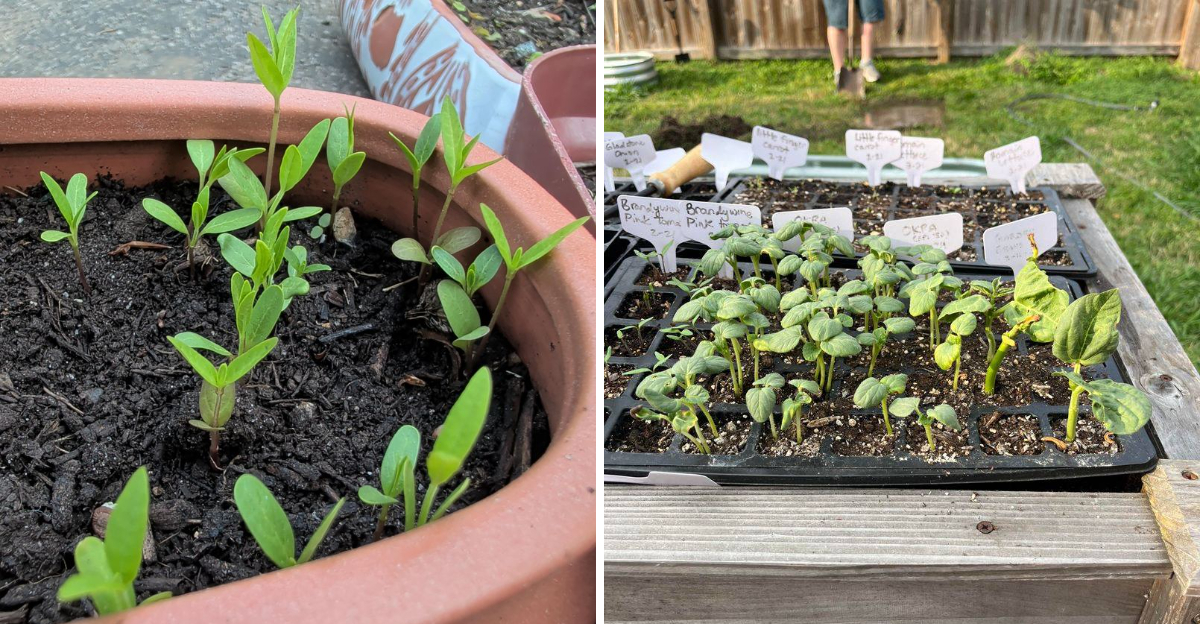
Almost every spring, something strange happens to gardens in Georgia, and most people can’t figure out what went wrong. The seedlings seemed perfectly healthy when they were indoors. The soil was great.
The timing felt just right. But just days after being moved outside, the plants became stiff, faded, and ultimately gave up without any clear explanation.
No signs of pests. No visible diseases. No lack of water. Just plants that slowly withered right when they were supposed to thrive.
The cause is almost never what people think it is. It has nothing to do with the soil, the seeds, or even the weather.
It all boils down to one crucial step that most home gardeners completely overlook because no one ever told them it was important.
Once you notice it, you can’t ignore it. And once you grasp it, you’ll never view your spring garden the same way again. Here’s everything you need to know.
1. Start After Georgia Frost Risk Passes
Georgia has a great sense of humor. A warm afternoon in March arrives, and suddenly every gardener feels the urge to take their seedlings outside. But then, just two nights later, frost hits. Do not fall for it.
The state covers various climate zones, which means the risk of frost operates differently depending on your location. In the northern mountains, chilly nights can stick around well into April.
Meanwhile, down by Savannah, the coast typically warms up by mid-March. Understanding your zone is crucial. It’s the key to success.
You need to know your local last frost date before any warm-season seedlings touch the outdoor soil. For most of central Georgia, that timeframe falls between late March and mid-April.
Gardeners in Atlanta and those in the foothills often wait until mid-April just to be cautious. One cold night below 32 degrees can delay your entire season by weeks. That’s a hefty cost for rushing things.
Check the National Weather Service forecast for your specific county, not just a statewide average. Keep a close eye on overnight lows.
Once temperatures consistently stay above 50 degrees at night, you’re finally set to begin the transition. Take it slow, steady, and on your own terms. Spring in Georgia doesn’t wait for anyone. But a wise gardener knows to wait for spring.
2. Choose Seedlings Ready For Transplanting
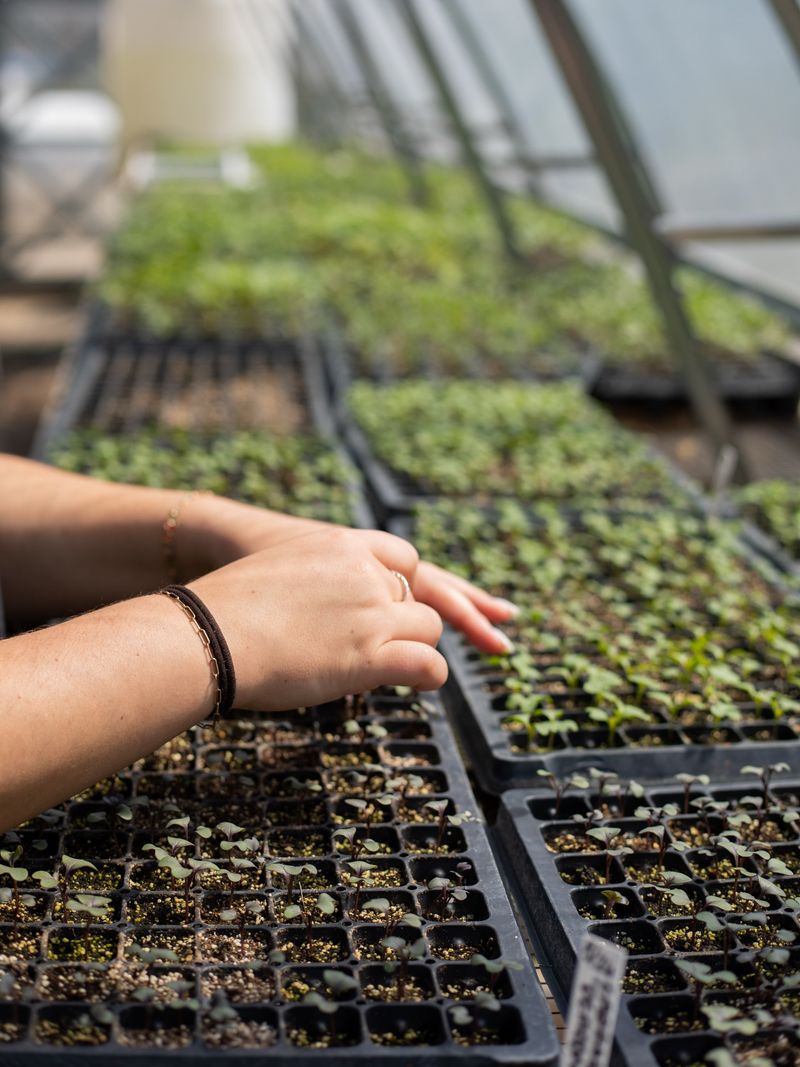
Not every seedling that sprouts deserves a ticket outside. Some are ready, while others are not. Understanding the difference can save you a lot of disappointment later on. Begin by examining the stems. A strong seedling stands tall and remains steady when you touch it.
If it bends or leans, it needs more time under the grow lights. No exceptions to this rule. Next, check the leaves.
The first leaves that show up after germination are seed leaves, and they don’t provide much information. What you really want to see is the second set, known as true leaves.
These resemble a smaller version of the adult plant. Their emergence indicates that the seedling has moved beyond its most delicate phase and is ready for a real challenge. Also, take a look at the roots.
Your Georgia Garden Changes Every Week. Your Plan Should Too.
Gardening in Georgia changes quickly throughout the season. Every Friday you’ll receive a simple weekly plan showing exactly what to plant, prune, fertilize, harvest, and protect so you never miss the right timing.
If they are peeking out of the drainage holes, that’s a positive sign. It shows that the plant is actively growing and eager for more space. Now, be on the lookout for warning signs.
Yellowing leaves, soft and mushy stems, or dark spots are not just minor issues to ignore. They are red flags.
A stressed seedling entering the hardening-off phase will only struggle more when faced with wind, sunlight, and temperature changes. Wait for the seedlings that seem eager for growth. Look for rich green color, compact growth, and strong stems.
Those are your best candidates. Start with the strongest, and the others will catch up when they are truly ready.
3. Begin In Bright Shade
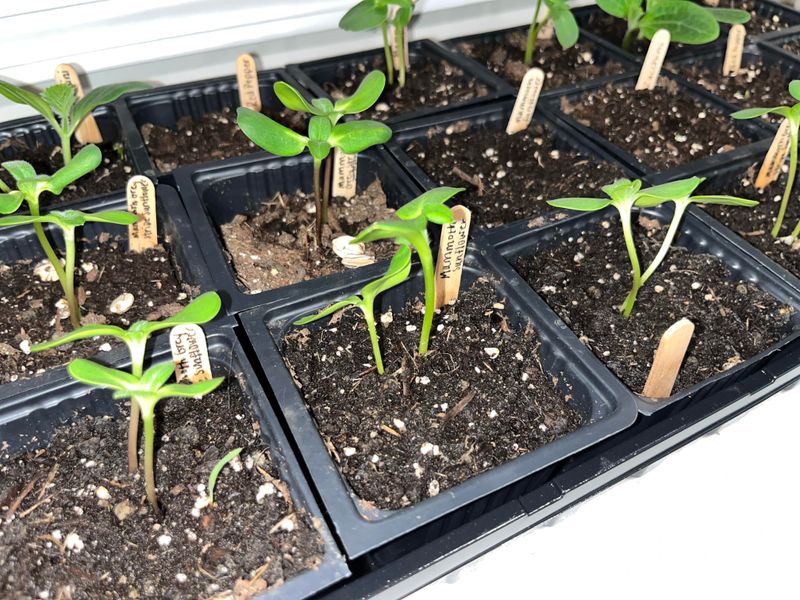
Always start in the shade. It sounds too simple, but it works. A location under a big tree is ideal for the initial few days. The aim is not to create darkness, but to provide gentleness.
You want outdoor air, soft light, and natural humidity without direct sunlight. Filtered outdoor light is already much brighter than most indoor grow setups.
Starting in the shade allows seedlings to develop their cuticle, the thin waxy layer on leaves that protects against moisture loss. However, this protective layer doesn’t form overnight.
It needs to be built up gradually. Keep your seedlings in their shaded area for the first two to three days. Pay close attention to any drooping, yellowing, or curling of the leaves.
Any of these signs indicate that you should slow down. If the plants appear stable and upright after a few days in the shade, they are signaling that they are ready for the next phase. Make sure to listen to them. The weeks of careful indoor cultivation are at stake.
4. Use Short Outdoor Sessions First
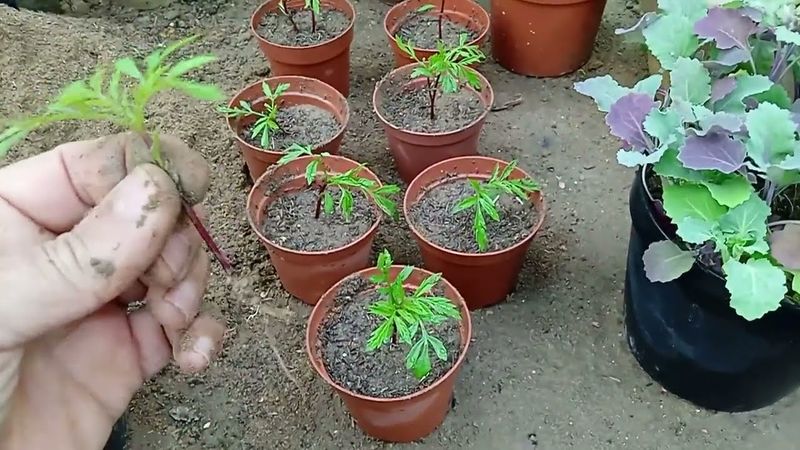
The first day outside is more like a practice run. One to two hours in a shaded, protected spot. Then back inside. That is it. The aim is to get them used to the outdoors, not to push their limits.
Outdoor conditions don’t ease you in gently. Wind can dry out leaves quicker than roots can keep up. Temperatures change. Humidity fluctuates in ways that no indoor environment can mimic.
Even a calm spring morning has more surprises than a young plant has ever faced. Keeping sessions short helps prevent stress from turning into harm. Bring them back inside. Let them rest. Try again tomorrow.
Keep a simple log, even if it’s just a few notes on your phone, to track how long the seedlings are outside each day. Consistency is more important than most people think.
Put them out at the same time each morning when it’s cool and the sun is just starting to rise. The hottest part of the afternoon isn’t the best time to experiment in those first few days.
After two to three days of short outings, start adding an hour at a time. Not because a schedule tells you to, but because the plants indicate it’s time. Some adapt quickly. Others need a bit more time.
Pay attention to how they react and let that determine the pace. The plants are always communicating. Your job is to listen.
5. Add More Sun Each Day
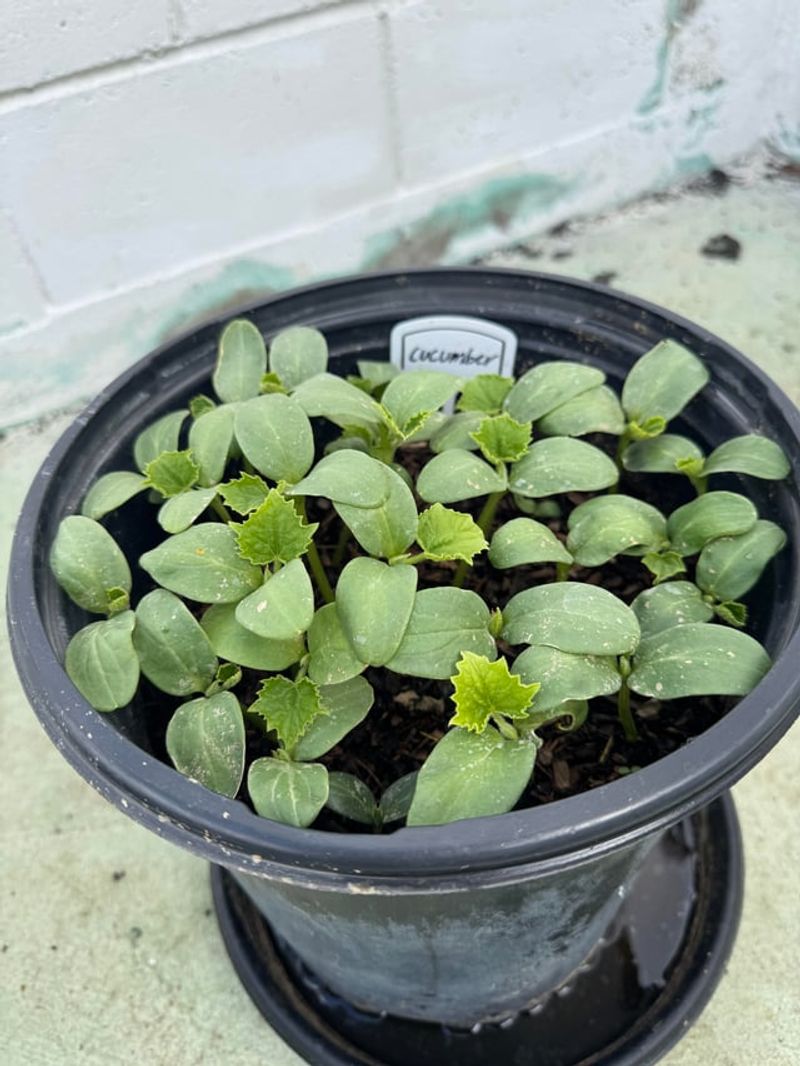
A few days in the shade means one thing: time to increase exposure. Not all at once. Just one step at a time.
Move seedlings to a spot that gets one to two hours of morning sun, then back to shade for the rest of the day. Morning sun in Georgia is gentle. Afternoon sun can be harsh.
This difference is more important than many people think, especially during the first week outside. After a few days, lengthen the morning sunlight period. Add a little bit of afternoon light.
Then extend it again. By the end of the first week, seedlings should be able to handle three to four hours of direct sunlight.
Days ten to fourteen are crucial. Most warm-season seedlings will be almost ready for full sun by then.
The cuticle has thickened, and the internal chemistry has changed. This gradual light adjustment greatly reduces transplant shock and helps plants settle in better after being planted. But keep an eye on them.
If you see pale or bleached spots on the leaves, that’s the plant’s way of saying it’s had enough.
Move them back to partial shade for a day to let them recover before trying again. This process isn’t a straight path. It’s more like a conversation. And remember, the plant always has the final say.
6. Shield Tender Starts From Wind
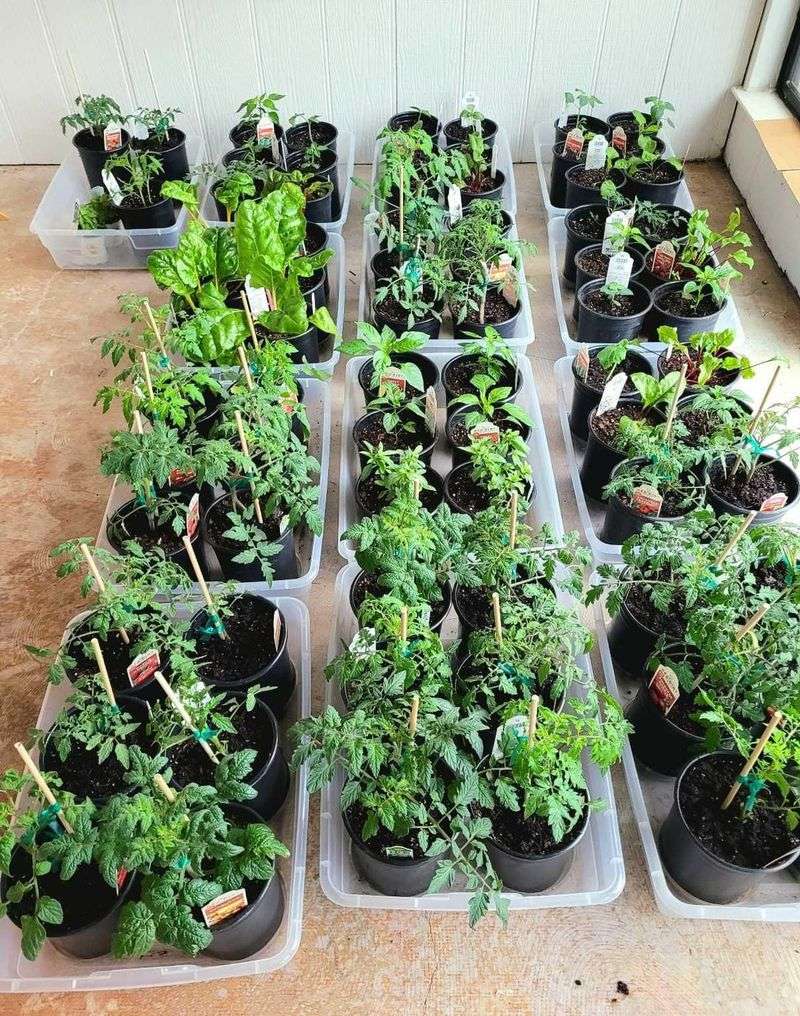
The sun gets all the spotlight, while the wind causes all the trouble. Most gardeners pay close attention to the temperature forecast and look at the sky before taking seedlings outside. Almost no one checks the wind, which is a big mistake.
A calm spring day can have enough of a breeze to draw moisture from delicate leaves quicker than the roots can replenish it. The soil may be wet, but the plant can still droop. This can be really puzzling until you figure out what actually happened.
Start in a protected area. A fence, a garden wall, or a line of shrubs that blocks the main wind direction are all good options. A wall facing south or east is perfect because it acts like a heat trap. Open, exposed spots can wait. Not right now.
But here’s the twist: wind isn’t always the enemy. Gentle, light breezes can actually help plants develop stronger stems. A little movement is beneficial. However, a strong gust during the first week is not. Timing makes all the difference.
Keep an eye out for regular afternoon winds in your area and bring seedlings inside during those peak times.
A loose layer of row cover fabric over the trays can also serve as a windbreak without blocking too much light. Protection comes first. Toughening up is second. That sequence is crucial.
7. Cut Back Water With Care
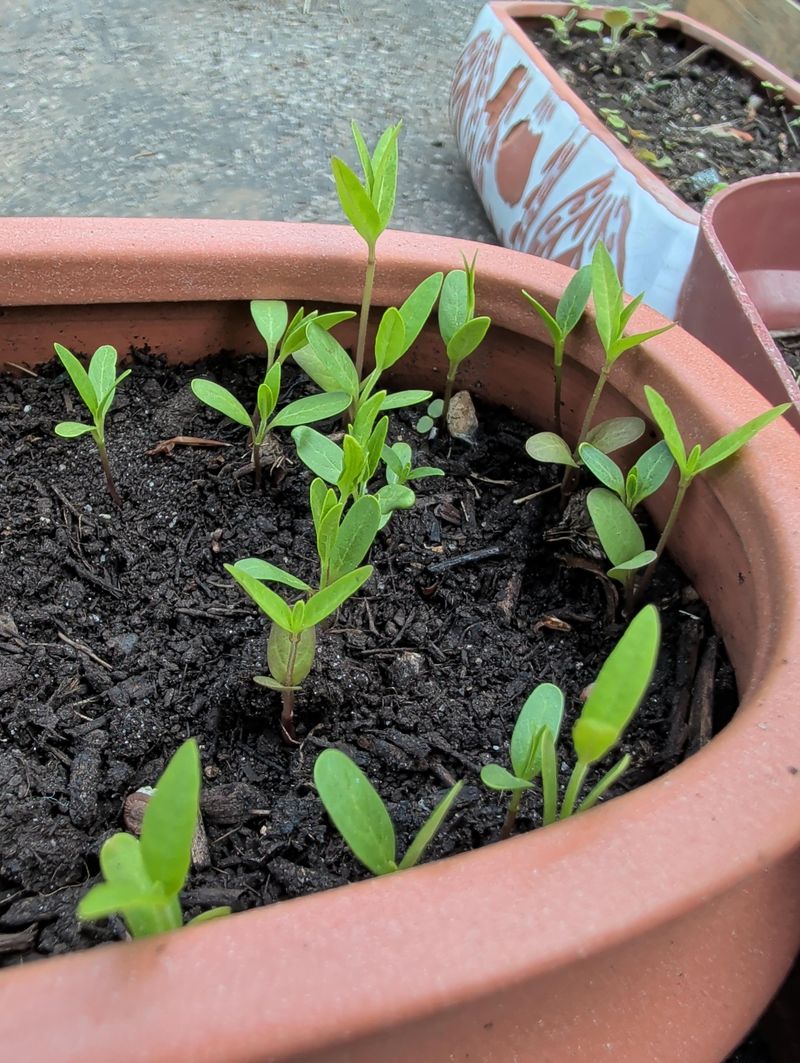
Watering plants outside is quite different from watering them inside. The moment those trays are taken outdoors, the rules change.
Sunlight, wind, and warmer air can draw moisture from small pots much quicker than most gardeners realize. What might stay wet for two days indoors could need watering by the afternoon when outside. It’s important to be aware of this change, or the plants will suffer.
The aim is to keep the soil consistently moist, but never soggy. Allow the top layer of soil to dry out a bit between waterings.
Roots will seek moisture deeper in the soil, which helps them grow stronger and deeper. Those robust roots are exactly what seedlings require when they are planted in the ground during summer.
However, never let the trays dry out completely, especially on hot or windy days. Check the moisture level at least once a day by pressing your finger about an inch into the soil mix. If it’s dry at that depth, it’s time to water thoroughly.
If it’s still damp, just check again later. This method is straightforward, dependable, and much more accurate than any schedule based on a calendar. Avoid watering from above during the hottest part of the afternoon. Wet leaves in direct sunlight can get scorched.
Instead, water at the base of the plants or early in the morning before the temperatures rise. Healthy, deep, and well-hydrated roots will be ready to thrive on transplant day.
8. Pause Extra Fertilizer Before Planting
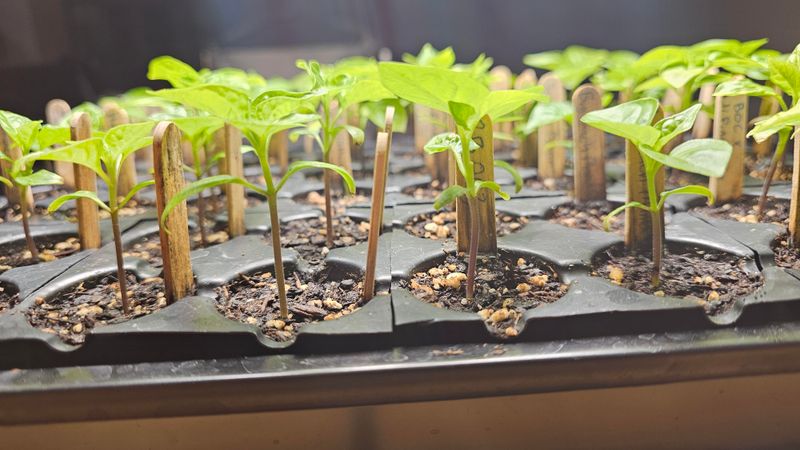
Using more fertilizer might seem like a good idea. But during the hardening off phase, it can actually work against you.
Yes, fertilizers encourage plants to grow quickly and lushly. It sounds like a good thing, but it may not always be.
During the one to two weeks of hardening off, reduce the amount of liquid fertilizers. Use no more than half of the usual dose. The aim during this time isn’t to promote growth. It’s to build resilience.
If above-ground growth slows down, don’t worry. It just means the plant is focusing its energy on developing its roots, which is exactly what you want before transplanting.
Height doesn’t equal strength. A compact plant with strong roots will thrive in the garden right away. An overfed plant, on the other hand, will struggle to establish itself. Allow the natural slowdown to occur. Don’t resist it.
Once your seedlings are planted and start showing signs of new growth, you can go back to a regular feeding schedule. That time will come soon enough.
For now, remember that less is truly more. The goal is to have strong stems, firm leaves, and deep roots. There are no shortcuts to achieving this faster than being patient.
9. Watch Georgia Nights Closely
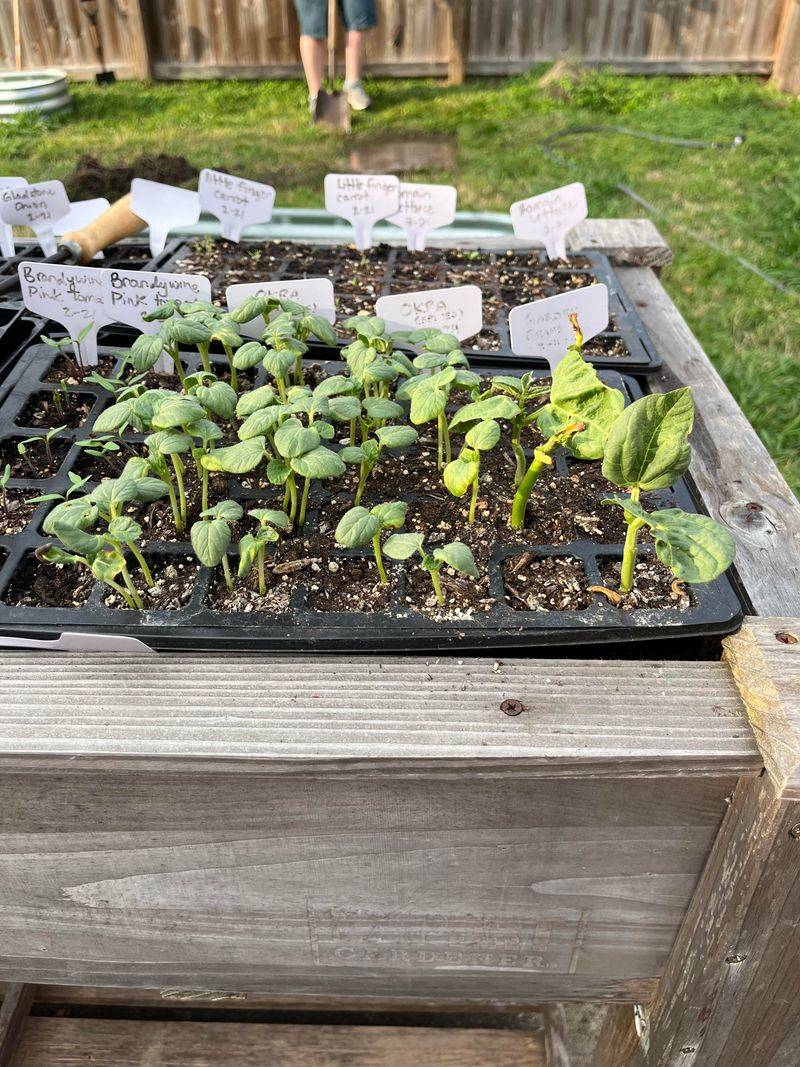
Georgia’s spring nights are quick to forget. Any warmth that the afternoon has built up can vanish unexpectedly.
A bright 74-degree day can turn into a chilly 38-degree morning by the time you pour your first cup of coffee. Especially in the Piedmont and northern areas, April nights follow their own set of rules.
Keeping an eye on overnight lows is essential during the hardening-off phase. This habit safeguards everything you’ve been diligently nurturing.
Be aware of the temperatures. Tomatoes, peppers, and squash can handle temperatures down to about 50 degrees without significant issues.
Below that, their growth slows down. When it drops below 40, there’s a real risk of tissue damage.
You don’t need a hard freeze in the forecast to face challenges. A quietly cold night can be enough.
Always have a lightweight row cover or frost blanket handy. When draped loosely over trays, it provides several degrees of extra warmth while still allowing airflow.
Remove it in the morning once temperatures rise again. It’s simple, inexpensive, and truly effective.
Check the weather forecast every evening, not just in the morning. A midday forecast that seems fine can change drastically by dinner time if a cold front moves in. Georgia weather really doesn’t give you a heads-up.
The hardening-off process requires a lot of patience from a gardener. Monitoring the night forecast is just a small task on the list, but it might be the most crucial one. Don’t let a single careless night ruin two weeks of careful effort.