These Texas Natives Replace Lantana Borders And Look Better In Every Season
Lantana has had a long run as the default border plant in Texas gardens, and it earned that spot by being tough, colorful, and almost impossible to neglect into oblivion.
But tough and colorful does not mean it is the best option, and for a growing number of Texas gardeners, lantana’s downsides are starting to outweigh the convenience.
It can spread aggressively, it is toxic to pets and livestock, and visually it tends to look like every other Texas yard on the block.
Texas native plants have quietly been closing the gap, and several of them bring more seasonal variety, more wildlife value, and honestly better visual interest than lantana ever did.
If you have been using lantana along your borders out of habit rather than preference, these natives are worth a serious look before your next planting season gets underway.
1. Autumn Sage
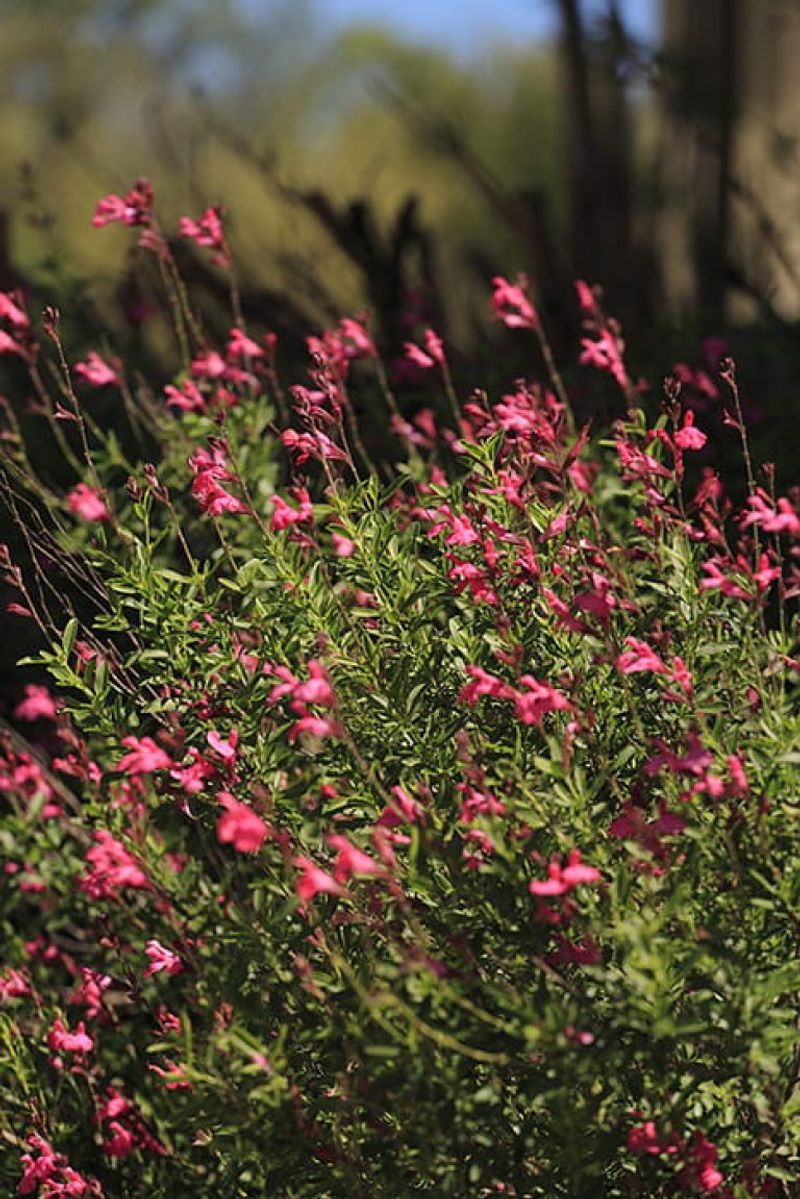
Few plants can match the staying power of Autumn Sage when it comes to long-season color in a Texas garden. This native shrub blooms from spring all the way through fall, and in mild winters, it may never fully stop.
That kind of performance is hard to beat, especially in a state where summers can feel relentless.
Autumn Sage, known scientifically as Salvia greggii, grows naturally in the rocky slopes of West Texas and northern Mexico. Because of its roots in tough terrain, it handles drought with ease.
Once it gets established in your yard, it needs very little extra water to keep blooming. That makes it a real winner for low-maintenance borders.
The flowers come in shades of red, pink, coral, and white, so you have plenty of options to match your garden style. Hummingbirds absolutely love the tubular blooms and will visit regularly once the plant gets going.
Planting a row of Autumn Sage along a walkway or fence creates a lively, colorful border that attracts wildlife all season long.
One of the best things about this plant is how it looks even when it is not blooming. The small, aromatic leaves stay clean and tidy, giving the border a neat appearance year-round.
A light trim after each big bloom cycle encourages fresh growth and even more flowers. For a border plant that works hard every single month, Autumn Sage is one of the best choices you can make.
2. Blackfoot Daisy
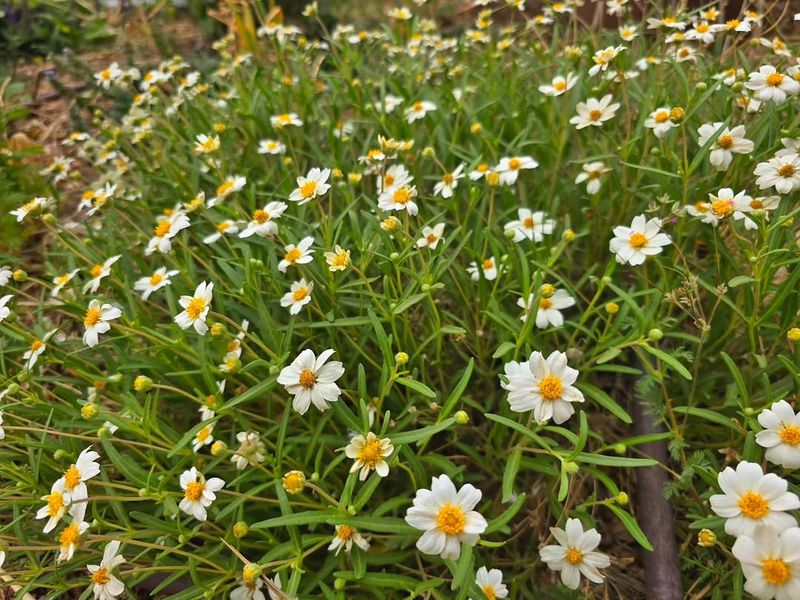
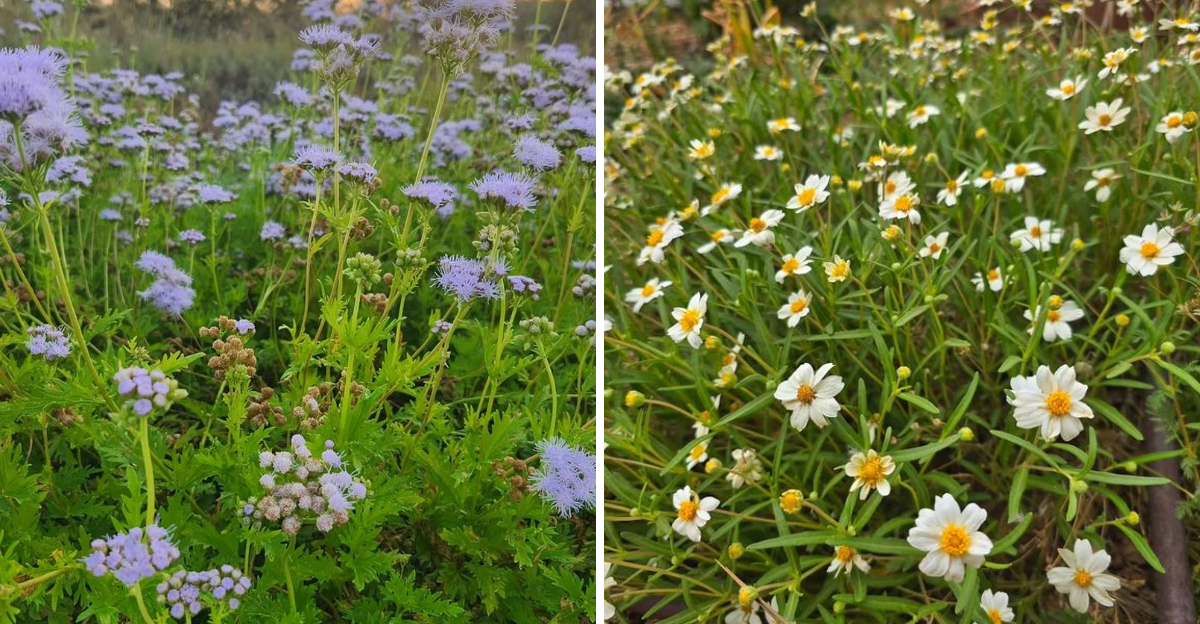
There is something cheerful and effortless about a Blackfoot Daisy in full bloom. The small white petals with bright yellow centers look like miniature sunflowers, and they appear in waves from early spring through late fall.
Even gardeners who struggle to keep plants alive tend to have great success with this one. Blackfoot Daisy, or Melampodium leucanthum, is native to the rocky, limestone soils of central and west Texas.
It loves full sun and actually performs better in lean soil than in rich, heavily amended beds. If you have a hot, dry spot where other plants struggle, this little daisy will thrive right there without complaint.
Your Texas Garden Changes Every Week. Your Plan Should Too.
Gardening in Texas changes quickly throughout the season. Every Friday you’ll receive a simple weekly plan showing exactly what to plant, prune, fertilize, harvest, and protect so you never miss the right timing.
The plant grows into a tidy mound, usually about one foot tall and one to two feet wide. That compact shape makes it perfect for edging along pathways, driveways, or the front of a garden border.
It does not flop over or spread aggressively, so it stays where you put it and keeps a clean look throughout the growing season.
Did you know the common name comes from the small black base at the center of each seed head? It is a fun little detail that makes this plant easy to identify.
Beyond its looks, Blackfoot Daisy is a great pollinator plant, drawing in bees and small butterflies regularly. Planting it in groups of three or five creates a bold, natural-looking display that feels right at home in any Texas yard.
3. Gregg’s Mistflower
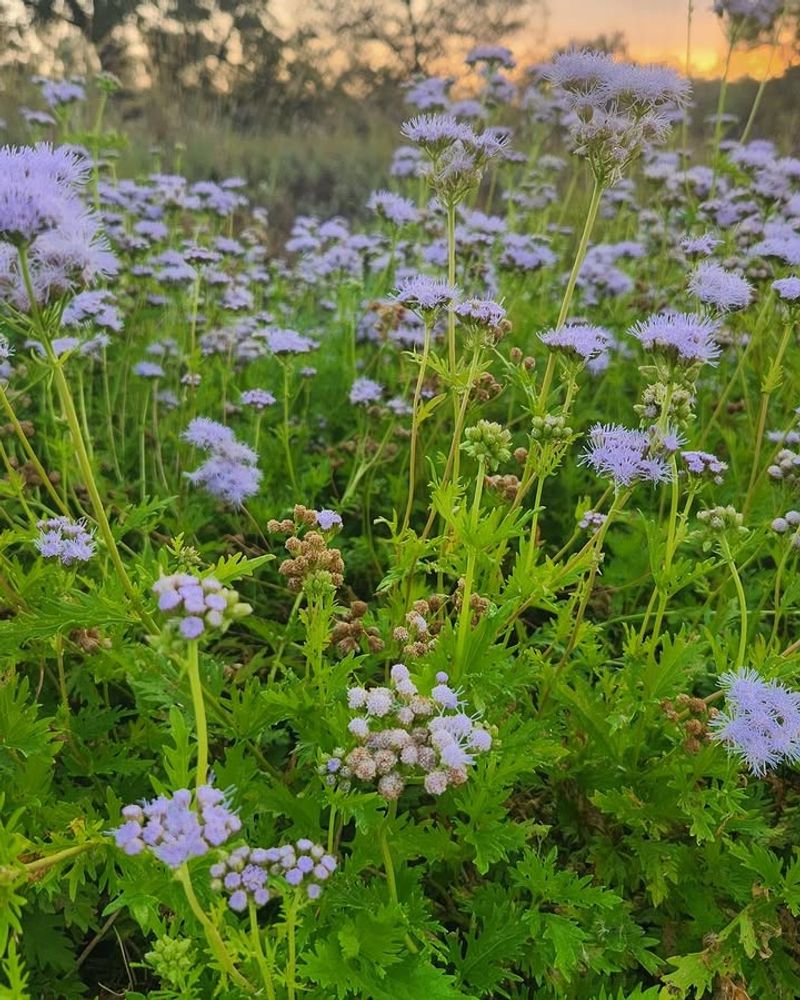
Walk past a patch of Gregg’s Mistflower in October and you will likely stop in your tracks. The clusters of soft, powder-blue flowers seem to float above the foliage like a gentle mist, and they are almost always covered with butterflies.
Queen butterflies, in particular, gather on these blooms in impressive numbers during their fall migration through Texas.
Known botanically as Conoclinium greggii, this native perennial grows naturally along stream banks and rocky slopes across central and west Texas. It spreads gently by underground runners, which helps it fill in a border over time without becoming a problem.
The soft texture of the foliage adds a feathery, relaxed quality that feels more natural and less stiff than many traditional border plants.
Gregg’s Mistflower reaches about two to three feet tall and wide, making it a great mid-border plant that fills space beautifully.
It prefers full sun to light shade and tolerates drought once established, though it appreciates occasional deep watering during the hottest months.
The plant goes dormant in winter, but it returns reliably every spring with fresh new growth.
One practical tip: cut it back hard in late winter before new growth appears. That keeps the plant compact and encourages a fuller, bushier shape when it returns.
Pairing Gregg’s Mistflower with Gulf Muhly or Autumn Sage creates a stunning fall display that looks professionally designed. For any gardener who wants to support pollinators while enjoying beautiful borders, this plant is an outstanding choice.
4. Mealy Blue Sage
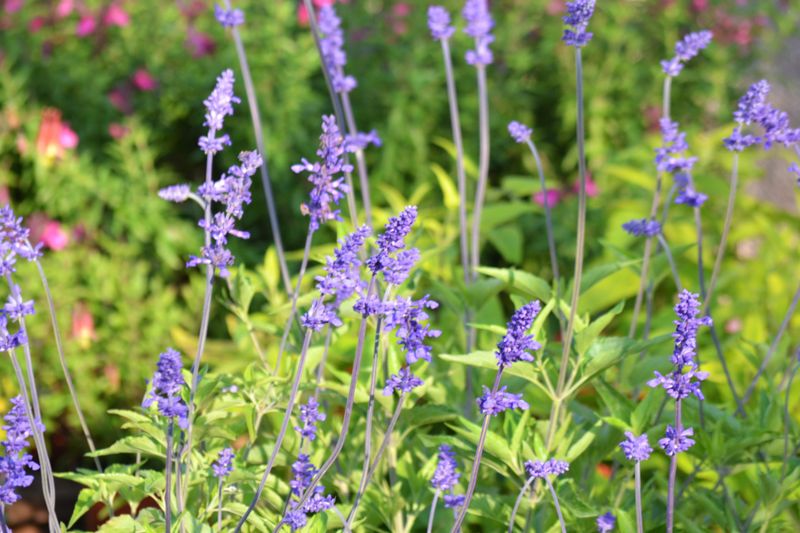
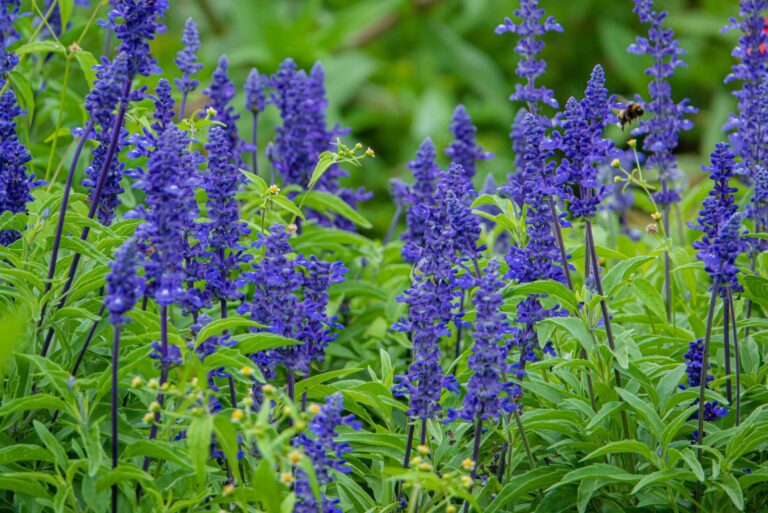
Blue flowers are surprisingly rare in the plant world, which makes Mealy Blue Sage stand out from the very first bloom. The tall spikes of soft blue-purple flowers rise above the foliage and create a cool, calming effect in the garden.
Planted along a border, they add vertical interest that most other low-growing plants simply cannot provide.
Mealy Blue Sage, or Salvia farinacea, is a Texas native that earns its place in any sunny border with almost zero fuss. It blooms from spring through fall, taking only brief breaks between flush cycles.
Even during the hottest weeks of a Texas summer, when many plants look tired and stressed, Mealy Blue Sage keeps pushing out fresh flower spikes without missing a beat.
The name comes from the mealy or powdery white coating on the stems and flower bracts, which gives the plant a slightly dusty look up close. That texture actually adds to its visual appeal, making it look a little different from other salvias.
Bees and hummingbirds visit the flowers regularly, turning your border into a buzzing, lively space throughout the warm months.
Growing Mealy Blue Sage is straightforward. It prefers well-drained soil and full sun, and once established, it rarely needs supplemental watering except during extended dry spells.
Cutting the spent flower spikes back by about half encourages a fresh round of blooms within a few weeks. For a reliable, heat-tough, pollinator-friendly border plant with stunning color, Mealy Blue Sage is simply one of the best options available in Texas.
5. Texas Sedge
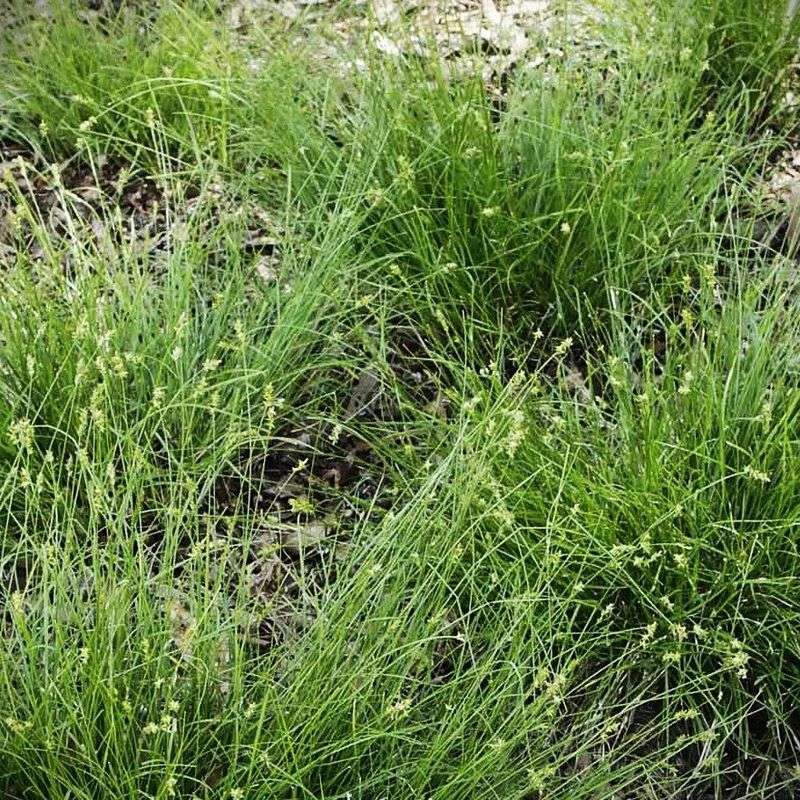
Not every border needs to be in full sun, and that is exactly where Texas Sedge shines. This native grass-like plant thrives in shade and partial shade, making it one of the few truly low-maintenance options for those darker spots under trees or along shaded fences.
It brings a soft, natural texture to spaces that can otherwise be tricky to plant.
Texas Sedge, or Carex texensis, grows in graceful arching clumps that reach about six to twelve inches tall. The fine-textured, dark green foliage stays attractive throughout most of the year, giving the border a tidy, manicured look without much effort.
Unlike traditional turf grass, it does not need mowing, fertilizing, or heavy watering to stay looking good.
One of the most appealing things about Texas Sedge is how naturally it fills in over time. Each clump slowly expands and can be divided every few years to spread throughout the border.
That spreading habit makes it an economical choice since you can start with just a few plants and eventually have a full, lush border without spending a lot of money.
Texas Sedge pairs beautifully with shade-loving native wildflowers like inland sea oats or wild ginger. Together, they create a layered, woodland-style border that feels rich and intentional.
It also works well as an edging plant along stone pathways under tree canopies. For anyone dealing with a shady border that feels bare or difficult, Texas Sedge offers a refreshingly simple and beautiful solution.
6. Rock Rose
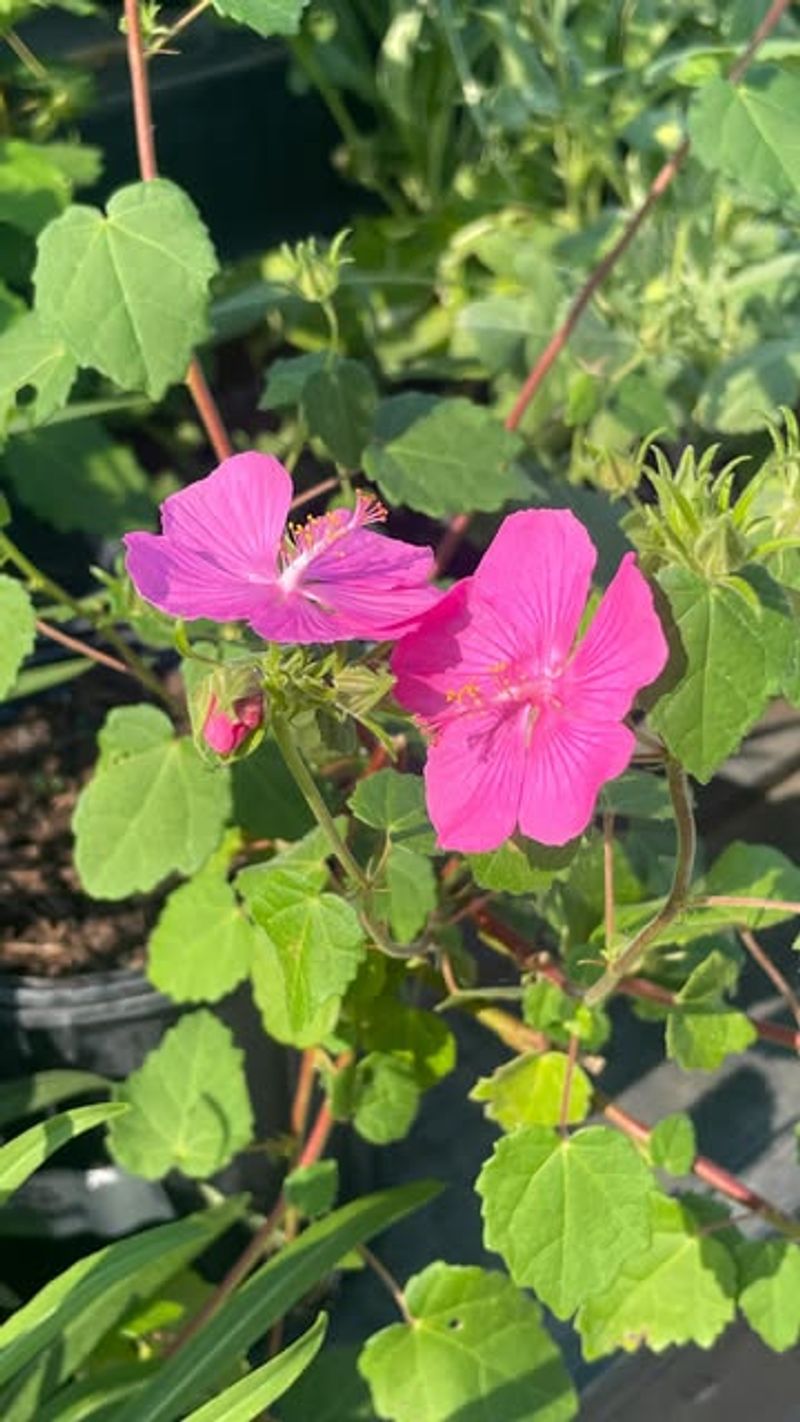
Picture a plant that blooms almost every single day of summer, handles brutal Texas heat without a complaint, and produces flowers so pretty they look almost tropical. That is Rock Rose in a nutshell.
Each bloom lasts only one day, but the plant produces so many buds that the show never really stops from late spring through fall.
Rock Rose, known as Pavonia lasiopetala, is native to the limestone hills and rocky canyons of central Texas. Its connection to tough, dry terrain means it is built to handle conditions that would stress most ornamental shrubs.
Once established, it needs almost no supplemental water, making it one of the most drought-adapted border plants you can choose for a Texas yard.
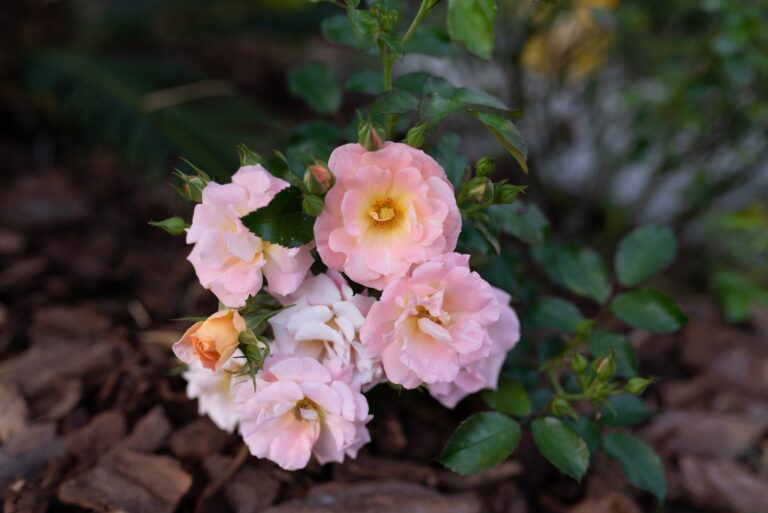
The flowers are a soft, warm pink with a deeper rose-colored center, resembling a small hibiscus blossom. The plant itself grows three to four feet tall and wide, giving it enough presence to anchor a border without overwhelming smaller plants nearby.
Hummingbirds are regular visitors, drawn in by the constant supply of fresh blooms throughout the season.
Rock Rose works beautifully as a backdrop plant behind lower-growing natives like Blackfoot Daisy or Mealy Blue Sage. It also holds its own as a standalone specimen in a mixed border.
Prune it back by about one-third in late winter to keep it compact and encourage vigorous new growth in spring. For a border plant that earns its place through sheer reliability and charm, Rock Rose is a standout performer every single season.
7. Gulf Muhly
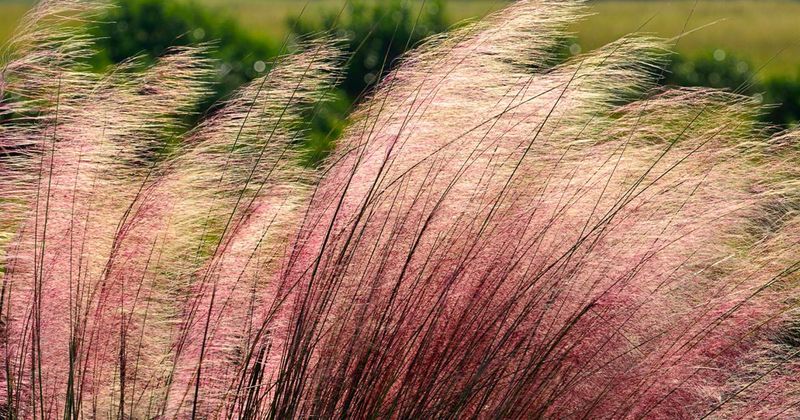
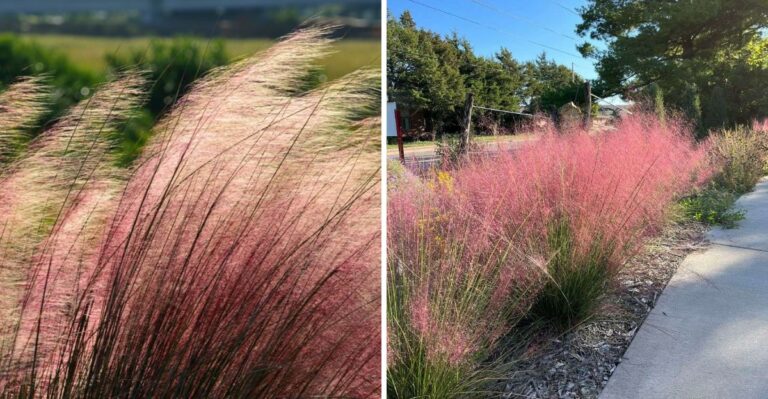
Every fall, Gulf Muhly puts on one of the most dramatic shows in the entire plant world. The airy, rose-pink plumes appear in September and October, turning an ordinary border into something that looks like a scene from a nature documentary.
When the late afternoon sunlight hits those feathery seed heads, the whole plant seems to glow from the inside.
Gulf Muhly, or Muhlenbergia capillaris, is a native grass found naturally across the eastern half of Texas in open meadows and along roadsides. Despite its spectacular fall display, it is a surprisingly tough and undemanding plant.
It tolerates heat, humidity, poor soil, and drought, asking for very little in return for its stunning seasonal performance.
During spring and summer, Gulf Muhly forms a neat, dark green mound of fine-textured foliage that looks tidy and well-behaved in a border. It does not flop, spread aggressively, or require frequent trimming.
The real magic begins in late summer when the flower stalks start to rise, building up to that breathtaking fall color explosion.
Plant Gulf Muhly in full sun and well-drained soil for the best results. Groups of three or more plants create a sweeping, cloud-like effect that is genuinely hard to ignore.
After the plumes fade in winter, cut the clumps back to about four inches from the ground to encourage fresh, full growth the following season. For movement, texture, and jaw-dropping seasonal color, no other Texas native grass quite compares to Gulf Muhly.