Don’t Let Squash Vine Borers Win In Virginia This Season, And Watch For These Warning Signs
Summer is cruising along, your squash plants look incredible, and then one morning everything just drops. No warning.
No dramatic buildup. Just a garden that suddenly looks defeated.
Meet the squash vine borer, one of the sneakiest insects in the Virginia vegetable garden. While you are admiring your plants from the outside, these larvae are quietly tunneling through the inside of your vines, feasting away without a care in the world.
The tricky part is that by the time most gardeners notice something is off, the damage is already well underway. But here is the hopeful part: squash vine borers are messy houseguests.
They leave clues everywhere. Zucchini, pumpkins, butternut squash, and other cucurbits are all fair game across Virginia.
Learning to spot the early signs can genuinely save your harvest. This guide covers seven warning signs worth knowing before things go sideways.
Ready to spot them before your vines do?
1. Frass At The Stem Base
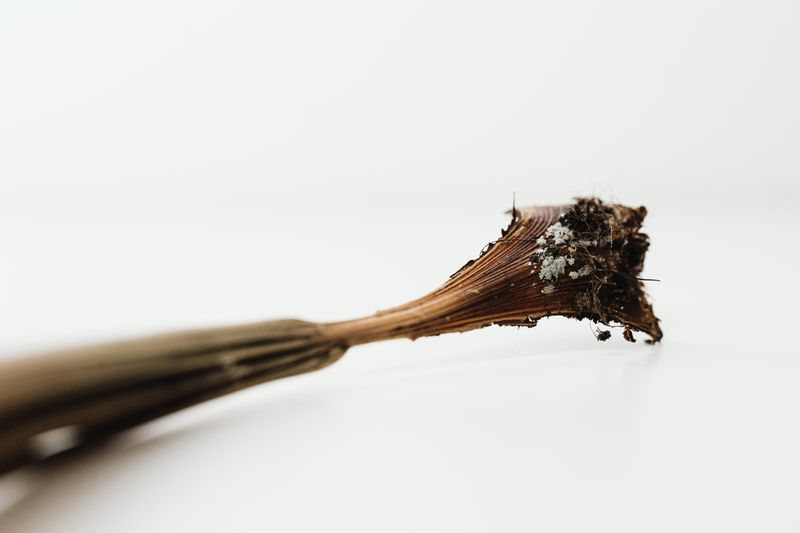
Sawdust where there should be none is your first red flag.If you spot a grainy, yellowish-green powder piling up at the base of your squash stems, do not brush it off as dirt.
That material is called frass, and it is essentially the waste left behind by a feeding larva tunneling through your plant.
Frass looks a lot like wet sawdust or coarse cornmeal.It tends to cluster right at the soil line, sometimes spilling out from a tiny hole you might almost miss.
The color can range from greenish to tan depending on how long the larva has been feeding and how much plant tissue it has consumed.
Spotting frass early gives you the best shot at saving the plant.Once you see it, gently press on the stem near the base to feel for soft spots.
A healthy stem feels firm and solid, while a damaged one may feel mushy or hollow underneath the surface.
Check your squash stems every two to three days during peak summer months.Mornings are the best time because the light is lower and shadows make frass easier to spot against the soil.
Early detection is the whole game when it comes to squash vine borers.
2. Entry Holes Near The Soil Line
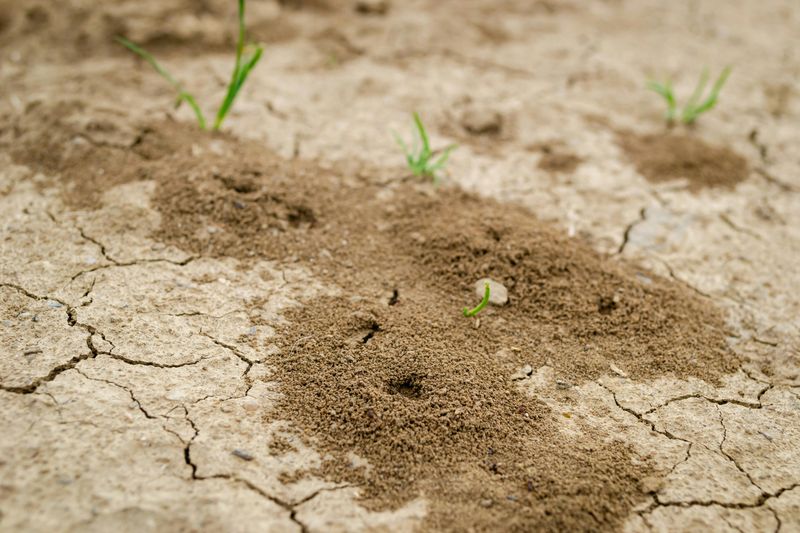
Spot a tiny hole near the base of your squash stem? That little opening is basically a front door, and something has already let itself in.
The entry hole is often the size of a pinhole or slightly larger, which is exactly why so many gardeners miss it until it is too late.
Look carefully along the lower two to three inches of each stem.
The hole may appear slightly darker than the surrounding stem tissue, sometimes with a small ring of discoloration around the edges.
Frass is often found nearby, making the two signs a powerful pair to watch for together.
Once a larva enters, it typically stays put and feeds from the inside, though in rare cases it may exit a failing stem and move to another.
Your Virginia Garden Changes Every Week. Your Plan Should Too.
Gardening in Virginia changes quickly throughout the season. Every Friday you’ll receive a simple weekly plan showing exactly what to plant, prune, fertilize, harvest, and protect so you never miss the right timing.
That means the feeding damage happens entirely inside the stem, which is what makes this pest so destructive.
You cannot see the injury until the plant starts showing stress from the inside out.
A toothpick or thin wire can help you probe a suspected entry hole to confirm your suspicion.
If the stem feels hollow or the probe slides in easily, a larva is likely inside.
Act quickly because time is not on your side once they get in.
3. Sudden Wilting That Won’t Recover
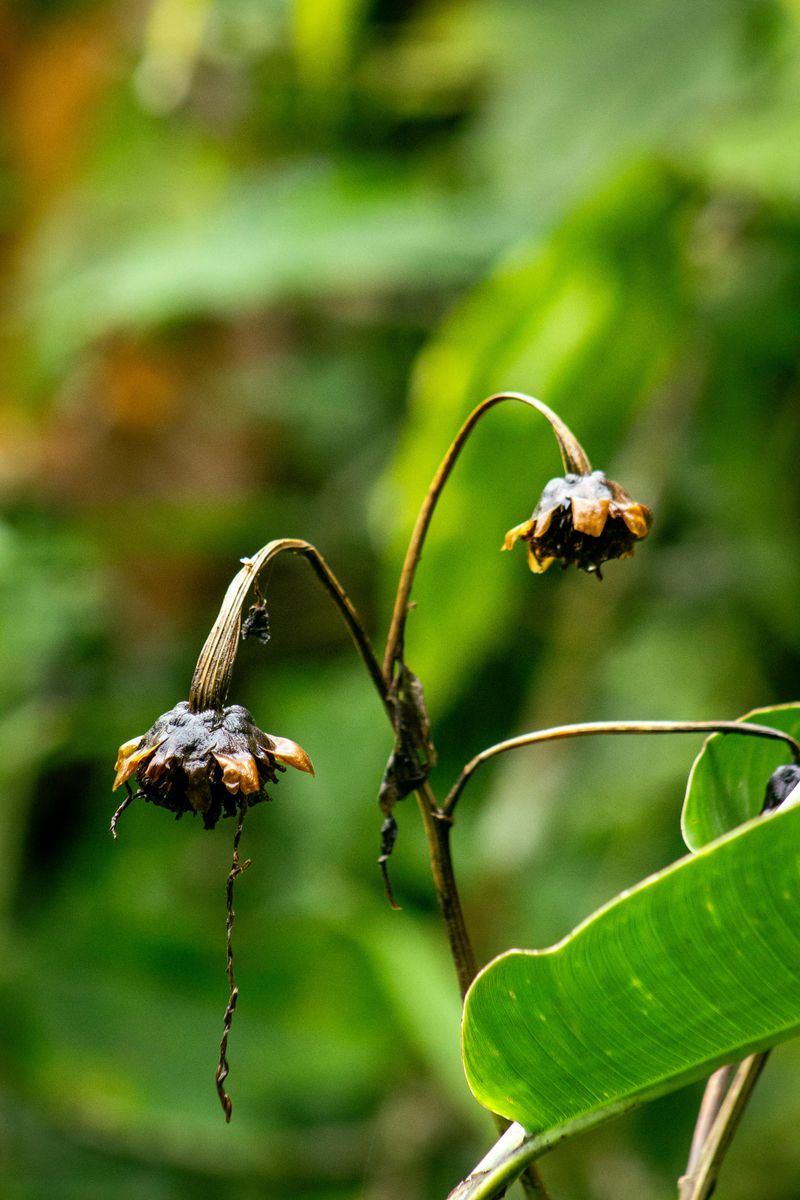
One morning your squash looks perfectly healthy, and by afternoon the whole vine is drooping like it forgot how to stand up.
Sudden wilting is one of the most alarming signs that something serious is happening underground, or in this case, inside the stem.
Squash vine borers tunnel through the vascular tissue that moves water through the plant.
The tricky part is that wilting can also happen on hot days when plants are simply thirsty.
The difference is that heat-related wilting usually bounces back after watering or when temperatures cool in the evening.
Borer-related wilting does not recover, no matter how much water you give the plant.
Water your squash in the morning and then check back in the late afternoon.
If the plant is still limp after a good drink and cooler air, start inspecting the stem immediately.
Look for frass, soft spots, and entry holes to confirm what you are dealing with.
Catching this wilting pattern early still gives you options.
Some gardeners have success carefully slitting the stem, removing the larva, and then burying the damaged section under moist soil to encourage new root growth.
It sounds intense, but it works more often than you might expect.
4. Reddish-Brown Eggs On Stems
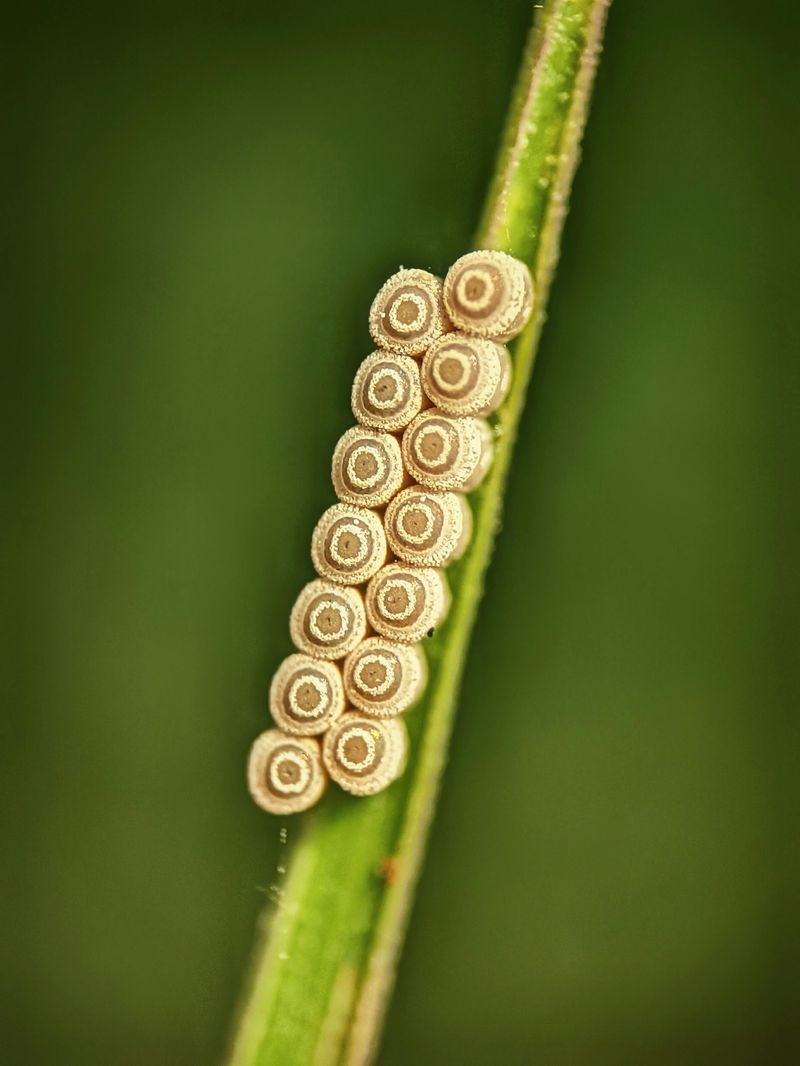
Before the damage even begins, the borer leaves behind a calling card.The adult squash vine borer moth lays her eggs directly on plant stems, and those eggs look like tiny, flat, reddish-brown discs about the size of a sesame seed.
Finding eggs before they hatch puts you in the best possible position to stop the problem before it starts.
Eggs are usually laid one at a time, not in clusters, which makes them easy to overlook.They tend to appear on the lower stem, near the base of the plant, but can also show up on leaf stalks and the underside of leaves close to the soil.
A magnifying glass helps a lot when you are trying to spot them during your regular garden walk.
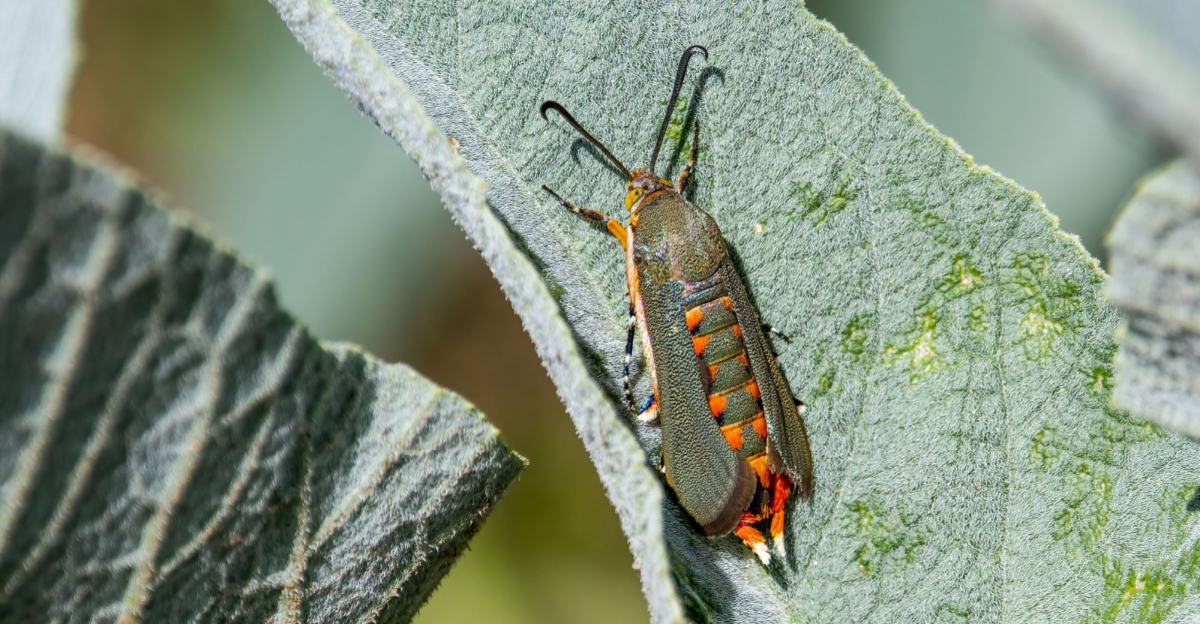
The adult moth is active during the day, which is unusual for moths.She resembles a red and black wasp, which is a clever disguise that helps her avoid predators while she lays eggs.
If you see a wasp-looking insect hovering low around your squash plants, watch it closely because it may actually be the borer moth doing her work.
Scraping eggs off the stem with your fingernail or a damp cloth removes them before they hatch.Checking stems two to three times per week during June and July gives you the best chance of catching eggs early.
Prevention at this stage saves so much heartache later in the season.
5. White Larvae Inside Split Stems
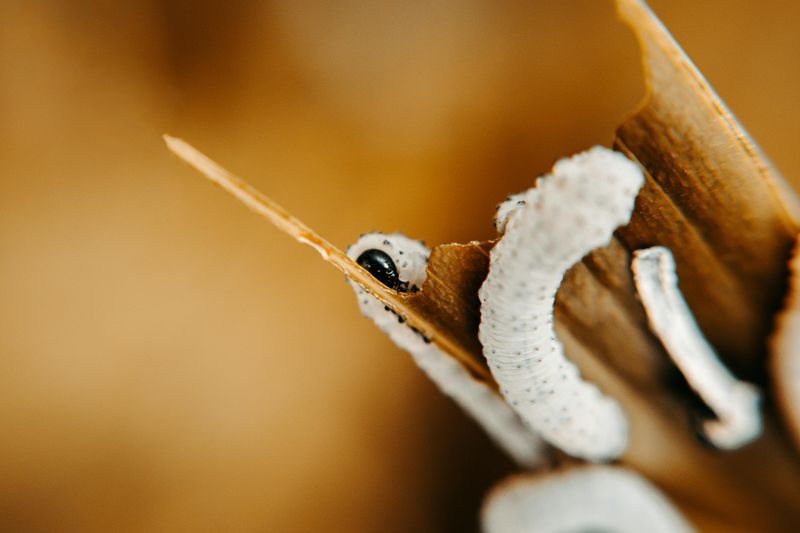
Splitting open a squash stem and finding a fat, cream-colored worm inside is one of those unforgettable garden moments.White larvae tucked inside the stem confirm what all the other signs have been hinting at.
At this stage, the damage is already significant, but finding the larva means you still have a chance to intervene.
Squash vine borer larvae are plump, wrinkled, and creamy white with a brown head.They can grow up to an inch long as they feed and mature inside the stem.
One plant can harbor multiple larvae at once, especially if the adult moth laid eggs over several days or in different spots on the same vine.
Use a sharp, clean knife or razor blade to carefully slit the stem lengthwise where you suspect the larva is hiding.Remove the larva by hand or with tweezers, making sure to get the whole thing.
Leaving even part of it behind allows feeding to continue and the damage compounds quickly.
After removing the larva, pack the wound with moist soil and cover the damaged section with a few inches of garden soil to encourage the vine to root at that point.Keep the area consistently moist for the next week.
Many plants recover surprisingly well when given this kind of attention right after the larva is removed.
6. Soft Or Hollow Stems
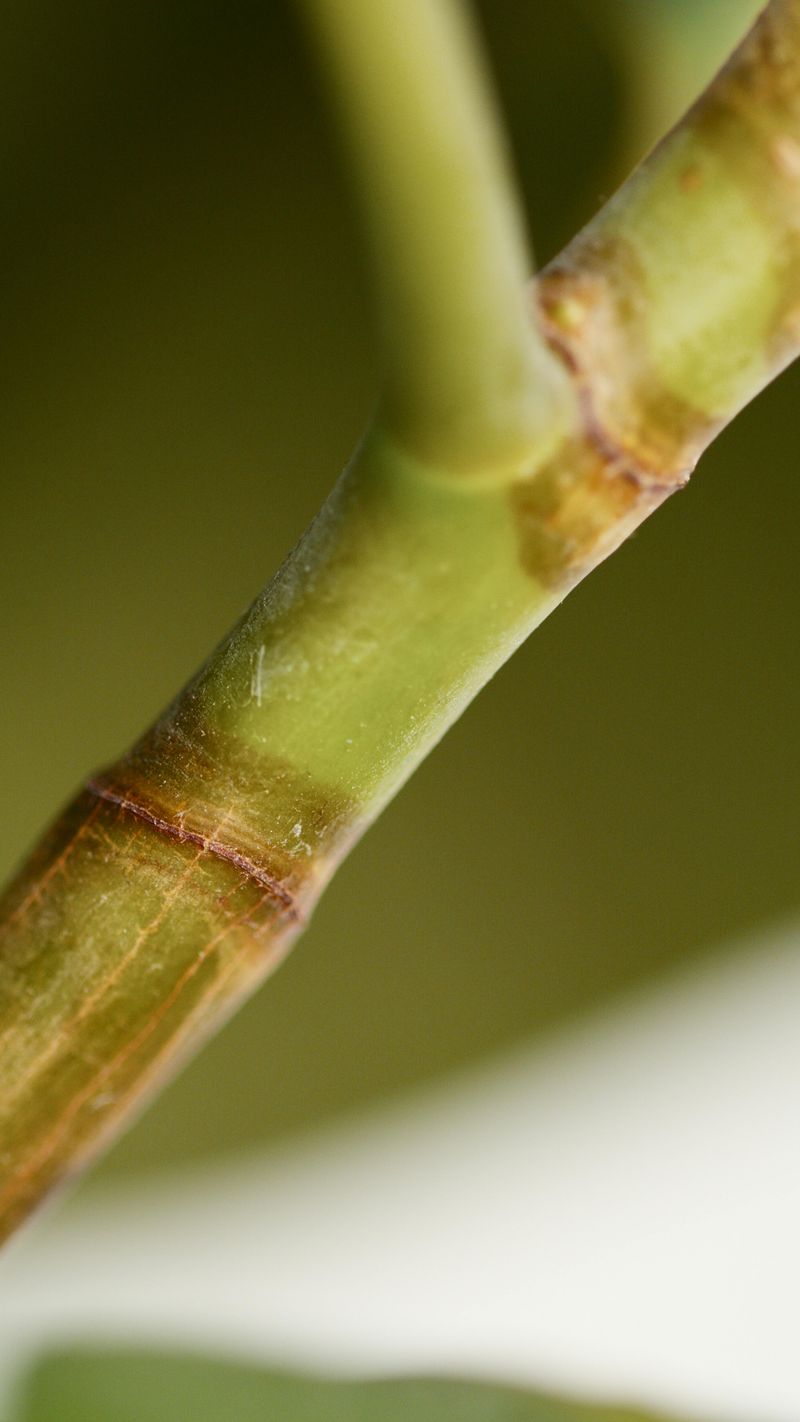
Healthy squash stems feel like a firm cucumber when you press them between your fingers.
A stem compromised by a feeding larva feels completely different: soft, spongy, or even hollow in the worst cases.
This texture change is one of the most reliable physical signs you can check with your own hands, no tools required.
Run your fingers along the lower six inches of each stem every few days.
Start at the soil line and work your way up, applying gentle pressure as you go.
Any spot that gives way too easily or feels like the inside has been eaten out deserves a much closer look right away.
Discoloration often accompanies the softness.
The stem may turn a paler green, yellowish, or even slightly brownish in the damaged zone.
This color shift happens because the internal tissue is breaking down as the larva feeds through it day after day.
Some gardeners report noticing a faintly sour or fermented smell near a heavily damaged stem, though this is not a guaranteed sign.
That odor comes from the plant tissue beginning to break down inside.
If you notice that smell combined with a soft stem and visible frass nearby, you are almost certainly dealing with a squash vine borer infestation that needs immediate attention.
Act fast because the window for saving the plant narrows with every passing day.
7. Collapsed Plant Within A Day Or Two
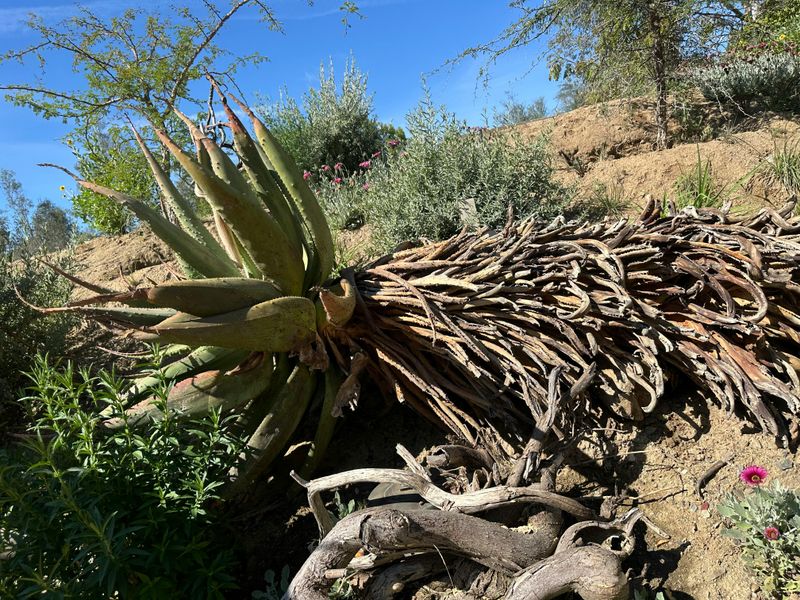
Nothing prepares you for walking into your garden and finding a squash plant completely flat on the ground.
A full collapse happening within a day or two is the final warning sign that squash vine borers have won the battle inside that particular vine.
By this point, the larva or larvae have destroyed enough vascular tissue that the plant simply cannot sustain itself anymore.
This kind of rapid collapse is more often than not linked to borer activity rather than disease or drought.
One exception worth knowing is bacterial wilt, spread by cucumber beetles, which can also bring a plant down quickly.
Checking the stem for frass and entry holes helps you tell the two apart.
Fungal wilts and root problems tend to cause a slower, more gradual decline over several days or weeks.
When a squash plant goes from fine to flat in 48 hours, the stem is the first place to investigate.
Even at this stage, the season is not completely over.
If you have other squash plants nearby, use this collapsed plant as a lesson and immediately inspect every stem in the garden.
Finding and removing larvae from other plants can still save a meaningful portion of your harvest.
Squash vine borers are relentless, but so are good gardeners.
Next season, start protective measures earlier, consider row covers during the egg-laying period. A second planting may help in some Virginia gardens if there is enough season left.
Knowledge gained from one bad season often leads to the most productive garden you have ever grown.
8. Yellowing Leaves That Start At The Base
Your squash looked fine yesterday, and today the leaves nearest the ground have gone pale and tired looking.
Yellowing that begins at the base of the plant can be an early signal that something is disrupting the flow of water and nutrients through the stem.
When squash vine borer larvae tunnel through the lower stem, they damage the vascular tissue responsible for moving resources up through the plant.
Leaves closest to that damage tend to show stress first.
The yellowing often appears uneven, affecting one side or one section before spreading further.
This is different from nutrient deficiency, which tends to show up more evenly across the plant as a whole.
Heat stress and overwatering can cause similar symptoms, so yellowing alone is not enough to confirm borers.
Pair this observation with a stem check and a look for frass before drawing any conclusions.
Virginia summers bring enough heat and humidity that leaf discoloration is genuinely common, which is part of why this sign gets missed so often.
When yellowing shows up alongside soft stems, frass, or sudden wilting, it becomes a much stronger signal worth acting on right away.
9. That Powdery Debris Around Your Squash Stem Is Not Just Dirt
Before you look up at the plant, take a moment to look down at the ground around it. The ground around the base of your squash deserves just as much attention.
As larvae feed inside the stem, they push waste material out through their entry holes.
This frass does not always collect neatly at the stem itself.
It can fall and scatter across the soil around the plant base. From a standing height it looks like nothing more than ordinary garden debris.
The material looks similar to fine sawdust or crumbled cornmeal and tends to be pale yellowish-green when fresh.
Crouching down and looking across the soil at a low angle rather than straight down makes it much easier to spot. Morning light works well for this since it catches the texture of frass against darker, moister soil.
A small concentrated pile near any stem is a signal worth taking seriously.
Get down close and inspect for entry holes and soft spots before moving on.
Note that frass color and texture can vary depending on how long the larva has been feeding and how much plant tissue has broken down. Fresh frass tends to be moist and greenish.
Older frass dries out and turns more tan or beige over time.
This ground-level check takes less than a minute and pairs well with your regular stem inspection.