7 Unique Cactus Plants To Grow In Your Texas Garden
Texas is already cactus country, but most gardeners barely scratch the surface of what is actually out there. The same few varieties show up in yard after yard, while a whole world of unusual and visually striking cacti goes completely unnoticed.
Texas has one of the most diverse native cactus populations in the entire country, and beyond the natives, there are some truly unexpected varieties that thrive in Texas conditions and look like nothing else you will find at a typical nursery.
Some grow in wild geometric shapes, some bloom in colors that seem almost unreal, and some stay compact enough to work in containers while others become full on garden statements.
If you have always thought of cactus as a background plant or a low effort filler, this list is going to shift that perspective in a big way.
1. Prickly Pear
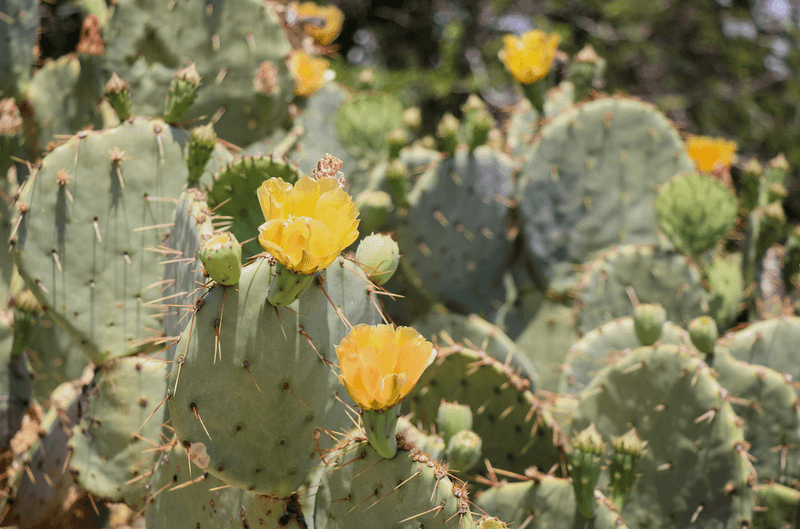
Few plants say “Texas” quite like the Prickly Pear. You have probably spotted this cactus growing wild along roadsides, in fields, and across rocky hillsides all over the state.
But what many people do not realize is just how many unique varieties exist within the Opuntia family. From the purple-tinted Santa Rita Prickly Pear to the sprawling Engelmann variety, there is a type for nearly every garden style in Texas.
Prickly Pear is one of the most heat-tolerant plants you can grow. It handles Texas summers with ease, asking for very little water once it gets established.
Plant it in well-draining soil and give it plenty of sunshine. You will be rewarded with bold, flat pads that stack up in interesting patterns and create strong visual structure in your yard.
Come spring and early summer, expect bursts of bright flowers in yellow, pink, or orange. Those blooms then turn into colorful fruits called tunas, which are actually edible and used in everything from jelly to juice.
Birds and pollinators love them too, so your garden becomes a little ecosystem all on its own.
Prickly Pear also works beautifully in xeriscaping projects, which are landscape designs that use very little water. If you are trying to cut down on irrigation costs in Texas, this cactus is one of your best allies.
Just be careful when handling it because the tiny hair-like spines called glochids can be tricky to remove from skin.
2. Horse Crippler Cactus
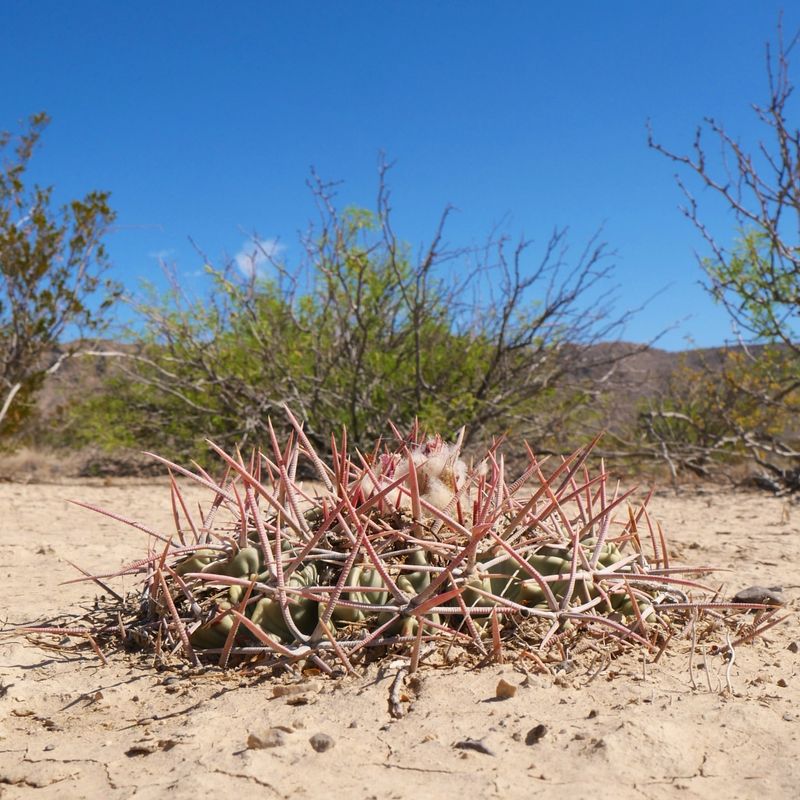
Right there in the name is a clue about how tough this cactus really is. The Horse Crippler, also known as Echinocactus texensis, earned its nickname because its low, flat shape made it easy for horses and cattle to step on and get hurt.
It sits close to the ground and blends into the landscape, making it both a fascinating and functional plant for Texas gardens.
This cactus is a true Texas native, which means it already knows how to survive here. It is found naturally in grasslands, prairies, and dry plains across central and south Texas.
Its round, compact form makes it a great fit for rock gardens and xeriscapes where you want bold texture without a lot of height. The stout, reddish spines curve outward dramatically, giving it a fierce and sculptural look.
Your Texas Garden Changes Every Week. Your Plan Should Too.
Gardening in Texas changes quickly throughout the season. Every Friday you’ll receive a simple weekly plan showing exactly what to plant, prune, fertilize, harvest, and protect so you never miss the right timing.
One of the most exciting things about the Horse Crippler is its blooms. In late spring, large pink to magenta flowers open up right at the top of the plant.
They are surprisingly showy for such a tough-looking cactus and can stop visitors in their tracks. The flowers also attract native bees and other pollinators, adding life to your outdoor space.
Growing this cactus is pretty simple. It needs well-draining soil and full sun, and it handles drought without any fuss.
In Texas, where water conservation matters, the Horse Crippler is a smart and beautiful choice that practically takes care of itself once settled in.
3. Claret Cup Cactus
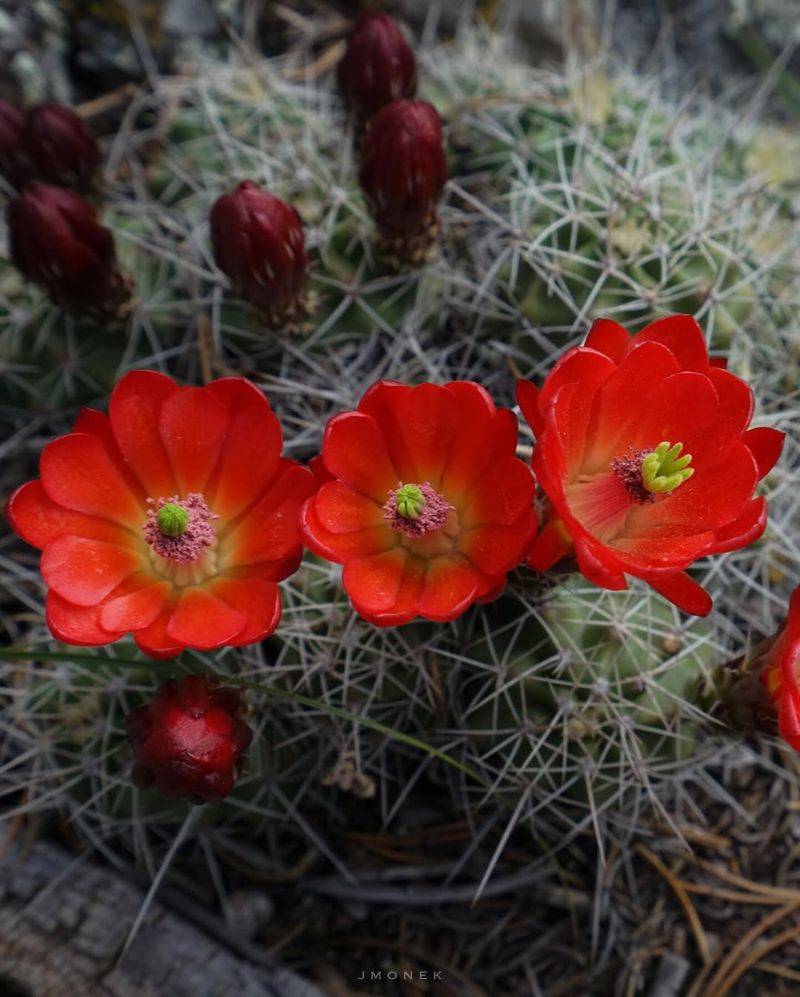
If you want a cactus that puts on a real show, the Claret Cup is ready for the spotlight. Every spring, this remarkable plant bursts into clusters of vivid scarlet-red flowers that are almost impossible to ignore.
The blooms are tubular and bright, and they attract hummingbirds like a magnet. Watching a hummingbird hover over a Claret Cup in a Texas garden is one of those moments that makes gardening feel truly worth it.
Echinocereus triglochidiatus grows in clumping mounds, with multiple cylindrical stems rising together. Over time, a single plant can spread into an impressive cluster that covers a good amount of ground.
This growth habit makes it excellent for filling in rocky slopes, dry garden beds, or naturalized areas where you want coverage without constant upkeep.
One thing that surprises many Texas gardeners is how cold-hardy this cactus actually is. While it thrives in the heat of a Texas summer, it can also handle freezing temperatures much better than most cacti.
That makes it a solid choice for gardeners in northern Texas, where winters can get a bit more intense than in the southern parts of the state.
Plant it in rocky or sandy, well-draining soil and give it a spot with full sun. Water it occasionally during the first growing season to help it get established, and then step back.
The Claret Cup is tough, reliable, and absolutely stunning when it blooms. It brings color and wildlife to your Texas garden without demanding much in return.
4. Twisted Barrel Cactus
Some plants are grown for their flowers. Some are grown for their fruit.
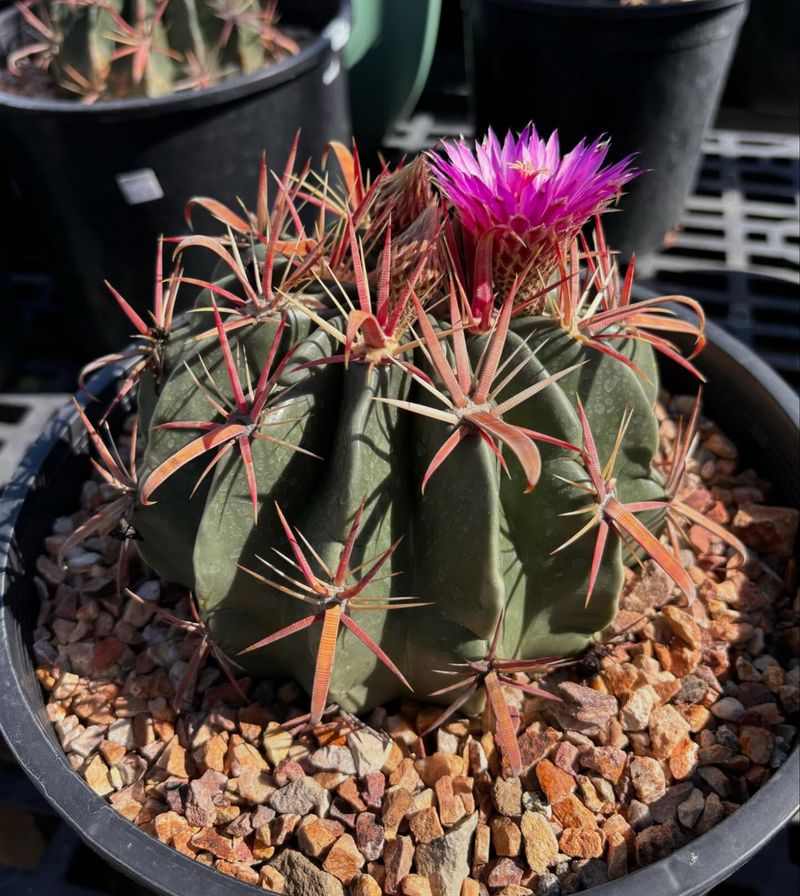
The Twisted Barrel Cactus is grown purely for the drama it brings. Ferocactus latispinus is a bold, round cactus covered in thick, flattened spines that curve and twist in striking directions.
The largest spines often have a reddish or deep pink color, which makes the whole plant look like a living piece of sculpture placed right in your yard.
In Texas, especially in drier western regions, this cactus fits right into the landscape. It loves full sun, handles extreme heat with no complaints, and asks for very little water.
Sandy or rocky, well-draining soil is all it needs to stay happy and healthy. Once established, it is one of the most hands-off plants you can grow.
The Twisted Barrel grows slowly, which means it holds its compact, globe-like shape for a long time. That makes it a great anchor plant in a xeriscape design or a focal point in a minimalist garden bed.
Pair it with gravel mulch and a few other drought-tolerant plants, and you have a low-maintenance landscape that looks intentional and polished.
In late fall or winter, mature plants sometimes produce small yellow or purple flowers near the crown of the cactus. The blooms are a pleasant bonus, though most people grow this plant for its year-round architectural presence.
If you want something that looks bold and different in your Texas garden, the Twisted Barrel delivers that effortlessly.
5. Cholla
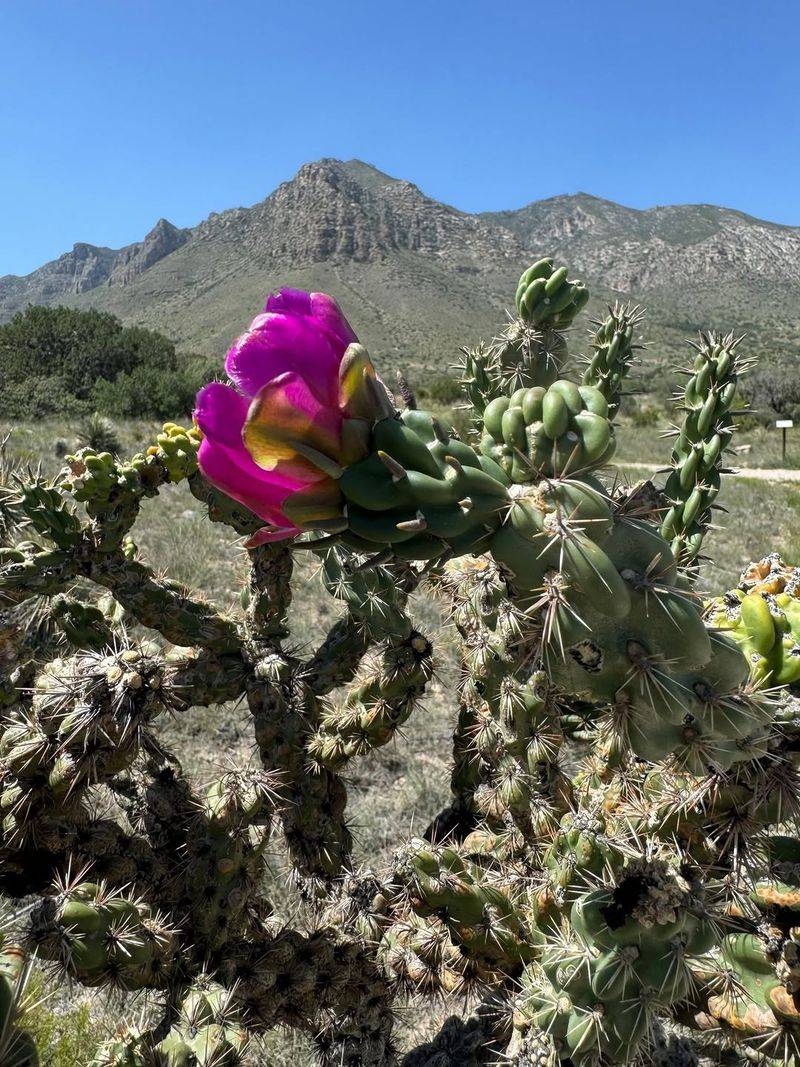
Walk through a desert-style garden in West Texas and you will almost certainly spot a cholla reaching up toward the sky. Unlike many cacti that stay low and round, cholla grows tall and branches outward like a small tree.
That vertical, open structure makes it stand apart from everything else in the landscape. It brings height, texture, and a wild, untamed energy that few other plants can match.
Cylindropuntia is the genus that covers many cholla varieties, and Texas is home to several of them. The cane cholla and the Christmas cholla are two popular choices for home gardens.
Their cylindrical, jointed stems are covered in sharp spines that catch sunlight and create an almost glowing effect on bright days. It is genuinely beautiful in a rugged kind of way.
Cholla is extremely drought-tolerant, which makes it an excellent fit for the dry climate in many parts of Texas. Once planted in well-draining soil with full sun exposure, it needs almost no supplemental watering.
It also provides important habitat for birds, which sometimes nest inside the protective tangle of spiny branches. That is a bonus for anyone who enjoys backyard wildlife.
One thing to keep in mind is that cholla spines are barbed and attach easily to clothing, skin, and pets. Plant it in an area where foot traffic is low and where it has room to spread naturally.
With the right placement, cholla becomes one of the most dramatic and conversation-starting plants in any Texas garden space.
6. Old Man Cactus
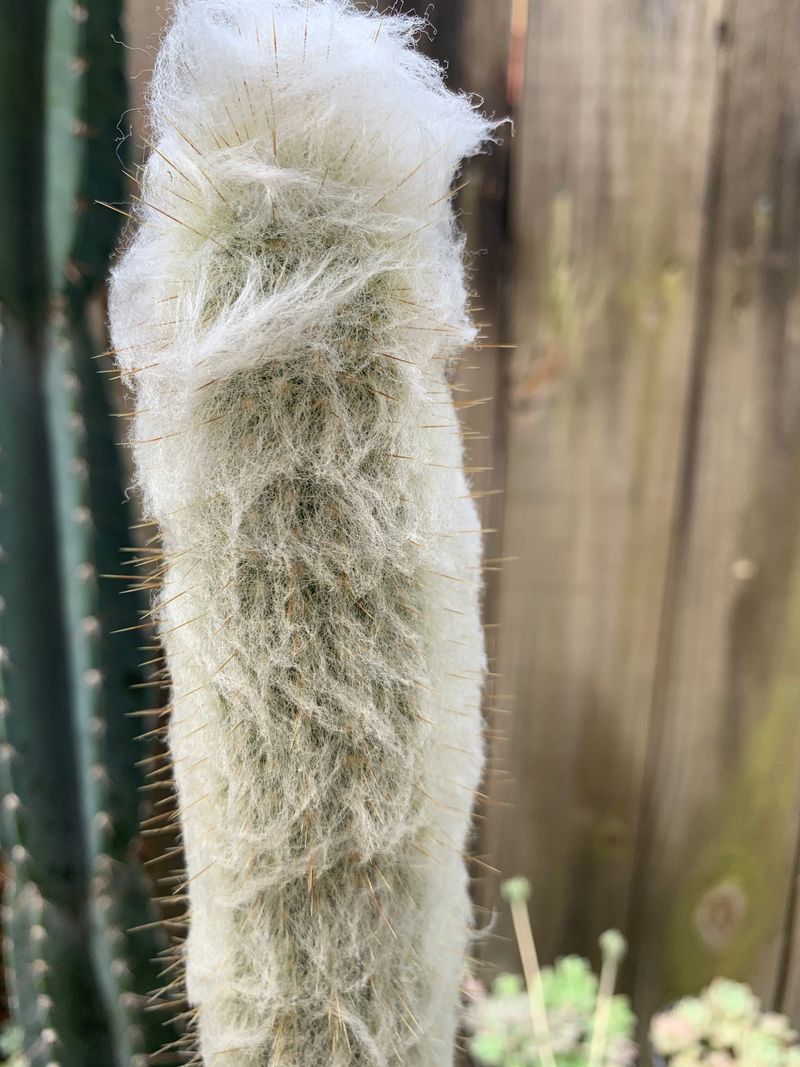
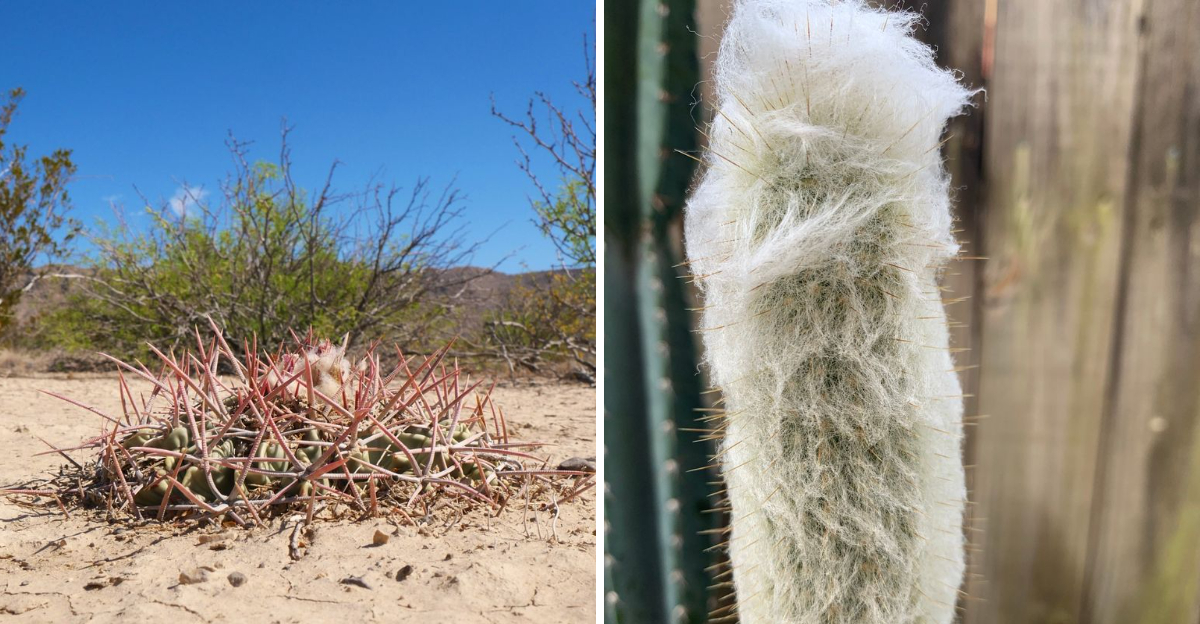
Nobody forgets the first time they see an Old Man Cactus. Covered from top to bottom in long, flowing white hair-like spines, this plant looks like something straight out of a fairy tale.
The scientific name is Cephalocereus senilis, and the word senilis is actually Latin for old age. That fluffy white coat gives it a soft, almost cozy appearance that is a total contrast to what most people picture when they think of a cactus.
In Texas, the Old Man Cactus grows best in the warmer southern regions of the state, where winter temperatures stay mild.
It is not as cold-hardy as some other cacti on this list, so gardeners in northern Texas should consider growing it in a container that can be brought indoors when temperatures drop.
A sunny patio or a bright garden bed near a south-facing wall works beautifully for this plant.
The white spines are not just for looks. They actually help protect the cactus from intense sunlight and help regulate its temperature.
Underneath all that fuzz, the stem is a tall, columnar green cylinder that slowly reaches upward over the years. Growth is slow but steady, and a mature plant can become a real centerpiece in your garden.
Give it fast-draining soil, plenty of sunshine, and very little water, and it will reward you with its unique, eye-catching presence. It is a wonderful conversation starter and adds a touch of whimsy to Texas garden spaces that few other plants can offer.
7. Pincushion Cactus
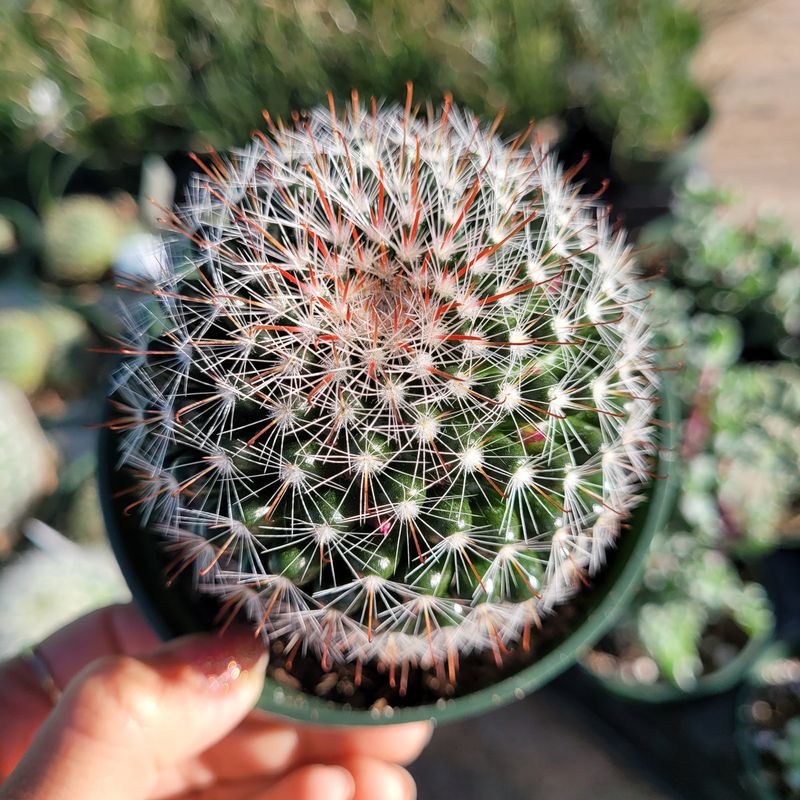
Not every cactus needs to be large and imposing to make an impression. The Pincushion Cactus proves that good things really do come in small packages.
Mammillaria is one of the largest cactus genera in the world, with over 200 species to explore. Many of them stay small and round, making them perfect for containers, windowsills, patio pots, or compact garden beds throughout Texas.
What makes this cactus especially charming is the way it blooms. Instead of a single large flower at the top, Pincushion Cacti produce a ring of small, delicate flowers that circle the crown of the plant like a tiny floral crown.
Depending on the species, colors range from soft pink and white to deep magenta and red. The effect is dainty and beautiful, especially in spring when the blooms are at their peak.
Texas gardeners who live in urban areas or have limited outdoor space will appreciate how versatile Pincushion Cacti are. They thrive in containers with well-draining cactus mix and do wonderfully on sunny patios, balconies, or in raised garden beds.
They also work well when grouped together with other small cacti to create a miniature desert display that looks intentional and artistic.
Care is refreshingly simple. Water sparingly, give it bright sunlight, and keep it in well-draining soil.
In warmer parts of Texas, many Mammillaria species can stay outdoors year-round. They are low-fuss, high-reward plants that bring color and charm to any garden spot, big or small.