The Arizona Backyard Features Where Scorpions Commonly Hide During Summer
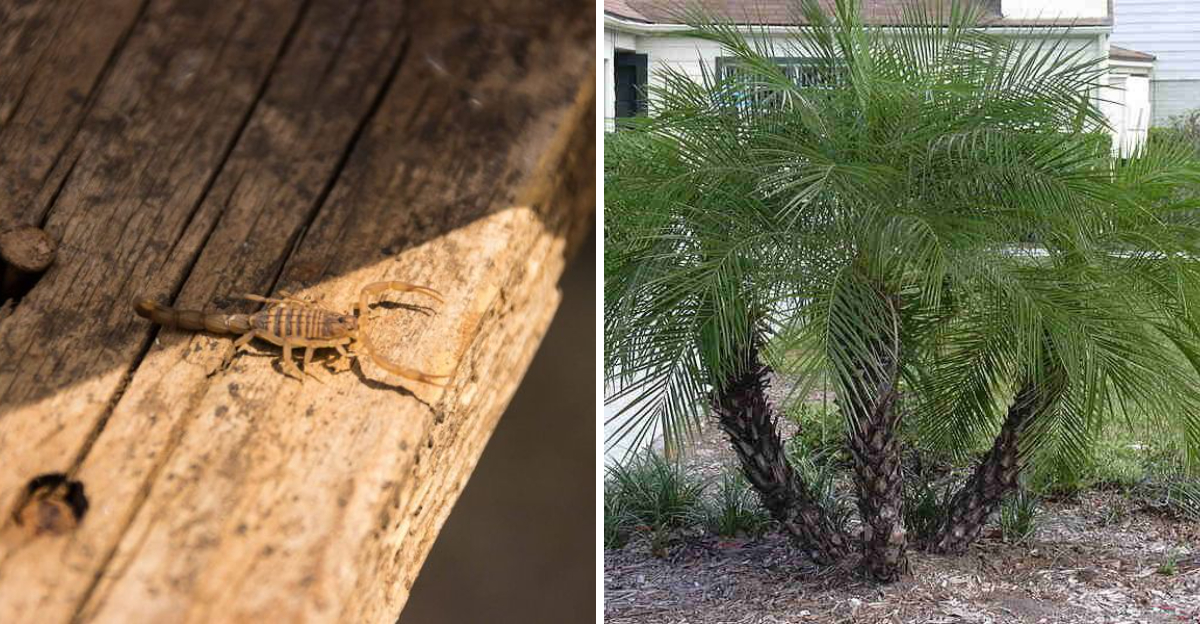
Backyards can seem perfectly calm during summer while scorpions stay hidden in shaded areas nearby.
Many people never notice them until warm evenings arrive and movement suddenly increases around patios, walls, and outdoor storage spots after dark.
Certain backyard features attract them much more than others. Loose rocks, stacked wood, thick ground cover, and cluttered corners often create cooler hiding places during extreme heat.
Damp areas near irrigation lines, pots, and hoses can also draw extra insect activity, which gives scorpions more reasons to stay nearby.
Many homeowners spend time searching for scorpions themselves while overlooking the areas that keep attracting them over and over again. Small changes around the yard can sometimes make a much bigger difference than expected.
Checking a few overlooked hiding spots before peak heat arrives can help make Arizona outdoor spaces feel far more comfortable through summer nights.
1. Loose Decorative Rock Stays Cooler Beneath The Surface
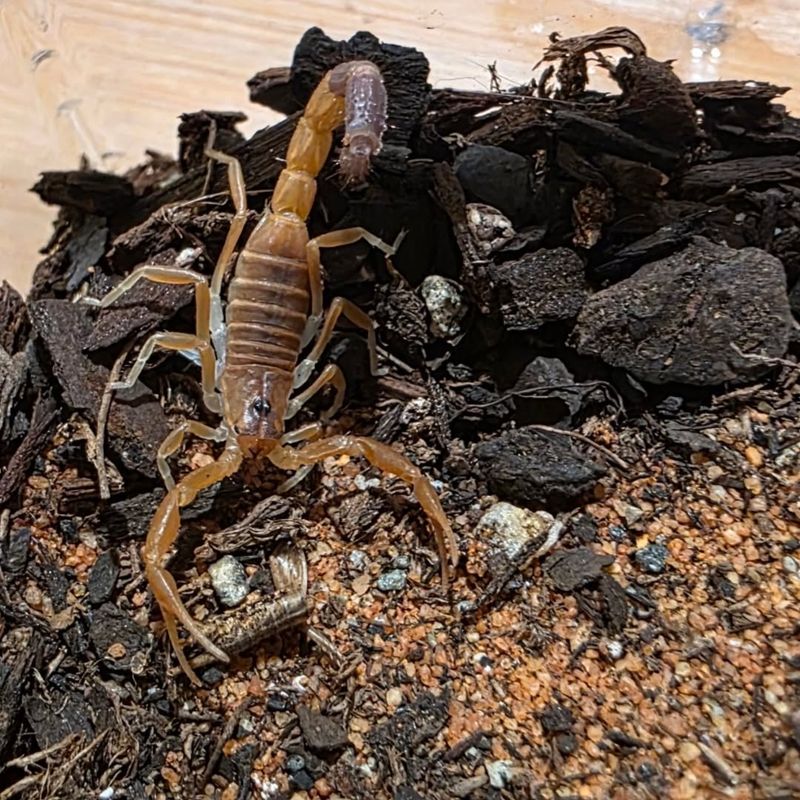
Flip one of those decorative rocks in your yard and you might be surprised by what scurries away. Loose rock creates a layered environment that stays several degrees cooler than the surrounding soil surface.
Scorpions take full advantage of that temperature difference during peak summer heat.
Gravel and river rock are popular landscaping choices across desert communities, but they also create dozens of tiny gaps and channels at ground level. Each gap is essentially a ready-made shelter.
Scorpions can squeeze into spaces barely wider than a credit card, so even small decorative stones offer enough room.
Raking or repositioning your rock beds regularly disrupts these hiding patterns. Motion and disturbance discourage scorpions from settling in for long periods.
Wearing thick gloves before touching any rock is a smart habit to build.
Keeping rock mulch away from the foundation of your home reduces the chance of scorpions traveling indoors. A gap of at least two feet between rock beds and exterior walls makes a noticeable difference.
Rock landscaping looks great, but managing it carefully is part of responsible desert yard maintenance.
2. Irrigation Boxes Often Create Dark Damp Shelter
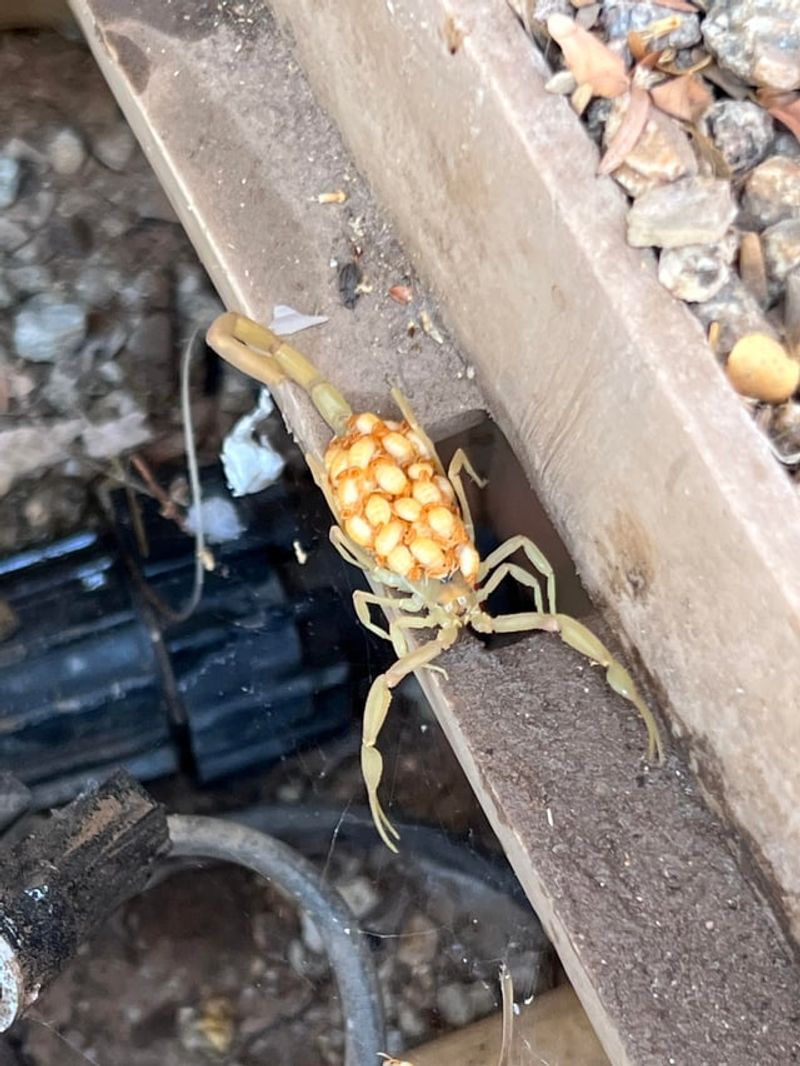
Most homeowners never think twice about those plastic boxes flush with the ground near their drip systems. Inside, it is a completely different world.
Irrigation valve boxes stay dark, slightly moist, and well insulated from the brutal heat above ground.
Scorpions are drawn to moisture during summer months when the surrounding desert environment becomes extremely dry. An irrigation box with even a small amount of condensation or slow leak becomes an attractive resting spot.
Once one scorpion finds it, others can follow the same scent trails over time.
Check your irrigation boxes at least once a month during summer. Use a flashlight and look carefully before reaching inside.
A long-handled tool works better than bare hands when you need to move wires or check valve connections.
Sealing any gaps around the lid with weatherstripping or foam tape reduces entry points significantly. Boxes that fit tightly and leave no side gaps are much less inviting.
Keeping the interior dry by fixing any slow drips also removes one of the main reasons scorpions settle there in the first place.
Your Arizona Garden Changes Every Week. Your Plan Should Too.
Gardening in Arizona changes quickly throughout the season. Every Friday you’ll receive a simple weekly plan showing exactly what to plant, prune, fertilize, harvest, and protect so you never miss the right timing.
Regular inspection takes only a few minutes but makes a real difference in managing your outdoor risk areas throughout the season.
3. Thick Ground Cover Traps Moisture Near The Soil
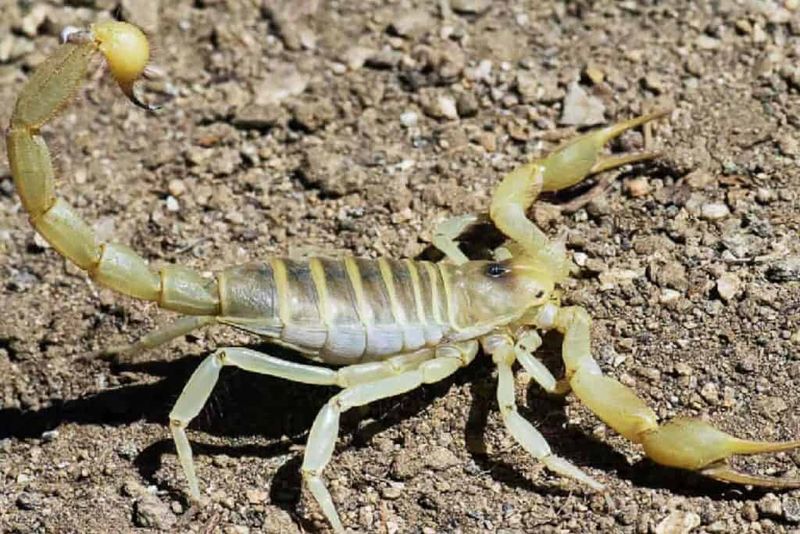
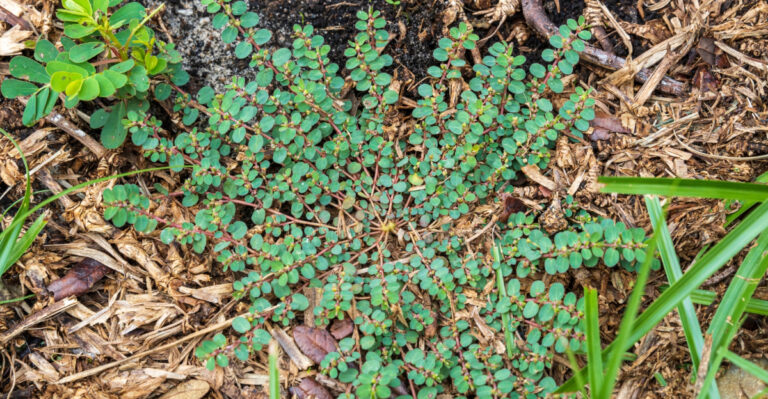
Ground cover plants solve a lot of landscaping problems, but they also create one most people do not expect. Thick, low-growing plants hold humidity close to the soil surface, even in the driest summer conditions.
That layer of trapped moisture is exactly what scorpions look for when daytime temperatures become extreme.
Plants like lantana, trailing rosemary, and various ground-hugging succulents are common in desert yards. Their dense canopy shades the soil below and slows evaporation noticeably.
Underneath that canopy, temperatures can be significantly cooler than open ground nearby.
Scorpions are nocturnal hunters, but they spend daylight hours resting somewhere protected and cool. Ground cover provides both shade and concealment in one convenient location.
Leaf litter that collects underneath adds another layer of insulation and cover.
Trimming ground cover plants so they sit slightly higher off the soil helps reduce the enclosed, humid microclimate underneath.
Removing dried plant debris regularly also reduces insect activity, which limits the food source that attracts scorpions in the first place.
Keeping beds thinned out and well-ventilated makes them less appealing as daytime resting spots.
Ground cover is worth keeping in desert landscapes, but managing density is key to reducing hidden shelter opportunities throughout the summer.
4. Firewood Stacks Provide Protection From Extreme Heat
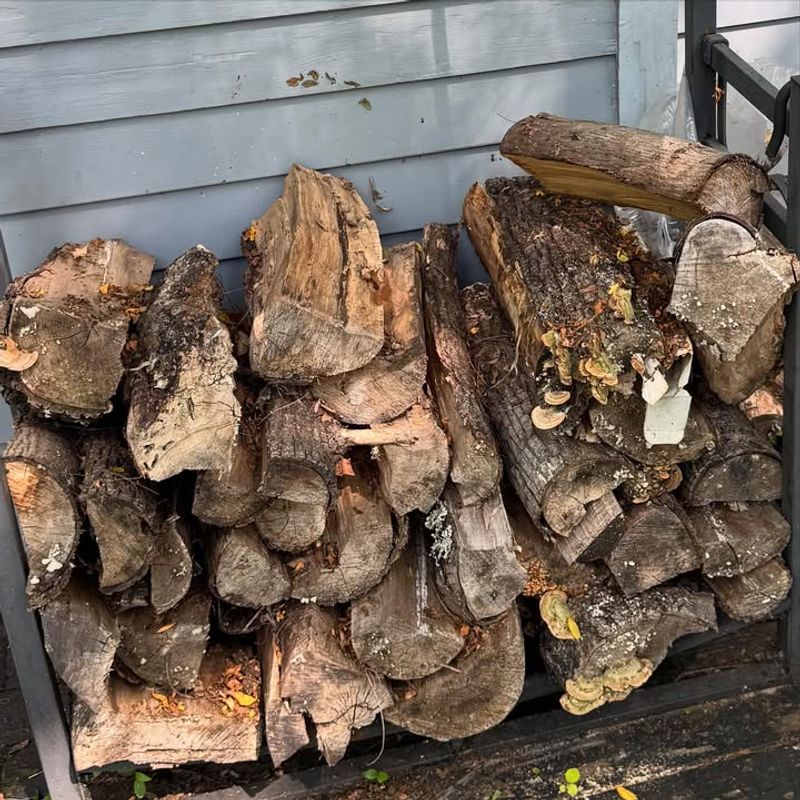
Nobody thinks much about the firewood pile until winter, but scorpions think about it all summer long. A stacked wood pile is one of the most reliable daytime shelters available in any backyard.
Gaps between logs stay dark, dry, and significantly cooler than the open air around them.
Wood stacks against a wall or fence create an even more protected environment. The wall blocks wind and retains a small amount of shade, making the entire stack more attractive as a resting spot.
Scorpions can move deeper into the pile as surface temperatures rise throughout the day.
Storing firewood directly on the ground makes the situation worse. Soil contact adds moisture from below, and insects that live in decomposing wood become a steady food source.
Both factors increase the likelihood of scorpions moving in and staying.
Raising your woodpile on a rack or platform removes ground contact and improves airflow. Keeping the stack away from exterior walls reduces the chance of scorpions traveling from the pile toward your home.
Moving wood should always involve gloves and a careful visual check before grabbing logs by hand.
Buying firewood closer to when you actually need it, rather than storing large amounts all summer, is one of the simplest ways to reduce this particular risk in your yard.
5. Block Wall Gaps Stay Undisturbed For Long Periods
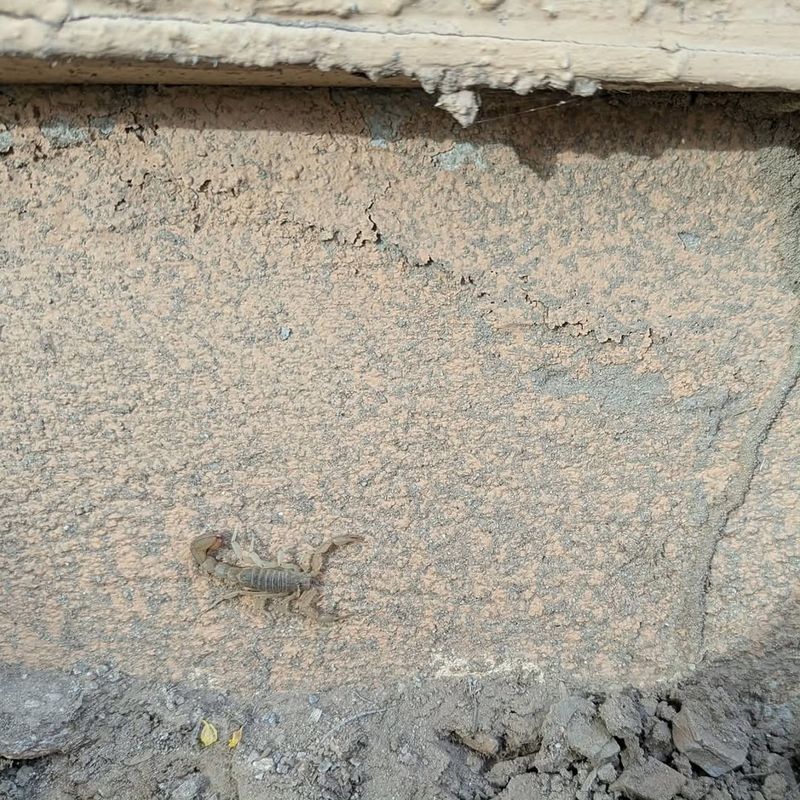
Cinder block walls are everywhere in desert neighborhoods, and their hollow cores are no secret to scorpions. Each unfilled block contains an internal cavity that stays protected from direct sun exposure all day long.
Those cavities maintain a relatively stable temperature compared to the scorching exterior surface of the wall.
Gaps at the base of a block wall, where mortar has cracked or was never fully applied, are especially common entry points. Scorpions can slip through openings that look far too small from a distance.
Once inside the wall cavity, they have a secure, undisturbed space that rarely gets checked by anyone.
Walls along property perimeters often go months without any close inspection. Vegetation growing at the base adds another layer of concealment and makes the area even more appealing.
Scorpions can shelter there through the hottest part of the day and emerge at night to hunt.
Inspecting block walls periodically for visible cracks or open joints is worth the time. Patching gaps with hydraulic cement or foam backer rod reduces accessible entry points.
Keeping the base of the wall clear of plant debris and gravel buildup also removes cover that makes the area more attractive.
Walls that appear solid from a distance often have more openings than homeowners realize until they look closely at ground level.
6. Overfilled Storage Areas Create Cooler Hidden Spaces
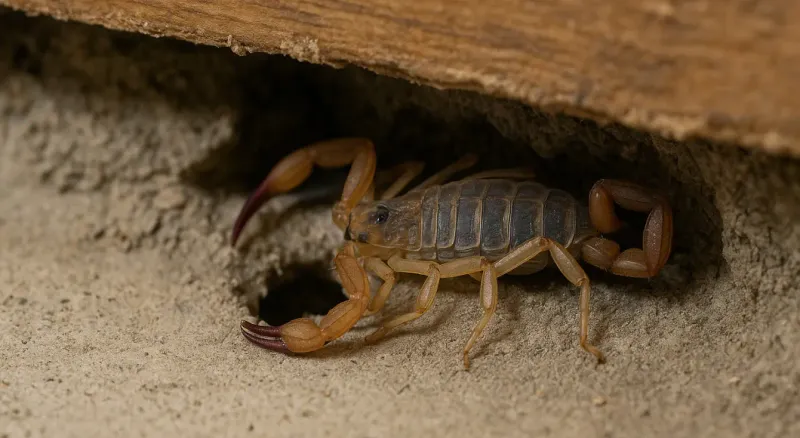
Cluttered storage areas are basically an invitation.
Boxes stacked together and old garden tools leaning in corners create a layered, insulated environment.
Bags of soil or sand on shelves help the area stay cooler than the surrounding outdoor space.
Scorpions are opportunistic, and a storage shed full of undisturbed items is an easy choice for a daytime shelter.
Sheds and outdoor storage rooms in desert climates tend to trap heat during midday but cool off quickly in the evening. That temperature swing makes them active areas for scorpion movement at night.
Reaching into a dark corner or grabbing something off a low shelf without looking first carries real risk.
Reorganizing storage areas so items are off the ground and clearly visible reduces hidden pockets significantly. Clear plastic bins with tight-fitting lids are better than open cardboard boxes.
Cardboard absorbs moisture and breaks down over time, creating both shelter and food sources for the insects scorpions hunt.
Sweeping storage floors regularly and keeping items organized and elevated removes the layered clutter that makes these spaces so attractive.
Installing a bright light inside and checking before reaching anywhere low or dark is a simple habit that pays off.
Tidy storage areas are far less likely to harbor unwanted residents through a long desert summer.
7. Dense Palm Skirts Hold Shade Close To The Trunk
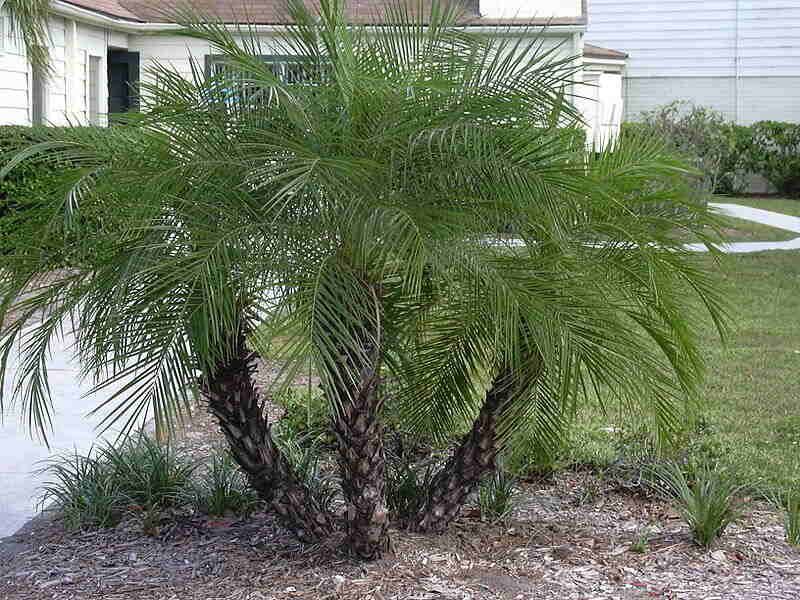
Palm trees look beautiful, but the dried fronds that hang down around the trunk are one of the most overlooked scorpion shelters in any yard.
That dense skirt of dry, layered fronds creates a tightly packed, shaded space that holds cool air close to the trunk throughout the day.
From the outside, it looks like a decorative feature. From a scorpion’s perspective, it is prime real estate.
Old palm fronds are also stiff enough to create structural gaps between layers.
Those gaps provide protection from direct sun and wind simultaneously. Insects that feed on decaying plant material gather inside palm skirts, which draws additional predators into the same space.
Regular palm trimming removes this shelter entirely. A clean, trimmed trunk with no hanging frond skirt gives scorpions nothing to work with.
Most pest control professionals in the region specifically recommend trimming palms as part of a scorpion reduction strategy.
Trimming should be done carefully, with protective gloves and long sleeves, since the fronds themselves can harbor scorpions during the process.
Starting from the outer edges and working inward, rather than pulling entire sections at once, reduces sudden surprises.
Keeping palms trimmed throughout summer, rather than waiting for an annual cut, makes the biggest difference. Clean palms are not just better-looking, they are genuinely safer for everyone spending time in the yard.
8. Unmoved Patio Items Often Become Overnight Hiding Spots
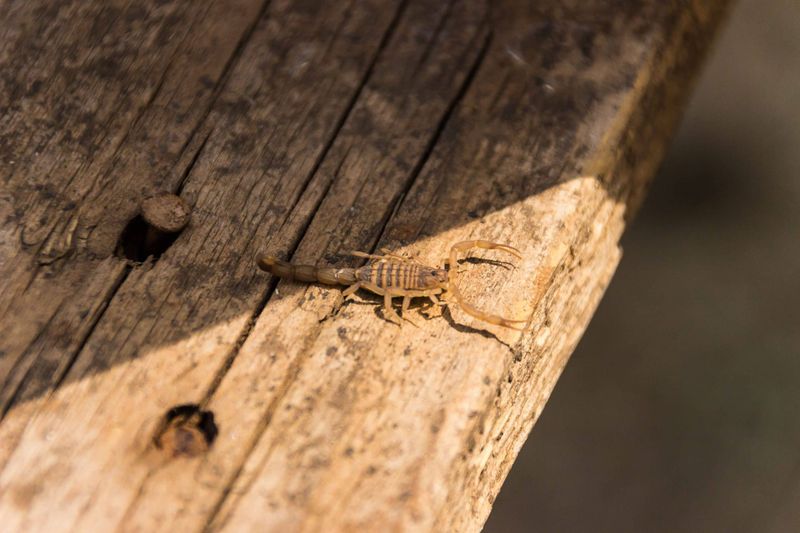
Anything that sits in the same spot for weeks without being moved becomes a potential scorpion shelter.
Outdoor chairs, potted plants, decorative statues, welcome mats, and even children’s toys left on the patio all qualify.
The underside of any object resting on a hard surface creates a thin, shaded gap that scorpions can squeeze into comfortably.
Patio surfaces stay warm long after sunset, which actually encourages scorpions to move across them at night in search of cooler spots. An object that has been sitting undisturbed provides immediate relief from the warm concrete below.
Scorpions that find a suitable gap will return to it repeatedly if nothing disturbs them.
Moving patio furniture and decorative items around on a regular basis disrupts this pattern. Even shifting a chair or pot a few feet removes the established shelter and forces scorpions to relocate.
Checking underneath items before sitting down or picking them up is a habit worth building, especially during summer evenings.
Potted plants deserve special attention because they combine shade, moisture from watering, and a stable base all in one spot. Lifting pots to check underneath them once a week takes only seconds.
Placing pots on elevated stands removes ground contact and makes the underside much less accessible.
Small adjustments to how you manage your patio can significantly reduce the number of undisturbed hiding spots available throughout the season.