How Arizona Gardeners Prune Lilacs Without Losing Spring Blooms
Big lilac blooms can make a yard feel completely different for a few weeks in spring, which is why it feels so frustrating when the plant suddenly produces fewer flowers the following year.
Gardeners in cooler parts of Arizona often trim lilacs with good intentions, then spend the next season wondering why the branches filled out but the blooms never really showed up again.
Heat, dry air, and strong sun already push lilacs harder here than in cooler climates, so one careless pruning habit can affect far more than people expect.
Fresh cuts at the wrong moment often remove the exact spots where next year’s flowers were supposed to appear.
Most problems do not show up immediately either. Lilacs usually keep looking healthy afterward, which makes the mistake easy to miss until another spring passes with disappointing blooms.
1. Pruning Too Late Can Remove Next Year’s Flower Buds
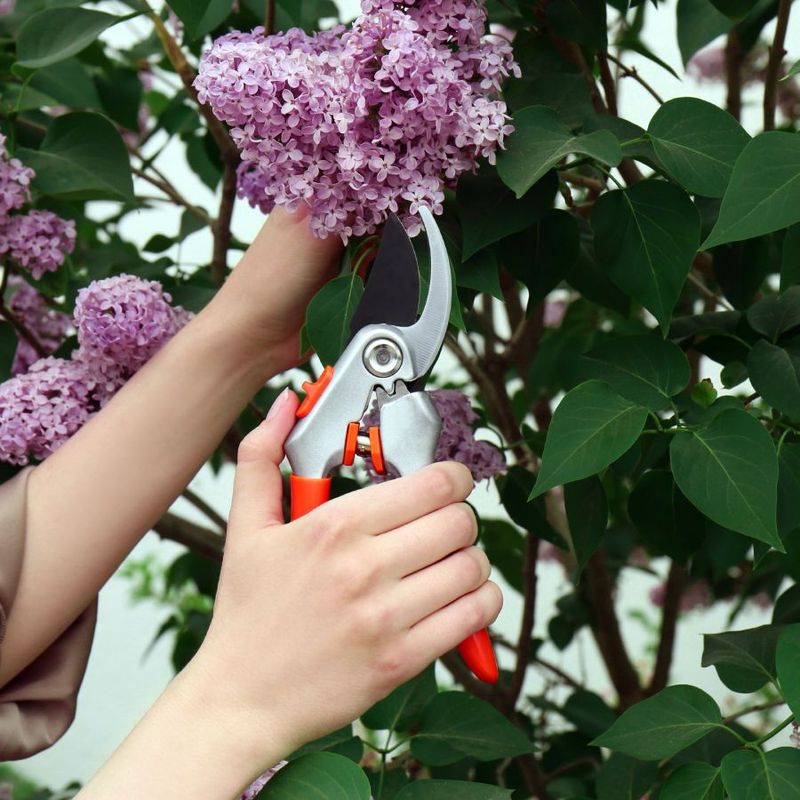
Timing is everything with lilacs, and getting it wrong costs you an entire season of blooms. Most Arizona gardeners don’t realize that lilac shrubs set their flower buds for the following spring just weeks after the current blooms fade.
Cut those stems too late in the season, and you’re removing exactly what you were hoping to see next year.
In Arizona, especially at higher elevations like Flagstaff or Prescott, lilacs typically finish blooming sometime in April or May depending on the year. Once those last flowers drop, the clock starts ticking.
New buds begin forming on that same wood almost immediately, and by midsummer, they’re already locked in for next spring.
Pruning should happen within four to six weeks after blooming ends. Waiting until fall or early winter might seem logical since the plant looks dormant, but those buds are already sitting right where you’d be making your cuts.
A lot of well-meaning gardeners in Arizona have learned this lesson the hard way after a full season of leafy branches and no flowers at all.
2. Faded Flower Clusters Are Usually Removed First
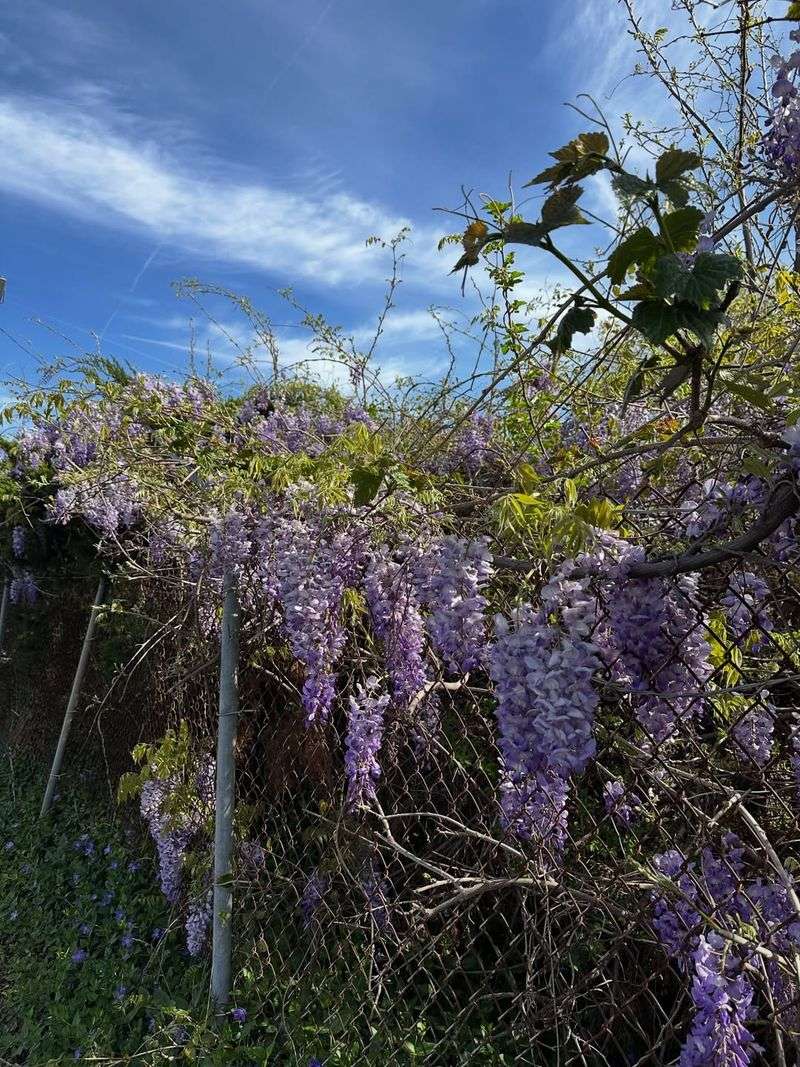
Spent lilac blooms look rough fast. What started as gorgeous purple or white clusters turns brown and papery within days, and leaving them on the shrub isn’t doing anyone any favors.
Removing faded flower heads is usually the first pruning task Arizona gardeners tackle each season, and it’s also one of the most straightforward.
Removing those faded clusters right at the base, just above the nearest pair of healthy leaves or buds, redirects the plant’s energy away from seed production.
When a lilac puts effort into making seeds, it pulls resources away from root development and next year’s flower buds. Removing spent blooms early keeps that energy where you actually want it.
In Arizona’s warmer growing zones, faded clusters can also trap moisture against stems if left in place too long, especially during the monsoon season when humidity spikes unexpectedly.
That trapped moisture creates conditions where fungal problems can take hold.
Getting those old blooms off quickly reduces that risk before summer storms roll in.
Your Arizona Garden Changes Every Week. Your Plan Should Too.
Gardening in Arizona changes quickly throughout the season. Every Friday you’ll receive a simple weekly plan showing exactly what to plant, prune, fertilize, harvest, and protect so you never miss the right timing.
3. Older Woody Stems Benefit From Occasional Thinning
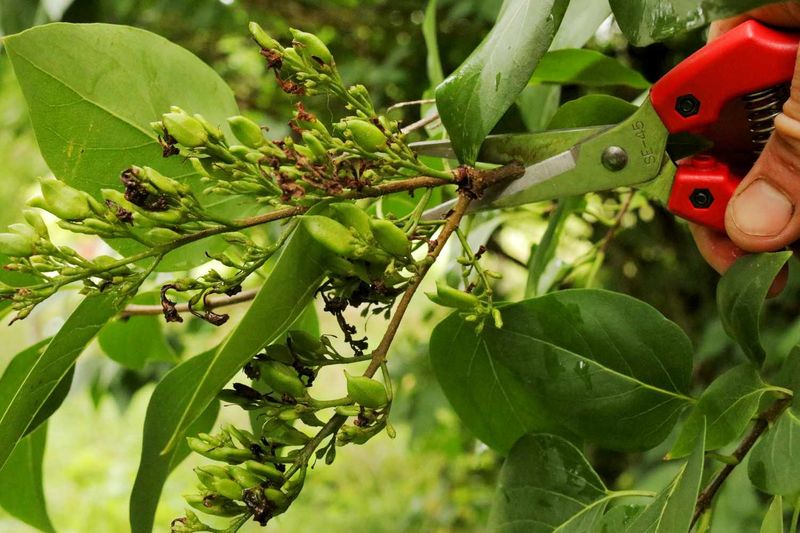
Old lilac canes don’t just look tired after several years. They actually start producing fewer and fewer blooms as they age, and the whole shrub can begin to look like a tangled mess of thick, unproductive wood.
Thinning out those older stems every few years makes a real difference in how much a lilac flowers and how healthy the overall plant stays.
Most experienced Arizona gardeners aim to remove no more than one third of the oldest, thickest canes in a single season. Going harder than that stresses the shrub and can set it back significantly.
Canes that are larger than roughly an inch and a half in diameter and showing little new growth from their base are usually the best candidates for removal.
Cut those older stems as close to ground level as possible without digging into the crown. New shoots already waiting at the base will fill in the space within a season or two, bringing fresh, productive wood that blooms far more reliably.
Lilacs growing in Flagstaff or Prescott tend to develop thick basal canes faster than you might expect given how slowly they grow elsewhere.
4. Fresh Spring Growth Should Be Left In Place
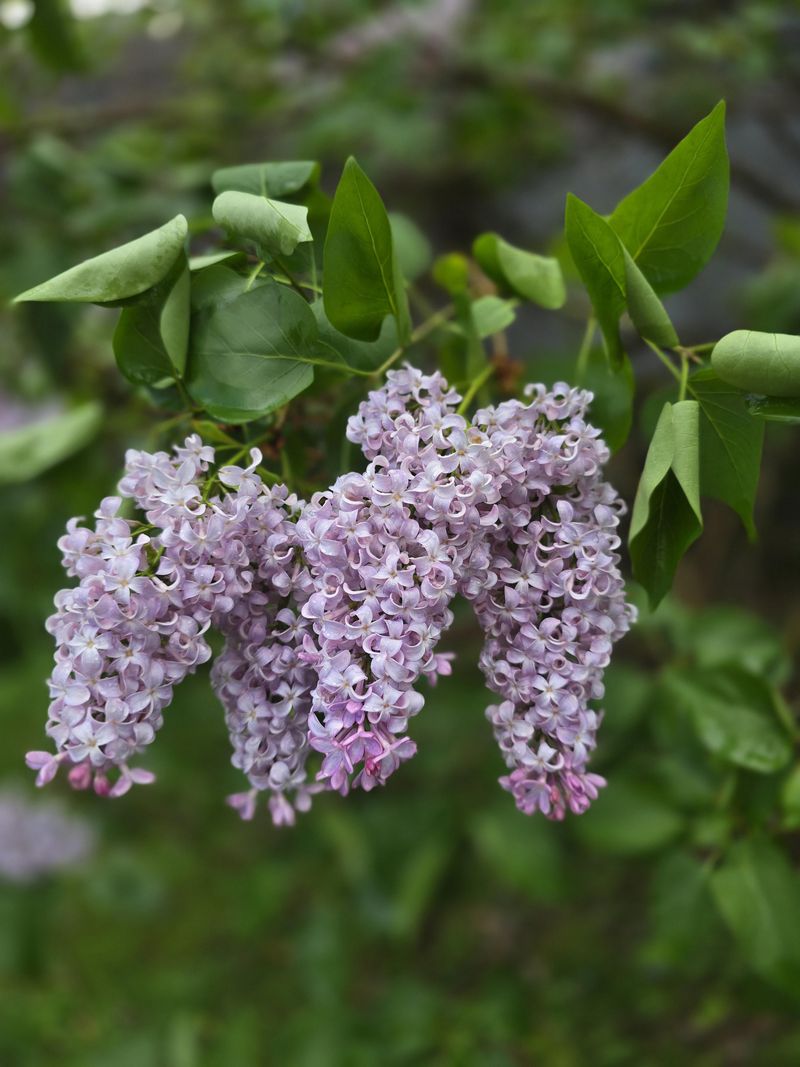
New green shoots pushing out from a lilac in spring are easy to mistake for excess growth that needs trimming back. Resist that urge completely.
Fresh spring growth on a lilac is where next year’s flowers are getting their start, and cutting it off sets the whole blooming cycle back by a full season.
Lilacs are classic old-wood bloomers, meaning flowers form on stems that grew the previous year. When fresh growth emerges in spring and early summer, it’s building the framework for next spring’s display.
Arizona gardeners sometimes get overly enthusiastic with shears during this period, especially when a shrub looks a little wild and unruly after the bloom season ends.
A good rule is to observe before you cut anything green and actively growing. Ask whether the stem you’re looking at already bloomed this year or not.
If it hasn’t flowered yet and it’s still actively pushing leaves, it likely hasn’t had its turn. Cutting it removes potential bloom wood without any benefit to the plant’s health or shape.
Lilacs growing in higher-elevation parts of Arizona, including areas around Williams or Payson, push out new growth in waves that can look chaotic at first glance.
5. Crowded Branches Can Reduce Airflow Around New Shoots
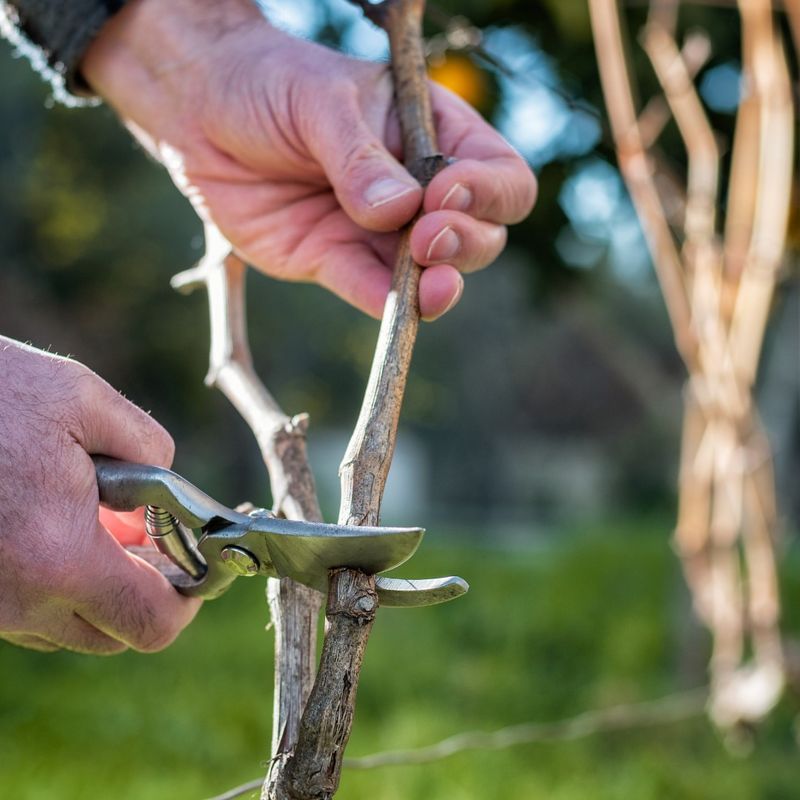
Walk up close to a lilac that hasn’t been thinned in years and peer into the center. Chances are you’ll find a dense web of crossing branches that blocks nearly every bit of light and airflow from reaching the interior.
That kind of crowding creates real problems, especially in Arizona where monsoon humidity arrives fast and lingers.
Poor airflow inside a shrub creates pockets of stagnant moisture around young shoots and developing buds. Powdery mildew is a common issue in Arizona lilacs for exactly this reason.
Spores spread easily through dense canopies where air barely circulates, and once established, mildew weakens the new growth you’re counting on for next spring’s blooms.
Selectively removing branches that cross each other or point inward toward the center opens up the shrub without dramatically changing its size. You don’t need to remove large amounts of material to see results.
Even pulling out a handful of rubbing, overlapping stems can change how air and light move through the plant almost immediately.
Arizona gardeners working in places like Prescott Valley or Flagstaff should pay particular attention after heavy monsoon rains, when fungal pressure peaks.
A well-thinned lilac with open interior structure handles those humid weeks far better than a crowded one.
6. Sharp Clean Cuts Help Shrubs Recover More Smoothly
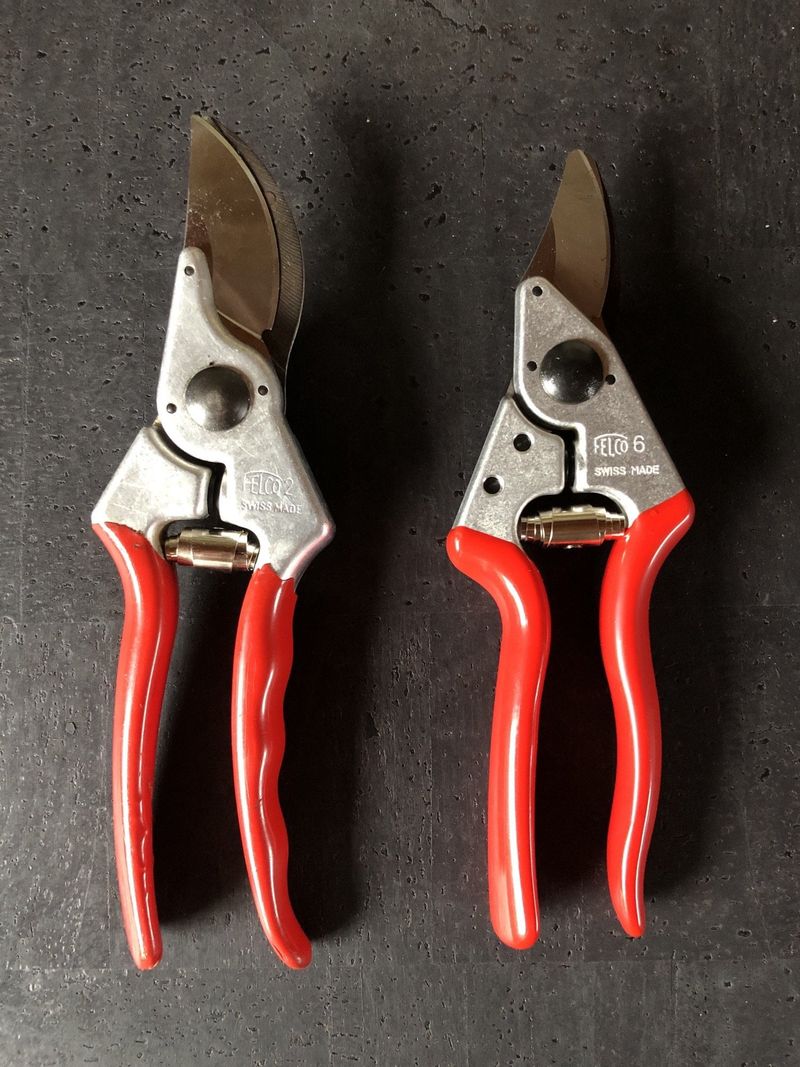
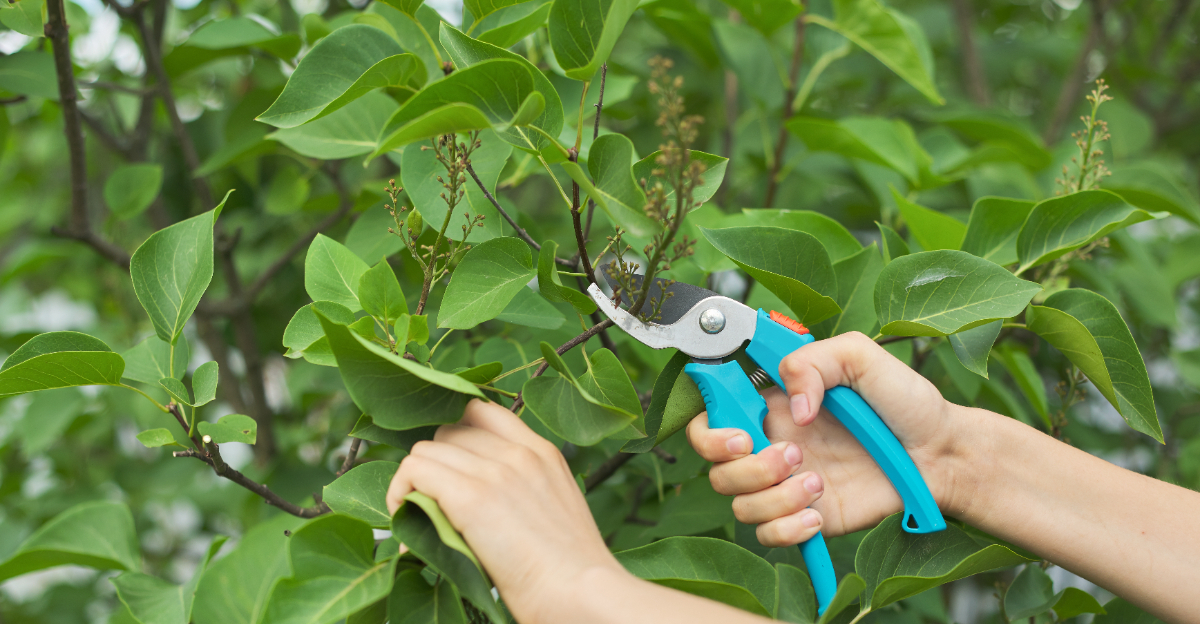
Dull blades do more damage than most gardeners expect. When shears or loppers are worn out, they crush and tear stem tissue rather than slicing through cleanly, and that ragged wound takes far longer to close over.
For a plant like lilac that needs to heal quickly and redirect energy into bud development, a rough cut is a real setback.
Sharp bypass pruners are the standard recommendation for stems up to about three quarters of an inch thick. For larger, older canes, a quality pair of loppers with sharp blades handles the job without forcing or twisting.
Never use anvil-style pruners on lilacs if you can avoid it. That crushing action against a single flat surface damages more tissue than a bypass cut on the same stem.
Cleaning your tools before working on lilacs in Arizona is worth the extra two minutes it takes. A quick wipe with rubbing alcohol between plants reduces the chance of spreading any fungal or bacterial issues from one part of the garden to another.
Lilacs in higher-elevation Arizona communities share outdoor space with other ornamentals that can harbor pathogens, and clean tools break that chain.
After pruning, the cut surface should look smooth, with no fraying or bruising along the edges. Healthy wood beneath the bark shows up as creamy white or pale green.
If a cut reveals brown or dry tissue all the way through, that cane was already struggling regardless of blade sharpness. Sharp tools simply give every cut the best possible start toward clean, efficient healing.
7. Heavy Summer Pruning Often Leads To Fewer Blooms
Summer feels like a natural time to tidy up the garden in Arizona. Shrubs are full, growth has slowed in the heat, and everything looks like it could use a cleanup.
Lilacs, though, are one plant where aggressive summer pruning almost guarantees a disappointing spring the following year.
By the time summer arrives in earnest, most lilacs have already formed their next season’s flower buds on the new growth from earlier in the year. Cutting back heavily in July or August removes those buds before they ever get a chance to open.
You won’t know what you lost until the following April, when the shrub pushes out nothing but leaves.
Light cleanup is fine during summer. Removing a broken stem, cutting out a crossing branch, or cleaning up one or two problem canes won’t ruin a season.
The trouble starts when gardeners decide to reshape the whole plant or cut back a significant portion of the canopy during those hot months.
Arizona’s intense summer heat also stresses the plant at the same time heavy pruning would be happening, compounding the impact.
Lilacs growing in Arizona communities like Flagstaff or Prescott already deal with enough environmental pressure through summer between heat, drought stress, and monsoon swings.