8 Spring Hydrangea Mistakes That Can Reduce Summer Flowers In Georgia
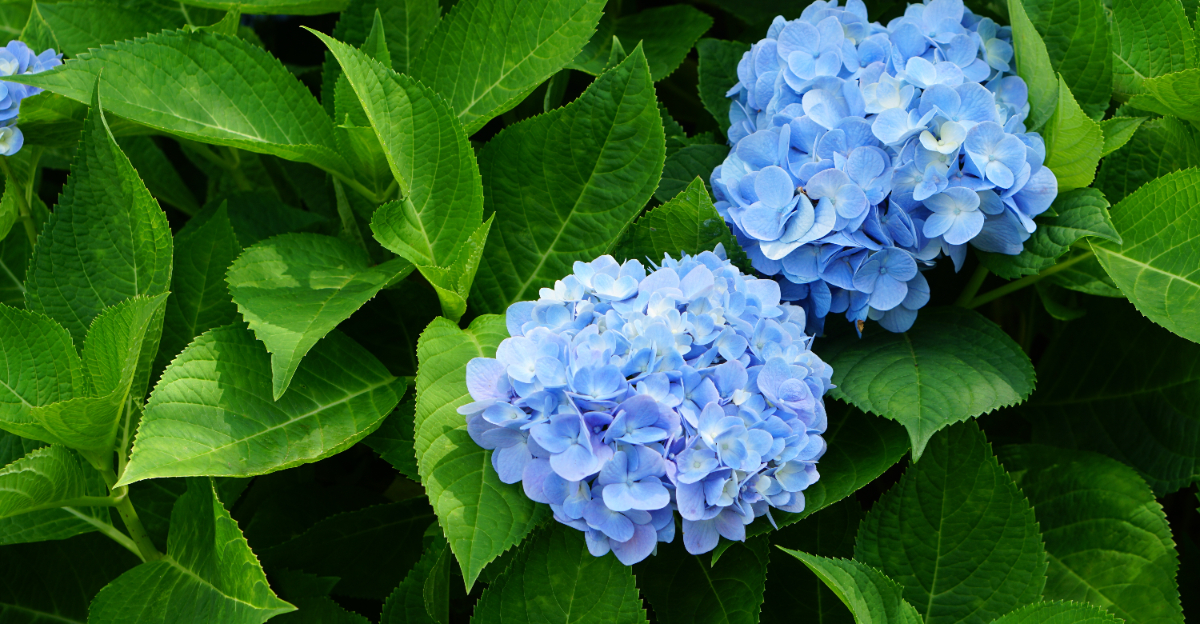
Hydrangeas usually look full and healthy during spring, which is why many gardeners do not realize mistakes are already affecting summer blooms weeks before flowers even begin forming.
A few small problems early in the season can quietly lead to fewer blooms, weaker growth, or shorter flowering once heat and humidity fully settle in.
Watering habits are often part of the issue in Georgia gardens. Soil that stays too dry during spring can slow flower development fast, especially once temperatures begin rising.
Heavy pruning at the wrong time also removes buds more often than people expect.
Fertilizer mistakes create problems too. Too much feeding may push leafy growth while reducing flower production later in the season.
Crowded plants and poor airflow can also increase stress once warm, humid weather becomes more consistent.
Healthy hydrangeas usually perform much better once spring care routines become more balanced before summer arrives.
1. Pruning Old Wood Varieties Too Late In Spring
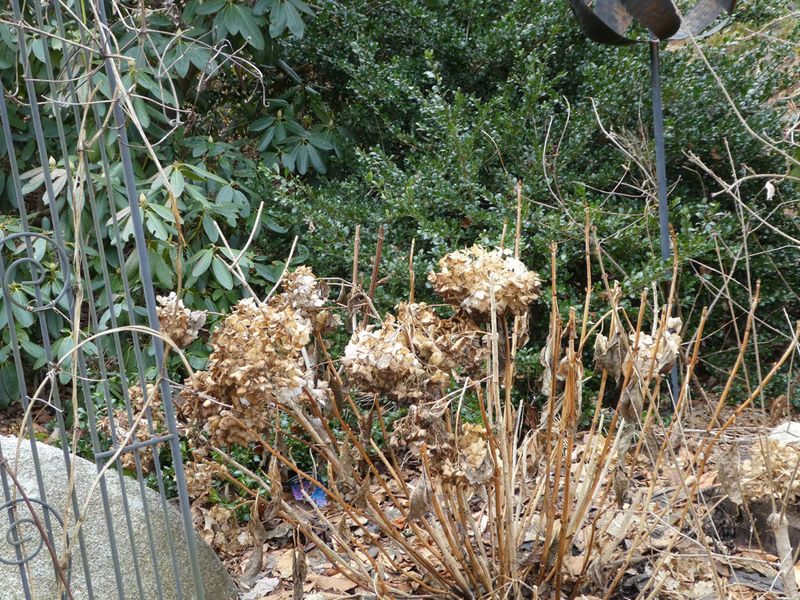
Grab your calendar before you grab those pruning shears. Timing matters more than most gardeners expect, especially with old wood bloomers like Bigleaf and Oakleaf hydrangeas.
Old wood varieties set their flower buds during the previous fall. When you prune them in late spring, those buds are already formed and ready to open.
Cutting them off removes the exact wood that holds next summer’s blooms.
Many gardeners prune in April or May thinking they are tidying up. Instead, they are removing the potential for dozens of flowers.
The plant looks fine afterward, but the bloom count drops noticeably.
Safe pruning for old wood types should happen right after they finish blooming in summer. That window gives the plant time to grow new wood and set fresh buds before cold weather returns.
If you are unsure whether your hydrangea blooms on old or new wood, check the tag or look up the variety name. Smooth hydrangeas and Panicle types bloom on new wood and handle spring pruning well.
Old wood types need a completely different approach.
In the Southeast, spring arrives fast and warm, which means buds develop earlier than in cooler climates. Waiting even two weeks too long can cost you most of your summer color.
2. Excess Fertilizer Often Leads To Fewer Blooms
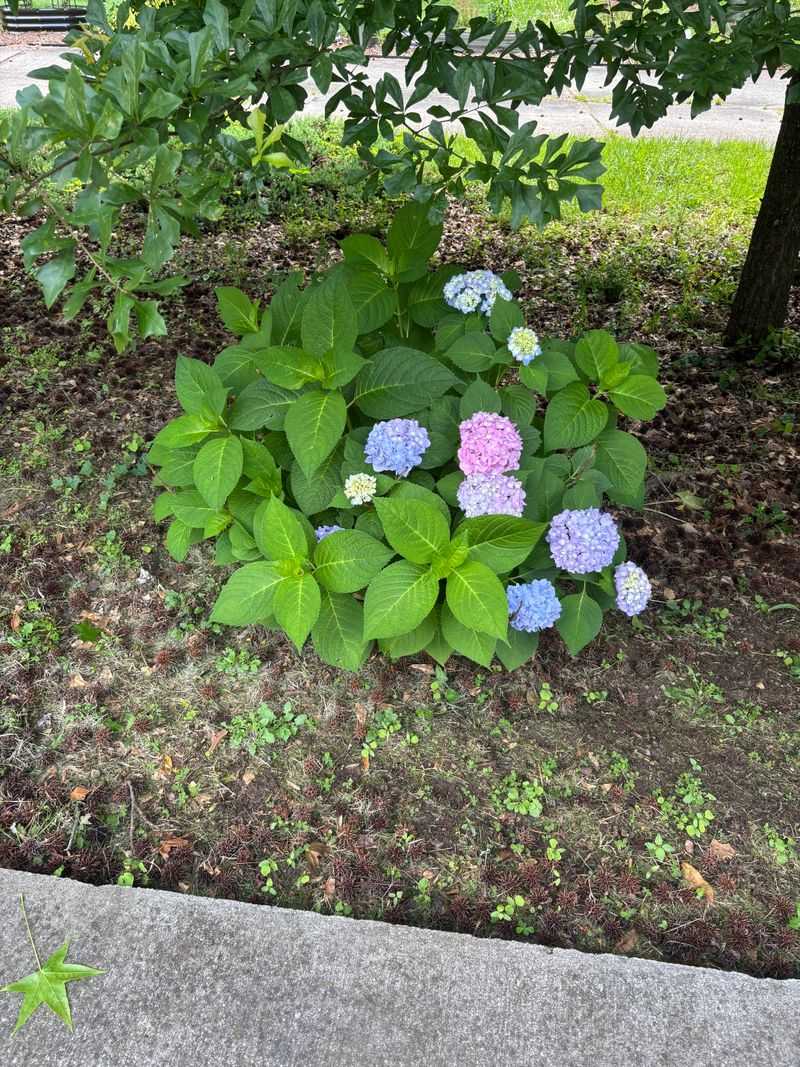
More fertilizer does not mean more flowers. With hydrangeas, it often means the exact opposite.
Nitrogen-heavy fertilizers push plants to grow fast and green. Leaves get big, stems get tall, and the whole shrub looks healthy.
But underneath all that green growth, bloom production quietly slows down.
Hydrangeas need phosphorus to support flower development. When nitrogen is too high, the plant puts energy into foliage instead of buds.
You end up with a lush, leafy shrub that barely blooms all summer.
Feeding too often makes this worse. Applying fertilizer every few weeks throughout spring keeps pushing vegetative growth at the expense of flowers.
One or two well-timed applications are usually enough for most established plants.
A balanced slow-release fertilizer applied once in early spring works well for most home gardens. Look for a formula designed for flowering shrubs rather than a general lawn or garden blend.
Your Georgia Garden Changes Every Week. Your Plan Should Too.
Gardening in Georgia changes quickly throughout the season. Every Friday you’ll receive a simple weekly plan showing exactly what to plant, prune, fertilize, harvest, and protect so you never miss the right timing.
Products high in phosphorus support stronger bud development.
Soil quality also plays a role. Rich, organic soil may not need much fertilizer at all.
Before adding anything, a basic soil test can show what is actually missing. Guessing often leads to over-application, which is one of the most common and easily avoidable reasons hydrangeas underperform during summer.
3. Dry Soil During Bud Formation Can Reduce Flower Size
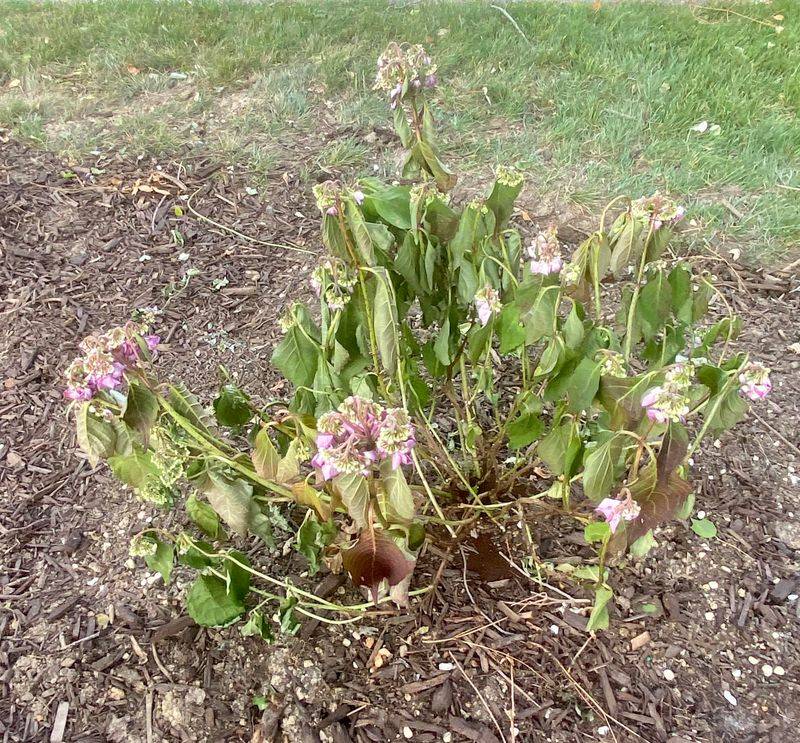
Water stress during bud formation is one of the quietest ways to shrink a summer flower display. Most gardeners do not even notice it happening until the blooms open small.
Hydrangeas form their buds in late spring, and that process demands consistent moisture. When soil dries out repeatedly during this window, buds develop under stress.
They still open, but the flower heads often come out noticeably smaller than expected.
Sandy soils common in parts of the Southeast drain quickly after rain. A stretch of dry, warm days in April or May can pull moisture away from roots faster than most gardeners realize.
Checking soil an inch or two below the surface tells you more than looking at the top layer.
Deep watering two or three times per week during dry spells supports bud development better than light daily sprinkles. Shallow watering only moistens the top inch, leaving deeper roots dry when they need hydration most.
Adding a layer of organic mulch around the root zone helps hold moisture between waterings. Shredded bark or wood chips work well and break down slowly over time.
Keep mulch a few inches away from the main stem to avoid trapping excess moisture against the bark.
Consistent soil moisture during late spring gives hydrangea buds the best possible start before summer heat fully arrives.
4. Afternoon Sun Exposure May Scorch Tender Leaves
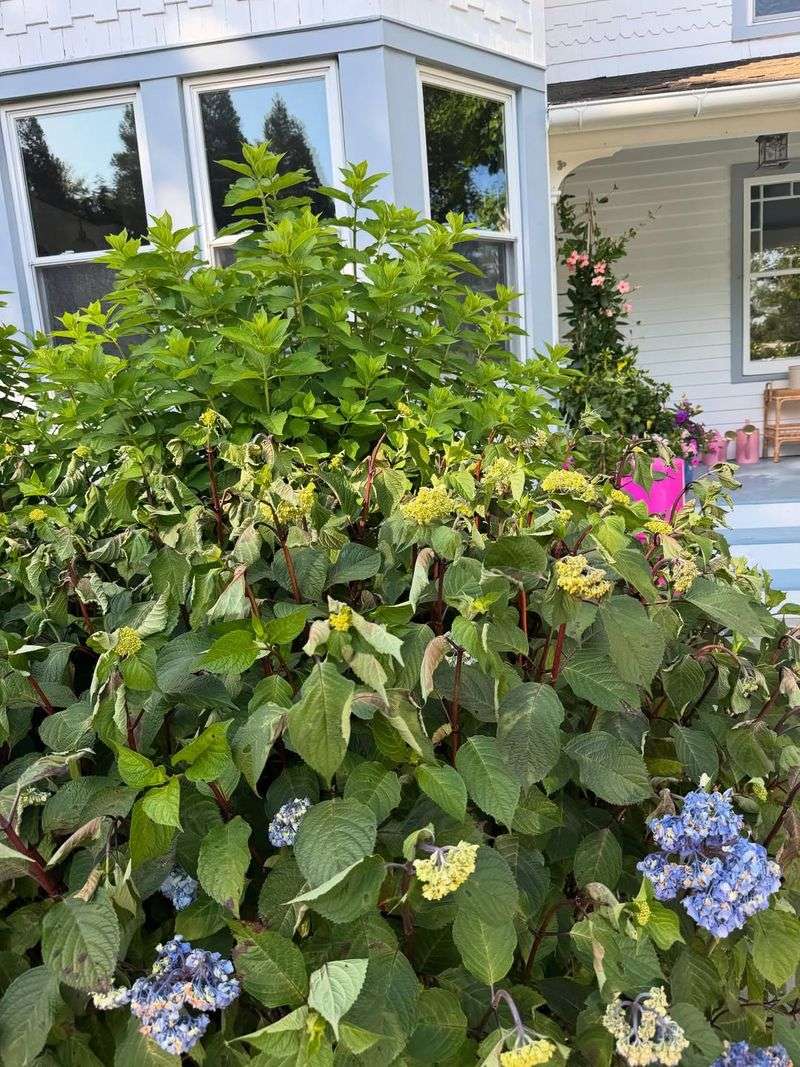
Afternoon sun in the South hits differently than morning light. It is hotter, more direct, and far less forgiving for shade-loving plants like hydrangeas.
Morning sun gives hydrangeas the gentle light they need for photosynthesis. By early afternoon, that same sunlight intensifies into something that can scorch leaves and stress developing buds.
Brown leaf edges are usually the first sign.
A stressed plant redirects energy toward basic survival rather than flowering. Scorched foliage slows the whole system down.
Bloom production drops, flower color fades faster, and the plant spends the summer recovering instead of thriving.
Placement matters enormously in warmer climates. A spot that gets four to six hours of morning sun with shade from noon onward gives most hydrangea varieties what they actually need.
East-facing beds or spots sheltered by trees or fences after midday work especially well.
Already planted in the wrong spot? Shade cloth rated at thirty to forty percent can reduce afternoon heat stress without blocking too much light.
It is not a perfect fix, but it helps during the hottest months.
Transplanting in fall gives roots time to settle before the next spring growing season. Moving a hydrangea mid-summer adds stress on top of heat, which rarely ends well.
Choosing the right location before planting saves a lot of frustration down the road.
5. Heavy Mulch Against Stems Can Trap Excess Moisture
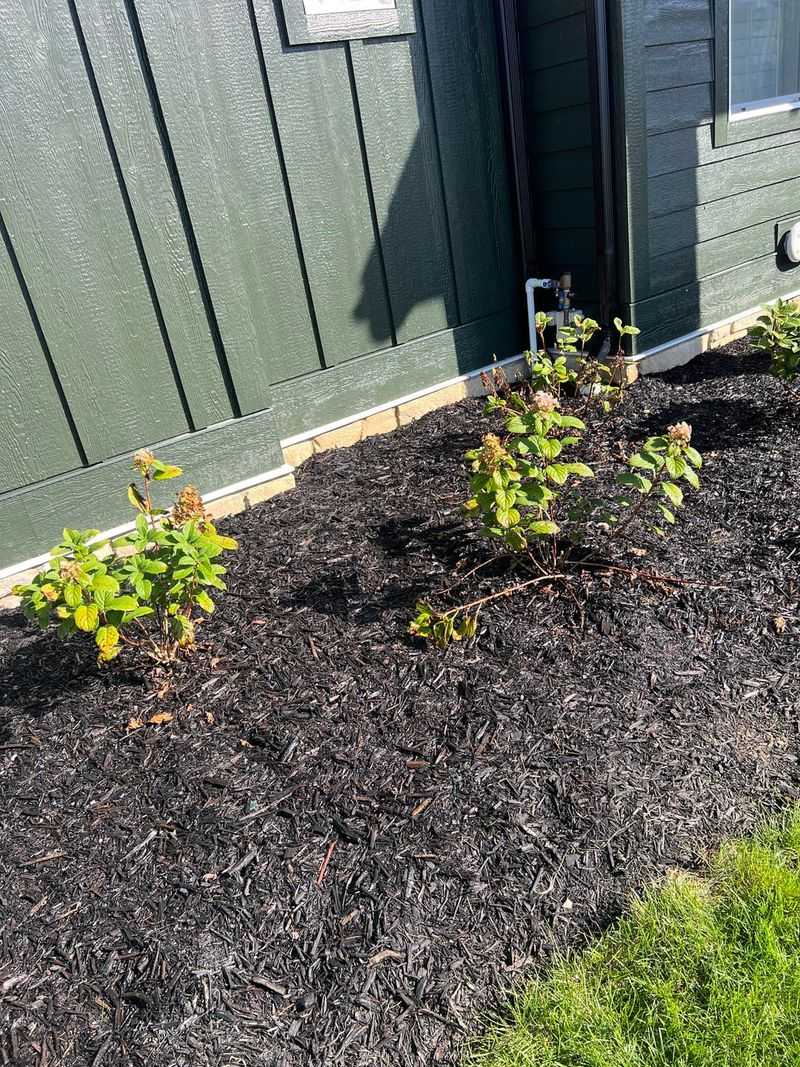
Mulching hydrangeas is smart gardening. Piling it too deep against the stem is where things go wrong.
A thick layer of mulch pressed against the base of a hydrangea holds moisture right where it does the most harm. The stem bark stays wet, airflow drops, and fungal issues become far more likely.
In the humid Southeast, that combination is especially problematic during spring and early summer.
Crown rot and stem damage often start at the soil line. Once bark softens or breaks down, the plant struggles to move water and nutrients upward.
Bloom production suffers well before visible damage becomes obvious.
Two to three inches of mulch is plenty for most garden beds. Pull it back two to three inches from the main stem so the base stays dry and has room to breathe.
A small ring of open soil around the stem makes a real difference.
Wood chips, pine bark, and shredded leaves all work well as mulch materials. Avoid piling on fresh, dense layers that compact quickly and seal out air.
Looser mulch allows better moisture regulation and breaks down more evenly over time.
Check mulch depth at the start of each growing season. Material builds up year after year without anyone noticing.
A quick rake-back in early spring keeps the base healthy and reduces the risk of moisture-related problems throughout the growing season.
6. Overcrowded Growth Reduces Airflow In Humid Weather
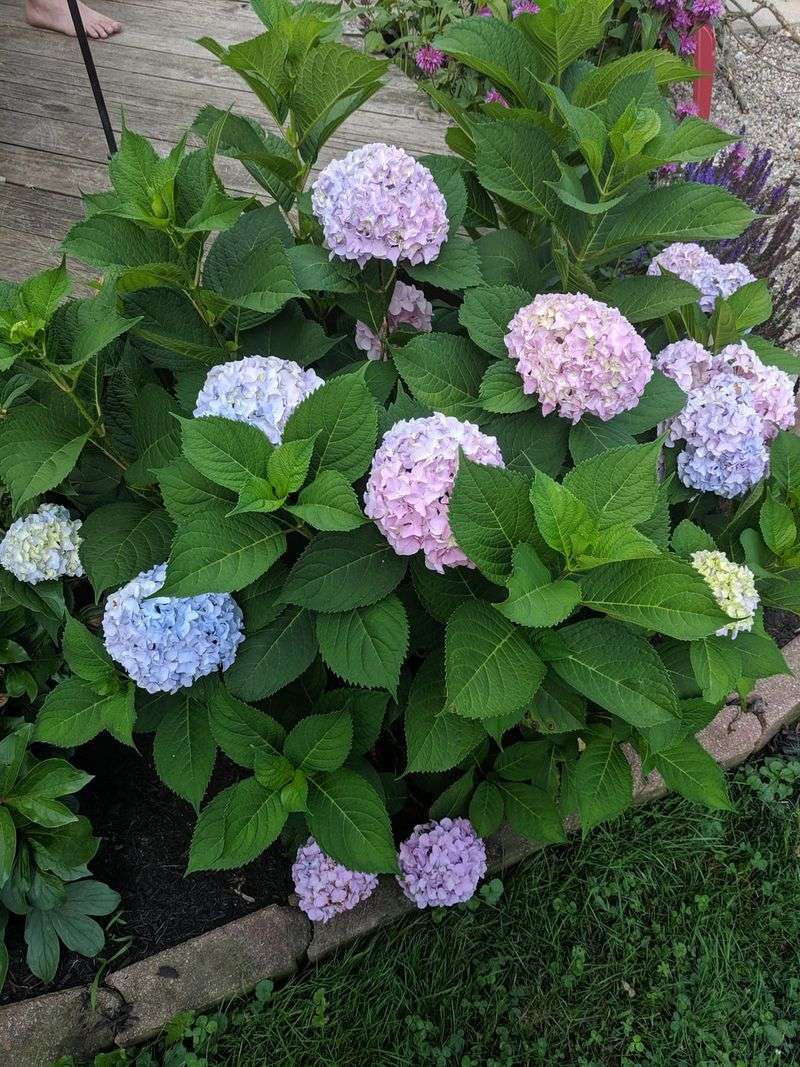
Tight spacing might look lush at first, but hydrangeas planted too close together create real problems once warm, humid weather arrives.
Poor airflow between plants creates the perfect environment for fungal diseases like powdery mildew and leaf spot. Both spread quickly when moisture lingers on leaves and stems.
Humid Southern summers make already-crowded plantings especially vulnerable.
Diseased plants burn through energy fighting off infection. Less energy goes toward flower production.
The blooms that do appear are often smaller and fade faster than they should.
Spacing recommendations exist for good reasons. Most Bigleaf and Smooth hydrangeas need three to five feet between plants at minimum.
Panicle varieties often need even more room depending on the cultivar. Giving each shrub its own space keeps air moving through the canopy.
Overcrowding also increases competition for water and nutrients. Roots from neighboring plants overlap and pull from the same soil.
During dry stretches, plants under that kind of competition show stress faster than those with adequate room.
Thinning out interior branches in early spring helps improve airflow without removing flower-producing wood. Removing weak, crossing, or inward-facing stems opens up the plant center.
Better air circulation means less disease pressure and more reliable blooming through summer.
Good spacing from the start is always easier than correcting a crowded bed later on.
7. Late Cold Snaps Sometimes Damage Developing Flower Buds
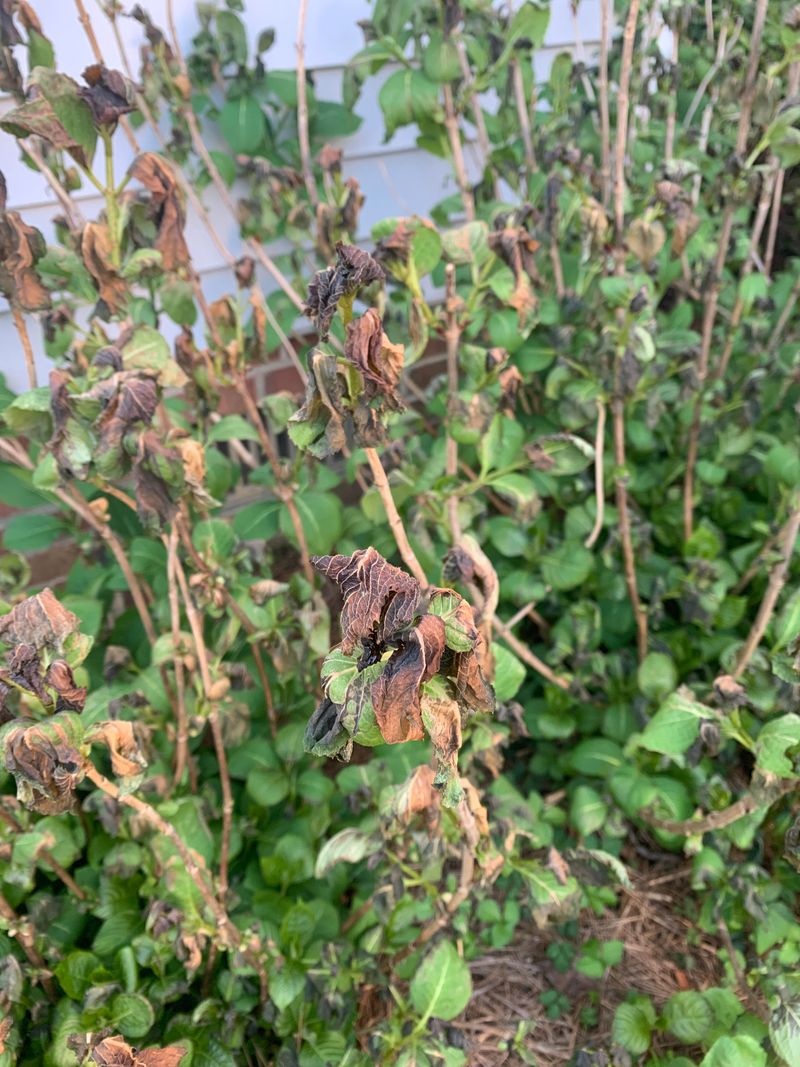
Spring in the South can fool you. A stretch of warm days in March pulls hydrangeas out of dormancy fast, and then a surprise cold snap moves in and catches tender new growth completely off guard.
Flower buds are the most vulnerable part of the plant at this stage. A hard frost at the wrong moment can blacken and damage buds that were days away from opening.
The plant survives, but the bloom count for that season takes a serious hit.
Georgia gardeners know this scenario well. Late freezes in March and early April are not rare.
Warm spells trick plants into early growth, and the new tissue has no cold hardening left to protect it.
Frost cloth or old bedsheets draped over plants on nights when temperatures drop below thirty-two degrees offer real protection. Remove covers during the day so heat does not build up underneath.
Covers only work when they trap ground warmth, so make sure they reach all the way down to the soil.
Planting cold-sensitive varieties in sheltered spots near walls or under tree canopies reduces frost risk naturally. Structures and trees hold warmth overnight and buffer wind, which makes a noticeable difference on borderline nights.
Watching a ten-day forecast in early spring costs nothing and gives you time to act before cold air arrives unexpectedly.
8. Shallow Watering Encourages Weak Surface Root Growth
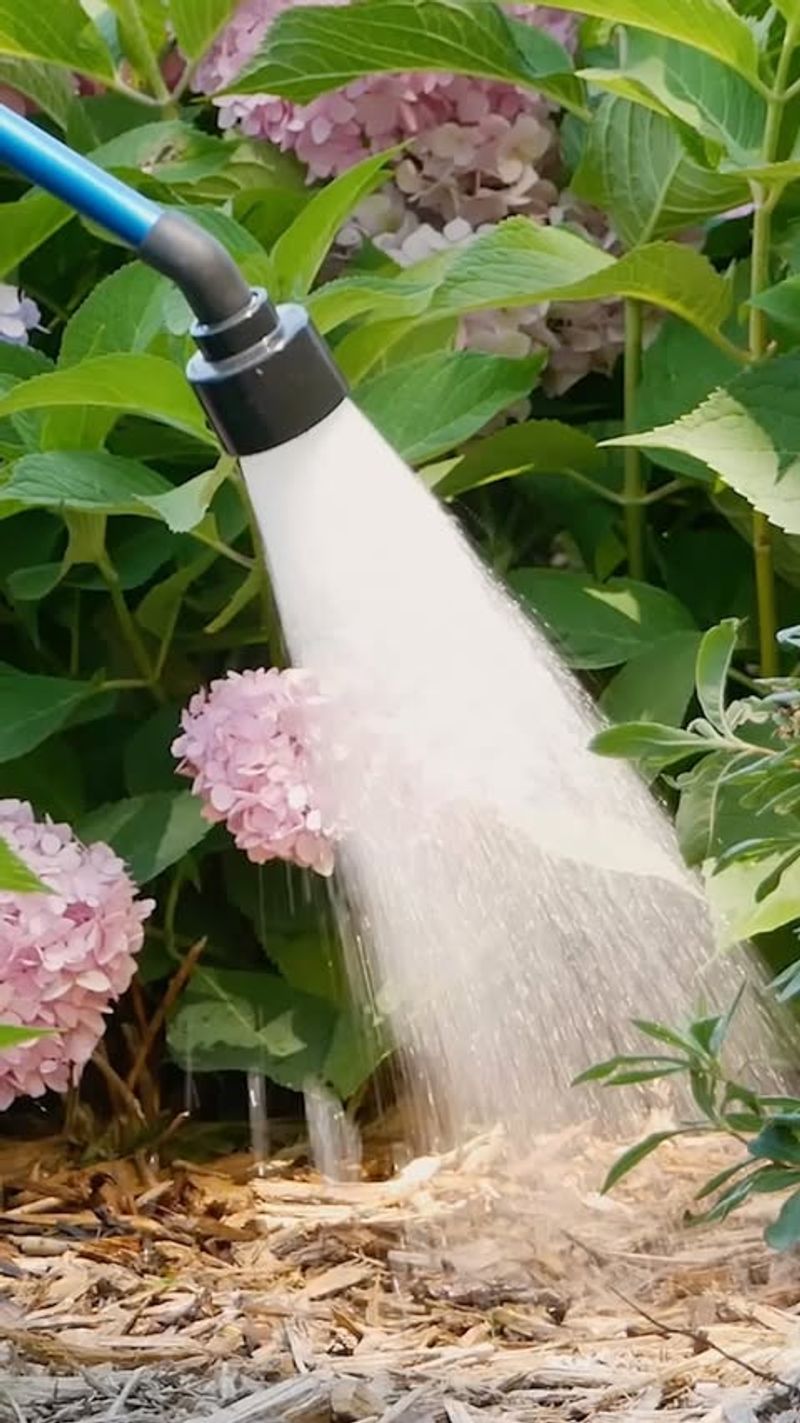
A quick sprinkle every morning feels like good plant care. For hydrangeas, it actually creates a long-term problem that shows up most clearly when summer heat peaks.
Shallow watering trains roots to stay near the surface where moisture is available. Roots follow water, so if water never penetrates deeply, roots never grow deeply either.
Surface roots are far more vulnerable to heat, drought, and soil temperature swings.
When a hot, dry week hits in July, surface-rooted plants stress out fast. Deep-rooted plants can pull moisture from lower soil layers that stay cooler and hold water longer.
That difference in root depth can determine whether a plant blooms through summer or struggles to hold its leaves.
Watering deeply and less frequently builds the kind of root system that supports strong summer performance. Aim to wet the soil six to eight inches down.
A slow, steady soak two or three times per week works better than a daily light spray.
Drip irrigation or a soaker hose delivers water slowly at ground level, which encourages roots to follow moisture downward.
Overhead sprinklers wet foliage, which increases fungal disease risk in humid conditions without necessarily reaching deep root zones.
Strong roots built during spring give hydrangeas the foundation they need to push through intense summer heat and still deliver a full, colorful bloom display.