The One Spring Mistake That Sets Oregon Gardens Back By Weeks
Spring can make Oregon gardeners eager to plant the second the sun comes out. After months of rain and gray skies, a warm afternoon can feel like a green light.
But soil does not warm up as fast as the air. That is where many gardens run into trouble during planting season.
Seeds may sit without sprouting, and young plants can stall before they ever get going. Cold soil can slow roots, stress seedlings, and leave tender plants open to problems.
It is frustrating because everything above ground may look ready. The garden bed looks neat, the weather feels pleasant, and the seed packets are practically begging to be opened.
Still, rushing can cost weeks of growth. Waiting until the soil warms enough gives plants a stronger start.
Oregon spring likes to tease gardeners a little, but patience usually wins. Planting at the right time can save a lot of replanting later.
1. Warm Days Can Fool Gardeners
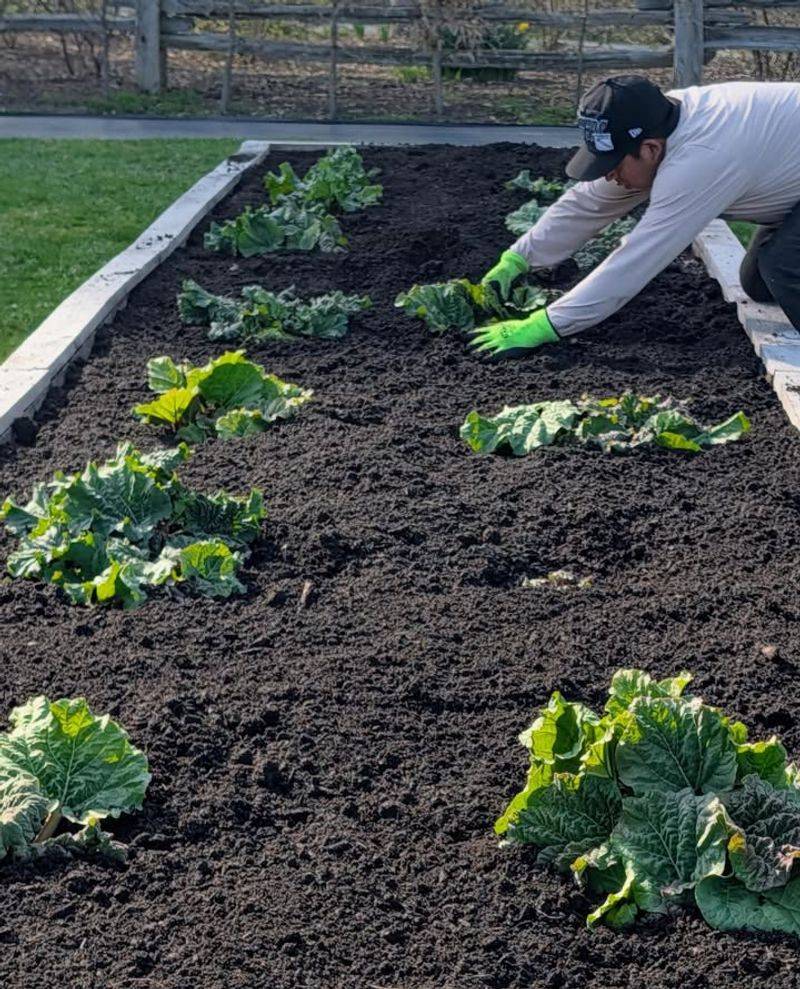
A sunny week in spring can feel like permission to plant everything. The problem is that daytime warmth can arrive long before garden beds are ready.
In our state, nights often stay cool after afternoons begin to feel pleasant. That pattern keeps soil colder than many people expect.
A garden bed does not warm as fast as the air around it. Heavy clay soil warms slowly. Shaded beds stay cool longer. Low spots can hold cold night air.
Raised beds often warm faster, but even they need time. This is why a warm afternoon can trick even careful gardeners.
Rushing warm season crops into chilly soil often causes a quiet setback. The plants may look healthy for several days because the leaves still have stored energy.
Then growth slows. New leaves may stay small. Stems may look thin. The plant is not failing from lack of care.
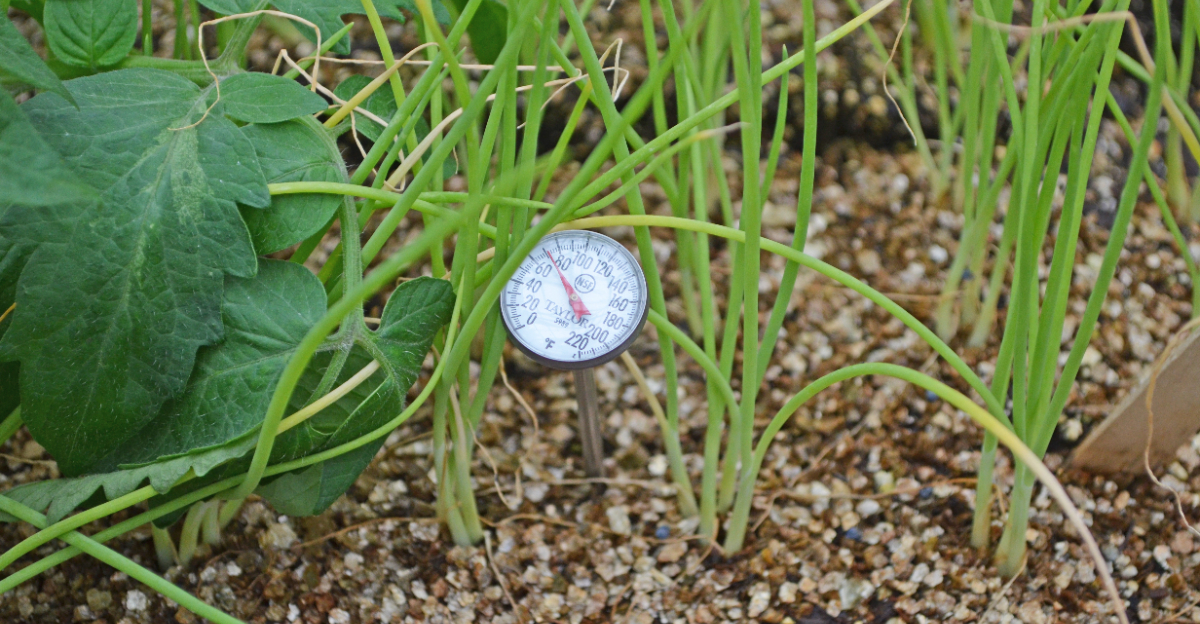
It is reacting to cold soil around the roots. A soil thermometer gives better guidance than a calendar or a sunny forecast. Check the soil a few inches deep in the morning. Test more than one part of the bed.
The warmest corner may not reflect the whole garden. Row covers and cloches can help, but they cannot fix planting too early. A short wait in spring can save a long delay later.
2. Cold Soil Slows Root Growth
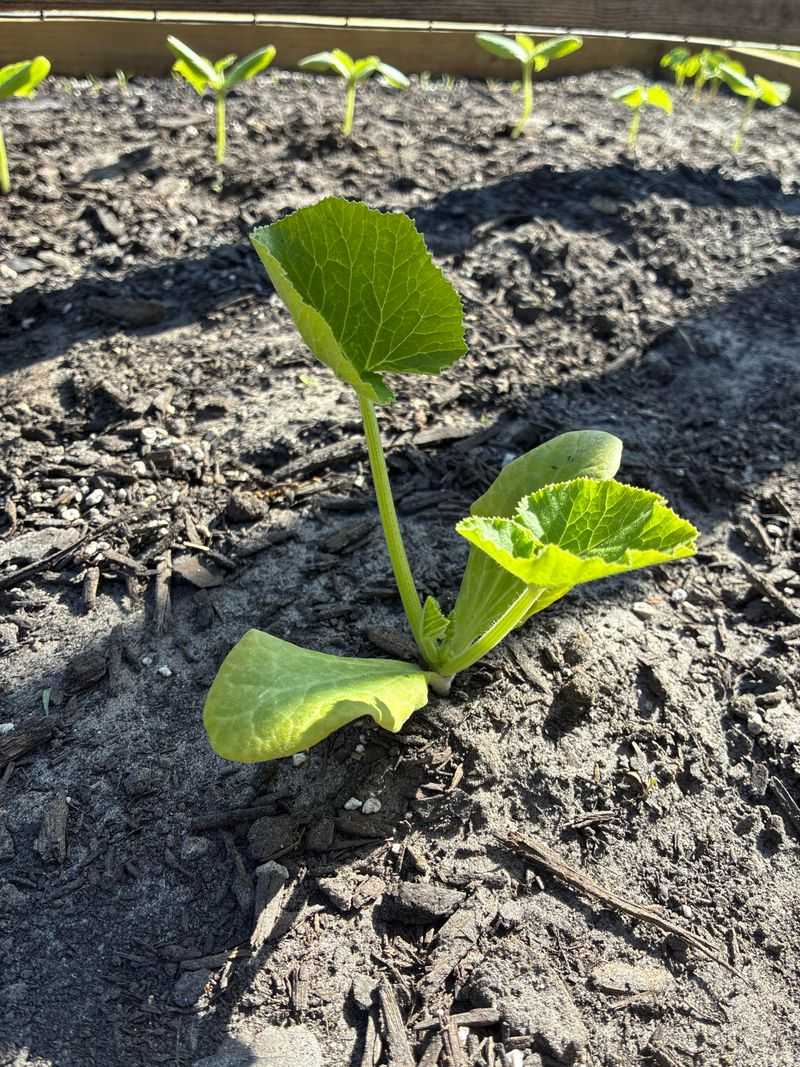
Under the surface, roots need warmth to work well. Cold soil slows the tiny root tips that search for water and nutrients.
When roots slow down, the top of the plant slows down too. Leaves may sit in full sun, but the plant cannot use that energy well if the root zone is too cold.
This creates a weak start. A transplant may stand upright and look fine, yet it may not grow much for days or weeks. That lost time can matter once the short warm season begins.
Many gardeners try to fix stalled plants with fertilizer. That usually does not solve the problem.
Cold roots cannot take up nutrients well, even when food is present in the soil. Extra fertilizer may also stress young roots. Warmth is the real fix. Soil moisture also matters.
Your Oregon Garden Changes Every Week. Your Plan Should Too.
Gardening in Oregon changes quickly throughout the season. Every Friday you’ll receive a simple weekly plan showing exactly what to plant, prune, fertilize, harvest, and protect so you never miss the right timing.
Wet soil stays cold longer than soil that drains well. If the bed feels soggy, wait before planting. Squeeze a handful of soil before working the bed. If it sticks in a tight lump, it is not ready.
If it crumbles gently, conditions are better. Compost can improve drainage over time and help roots breathe.
Plastic covers can warm a bed before planting, but they need careful use. Vent covers during warm days. Remove them when needed. Healthy root growth starts with warm, airy soil.
3. Frost-Free Doesn’t Mean Plant-Ready
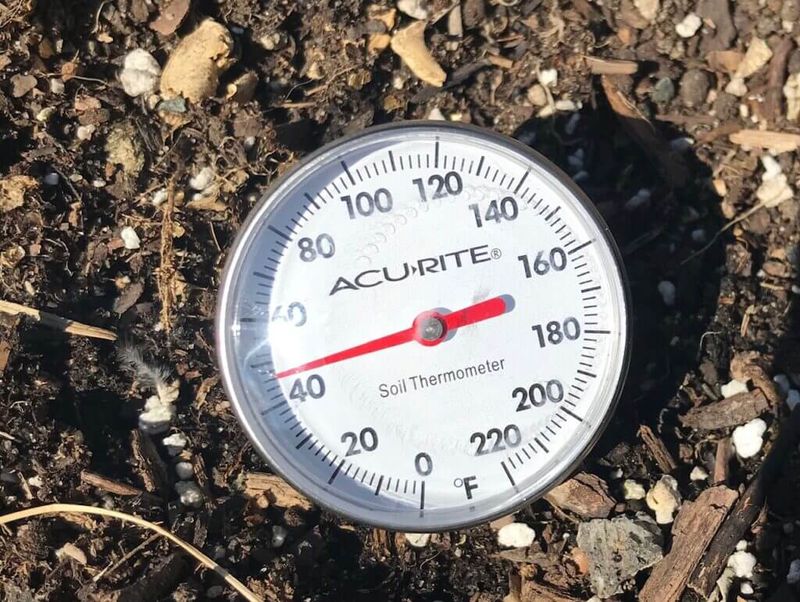
Many gardeners treat the last frost date like a starting flag. It is useful, but it is not the whole story.
A frost-free forecast does not always mean the soil is ready for summer crops. Air can stay above freezing while the ground remains much too cool.
This matters in northern regions, cooler valleys, coastal areas, and higher garden sites. A tomato, pepper, bean, or cucumber needs more than frost protection.
It needs a root zone warm enough to support steady growth. Each garden has its own spring rhythm. A bed near a brick wall may warm early.
A garden bed near trees may stay cold for much longer. A windy garden may lose heat at night.
A sheltered courtyard may hold warmth better. Because of these small differences, local observation beats general advice.
Keep a simple garden notebook. Write down soil temperatures, planting dates, weather patterns, and results. After a few seasons, you will know which beds warm first and which ones need more time.
Indoor starts can reduce the urge to rush. Strong seedlings under lights can wait in larger pots until outdoor conditions improve. Before planting, harden them off slowly. Give them a few hours outside at first.
Then increase their time over several days. A careful move into warm soil gives plants a better chance than a fast move into spring stress.
4. Tomatoes Stall In Chilly Beds
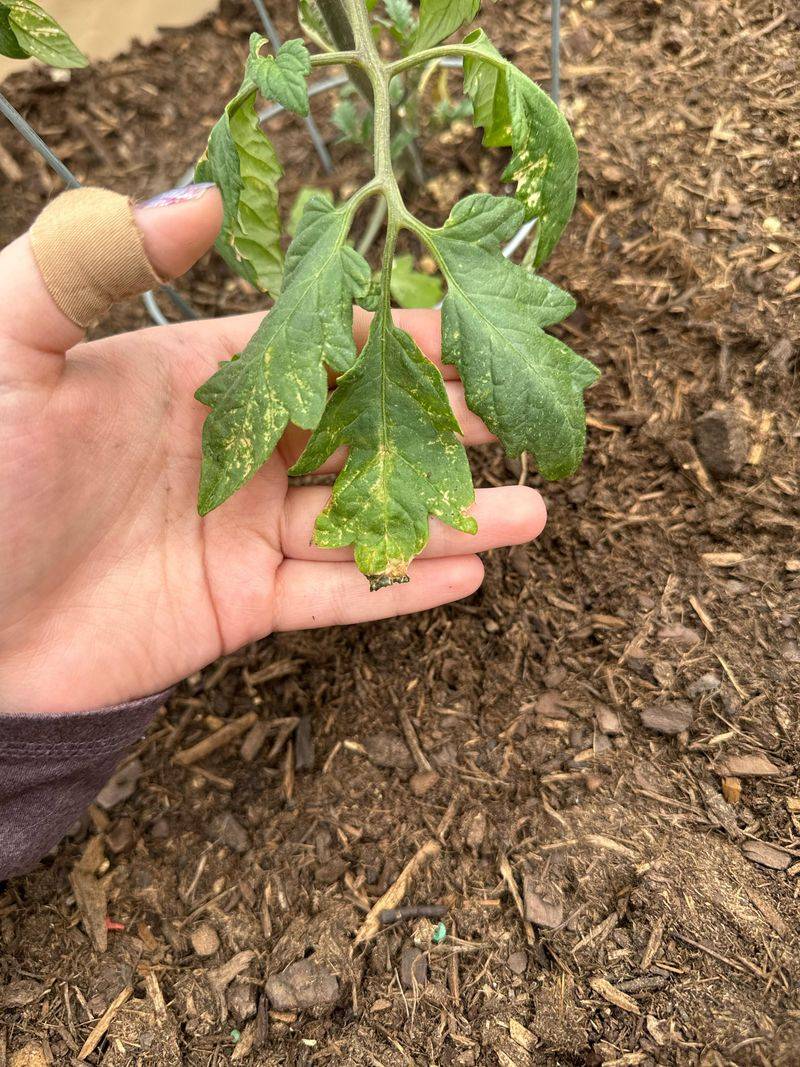
For many gardeners, the first tomato plant of the season feels like a promise of summer. That excitement makes early planting tempting, especially when stores display big, leafy starts.
Yet tomatoes often stall when their roots sit in cold soil. The plant may stay green, but it may stop making new growth.
A later tomato planted in warm soil can pass an early one within a few weeks. That can feel unfair, but it shows how much soil temperature matters.
Wait until the soil is near 60 degrees before planting tomatoes outside. Warmer is better in cool spots.
Take the reading in the actual bed where the plant will grow. Do not rely on a sunny porch, a greenhouse shelf, or the warmest edge of the garden.
Harden off transplants before planting. Wind and direct sun can stress leaves that grew indoors or under cover.
Plant tomatoes deeply if the stems are strong and healthy. They can form roots along buried stems.
Water well after planting, then keep moisture even. A cage or stake should go in at planting time. Adding support later can disturb young roots.
A row cover may help during cool nights, but remove it during warm days for airflow. If a cold rain is coming, delay planting.
Wet, chilly soil can pause tomato growth fast. A one week wait often brings stronger stems and quicker growth.
5. Peppers Sulk When Roots Stay Cold
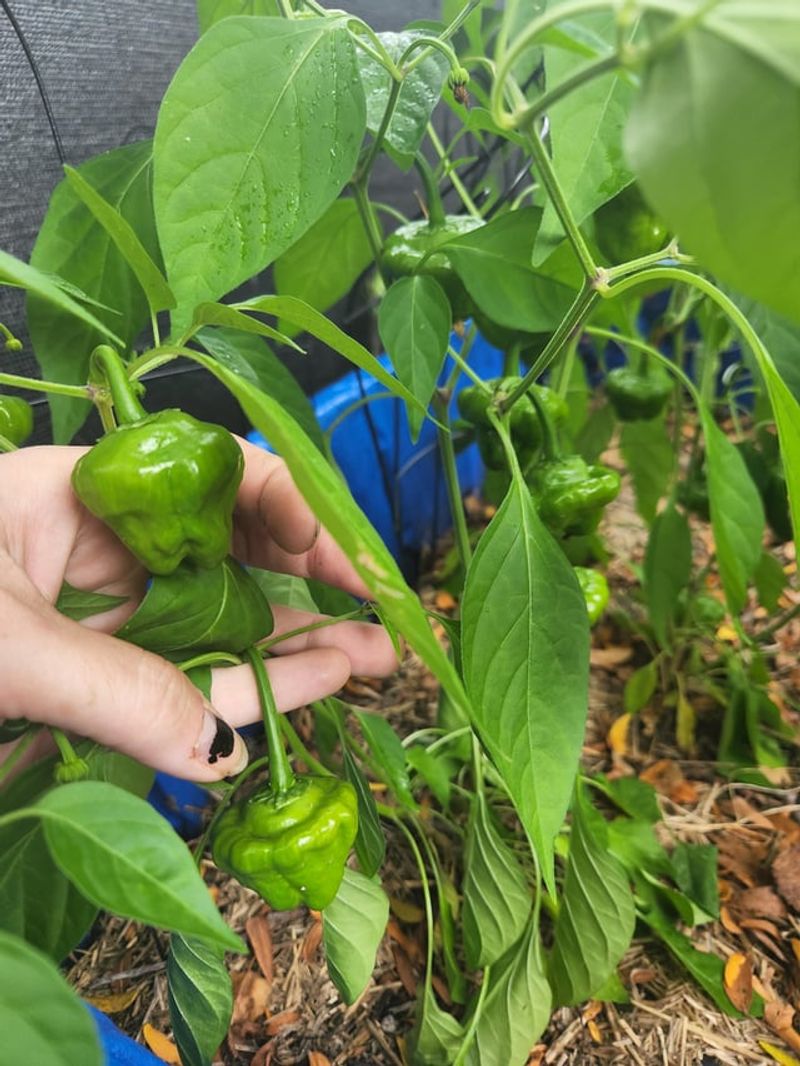
Few summer crops show their dislike of cold soil as clearly as peppers. A pepper start may look sturdy in its pot, yet stop growing once placed in a cool bed. Leaves may look dull. New growth may stay tiny.
Flowers may drop before fruit forms. Peppers need steady warmth around the roots, and that can arrive later than many gardeners expect. In this state, chilly nights often linger after the sun begins to feel strong.
Choose the warmest garden spot for peppers. Full sun, good drainage, and protection from cold wind all help.
Raised beds are useful because they often warm faster than flat ground. Black plastic or dark fabric can warm the soil before planting.
Secure covers well so spring wind does not lift them. Cut neat planting holes once the soil is ready.
A soil reading of at least 65 degrees gives peppers a much better start. Some gardeners wait for even warmer soil, especially for hot peppers and large sweet types.
Plant peppers at the same depth they grew in their pots. Unlike tomatoes, they do not benefit from deep planting. Water gently after planting, then avoid soaking the bed. Cold, wet soil slows them down.
A cloche can help on cool nights, but remove it during sunny afternoons. Peppers reward patience with stronger branching, better flowering, and a longer harvest window.
6. Beans May Rot Before Sprouting
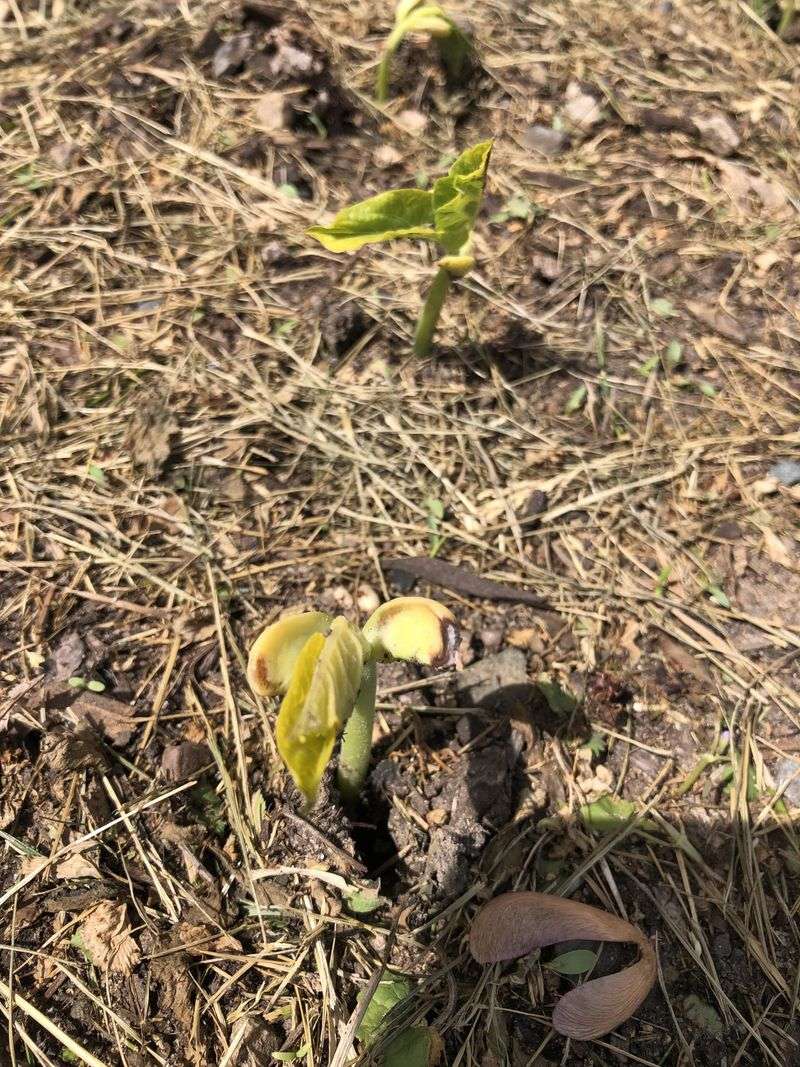
A packet of bean seeds can make spring planting feel simple. Beans often grow fast when conditions are right.
That quick growth depends on warm soil. In cold, wet ground, seeds may sit too long before sprouting.
The seed coat softens, but the young sprout may not push forward with enough speed. Soil problems can take over before the seedling reaches the surface. Gardeners may blame old seed, birds, or poor soil, when timing was the real issue.
Sow beans after the bed has warmed well. Soil near 60 degrees can work, but 65 degrees usually gives stronger results.
Plant at the right depth listed on the packet. Seeds placed too deep may struggle in cool soil.
Water after planting if the bed is dry. If the soil is already moist, avoid heavy watering until sprouts appear. Too much water can make cool soil even harder on seeds.
Successive sowing is a smart way to reduce risk. Instead of planting a whole packet early, sow a short row once the soil improves.
Then plant another row ten to fourteen days later. Later rows often grow faster and produce better because they miss the cold start.
A light row cover can add warmth and protect seedlings. Remove or lift it when plants need more airflow and room to grow.
7. Cucumbers Struggle In Cold Ground
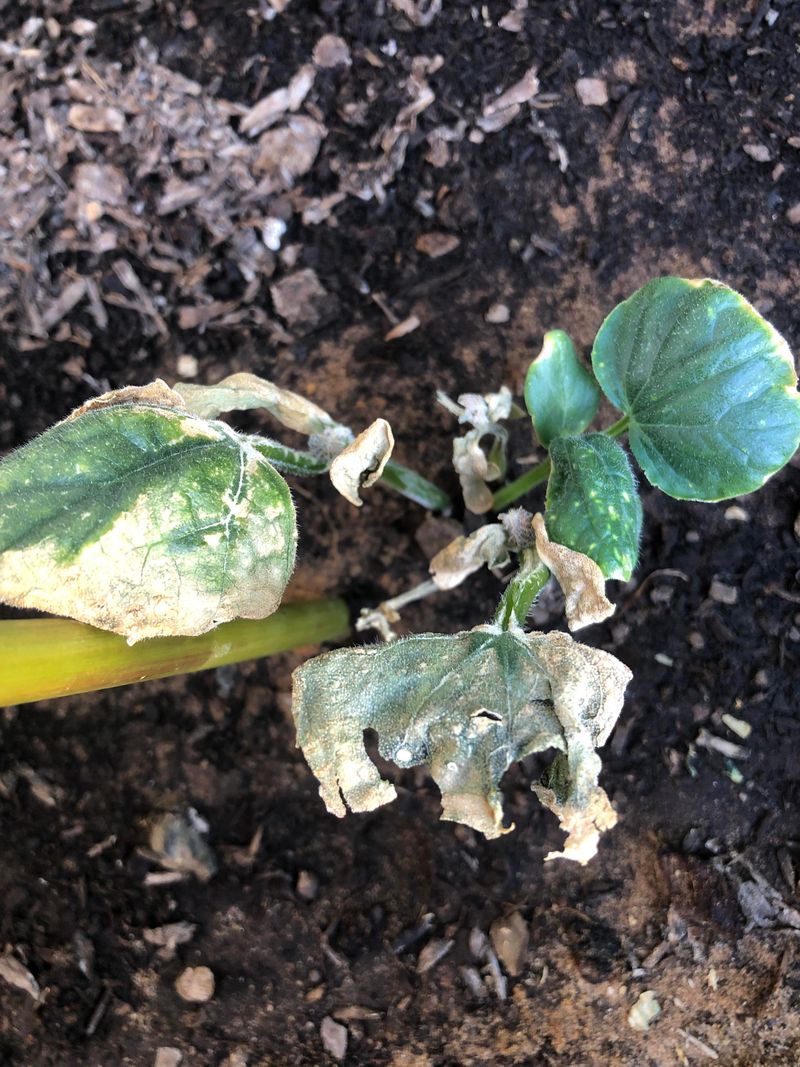
A good cucumber harvest starts with warm soil, not early planting. Cucumbers dislike cold roots and chilly nights. Seeds may sprout poorly in cool beds. Transplants may sit with pale leaves and short stems.
Even after warmer weather arrives, early stress can delay flowering and fruiting. These plants grow best when the root zone is clearly warm and steady. Soil around 65 to 70 degrees gives them a much stronger start.
Starting cucumbers indoors can help, but timing matters. Begin seeds only a few weeks before outdoor planting.
Cucumbers grow fast, and large seedlings can be hard to transplant well. Their roots prefer gentle handling.
Use small pots and move plants carefully. Some gardeners use biodegradable pots, but the rim should not sit above the soil after planting. A dry rim can pull moisture away from the roots.
Pick a sunny bed with good drainage. Compost helps improve texture and keeps roots supplied with steady moisture later.
Avoid mulching too early because mulch can hold cold in the soil. Add it after the bed has warmed and plants are growing well.
A low tunnel can create a warmer pocket, but it must be vented on sunny days. Cucumbers also need steady water once vines begin to run.
Waiting for warm soil helps vines start with energy. Strong early growth leads to better flowering, cleaner fruit, and less frustration.
8. Stunted Plants Can Fall Weeks Behind
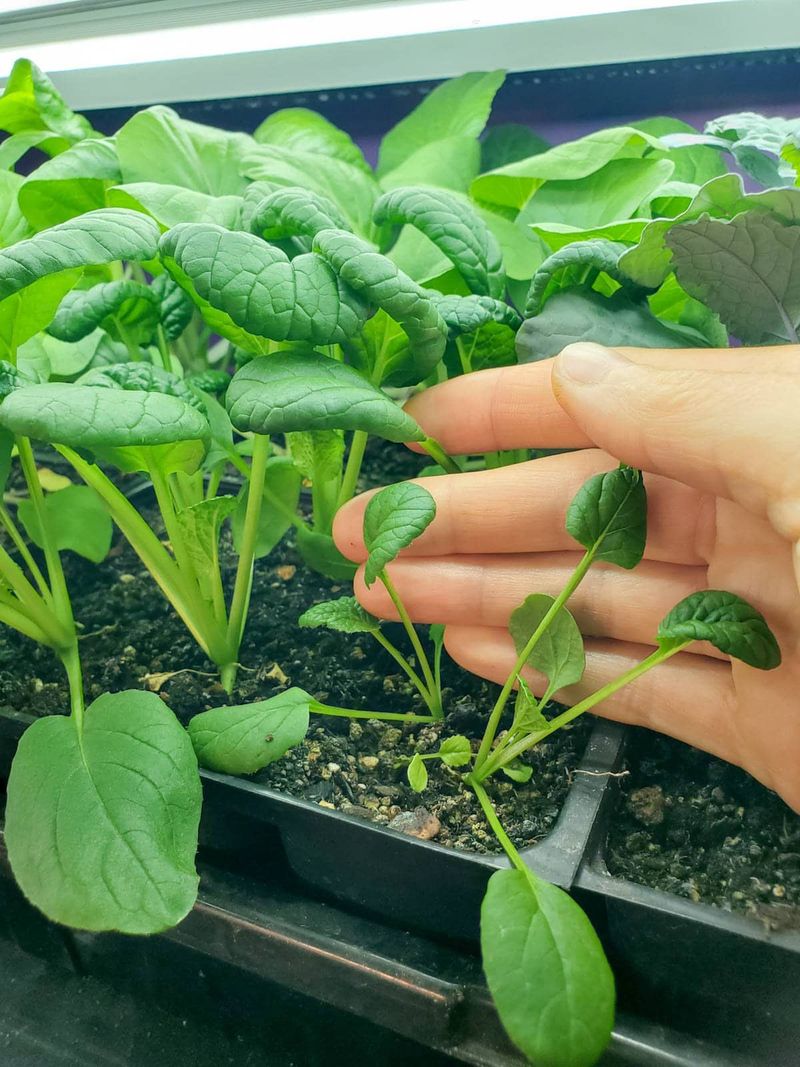
Early planting feels productive, but it can cost more time than it saves. A stunted plant may not look dramatic at first.
It may stand upright and keep some color. Still, the growth system below the surface may be paused. Roots remain small. Nutrient uptake stays weak.
New leaves appear slowly. By the time warmer weather settles in, a later plant may already be growing faster. It never had to recover from a cold start.
This is the hidden cost of spring impatience. A gardener may plant two weeks early and then watch the crop fall two or three weeks behind.
Warm season vegetables need the right conditions at the start. A strong beginning often matters more than an early date. Use a soil thermometer before planting. Watch night temperatures.
Pay attention to cold rain in the forecast. A chilly storm after planting can cool beds again and slow progress.
Choose sturdy transplants with healthy roots. Avoid oversized plants stuck in small pots for too long.
They may already be stressed before they reach the garden. For seeds, wait until the soil is warm enough for quick germination.
Fast sprouting reduces problems and leads to stronger seedlings. Keep notes for each bed because every garden warms differently.
The biggest spring mistake is trusting warm air while ignoring cold soil. Once gardeners learn that lesson, summer crops get a much better start and the whole season feels easier.