These Are The 8 Squirrel-Repelling Plants For Florida Gardens
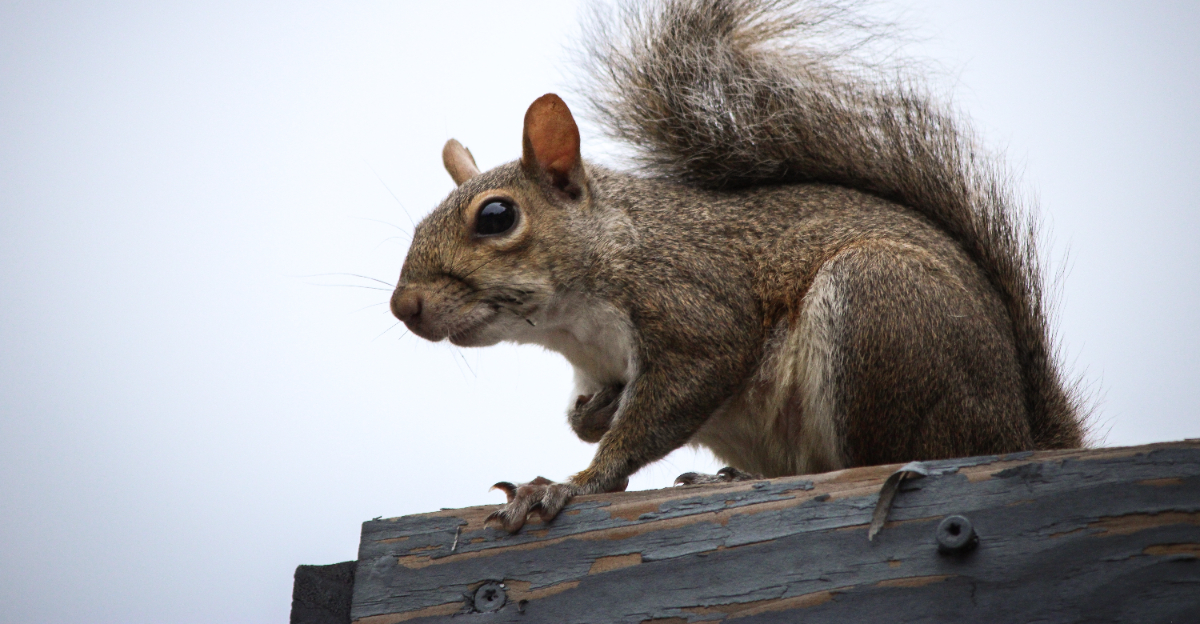
Squirrels are not easily discouraged. Anyone who has watched one dismantle a bird feeder, raid a vegetable bed, or dig up freshly planted bulbs with complete indifference knows that determination firsthand.
Florida gardens attract their fair share of wildlife, and squirrels rank among the most persistent visitors. No plant stops them cold, and anyone who tells you otherwise is overselling.
What certain plants can do is make specific beds feel less worth the trouble. Scent, taste, and texture all play a role in how squirrels decide where to spend their energy.
A garden that layers those deterrents thoughtfully becomes a less appealing target over time. The plants that do this best also happen to add real value to the landscape in their own right.
Fragrance, color, and practical use that would earn their place in any Florida garden regardless of what they do to a squirrel’s appetite for the beds around them.
1. Plant Hot Peppers For A Spicy Deterrent Layer
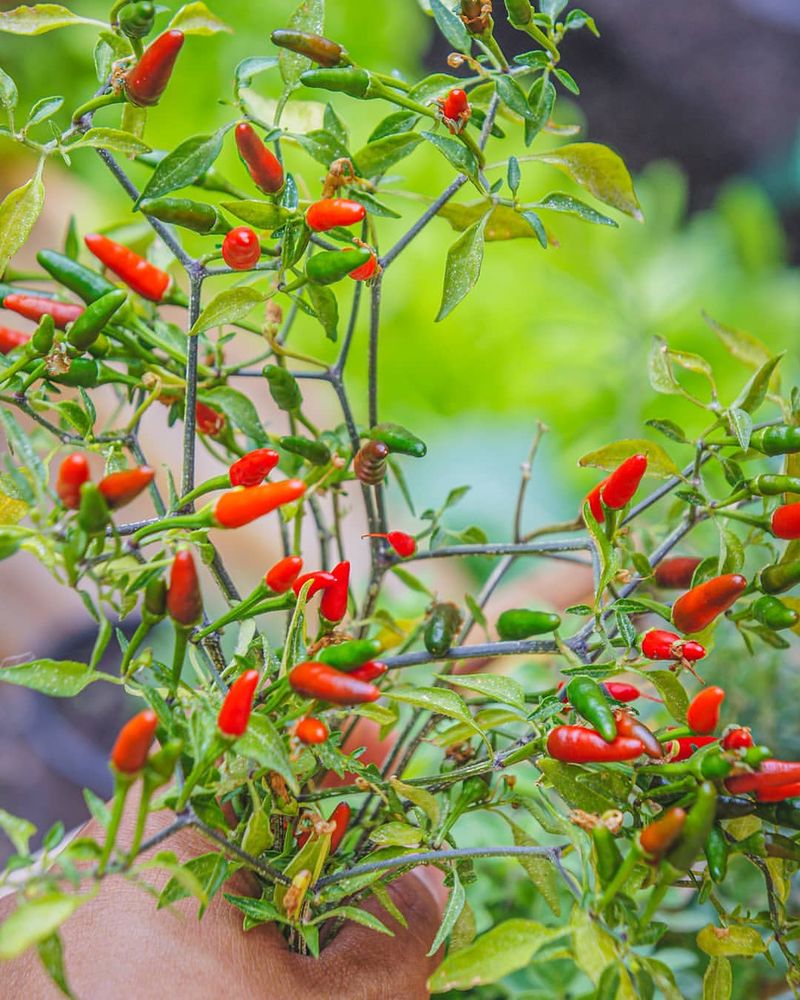
A spicy edge can genuinely change how appealing a garden bed smells and tastes to wildlife, and hot pepper plants bring that quality in a very practical way.
Capsaicin, the compound that gives hot peppers their heat, is a common ingredient in many commercial wildlife repellents.
Planting peppers is not the same as using a capsaicin repellent. Think of them as one spicy layer in a broader plan that also includes barriers, cleanup, and targeted repellents when needed.
Peppers grow well in full sun and need at least six to eight hours of direct light each day. They do fine in raised beds, large containers, or standard vegetable garden rows.
Good drainage is important because pepper roots do not like sitting in soggy soil, especially during the rainy season in this state.
Container growing gives you flexibility to move plants around and place them near vulnerable spots as needed. Varieties like cayenne, habanero, and serrano tend to produce strong-scented foliage and fruit.
Keep in mind that squirrels sometimes learn to work around familiar scents.
Rotating plant placement and combining peppers with other deterrent strategies tends to give better results. Harvest ripe peppers regularly to keep plants productive and to maintain a fresh scent near the beds you want to protect.
2. Use Garlic Chives Around Vulnerable Beds
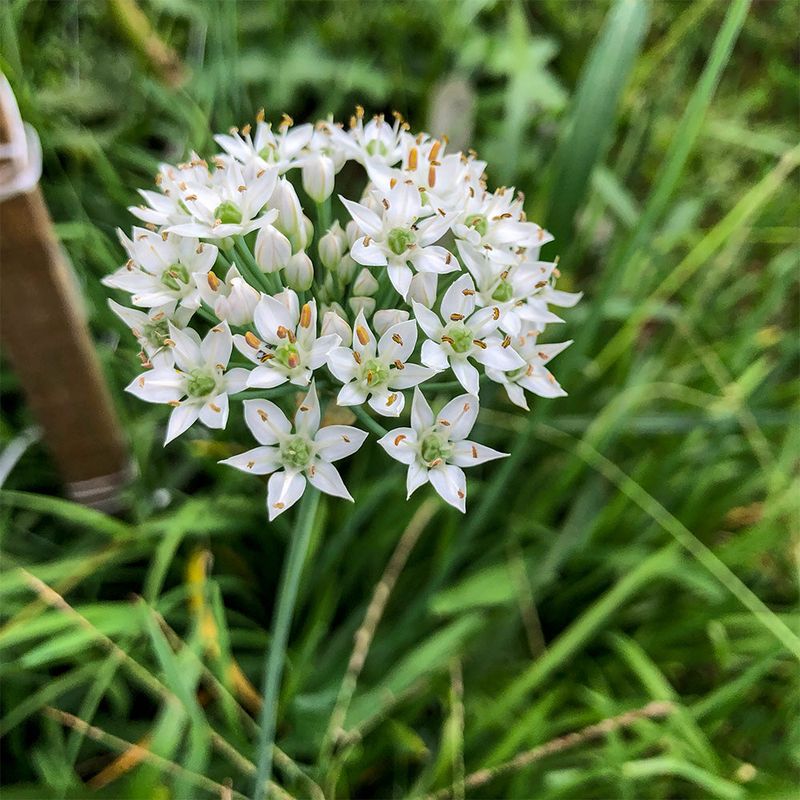
Strong onion-like scent is the main reason many gardeners reach for garlic chives when trying to make garden edges less inviting. Unlike regular chives, garlic chives carry a noticeable garlic-onion fragrance from both the leaves and the roots.
That scent may help discourage curious animals from lingering near beds planted with bulbs, vegetables, or tender seedlings.
Garlic chives are edible, which makes them a practical double-duty plant near herb gardens or vegetable beds.
The flat, strap-like leaves can be snipped and used in cooking, and the white star-shaped flowers that appear in late summer are attractive in the garden.
One important note: those flowers produce a large number of seeds. If you want to limit reseeding, trim the flower heads before they fully mature and drop seeds across your beds.
Your Florida Garden Changes Every Week. Your Plan Should Too.
Gardening in Florida changes quickly throughout the season. Every Friday you’ll receive a simple weekly plan showing exactly what to plant, prune, fertilize, harvest, and protect so you never miss the right timing.
Growing garlic chives in this state is fairly straightforward. They prefer full sun to light shade and need well-drained soil to stay healthy through humid stretches.
They grow in clumps, which makes them easy to tuck along borders or between other plants without taking up too much room. Dividing clumps every couple of years helps keep them vigorous.
No plant can guarantee squirrels will stay away, but garlic chives can be a low-maintenance, scented layer worth adding to a thoughtful deterrent plan.
3. Try Society Garlic For A Strong-Scented Edge
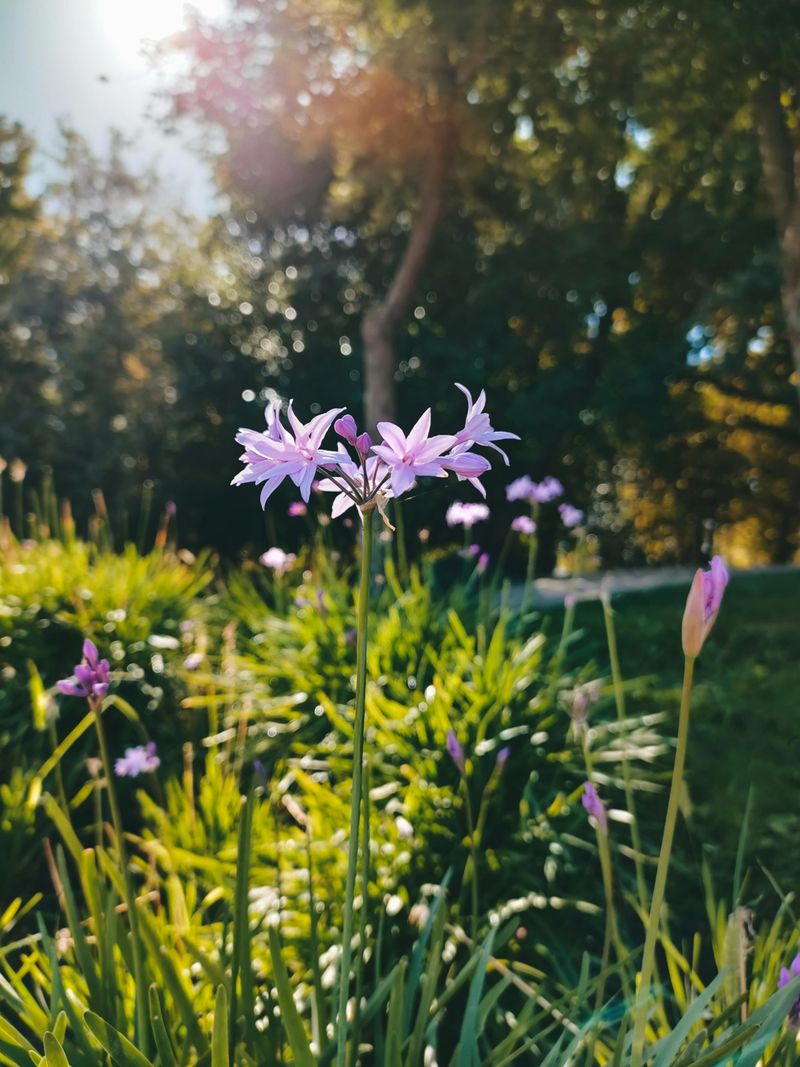
A border plant can be useful and pretty at the same time, and society garlic manages both without much fuss. Despite its name, society garlic is not a true garlic at all.
It belongs to a different plant family but carries a strong garlic-like scent in its leaves and roots that becomes noticeable when the foliage is brushed or crushed.
That scent is the main reason some gardeners include it near beds they want to make less appealing to wildlife.
The plant produces clusters of soft purple-pink flowers on tall stems above grassy, strap-like leaves. It works well as a low edging plant along sunny borders, walkways, or the front edges of raised beds.
Society garlic is generally considered a good fit for warm climates and handles the heat of this state reasonably well once established. It prefers full sun and well-drained soil.
Keep expectations realistic here. Society garlic may help add one more scented layer to a deterrent strategy, but it is not a guaranteed barrier against squirrels.
Combining it with cleanup habits, physical barriers, and other aromatic plants gives you a better overall plan. The plant is also relatively low maintenance, drought-tolerant once settled in, and can add reliable color during its blooming periods.
For gardeners who want something that looks good and smells strong, it is a sensible choice for edging work in sunny spots.
4. Plant Rosemary Where Drainage Stays Sharp
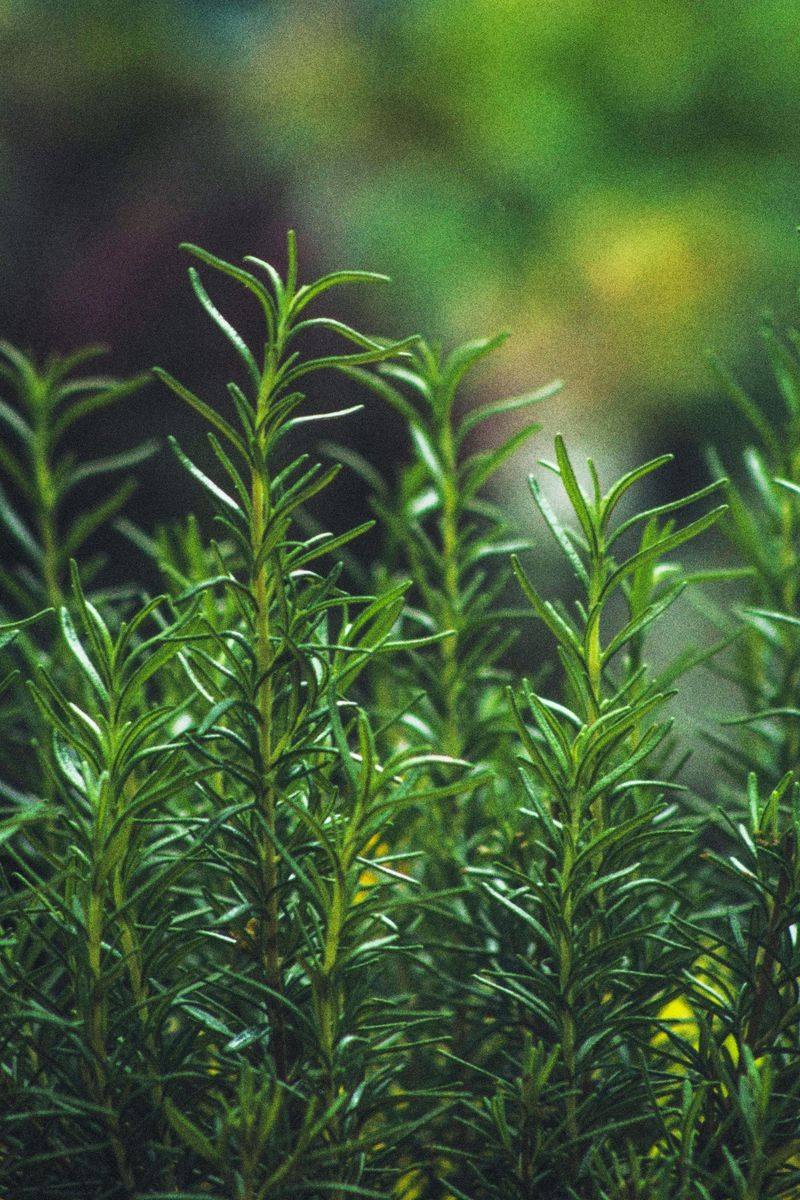
Aromatic herbs need the right soil before they can help with anything, and rosemary is a clear example of that rule. The strong, piney fragrance of rosemary foliage is pleasant to most people and noticeably sharp to many animals.
Some gardeners include it near vegetable beds or herb gardens hoping that its scent may help make those areas feel less appealing to squirrels.
That is a reasonable idea, but only if the plant is actually thriving.
Rosemary needs full sun, excellent drainage, and good airflow to stay healthy in this state. Humidity and wet soil are its biggest challenges here.
In low-lying areas, heavy clay, or spots that stay moist after rain, rosemary tends to struggle badly. Raised beds, containers, or sandy, fast-draining sites give it a much better chance of surviving through humid stretches and the rainy season.
Upright varieties often work well in raised beds where air can circulate around the stems. Trailing types can be useful in containers placed along garden edges or near patio beds.
Avoid piling mulch heavily around the base, since that can trap moisture against the stems. Prune lightly after blooming to keep the plant from becoming too woody.
When rosemary is healthy and producing strong-scented growth, it earns its place as one useful scented layer.
It fits into a broader plan to make garden beds less inviting to squirrels and other curious visitors.
5. Use Marigolds For Scent And Seasonal Color
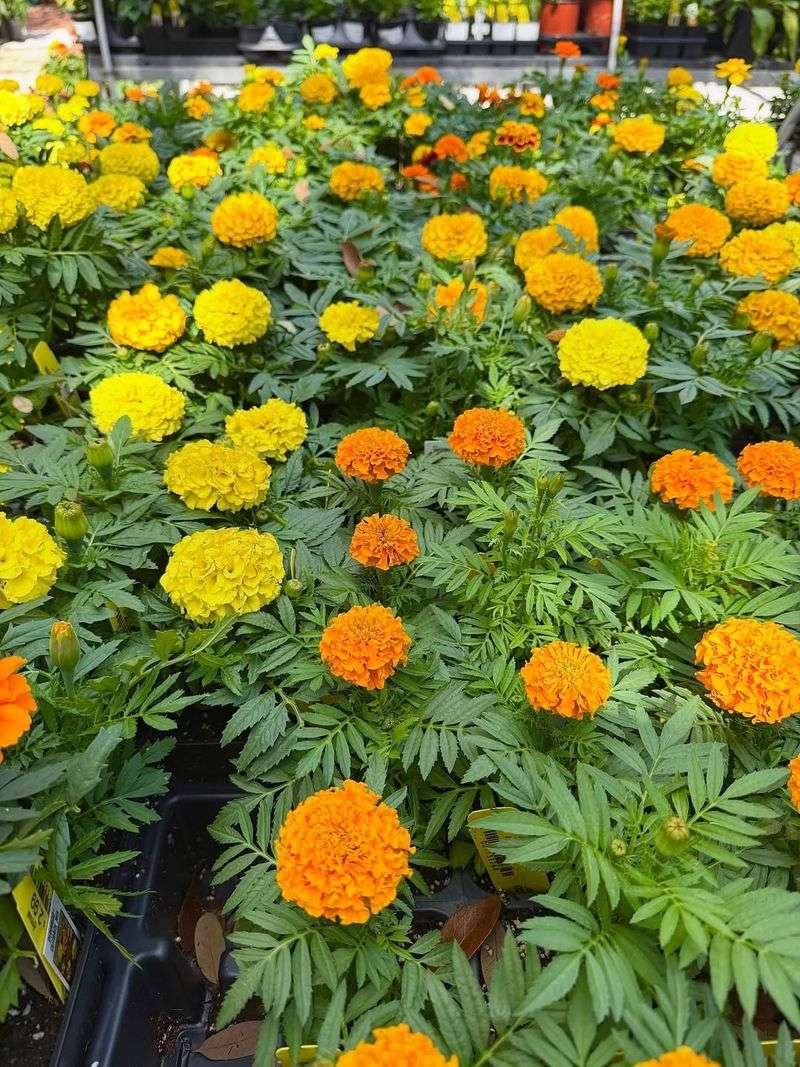
Seasonal flowers work best as one layer of defense, and marigolds have been a popular companion-planting choice for generations of vegetable gardeners. Their strong, slightly musky scent comes from the foliage and flowers.
Many gardeners plant them near tomatoes, peppers, and squash hoping to make those beds feel less attractive to pests and foraging animals.
Whether they genuinely discourage squirrels is hard to measure precisely, but they add scent, color, and visual variety without much trouble.
Marigolds prefer full sun and consistent moisture with good drainage. In this state, timing matters a lot.
French marigolds can perform across much of the year in Florida, while large-flowered African marigolds are often best in spring. Summer heat and intense humidity can shorten their bloom period and cause plants to decline faster than expected.
Replacing tired plants as the weather warms helps keep beds looking full and fragrant.
Trimming spent blooms regularly encourages new flower production and keeps the scent fresh near vulnerable beds. Do not expect them to solve a squirrel problem on their own.
Used as part of a layered approach that includes barriers and cleanup habits, marigolds can add practical value.
They also bring a cheerful pop of color to vegetable gardens and borders throughout the cooler growing season in this state.
6. Grow Nasturtiums During The Cooler Season
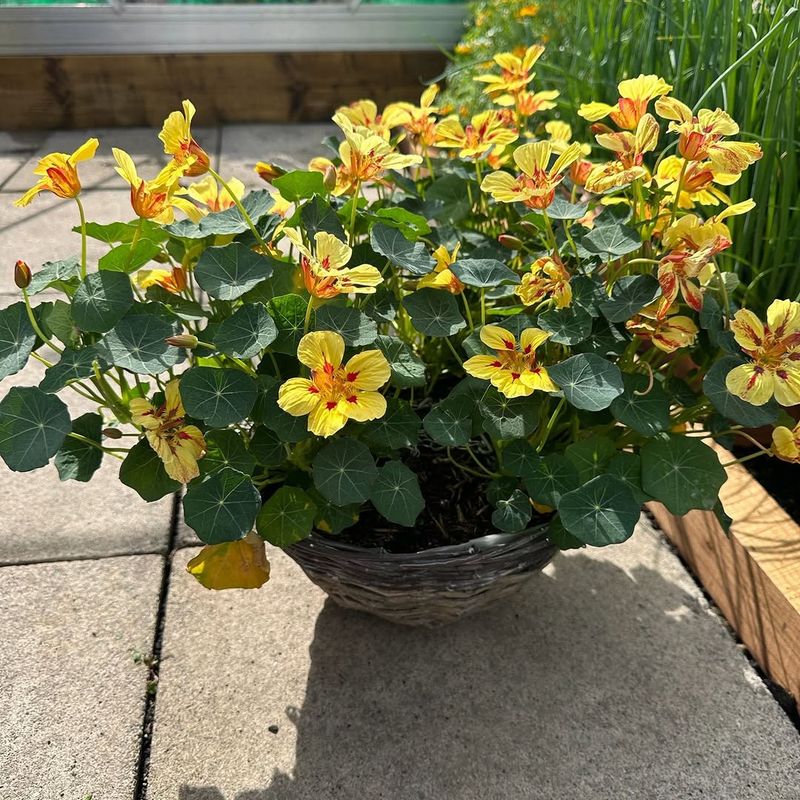
Nasturtiums do their best work when Florida cools down. Fall through early spring is their moment to trail, bloom, and look effortless.
The round, lily-pad-shaped leaves have a peppery scent, and the flowers carry a spicy, slightly sharp taste that makes them popular in salads and as edible garnishes.
That same peppery quality may make nasturtiums slightly less appealing to squirrels compared to tender, sweet vegetable seedlings nearby.
Nasturtiums are easy to grow from seed directly in the ground or in containers. They prefer well-drained soil and full sun to light shade.
One useful quirk is that they actually tend to perform better in soil that is not too rich. Overly fertile soil can push lots of leafy growth with fewer flowers.
Planting them near the edges of vegetable beds or in pots placed around garden borders gives them room to trail and spread attractively.
Heat is the main challenge in this state. Once temperatures climb into the upper eighties consistently, nasturtiums tend to slow down, look ragged, and stop producing well.
Plan to enjoy them during the cooler season and replace them with heat-tolerant plants as warm weather returns. No plant can promise squirrel-free beds, but nasturtiums offer edible appeal, pleasant scent, and seasonal color.
They may also make nearby crops a slightly less obvious target during the months they grow best.
7. Plant Lemongrass In Large Sunny Spots
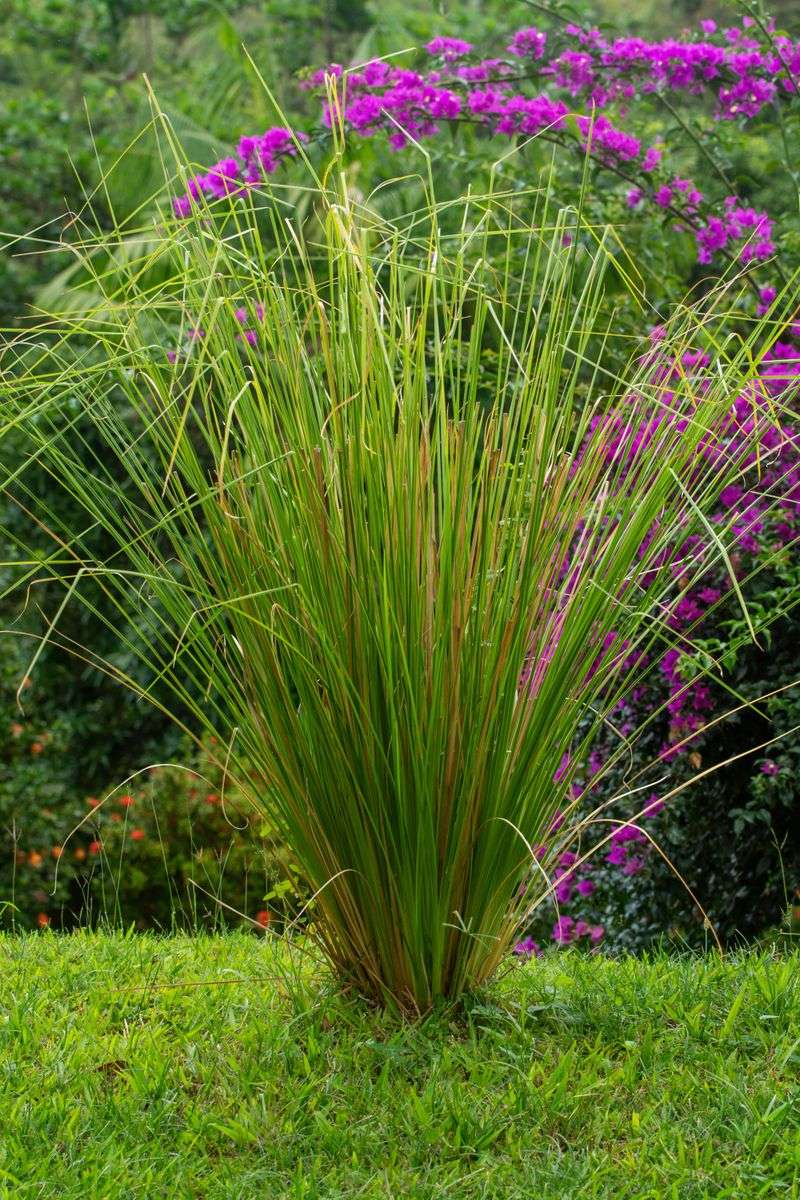
A large clumping grass needs space before it earns a spot in your garden, and lemongrass is exactly that kind of plant. The strong citrus scent comes from its stalks and leaves.
That is one reason some gardeners use lemongrass along borders or near beds they want to make less appealing to foraging animals.
That scent can be noticeable even without touching the plant, especially on warm days when the oils become more active in the heat.
Lemongrass thrives in full sun and grows vigorously in the warm climate of this state. It can reach impressive sizes fairly quickly, forming dense clumps that may spread into surrounding areas if not managed regularly.
Giving it plenty of room from the start helps prevent it from crowding out smaller plants nearby. Large containers can work well for managing its spread while still allowing it to grow to a useful size.
Dividing clumps every year or two keeps growth manageable and the plant healthier overall. Avoid planting lemongrass in tight beds with small perennials or delicate herbs that could easily be overwhelmed.
It works best in open borders, along fence lines, or in spacious patio containers where it has room to fill out without causing problems.
Used in the right spot, lemongrass adds bold texture, a fresh citrus fragrance, and a practical scented layer to a broader squirrel-deterrent planting plan.
8. Use Lavender Carefully In Dry Raised Beds
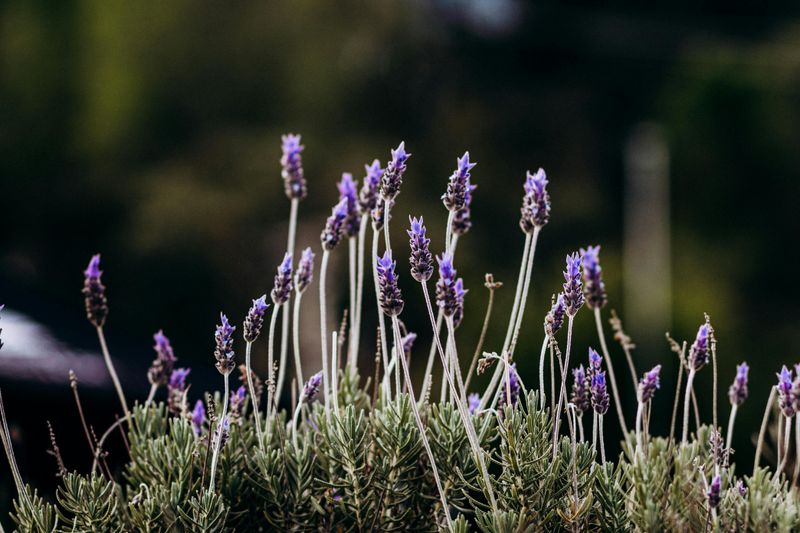
Fragrance is helpful only when the plant can actually grow well, and lavender makes that point clearly in this state. The sweet, strong scent of lavender is something most people love, and it is often mentioned as a plant that some animals tend to avoid.
Adding lavender near garden beds as a scented layer is a reasonable idea in theory.
Still, it is genuinely challenging to grow well in many parts of this state without the right conditions in place.
Lavender needs full sun, excellent drainage, good airflow, and soil that does not stay wet. Humidity, heavy rain during the rainy season, and dense or poorly drained soil can cause lavender to decline quickly.
Raised beds filled with sandy or gritty, fast-draining soil give it a much better chance than planting it directly in the ground in typical yard conditions. Containers with drainage holes work well too, especially if placed in a spot with strong air circulation.
Spanish lavender tends to handle heat and humidity slightly better than English varieties, making it a more practical choice for warmer regions of this state.
Avoid mulching heavily around the base, since moisture trapped near the stems leads to problems fast.
Prune spent flower stems to encourage fresh growth. When lavender actually thrives, its fragrance can add a noticeable scented layer to a thoughtful, multi-plant deterrent strategy.
That may help keep squirrels less interested in your most vulnerable garden beds.