Signs A Skunk Has Been Visiting Your Arizona Yard At Night And How To Discourage It
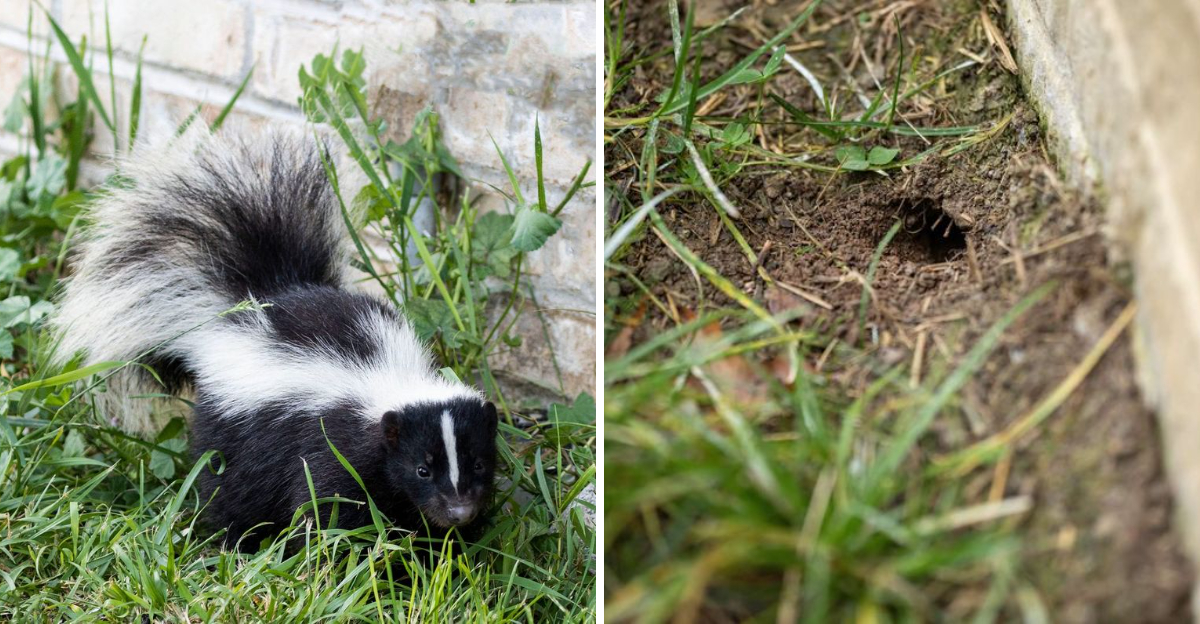
Arizona yards get a little mysterious after sunset. One morning there is a strange smell, tiny holes in the soil, and mulch tossed around like someone hosted a very small backyard party.
Skunks may be the quiet visitors behind the mess. These nighttime wanderers usually look for food, water, and a protected place to rest.
Arizona yards can offer all three when pet bowls, fallen fruit, compost scraps, insects, or open gaps under sheds are available. No invitation needed, apparently.
The good news is that most skunk visits can be discouraged with simple yard changes. Secure trash, bring pet food indoors, clean up fruit, reduce hiding spots, and your yard becomes much less interesting after dark.
1. A Strong Musky Odor Around The Yard
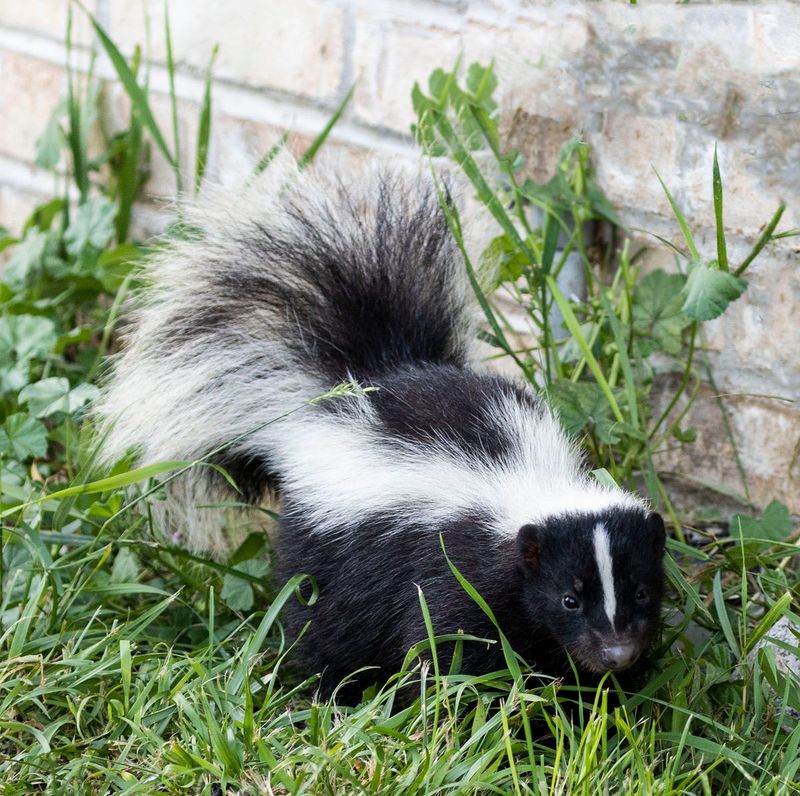
That unmistakable smell hitting you when you open the back door at night is one of the clearest signs a skunk has been nearby. Skunks carry musk glands that can release a powerful odor even when they have not sprayed directly.
The scent can linger in warm air for hours, especially near enclosed spaces like patios, block walls, or covered porches.
In Arizona, the smell tends to be stronger during warmer months when skunks are most active. You may notice it concentrated near the base of a shed, along a fence line, or around a woodpile.
The odor does not always mean a skunk sprayed something. Sometimes the natural musk from their movement or marking behavior leaves a faint but noticeable smell.
If you catch a musky scent regularly in the same corner of your yard, that pattern is worth paying attention to. Skunks tend to follow familiar routes.
Removing food sources and blocking access to sheltered spots near your home can help reduce how often they pass through your property at night.
2. Small Shallow Holes In Lawn Or Soil
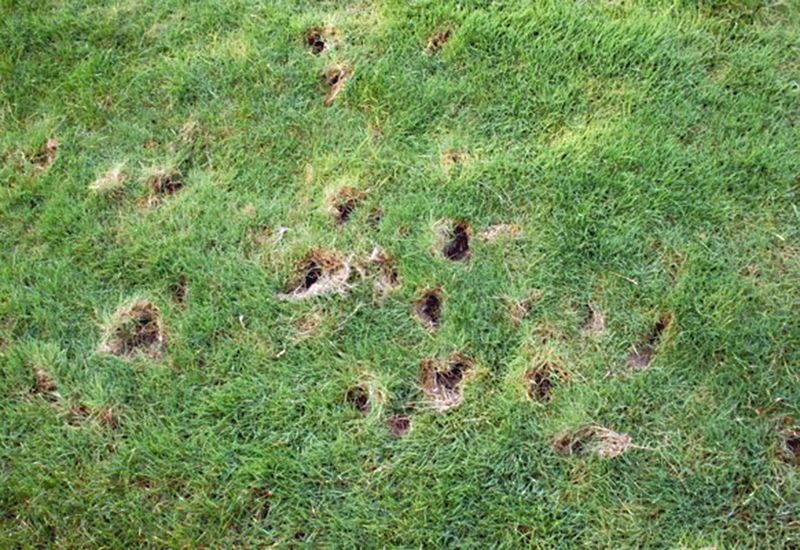
Waking up to find a scattering of small, shallow holes across your lawn can be a frustrating surprise. Skunks dig these cone-shaped holes while searching for grubs, beetles, and other insects living just below the surface.
In Arizona, irrigated lawns create moist soil that supports insect larvae, making them especially attractive to foraging skunks after dark.
The holes are usually about two to three inches wide and an inch or two deep. They tend to appear in clusters and may show up in lawn patches, garden beds, or loose soil near landscaping.
Unlike gopher or ground squirrel damage, skunk holes do not have mounds or tunnels attached to them.
Reducing the insect population in your lawn can make your yard less appealing to skunks. Adjusting your irrigation schedule to water less frequently can help dry out the upper soil layer, which makes grub foraging harder.
Treating your lawn for grubs with products safe for use around pets and wildlife can also reduce what skunks are searching for when they visit your yard each night.
3. Disturbed Mulch Or Loose Soil Near Plants
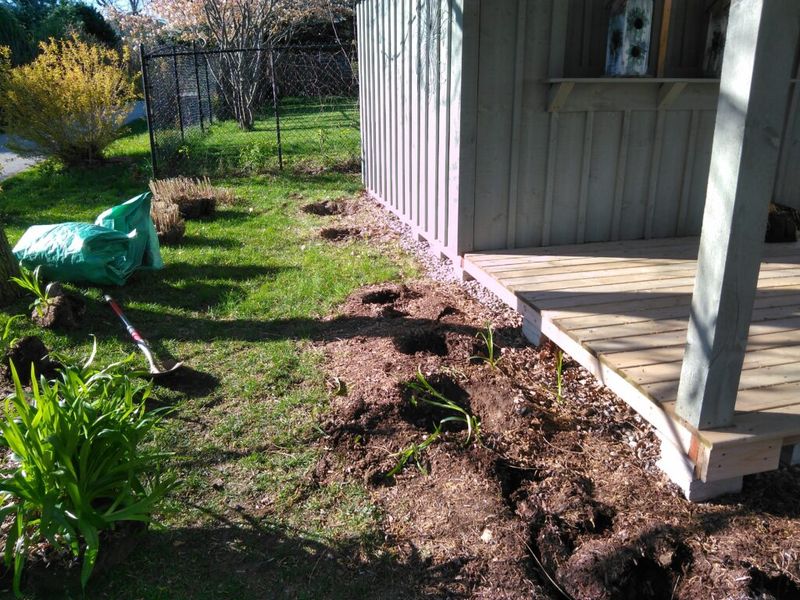
Mulched garden beds and loose soil near plants are common spots where skunks search for food in yards. If you notice mulch scattered away from plant bases or soil pushed aside near your garden border, a skunk may have been rooting through the area overnight.
Your Arizona Garden Changes Every Week. Your Plan Should Too.
Gardening in Arizona changes quickly throughout the season. Every Friday you’ll receive a simple weekly plan showing exactly what to plant, prune, fertilize, harvest, and protect so you never miss the right timing.
They use their strong front claws to sift through organic material looking for insects, worms, and grubs hiding beneath the surface.
Arizona homeowners who use wood chip mulch, bark, or compost-style ground cover around plants may notice this type of disturbance more often.
The loose, moist material under mulch is a reliable spot for insects to gather, especially in yards that receive regular watering.
Skunks learn quickly where good foraging spots are and tend to return to the same areas.
Replacing deep mulch with gravel or rock ground cover near garden beds can reduce how inviting those areas are to skunks. Gravel does not hold moisture the same way organic mulch does, and it offers less cover for the insects skunks are hunting.
Keeping garden beds tidy and checking them each morning can help you track whether nighttime visits are continuing.
4. Trash, Pet Food, Or Birdseed Disturbed Overnight

Finding your trash tipped over, pet bowls emptied, or birdseed scattered across the patio in the morning is a telltale sign that something visited your yard after dark.
Skunks are opportunistic feeders and will take advantage of easy food sources whenever they find them.
In Arizona neighborhoods, outdoor pet food and unsecured trash are among the most common reasons skunks return to a property night after night.
Birdseed that falls from feeders onto patios or gravel beds is especially attractive. It collects on the ground and stays there until something eats it.
Skunks have a strong sense of smell and can locate scattered seed, pet kibble, or food scraps from a surprising distance. Once they find a reliable food source, they tend to come back on a regular schedule.
The simplest way to break that habit is to remove the food source entirely. Bring pet bowls inside each evening before dusk, and consider taking down birdfeeders temporarily if skunk activity is frequent.
Cleaning up spilled seed from the ground each afternoon before nightfall can also make a real difference in discouraging repeat visits to your yard.
5. Fresh Digging Near Decks, Sheds, Or Woodpiles
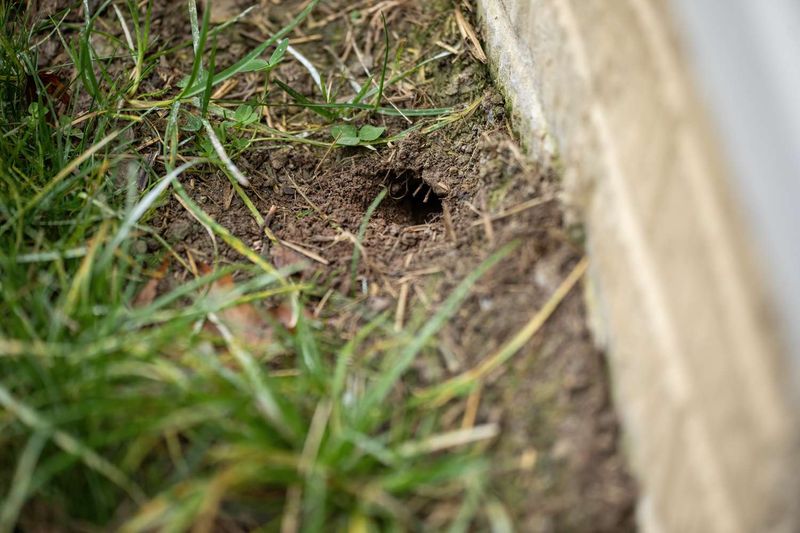
Loose soil piled near the edge of a deck, a gap dug along the base of a shed, or disturbed ground around a woodpile can all point to a skunk looking for a place to settle in.
Skunks prefer sheltered, dark spaces for resting during the day, and the underside of structures in Arizona yards can seem like an ideal spot.
They may dig along the foundation of a shed or under the edge of a deck to create access to the space beneath.
Fresh digging in these areas often appears as loose soil pushed outward from a gap or a small depression forming near a structure’s base. You might also notice flattened vegetation or scratch marks near the entry point.
Woodpiles are another common target because they offer cover and warmth, especially during cooler nights.
Blocking these access points before a skunk moves in is much easier than dealing with one already denning beneath your structure.
Hardware cloth or wire mesh buried a few inches into the ground and secured along the base of sheds and decks can close off potential entry points.
Acting early in the season gives you the best chance of keeping your structures skunk-free.
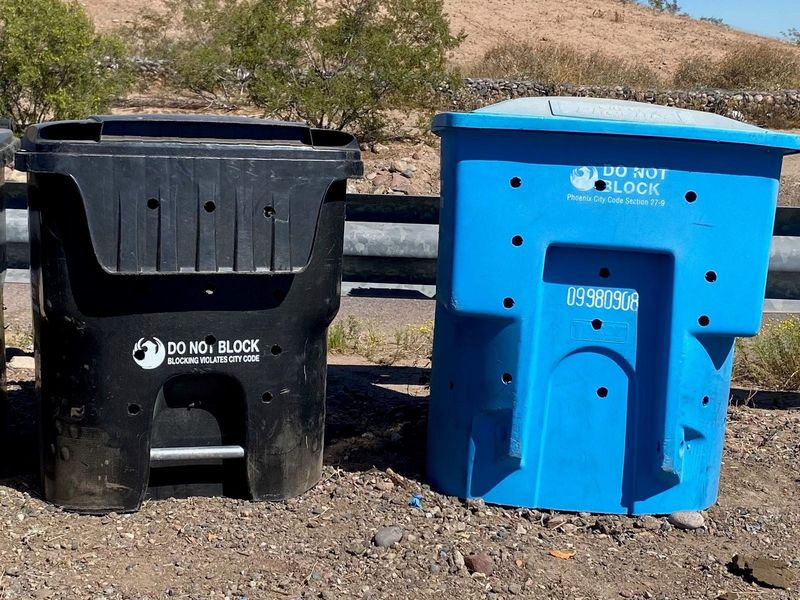
6. Secure Trash Cans With Tight Lids
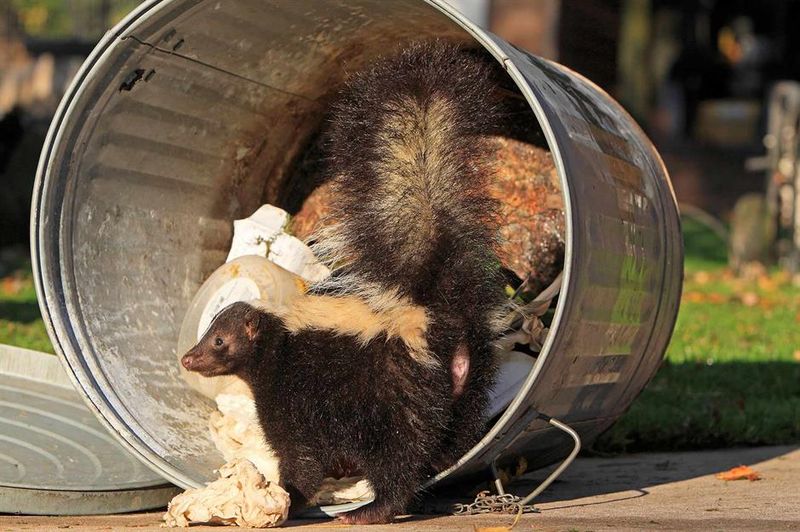
One of the most effective steps homeowners can take is making sure trash cans are properly secured every night. Skunks are resourceful, and a loose lid or a can left on its side is an open invitation.
Even the smell of food waste through a thin plastic lid can draw them closer to your home on a regular basis.
Look for trash cans with lids that latch or lock, or use bungee cords to hold lids down if your current cans do not have that feature. Storing cans inside a garage or shed overnight is even better if space allows.
Rinsing cans occasionally to reduce lingering food odors can also help, since skunks rely heavily on their sense of smell to locate meals.
In Arizona, garbage pickup schedules and summer heat can make odors stronger and more noticeable to wildlife. Try to put trash out the morning of pickup rather than the night before if possible.
Keeping the area around your trash cans clean and free of spilled food or liquid makes the spot less appealing overall. Small habits like these add up and can significantly reduce how often skunks visit your yard looking for an easy meal.
7. Bring Pet Food Indoors At Night

Leaving pet food outside overnight is one of the fastest ways to attract skunks to an Arizona yard. A bowl of kibble sitting on a patio or near a back door after dark sends a clear signal to any skunk passing through the neighborhood.
Because skunks are most active from dusk to dawn, the overnight hours are exactly when outdoor pet food becomes a target.
Getting into the habit of bringing food bowls inside before sunset is a straightforward fix. Water bowls are generally fine to leave out, but food should come in every evening without exception.
Even small amounts of leftover food at the bottom of a bowl can be enough to draw a skunk in and encourage it to return the following night.
For households with outdoor cats or dogs that eat outside, consider switching to scheduled feeding times during daylight hours so food is not sitting out when wildlife becomes active.
If you feed feral or community cats, try to provide food earlier in the day and collect bowls before evening.
Making your yard less of a reliable food stop for skunks is one of the most practical things you can do to reduce nighttime wildlife activity around your home.
8. Clean Up Fallen Fruit And Birdseed

Fruit trees are a wonderful part of many yards, but fallen citrus, figs, or pomegranates left on the ground overnight become an easy meal for skunks.
Ripe and overripe fruit has a strong scent that carries through the night air, and skunks have no trouble locating it.
If your yard has fruit trees, checking the ground beneath them each evening and collecting fallen fruit is a helpful routine to build.
Birdseed is a similar concern. Feeders positioned above patios or gravel areas often drop seed throughout the day, and by evening there can be a noticeable amount scattered on the ground.
Skunks forage at ground level, so spilled seed is easy pickings. Switching to a feeder with a catch tray or moving feeders away from areas where skunks have been active can reduce the problem.
Composting fruit scraps in a sealed bin rather than an open pile also helps. In Arizona, where fruit trees produce abundantly and bird feeding is popular year-round, staying on top of ground-level food sources makes a meaningful difference.
A quick sweep of the yard before dark takes only a few minutes but can dramatically reduce how attractive your property is to skunks after sunset.
9. Cover Compost And Avoid Food Scraps Outdoors
Open compost piles are a magnet for skunks in Arizona yards. The smell of decomposing food scraps travels easily through warm night air, and a pile of kitchen waste sitting out in the open is hard for a foraging skunk to resist.
Fruit peels, vegetable scraps, and cooked food in particular give off strong odors that attract wildlife after dark.
Switching to a covered compost bin with a secure, latching lid is a practical upgrade for any homeowner who wants to compost without attracting nighttime visitors.
Tumbler-style compost bins work especially well because they keep contents fully enclosed and off the ground.
Avoiding adding meat, dairy, or cooked foods to your compost also reduces the intensity of odors that wildlife can detect.
Beyond the compost bin, it helps to be mindful of any food scraps that end up outdoors. Rinsing out grill drip trays, cleaning up after outdoor meals, and not leaving food waste in open recycling bins can all reduce attractants.
Arizona yards that stay clean and free of accessible food sources at night simply get fewer skunk visits.
Building these habits into your evening routine is one of the most reliable long-term strategies for keeping skunks from settling into a pattern around your home.
10. Use Motion Lights Or Sprinklers In Problem Areas

Skunks prefer to move through yards in darkness, and motion-activated lights can disrupt that comfort.
Installing motion sensor lights near patios, garden beds, sheds, or areas where you have noticed skunk activity can startle them and make those spots feel less safe to visit.
In Arizona, where warm nights encourage frequent skunk movement, having lights positioned at key entry points around your yard can be a useful deterrent.
Motion-activated sprinklers are another option worth considering. These devices detect movement and release a short burst of water, which most skunks find unpleasant enough to avoid.
Placing them near garden beds, compost areas, or the base of fruit trees can help protect spots that skunks tend to target.
They are also safe for use around pets and other wildlife, making them a reasonable choice for Arizona homeowners who want a humane approach.
Neither lights nor sprinklers will stop every skunk every time, but they can make your yard noticeably less comfortable for regular visits.
Combining these tools with food source removal and habitat modifications gives you a layered approach that works better than any single method on its own.
Adjusting the placement of sensors based on where you see the most activity helps get the best results over time.
11. Call Arizona Game And Fish For Unusual Daytime Behavior
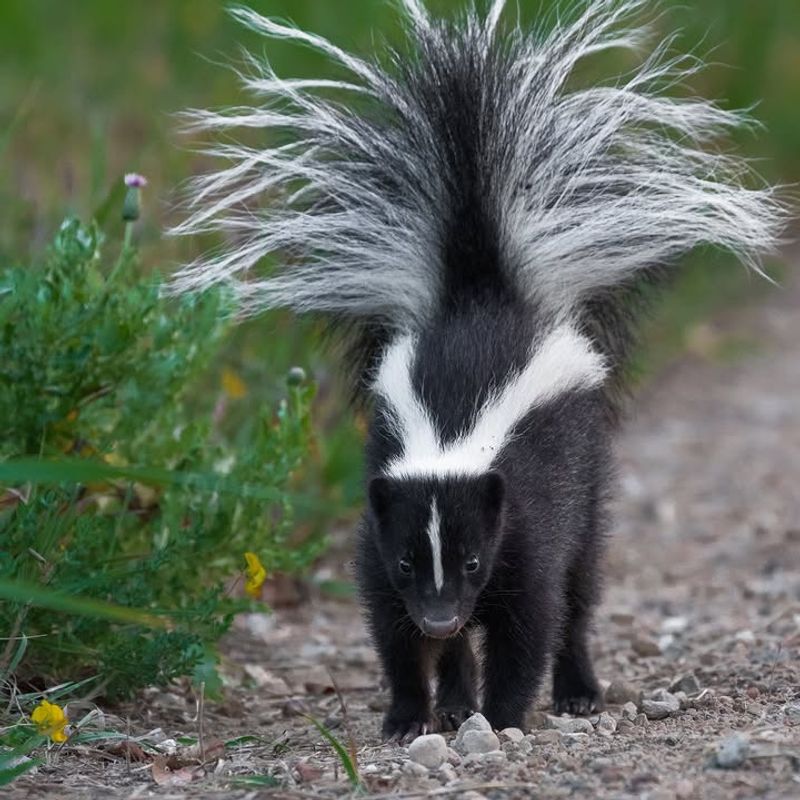
Skunks are nocturnal by nature, so seeing one out and moving around during daylight hours is unusual and worth paying attention to.
A skunk that appears disoriented, moves in circles, seems unsteady, or approaches people or pets without hesitation may be exhibiting signs of illness.
In Arizona, skunks are among the wildlife species that can carry rabies, and any skunk behaving in an unexpected way during the day should be treated with caution.
Do not attempt to handle, corner, or chase the animal. Keep children and pets indoors and maintain a safe distance.
Note where the skunk was seen and approximately what time, as that information can be helpful when reporting to the appropriate agency.
Arizona Game and Fish is the state agency that handles wildlife concerns including sick or aggressive animals. They can provide guidance on what steps to take and whether a professional response is needed.
Local animal control may also be able to assist depending on your city or county. Reporting unusual skunk behavior promptly is the responsible choice for your household and your neighbors.
Most skunks that visit yards at night are simply foraging and pose no direct threat, but a daytime sighting with odd behavior is a situation best handled by trained professionals rather than homeowners.