7 Garden Habits That Attract Fireflies To Florida Backyards
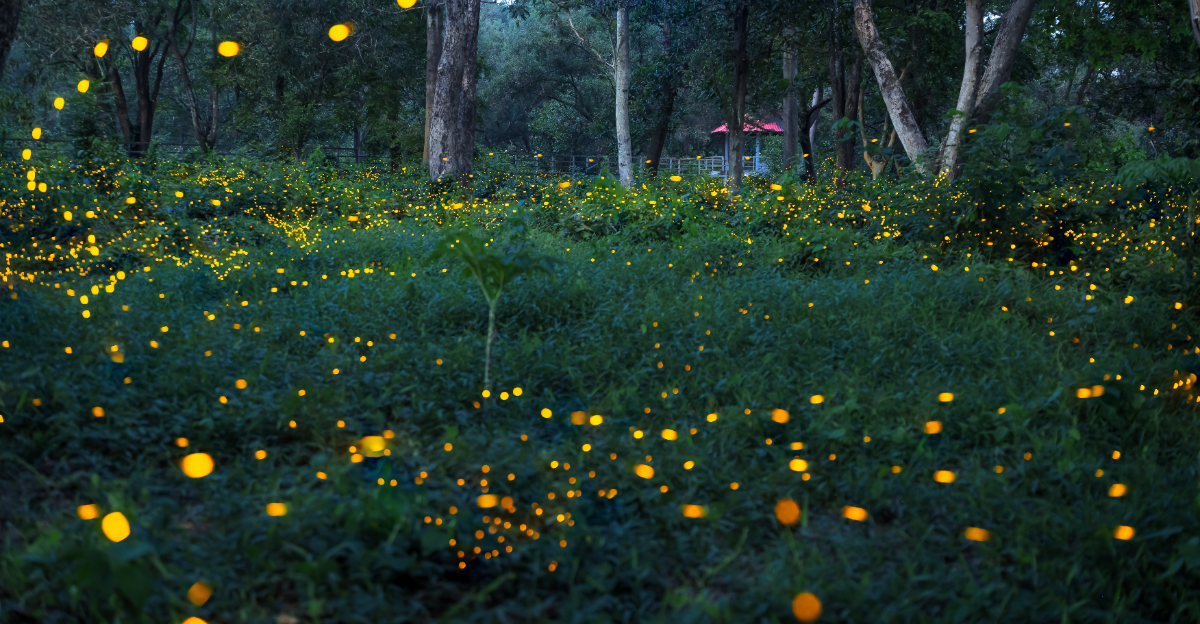
When did you last see a firefly in your backyard? If the answer involves some uncomfortable math, you are not alone.
Fireflies are disappearing from Florida neighborhoods and the culprit is not one dramatic thing. It is a collection of ordinary garden habits that make backyards invisible to them.
The yards that still light up on summer evenings are not lucky. They are managed differently, often without the homeowner even realizing why it works.
Fireflies are specific about where they show up and ruthlessly indifferent to everywhere else. A few changes to how a backyard is kept can shift it from the kind of place they pass over to the kind they come back to every season.
1. Leave A Little Leaf Litter In Quiet Corners
A little natural debris can do more than look rustic. Leaf litter, the loose layer of fallen leaves that collects under trees and along shrub edges, can play a real role in supporting small insect life in your yard.
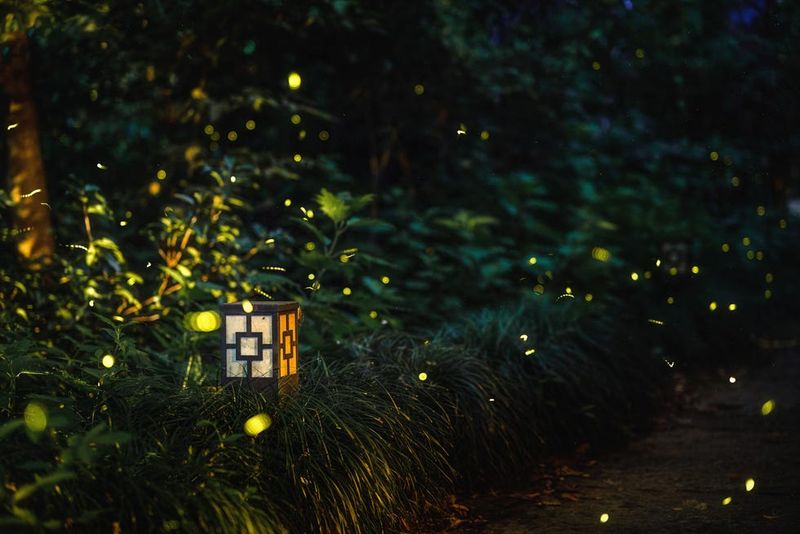
Firefly larvae, depending on the species, are often found in moist soil and leaf litter where they hunt tiny prey like slugs and snails. Keeping some of that organic material in place gives them a place to develop undisturbed.
Gardeners do not need to leave the entire yard messy to make this work. The goal is to protect a few quiet corners, not abandon the whole space.
Focus on spots that are already tucked away, like the area beneath a large shrub or the shaded edge along a fence line.
The natural zone where a tree’s root flare meets the ground can also work well. These are low-traffic areas where leaf litter can stay without blocking walkways or smothering garden plants.
Raking everything clean every season may feel tidy, but it removes layers that small insects rely on. Research from the Xerces Society and others highlights that leaving leaf litter in place supports a wide range of beneficial insects, not just fireflies.
Even a modest amount of undisturbed organic material in a few corners can make a yard feel more like habitat and less like a swept floor.
If neighbors or HOA rules make a fully natural look difficult, keep the front yard neat and reserve a few backyard edges for a softer, more layered approach. Small changes in low-visibility areas can still add up over time.
2. Reduce Outdoor Lights After Dark
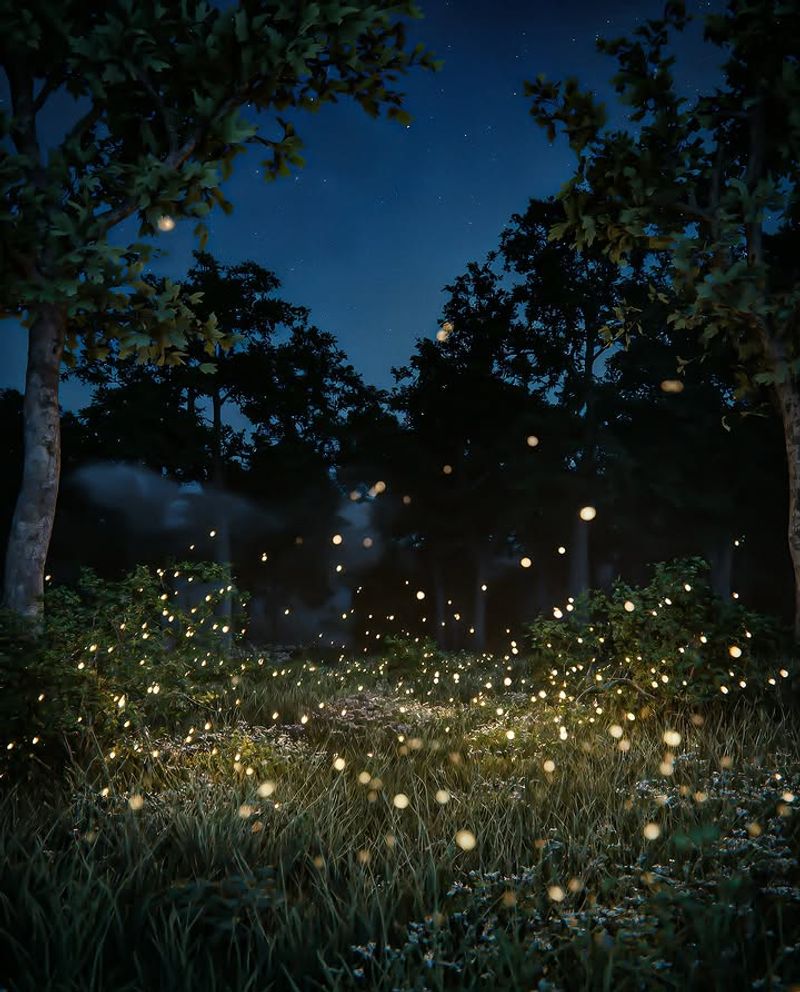
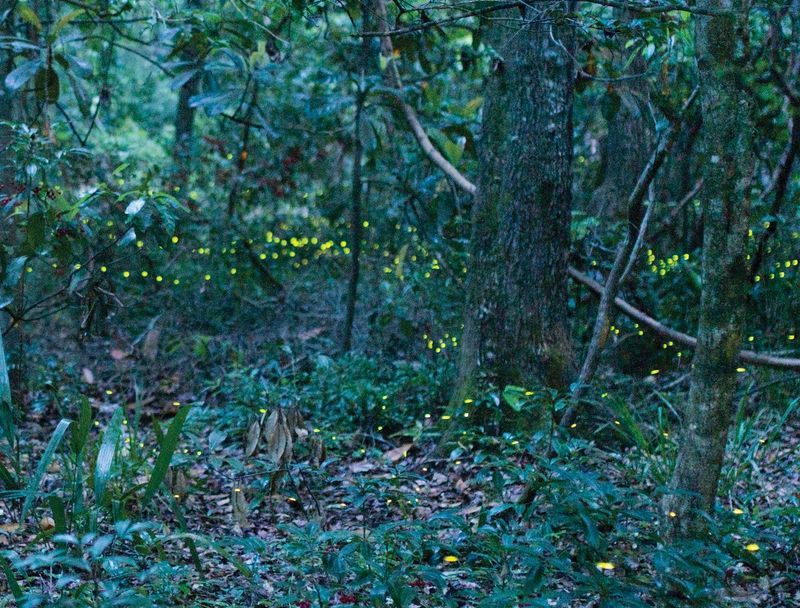
Night lighting changes the backyard after sunset in ways most people never think about. Fireflies rely on their bioluminescent flashes to find mates, and artificial light can interfere with that communication.
When a yard is flooded with bright white or blue-toned light, fireflies may have trouble seeing each other’s signals. Over time, heavily lit properties may simply see less firefly activity than darker neighboring yards.
Porch lights, landscape spotlights, string lights, security floodlights, and bright patio fixtures all add up. Even low-level landscape lighting spread across a large yard can create enough ambient glow to disrupt firefly behavior.
This does not mean you need to sit in complete darkness.
Your Florida Garden Changes Every Week. Your Plan Should Too.
Gardening in Florida changes quickly throughout the season. Every Friday you’ll receive a simple weekly plan showing exactly what to plant, prune, fertilize, harvest, and protect so you never miss the right timing.
Being thoughtful about which lights stay on and which ones can be turned off during the warmer months may help.
Some practical steps include switching to warmer color temperatures, which tend to be less disruptive than cool white or daylight bulbs. Motion-sensor lights that only activate when needed are a smarter choice than lights that run all night.
Downward-shielded fixtures keep light where it belongs, on paths and steps, rather than spreading upward and outward into the yard. Timers can also help by cutting lights off after a certain hour when firefly activity is most likely.
During peak firefly season, even turning off a single bright fixture on the back porch can make a difference.
In many parts of the state, that season falls during the warmer, rainier months. Darkness is one of the most important things a firefly-friendly yard can offer, and it costs nothing to provide.
3. Skip Broad-Spectrum Pesticides When Possible

Pest control choices affect more than the target insect. Broad-spectrum insecticides are designed to work against a wide range of insects.
That means they do not distinguish between a pest and a beneficial species like a firefly. Fireflies are insects, and their larvae often live in soil, leaf litter, and damp organic matter, depending on the species.
Repeated applications of broad-spectrum products across the yard can affect the very areas where firefly larvae may be developing.
The first step before reaching for any pesticide is to correctly identify the pest causing the problem. Many gardeners apply products based on a general concern rather than a confirmed issue, which leads to unnecessary chemical use.
UF/IFAS Extension offices across the state offer free or low-cost identification help.
Their Integrated Pest Management resources can guide homeowners toward the least-toxic option for a given situation.
When treatment is genuinely needed, targeted products applied only to the affected area are far better for the broader yard ecosystem than broadcast spraying.
Some options, like insecticidal soap or horticultural oil, break down quickly and have a narrower range of effects when used carefully.
Always read the label, follow directions, and avoid applying any pesticide near water, mulched beds, or areas where beneficial insects are active.
Reducing pesticide use overall, even gradually, can allow natural predator and prey balances to stabilize over time.
A yard with fewer chemical inputs often supports more insect diversity, which can benefit fireflies and the food web they depend on.
Small reductions in pesticide use can make a meaningful difference in yards where fireflies are already present nearby.
4. Keep Some Soil Moist But Not Soggy
Moisture matters, but balance matters too. Many firefly species are associated with moist habitats.
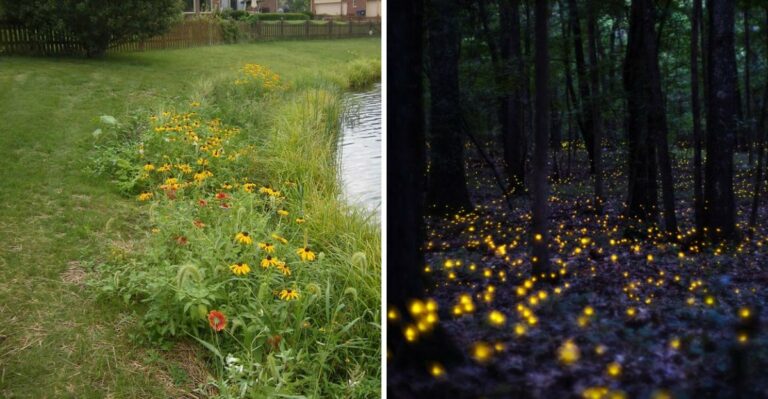
These include areas near ponds, streams, rain gardens, and low-lying shaded corners where soil stays damp longer after rain.
Yards that dry out completely and stay dry for long stretches may be less welcoming to firefly larvae that need a certain level of soil moisture to thrive.
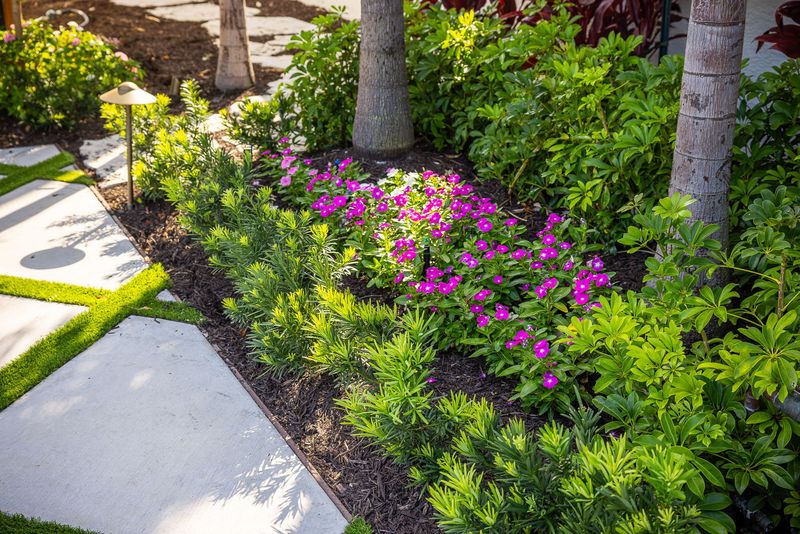
Keeping some areas of the yard naturally moist does not mean turning the backyard into a swamp. Mulched garden beds under shade trees hold moisture well without waterlogging.
A simple rain garden is a shallow planted depression designed to catch and slowly absorb runoff.
It can maintain soft moisture in one part of the yard while keeping the rest well-drained. Even the shaded edge along a fence or under a large shrub tends to stay a bit more humid than an open sunny lawn.
The key is to work with the natural moisture patterns of the site rather than fighting them. Low spots that already collect a little water after rain can be planted with moisture-tolerant native species rather than filled in or constantly drained.
These areas often become the most biologically active parts of the yard.
One important note: standing water that does not drain within a few days can become a mosquito breeding site. The goal is consistently damp soil and organic matter, not pools of stagnant water.
A yard that manages moisture thoughtfully can support firefly-friendly conditions without creating new pest problems. Check local Extension guidance if standing water is a recurring issue on your property.
5. Add Native Plants For Shelter And Habitat
Habitat starts with layers. A yard that has nothing but a flat lawn and a few isolated shrubs offers very little in the way of shelter for insects.
Native plants can transform an open yard into something that feels genuinely alive.
Arrange them in layers with canopy, mid-story shrubs, ground covers, and grasses. That structure is what fireflies and many other small insects need to move through, rest in, and shelter under.
Florida-friendly native plants are adapted to local rainfall patterns, soil conditions, and seasonal temperature swings. They tend to require less supplemental watering once established and support a broader range of native insects than non-native ornamentals.
Shrubs with dense branching and native grasses that hold moisture near the soil both help.
Spreading ground covers that shade the earth beneath them also create a more insect-friendly environment.
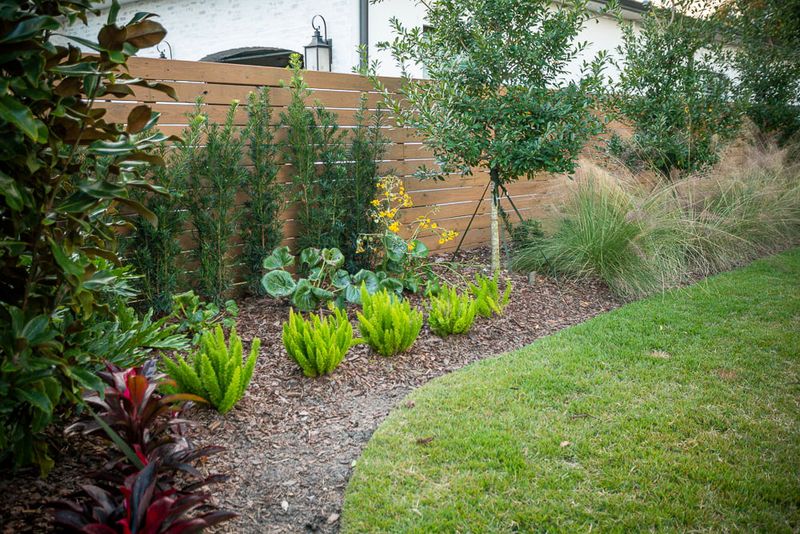
The focus here is on habitat structure rather than any single magic plant. A cluster of native shrubs along a fence, a patch of native grasses near a shaded corner, or a ground cover layer under a tree can all add value.
UF/IFAS Extension and the Florida-Friendly Landscaping program offer regionally appropriate plant lists.
Those lists are based on your part of the state, which makes them more useful than a generic national list.
Dense plantings also reduce bare soil, which tends to dry out quickly and offer little to insects. The more covered, layered, and softly shaded a yard becomes, the more it starts to resemble the natural edges where fireflies are most often found.
Native plants are one of the most practical ways to build that kind of habitat over time.
6. Avoid Over-Cleaning Every Edge Of The Yard
A yard can be tidy without being stripped bare. One of the quietest ways to make a backyard less welcoming to small insects is to over-clean every edge.
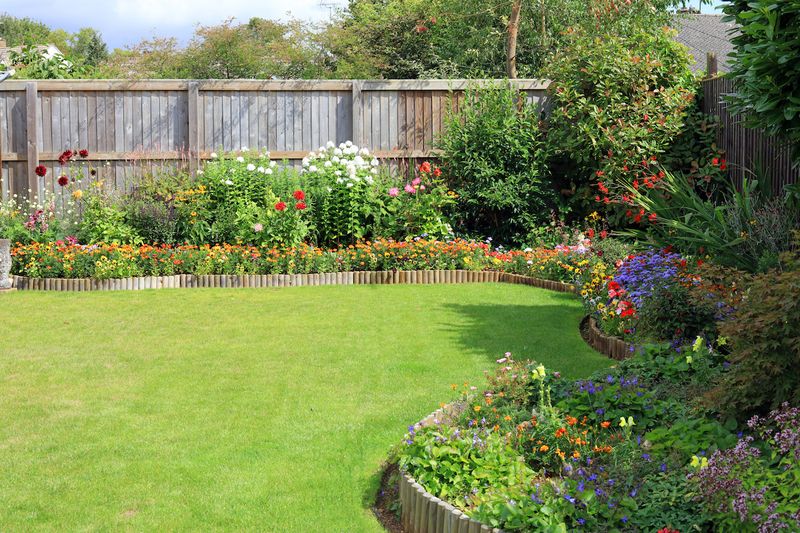
That means edging, trimming, and clearing every border until only hard lines and bare soil remain. That level of precision may look clean, but it removes the soft transitions that fireflies and other beneficial insects often use for shelter and movement.
Backyard edges, the zones around shrub bases, fence lines, tree islands, and natural borders, are some of the most ecologically active parts of a yard. Leaving a little softness in those areas can make a real difference.
That might include low ground cover, a few fallen leaves, or natural mulch that has not been raked perfectly flat. These are the kinds of spots where insects move between areas, rest during the day, and find the conditions they need at night.
This does not mean the whole yard needs to look overgrown. Most people want a front yard that looks well cared for, and that is completely reasonable.
The idea is to give yourself permission to let a few backyard areas stay a little more natural while keeping the visible parts of the property neat.
A back fence line with a soft naturalistic edge costs nothing extra and requires less maintenance than a perfectly clipped border.
Gradual relaxation of cleanup habits in low-visibility corners can quietly improve habitat quality without changing the overall look of the yard.
Over time, those softer edges often become the most interesting and lively parts of the garden, especially after dark during the warmer months.
7. Protect Dark Damp Spots During Mowing And Cleanup
Cleanup habits can protect or disturb hidden life, and nowhere is that more true than in the low, shaded, damp corners of a backyard. Regular mowing, string trimming, and seasonal cleanup are all normal parts of yard care.
How and where those tasks are done can make a real difference for insects that shelter in quiet spots.
Firefly larvae and other small beneficial insects often use damp, shaded areas, and repeated disturbance can reduce the quality of those spaces over time.
One practical adjustment is to raise the mowing height in areas near natural borders, shaded beds, or low spots that tend to stay moist.
Taller grass near those edges creates a softer transition and reduces the amount of soil disturbance that happens with each pass.
String trimming every edge on a tight schedule is another habit worth reconsidering.
This is especially true in corners that are not highly visible and do not pose any practical problem.
Mulched beds, pond edges, shady fence lines, and areas under dense shrubs are all worth protecting during heavy cleanup sessions. Avoiding aggressive raking, blowing, or digging in those spots during the warmer months can help.
That is when insect activity is highest, and it helps preserve the conditions that small insects depend on. Rainy season in this state tends to coincide with the period when firefly activity is most noticeable.
None of this requires giving up regular yard maintenance. It simply means being a little more intentional about which areas get thorough treatment and which ones can be left alone.
Protecting even a small number of undisturbed damp corners can quietly support the kind of backyard where fireflies feel at home.