Texas Plants That Attract Dragonflies And Reduce Mosquito Activity
Mosquitoes are one of the most frustrating parts of spending time outdoors in Texas, and most of the common solutions either wear off quickly, smell terrible, or require constant reapplication.
What a lot of Texas gardeners do not think about is that nature already has a highly effective mosquito control system, and dragonflies are a big part of it.
A single dragonfly can consume hundreds of mosquitoes in a day, making them one of the most valuable insects you can invite into your yard.
The key is knowing what actually draws dragonflies in and keeps them around, and plants play a much bigger role in that than most people realize.
Certain Texas plants create the habitat, moisture levels, and insect activity that dragonflies are drawn to. Get the right ones established and you are essentially building a natural mosquito management system that runs on its own all season long.
1. Joe-Pye Weed
Few plants make a backyard feel more alive than Joe-Pye Weed. Standing tall with clusters of dusty pink and purple flowers, this native wildflower is a magnet for all kinds of flying insects.
Dragonflies are especially drawn to areas where Joe-Pye Weed grows because the plant attracts the smaller insects that dragonflies love to eat.
Joe-Pye Weed can grow anywhere from four to seven feet tall, making it a dramatic and eye-catching addition to any Texas garden.
It thrives in moist, sunny spots and does especially well near rain gardens or water features. Once it gets established, it requires very little care and comes back reliably every year.
The nectar-rich flowers bloom from midsummer into early fall, which is right when mosquito activity tends to peak in Texas. Having dragonflies around during those months makes a real difference in how comfortable your yard feels.
Dragonflies can eat hundreds of mosquitoes in a single day, so attracting them is one of the smartest moves a gardener can make.
Planting Joe-Pye Weed in groups of three or more creates a more noticeable display and gives dragonflies more reason to linger. It pairs beautifully with other native wildflowers and provides shelter for beneficial insects too.
If you want a low-maintenance plant that pulls double duty as both a showstopper and a natural pest manager, Joe-Pye Weed is a wonderful place to start your journey.
2. Swamp Milkweed
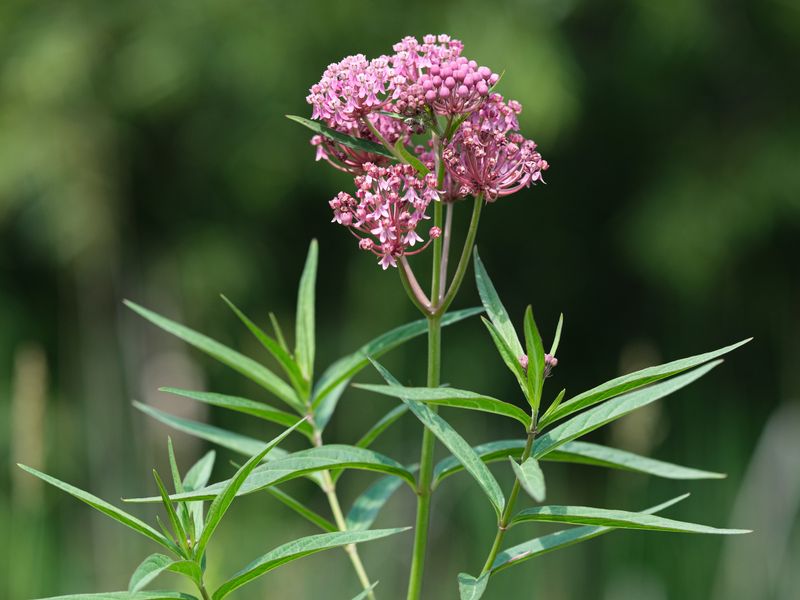
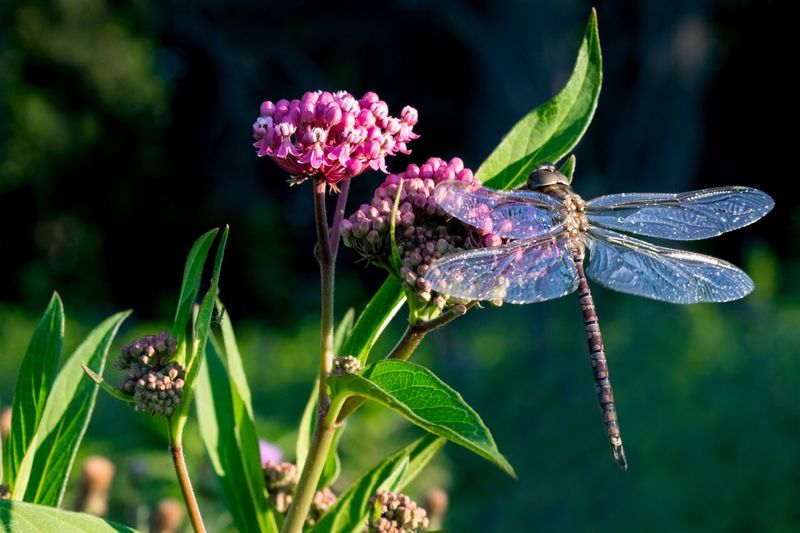
Swamp Milkweed has a reputation for being a monarch butterfly favorite, but dragonflies have a soft spot for it too. Growing naturally along streams and pond edges across Texas, this native plant is perfectly suited for wet or moist garden areas.
Its bright pink flower clusters bloom throughout summer and attract a steady parade of beneficial insects.
What makes Swamp Milkweed so valuable for dragonfly activity is where it naturally grows. Dragonflies spend the early part of their lives underwater as larvae, so they are always found close to water sources.
Planting Swamp Milkweed near a backyard pond or water garden essentially rolls out the welcome mat for these incredible hunters.
Once dragonflies move into an area, mosquito populations tend to drop noticeably. A single adult dragonfly can consume dozens of mosquitoes in just one hour of active hunting.
Your Texas Garden Changes Every Week. Your Plan Should Too.
Gardening in Texas changes quickly throughout the season. Every Friday you’ll receive a simple weekly plan showing exactly what to plant, prune, fertilize, harvest, and protect so you never miss the right timing.
Having a reliable food source nearby, combined with water for breeding, keeps dragonflies coming back season after season.
Swamp Milkweed grows best in full sun and moist to wet soil, making it ideal for low-lying areas of your yard that stay damp after rain. It reaches about three to four feet tall and spreads slowly over time, filling in beautifully without becoming invasive.
Pair it with Pickerelweed or Rush plants near a water feature for a powerful dragonfly-friendly planting combination. Gardeners who add this plant often notice a positive change in their backyard insect balance within just one growing season.
3. Black-Eyed Susan
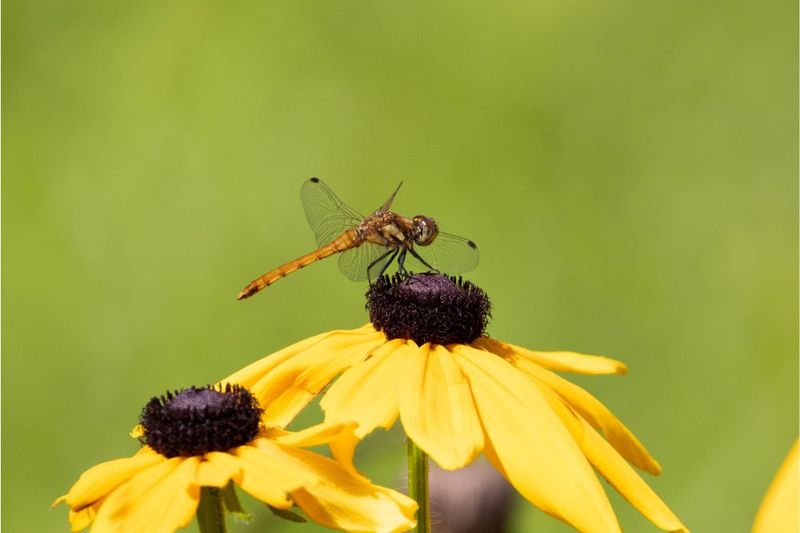
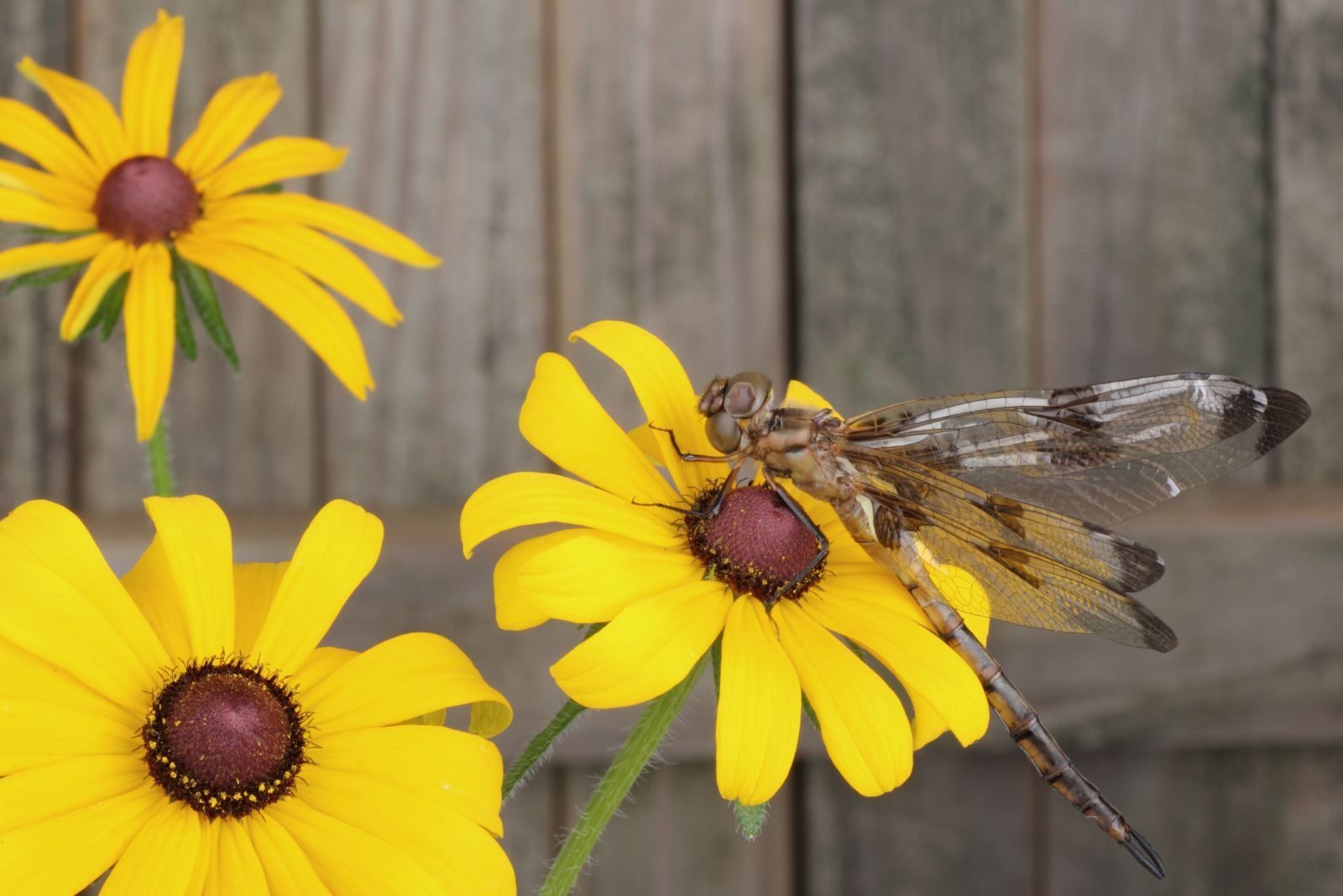
Walk through almost any Texas meadow in summer and you will spot the cheerful golden faces of Black-Eyed Susans nodding in the breeze.
These bold, bright wildflowers are one of the most recognizable native plants in the state, and they do a whole lot more than just look pretty.
Black-Eyed Susans are pollinator powerhouses that help build a thriving, balanced backyard ecosystem.
When a garden attracts a wide variety of beneficial insects, dragonflies follow. Dragonflies are active hunters that patrol areas rich with insect activity, feeding on gnats, midges, and mosquitoes.
By planting Black-Eyed Susans, you are essentially stocking a buffet that keeps dragonflies active and well-fed in your yard all season long.
Black-Eyed Susans are incredibly easy to grow in Texas. They love full sun and well-drained soil, and once they are established, they can handle the heat and occasional dry spells that Texas summers are known for.
They bloom from early summer through fall, giving your yard long-lasting color and consistent insect activity.
Letting a few plants go to seed at the end of the season also feeds birds and allows natural reseeding for next year. You get more plants without spending a dime.
Grouping Black-Eyed Susans with taller native plants like Joe-Pye Weed creates layers of habitat that support everything from bees to dragonflies.
For beginning gardeners or anyone who wants a reliable, hardworking native flower, Black-Eyed Susan is practically impossible to go wrong with.
4. Pickerelweed
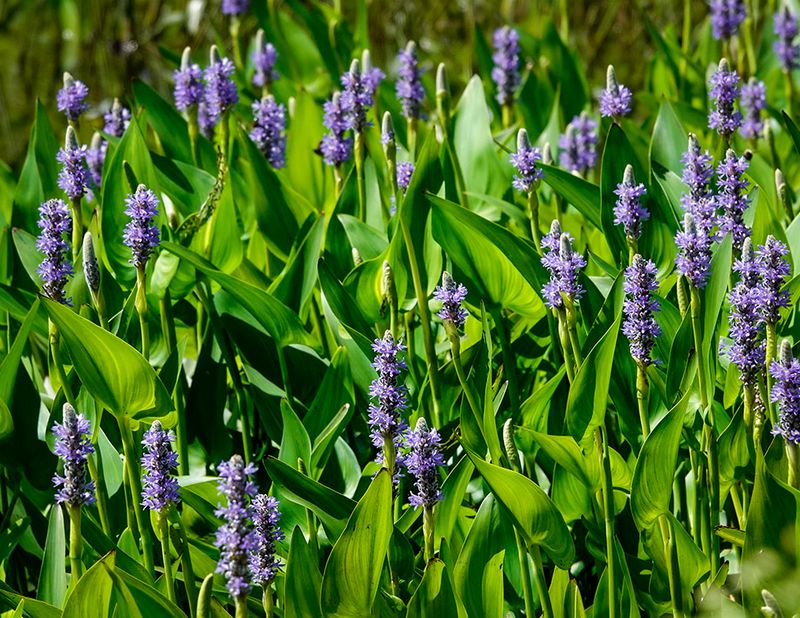
If you have a pond or water garden, Pickerelweed might just become your new favorite plant. This striking aquatic native produces tall spikes of vivid purple-blue flowers that rise above glossy, heart-shaped leaves.
It grows right at the water’s edge or in shallow water, making it one of the most natural dragonfly-attracting plants you can add to a Texas yard.
Dragonflies are closely tied to water throughout their entire lives. Females lay their eggs directly on or near aquatic plants like Pickerelweed, and the larvae develop underwater before emerging as adults.
By planting Pickerelweed, you are not just attracting adult dragonflies to visit, you are creating a breeding ground that keeps populations strong year after year.
More dragonflies mean fewer mosquitoes, since dragonfly larvae are also fierce hunters underwater, feeding on mosquito larvae before they ever get a chance to mature.
This creates a natural two-stage defense system right in your own backyard pond. It is one of the most satisfying examples of nature taking care of itself.
Pickerelweed blooms from late spring through early fall and grows in USDA hardiness zones that cover most of Texas comfortably. It spreads gradually and provides excellent cover for small fish and frogs as well.
Planting it alongside Swamp Milkweed or Rush plants creates a lush, layered water garden that looks beautiful and works hard at the same time. Few plants offer this level of ecological value with so little effort required from the gardener.
5. Mealy Blue Sage
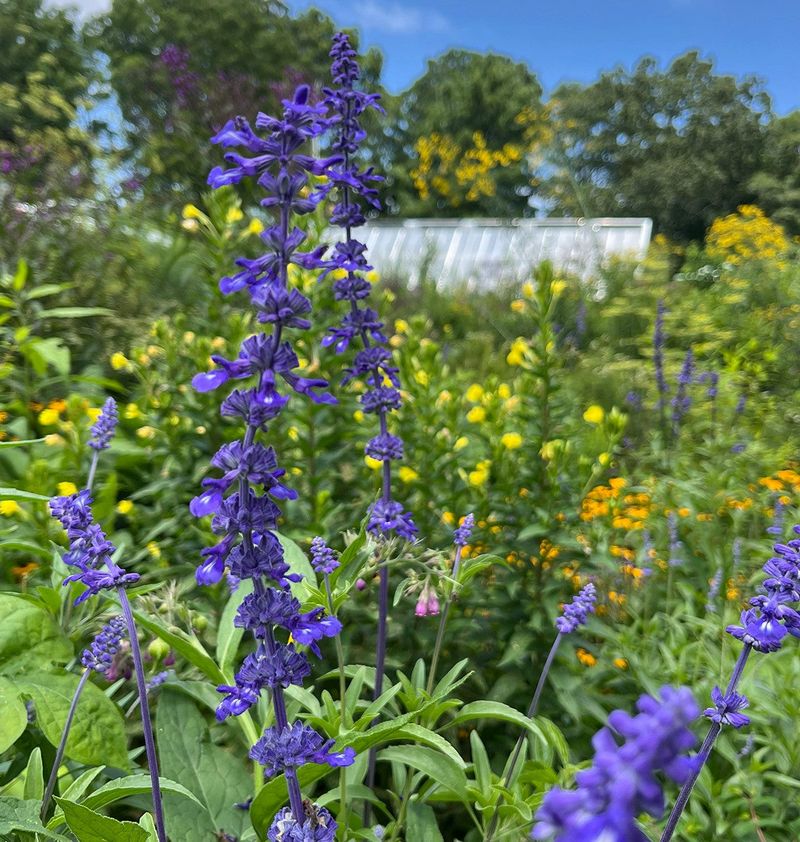
Ask any experienced Texas native plant gardener about Mealy Blue Sage, and you will likely get an enthusiastic response. This tough, long-blooming native is one of the most reliable plants for supporting beneficial insects throughout the entire summer season.
Its slender spikes of soft blue-purple flowers seem to bloom endlessly, providing a consistent food source when other plants have already faded.
Dragonflies are attracted to yards where insect activity is high, and Mealy Blue Sage delivers exactly that. The flowers bring in bees, butterflies, and small flies, all of which are potential prey for hunting dragonflies.
A yard buzzing with insect life is a yard that dragonflies will visit again and again throughout the warm months.
Mealy Blue Sage is also incredibly well-suited to Texas conditions. It tolerates heat, drought, and poor soils with ease, making it one of the lowest-maintenance native plants available.
It grows about two to three feet tall and works beautifully as a border plant, a mass planting, or mixed into a pollinator garden.
One fun fact about this plant is that its leaves have a pleasant, slightly herby scent when brushed. That aroma is thought to help deter certain pest insects while still welcoming the beneficial ones.
It blooms from spring all the way through the first frost, giving your garden months of color and activity. For Texas gardeners who want big results without constant upkeep, Mealy Blue Sage is a genuinely rewarding choice that keeps on giving from one season to the next.
6. Yarrow
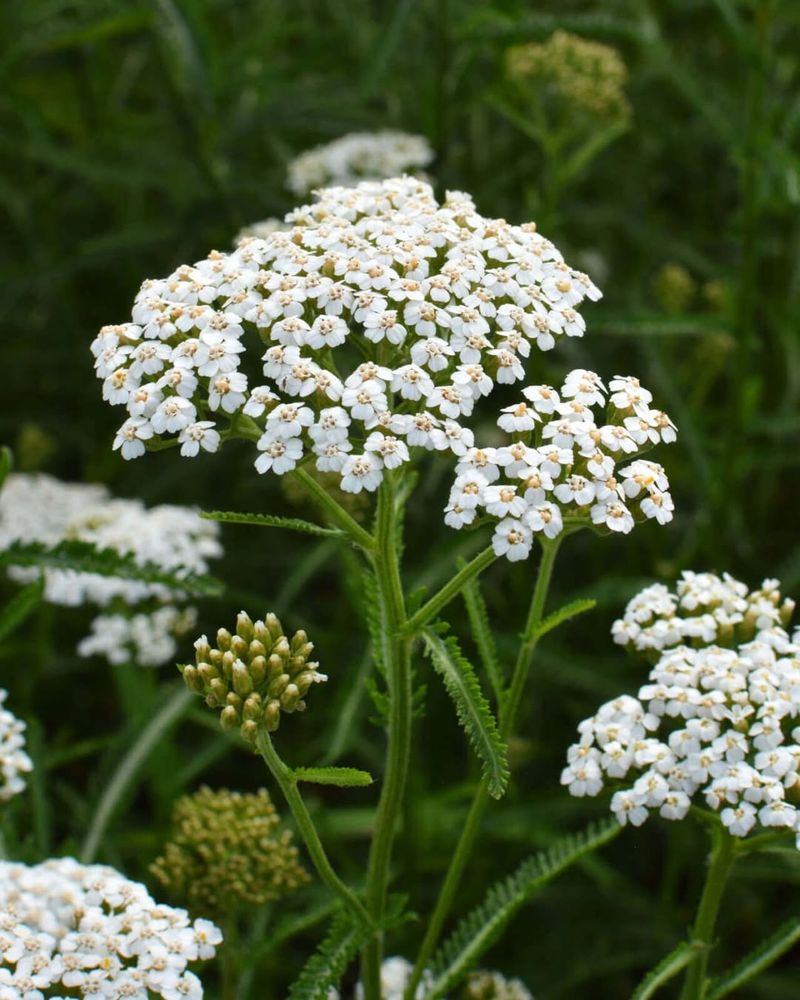
Yarrow has been growing in gardens and wild spaces for thousands of years, and there is a very good reason it has stuck around so long. This ancient, flat-topped flowering herb is one of the most effective plants for attracting beneficial insects to a backyard.
Its broad, open flower clusters act like landing pads for dragonflies, hoverflies, parasitic wasps, and dozens of other helpful species.
When a yard supports a diverse community of beneficial insects, the natural balance shifts in a positive direction. Mosquito and pest populations face more competition and more predators.
Yarrow is a big part of creating that kind of thriving, self-regulating ecosystem right outside your back door.
Growing Yarrow in Texas is refreshingly simple. It loves full sun and handles dry, well-drained soil without complaint.
It is drought-tolerant once established, which makes it a natural fit for Texas summers that can turn hot and dry in a hurry. Yarrow comes in yellow, white, pink, and red varieties, so you have plenty of options to match your garden’s color scheme.
Deadheading spent flowers encourages the plant to keep blooming through summer and into fall. Leaving some flower heads in place at the end of the season also provides seeds for birds and shelter for overwintering insects.
Yarrow spreads gently over time and can be divided every few years to keep it tidy. Planting it in clusters near other native wildflowers creates a layered, insect-friendly garden that actively supports dragonfly populations season after season.
7. Rush Plant
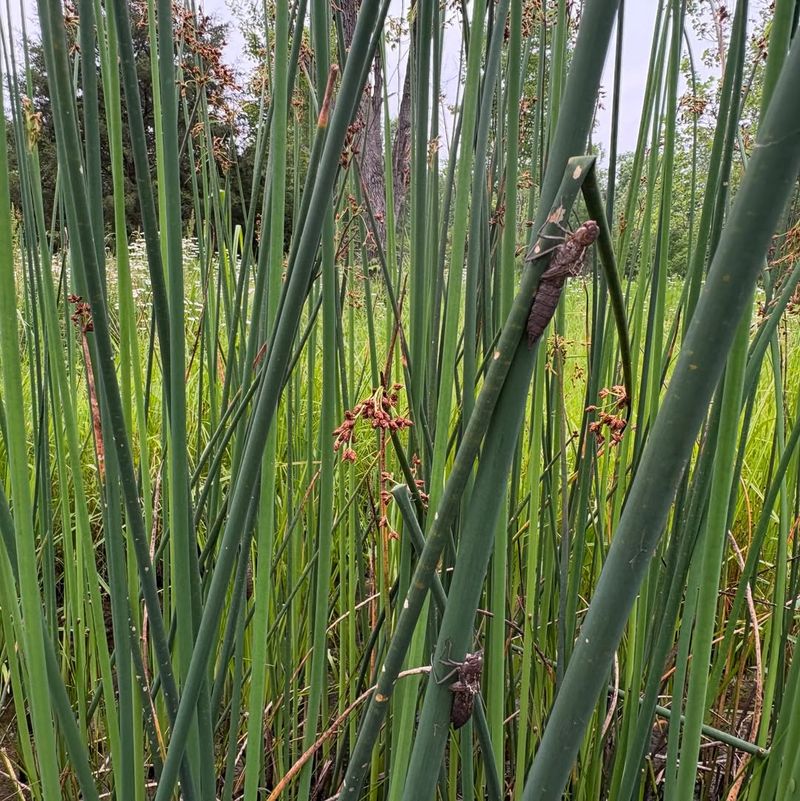
Not every plant that supports dragonflies needs to have showy flowers. Rush plants prove that point beautifully.
These tall, slender, grass-like natives grow right at the water’s edge and provide something that flowering plants simply cannot: vertical perches and egg-laying sites directly above the water’s surface. For dragonflies, that is absolutely prime real estate.
Rushes create the kind of dense, sheltered habitat that dragonflies need to complete their life cycle. Females land on the stems to deposit eggs into the water below.
Larvae develop in the shallow, vegetated areas around the plant’s roots. When they emerge as adults, the upright stems give them a safe place to rest and warm up before their first flights.
Having Rushes in or around a backyard pond essentially turns that water feature into a dragonfly nursery. More dragonflies hatching means more hunters patrolling your yard.
Since dragonfly larvae also consume mosquito larvae underwater, the pest-control benefits begin even before the dragonflies take their first flight as adults.
Rush plants grow well in USDA zones covering most of Texas and thrive in wet soil, shallow water, or consistently moist garden beds.
They reach heights of two to four feet and provide a striking, architectural look that complements flowering water plants like Pickerelweed and Swamp Milkweed.
Planting a mix of these species around a pond creates a complete dragonfly habitat from water to air. For anyone serious about reducing mosquito activity naturally, adding Rush plants to a water garden is one of the most impactful steps you can take.