Surprising Causes Of Tomato Cracking In Kentucky Gardens
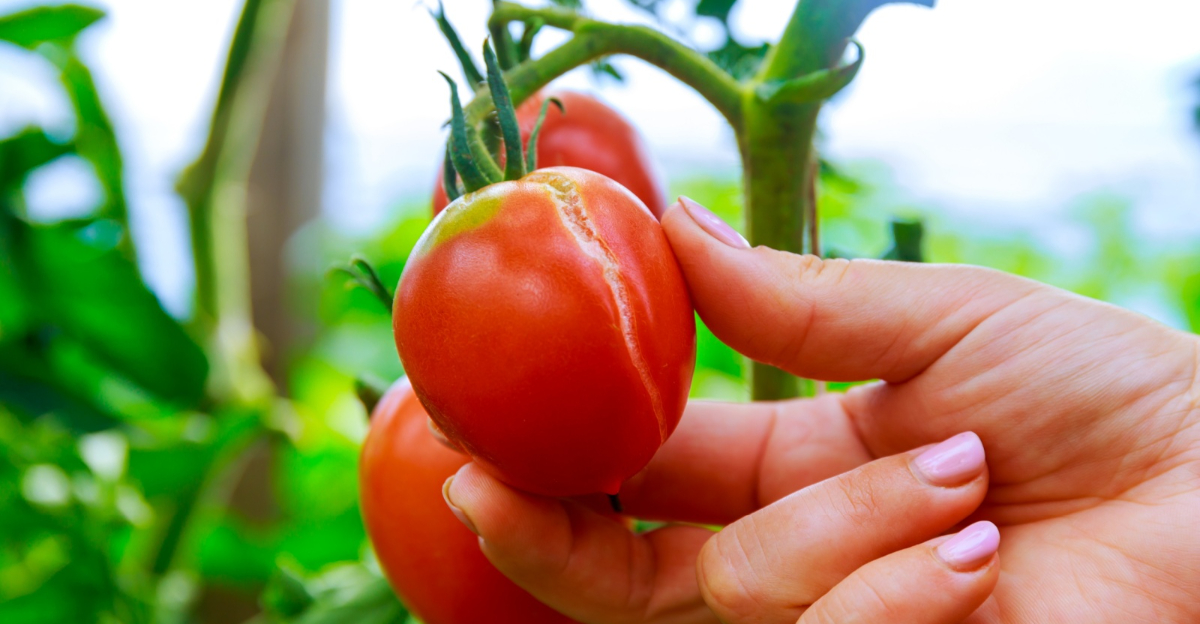
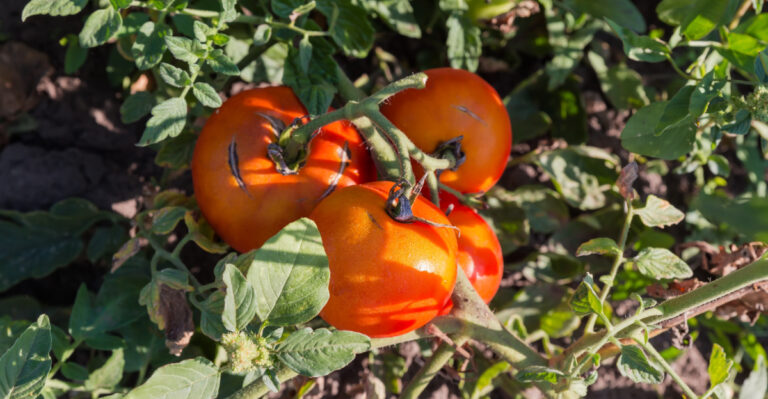
Weeks of careful tending, and then one morning you spot it: a jagged crack splitting your best tomato wide open.
It is one of the most heartbreaking sights a Kentucky gardener can face. That single flaw can ruin a fruit that was days away from being perfect.
Tomato cracking hits backyard gardens across Kentucky every single season, and it strikes without much warning. The frustrating part is that most growers never figure out the real cause.
Some of the culprits are surprisingly simple, and nearly all of them are preventable once you know what to watch for.
You do not need to be an expert to stop this from happening. A few small changes in how you water, mulch, and time your harvest can make a genuine difference.
Understanding what triggers cracking is the first step toward finally growing the tomatoes you have always imagined.
1. Heavy Rain Following A Dry Period
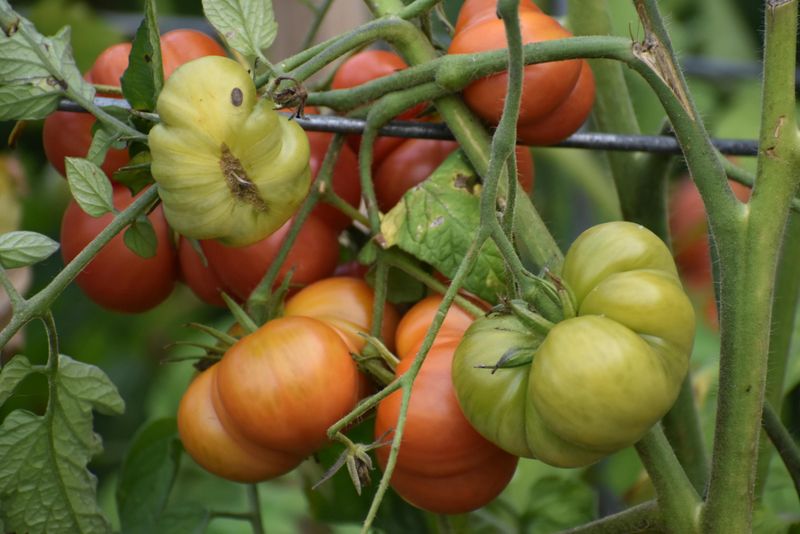
Picture this: your garden has gone two weeks without a single drop of rain. Then a massive storm rolls through overnight.
Your tomato plant drinks up all that water at once, and the fruit swells faster than the skin can handle.
That sudden burst of growth from the inside is what causes those deep, frustrating cracks across the top of your tomatoes.
Tomato skin grows slowly and steadily under normal conditions. It hardens gradually as the fruit matures.
When a dry spell is followed by a sudden downpour, the fruit pulp expands much faster than the skin can stretch. Think of it like blowing up a balloon that has already been sitting out in the sun for several days.
Something has to give.
Kentucky summers are well known for long dry stretches followed by sudden afternoon storms. This pattern makes tomato cracking especially common here.
The good news is that consistent soil moisture is your strongest line of defense.
A soaker hose on a timer can bridge those dry gaps between rain events. It delivers water slowly and evenly, which gives the plant time to absorb moisture at a steadier pace.
That gradual intake puts far less pressure on the fruit skin.
Smaller, more frequent watering sessions also help train the plant to handle moisture more gently.
Watering deeply a few times each week tends to work better than one large session.
Mulching around the base of the plant helps the soil hold onto that moisture longer between waterings. Small, steady habits can protect your tomatoes through even the most unpredictable summer weather.
2. Irregular Watering Throughout The Season
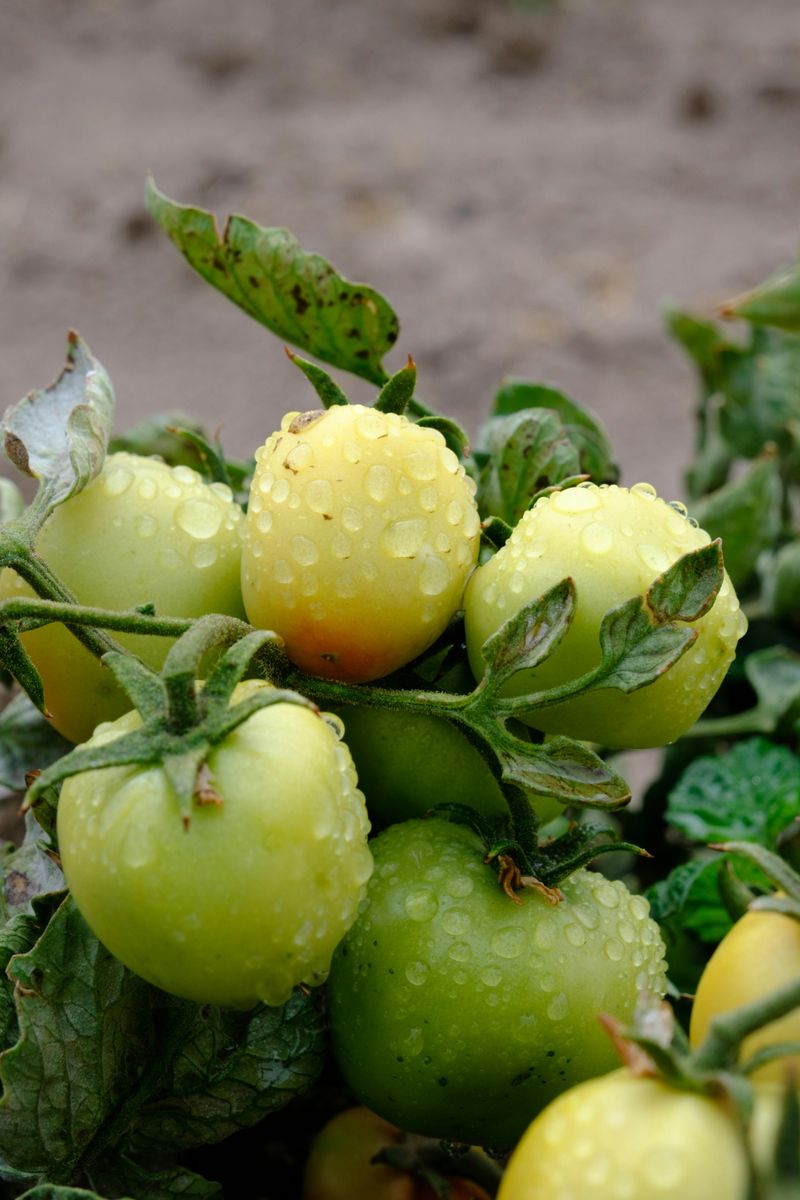
Feast and famine watering is one of the sneakiest causes of tomato cracking.
Gardeners do not even realize they are doing it. Watering heavily on weekends but skipping days in between sends your tomato plants on a stressful ride.
The fruit responds to every moisture spike by expanding rapidly. The skin pays the price each time.
Consistency is the key word when it comes to keeping tomatoes crack-free. Aim for about one to two inches of water per week.
Your Kentucky Garden Changes Every Week. Your Plan Should Too.
Gardening in Kentucky changes quickly throughout the season. Every Friday you’ll receive a simple weekly plan showing exactly what to plant, prune, fertilize, harvest, and protect so you never miss the right timing.
Spreading that amount out evenly tends to work much better than watering all at once.
A simple rain gauge placed near your garden beds can help you track exactly how much moisture your plants are receiving.
Tomato plants are surprisingly sensitive to moisture swings, even ones that seem minor.
Each time the soil goes from very dry to soaking wet, the fruit cells rush to absorb as much water as possible.
Over time, those repeated cycles can weaken the skin and make cracking far more likely.
Setting up a drip irrigation system with a basic timer is one of the most practical investments a home gardener can make.
It removes the guesswork and delivers water at a pace your plants can actually use. You do not need an expensive setup to see real results.
Even a simple soaker hose on a schedule can make a noticeable difference.
Small changes in how and when you water can shift the odds in your favor. Smooth, crack-free tomatoes are well within reach when your watering routine stays steady all season long.
3. Lacking Enough Calcium In The Soil
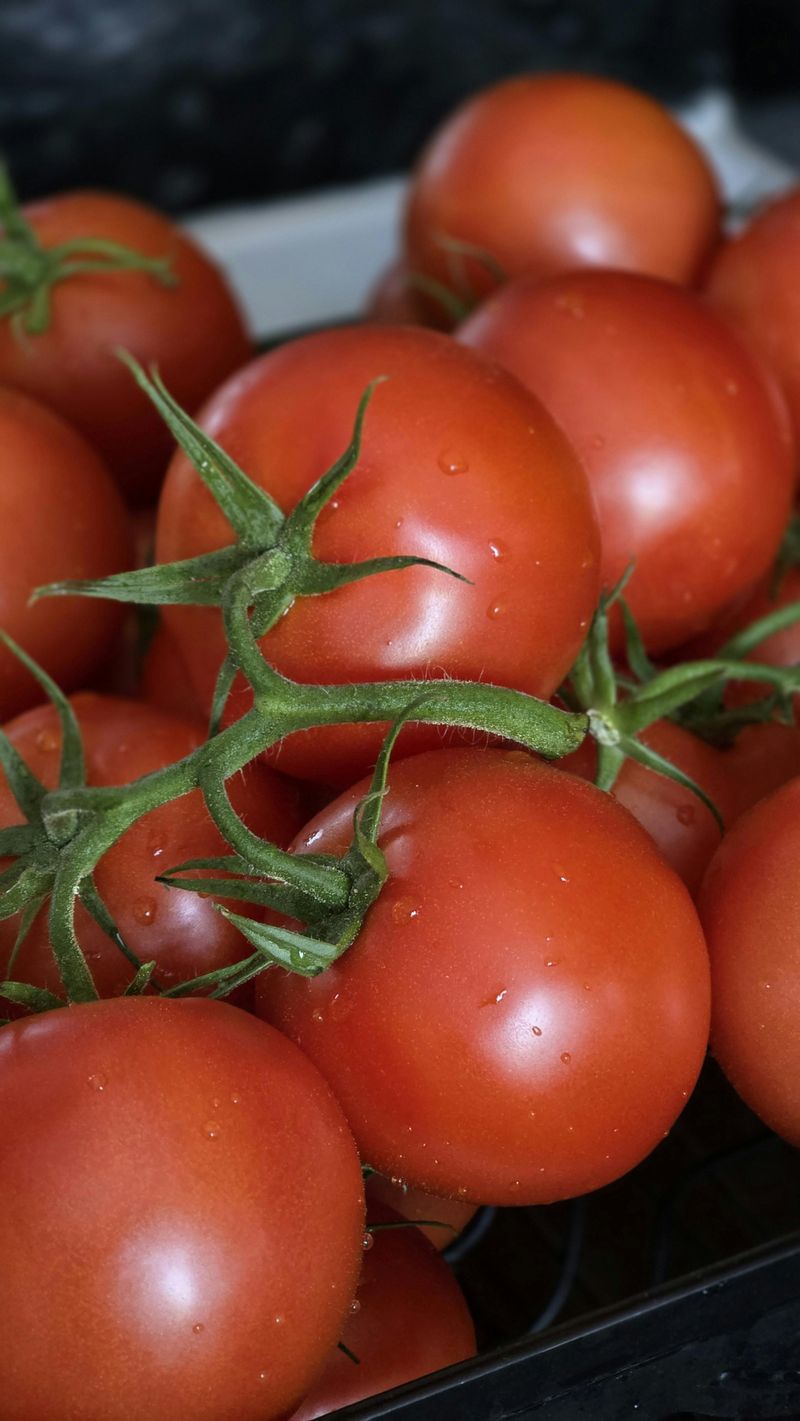
Most gardeners think cracking is only about water, but calcium plays a surprisingly big role in keeping tomato skin strong and flexible.
Calcium plays a broader role in overall fruit health and cell wall strength.
When calcium uptake is poor, the fruit becomes more vulnerable to physical stress.
This can make cracking more likely, alongside other issues like blossom end rot.
It is not the most direct cause of cracking, but a well-nourished plant handles moisture swings more reliably than one running low on key nutrients.
Calcium deficiency does not always mean your soil is low in calcium.
Sometimes the soil has plenty of calcium, but the plant cannot absorb it because of inconsistent watering or soil that is too acidic.
A soil pH between 6.2 and 6.8 is the sweet spot for calcium uptake in most vegetable gardens.
You can boost calcium availability by adding crushed eggshells or agricultural lime to your beds before planting.
Some gardeners swear by a foliar spray made from calcium chloride applied directly to the fruit as it develops.
Getting a basic soil test done each spring is one of the easiest ways to catch a deficiency before it ruins your harvest.
Local extension offices across the state offer affordable soil testing kits that give you a clear picture of exactly what your garden needs.
Strong cell walls mean a tougher skin, and a tougher skin means fewer cracks ruining your best tomatoes.
4. Leaving Tomatoes On The Vine Too Long
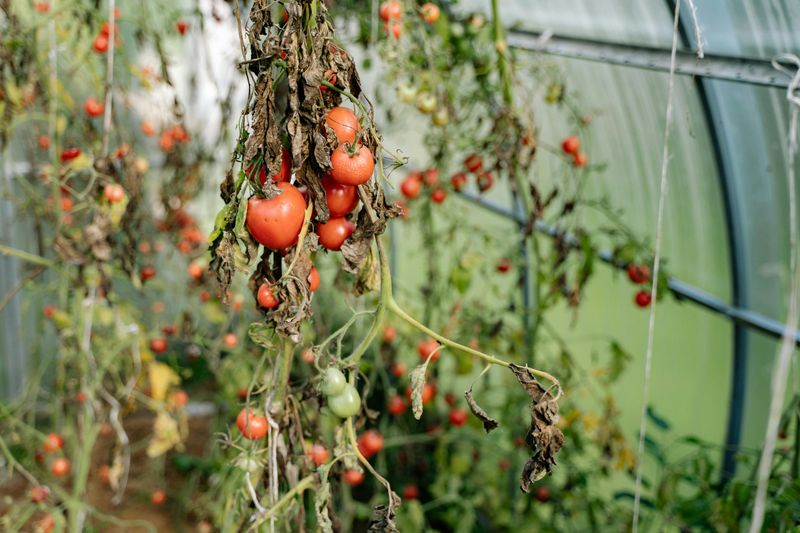
Overripe tomatoes are among the most vulnerable fruits in your garden when it comes to cracking.
Once a tomato passes its peak ripeness, the skin starts to lose elasticity and becomes much more vulnerable to splitting.
Even a small rain shower or a deep watering can be enough to push an overripe fruit right over the edge.
Many gardeners leave tomatoes on the vine longer than necessary because they want maximum flavor.
The truth is, tomatoes continue to ripen beautifully indoors after being picked at the first blush of full color.
Picking them just before they reach peak ripeness actually protects them from cracking and extends their shelf life significantly.
Watch your plants closely during the final stages of ripening, especially in late summer when rain can pop up with almost no warning.
A tomato that feels slightly firm but shows full color is usually ready to come off the vine.
Leaving it out there for another three or four days might seem harmless, but the skin is already stretched close to its limit.
Harvesting on the early side of ripe gives you a window of protection against sudden moisture changes.
Plus, a tomato ripened indoors on a countertop, away from direct sunlight, often tastes just as good as one left on the vine.
5. Planting Thin-Skinned Tomato Varieties
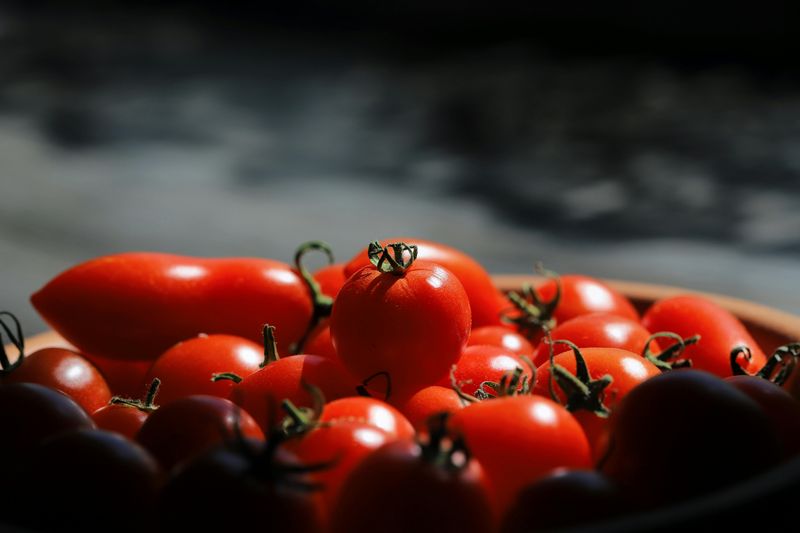
Some tomatoes are just born with a fragile exterior, and there is nothing wrong with that.Heirloom varieties like Brandywine and Cherokee Purple are beloved for their rich flavor, but their thin skins make them far more likely to crack than modern hybrids.
If you have been growing heirlooms and wondering why cracking seems worse in your garden than your neighbor’s, this could be the whole answer.
Plant breeders have spent decades developing crack-resistant hybrids specifically for gardeners dealing with unpredictable weather.Varieties like Celebrity, Mountain Spring, and Jet Star have been engineered to handle moisture swings without splitting.
They may not have quite the same old-fashioned flavor as an heirloom, but they hold up much better during a wild summer storm.
The good news for heirloom lovers is that you do not have to give them up entirely.Growing them under a simple rain cover or cold frame during heavy rain season can dramatically cut down on splitting.
You can also try planting a mix of heirlooms and crack-resistant hybrids to hedge your bets.Monitoring thin-skinned varieties more closely and harvesting them a day or two earlier than you normally would gives them a fighting chance.
The flavor is worth the extra attention, as long as you know what you are working with from the start.
6. Not Mulching Deep Enough
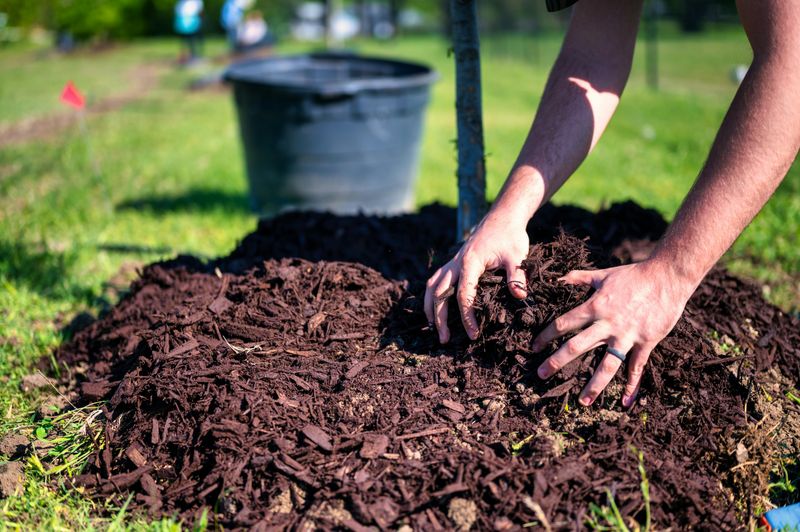
Bare soil in a tomato bed is a recipe for disaster during a hot, unpredictable summer.Without mulch, the top layer of soil dries out rapidly between waterings and rain events.
That constant cycle of drying and rewetting is one of the primary drivers of tomato cracking that most gardeners completely overlook.
A thick layer of straw, wood chips, or shredded leaves acts like a sponge and a shield at the same time.Mulch slows down evaporation, keeps the soil temperature more stable, and cushions the roots from sudden moisture shocks.
Just two to three inches of mulch around your plants can make a measurable difference in how evenly the soil holds moisture throughout the week.
Applying mulch in late spring, right after transplanting, sets your garden up for success before the heat of summer arrives.Pull the mulch back slightly from the main stem to prevent rot and give air circulation room to do its job.
Replenish it mid-season if it starts to break down, because thin mulch loses its ability to buffer moisture swings.Gardeners who mulch consistently tend to see far fewer cracked tomatoes, even in summers with erratic rainfall.
It is one of the simplest, cheapest fixes available, and it pays off in ways that go well beyond just protecting your fruit.
7. Pushing Rapid Fruit Development With Nitrogen
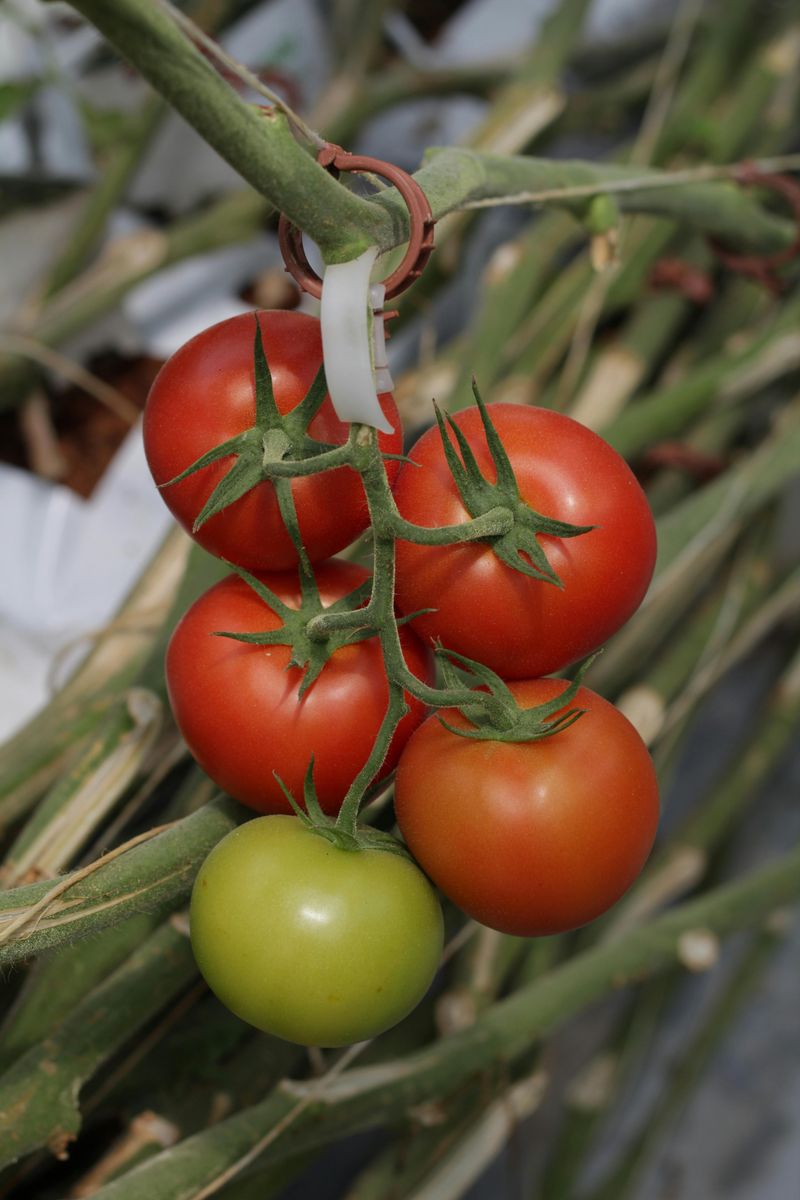
More fertilizer does not always mean better tomatoes.
Nitrogen is the perfect example of how too much of a good thing backfires.
High nitrogen levels push plants to grow fast and lush, which sounds great until you realize the fruit is expanding faster than the skin can handle.
Rapid cell growth driven by a nitrogen overload is a surprisingly common cause of cracking that gets blamed on rain instead.
Nitrogen is essential during the early vegetative stage when you want your plants to put on strong, healthy leaves and stems.
But once flowers appear and fruit starts to set, it is time to back off and switch to a fertilizer higher in phosphorus and potassium.
Feeding with a high-nitrogen formula during fruiting is like pressing the gas pedal when you should be easing onto the brake.
Read the labels on your fertilizers carefully and pay attention to the three numbers that indicate the nutrient ratio.
A balanced 10-10-10 blend works well for general garden maintenance, while a 5-10-10 mix is better suited for the fruiting stage.
If your plants look almost too green and lush while the fruit keeps cracking, nitrogen overload is worth investigating.
Scaling back your feeding schedule during the second half of summer can slow that runaway growth.
It gives the skin time to catch up with the pace the plant has been setting.
8. Sudden Rain Hitting Almost-Ripe Tomatoes
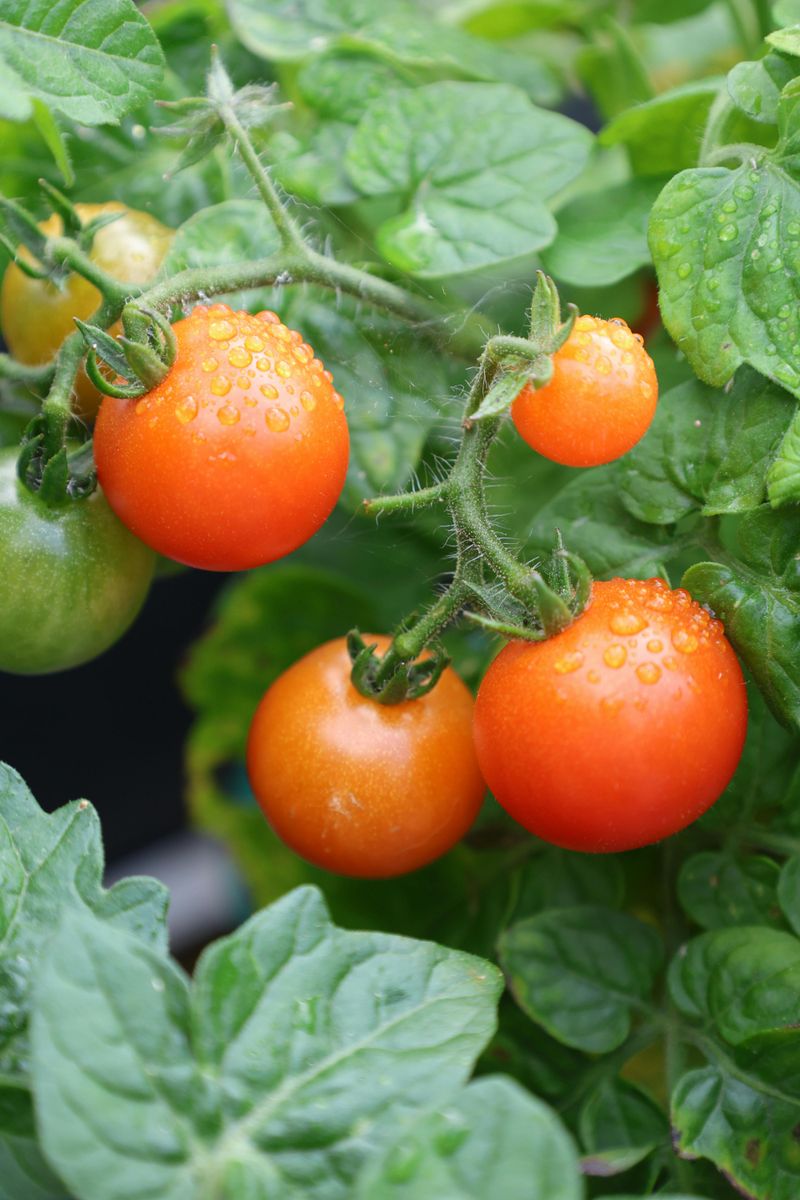
Gardening in Kentucky means learning to work around some genuinely unpredictable summer weather.
Afternoon thunderstorms can drop half an inch of rain in under thirty minutes, and those sudden soakings hit nearly ripe tomatoes at their most vulnerable moment.
A fruit that is ninety percent ripe has a skin that is already stretched tight, and a heavy downpour can split it wide open within hours.
Late-season storms hit tomatoes at a vulnerable moment. The skins have been ripening slowly and have not had time to fully toughen up.
The combination of warm soil, a stressed plant, and a sudden cold rain creates the perfect conditions for widespread cracking across an entire harvest.
Many gardeners lose a significant portion of their late-summer crop to this exact scenario every single year without fully understanding why.
One practical strategy is to harvest any tomatoes showing color before a storm system moves through the area.
Keep an eye on the weekly forecast during August and September, when late-season rain and tomato cracking tend to peak together.
Ripening harvested tomatoes indoors on a countertop away from direct sunlight preserves both the flavor and the skin.
Protecting your crop from the unpredictable skies above is one of the most empowering steps a Kentucky gardener can take toward a successful, crack-free harvest.