California Native Shrubs To Plant Instead Of Rosemary This Season
Rosemary has earned its place in plenty of California yards, but it is not the only shrub that can handle a sunny spot. Native shrubs can bring a different kind of beauty, one that feels more connected to the land around it.
Some offer soft flowers, fresh scent, or year round structure without asking for constant care. Others quietly support birds and pollinators while making the garden look more natural.
That is a pretty good trade for anyone ready to move past the same old planting routine. California’s dry summers can be tough, so choosing shrubs that already understand the climate makes a lot of sense.
The fun part is that many natives are just as useful as they are pretty. Rosemary may be familiar, but it is not the only plant that can make a border, slope, or front yard feel alive.
1. Island Bush Poppy Adds Sunny Color
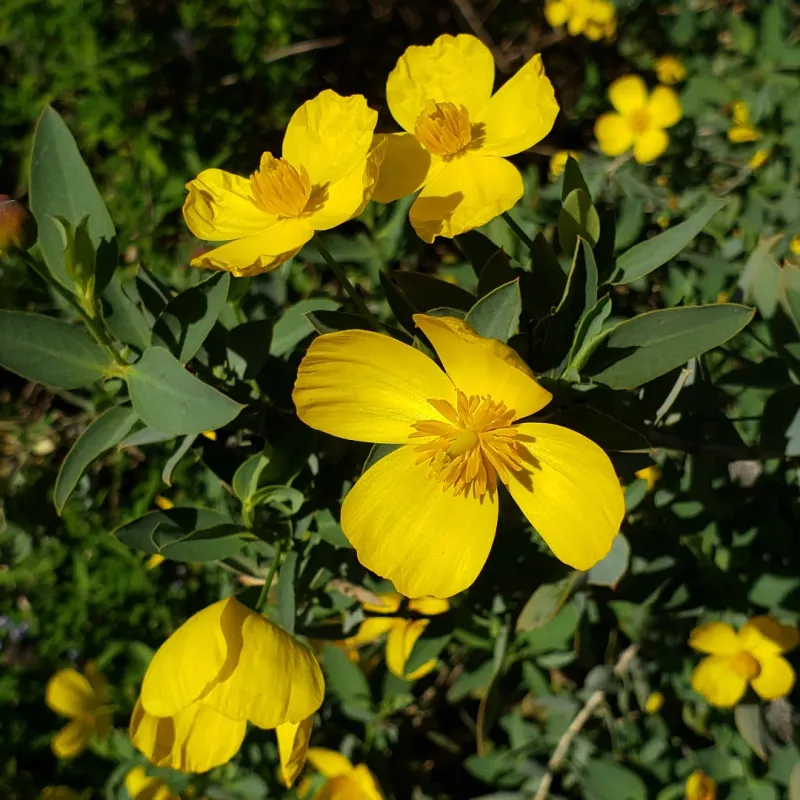
Few plants light up a dry garden quite like island bush poppy. This bold, cheerful shrub is covered in large, bright yellow flowers that seem to glow in the sun.
It is native to the Channel Islands off the coast of our state, which means it is perfectly built for warm, dry conditions.
Island bush poppy can grow up to eight feet tall and wide, so give it plenty of room to spread out.
It thrives in full sun and well-drained soil, and once it is established, it needs very little water. That makes it a fantastic swap for rosemary in larger garden beds or along sunny fences.
The flowers bloom heavily in spring and can continue into early summer. Bees and other pollinators absolutely love them.
The gray-green leaves stay on the plant year-round, giving your garden structure and color even when the blooms are not out.
Pruning is simple. Just trim it back lightly after the main bloom season to keep it tidy and encourage fresh growth.
Avoid cutting into old wood, as it prefers gentle shaping over hard pruning. Plant it with other drought-tolerant natives like sage or buckwheat for a stunning, low-water garden that practically takes care of itself.
2. Bladderpod Blooms Through Dry Spells
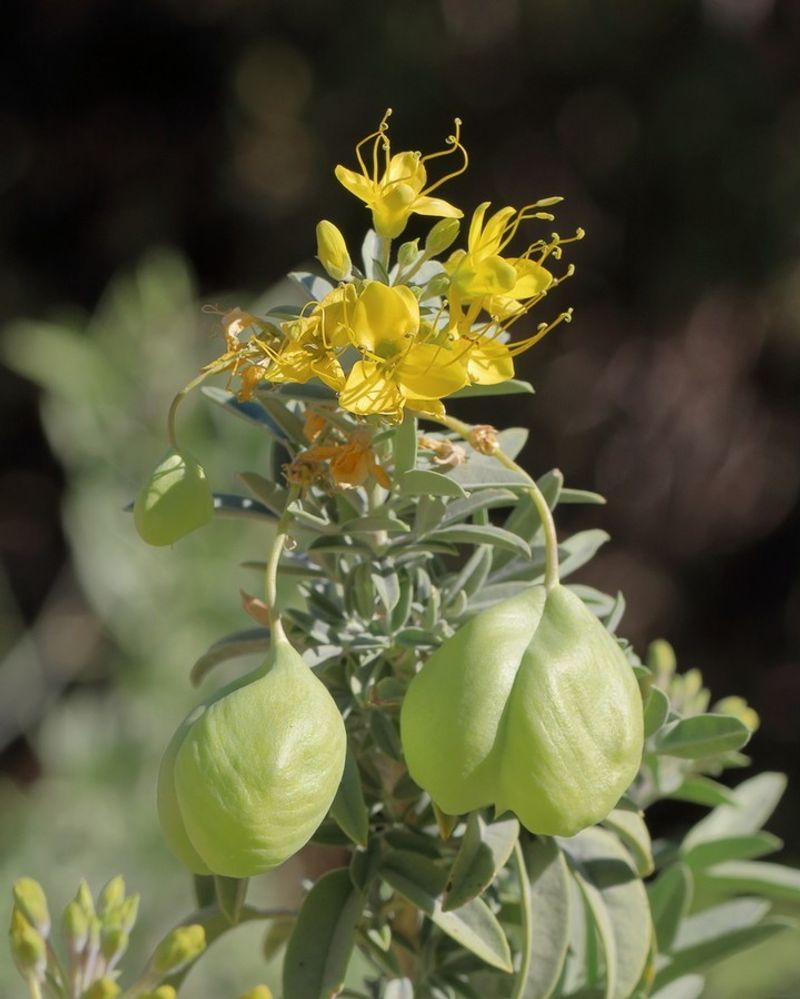
Not many shrubs can look this cheerful during a drought, but bladderpod pulls it off with ease.
This tough native plant produces masses of bright yellow flowers even when rainfall is scarce. It gets its quirky name from the puffy, inflated seed pods that form after the blooms fade.
Bladderpod grows naturally in dry, rocky areas across southern parts of our state and into the desert regions. It handles poor soil, intense heat, and long dry periods without complaint.
Once established, it rarely needs supplemental watering, which makes it a smart, low-maintenance addition to any water-wise garden.
This shrub typically reaches three to six feet in height and spread. It works beautifully as a natural hedge, a slope stabilizer, or a standalone focal point in a xeriscape design.
The yellow flowers attract native bees and butterflies, so your garden stays lively and buzzing all season long.
Your California Garden Changes Every Week. Your Plan Should Too.
Gardening in California changes quickly throughout the season. Every Friday you’ll receive a simple weekly plan showing exactly what to plant, prune, fertilize, harvest, and protect so you never miss the right timing.
Bladderpod prefers full sun and fast-draining soil. Avoid planting it in areas that stay moist or shady for long periods.
It is a great replacement for rosemary along dry garden borders or sunny hillsides where other plants tend to struggle. Give it space, good drainage, and sunshine, and it will reward you generously every single year.
3. Desert Mallow Handles Hot Gardens
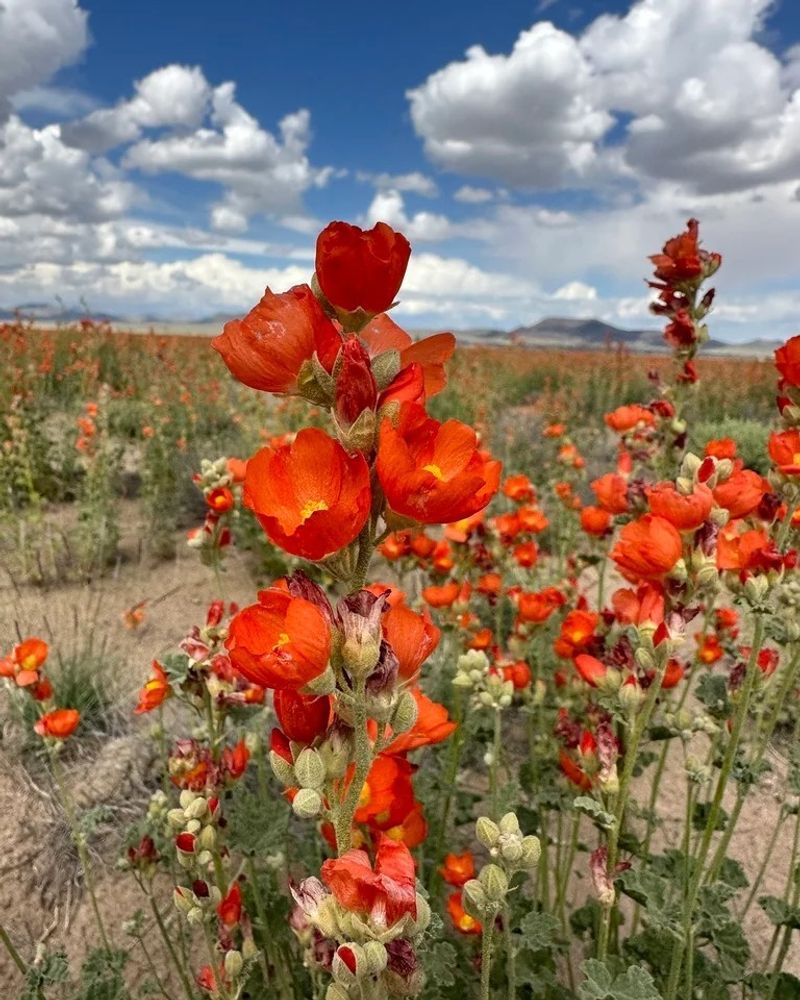
Hot, sunny spots in the garden can be tricky to plant. Most shrubs wilt or struggle when temperatures climb, but desert mallow thrives in exactly those conditions.
Its vivid orange, cup-shaped flowers bloom from late winter all the way through fall, making it one of the longest-blooming native shrubs around.
Also known as apricot mallow, this plant is a favorite of native bees, hummingbirds, and butterflies. The fuzzy gray-green foliage stays attractive even between bloom cycles.
It has a soft, rounded shape that fits nicely into both formal and casual garden styles. Desert mallow grows best in full sun with excellent drainage. Sandy or rocky soils are ideal.
It is very drought-tolerant once established and actually does better with less water rather than more. Overwatering is the most common mistake gardeners make with this plant, so hold back on the hose.
It typically reaches two to five feet tall and wide, making it a great mid-border shrub or accent plant near walkways and driveways.
Cutting it back by about a third in late winter helps encourage fresh, bushy growth and more blooms.
It is an excellent rosemary substitute in hot inland gardens where summer temperatures regularly hit triple digits. Sturdy, stunning, and surprisingly easy, this shrub earns its place in any water-wise planting plan.
4. Brittlebush Loves Lean, Dry Soil
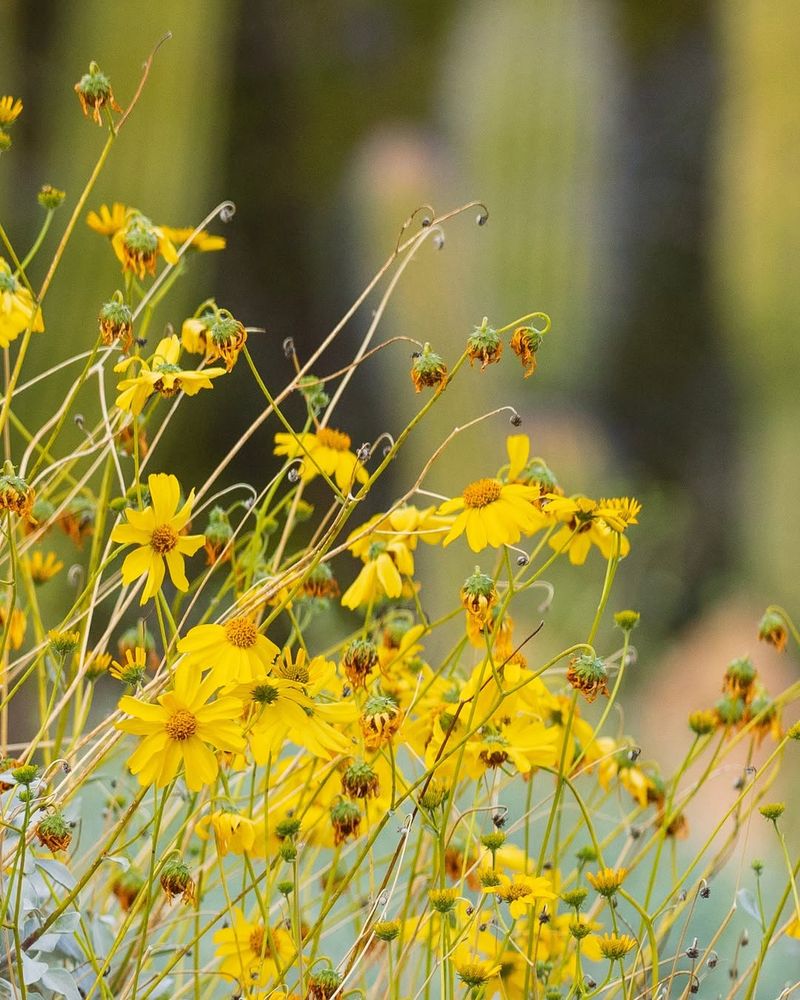
There is something almost magical about seeing a hillside covered in brittlebush in full bloom.
The bright yellow, daisy-like flowers rise up on tall stems above a mound of silvery gray leaves, creating a look that feels wild and beautiful at the same time.
Native to desert regions of our state and the Southwest, this shrub is built for lean, dry conditions.
Brittlebush is one of the most drought-tolerant native shrubs you can plant. It thrives in rocky, sandy, or poor soils where other plants simply give up.
Full sun is a must. The more heat and light it gets, the better it performs.
It grows quickly to about three feet tall and wide, filling in bare spots with very little help from you.
The silver leaves are not just pretty. They actually reflect sunlight and reduce water loss, which is a smart natural adaptation for surviving long, hot summers.
After blooming in late winter and spring, the plant may go semi-dormant in summer heat, looking a bit sparse. That is completely normal behavior for this species.
A light trim after flowering keeps it tidy and compact. Brittlebush pairs wonderfully with other low-water natives like desert mallow or sage.
It is a standout choice for slopes, dry borders, and rock gardens where rosemary used to be the go-to option. Plant it and watch your garden transform.
5. Apache Plume Brings Airy Texture
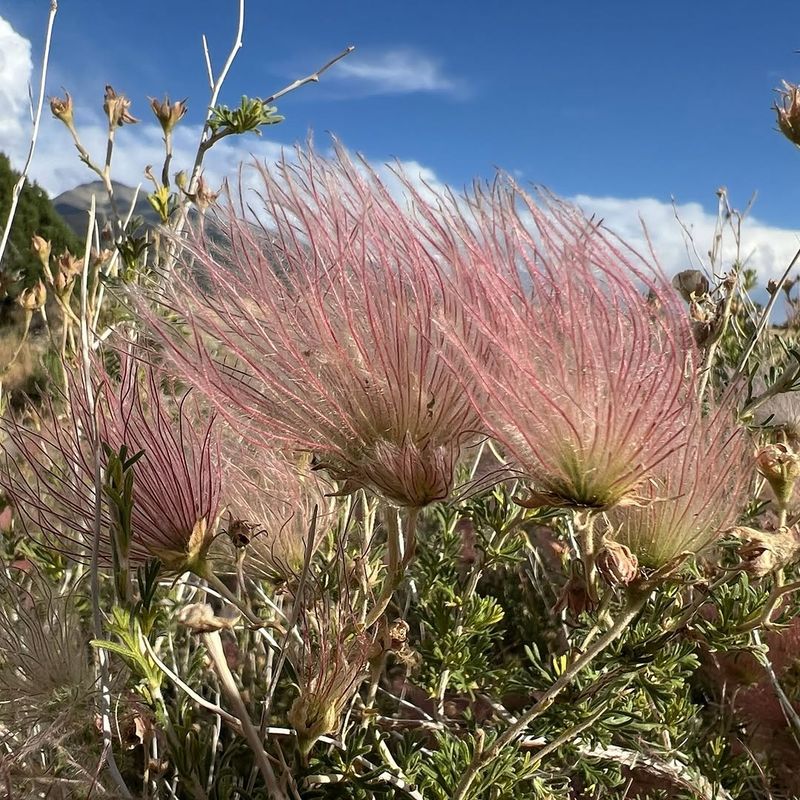
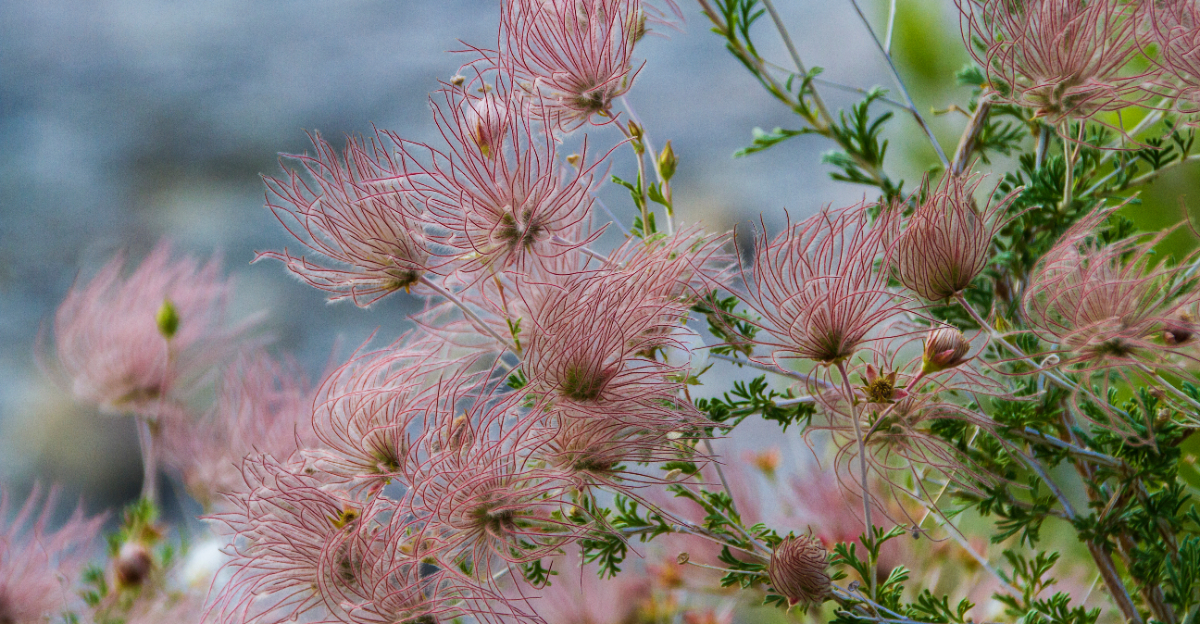
Apache plume is one of those plants that earns compliments in every season. In spring, it produces small, white rose-like flowers that cover the entire plant.
After the blooms fade, long feathery plumes in shades of pink and purple take over, giving the shrub a soft, wispy look that catches the breeze beautifully.
This native shrub is found naturally in dry, rocky areas from our state through the Great Basin and into the Rocky Mountain region.
It handles cold winters and hot, dry summers with equal ease, making it one of the most adaptable native shrubs on this list.
Gardeners in higher elevation areas or northern regions of our state will find it especially useful.
Apache plume grows four to six feet tall and wide. It does best in full sun with very well-drained soil.
Once established, it needs almost no supplemental water. The feathery seed heads that follow the flowers are just as decorative as the blooms themselves, providing weeks of visual interest.
Birds love the seeds, and native bees visit the flowers regularly. It is a wonderful choice for naturalistic gardens, dry slopes, or any spot where you want movement and texture without a lot of maintenance.
As a rosemary alternative, it brings a wilder, more layered look that feels right at home in a native plant landscape. Try pairing it with desert mallow or sage for a striking combination.
6. Cleveland Sage Brings The Fragrance
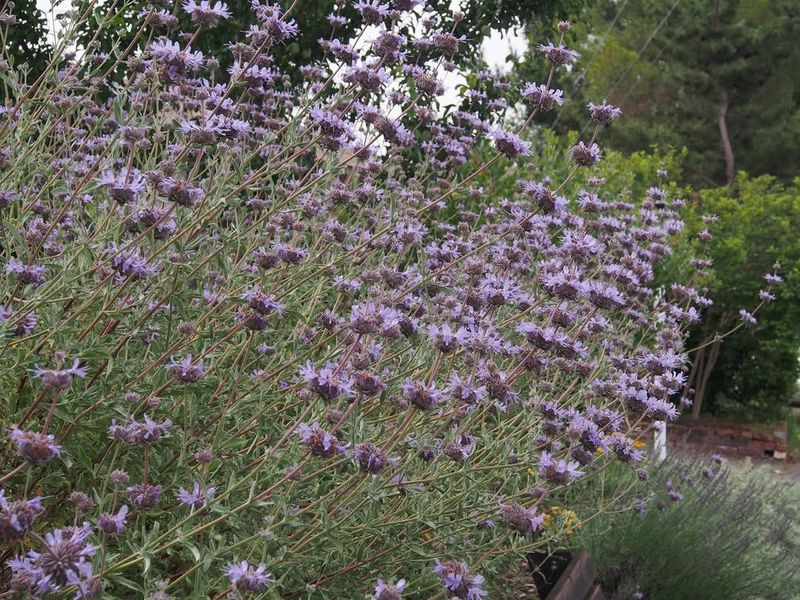
Walk past a Cleveland sage on a warm day and you will stop in your tracks. The scent is rich, earthy, and deeply herbal, even stronger than rosemary in many ways.
This native sage is one of the most fragrant shrubs in the western garden palette, and it looks just as good as it smells.
Native to the coastal hills and chaparral of southern parts of our state, Cleveland sage is perfectly adapted to hot, dry summers and mild winters.
It produces tall spikes of violet-blue flowers in spring and early summer that hummingbirds and native bees find irresistible. The silvery-green leaves hold their fragrance all year long, even between bloom cycles.
This shrub grows three to five feet tall and wide. It needs full sun and excellent drainage to perform its best.
Once established, it is highly drought-tolerant and rarely needs watering outside of the first growing season. It is also deer-resistant, which is a big bonus in areas where deer browse regularly.
Prune Cleveland sage lightly after flowering to maintain a tidy shape and encourage dense regrowth. Avoid heavy pruning into old wood.
It works beautifully as a fragrant hedge, a border plant, or a companion to other chaparral natives like buckwheat and toyon.
If you loved rosemary for its scent, Cleveland sage will more than fill that role with extra charm and native flair.
7. Black Sage Handles Dry Slopes
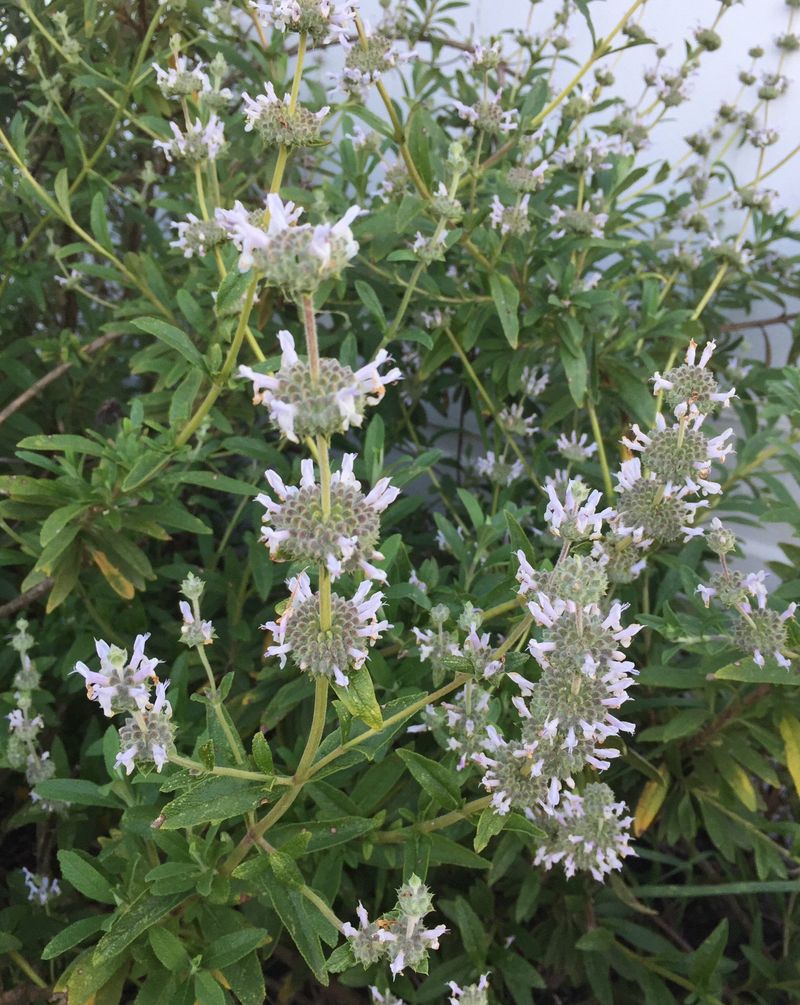
Dry slopes are some of the toughest spots in any garden. Soil erodes, water runs off fast, and most plants just cannot get a foothold.
Black sage was practically made for these conditions. Native to the chaparral and coastal sage scrub of our state, it has been anchoring hillsides and thriving in thin, rocky soils for centuries.
The name might sound a little gloomy, but black sage is actually quite beautiful. It produces whorls of small white to pale lavender flowers along tall stems in spring, attracting an impressive variety of native bees.
The dark green leaves are strongly aromatic, with a sharp, spicy scent that fills the air on warm afternoons.
Black sage grows three to six feet tall and is very drought-tolerant once established. It prefers full sun and fast-draining soil.
In heavy clay or poorly drained areas, root problems can develop, so amending the soil or choosing a raised spot is a good idea. Summer watering should be kept to a minimum.
As a slope stabilizer, black sage is hard to beat. Its roots hold soil in place while the dense growth shades the ground and reduces erosion.
It also works well as an informal hedge or background shrub in a dry garden. If you have a sunny slope where rosemary has struggled or underperformed, black sage is a native upgrade worth making this season.
8. Purple Sage Loves Hot Sun
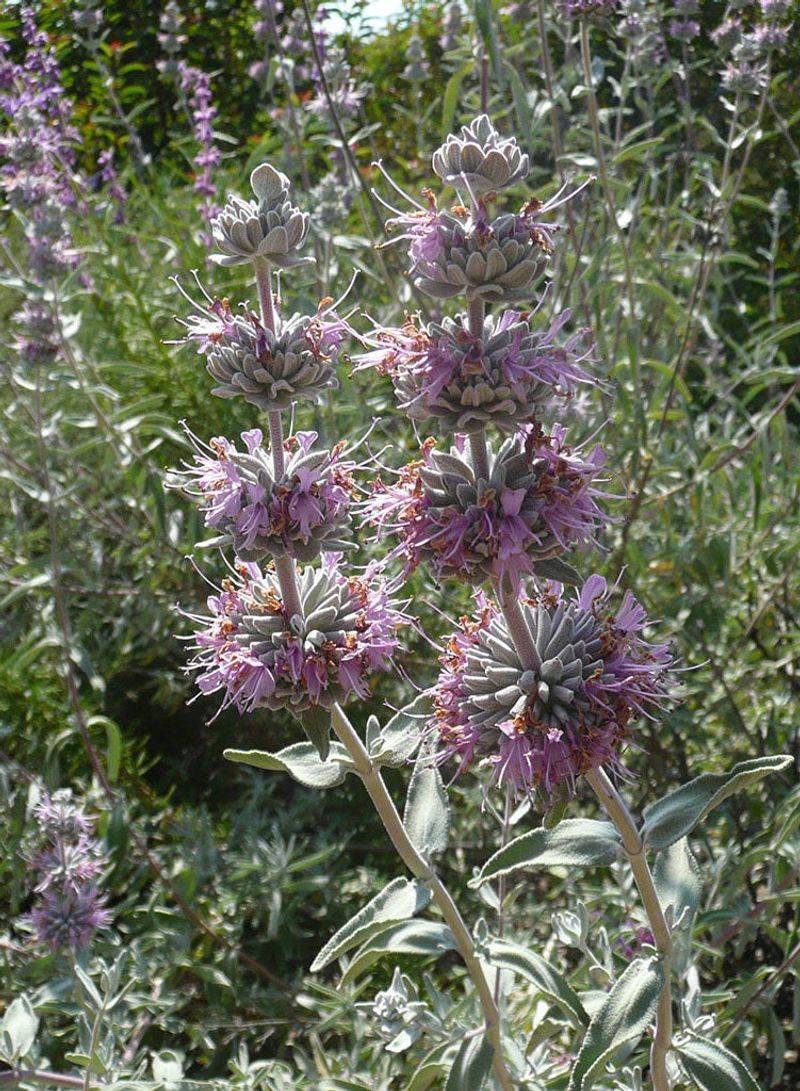
Bold color meets serious toughness in purple sage. This striking native shrub produces vivid purple flower spikes that rise above soft, woolly gray-white leaves, creating a contrast that looks almost too good to be real.
It is a showstopper in the garden, especially when planted in large drifts or along a sunny border.
Purple sage is native to the dry interior valleys and desert edges of our state and neighboring regions.
It is built for intense heat, low rainfall, and lean soils. Once established, it can go weeks without water and still look incredible.
That kind of resilience makes it a top-tier rosemary replacement for hot inland gardens. This shrub grows three to five feet tall and wide. Full sun is essential.
In shady spots, the plant becomes leggy and produces fewer flowers. Well-drained soil is also important, as purple sage does not tolerate wet feet. Sandy or gravelly soils are ideal planting conditions for this species.
Hummingbirds are drawn to the flowers, and the fuzzy leaves are unappealing to deer, making it a double win for wildlife-friendly gardening.
Trim it back lightly after the main bloom period to keep it compact and encourage a second flush of flowers in fall.
Purple sage pairs beautifully with brittlebush, desert mallow, and other sun-loving natives. Plant it where the sun beats down hardest, and watch it absolutely flourish all season long.