The Common Mulch Mistakes That Bring Slugs And Fungus To Ohio Gardens
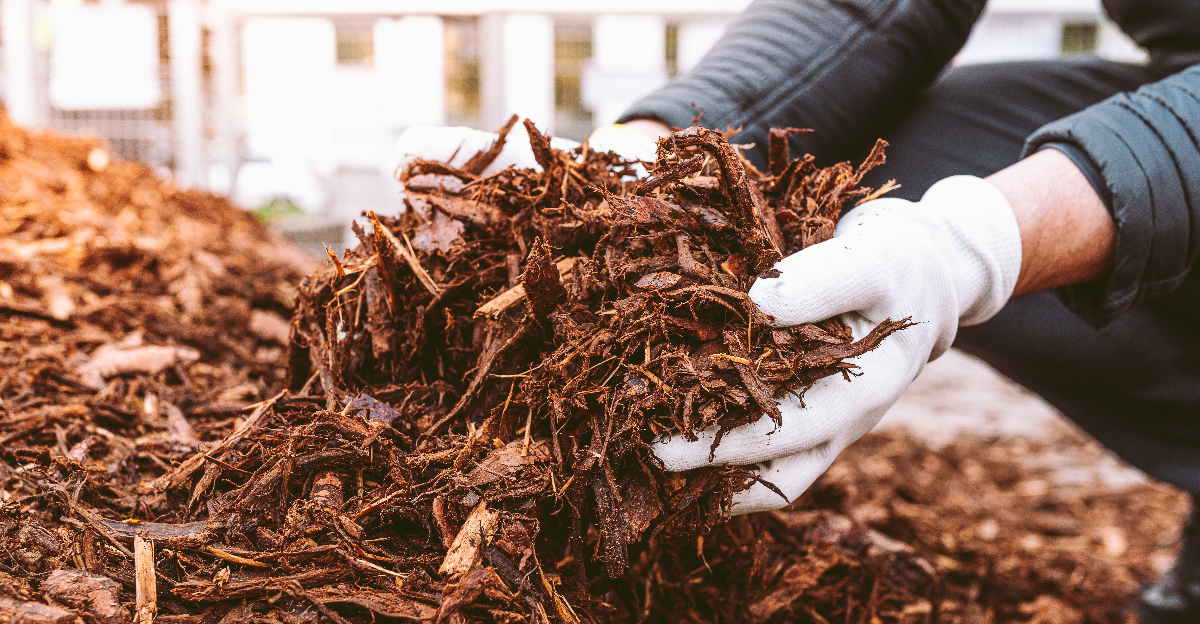
Mulch is meant to be the simple part. You just spread it out, take a step back, and let it work its magic. Most gardeners in Ohio have been doing it this way for years. Same process, same outcomes, no questions asked.
But something keeps going wrong in those garden beds. Slugs appear where they shouldn’t. A weird fungus pops up overnight.
Plants that seemed healthy in April start to struggle by June, and no one can really understand why. The annoying part?
The mulch itself is often the reason. It’s not just bad luck. It’s not the weather and soil. It’s the one thing that most gardeners rely on without a second thought.
There’s a specific way that mulch can fail in Ohio gardens, and it happens quietly, long before you can see any damage. By the time you realize something is wrong, the issue has been developing for weeks.
A few small habits are responsible for most of it. And once you figure out what they are, they’re surprisingly easy to correct.
1. Piling Mulch Too Deep Turns Garden Beds Into Slug Shelter
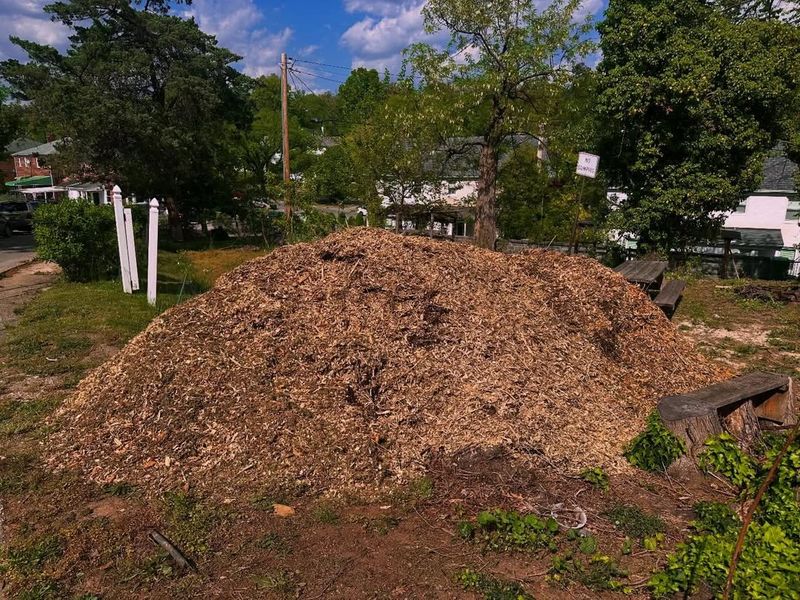
Three inches of mulch sounds perfectly reasonable. Most Ohio gardeners know that number. The problem is, almost nobody actually measures it.
Year after year, fresh mulch goes on top of old mulch. Before long, the bed has six, seven, maybe eight inches of damp material packed against the soil.
Nobody planned for that. It just happened one spring at a time. And slugs? They planned for exactly that.
Slugs need three things to thrive: cool, dark, and damp. Thick mulch delivers all three without fail.
The Ohio State University Extension confirms that slugs are most active in sheltered, moist environments. Deep mulch is essentially a five-star resort with unlimited room service.
They hide all day. At night, they come out and go straight for your hostas, seedlings, and tender leaves. By morning, the damage is done, and they are back underground. Luckily, the fix is simple. Keep mulch at two to three inches. That is it.
That depth still insulates the soil and holds moisture. It just does not create the underground cave system that slugs depend on. Already have a thick buildup? Rake out the excess before adding anything new this season. Do not just pile more on top.
Thinner layers also dry out faster between rain events. A drier surface is a less inviting surface. Slugs move on when conditions stop working in their favor.
A tape measure and a rake are all you need. Ten minutes of work now saves a full season of slug damage later.
2. Mulching Before Ohio Soil Warms Traps Trouble Below The Surface
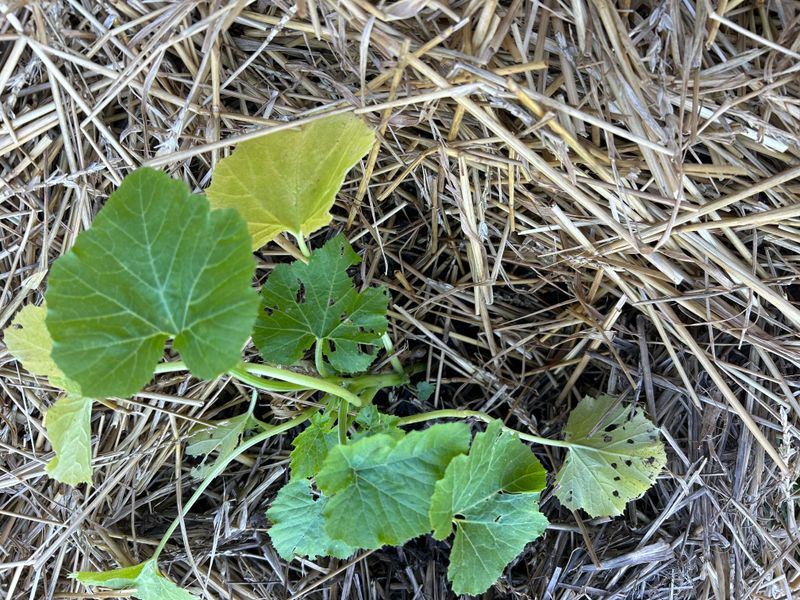
Ohio spring is not to be trusted. A warm week rolls in, and it feels like winter is finally done. Then a cold snap hits and reminds everyone who is really in charge.
Most gardeners see that first warm week and immediately reach for the mulch. It feels productive. It feels like getting ahead. However, it is actually locking in a problem.
Your Ohio Garden Changes Every Week. Your Plan Should Too.
Gardening in Ohio changes quickly throughout the season. Every Friday you’ll receive a simple weekly plan showing exactly what to plant, prune, fertilize, harvest, and protect so you never miss the right timing.
Mulch works like a blanket. In fall, that blanket protects roots from hard freezes. In early spring, that same blanket traps cold and moisture in the soil at exactly the wrong time.
Wet soil in spring is a welcome mat for fungus and slugs. Fungal activity ramps up fast in those conditions. Slugs find the cool, damp environment ideal for nesting right next to your plants. Basically, early mulching tells every pest in the yard: the bed is ready, come on in.
So, let the soil warm up before applying fresh spring mulch. Just push your hand a few inches into the soil. Cold and wet means wait. Simple as that.
Even holding off by one or two weeks makes a real difference. The soil gets a chance to breathe and dry out a little. That short window changes the entire dynamic of the bed.
Patience in spring is genuinely one of the highest-return moves an Ohio gardener can make. The mulch will go down. Just let the ground tell you when it is ready.
3. Letting Leaves And Mulch Form A Slug Buffet
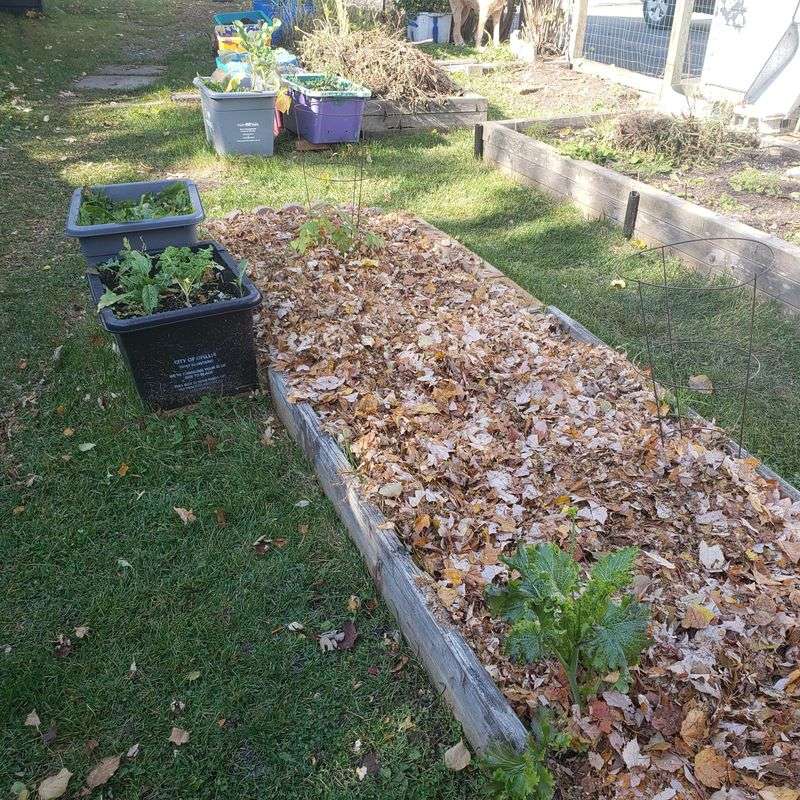
Fall cleanup usually feels optional to a lot of Ohio gardeners. The season is winding down. A layer of fallen leaves over the mulch looks natural, even cozy. Slugs think so too.
Leaves that sit on top of mulch create a second layer of dark, moist cover. The mulch traps ground moisture from below.
The leaves seal it in from above. What forms in between is a cool, damp corridor that slugs can travel through undisturbed for weeks. It is basically a slug buffet with a covered patio.
The problem compounds fast. Leaves break down slowly in damp fall weather. They mat together, block airflow, and keep the mulch underneath from ever fully drying out.
One ignored corner of the garden can harbor a surprisingly large slug population by the time spring arrives.
Those slugs do not disappear over winter. They lay eggs in the soil and mulch before temperatures drop. The next generation is already in the ground before you plant a single thing in spring.
Luckily, the fix is not complicated. Clear fallen leaves off mulched beds before winter sets in. Rake them into a compost pile or bag them for removal. Do not let them sit and layer up.
A clean mulch surface going into winter means less slug activity coming out of it. That trade-off is worth an hour of fall raking every single time.
4. Spreading Mulch Over Weeds Instead Of Clearing The Bed First
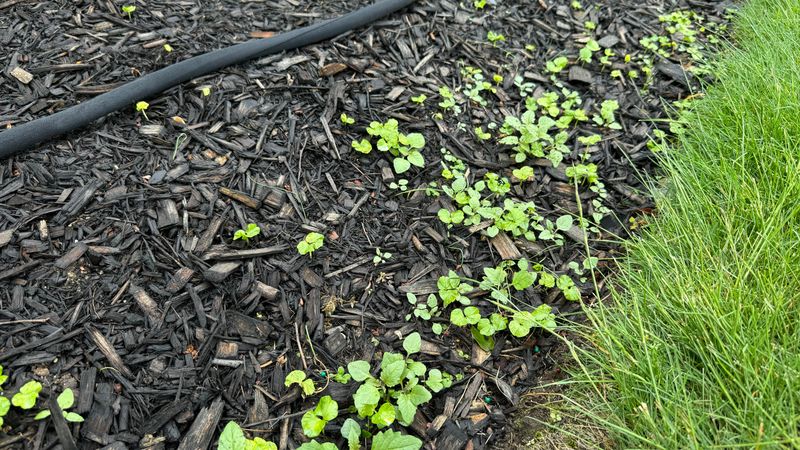
It is tempting. The weeds are there, the mulch is ready, and covering the problem feels faster than dealing with it directly. A thick layer goes down, and the bed looks clean immediately.
Two weeks later, the weeds are back. Taller this time. Annual weeds with shallow roots might struggle under a thick layer, but perennial weeds with deep root systems barely notice. They push straight through and keep growing.
Mulching over weeds is basically just giving them a blanket and a head start. The real problem goes beyond weeds, though. Mulching over an uncleared bed seals in whatever is already living there.
Weed seeds, fungal spores, slug eggs, and insect larvae all get a protective cover they did not have before. Moisture gets trapped under the mulch layer and keeps the existing debris damp and sheltered.
Fungal growth that might have dried out and slowed down instead gets a stable environment to spread through. So, the right order matters. Pull weeds first, rake the soil surface loose, and then apply mulch on top of a clean bed.
That sequence means the mulch is actually protecting healthy soil rather than sealing problems underneath it. The difference in how the bed performs through summer is significant.
Taking thirty extra minutes to clear a bed properly before mulching saves hours of frustration later in the season. The mulch works the way it is supposed to when it starts on a clean surface.
5. Using The Same Mulch Year After Year Without Refreshing The Bed
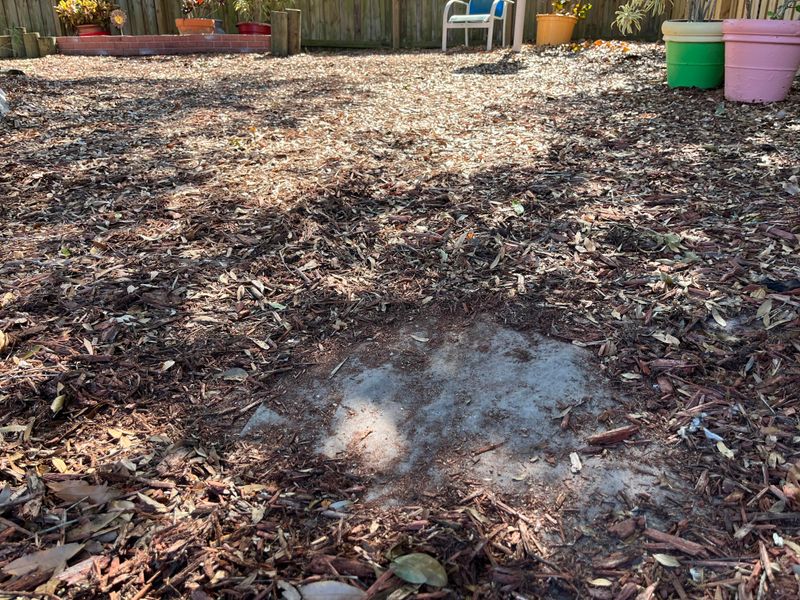
Some garden habits become automatic. Mulch goes down in the spring. Same brand, same depth, same spots. No questions asked. It feels responsible, but it’s quietly working against the garden.
Mulch that never gets assessed or refreshed breaks down into a compacted layer over time. The structure that made it useful disappears. It stops doing most of what mulch is supposed to do.
What it does not stop doing is holding moisture. That part it handles extremely well, right down into the soil surface.
Old mulch also develops a hydrophobic crust on the surface in some conditions. Water hits the top and runs off instead of soaking through to the roots below. The plants get less water while the mulch itself stays saturated. Both outcomes are bad.
So, check the depth. Push a finger through the surface and see what the bottom layer actually looks like.
Fine, dark, structureless mush at the base means that layer needs to come out entirely. Fresh mulch on top of decomposed mulch just adds more depth without solving the drainage and airflow problems underneath.
Refreshing a bed properly takes extra time compared to just topping it off. But the bed drains better, breathes better, and gives slugs and fungus far less to work with.
Same mulch every year without checking it first is not a routine. It is a slow buildup of conditions that eventually shows up as a problem nobody can explain.
6. Mulching Shady Corners Like Sunny Garden Beds
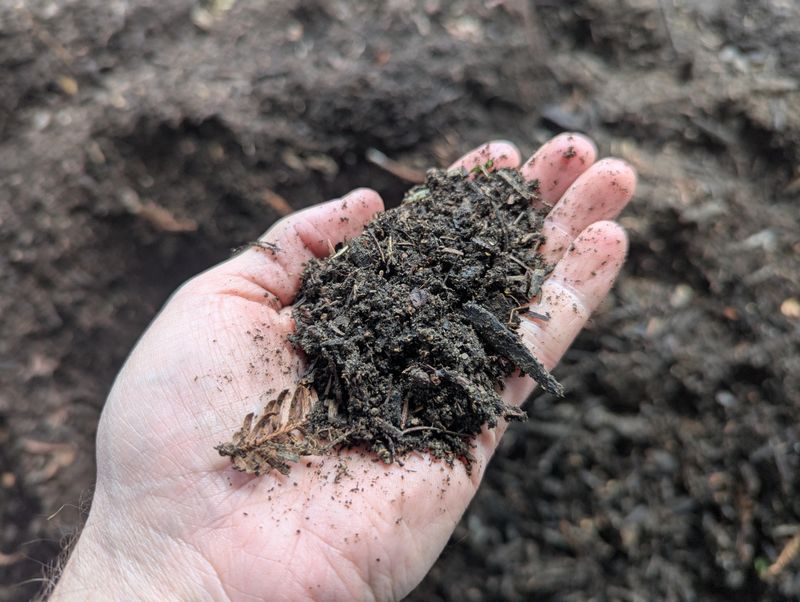
A two-inch mulch layer is standard advice. It works well in most of the garden. Shady corners operate by completely different rules. The sun never reaches them directly, and airflow is limited.
The soil underneath stays cooler and holds moisture far longer than an open bed would. Adding a standard mulch layer to a shady corner is like putting a raincoat on someone who is already soaking wet.
Those spots need less mulch, not the same amount. A one-inch layer in a heavily shaded bed often does the same insulating work that two inches does in full sun.
Slugs are most concentrated in exactly these corners. Cool, damp, sheltered, rarely disturbed. A shaded bed with standard mulch depth gives them the most stable environment in the entire garden.
Fungal growth concentrates in shady spots for the same reasons. Without sunlight hitting the mulch surface, there is nothing to dry it out between rain events.
So, managing moisture in shaded beds requires a different approach than the rest of the garden. The adjustment is small but still meaningful. Apply a thinner layer in shady areas.
Rake those spots more frequently than sunlit beds. Avoid overwatering plants in low-light corners since they use water more slowly and the soil stays wet longer.
Treating every part of the garden identically sounds efficient. In practice, it means shady corners end up full of the pests and fungi that thrive in those conditions. A little adjustment by zone changes that completely.
7. Ignoring Mulch That Has Turned Matted And Sour
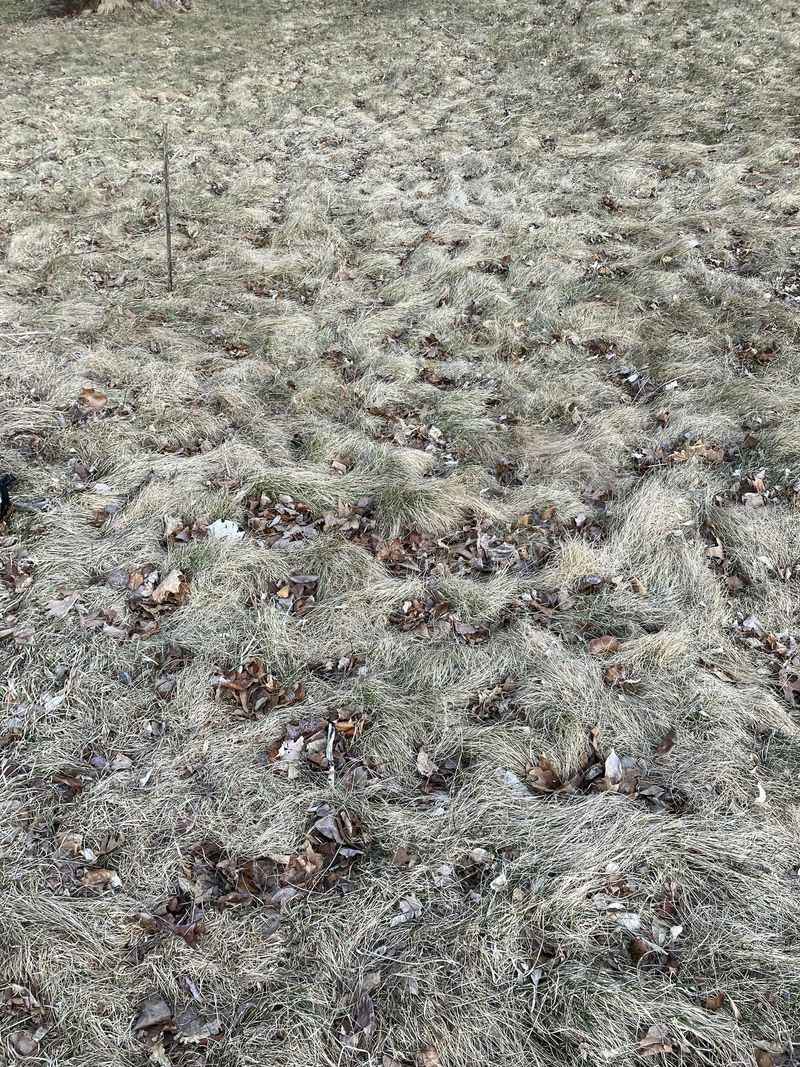
Most gardeners check their plants regularly. They look for yellowing leaves, pest damage, and new growth. The mulch underneath rarely gets the same attention.
That is exactly how matted, sour mulch builds up without anyone noticing until the damage is already done. Fresh mulch has a pleasant, woodsy smell. Sour mulch smells like vinegar, ammonia, or silage.
That sharp, unpleasant odor is not just a cosmetic issue. It is a chemical signal that something has gone wrong in the decomposition process.
When mulch breaks down without enough oxygen, it produces acetic acid, methanol, and hydrogen sulfide. Those compounds are genuinely toxic to plants. Gardeners usually blame the soil, the weather, or a mystery disease.
However, the culprit is often right there on the surface, and it has been there all along. The symptoms mimic other problems closely, which is why it gets missed so often.
The nose test is the fastest diagnostic tool available. Get close to the mulch surface and take a sniff. Fresh or earthy smells are fine. A sharp, acidic, or sewage-like smell means the mulch needs attention immediately.
Do not just rake it and hope for the best. Remove sour mulch from the bed entirely. Let the soil air out for a day or two before replacing it with fresh material. Spreading sour mulch thin and letting it off-gas in an open area before reuse is an option for mild cases.
Going forward, raking mulch regularly keeps it from compacting and going anaerobic in the first place.
Airflow is the difference between healthy decomposition and a slow chemical problem building up right next to your plants. Mulch that smells wrong is telling you something. It is worth listening.
8. Using Chunky Mulch Where Slugs Can Hide Under The Pieces
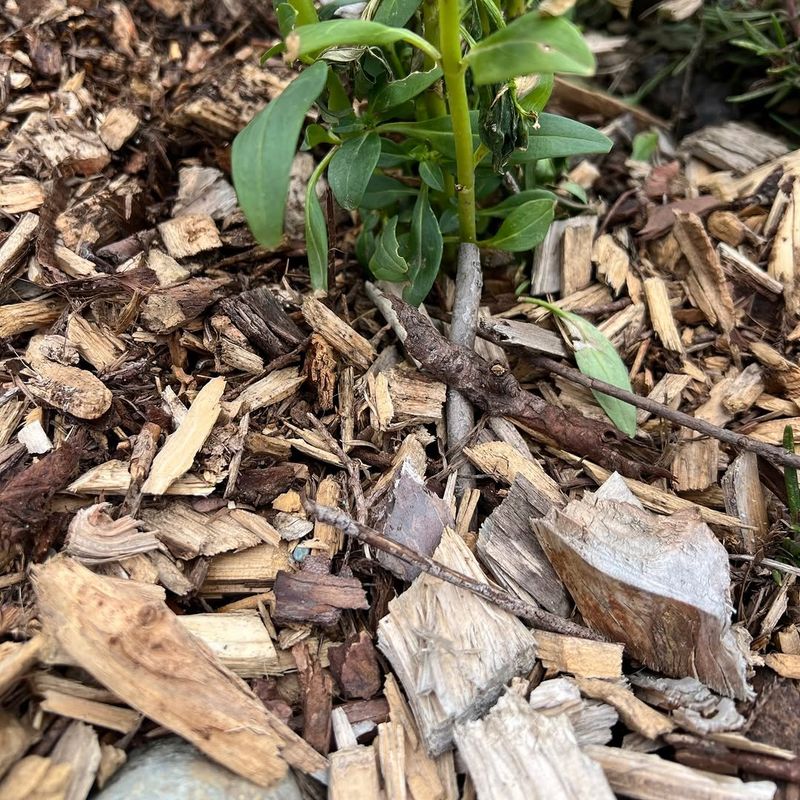
Chunky mulch looks great. Large bark nuggets and coarse wood chunks leave small gaps throughout the bed.
Those gaps stay dark, cool, and damp. Slugs use them as shelter during the day, then come out to feed at night. By sunrise, they can slide right back under cover.
That makes them harder to manage. They are not sitting out in the open. The mulch gives them protection while they keep returning to the same plants.
However, chunky mulch is not always a bad choice. It can work well around shrubs and established woody plants, where tender leaves are less of a concern.
The trouble starts in vegetable gardens, mixed perennial beds, and areas filled with young or soft growth. Those are the spots slugs love most.
For those beds, choose a finer mulch instead. Shredded hardwood or fine bark lies flatter and leaves fewer hiding spaces.
You still get weed control and moisture retention, but without creating a slug-friendly maze. The fix is simple. Match the mulch texture to the bed.
Use chunkier options where they make sense, and flatter mulch where slugs are already a nuisance. That small switch can make the garden much less inviting.