Grow These Flowers Instead Of Petunias In California Heat
Petunias have charm, but California heat can be a tough audience. One stretch of blazing afternoons and those soft, colorful blooms may start looking a little less cheerful and a lot more exhausted.
Hot sun, dry air, and fast-warming soil can turn a promising planting into a midseason letdown, which is not exactly the summer flower show most gardeners had in mind.
That is why it helps to know which flowers actually enjoy the heat.
California gardens often need plants that can keep blooming through bright sun, warm evenings, and those long dry spells that seem determined to test everybody’s patience.
Luckily, there are plenty of colorful options that do not wilt under pressure.
Some spread, some mound, some shoot up with bold spikes, and all of them can bring more staying power to beds, borders, and containers. Honestly, a flower that can handle California summer deserves a little respect.
1. Lantana Keeps Color Coming Through California Heat
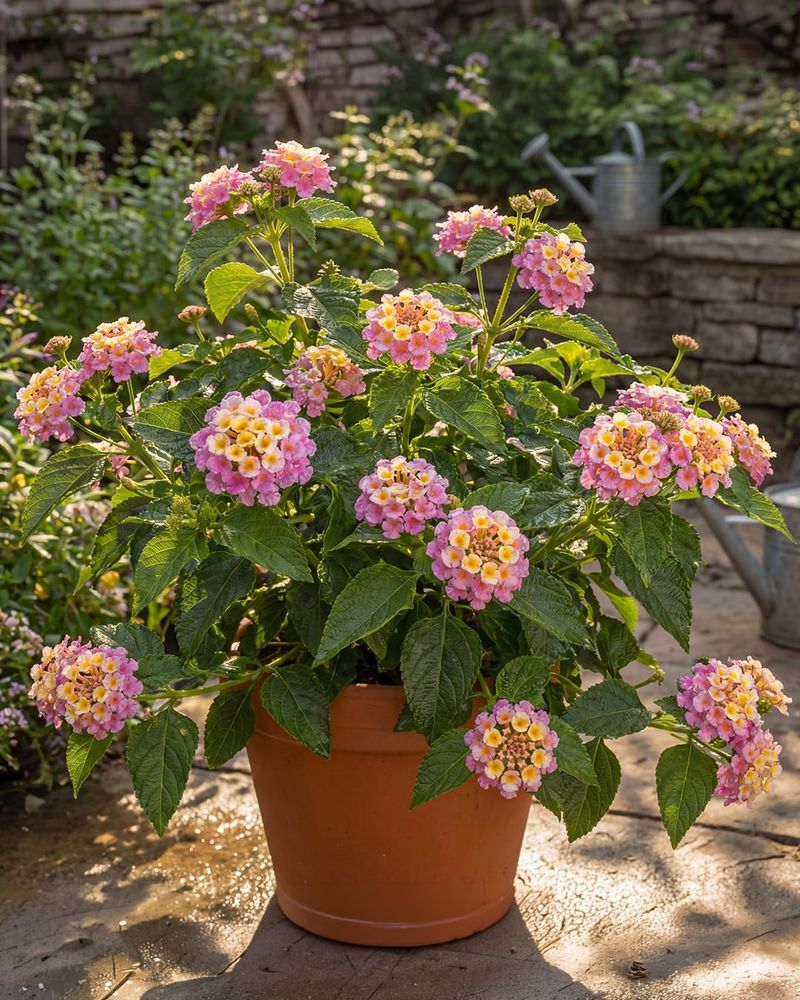
Faded flower beds in the middle of a California summer are frustrating, especially when you were counting on color that just is not showing up anymore. Lantana is one of those plants that seems to get more confident as temperatures climb.
While other flowers slow down or droop in the afternoon heat, lantana tends to keep right on blooming with clusters of small, brightly colored flowers in shades of orange, yellow, red, pink, and white.
In California gardens, lantana works well in raised beds, borders, containers, and hanging baskets. It handles full sun and reflected heat from walls or patios without much complaint.
The plant is naturally drought-tolerant once established, though it still appreciates a steady watering schedule during long dry spells.
One thing California gardeners appreciate about lantana is how little it asks for once it finds its footing. Trimming back leggy stems every few weeks encourages fresh growth and more flowers.
Well-drained soil matters quite a bit, since lantana does not enjoy sitting in soggy conditions. Inland areas of California where summer afternoons get intensely hot are actually where lantana tends to shine the most.
It is worth noting that lantana can spread aggressively in some regions, so checking local guidance before planting in open landscape areas is a smart move for responsible gardeners.
2. Verbena Spreads Bright Color Without Fading Fast
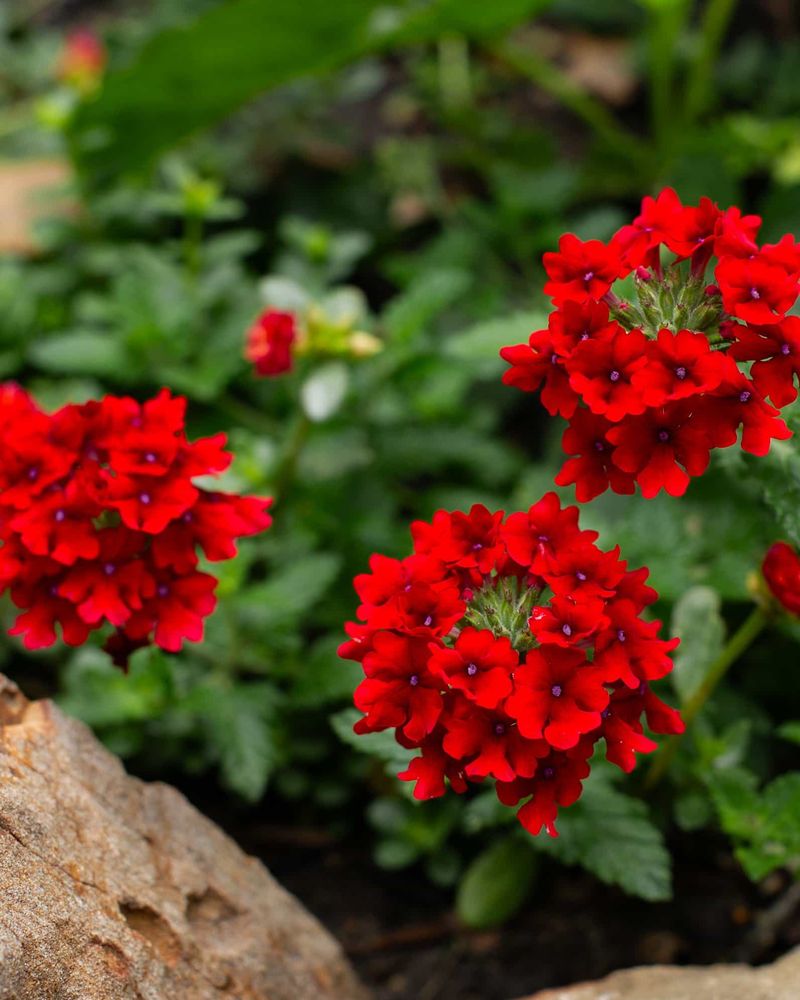
Hot patios and sun-drenched window boxes can be tough spots to fill with lasting color, but verbena handles those conditions with surprising ease.
This low-growing, spreading flower produces clusters of small blooms in shades of purple, red, pink, white, and coral that stay vibrant even when California afternoons get intense.
Unlike petunias, which can look washed out and sticky after a run of hot days, verbena tends to hold its color much better through the warmest stretches of the season.
Verbena works beautifully as a ground cover, a trailing plant in hanging baskets, or a colorful edge along sunny borders. It prefers full sun and well-drained soil, and it does not like staying wet for long periods.
Your California Garden Changes Every Week. Your Plan Should Too.
Gardening in California changes quickly throughout the season. Every Friday you’ll receive a simple weekly plan showing exactly what to plant, prune, fertilize, harvest, and protect so you never miss the right timing.
In California gardens, especially in warmer inland valleys, verbena can bloom from spring well into fall with minimal intervention from the gardener.
Deadheading spent flower clusters helps encourage fresh blooms and keeps the plant looking tidy. If verbena starts looking a little scraggly mid-season, a light trim usually brings it back quickly.
Watering at the base of the plant rather than overhead can help reduce the chance of powdery mildew, which can occasionally show up in some California microclimates.
With sensible care, verbena is a dependable color-keeper that rarely disappoints in sunny California spots.
3. Angelonia Adds Upright Blooms That Handle Heat Well
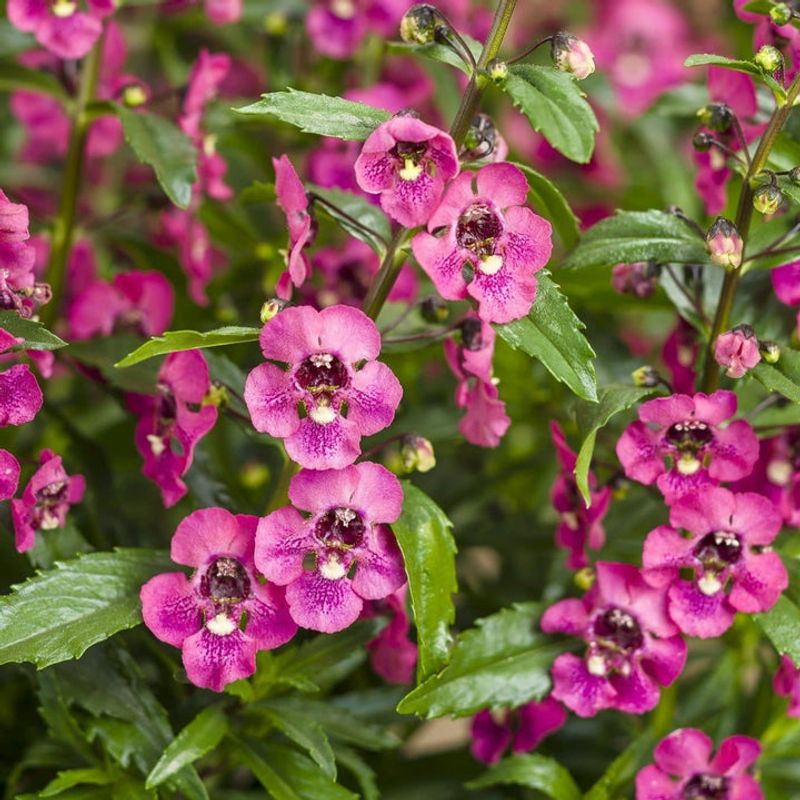
Some flowers seem almost designed for the kind of relentless summer sun that California inland gardens get month after month. Angelonia is one of them.
Often called summer snapdragon, this upright bloomer produces tall spikes covered in small, delicate-looking flowers in shades of purple, lavender, pink, white, and bicolor combinations.
The blooms have a faint, pleasant fragrance that makes them even more appealing in a garden setting.
What makes angelonia stand out in California heat is how consistently it keeps producing flowers without needing constant attention. It does not drop its blooms dramatically in high temperatures the way some cool-season flowers do.
Instead, it just keeps pushing out new flower spikes through the warmest months, making it a reliable choice for beds, borders, and containers in sunny spots.
Angelonia prefers full sun and well-drained soil, and it handles dry conditions reasonably well once established. That said, regular watering during California dry spells helps it stay at its best.
One of the practical advantages of angelonia is that it is largely self-cleaning, meaning spent flowers tend to fall away on their own without requiring heavy deadheading. A light trim mid-season can encourage bushier growth and more blooms.
For California gardeners looking for a taller, more structured flower that performs through summer heat, angelonia is a strong option worth considering.
4. Gaillardia Brings Bold Color Through Hot Dry Weather
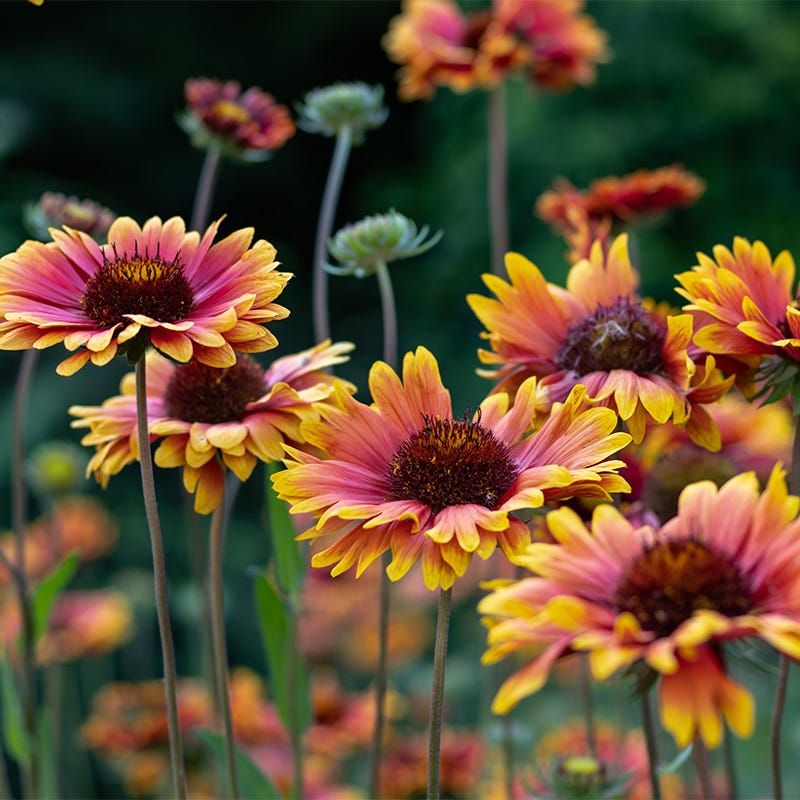
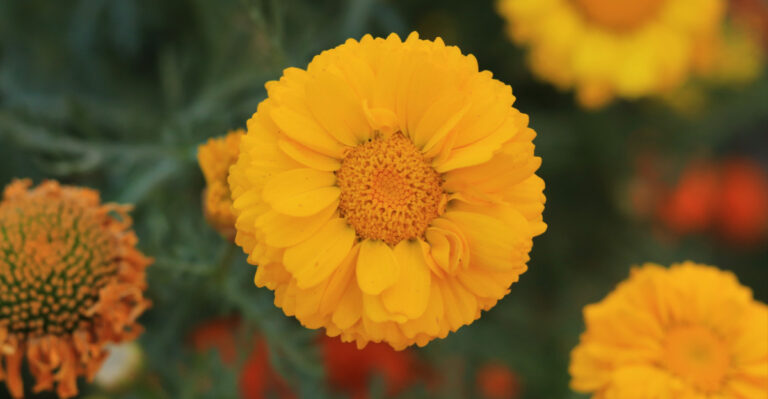
There is something almost defiant about gaillardia when the summer sun is at its harshest. While other flowers retreat or look exhausted, these bold, daisy-like blooms in fiery shades of red, orange, and yellow keep right on opening.
Gaillardia, also known as blanket flower, is native to dry, sunny regions and carries that toughness into California garden beds and borders without missing a beat.
The flowers themselves are eye-catching, with petals that often feature a mix of warm colors radiating from a dark central button. They bring a wildflower energy to garden spaces that feels relaxed and cheerful at the same time.
In hotter parts of California, gaillardia tends to perform well precisely because the conditions match what this plant is naturally built for: full sun, lean soil, and limited water once established.
Good drainage is one of the most important factors for gaillardia. It does not thrive in heavy, wet soil, and in California gardens with clay-heavy ground, amending the planting area or using raised beds makes a real difference.
Deadheading spent blooms regularly encourages continuous flowering through the season. Gaillardia also works well in containers on sunny patios where reflected heat would stress most other flowers.
For California gardeners who want bold, warm color without a lot of extra watering or fussing, gaillardia earns its place in the summer garden.
5. Gazania Shines In Full Sun With Very Little Fuss
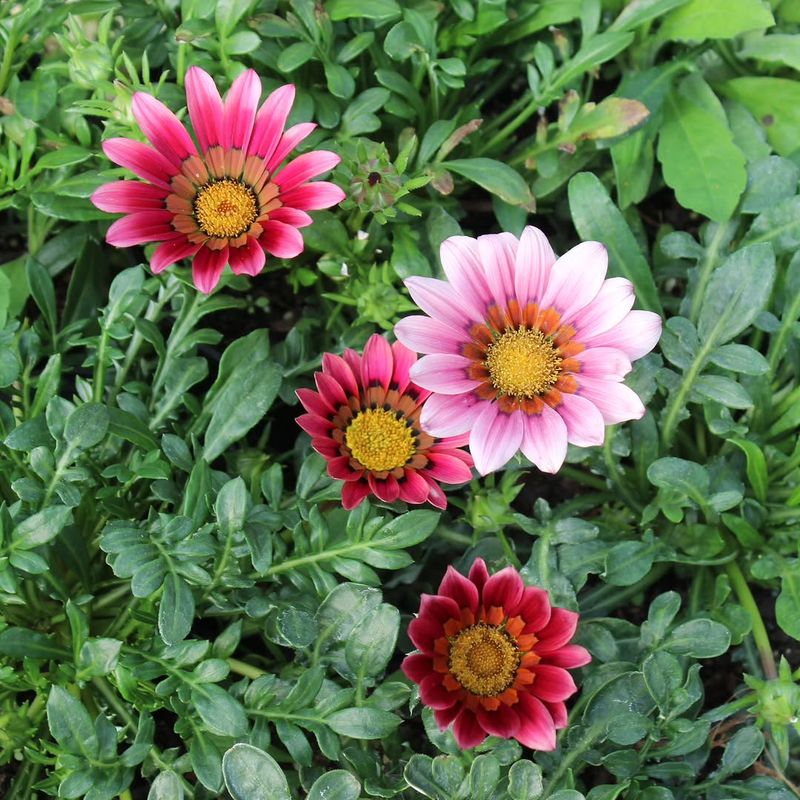
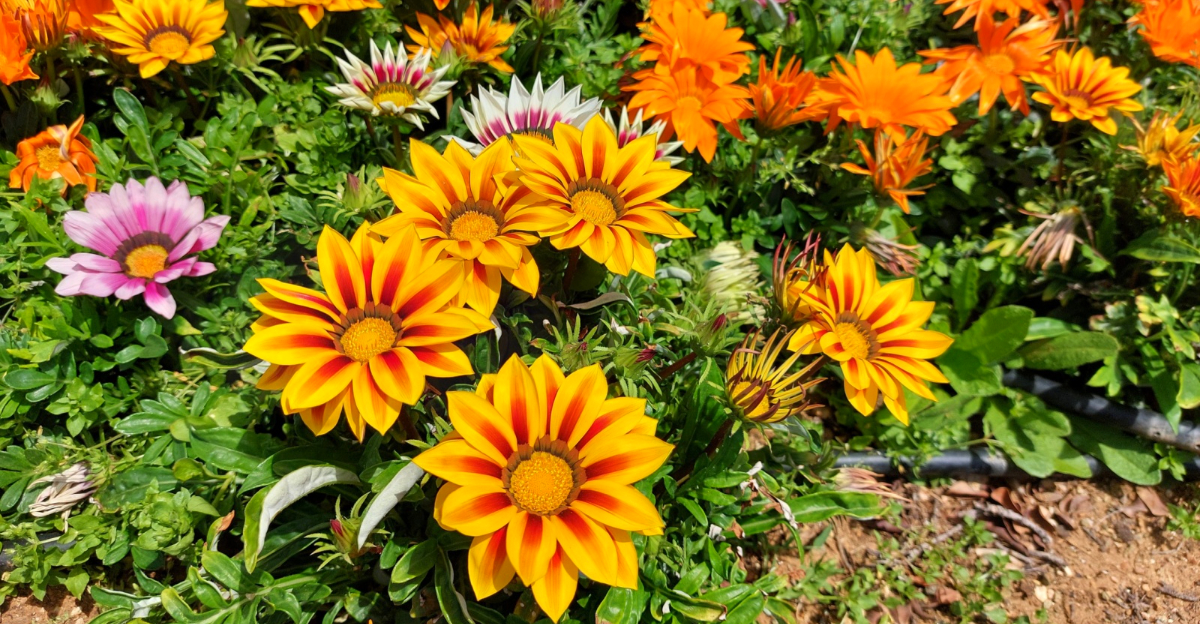
Walk through a sunny California neighborhood in summer and you will likely spot gazania growing along a dry slope or tucked into a low-maintenance front yard bed, looking as bright and cheerful as ever.
This South African native was practically made for California conditions.
It loves full sun, handles drought well once established, and produces daisy-like flowers in striking shades of orange, yellow, pink, red, and cream, often with contrasting stripes or dark centers that make each bloom look almost painted.
Gazania opens its flowers in response to sunlight, which means the blooms tend to close on cloudy days or in the evening. On a bright California summer day, though, the display is genuinely impressive.
The plants stay relatively low and compact, making them useful along borders, in rock gardens, on slopes, and in containers where drainage is easy to manage.
One of the things that makes gazania so appealing to California gardeners is how little maintenance it needs once it gets going. It is naturally adapted to dry, sunny conditions and does not require rich soil to perform well.
In fact, overly fertile or consistently wet soil can actually reduce flowering. Light watering during the driest months and occasional deadheading to remove spent blooms are usually enough to keep gazania looking fresh.
For low-fuss summer color in tough California sun, gazania is a reliable and rewarding choice.
6. Marigold Keeps Summer Pots And Beds Looking Bright
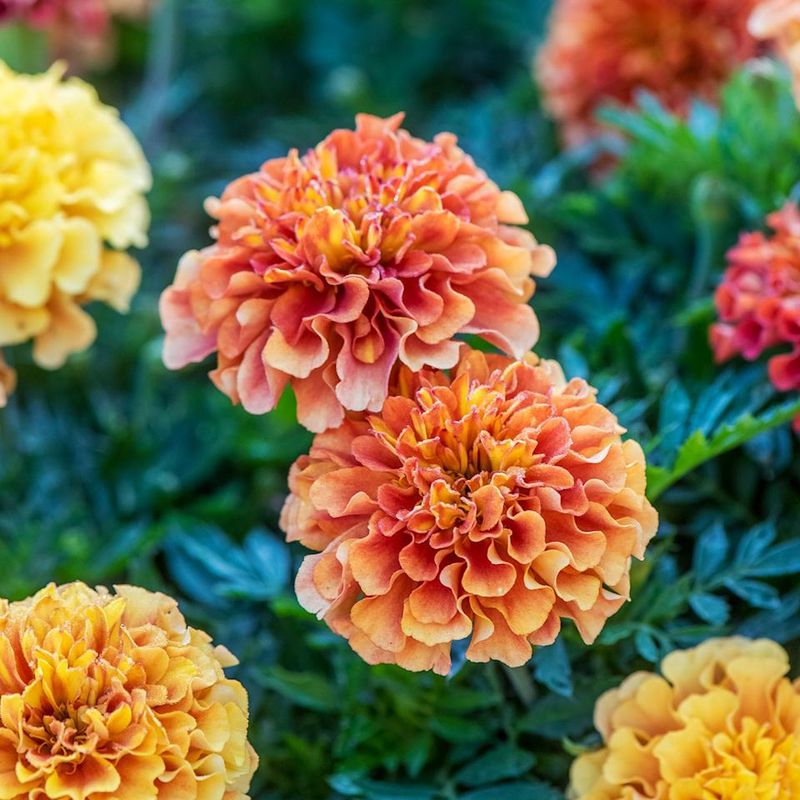
Few flowers bring the kind of reliable, cheerful warmth that marigolds deliver in a California summer garden. These familiar bloomers in shades of gold, orange, yellow, and deep rust have been a staple of home gardens for generations, and for good reason.
They genuinely enjoy hot, sunny conditions and tend to keep producing flowers steadily through the warmest months of the year when given basic care.
Marigolds work well in containers, raised beds, borders, and mixed planting schemes. Their compact, bushy habit makes them easy to tuck into gaps or use as bold edging plants along garden paths.
In California gardens where afternoon heat can be relentless, French marigold varieties tend to handle the conditions especially well, staying tidy and floriferous even when temperatures climb into the upper nineties.
One of the practical perks of growing marigolds is that they are relatively straightforward to care for. Regular deadheading keeps the plants producing fresh blooms rather than putting energy into seed development.
Consistent watering at the soil level, rather than overhead, helps keep foliage looking clean and reduces the chance of fungal issues during humid stretches. Marigolds prefer well-drained soil and full sun, and they do not need heavy fertilizing to perform well.
For California gardeners who want a dependable, proven summer flower that brings strong color without a lot of drama, marigolds are genuinely hard to beat.
7. Zinnia Loves Heat And Brings Big Cheerful Color
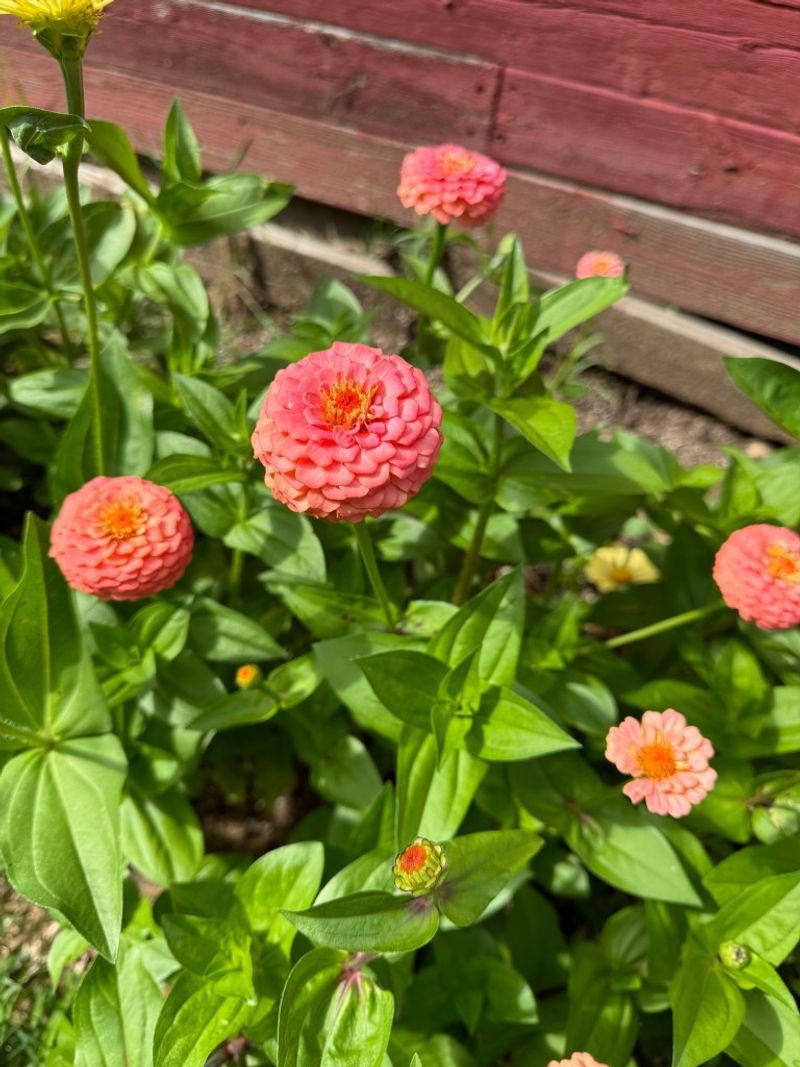
Hot afternoons, dry air, and blazing California sun are exactly the conditions where zinnias tend to hit their stride.
These fast-growing, bold-colored flowers come in an almost overwhelming range of shades, including red, orange, pink, yellow, coral, white, and bicolor combinations.
They bring a generous, exuberant energy to summer garden beds and borders that is hard to match with any other annual.
Zinnias grow quickly from seed or transplant and start producing their large, eye-catching blooms relatively early in the season. As California summer heat builds, zinnias often respond by putting out more flowers rather than slowing down.
They are one of the few annuals that genuinely seem to enjoy the kind of intense, sustained heat that inland California gardens experience through July and August.
Planting zinnias in well-drained soil with full sun exposure gives them the best start. They benefit from consistent watering at the base of the plant, since wet foliage can encourage powdery mildew, which is a common issue in some California growing areas.
Cutting or deadheading spent blooms regularly encourages the plant to keep producing fresh flowers through the season.
Zinnias also make excellent cut flowers, so California gardeners who enjoy bringing summer blooms indoors will find them especially rewarding.
For sheer summer color impact, few flowers can keep up with zinnias in a hot, sunny California garden.
8. Vinca Keeps Blooming When Temperatures Start Climbing
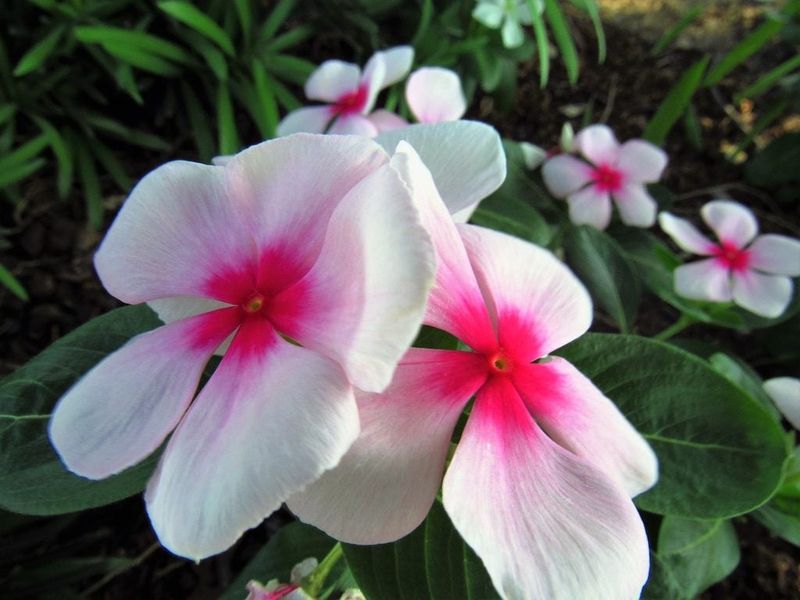
When the thermometer climbs and other flowers start struggling to keep up, vinca tends to look like it is just getting comfortable.
Also known as annual vinca or periwinkle, this heat-loving plant is one of the most dependable bloomers a California gardener can reach for when summer gets serious.
Its glossy, deep green foliage stays attractive even on the hottest days, and the cheerful flowers in shades of pink, red, white, coral, and lavender keep opening steadily without much encouragement.
Vinca handles full sun, reflected heat, and dry conditions better than many popular bedding plants. In California gardens where patios, walkways, and south-facing beds trap and radiate extra heat, vinca tends to hold up impressively well.
It works in containers, window boxes, raised beds, and traditional borders, giving California gardeners plenty of flexibility in how they use it.
One thing worth knowing about vinca is that it prefers well-drained soil and does not appreciate sitting in soggy conditions for extended periods. Overwatering is actually one of the more common ways this plant runs into trouble.
Allowing the soil to dry slightly between waterings suits vinca well, especially in California where dry summer air helps moderate moisture levels naturally.
Deadheading is not strictly required since vinca tends to be fairly self-cleaning, but an occasional light trim can help keep the plant full and tidy through the long California summer season.