What Tennessee Gardeners Do With Pine Cones Instead Of Throwing Them Away
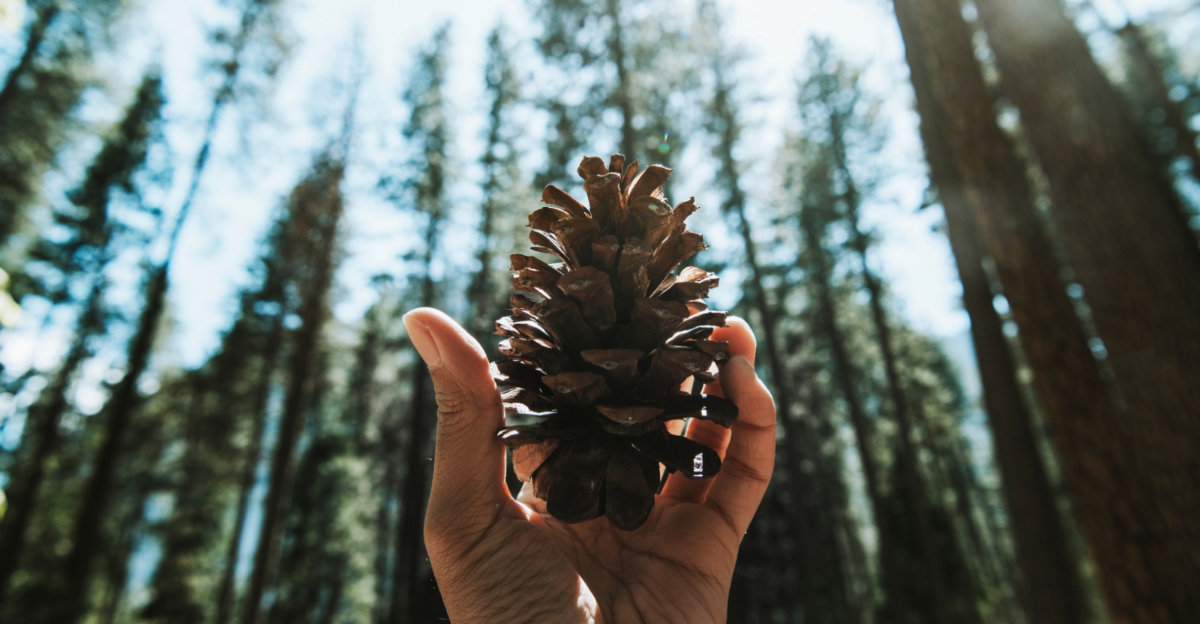
Tennessee yards have a fall secret hiding in plain sight. Every season, pine cones pile up across lawns and garden beds. Most homeowners bag them up and move on without a second thought. That is a surprisingly missed opportunity.
Pine cones are one of the most versatile free resources a gardener can find. They can improve soil structure over time. They help retain moisture around plant roots.
They can even attract beneficial wildlife to your garden. All of this is available right there on the ground at no cost.
Gardeners across Tennessee have been quietly putting this knowledge to work for years. The results speak for themselves in healthier beds, richer soil, and gardens that seem to thrive with less effort.
The best part? Pine cones have been doing all the hard work for centuries. They just needed someone smart enough to stop throwing them away.
This season, that someone is you.
Improving Soil Drainage
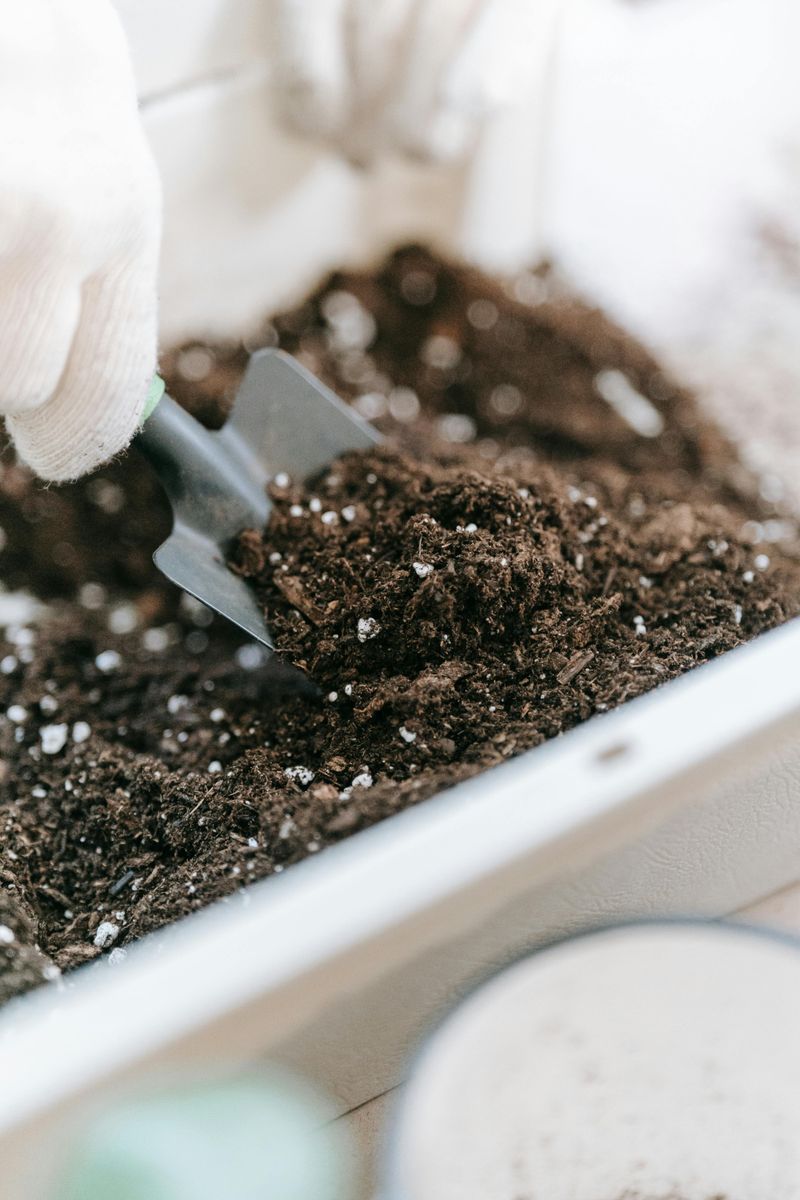
Soggy roots are one of the most common problems.
Pine cones, when broken down and mixed into heavy clay soil, create small air pockets that let excess water move through more freely.
That simple shift can mean the difference between thriving tomatoes and a muddy, waterlogged mess.
Tennessee soil, especially in the middle and western parts of the state, tends to run heavy with clay.
Tossing crushed or whole pine cones into your garden beds before planting season gives the soil a natural structure boost.
They act almost like tiny drainage pipes, quietly doing their job beneath the surface.
You do not need fancy tools or expensive soil amendments to make this work.
Gather a bucket of pine cones from your yard, break them apart slightly, and work them into the top six to eight inches of soil.
Over time, they soften and integrate, leaving behind a looser, more breathable texture that roots absolutely love.
Better drainage also means fewer fungal problems, since standing water near plant roots invites rot and disease.
This one simple habit can quietly transform a struggling garden bed into a productive growing space season after season.
Reducing Soil Compaction Over Time
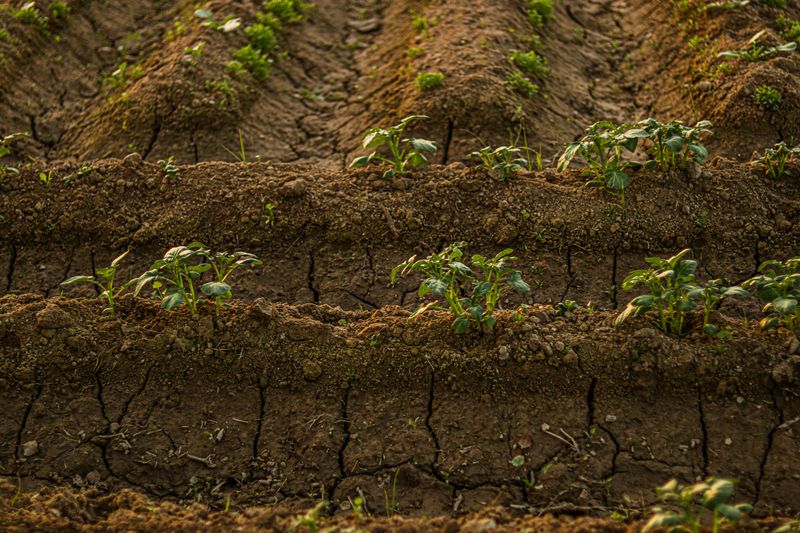
Soil compaction is sneaky, slow, and seriously damaging to any garden.
When soil gets packed too tight, roots struggle to push through, water pools on the surface, and nutrients have nowhere to travel.
Pine cones offer a surprisingly effective long-term fix for this common problem.
As pine cones break down slowly in the soil, they create a looser, more open structure that resists packing back down.
Their natural fibrous texture keeps soil particles from clumping too tightly together, giving roots the breathing room they need.
That means less tilling, less frustration, and healthier plants overall.
Gardeners who top-dress their beds with a layer of pine cones each fall often notice a real difference by spring.
The soil feels crumblier, easier to work with, and noticeably more welcoming to seedlings.
It is a passive improvement that happens while you are busy doing other things.
Your Tennessee Garden Changes Every Week. Your Plan Should Too.
Gardening in Tennessee changes quickly throughout the season. Every Friday you’ll receive a simple weekly plan showing exactly what to plant, prune, fertilize, harvest, and protect so you never miss the right timing.
High foot traffic areas in the garden, like paths between raised beds, benefit especially well from a pine cone layer.
The cones cushion the ground and prevent the constant compression that turns good soil into hard and unworkable.
Give your soil a long-term gift that keeps on giving every single season.
Adding Organic Matter As They Decompose
Nature built pine cones to last, but eventually, every cone breaks down into something far more valuable than it looks.
As they decompose, pine cones release organic matter directly into the surrounding soil, enriching it from the inside out.
This slow-release process feeds the ground over months and even years.
Organic matter is the backbone of any healthy garden.
It improves texture, increases water retention, and provides a steady food source for the microorganisms that keep soil alive and active.
Pine cones, even though they break down slowly, contribute meaningfully to that organic layer over time.
Speeding up decomposition is easy if you want faster results.
Chip or shred the cones before adding them to your beds or compost pile, and they will break down much quicker.
Adding them whole works too, just on a longer timeline that suits patient gardeners just fine.
Mixing pine cones into a compost pile alongside kitchen scraps and grass clippings creates a beautifully balanced blend of carbon and nitrogen.
The cones add what composters call brown material, which balances out the wet green stuff.
It keeps the pile from becoming too wet and helps it compost more efficiently.
Free organic matter is literally falling from your trees every single year.
Feeding Beneficial Soil Microbes
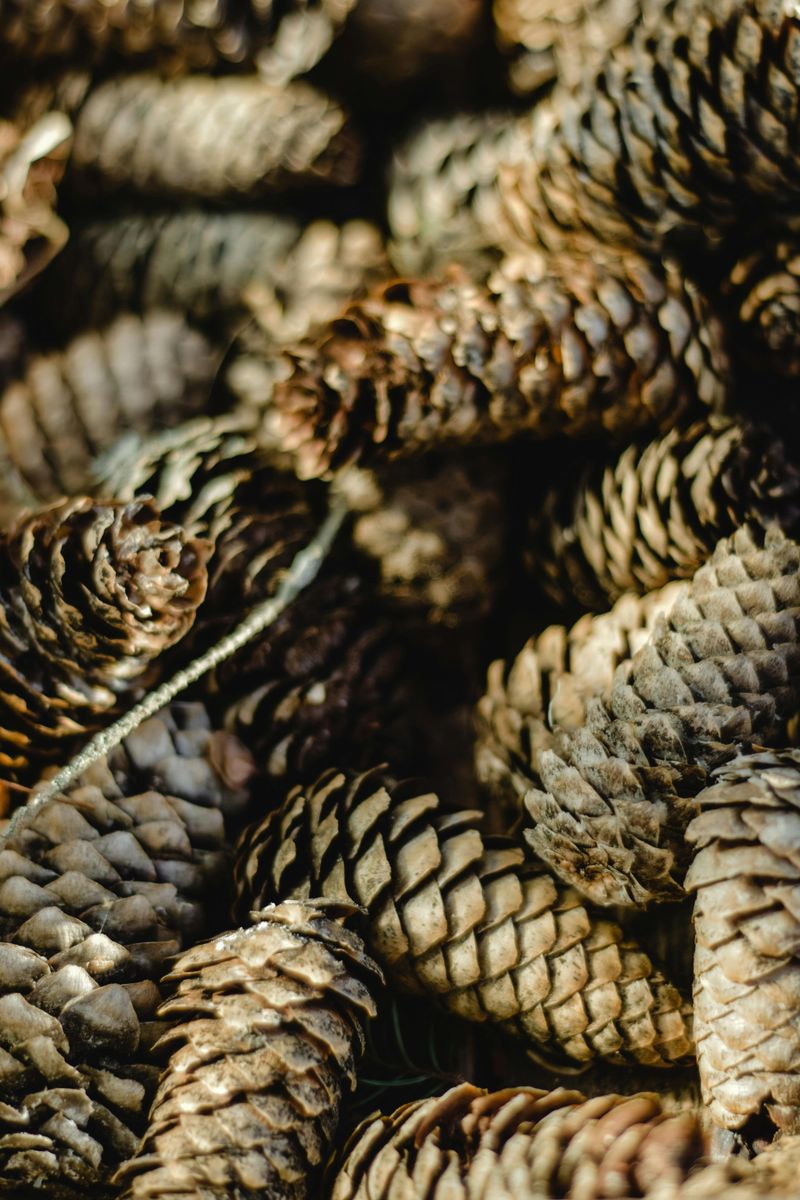
Beneath every thriving garden bed is a hidden world buzzing with microscopic life.
Bacteria, fungi, and other tiny organisms work around the clock to break down organic material and release nutrients that plants can actually absorb.
Pine cones, as they decompose, become a slow feast for this underground crew.
The fibrous material inside pine cones is rich in lignin and cellulose, compounds that certain beneficial fungi absolutely thrive on.
As those fungi break down the cones, they create networks of threads called mycelium that help plants pull water and nutrients from a much wider area of soil.
It is basically free infrastructure for your garden.
Feeding your soil microbes consistently leads to what gardeners call a living soil, one that practically takes care of itself.
You end up using less fertilizer, dealing with fewer pest problems, and watching your plants grow stronger with less intervention.
That is the kind of gardening that feels less like work and more like partnership.
Scattering pine cones across bare garden beds in the off-season is one of the easiest ways to keep that microbial community fed and active.
Active microbes in winter means a head start on fertility come planting time.
Your garden will thank you in ways you can actually see.
Adding Humus To The Soil
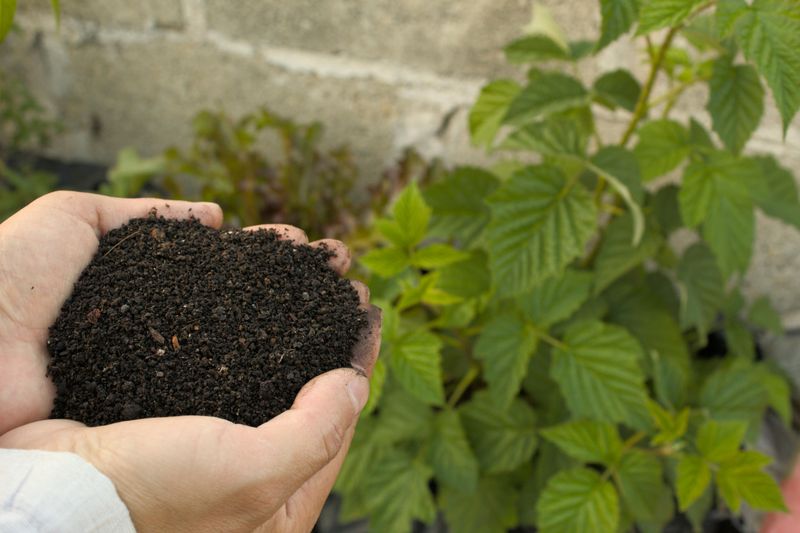
Humus sounds like something you eat at a party, but in the garden, it is liquid gold.This dark, spongy material forms when organic matter fully breaks down, and it is one of the most powerful soil improvers known to gardeners.
Pine cones, given enough time, contribute directly to humus formation.
Humus holds onto nutrients like a sponge, keeping them available to plant roots instead of letting them wash away with rain.It also gives soil that deep, rich, earthy smell that every gardener secretly loves.
Building humus levels is a long game, but pine cones make it an almost effortless one.
Layering pine cones in your garden beds year after year gradually builds up that humus-rich layer near the surface where roots are most active.Combine them with fallen leaves, grass clippings, and kitchen compost for an even faster buildup.
The more organic layers you add, the richer and darker your soil becomes over time.
Experienced gardeners know that buying bags of humus from a garden center gets expensive fast.When pine cones are already covering your lawn every autumn, using them to build humus naturally is both smart and satisfying.
Watch your soil transform from pale and lifeless to dark and productive, one cone at a time.
Attracting Earthworms
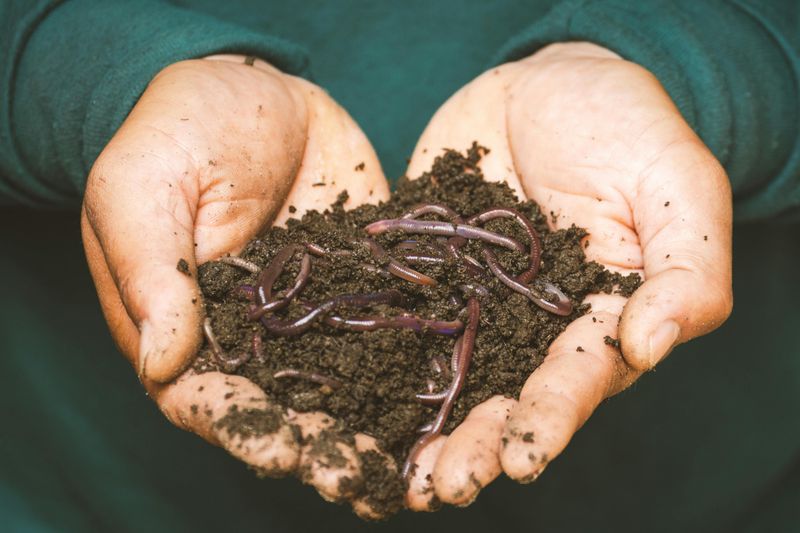
Earthworms are the unsung heroes of every healthy garden, and they are picky about where they set up home.They need moisture, organic matter, and a soil structure loose enough to move through comfortably.
Pine cones, as they break down, create exactly the kind of environment that draws worms in and keeps them there.
A garden full of earthworms is a garden practically running itself.Worms tunnel through the soil, aerating it naturally, and their castings are among the most nutrient-dense fertilizers on the planet.
The more worms you attract, the less you have to dig, fertilize, and fight with compaction.
Adding a layer of pine cones as mulch creates a moist, shaded microenvironment at the soil surface that worms find irresistible.As the cones soften and begin to break apart, they become food for the worms and a cozy habitat all at once.
It is a two-for-one benefit that costs nothing but a little effort.
Gardeners who regularly use pine cones as ground cover often report digging up far more worms per shovelful than they used to.That jump in worm population tells you the soil ecosystem is becoming more alive and balanced.
More worms means more of everything good happening underground while you sleep.
Retaining Moisture In The Soil
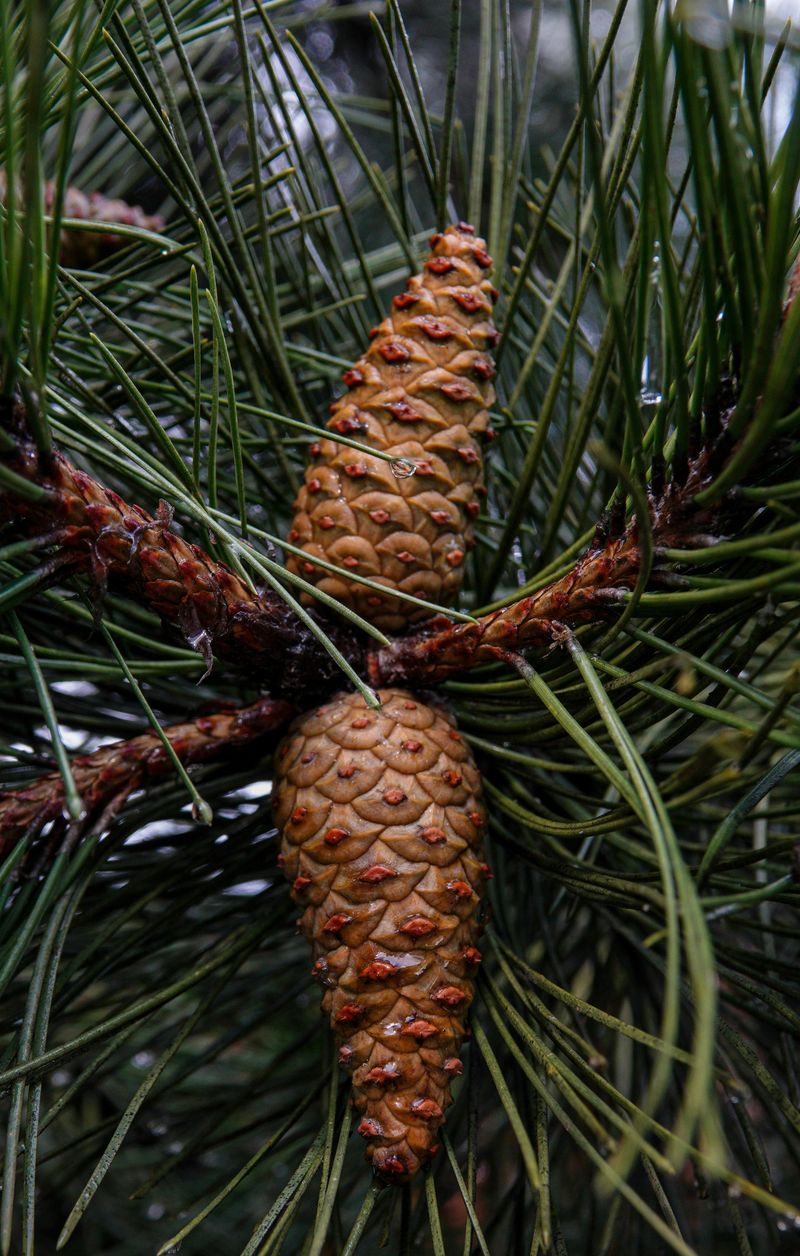
A single dry week in a Tennessee summer can stress garden plants more than most people realize.
Soil moisture evaporates fast when the sun beats down and there is nothing covering the ground.
A layer of pine cones spread across the soil surface acts like a natural blanket, slowing that moisture loss significantly.
Pine cone mulch works similarly to wood chip mulch. The overlapping scales help reduce moisture loss at the soil surface.
That means the ground stays damp longer between rainstorms or watering sessions.
Plants stay hydrated, roots stay happy, and you water less often.
Spread a two to three inch layer of pine cones around the base of shrubs, perennials, or vegetable plants before summer. This can reduce how often you need to water.
The cones also block direct sunlight from hitting the soil, which keeps ground temperatures cooler on scorching days.
Cooler, moister soil means less stress and stronger growth.
This moisture-retention trick is especially useful around newly planted trees and shrubs that have not yet established deep root systems.
Keeping that top layer of soil consistently moist gives young roots the best possible chance to settle in and grow strong.
A little mulch now saves a lot of watering headaches later in the season.
Insulating Plant Roots From Frost
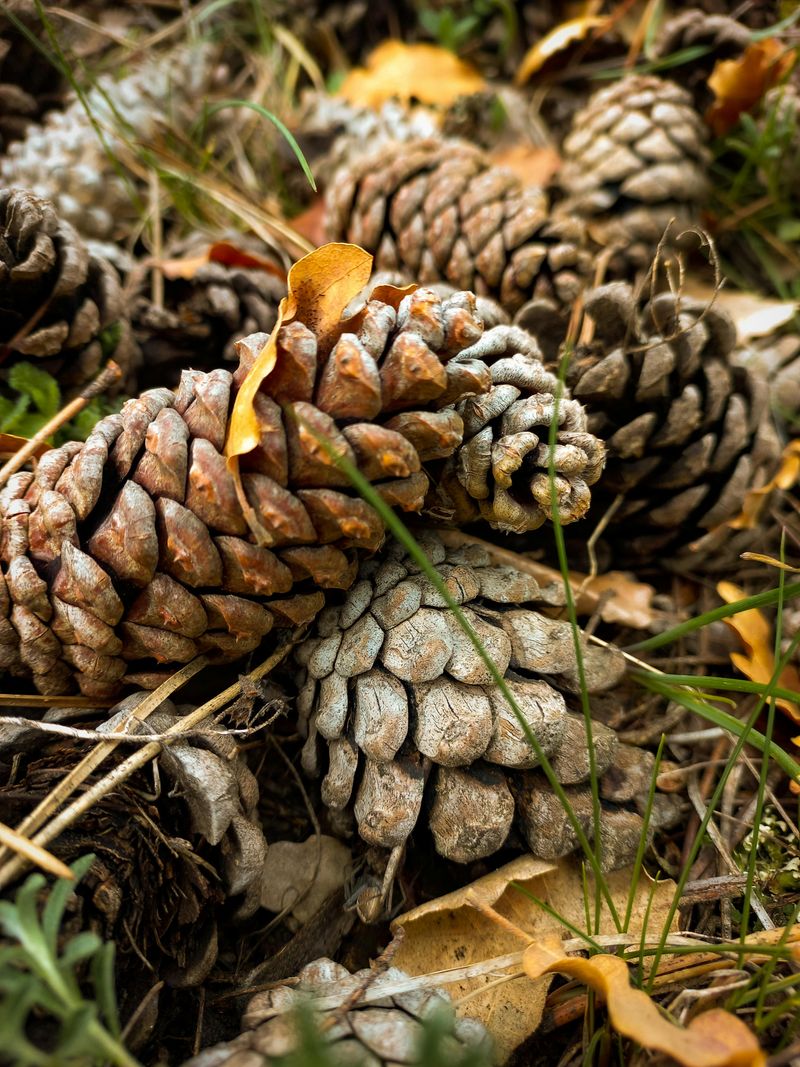
Winter in Tennessee can be sneaky, swinging from warm afternoons to hard freezes overnight without much warning.
That kind of temperature whiplash is tough on shallow-rooted plants, bulbs, and perennials trying to survive until spring.
A thick layer of pine cones around plant bases acts as natural insulation against those sudden cold snaps.
Pine cones trap air between their scales, and trapped air is one of nature’s best insulators.
Just like a down jacket keeps you warm by holding air close to your body, a pine cone mulch layer holds warmth close to the soil and roots beneath it.
The ground temperature under a good layer of cones can stay several degrees warmer than bare soil nearby.
Pile pine cones four to six inches deep around the base of tender perennials or newly planted shrubs before the first hard freeze hits.
This simple step can protect roots that would otherwise suffer freeze damage and struggle to bounce back in spring.
It is low-tech, free, and genuinely effective.
Come spring, simply rake the cones aside as temperatures warm up and let the bed breathe again.
Many gardeners keep those same cones and use them as mulch for the growing season ahead.
One batch of pine cones can serve double duty across two full seasons with almost no extra effort.
Reducing Yard Waste
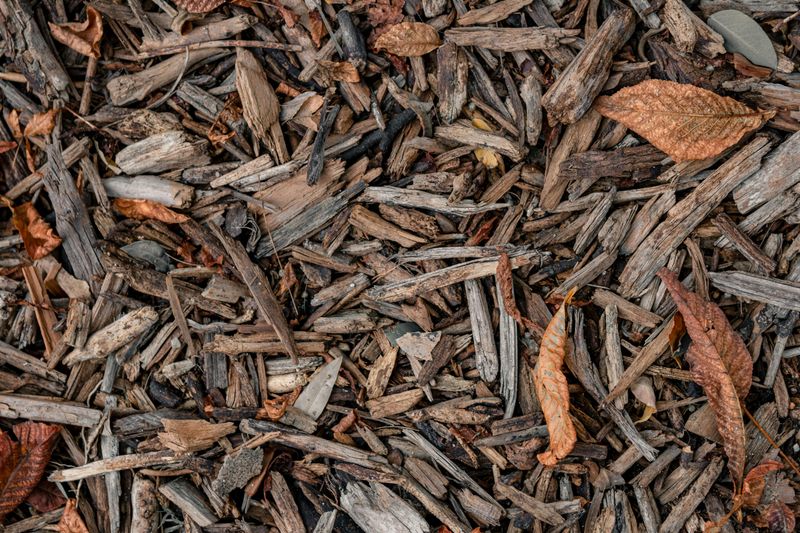
Bagging up yard waste and hauling it to the curb every fall feels like a never-ending chore, especially when pine trees are involved.
A single mature pine can drop hundreds of cones in a season.
Choosing to use those pine cones in the garden instead is one of the simplest ways to reduce that waste stream.
Yard waste makes up a significant portion of what goes into landfills each year across the country.
Organic material buried in landfills breaks down without oxygen and releases methane, which is far more potent than carbon dioxide.
Keeping pine cones out of the trash and in your garden skips all of that.
Using pine cones as mulch, soil amendment, or compost material means fewer bags to buy and less time hauling.
It also leaves a lighter environmental footprint.
It is a practical habit that makes your yard look tidier and your garden healthier at the same time.
Winning on both fronts feels pretty good.
Every cone you redirect from the trash bag and into the soil is a small but real act of working smarter.
The pine cones were never the problem.
They were always the solution.