New Jersey’s Tree Laws Are No Joke, And Ignoring Them Can Cost You
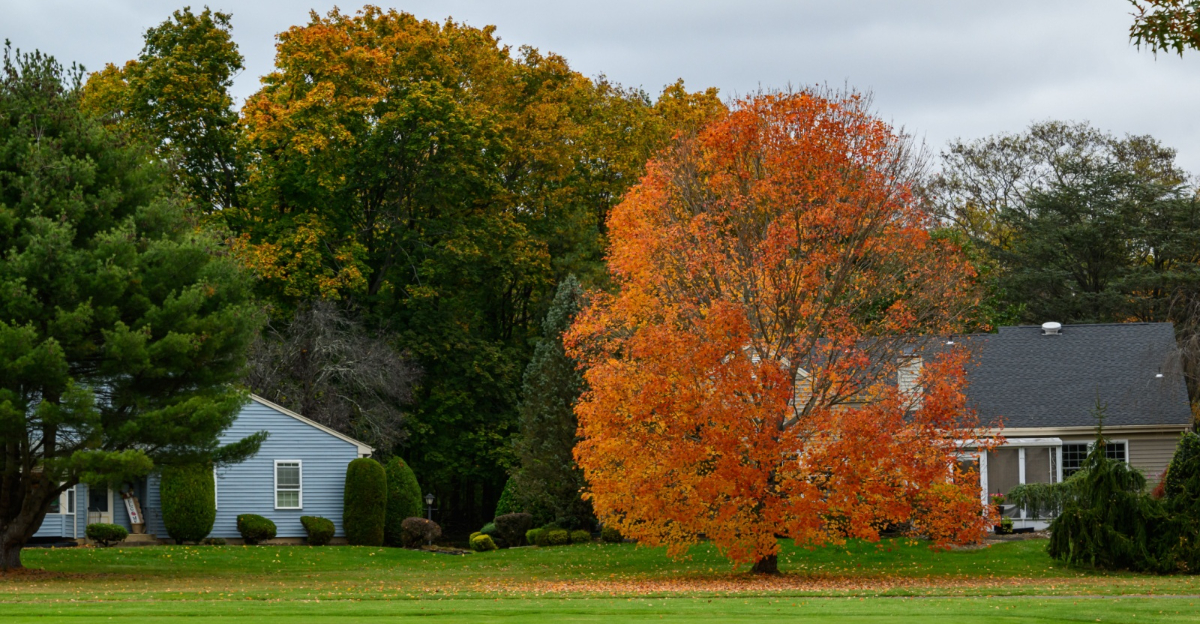
You bought the house. You pay the taxes.
You rake the leaves every single fall without complaint. So surely, that tree in your backyard is yours to do with as you please, right?
Not so fast. New Jersey has some surprisingly strict opinions about your trees, particularly the big ones, and ignoring them can land you with a replanting bill you absolutely did not budget for.
Before you call a tree service or start pricing out chainsaws, it’s worth knowing exactly where the law draws the line. The rules vary by town, they apply to your own property, and yes, that includes the oak you’ve been side-eyeing since you moved in.
New Jersey Says That Tree In Your Yard Might Not Be Yours To Cut
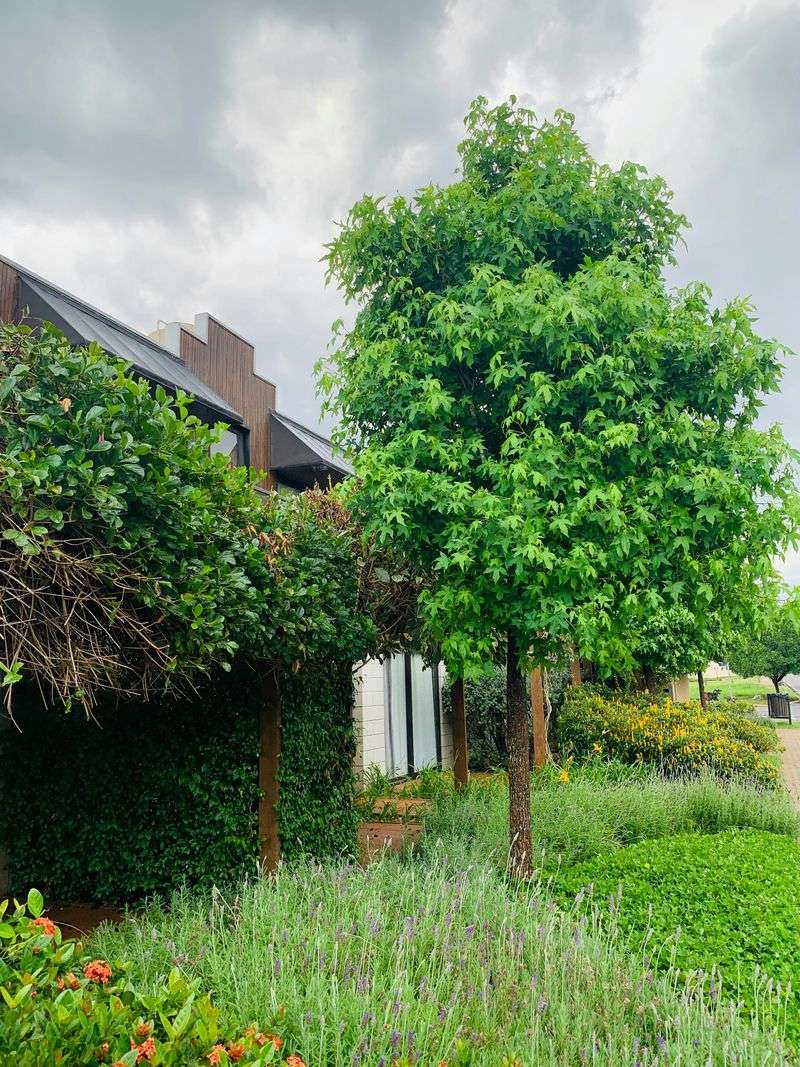
Owning a property does not mean owning the right to remove every tree on it.
In many New Jersey municipalities, any living tree with a trunk diameter of 6 inches or more requires an official removal permit before a single branch hits the ground.
That measurement, called DBH or diameter at breast height, is taken at exactly 4.5 feet above the ground.
Skip the permit, and you are not just bending a rule.
You are breaking a local ordinance with real consequences attached to it.
Millstone Borough in Somerset County is a clear example of how seriously towns enforce these regulations.
Homeowners there must apply to the Environmental Commission before removing any regulated tree.
The good news? The permit fee is affordable, which is about as painless as permit fees get.
Spending next to nothing to avoid hundreds of dollars in fines and mandatory replanting costs is not a hard decision.
But every year, people skip that step and end up wishing they had not.
New Jersey tree laws exist for real environmental reasons, and the enforcement behind them is not optional.
The Magic Number: 6 Inches
Six inches sounds small, but it is the number that changes everything when it comes to tree removal in New Jersey.
Any living tree with a DBH of 6 inches or greater triggers the permit requirement under ordinances like Millstone Borough’s.
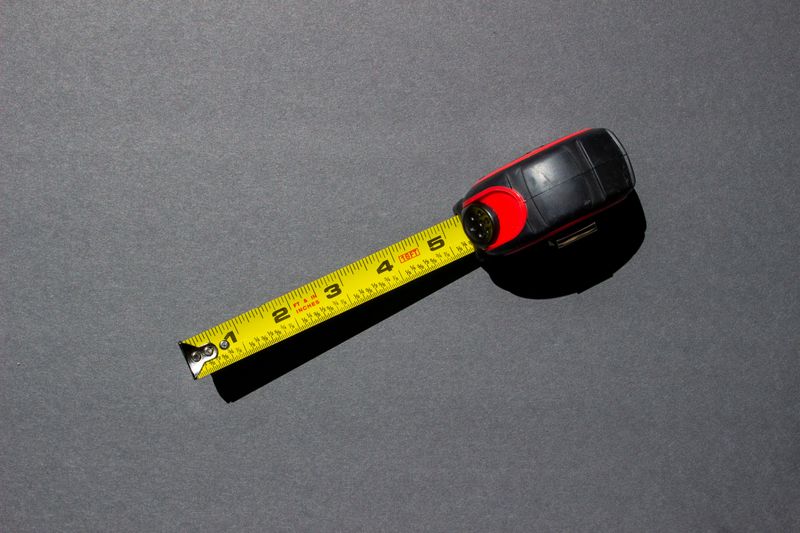
DBH stands for diameter at breast height, measured at exactly 4.5 feet above the soil line. That specific measurement point exists because trunk width can vary significantly lower down near the roots.
Grab a flexible measuring tape and wrap it around the trunk at that height.
Divide the circumference by 3.14 to get the diameter. If the number hits 6 inches or more, you need a permit before that tree goes anywhere.
Many homeowners are surprised to find out how many of their backyard trees qualify.
A tree that looks modest from a distance can easily measure 8, 10, or even 14 inches at breast height.
Checking before you act takes about 90 seconds and costs nothing.
The permit itself costs next to nothing in Millstone Borough, making it one of the easiest compliance steps imaginable.
Knowing your number protects your wallet and keeps you on the right side of local New Jersey tree regulations.
Your Illinois Garden Changes Every Week. Your Plan Should Too.
Gardening in Illinois changes quickly throughout the season. Every Friday you’ll receive a simple weekly plan showing exactly what to plant, prune, fertilize, harvest, and protect so you never miss the right timing.
Meet The Trees That Are Even More Protected
Some trees are not just regulated; they are treated almost like historic landmarks.
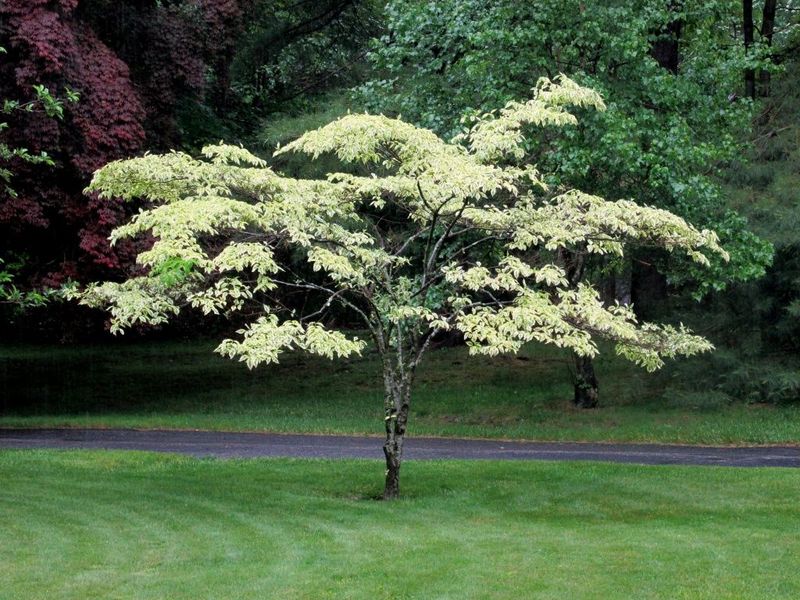
Specimen trees receive a higher level of protection under local ordinances, and removing one without proper approval can trigger serious consequences. In Millstone Borough, specimen status applies to any tree over 36 inches DBH, dogwood trees over 10 inches DBH, coniferous trees taller than 100 feet, trees confirmed to be 100 or more years old, and any species listed as rare, threatened, or endangered by the NJ DEP.
That is a meaningful list that covers more trees than most homeowners expect.
Removing a specimen tree requires approval from the Planning Board, not just the Environmental Commission.
That extra layer of oversight signals how seriously these trees are valued by the community.
The process takes longer and involves more scrutiny than a standard removal permit.
Before you assume that old tree in your yard is just a regular removal job, check its size and species carefully.
A flowering dogwood over 10 inches DBH is a specimen tree by definition.
So is any coniferous tree on your property that reaches beyond 100 feet tall.
These trees represent irreplaceable natural heritage, and New Jersey’s framework makes sure they are not removed casually.
Living Near Water Makes It Even Stricter
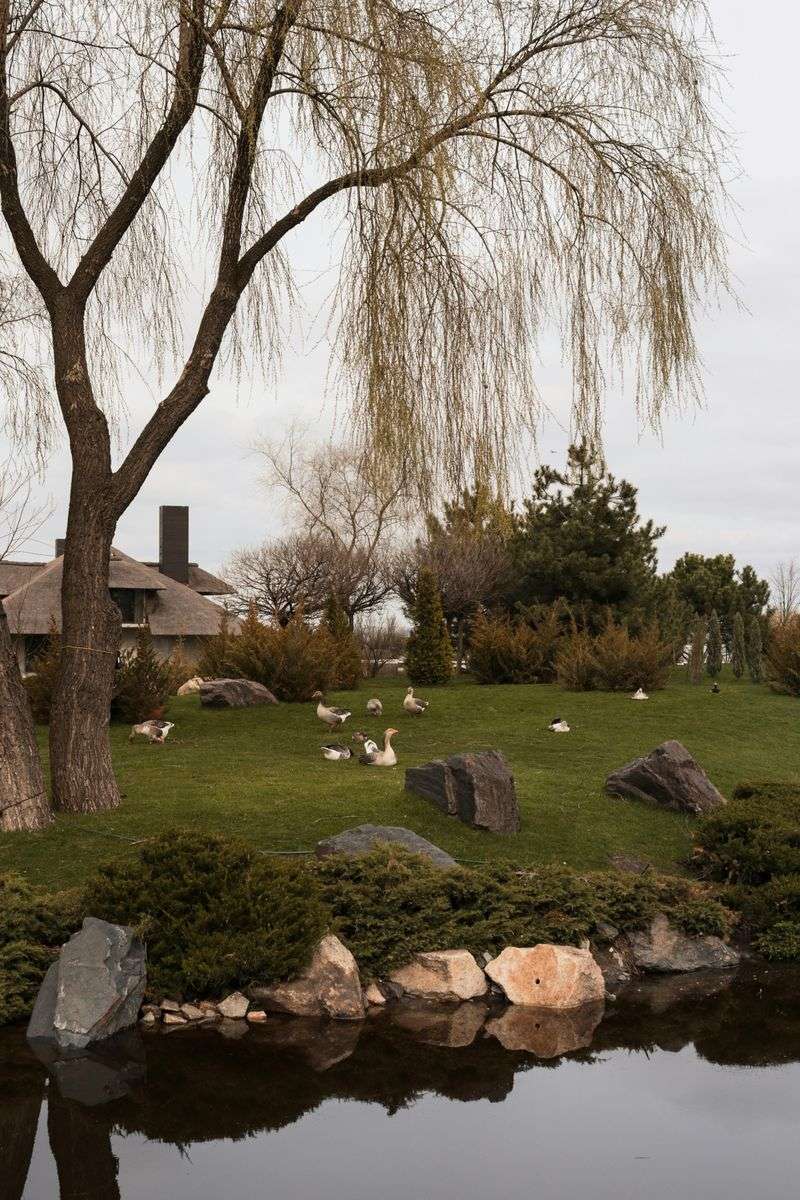
If your property backs up to a stream, river, or pond, your tree situation just got significantly more complicated.
Trees located within 50 to 150 feet of a waterway, depending on the type of waterway, fall inside what is called a riparian zone.
In these areas, removal requires not just a standard Environmental Commission permit but also additional approval from the Planning Board.
That two-step process exists because riparian trees play a critical role in preventing erosion, filtering runoff, and stabilizing stream banks.
Losing tree cover near water can lead to increased flooding, sediment runoff into waterways, and damage to aquatic habitats.
Those are not abstract concerns; they are documented outcomes that municipalities work hard to prevent.
The stricter rules near water reflect a real understanding of how interconnected land and water systems are.
Homeowners near streams often discover this regulation only after they have already scheduled a tree service.
Finding out mid-project that you needed Planning Board approval on top of everything else is a frustrating and expensive surprise.
Check whether your property includes any riparian area before making any removal plans.
A quick call to your local Environmental Commission or municipal office can clarify your situation in minutes. It could also save you from a serious regulatory headache down the road.
What Happens If You Just… Cut It Down Anyway
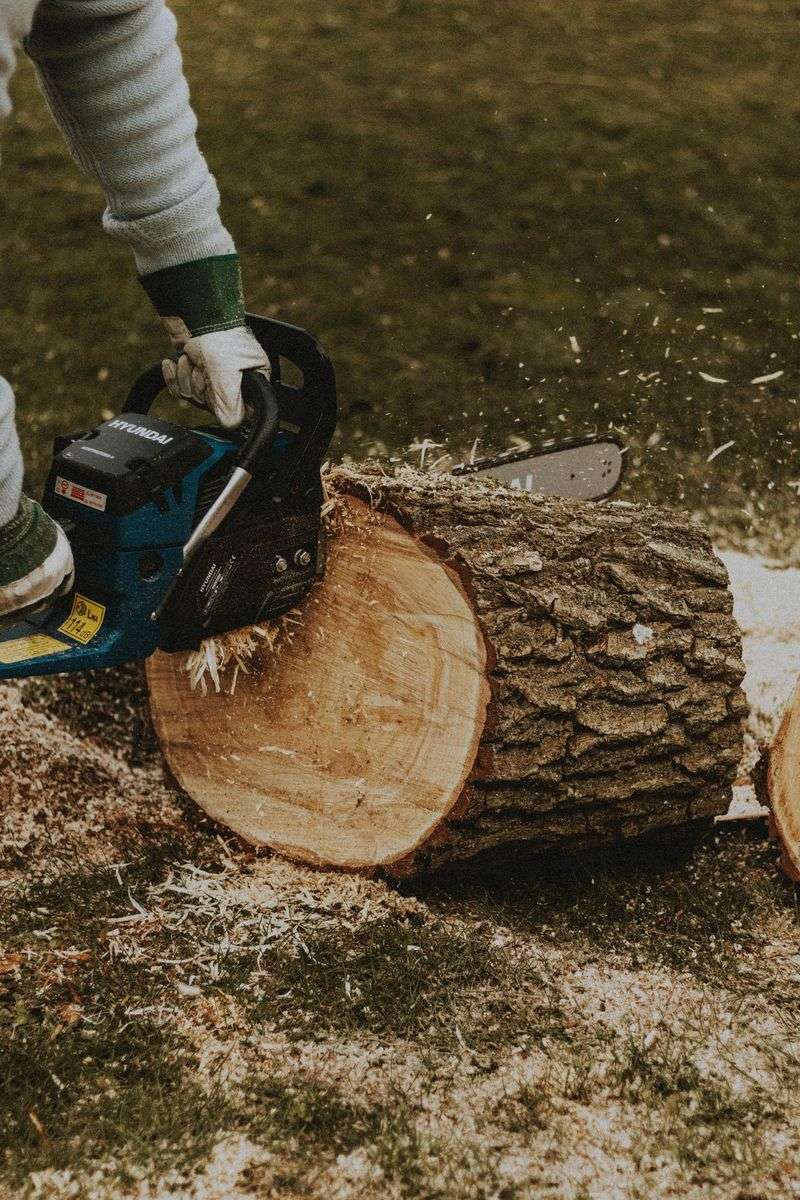
People do it every year, thinking no one will notice a missing tree in their own backyard.
The penalties for illegal tree removal in New Jersey municipalities are structured to be genuinely inconvenient.
In Millstone Borough, anyone who removes a regulated tree without a permit must replant between one and four replacement trees, depending on the size of the removed tree.
On top of that, a per-tree contribution to the municipal escrow fund is also required.
That escrow contribution goes toward community-wide tree planting efforts, so the municipality recovers the lost environmental value one way or another.
Meanwhile, you are buying and planting replacement trees out of pocket, on a timeline set by the town, not by you.
The whole situation is avoidable for the price of a coffee and a short application.
Some homeowners assume the risk is low because code enforcement seems inconsistent. But neighbors notice, especially when a large, beloved tree disappears suddenly.
Complaints get filed, inspectors show up, and the paper trail becomes your problem.
New Jersey tree laws are not theoretical; they come with enforcement mechanisms that municipalities are increasingly willing to use.
The cost of getting caught is always higher than the cost of doing it right the first time.
Why New Jersey Towns Are So Protective Of Their Trees
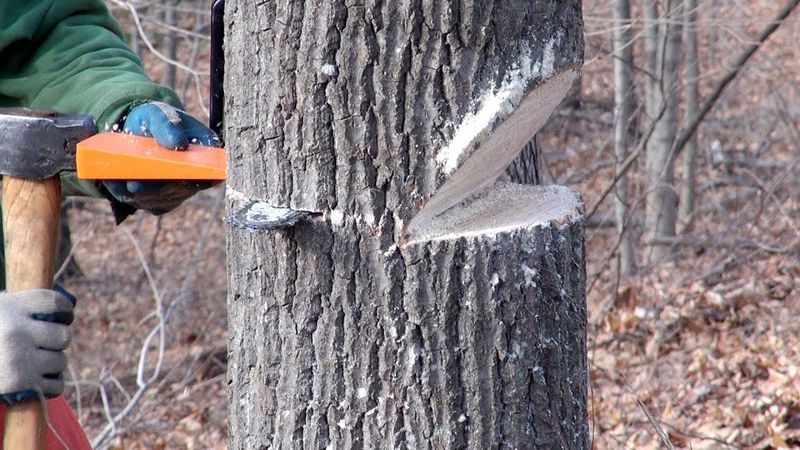
Mature trees do a lot of heavy lifting for a community, and most people never stop to think about it.
Mature trees absorb significant amounts of stormwater each year, keeping it out of basements and storm drains.
Trees also filter air pollutants, reduce urban heat, and provide wildlife habitat that supports local ecosystems.
When a big tree disappears from a neighborhood, those benefits disappear with it.
New Jersey has one of the highest population densities of any state in the country.
That density puts enormous pressure on green spaces, which is exactly why local governments stepped in with protective ordinances.
Towns are not trying to make your life harder; they are trying to preserve resources that took decades to grow.
Replacing a mature tree is not as simple as planting a sapling.
A 50-year-old oak cannot be swapped out for a 5-foot nursery tree and called even.
That gap in environmental value is why the permit process exists and why penalties for skipping it are designed to sting a little.
Protecting trees is protecting the community, and the law reflects that priority directly.
Not Every Tree Removal Requires A Permit
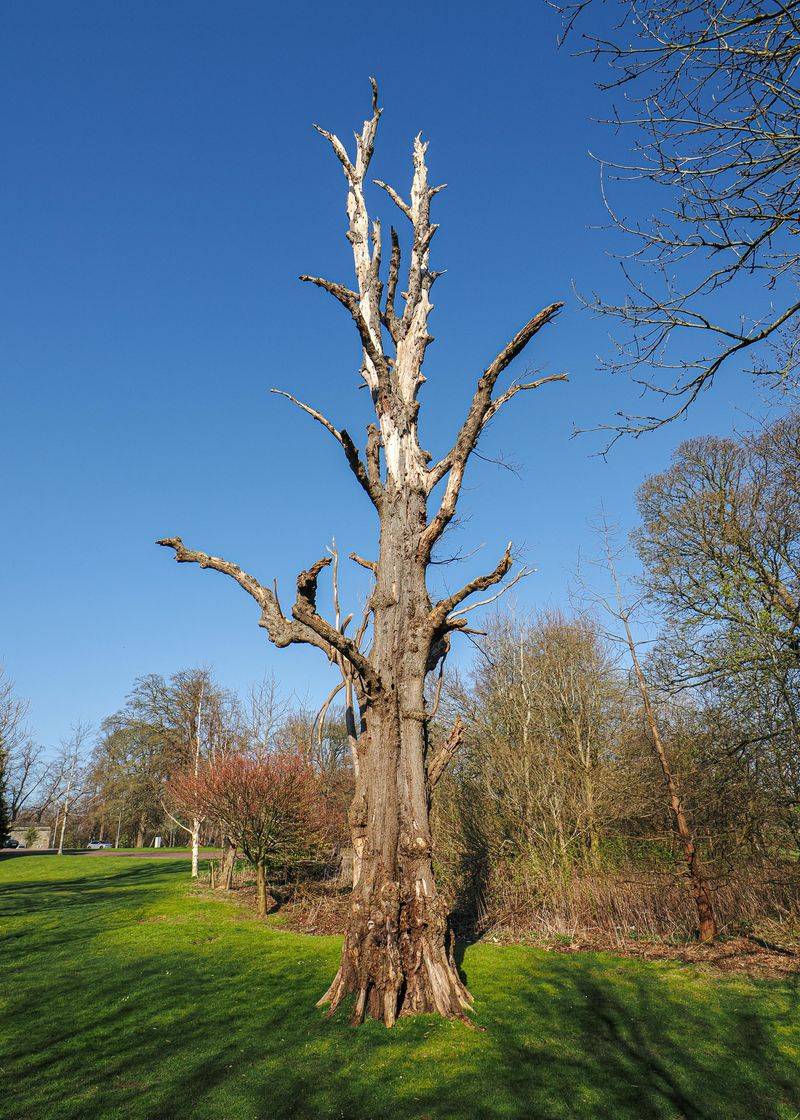
Before you panic about every tree on your property, know that the rules do come with some breathing room.
Certain situations are exempt from the standard permit requirement.
Trees that are no longer living and pose a safety hazard can generally be removed without going through the full permit process.
These allowances exist because emergency situations should not require weeks of bureaucratic review.
There is also a general exemption for up to two regulated trees per year per lot, but conditions apply.
The trees cannot be on slopes greater than 15 percent, cannot be in wetlands, and cannot qualify as specimen trees.
If all three conditions are met, you may have some flexibility without a permit.
Even with exemptions, documentation is your best friend.
If a tree is no longer living or was storm-damaged, take photos before removal begins.
Keep records showing the condition of the tree and the date it was addressed.
If a neighbor or inspector ever questions the removal, your documentation tells the story clearly.
These exemptions are legitimate, but they are also easy to misapply, so when in doubt, a quick call to your local Environmental Commission clears things up fast.
Your Town Has Its Own Rules, Here’s How To Check
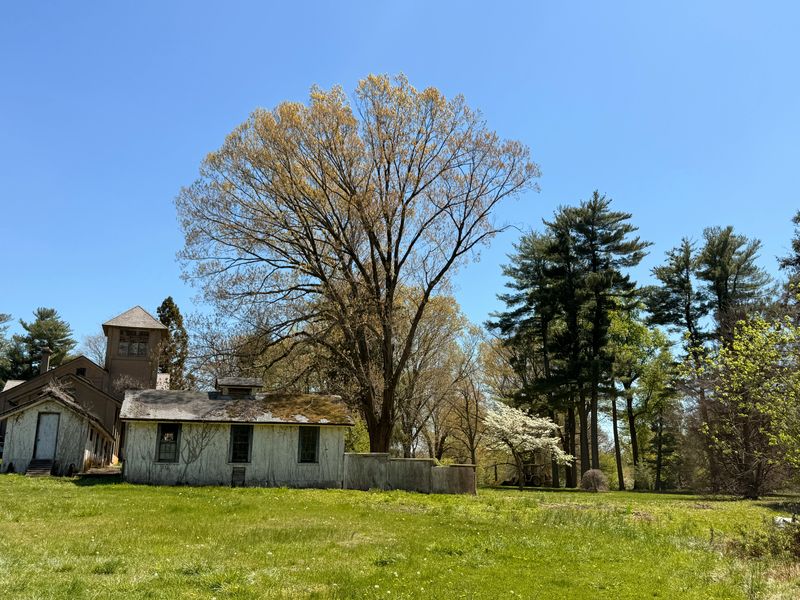
Millstone Borough is just one example, and your town may have a completely different set of rules.
Every municipality in New Jersey operates under its own tree ordinance, which means the DBH threshold, permit fees, exemptions, and penalty structures can all vary from one town to the next.
What is allowed in one borough might be a fineable offense two miles away. Assuming your neighbor’s experience applies to your situation is a gamble that does not always pay off.
Finding your local rules is easier than it sounds.
Start by searching your municipality’s name along with the phrase “tree ordinance” or “tree removal permit”.
Most towns post their ordinances online through their official websites or through a municipal code database like General Code or Municode.
If you cannot find it online, a quick call to your town’s Environmental Commission, planning department, or construction office will point you in the right direction.
Ask specifically about DBH thresholds, specimen tree definitions, riparian zone boundaries, and any current permit fees.
Write down what you learn and keep it somewhere accessible.
Tree regulations in New Jersey are real, locally enforced, and worth understanding before any removal project begins.
Spending ten minutes on research now prevents a much longer conversation with a code enforcement officer later.
Know Your Trees
New Jersey tree laws are not designed to frustrate homeowners; they are designed to protect something that took generations to grow.
The permit process in towns like Millstone Borough takes far less time than dealing with a violation notice.
Knowing your tree’s DBH, understanding whether it qualifies as a specimen, and checking your proximity to water are the three most important steps before any removal project begins.
Those steps take less than an afternoon and could save you hundreds of dollars.
The rules around New Jersey tree regulations are specific, locally enforced, and genuinely consequential.
Ignoring them does not make them go away; it just adds financial penalties and mandatory replanting to your to-do list.
Working within the system is almost always faster and cheaper than working around it.
Whether you are clearing space for a deck, dealing with storm damage, or just managing your yard, take five minutes to check your local ordinance first.
Call your Environmental Commission, look up your municipality’s code online, and ask the right questions before a chainsaw starts.
Protecting trees is protecting the neighborhood you chose to live in, and that is a goal worth fifteen dollars and a short application any day of the week.