The North Carolina Summer Planting Calendar Every Gardener Needs Right Now
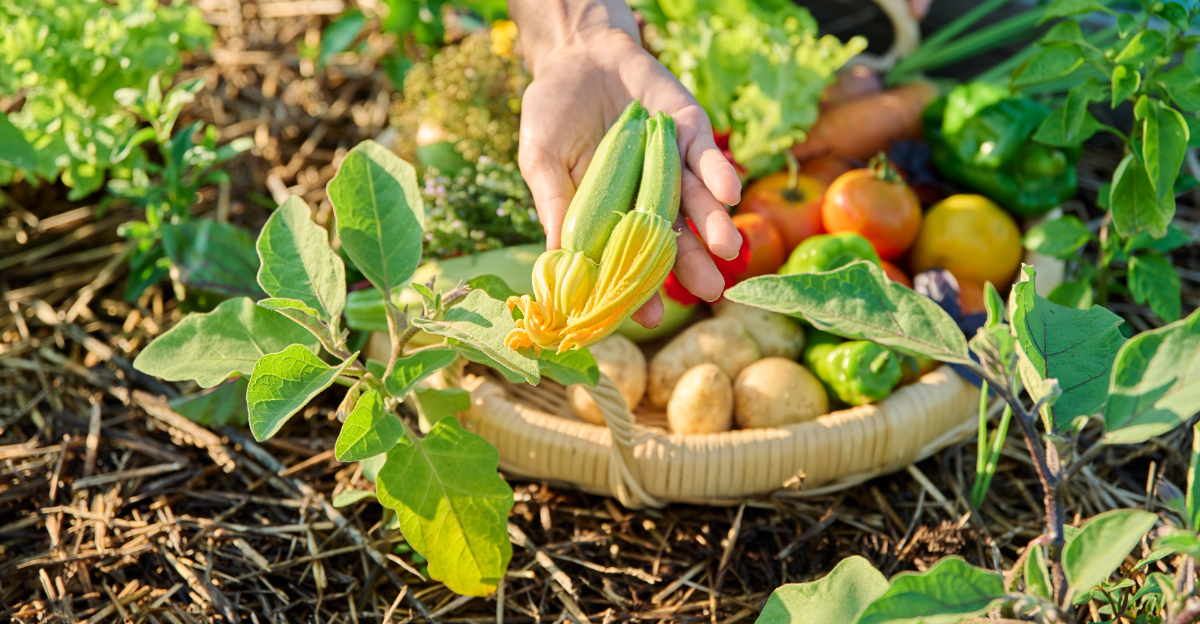
Timing is everything in a North Carolina summer garden, and most gardeners are working without a clear picture of what should go in the ground and when.
The growing season here is long enough to support multiple planting windows between spring and fall, but the heat and humidity that define summer in this state make certain crops practical during specific weeks and nearly impossible during others.
Planting the right thing at the wrong time leads to germination failures, struggling transplants, and harvests that never materialize.
A reliable summer planting calendar built around North Carolina’s actual climate conditions removes the guesswork and makes the most of every week between now and fall.
This is the reference every North Carolina gardener should have on hand before the season gets any further along.
1. June Is Still A Good Time To Plant Heat Loving Vegetables
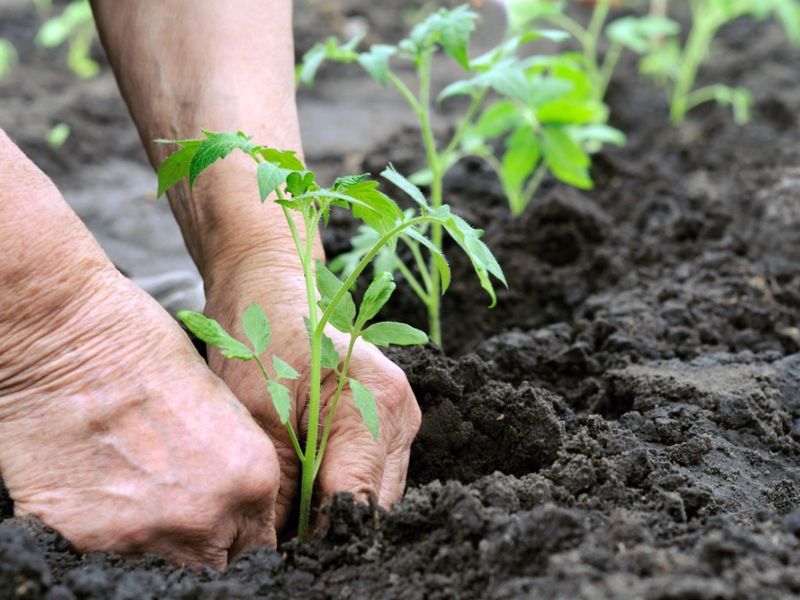
Most gardeners assume June is too late to start a summer garden, but in North Carolina, that thinking leaves a lot of food on the table. The soil across the Piedmont and coastal regions is warm and ready, and heat-loving crops thrive when planted now.
Tomatoes, peppers, okra, cowpeas, cucumbers, and summer squash all perform beautifully when transplanted or direct-seeded in early June.
Coastal gardeners have the longest window, while mountain growers should focus on fast-maturing varieties to beat the shorter season. Planting in the morning and watering deeply right after transplanting gives new seedlings the best start.
Mulching around the base of each plant locks in soil moisture and keeps roots cool during the hottest afternoons.
Succession planting cucumbers and squash every two to three weeks keeps production going strong through late summer. Watch for squash vine borers and cucumber beetles starting in late June, since early detection makes a real difference.
A consistent watering schedule, about one inch per week, supports steady growth without stressing the roots. June planting rewards patient, attentive gardeners with harvests that stretch well into August and sometimes beyond.
2. June Is The Right Time To Start Many Fall Tomato Crops In North Carolina
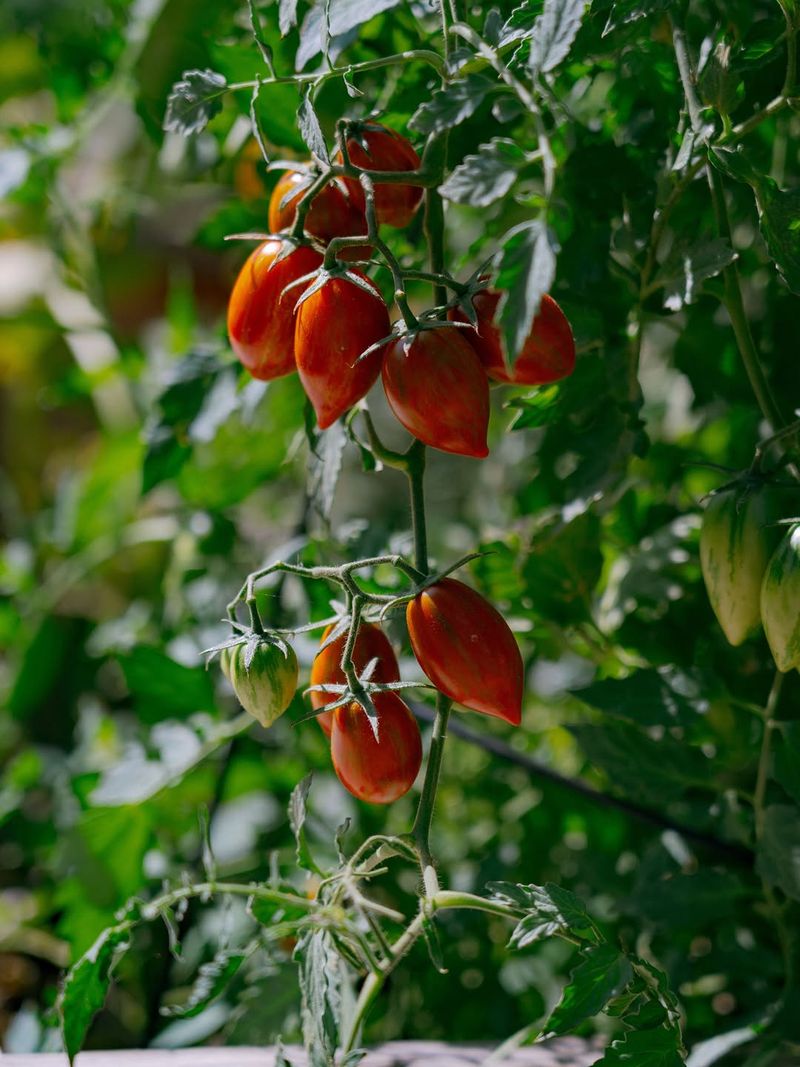
Planting tomatoes in June for a fall harvest sounds counterintuitive, but experienced North Carolina gardeners know this timing is key. Solanum lycopersicum needs time to establish, flower, and fruit before cooler fall nights slow everything down.
Starting transplants in early to mid-June gives plants enough runway to deliver a strong second harvest before the season closes.
Transplants work far better than seeds at this stage because they skip the slow germination period and hit the ground running.
Disease-resistant varieties like Mountain Merit, Plum Regal, and Defiant are especially smart choices for humid summers, where fungal pressure from early blight and Septoria leaf spot can be intense.
Coastal and Piedmont gardeners can push planting toward mid-June, while mountain gardeners should aim for early June to account for cooler fall temperatures arriving sooner.
Keeping foliage dry by watering at the base and improving air circulation around plants goes a long way toward reducing fungal problems.
A two-inch layer of straw or wood chip mulch keeps soil moisture steady and reduces splashback from rain, which spreads soil-borne disease.
Your North Carolina Garden Changes Every Week. Your Plan Should Too.
Gardening in North Carolina changes quickly throughout the season. Every Friday you’ll receive a simple weekly plan showing exactly what to plant, prune, fertilize, harvest, and protect so you never miss the right timing.
Stake or cage plants immediately after transplanting so roots settle without being disturbed later. With the right variety and proper care, a June-planted tomato crop can produce ripe fruit well into October across much of the state.
3. July Is When Smart Gardeners Start Fall Vegetable Planning
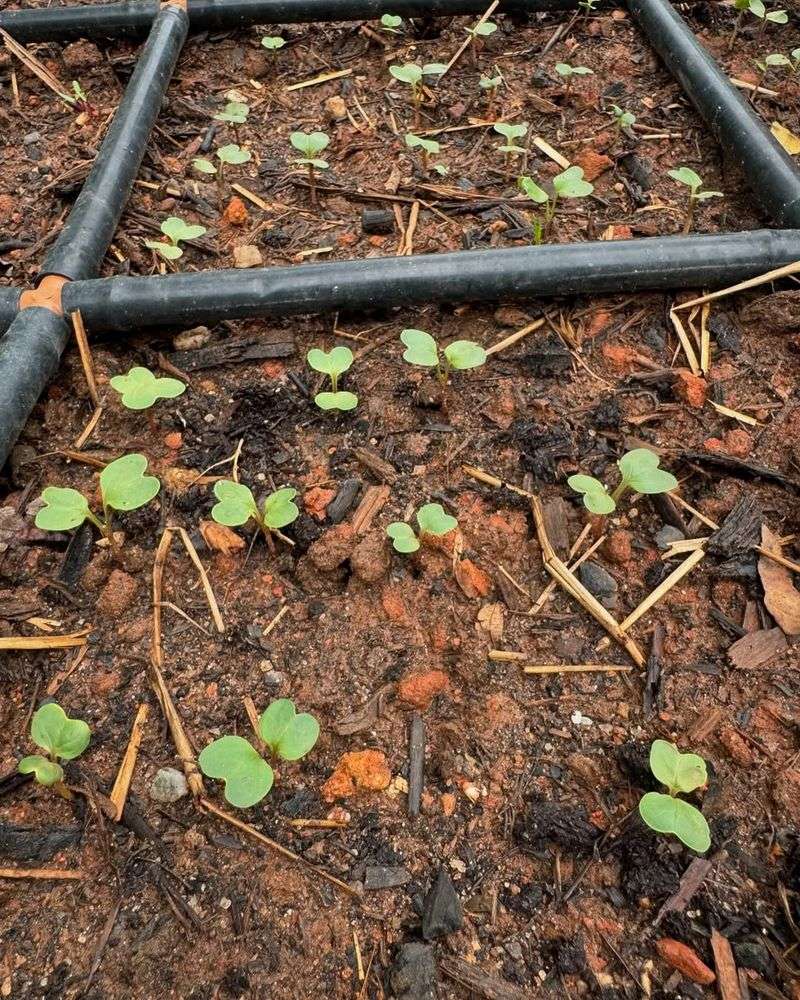
July feels like the height of summer, but underneath all that heat, experienced gardeners are already thinking about fall.
North Carolina’s long growing season means cool-season crops like broccoli, cabbage, kale, carrots, beets, and lettuce need to be planned and sometimes started in mid to late July for a productive autumn harvest.
Mountain gardeners often need to start transplants indoors by mid-July because their fall window closes earlier than in the Piedmont or coastal areas.
Piedmont gardeners can typically start brassica transplants indoors in late July and direct-sow carrots and beets around the same time.
Coastal North Carolina gardeners have the most flexibility, with some crops not needing to go in until August without sacrificing yield.
Starting transplants in a shaded cold frame or under a light shade cloth during July helps seedlings survive the heat without wilting. Keeping seed trays consistently moist is critical because high temperatures cause uneven germination when soil dries out too quickly.
July is also the perfect time to amend beds with compost before fall planting begins, so the soil is loose, fertile, and ready to go. Gardeners who do this groundwork in July almost always report smoother, more productive fall seasons.
4. July Heat Changes How Gardeners Water Everything
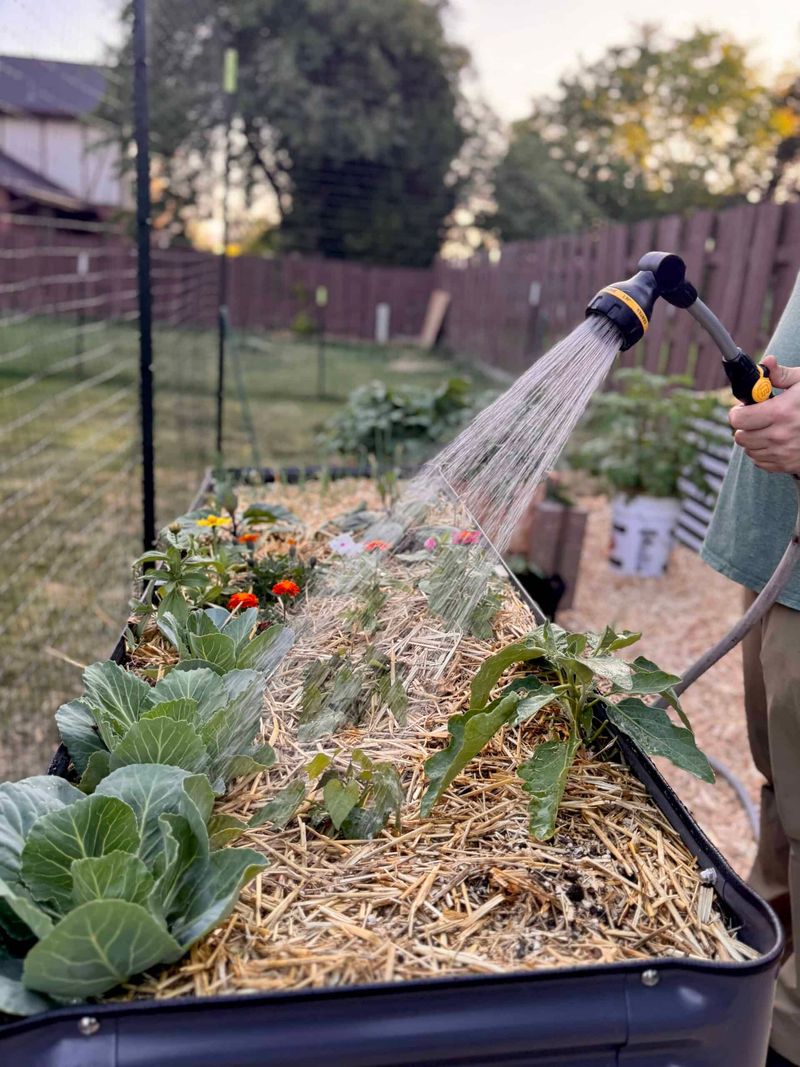
Watering in July in North Carolina is nothing like watering in April. The combination of intense heat, high humidity, and rapid soil moisture loss creates conditions where the wrong watering habits can genuinely set plants back.
Shallow, frequent watering is one of the most common mistakes gardeners make during midsummer, and it encourages shallow root systems that struggle when the heat peaks.
Deep, infrequent watering trains roots to grow downward where soil stays cooler and moisture lasts longer. For most vegetables, watering deeply two to three times per week works better than a light sprinkle every single day.
Container plants are the exception since they dry out much faster and may need daily attention during extreme heat stretches.
Morning watering is strongly preferred because it gives foliage time to dry before evening, which reduces the risk of fungal problems. Raised beds also drain faster than in-ground beds, so they need more frequent monitoring during July heat waves.
Applying a thick two to three inch layer of mulch over garden beds dramatically reduces moisture loss and keeps soil temperatures from spiking in the afternoon sun.
Perennials and shrubs planted earlier in the season benefit from deep watering once or twice a week rather than daily surface watering.
Good airflow around plants also helps reduce heat stress and disease pressure during the most intense weeks of summer.
5. August Is Prime Time For Starting Fall Greens In North Carolina
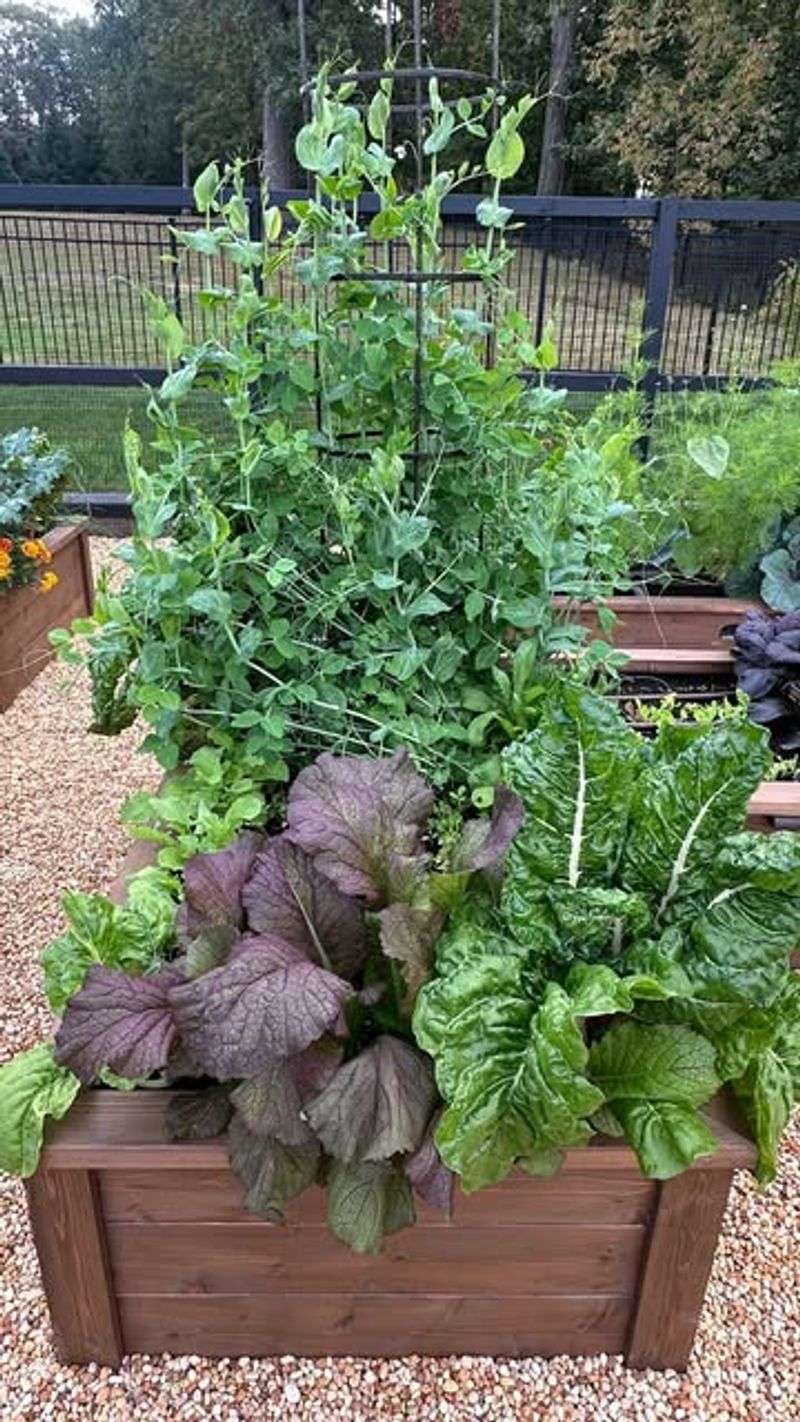
August might feel too hot for leafy greens, but this is actually the most important planting month for fall green vegetables across North Carolina.
Kale, collards, broccoli, turnips, bok choy, spinach, and lettuce all need to go in the ground during August to produce well before winter slows growth down.
The key is protecting young seedlings from the lingering summer heat while they establish. A lightweight shade cloth that blocks thirty to forty percent of sunlight makes a noticeable difference in seedling survival during the first two weeks after sowing.
Coastal gardeners can sow most greens from mid to late August, while Piedmont gardeners aim for early to mid-August, and mountain gardeners should try to have transplants in the ground by early August at the latest.
Direct sowing works well for turnips, spinach, and lettuce, while broccoli and kale often benefit from starting indoors two to three weeks before transplanting outside.
Keeping the seed bed consistently moist is critical since August heat can dry the top inch of soil within hours on a sunny afternoon.
Mulching lightly after germination helps hold moisture without smothering small seedlings. Gardeners who plant greens in August are often rewarded with some of their best harvests of the year, stretching from October well into December across much of the state.
6. North Carolina Gardeners Should Start Carrots And Beets Earlier Than Expected
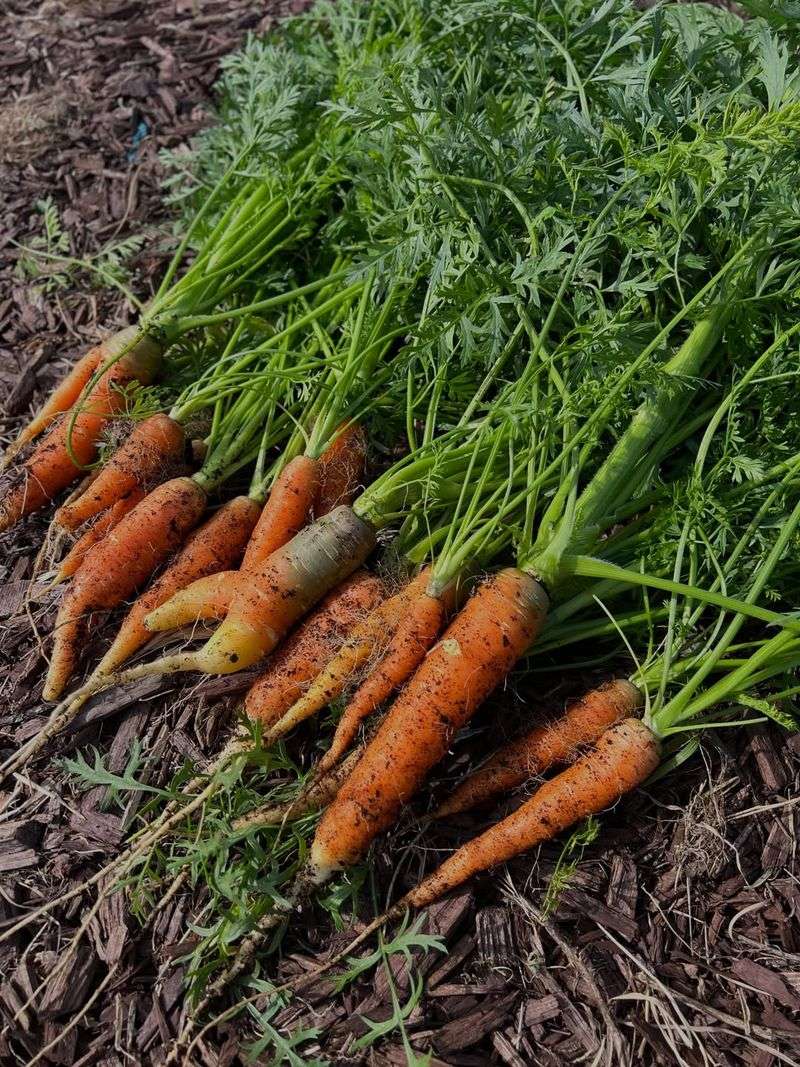
Carrots and beets are not crops most beginners associate with summer planting, yet waiting until fall to sow them in North Carolina is one of the most common mistakes new gardeners make.
Carrots and beets need to be direct-seeded in late July through mid-August to have enough time to mature before cold weather arrives.
Planting them too late results in small, underdeveloped roots that never reach their full potential. Hot soil can make germination tricky, but a few strategies help a lot.
Soaking carrot seeds for a few hours before planting and covering the seed row with a board or burlap for the first few days keeps moisture in and soil temperature more stable during germination.
Once sprouts appear, remove the cover immediately so seedlings get full light.
Soil preparation matters more for root crops than almost any other vegetable. Loose, rock-free soil worked at least ten to twelve inches deep allows roots to grow straight and long without obstruction.
Adding compost improves both drainage and moisture retention, which helps during the transition from summer heat to fall cool. Thinning carrots to two inches apart and beets to three inches apart after germination is essential for full-sized roots.
Skipping thinning is a mistake that always results in crowded, stunted roots. With proper timing and soil prep, gardeners can pull beautiful roots from October through early December.
7. Late Summer To Early Fall Is A Good Time To Establish Many Native Perennials
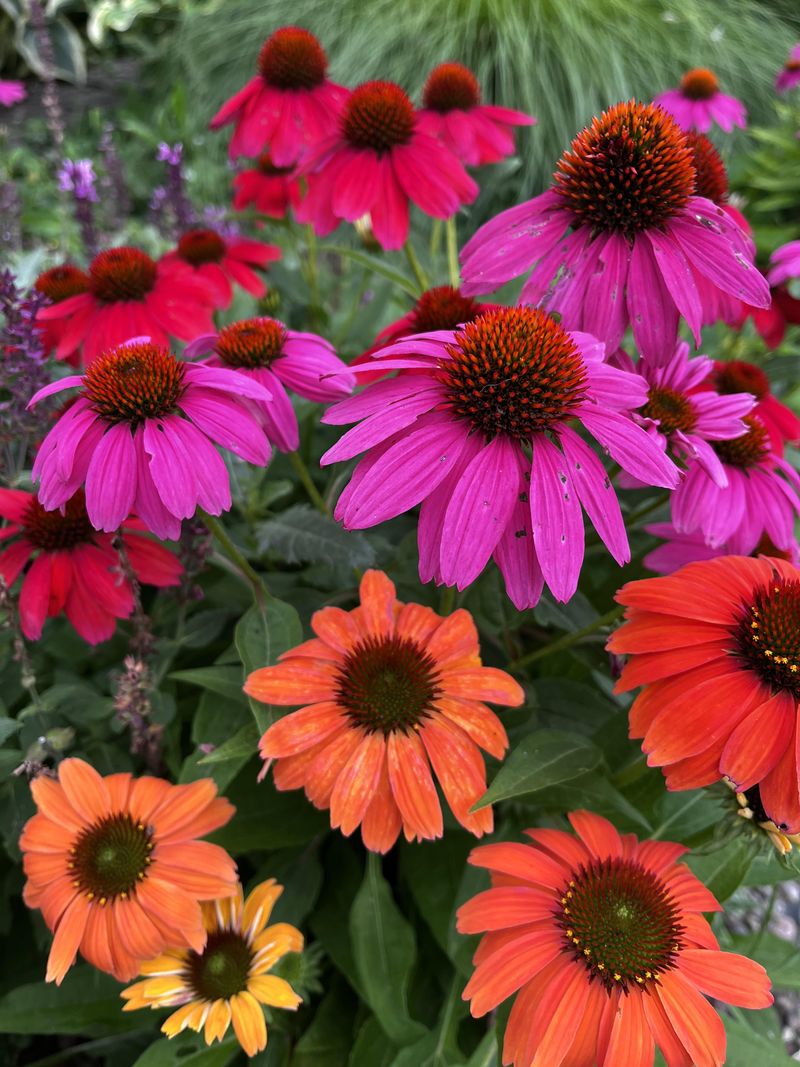
There is something deeply satisfying about planting native perennials in late summer and watching them quietly settle in before winter.
Purple coneflower, wild bergamot, orange coneflower, and slender mountain mint are all excellent choices for North Carolina gardens, and late summer planting gives them a real advantage over spring-planted versions.
Warm soil in August and September encourages fast root development, while gradually cooling air temperatures reduce stress on newly planted specimens.
Roots established before the first frost tend to produce noticeably stronger and more floriferous plants the following spring compared to plants put in the ground during spring.
This is one of those gardening facts that surprises a lot of first-time native plant growers.
Watering consistently for the first four to six weeks after planting is the most important thing you can do for fall-established natives. Rainfall alone is rarely enough during late summer dry spells, so check soil moisture at least twice a week.
A two-inch layer of mulch around each plant conserves moisture and protects roots as temperatures begin to drop. Avoid fertilizing at planting time since native plants establish better in lean soil conditions.
Once established, these plants need very little maintenance and provide valuable habitat for pollinators, birds, and beneficial insects throughout the growing season and beyond.
8. August Is When North Carolina Gardeners Prepare Lawns For Fall Recovery
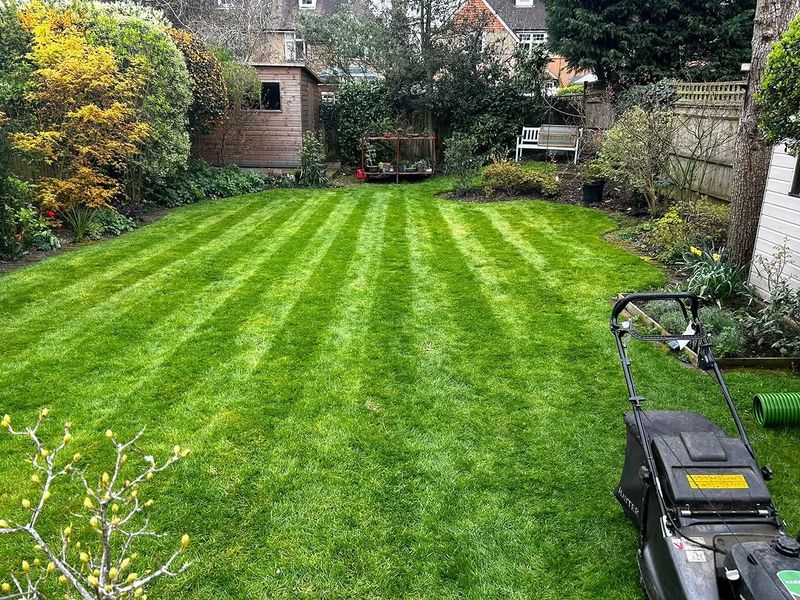
August lawn care in North Carolina is all about preparation, not panic. The decisions made now determine how well cool-season grasses bounce back in fall and how strong warm-season lawns head into dormancy.
Kentucky bluegrass, tall fescue, and bermudagrass each have specific needs during this transition period, and treating them all the same is a recipe for disappointment.
Tall fescue is the most common cool-season lawn grass in the Piedmont and mountain regions, and late August through mid-September is the prime window for overseeding thin or patchy areas.
Soil temperatures need to drop below seventy degrees Fahrenheit for reliable germination, which typically happens in the Piedmont by early September and in the mountains a bit earlier.
Bermudagrass, a warm-season grass dominant in coastal and Piedmont lawns, should not be seeded or heavily fertilized in August since it is approaching its natural slowdown period.
Aeration before overseeding dramatically improves seed-to-soil contact and gives new grass roots room to establish. Dethatching heavily matted lawns before aeration makes the whole process more effective.
Controlling broadleaf weeds in August gives new grass seedlings less competition when they germinate in fall. Consistent watering after overseeding, lightly and frequently for the first two weeks, supports quick germination.
A well-prepared August lawn almost always enters fall in far better shape than one that was ignored through the summer heat.
9. Fall Harvest Success In Depends On Starting Earlier Than Most Beginners Expect
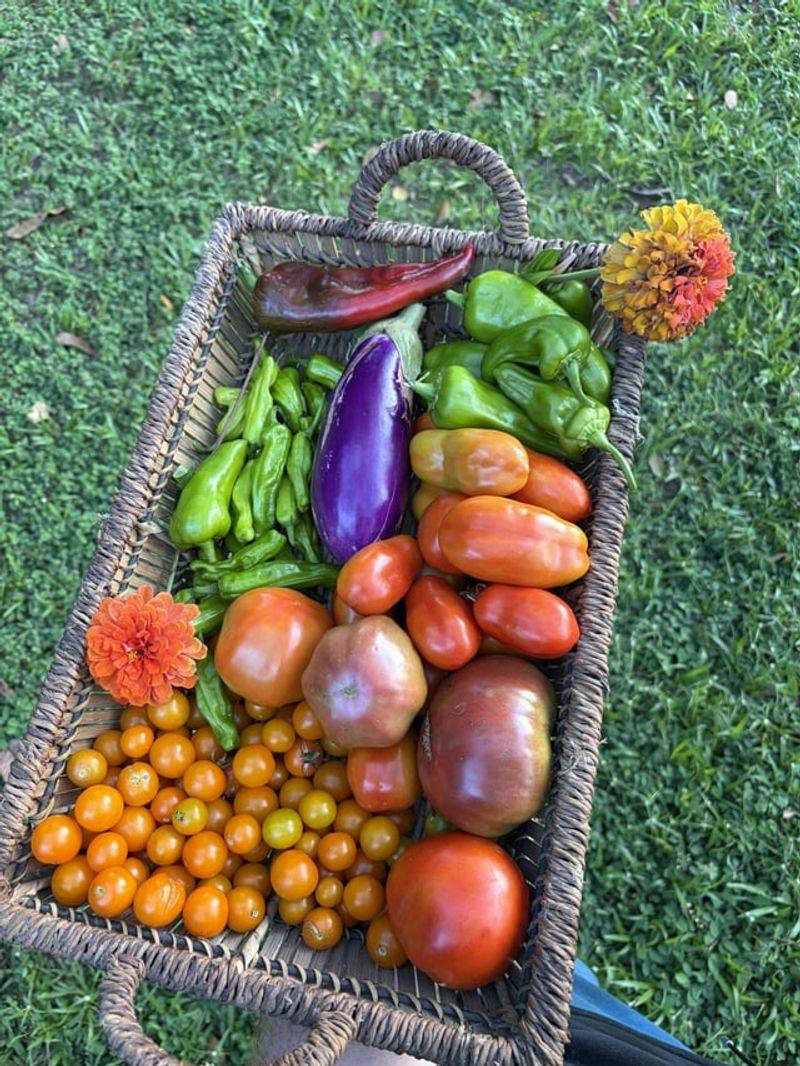
A beautiful fall harvest does not start in September. For North Carolina gardeners, it starts in July and August, sometimes even in late June for certain crops.
Broccoli, kale, cabbage, lettuce, spinach, and carrots all require weeks of warm-weather growth before cooler temperatures arrive to sweeten and finish them off.
Beginners often wait until the air feels like fall before planting fall crops, and by then the window has already closed in most parts of North Carolina.
The Piedmont and coastal regions offer more flexibility than the mountains, but even coastal gardeners need to have most cool-season crops in the ground before mid-September to see a full harvest.
Mountain gardeners face the tightest timeline and should treat early August as a hard deadline for most fall transplants.
Planning backward from your target harvest date is the clearest way to figure out when to start. If you want broccoli heads in October, count back the days to maturity listed on the seed packet and add two weeks for establishment.
That calculation almost always points to a planting date in late July or early August. Our climate is genuinely generous to fall gardeners, offering warm sunny days and cool nights well into November in many areas.
The secret is simply starting when the calendar says summer and trusting the process to deliver a fall reward.