8 Plants To Grow Instead Of Hostas In Florida Gardens
Hostas are the gold standard for shade gardens almost everywhere in the country, just not here. Florida summers are not negotiable on that point, and hostas know it.
The humidity, the heat that never lets up at night, and soil conditions that bear no resemblance to cool woodland floors add up to a frustrating experience.
Gardeners who move here and try to bring their favorites along understand the attachment, but the garden pays the price.
Florida shade gardens deserve plants that actually want to be here, ones that thrive rather than struggle through every season. The options are far more interesting than most people expect.
Textures, colors, and leaf shapes that rival anything hostas bring to the table, without the heartbreak of watching them fade by July. A few plants in particular stand out as worthy replacements, and a few of them might become new favorites in their own right.
1. Use Cast Iron Plant For Tough Shade Foliage
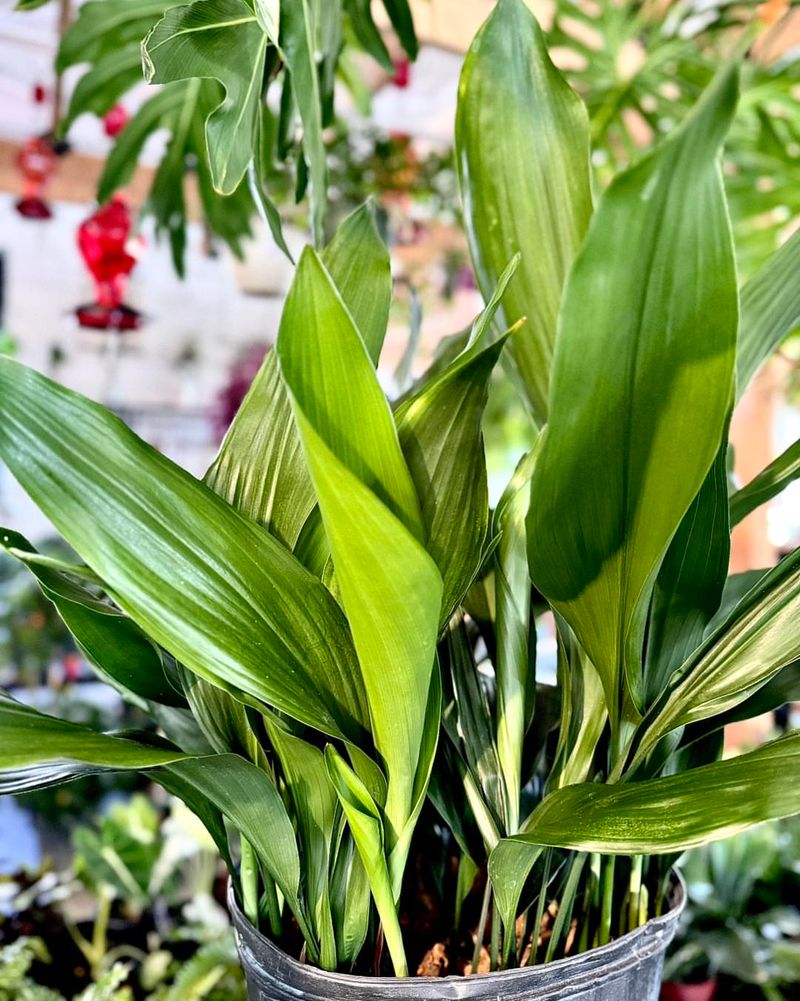
The closest match for a bold, leafy shade look in a warm-climate garden is often the cast iron plant. Known botanically as Aspidistra elatior, this tough foliage plant earns its name by handling conditions that would stress most ornamentals.
Deep shade, low fertility, and dry spells between waterings are all manageable for this resilient plant.
Cast iron plant is not native to this state, but it has a long history of performing well in local shade gardens. Its upright, strap-like leaves can grow two to three feet tall depending on conditions.
The deep green foliage creates a layered, dramatic look that gives shady beds real visual weight without demanding much in return.
Growth is genuinely slow, so patience is needed when first planting. Give it filtered shade or deep shade rather than harsh afternoon sun, which can scorch the leaves and fade the color.
It handles the humidity here better than hostas do, and it rarely needs supplemental feeding once established.
Variegated cultivars are available if you want lighter color in a dim border. These striped forms can brighten a shady spot without adding complexity to your care routine.
Overall, cast iron plant is a low-maintenance, long-lived option worth considering for any shaded bed where hostas have repeatedly underperformed.
2. Plant Coontie For A Native Evergreen Look
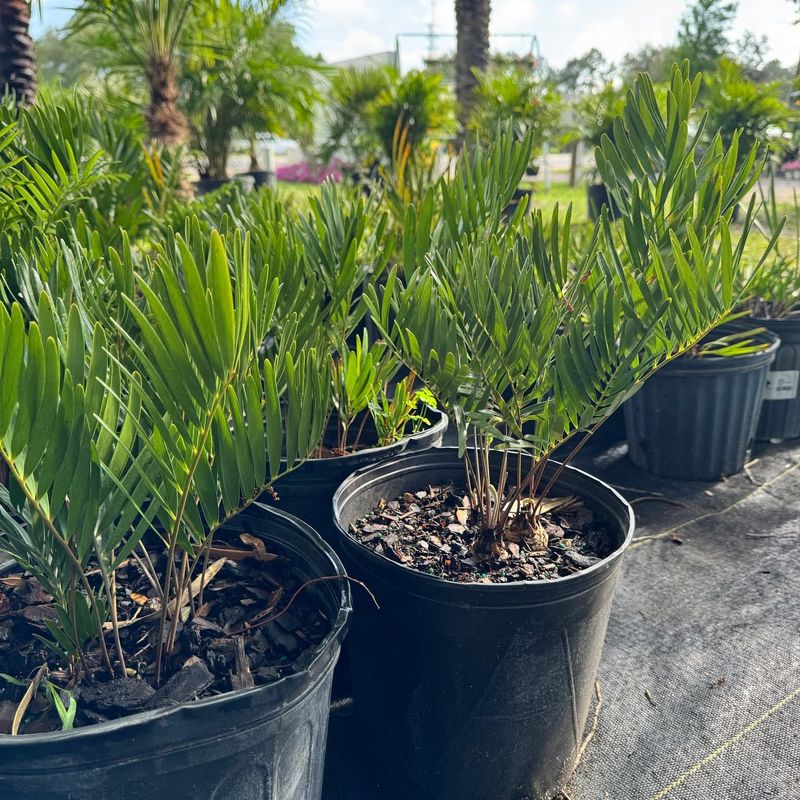
A native option changes the texture of a shade garden completely, and coontie is one of the best examples of that. Zamia integrifolia is the only cycad native to this state.
It brings a low, evergreen, fern-like quality to the landscape that feels both natural and refined. It looks at home in foundation beds, native plant borders, and naturalistic shade gardens alike.
Coontie handles a range of light conditions, from full sun to moderate shade. In hotter parts of the state, some afternoon shade often helps keep the foliage looking its best through summer.
The plant stays relatively compact, usually reaching around two to three feet in height and spread, which makes it practical for smaller spaces.
As a Florida-friendly native, coontie supports local wildlife in a meaningful way. It is the only known larval host plant for the Atala butterfly, a species that was once nearly gone from this region.
Your Florida Garden Changes Every Week. Your Plan Should Too.
Gardening in Florida changes quickly throughout the season. Every Friday you’ll receive a simple weekly plan showing exactly what to plant, prune, fertilize, harvest, and protect so you never miss the right timing.
Planting coontie helps support that recovery without any extra effort on your part.
Maintenance needs are minimal once the plant is established. It handles drought reasonably well and rarely needs supplemental fertilizer in native or amended soils.
If you want an evergreen, low-growing plant with real ecological value, coontie is a strong candidate. It also has a lush texture without being fussy, making it useful for shaded and part-shaded beds.
3. Try Swamp Fern In Moist Shady Spots
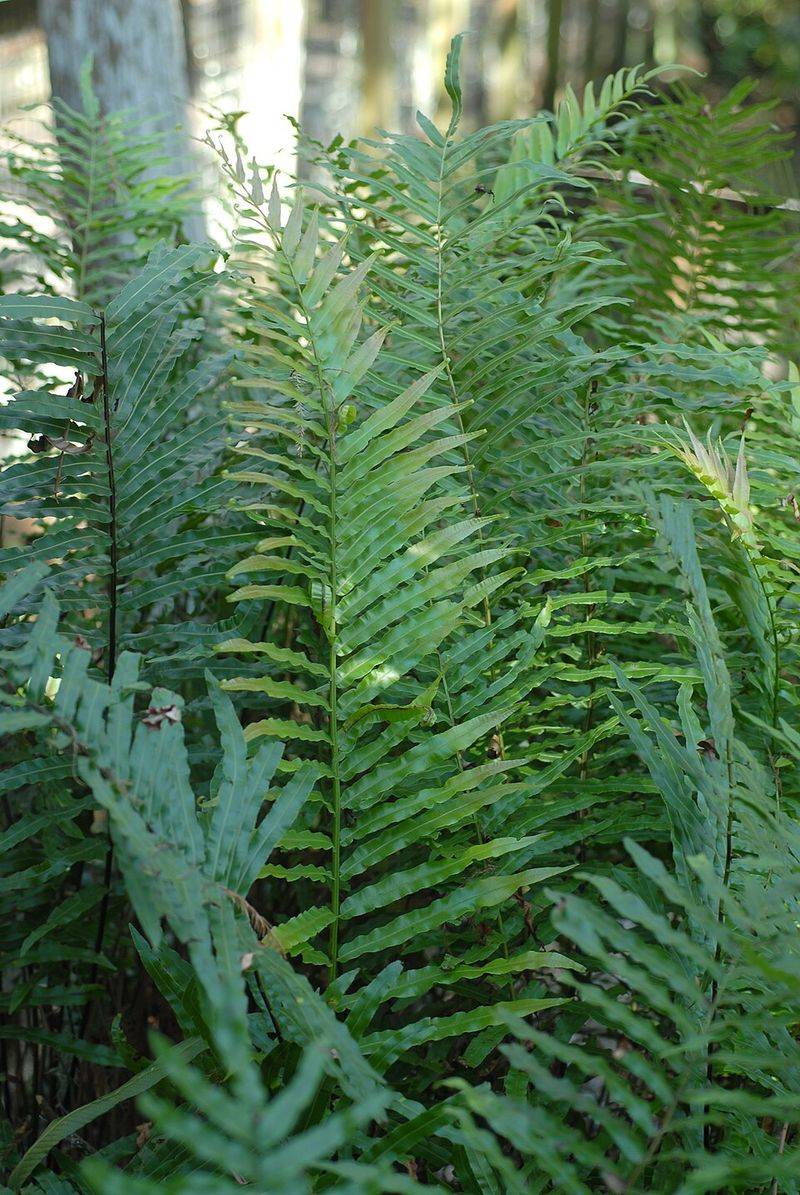
Moist shade calls for a different kind of plant, and swamp fern steps in where most foliage options would struggle. Blechnum serrulatum is native to this state and thrives in the kind of consistently damp, shaded conditions that can be tricky to plant.
Low spots near downspouts, shaded areas near ponds, and beds that stay moist after rain are all good candidates for this fern.
The fronds are bold and upright with a slightly coarse texture that reads as lush and tropical in the right setting. Swamp fern can spread over time, forming colonies in favorable conditions, which makes it useful as a ground cover in larger shaded areas.
That spreading habit is worth keeping in mind before planting in a tight, confined bed.
This fern is not the right choice for dry, sandy shade unless you plan to amend the soil and irrigate consistently. Its common name is honest about what it prefers, and planting it in the wrong conditions leads to poor performance.
Match it to the right spot and it can be genuinely impressive.
Because it is a native plant, swamp fern fits naturally into Florida-friendly landscapes and requires little intervention once established in suitable conditions. It handles the heat and humidity here without complaint, making it a practical and low-effort alternative to hostas in the right garden setting.
4. Add Wild Coffee For Glossy Native Leaves
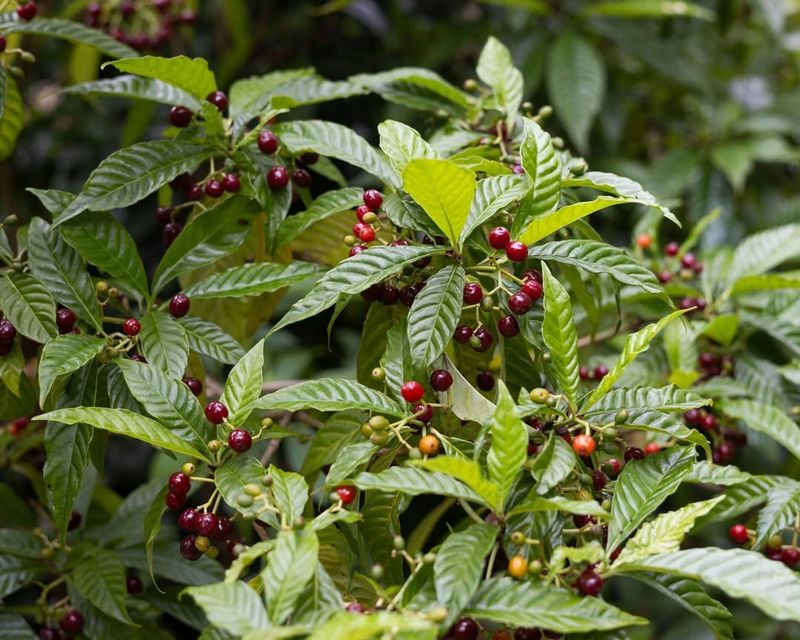
Glossy leaves can do a lot of visual work in a shaded garden, and wild coffee brings exactly that kind of quiet elegance. Psychotria nervosa is a native understory shrub that grows naturally in hammocks and shaded woodland edges across much of the state.
Its deep green, quilted leaves have a reflective surface that catches filtered light beautifully, giving shaded beds a polished look without much effort.
Wild coffee works well as a small to medium shrub in part shade or shade. It typically grows three to five feet tall, though size can vary by site and region.
The plant has a naturally tidy, upright habit that suits foundation plantings, shaded borders, and naturalistic landscape designs.
Small white flowers appear periodically, and red berries follow, which birds find attractive. The wildlife value is real but understated.
This is not a flashy plant, and that is part of its appeal. It provides structure, texture, and a layered look in shaded spaces without dominating the scene.
Because it is native, wild coffee fits into Florida-friendly landscaping programs and supports local ecology without requiring pesticides or heavy feeding. It handles humidity and warm temperatures well, and established plants are reasonably drought tolerant once the root system is settled.
For gardeners who want a refined, low-maintenance native foliage plant for shade, wild coffee is genuinely worth adding to the mix.
5. Choose Flax Lily For Strappy Variegated Texture
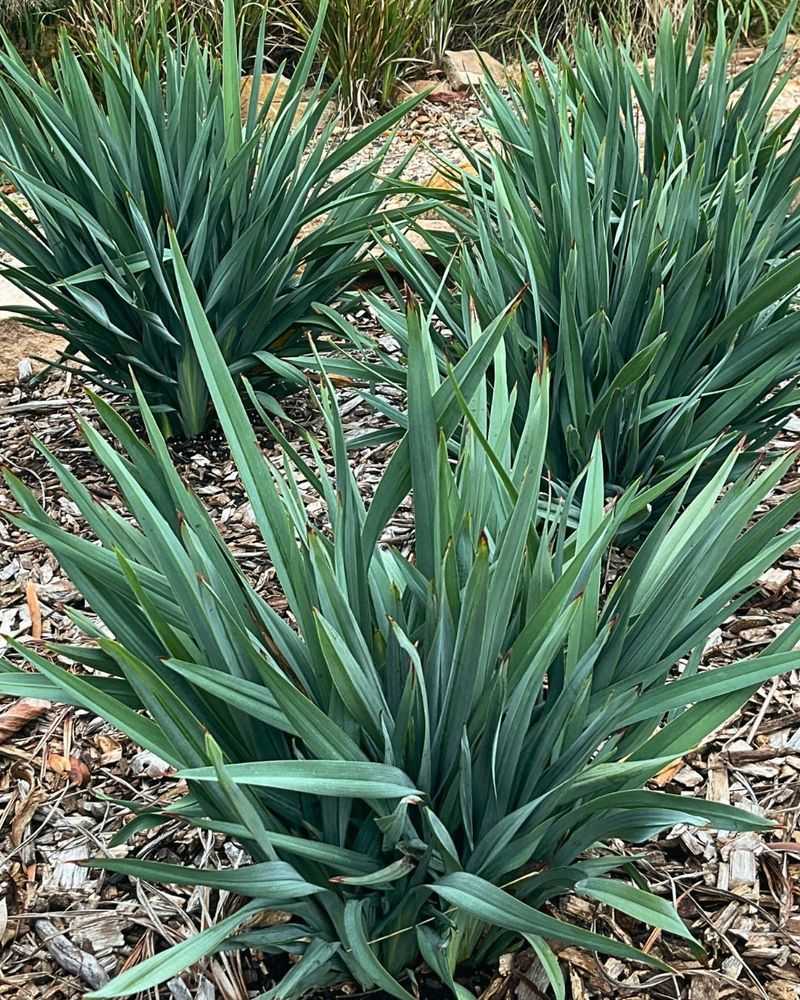
Variegated foliage brightens a dim border in a way that solid green plants simply cannot. Flax lily, known botanically as Dianella species, brings that lightening effect with its long, strappy leaves marked with creamy white or yellow edges.
The texture is completely different from hostas, but it fills a similar role as a mid-border foliage accent in part shade or bright filtered shade.
Flax lily is not native to this state, but several cultivars have shown good adaptability to warm, humid conditions. It tends to perform best with some protection from harsh afternoon sun, which can bleach the variegation and stress the plant during summer.
Morning sun or bright indirect light often gives the best leaf color and overall appearance.
This plant is not a deep-shade performer and should not be treated as a direct hosta replacement in heavily shaded spots. Think of it as a border brightener rather than a full shade solution.
It works especially well along walkways, at the front of mixed beds, or in containers where the strappy foliage adds contrast to rounder-leafed companions.
Growth is moderate and clumps can be divided over time to expand plantings or share with other gardeners. Maintenance is minimal, mostly consisting of occasional removal of older outer leaves.
For part-shade beds that feel flat or monotonous, flax lily adds movement, light, and a different kind of textural energy.
6. Use Firespike For Shade Color And Hummingbirds
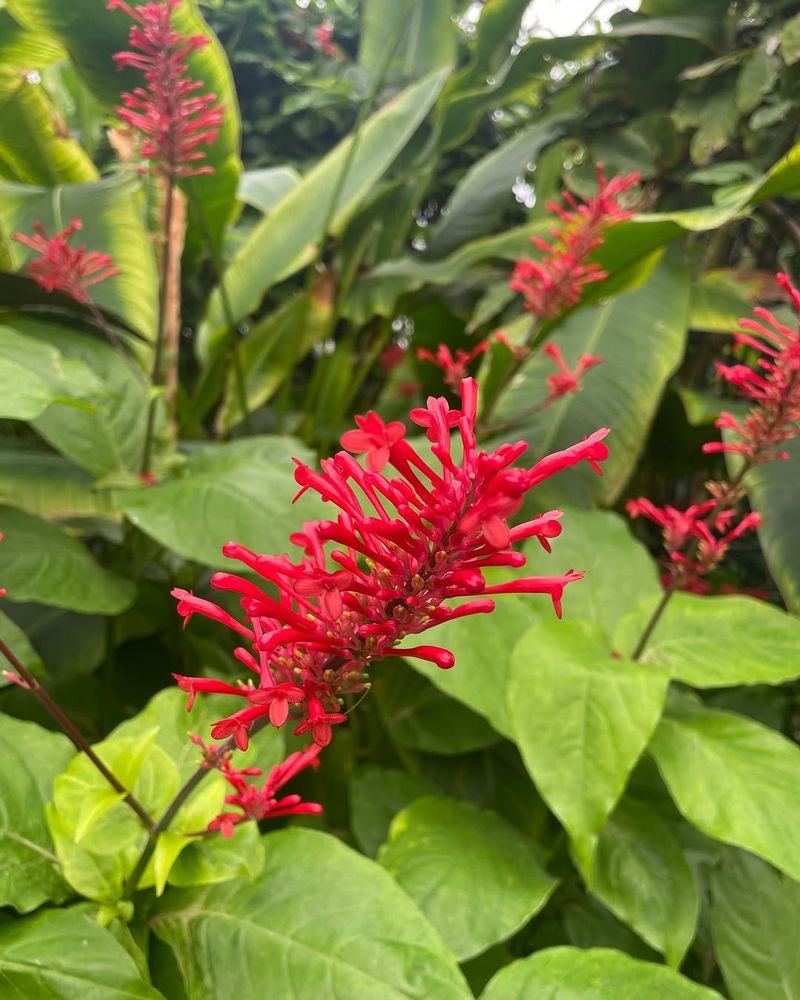
Color in shade does not have to come from hostas, and firespike proves that point with genuine flair.
Odontonema tubaeforme is a tropical shrub that produces upright spikes of bright red tubular flowers, often in fall and winter when many other plants have slowed down.
In shaded or part-shaded beds, those red spikes stand out dramatically against the surrounding green foliage.
Firespike is not native to this state. However, it has become a widely used landscape plant in warm regions here because it performs reliably and attracts hummingbirds and butterflies.
The wildlife value is a genuine bonus, especially during the cooler months when nectar sources can be limited.
It is worth being honest that firespike is more of a colorful accent shrub than a direct foliage substitute for hostas. The leaves are large and attractive, but the plant can get quite tall, sometimes reaching four to six feet or more in favorable conditions.
Give it room and use it as a backdrop or mid-border focal point rather than a low edging plant.
In northern parts of the state, firespike may be cut back by cold and behave more like a herbaceous perennial, returning from the roots in spring. In central and southern areas it tends to stay woody.
Either way, it is a rewarding plant for adding warmth and movement to shaded garden spaces that need a seasonal lift.
7. Plant Caladiums For Big Seasonal Leaf Color
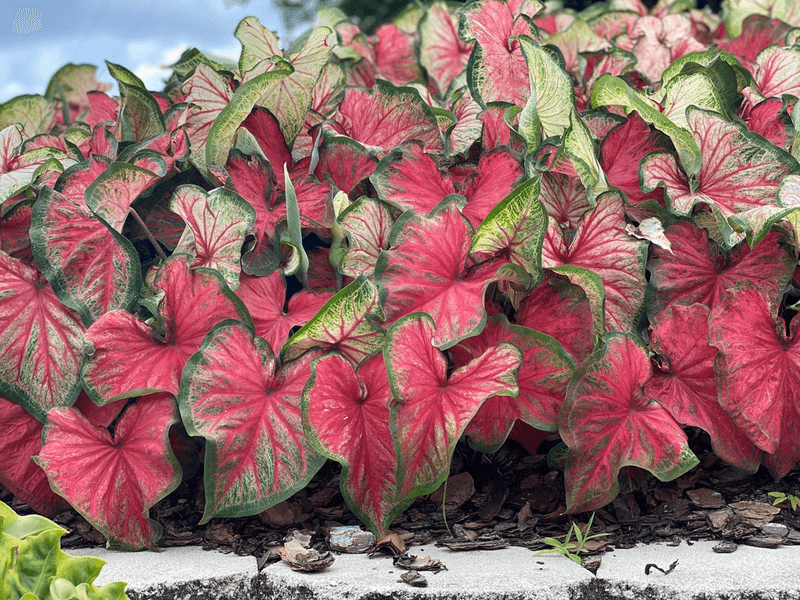
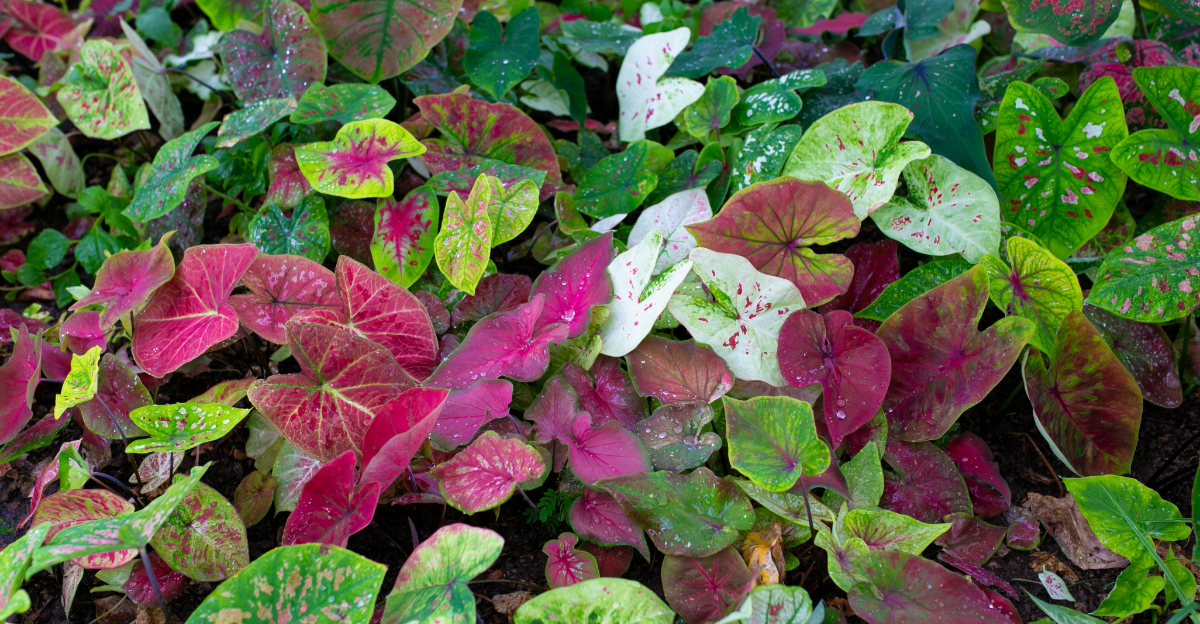
Seasonal foliage can still make a big impact, and few plants prove that better than caladiums. These tropical bulb plants are not native, but they have been a staple of warm-climate shade gardens for generations.
Their oversized, paper-thin leaves come in combinations of red, pink, white, and green. They create the kind of leafy drama most gardeners hope to get from hostas but rarely do in this climate.
Caladiums genuinely love the heat and humidity here, which is almost the opposite of how hostas respond. They thrive in summer when temperatures are high and moisture is plentiful.
Shade or filtered light suits them well, though some newer sun-tolerant cultivars can handle more exposure. Consistent moisture is important, especially in sandy soils that drain quickly.
The seasonal nature of caladiums is worth understanding before planting. They go dormant in cooler months, so beds will look bare in late fall and winter unless you plan around that gap.
Using them in containers makes it easy to move them to storage or swap in cool-season plants when the foliage fades.
For gardeners who want the lush, leafy feel of a classic shade garden from late spring through early fall, caladiums deliver reliably year after year. They work beautifully in beds, borders, and mixed containers.
Replanting tubers each season or letting them cycle naturally gives you flexibility depending on your garden style and budget.
8. Try Beautyberry For Native Foliage And Purple Berries
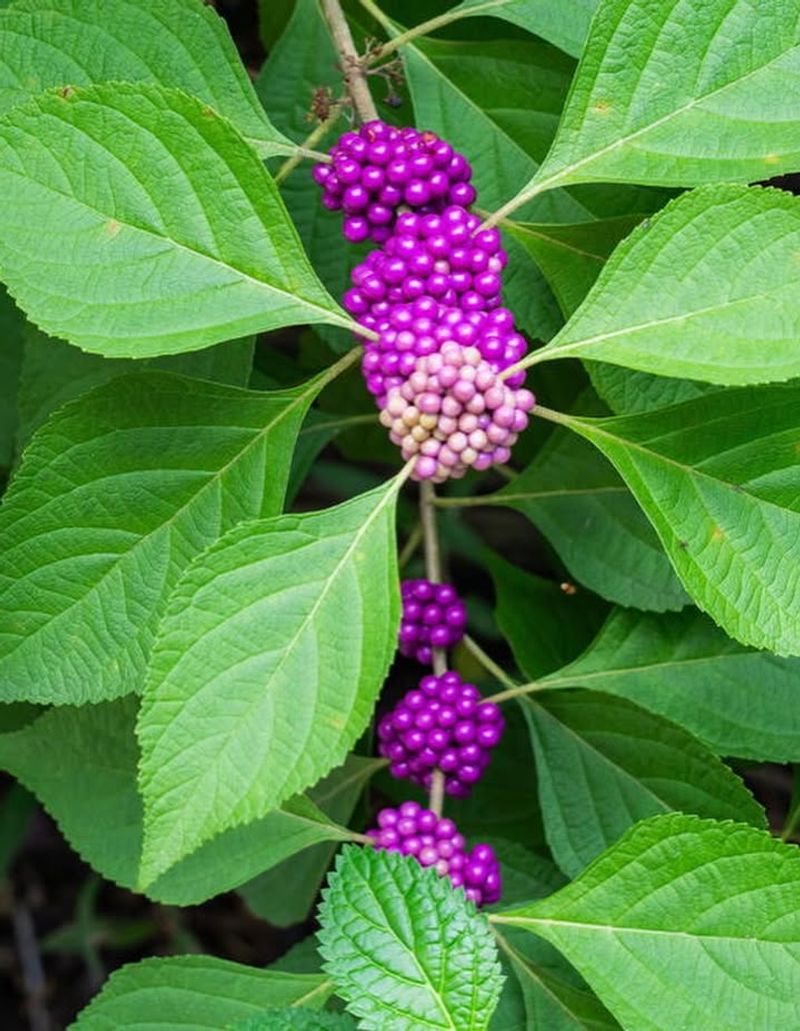
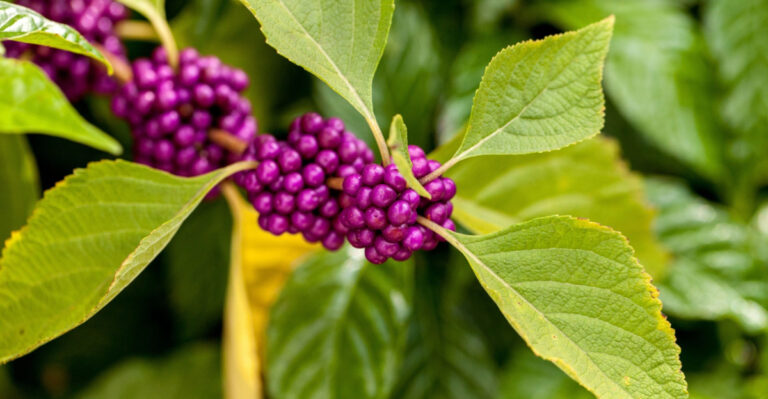
A looser native shrub works best with room, and beautyberry is a plant that genuinely rewards the gardener who gives it space. Callicarpa americana is native to this state and grows naturally along woodland edges, forest margins, and shaded roadsides.
It is not a compact, mounded plant like a hosta, but it brings foliage, seasonal interest, and real wildlife value to part-shaded areas of the landscape.
The leaves are large, slightly textured, and soft green through the growing season. In late summer and fall, the stems become lined with clusters of vivid purple berries that are among the most striking sights in any native garden.
Birds and other wildlife find the berries attractive, which adds a layer of ecological purpose beyond just aesthetics.
Being honest about beautyberry’s scale matters before planting. It can reach six feet or more in height and spread in favorable conditions, so it belongs in spots where a larger, open shrub fits the design.
Trying to keep it small through heavy pruning can reduce the berry display and stress the plant unnecessarily.
Beautyberry handles part shade well and tolerates a range of soil conditions, including the sandy, well-drained soils common in many local gardens.
It fits naturally into Florida-friendly and native plant landscapes without needing extra fertilizer or irrigation once established.
For gardeners with room for a relaxed, wildlife-supporting native shrub, beautyberry is a rewarding and honest choice.