Why Rose Leaves Turn Yellow In June In California And How To Fix It
June can be a confusing month for California rose growers. The plants may be blooming, the weather feels bright, and everything should look happy.
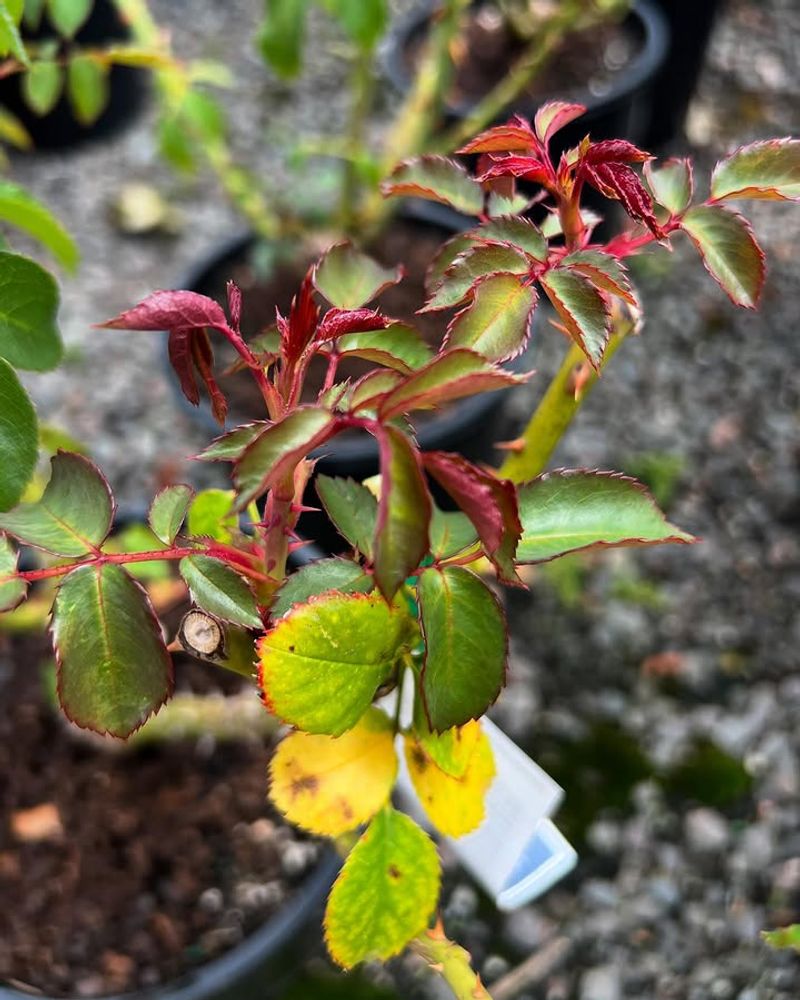
Then yellow leaves start showing up like tiny warning flags. Sometimes they appear near the bottom of the plant.
Other times they spread fast enough to make any gardener nervous. The tricky part is that yellowing can point to more than one problem.
Heat, watering habits, soil issues, pests, or normal leaf aging can all play a role. That means guessing is not always helpful, and roses are not exactly known for being chill about stress.
The good news is that yellow leaves often give useful clues before bigger problems show up.
Once you know what to look for, it becomes much easier to figure out what your roses need. June does not have to be the month your rose garden starts looking tired.
1. June Heat Can Stress Rose Leaves
Hot days in June hit roses hard, especially when temperatures climb past 90 degrees for several days in a row.
Roses love warmth, but extreme heat pushes them into a survival mode that shows up fast on their leaves.
When the plant gets too hot, it starts dropping lower leaves to conserve energy, and those leaves turn yellow before they fall.
Our state is known for long stretches of dry summer heat, and roses planted in full sun can absorb a lot of stress by midday. The soil heats up quickly, which makes it harder for roots to pull in water and nutrients.
Without those nutrients reaching the leaves, chlorophyll breaks down and yellow patches start spreading.
One of the best fixes is adding a layer of mulch around the base of your rose. A two to three inch layer of wood chips or straw keeps the soil cooler and holds moisture longer.
You can also try moving potted roses to a spot that gets afternoon shade during the hottest part of the day. Watering deeply in the early morning helps roots stay hydrated before the heat peaks.
Avoid wetting the leaves when you water, since wet foliage under strong sun can cause extra stress.
With a few small adjustments, your rose can handle June heat much better and keep its leaves green and healthy all season long.
2. Uneven Watering Causes Yellowing Fast
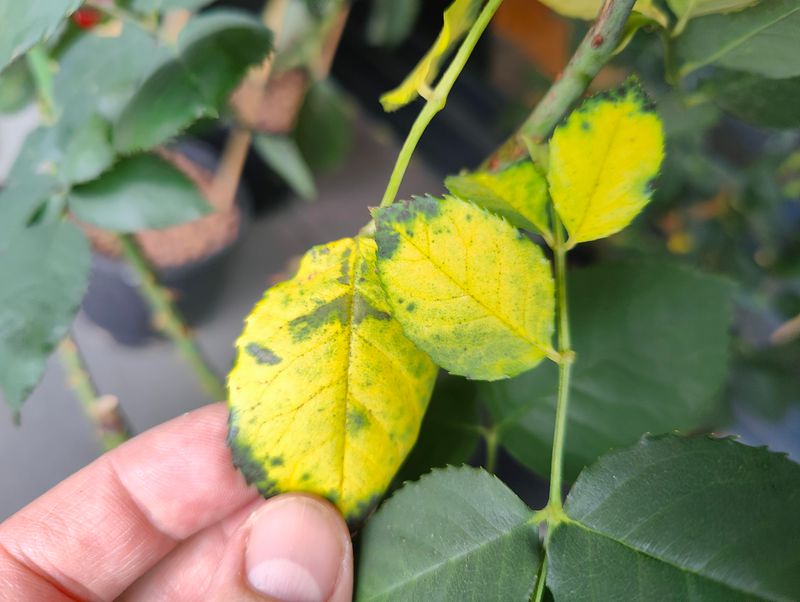
Watering your roses a little one day and a lot the next sends confusing signals to the plant. Roses need steady, consistent moisture to stay healthy, and when that rhythm gets broken, yellow leaves show up quickly.
The plant struggles to manage nutrients when the soil keeps swinging between wet and dry.
Many gardeners in our state water based on how the weather feels that day, which often leads to uneven soil moisture. Some days the garden gets skipped entirely, and other days it gets soaked.
That back-and-forth stresses the roots and makes it hard for the plant to absorb iron and magnesium, two minerals that keep leaves green.
A simple drip irrigation system or soaker hose can make a huge difference. These tools deliver water slowly and directly to the root zone, keeping moisture levels more consistent.
Your California Garden Changes Every Week. Your Plan Should Too.
Gardening in California changes quickly throughout the season. Every Friday you’ll receive a simple weekly plan showing exactly what to plant, prune, fertilize, harvest, and protect so you never miss the right timing.
If you water by hand, try to do it at the same time every morning and check the soil about two inches deep before you start. If it still feels moist, skip that day.
Roses in sandy soils may need watering every day during June heat, while those in clay-heavy soil may only need it every two to three days. Staying consistent is the key.
Once you build a steady watering routine, you will likely see new green growth appear within a couple of weeks as the plant recovers from the stress.
3. Overwatering Can Suffocate Rose Roots
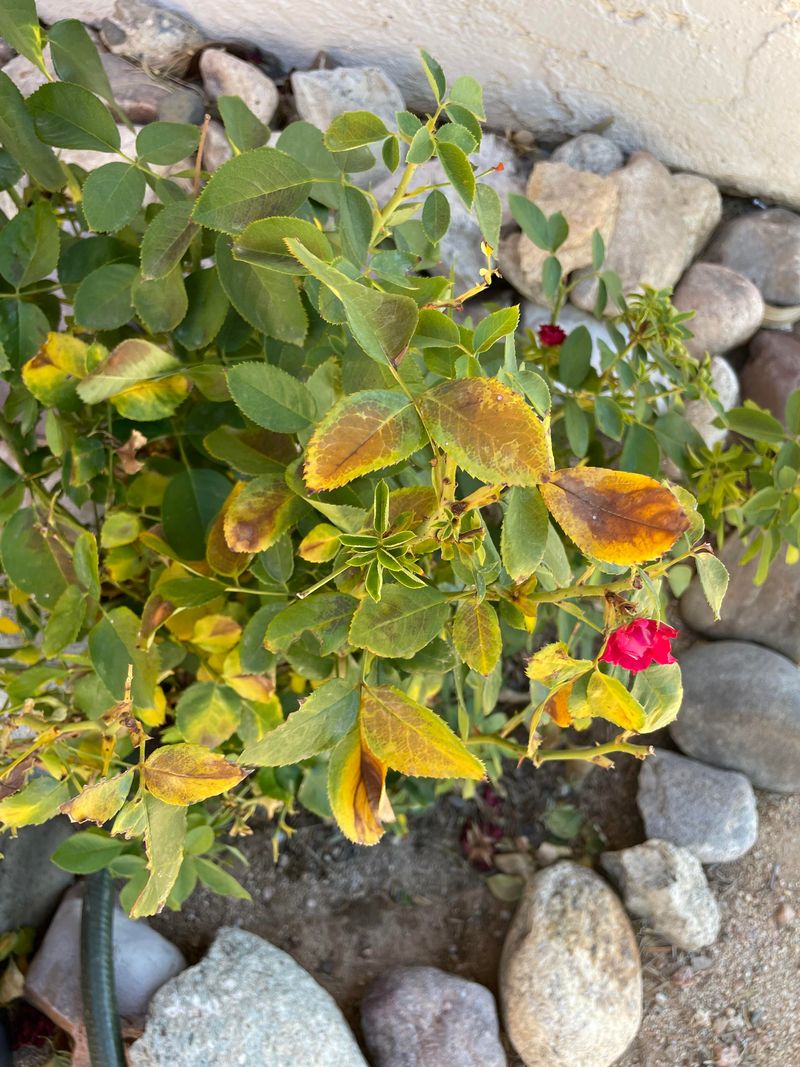
More water does not always mean a happier rose. In fact, overwatering is one of the most common mistakes gardeners make, and it causes yellow leaves just as fast as drought does.
When the soil stays soaking wet for too long, the roots cannot get enough oxygen to function properly.
Waterlogged roots begin to break down, and when that happens, the plant cannot pull nutrients up into the stems and leaves. Yellow leaves are often the first visible warning sign.
The lower leaves tend to go yellow first, and they may feel soft or limp rather than crisp. The soil around an overwatered rose often smells a bit sour or musty, which is a clear signal something is wrong underground.
Check your drainage before changing your watering schedule. If water pools around the base of your rose for more than an hour after watering, your soil may need amendment.
Mixing in compost or coarse sand helps improve drainage in heavy clay soils. Raised beds are another great option for roses in areas with poor drainage.
If your rose is in a container, make sure the pot has drainage holes and is not sitting in a saucer full of water.
Pull back on watering frequency and let the top inch or two of soil dry out between sessions. Your rose will thank you with firmer, greener leaves once the roots can breathe again.
4. Dry Soil Makes Lower Leaves Drop
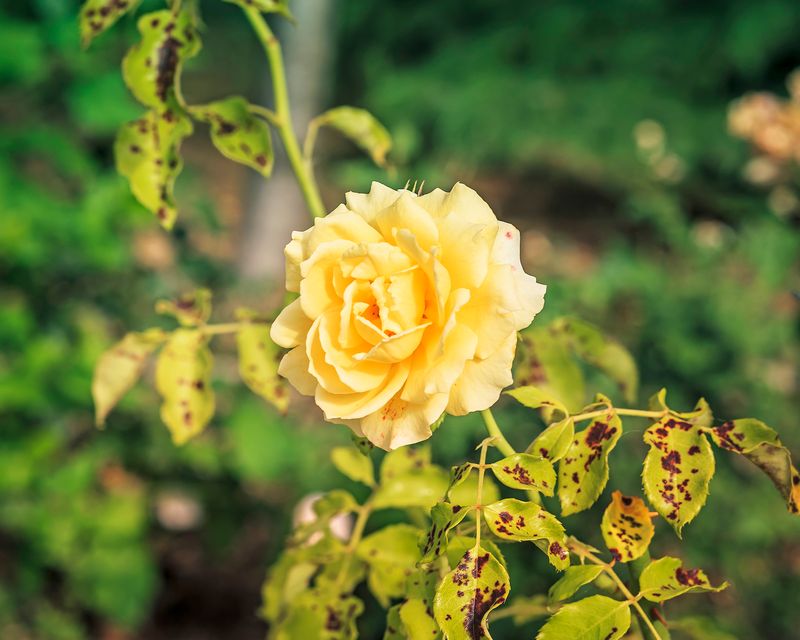
When soil dries out completely between waterings, roses respond by sacrificing their oldest leaves first.
Those lower leaves turn yellow and drop as the plant redirects whatever moisture it has toward newer growth and blooms.
It is a survival response, but it leaves the plant looking bare and unhealthy from the bottom up.
June in our state often brings low humidity and warm winds that pull moisture out of the soil faster than expected. Even if you watered two days ago, the top layer of soil can look dry while the deeper root zone is also running low.
Sticking your finger two inches into the soil is the most reliable way to check if your rose actually needs water.
Mulching is one of the most effective tools for keeping soil moisture steady. A thick layer of organic mulch placed around the base of the plant slows evaporation dramatically.
Wood chips, shredded bark, or even straw all work well. Keep the mulch a few inches away from the main stem to prevent rot.
Water deeply when you do water, rather than a little every day. Deep watering encourages roots to grow further down into the soil, where moisture lasts longer.
Shallow watering keeps roots near the surface where they dry out fast. With better mulching and deeper watering habits, your rose will hold onto its lower leaves and stay fuller looking all summer long.
5. Spider Mites Thrive In Hot Weather
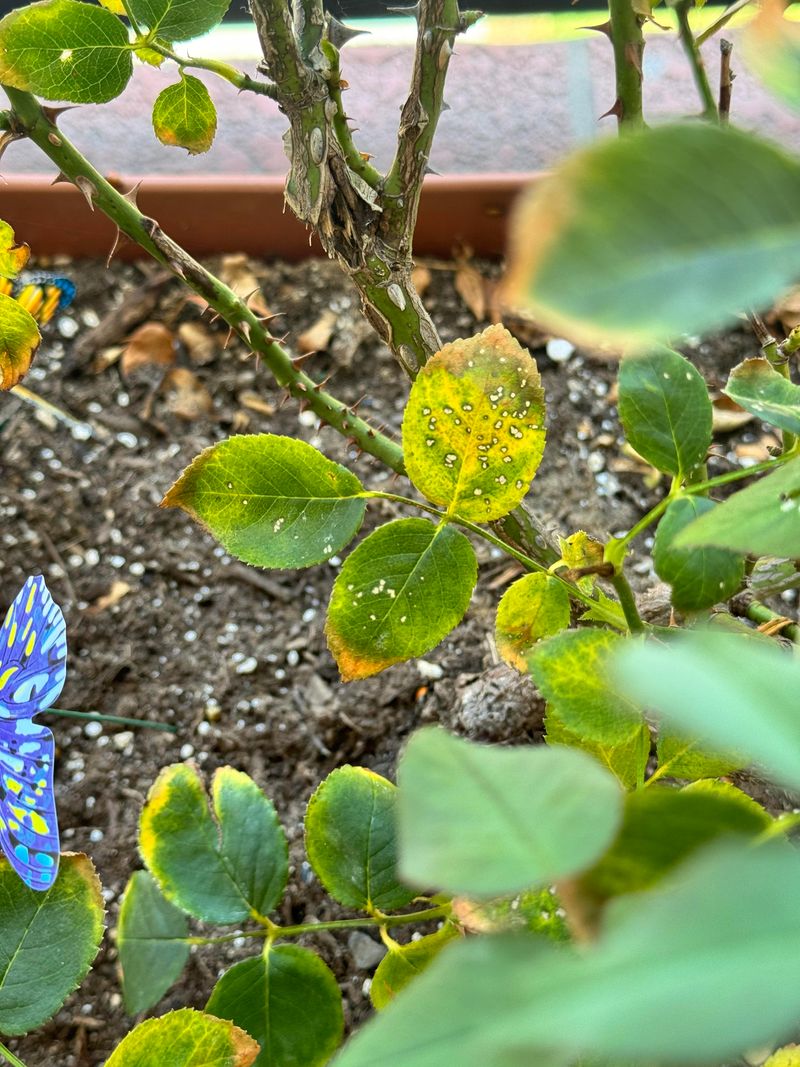
Tiny and nearly invisible to the naked eye, spider mites are sneaky troublemakers that love hot, dry conditions. June weather in our state is practically a welcome mat for these pests.
They gather on the undersides of rose leaves and pierce the leaf tissue to feed, which causes a speckled yellow pattern that spreads quickly across the whole plant.
If you look closely at the underside of affected leaves, you might see fine webbing that looks like tiny threads. That webbing is a sure sign spider mites have moved in.
A heavy infestation can strip a rose plant of most of its green color in just a week or two if left untreated. The damage looks like hundreds of tiny yellow or bronze dots all over the leaf surface.
A strong blast of water from a garden hose can knock mites off the leaves and reduce their numbers fast. Do this in the morning so the leaves dry before evening.
Neem oil spray is a popular and effective organic treatment that smothers mites without harming beneficial insects. Mix it with water and a small drop of dish soap, then spray the entire plant, especially the leaf undersides.
Repeat every five to seven days for two to three weeks. Keeping humidity slightly higher around your roses by misting nearby areas can also discourage mites, since they prefer hot and dry conditions above all else.
6. Black Spot Can Turn Leaves Yellow
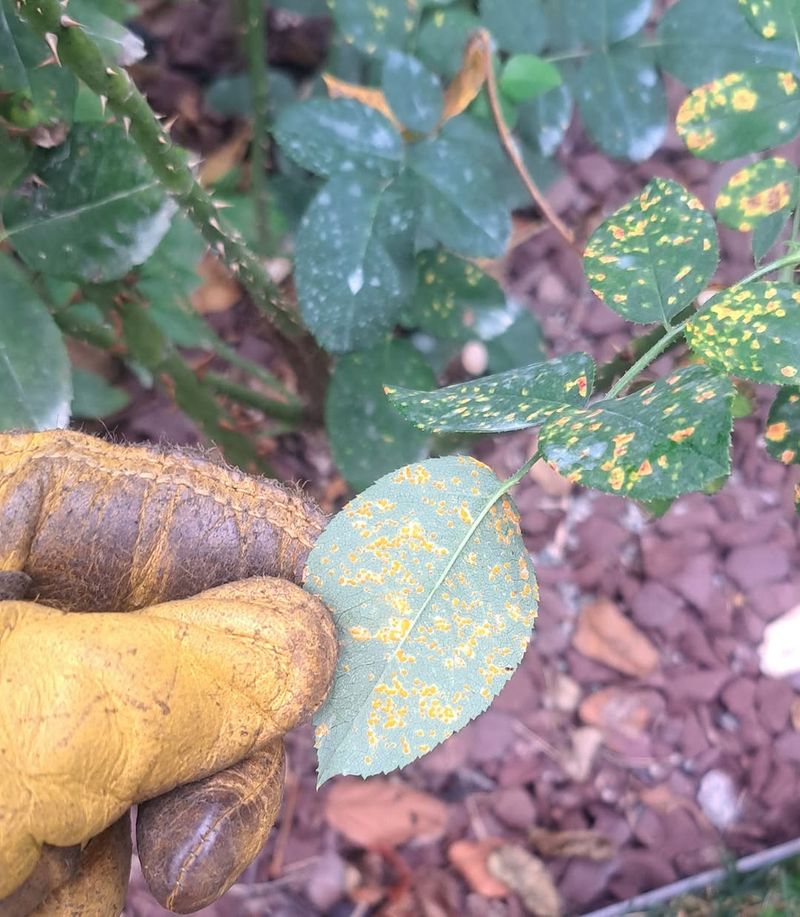
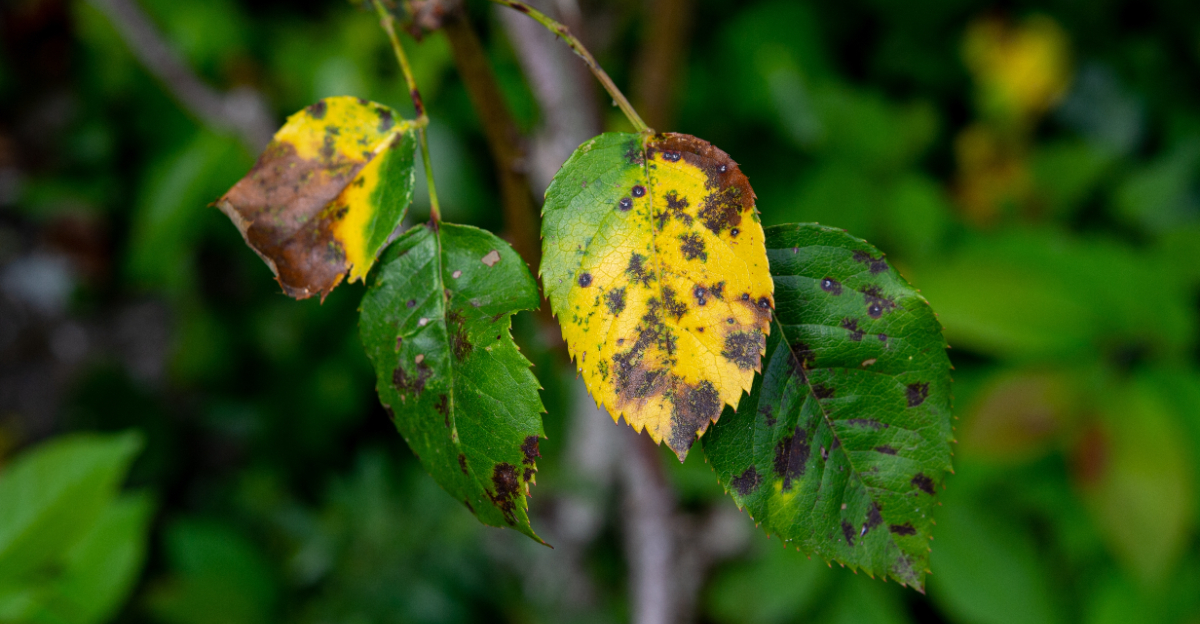
Black spot is a fungal disease that shows up on rose leaves as dark circular spots surrounded by yellow rings.
It spreads fast during warm weather, especially when leaves stay wet after watering or rain. Once a leaf gets infected, it usually turns completely yellow and falls off within days.
This disease is caused by a fungus called Diplocarpon rosae, and it overwinters in fallen leaves and infected canes. When June brings warm temperatures and morning dew, the spores spread easily from plant to plant through splashing water.
Roses planted close together with poor air circulation are the most vulnerable. Lower leaves tend to show symptoms first, but the infection can move up the entire plant if not treated.
Removing and bagging infected leaves right away is the most important first step. Never compost rose leaves with black spot, since the spores can survive and spread later.
Clean up any fallen leaves from the soil around the base of the plant. Fungicide sprays containing copper or sulfur are effective treatments and can be found at most garden centers.
Apply them according to the label instructions, usually every seven to ten days. Water at the base of the plant rather than overhead to keep leaves dry.
Pruning to improve airflow between branches also helps prevent future outbreaks and keeps the plant stronger heading into the rest of summer.
7. Powdery Mildew Weakens New Growth
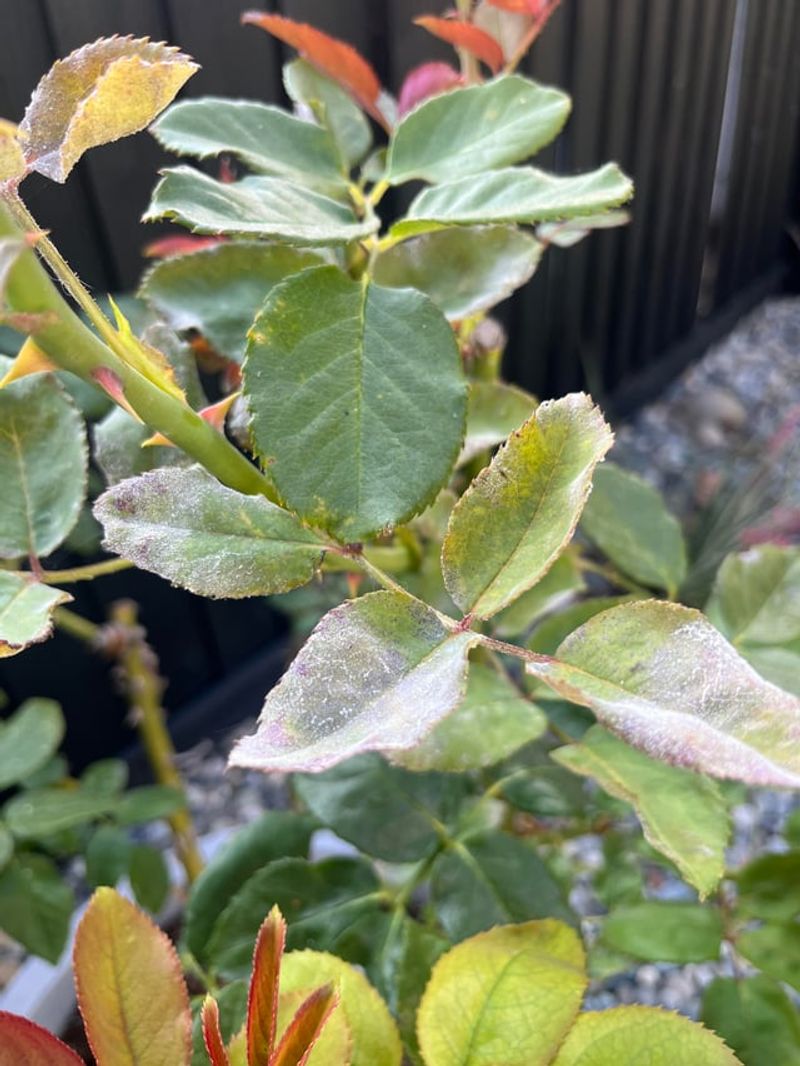
Powdery mildew looks exactly like its name suggests, a white or grayish powder coating on the surface of leaves and stems.
It tends to hit new growth first, causing young leaves to curl, twist, and turn yellow.
While it does not spread as aggressively as black spot, it weakens the plant over time and makes it more vulnerable to other problems.
Unlike most fungal diseases, powdery mildew does not need wet conditions to spread. It actually thrives when days are warm and nights are cool, which describes many June evenings in our state perfectly.
Poor air circulation around densely planted roses gives the spores an easy path from one plant to another. Shaded areas with low airflow tend to have the worst outbreaks.
Pruning crowded branches to open up the center of the plant helps air move through more freely, which slows the spread. A homemade spray made from one tablespoon of baking soda, one teaspoon of dish soap, and one gallon of water can help manage mild cases.
Spray it on affected areas every week until symptoms clear. Commercial fungicide sprays labeled for powdery mildew also work well.
Avoid fertilizing heavily during an active outbreak, since lush new growth attracts mildew even more.
Once the plant recovers, choosing mildew-resistant rose varieties for future planting will save you a lot of trouble in the long run.
8. Too Much Fertilizer Can Burn Roots
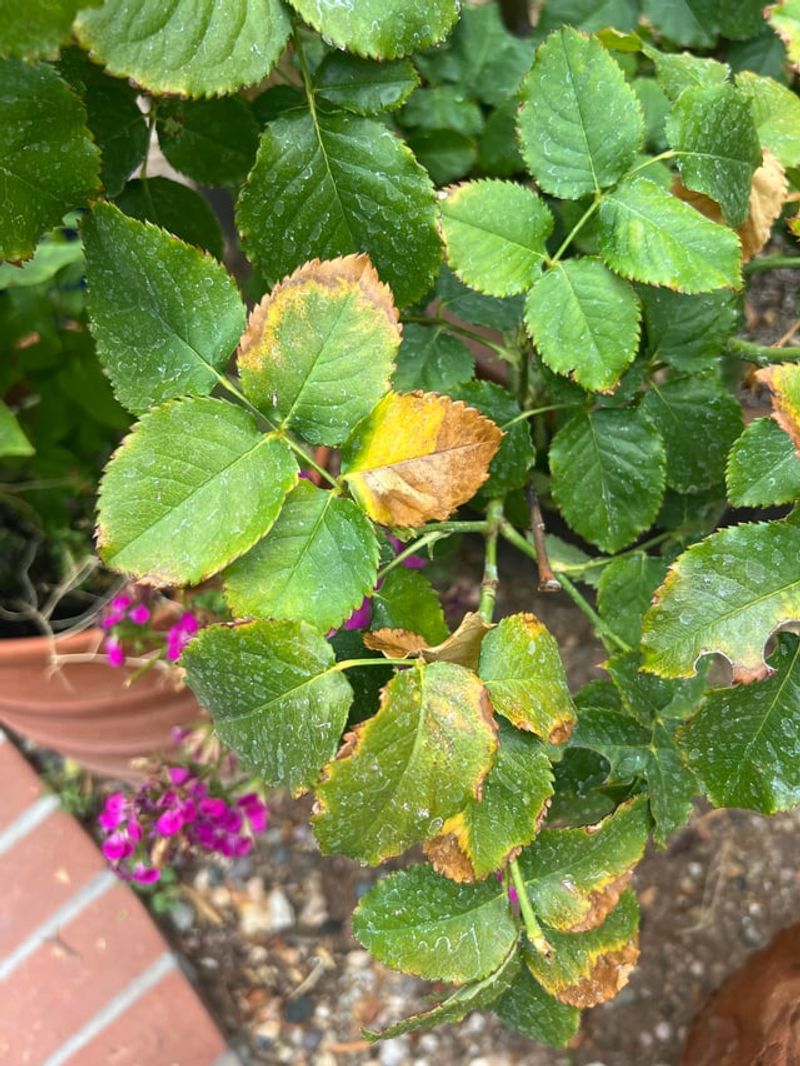
Giving your roses extra fertilizer might seem like a kind thing to do, but too much of it actually causes serious harm.
When fertilizer salts build up in the soil, they pull moisture away from the roots through a process called osmotic stress.
The roots essentially get dehydrated from the inside, and the leaves start turning yellow or developing brown, crispy edges.
Fertilizer burn is especially common in June when gardeners want their roses to bloom big for summer. It often happens when granular fertilizer is applied too close to the stem, or when liquid fertilizer is used more frequently than the label recommends.
Signs of overfertilization include yellowing leaves, leaf tips that turn brown, and a white crusty residue on the soil surface.
If you suspect fertilizer burn, flush the soil with plenty of plain water to wash the excess salts deeper into the ground and away from the root zone. Do this slowly over about thirty minutes to let the water absorb properly.
Hold off on any more fertilizer for at least four to six weeks while the plant recovers. When you do fertilize again, use a balanced, slow-release formula and follow the package directions carefully.
Less is more when it comes to rose fertilizer. A healthy rose fed moderately and consistently will always outperform one that gets too much all at once. Patience here really pays off.