Why California Roses Go Dormant In Summer And Whether You Should Help Them
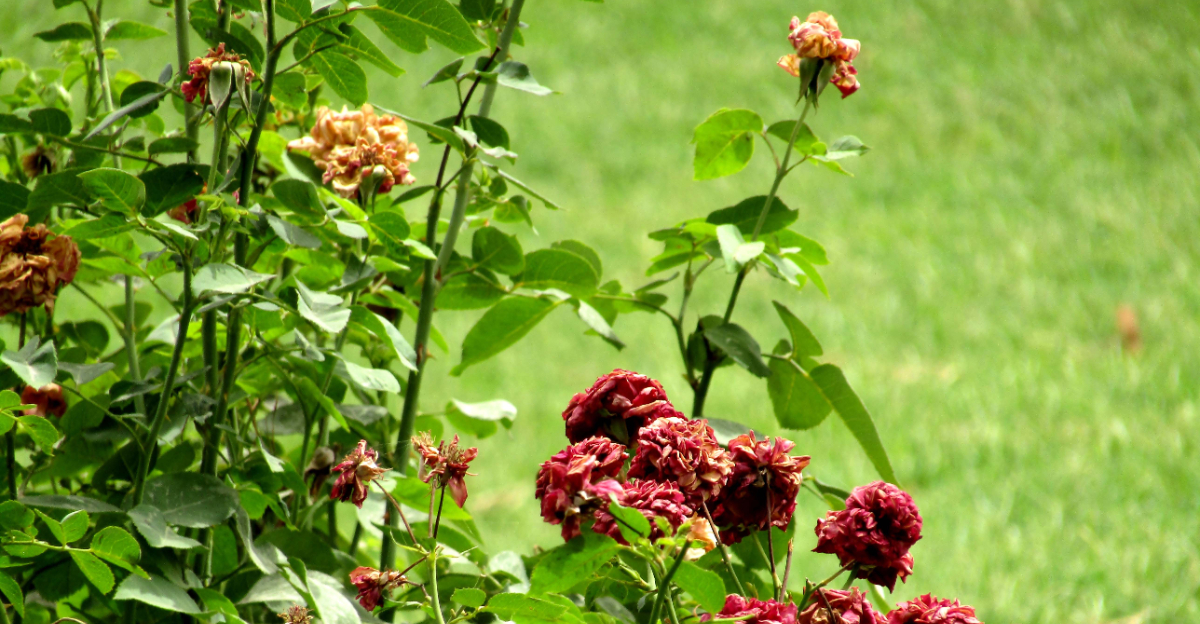
Roses usually get attention for spring blooms, so it can feel strange when they slow down during a California summer.
Hot days can push the plant into a rest mode, especially when water is limited or the sun feels too intense.
The leaves may look tired before the whole shrub seems to pause. This does not always mean something is wrong.
Sometimes the rose is simply protecting itself until conditions improve. That is where gardeners can get confused.
Should you prune, feed, water more, or leave it alone? The right answer depends on what the plant is showing you.
Summer dormancy can be normal in tough heat, but careless help can add stress. Read the signs first, and you can decide when your rose needs support and when it just needs time.
1. Summer Dormancy Is Really Heat Slowdown
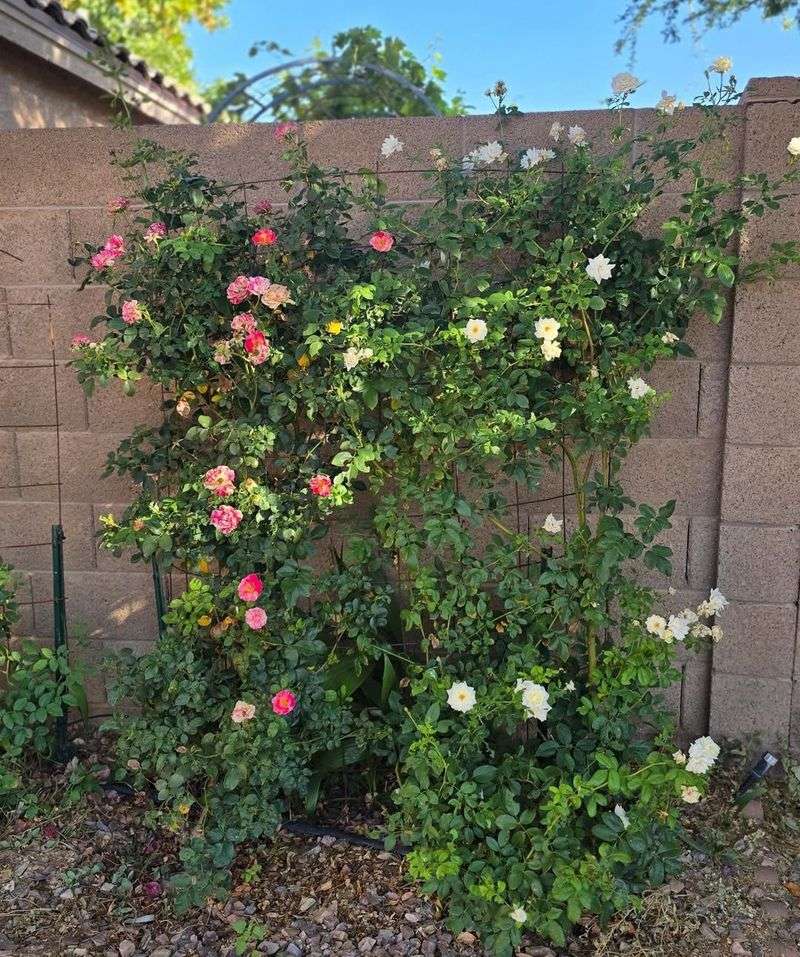
Most people hear the word dormancy and think of winter. But roses in California have a different schedule.
When temperatures climb past 90 degrees, roses shift into a kind of low-power mode to protect themselves.
During this heat slowdown, growth slows way down. New buds stop forming. Leaves may look dull or a little limp. The plant is not struggling as much as it looks like it is.
It is just conserving energy and water until cooler weather returns. Think of it like a bear going into hibernation, except this happens in July instead of December.
The rose pulls back on all the big, showy activity and focuses on keeping its roots and core structure alive.
This is completely normal behavior for roses in warm, dry climates. California has long, hot summers with very little rain.
Roses have adapted to handle this by going quiet when the heat peaks.
The big mistake gardeners make is treating a heat-slowed rose like a sick one. They start fertilizing, watering more often, and pruning, which can actually cause more stress.
The best move during heat slowdown is to stay calm and keep your care routine simple and steady.
Once temperatures drop in late summer or early fall, you will likely see your roses perk right back up. New buds will form, and blooming will return almost like magic.
2. Roses Stop Blooming To Save Moisture
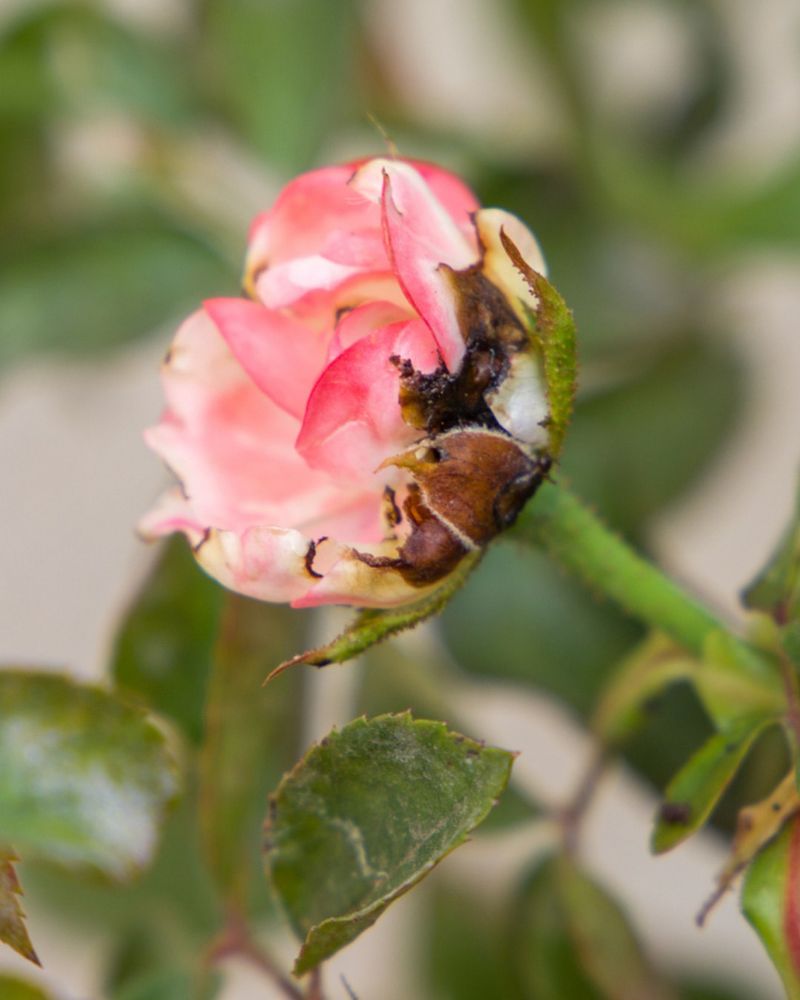
Flowers are expensive for a plant. Not in money, of course, but in water and energy.
Each bloom takes a serious amount of resources to grow, open, and maintain. When water is scarce and heat is high, the plant makes a smart trade.
It stops blooming. That might feel like a disappointment if you planted roses for their flowers.
But this pause is actually a sign that the plant is making good decisions about how to use what little moisture it has.
California summers can go weeks without rain. Even with regular watering, the heat pulls moisture out of the soil faster than roots can absorb it.
Roses respond by shutting down non-essential functions, and flowers are at the top of that list.
Buds may form but never open. Some may drop off before they even get started.
Your California Garden Changes Every Week. Your Plan Should Too.
Gardening in California changes quickly throughout the season. Every Friday you’ll receive a simple weekly plan showing exactly what to plant, prune, fertilize, harvest, and protect so you never miss the right timing.
This can look alarming, but it is usually just the plant protecting itself from overextending its resources.
You can help by making sure your roses get deep, consistent watering during dry spells. Soaking the root zone slowly and thoroughly is far more helpful than light daily watering.
This encourages roots to grow deeper, where the soil stays cooler and holds moisture longer.
Once the heat breaks in fall, blooming almost always returns. Many rose gardeners in California get their best blooms in October and November, long after summer stress has passed.
3. Wilting Can Be A Protective Stress Response
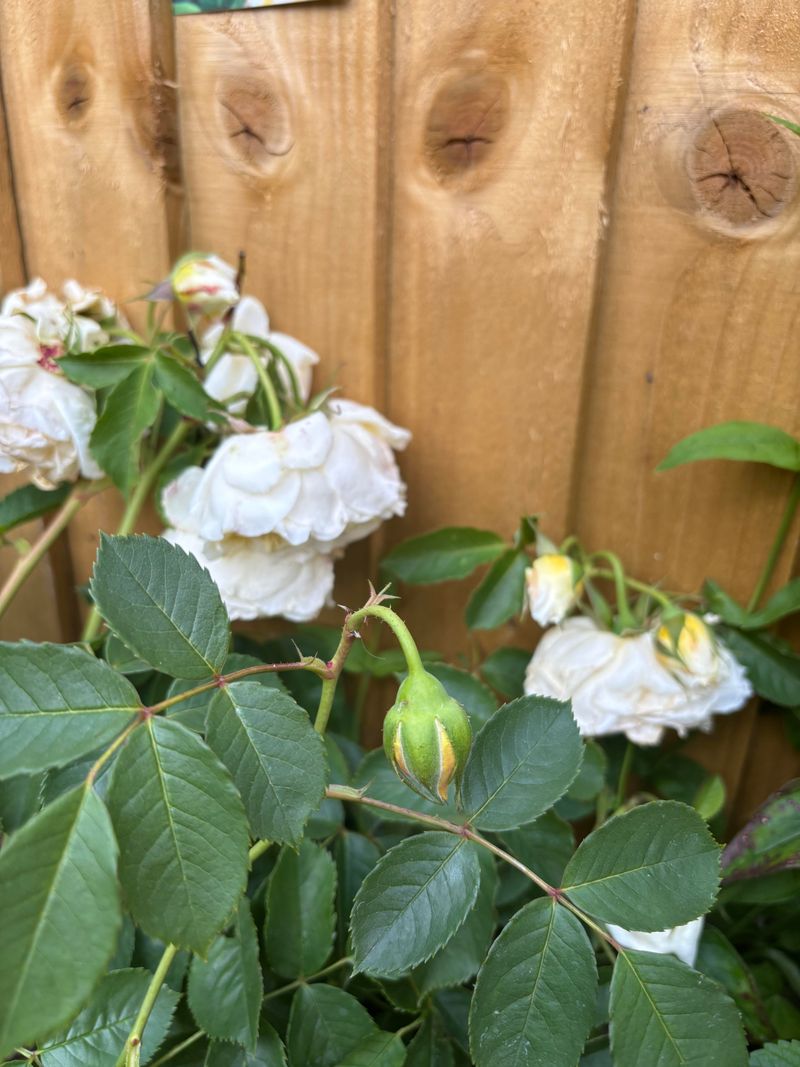
Seeing your rose droop in the afternoon heat can feel alarming. But wilting is not always a sign that something has gone terribly wrong.
In many cases, it is the plant doing exactly what it is supposed to do.
When a rose wilts, it is reducing the surface area exposed to the sun. Leaves curl slightly, stems droop, and the whole plant seems to shrink into itself.
This cuts down on how much moisture the plant loses through its leaves.
It is a protective move, not a panic signal. If your rose looks wilted at two in the afternoon but bounces back by evening, that is perfectly normal summer behavior.
The plant is managing its water budget hour by hour. Where it gets serious is when wilting does not go away overnight.
If your rose is still drooping in the morning before the heat builds back up, that is a sign the roots are not getting enough water.
That kind of wilting needs attention.
Check the soil about two to three inches down. If it feels dry and crumbly, your rose is thirsty.
Give it a slow, deep soak and check again the next morning. Consistent wilting over several days usually means your watering schedule needs to be adjusted for the current heat level.
Afternoon wilting alone is not an emergency. It is just your rose being smart about a tough situation.
4. Leaf Drop Means The Roots Are Too Dry
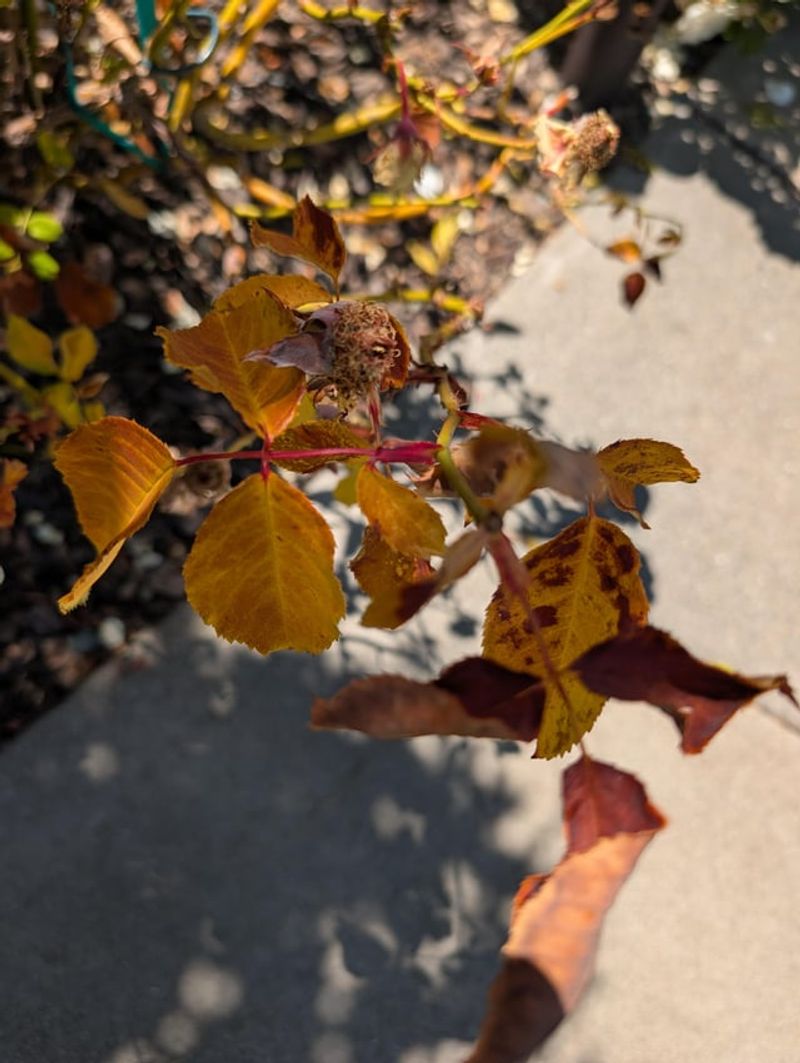
When a rose starts dropping leaves in summer, a lot of gardeners assume there is a pest or disease at work. Sometimes that is true.
But during hot, dry months, leaf drop is often just the plant telling you it is too thirsty.
Roses shed leaves as a way to reduce water loss. Fewer leaves mean less moisture escaping through the surface of the plant.
It is a last-resort move, but it is a logical one when the soil around the roots gets critically dry.
You might notice the leaves turning yellow before they fall. Or they may go straight to brown and crispy.
Either way, the message is the same. The root system is not getting the water it needs to keep all those leaves alive and working.
The fix is straightforward but takes some patience. Start by watering deeply and slowly at the base of the plant.
Do not splash water on the leaves. Let the water sink down to where the roots actually are, which can be a foot or more below the surface.
Do this every few days during peak heat, and watch for improvement over the next week or two. New leaves may not appear right away, but the plant should stop dropping the ones it has left.
Adding a layer of mulch around the base of the plant can also slow down how fast the soil dries out between waterings, which helps a lot.
5. Brown Leaf Edges Signal Heat Stress
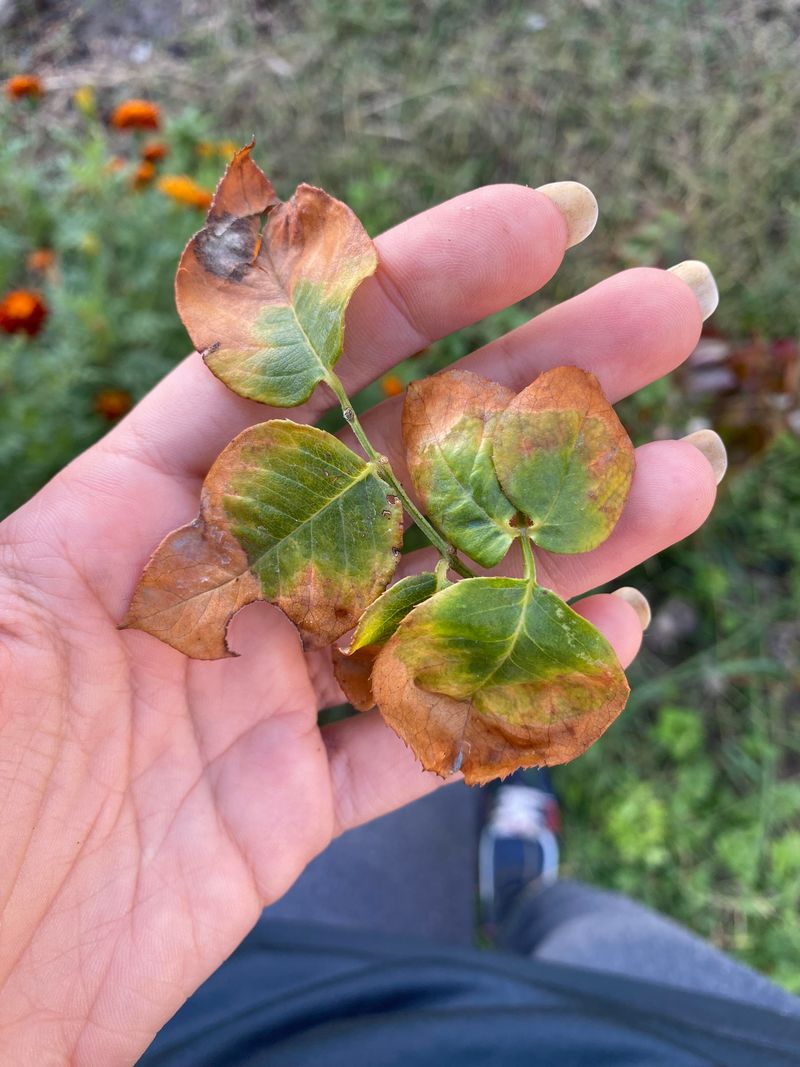
Brown, crispy edges on rose leaves are one of the most common things gardeners notice during summer.
It looks a little like the leaves got scorched, and honestly, that is pretty close to what actually happened.
High temperatures combined with dry air pull moisture out of the leaf edges faster than the plant can replace it.
The result is that telltale brown fringe that makes your roses look rough even when the rest of the plant seems okay.
This is called leaf scorch, and it is a heat stress response. It does not mean the plant is beyond help.
It just means the conditions have been pushing the limits of what the rose can handle.
Leaf scorch is more common when hot weather comes with low humidity and strong afternoon sun.
California summers check all those boxes, which is why this is such a frequent sight in gardens here.
You cannot reverse the browning on leaves that are already damaged. But you can stop it from spreading.
Deep, consistent watering is the most important step. Making sure the soil stays moist a few inches down gives the roots what they need to keep up with the heat.
Trimming off the worst-looking leaves can also help the plant look better and redirect its energy. Just do not remove too many at once.
The plant still needs some leaf coverage to absorb sunlight and keep functioning through the summer months.
6. Deep Watering Helps More Than Daily Sprinkles
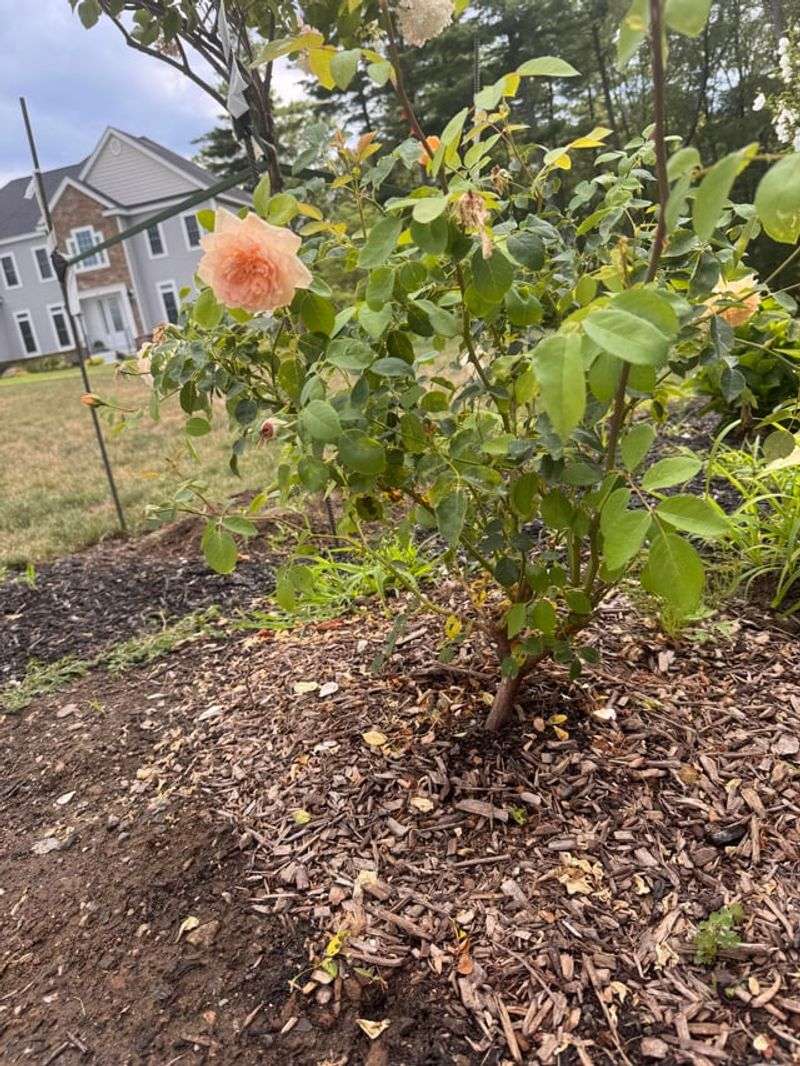
A lot of gardeners water their roses a little bit every single day, thinking more frequent is better. During summer heat, that approach can actually work against you.
Light watering only reaches the top inch or two of soil, and in hot weather, that moisture evaporates before roots can even use it.
Deep watering is a completely different approach. Instead of watering often and lightly, you water less often but for much longer.
The goal is to push water down eight to twelve inches into the soil, where roots are actively growing and where the ground stays cooler.
When roots have to reach deeper for water, they grow stronger and more drought-tolerant.
A rose with a deep root system handles summer heat much better than one that has been trained to expect shallow daily watering.
A good target for most roses in summer is a deep soak two to three times per week. The exact number depends on your soil type, your temperatures, and how much sun your roses get.
Sandy soil drains faster and may need more frequent watering than clay-heavy soil.
Try using a soaker hose or drip irrigation system at the base of the plant. These tools deliver water slowly and directly to the root zone.
They also keep water off the leaves, which helps prevent fungal problems that can sneak in during humid stretches.
Morning watering is best. It gives the plant a full supply of moisture before the hottest part of the day begins.
7. Mulch Keeps Rose Roots Cooler Longer
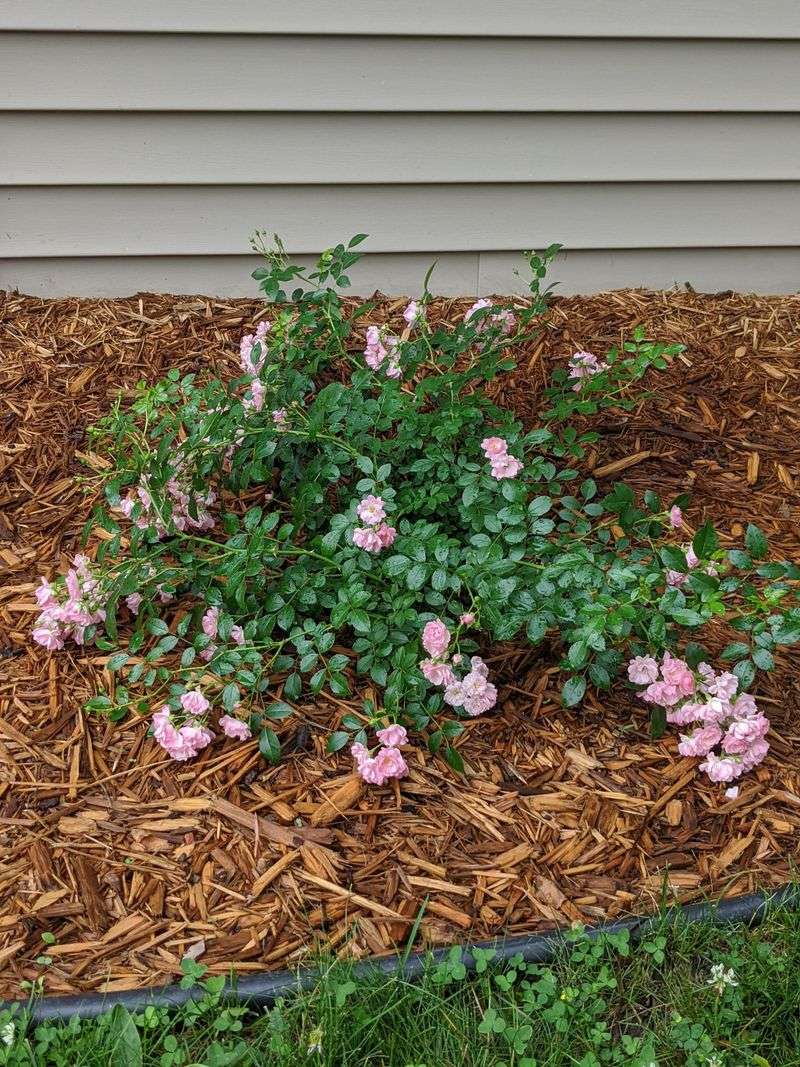
One of the simplest things you can do for your roses in summer costs very little and takes almost no time.
A thick layer of mulch around the base of the plant can make a huge difference in how well your roses handle the heat.
Mulch acts like a blanket for the soil. It blocks direct sunlight from hitting the ground, which keeps soil temperatures much lower.
Studies have shown that mulched soil can be ten to twenty degrees cooler than bare soil in direct sun. That is a big deal for roots that are trying to stay hydrated.
Mulch also slows down evaporation. When soil dries out more slowly, you do not have to water as often, and your roses stay more consistently hydrated between waterings.
Both of those things reduce heat stress significantly.
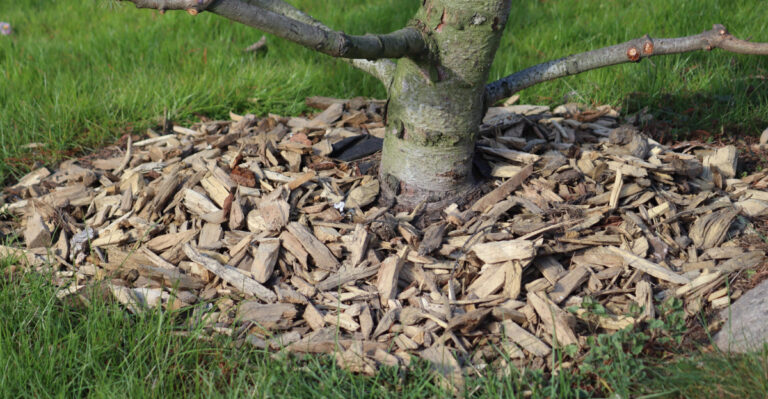
Wood chips, shredded bark, and straw all work well. Aim for a layer about three to four inches thick.
Spread it in a wide circle around the plant, but keep it a few inches away from the base of the canes. Mulch piled directly against the stems can trap moisture and cause rot.
Replenish your mulch layer every few months, especially in summer when it breaks down faster. Fresh mulch also looks tidy and keeps weeds down, which is a nice bonus.
This one simple habit can dramatically reduce the amount of stress your roses experience from late spring all the way through fall.
8. Afternoon Shade Can Prevent Cane Sunburn
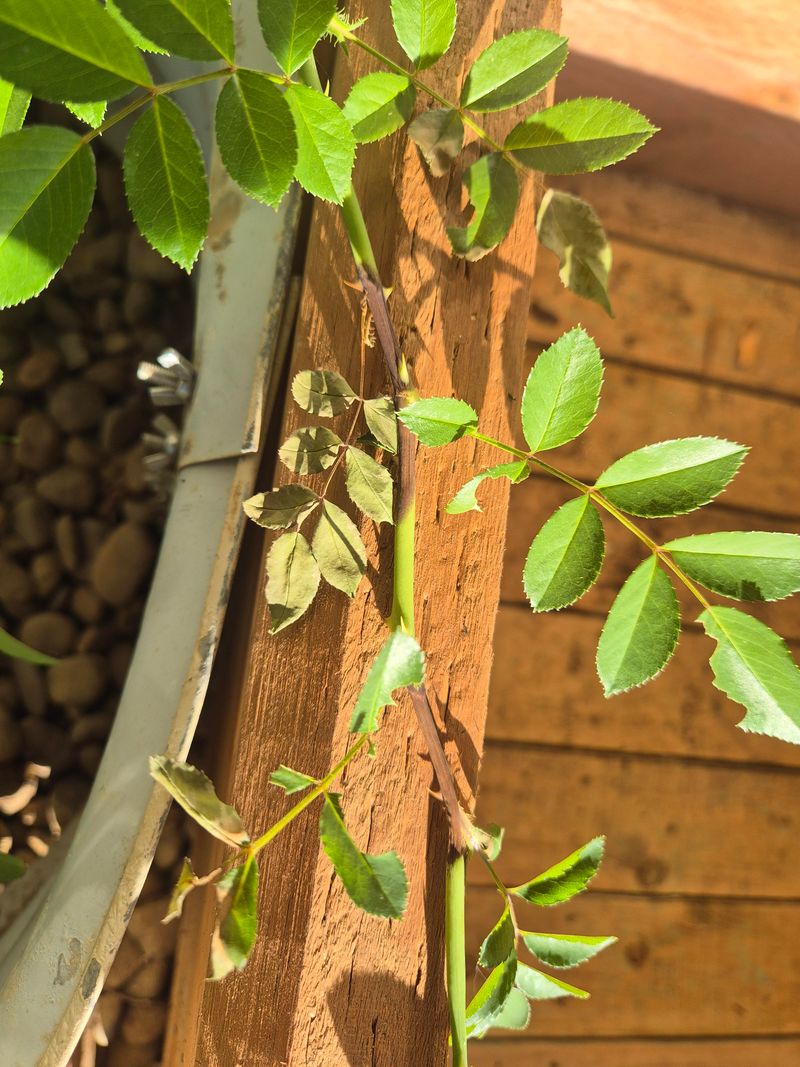
Roses love sunlight, but there is a point where too much of a good thing becomes a problem. Afternoon sun in California during summer is intense.
It can literally sunburn the canes and leaves of a rose, leaving behind bleached, papery patches that weaken the plant.
Cane sunburn shows up as white or pale tan patches on the green stems. It happens when the sun hits a cane directly for hours on end during the hottest part of the day.
Young canes that have not toughened up yet are especially vulnerable.
One of the easiest ways to prevent this is to position your roses where they get morning sun but are shaded from about two in the afternoon onward. A wall, a fence, a large shrub, or even a shade cloth can provide that protection.
If your roses are already planted in a full-sun spot and you cannot move them, shade cloth is a practical option.
It comes in different densities, and a thirty to forty percent shade cloth can take the edge off the harshest afternoon rays without cutting out too much light overall.
Keeping canes healthy matters because they carry water and nutrients from the roots to the rest of the plant.
Sunburned canes do not do that job as well, which adds to the overall stress the rose is already dealing with in summer.
A little strategic shading goes a long way toward keeping your roses in better shape through the hottest weeks of the year.
9. Skip Heavy Pruning During Heat Stress
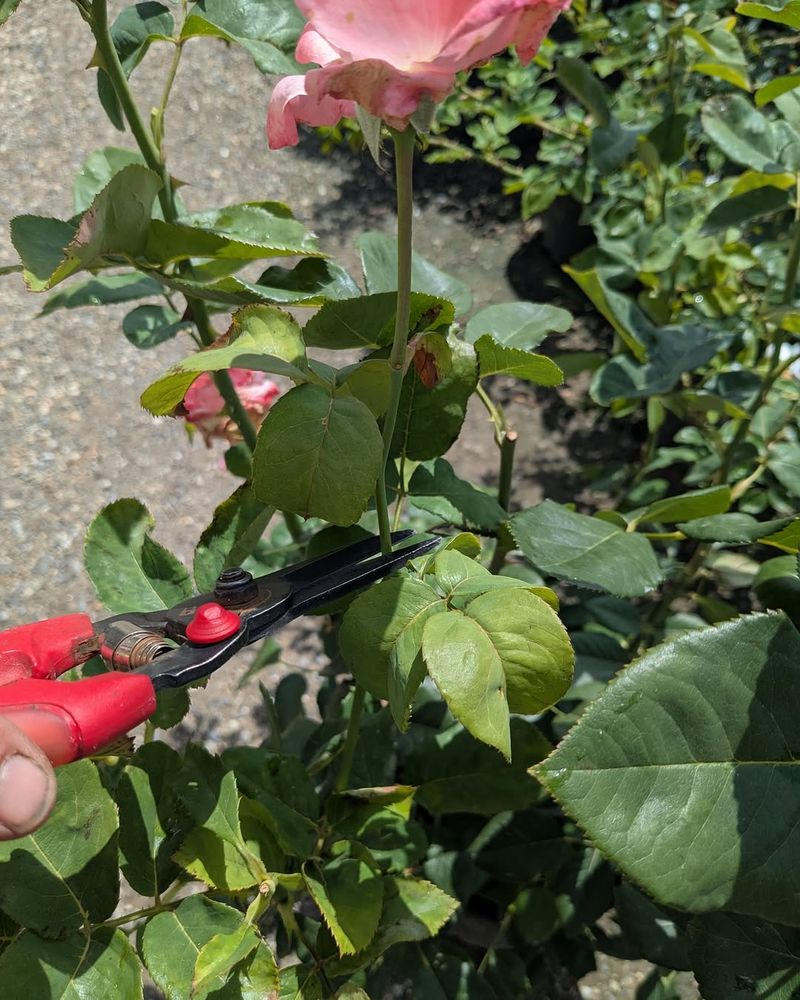
Pruning feels productive. When your roses look rough in summer, it is tempting to grab the shears and clean things up.
But heavy pruning during heat stress can actually make things worse, not better.
When you cut a rose, the plant has to use energy and water to heal the cuts and push out new growth.
During summer heat, the plant is already stretched thin trying to stay cool and hydrated. Asking it to also recover from major pruning is a lot to handle all at once.
New growth that emerges after a summer pruning is also soft and tender. That fresh growth is much more vulnerable to sunburn and dehydration than mature canes.
So a well-meaning prune can actually leave your rose worse off than before.
Light deadheading is fine. Removing spent blooms or a few damaged stems will not put much strain on the plant.
But save the major shaping and cutback work for late summer or early fall when temperatures have started to cool down.
Most rose experts recommend waiting until nighttime temperatures drop consistently below 70 degrees before doing any significant pruning.
That cooler weather gives the plant a much better chance of recovering and pushing out strong new growth before winter.
Patience is the real tool here. Letting your rose rest through the heat, then giving it a good clean-up cut in early fall, usually results in a much healthier and better-looking plant heading into the next bloom season.