Garden Habits That Attract Beneficial Insects To Texas Backyards
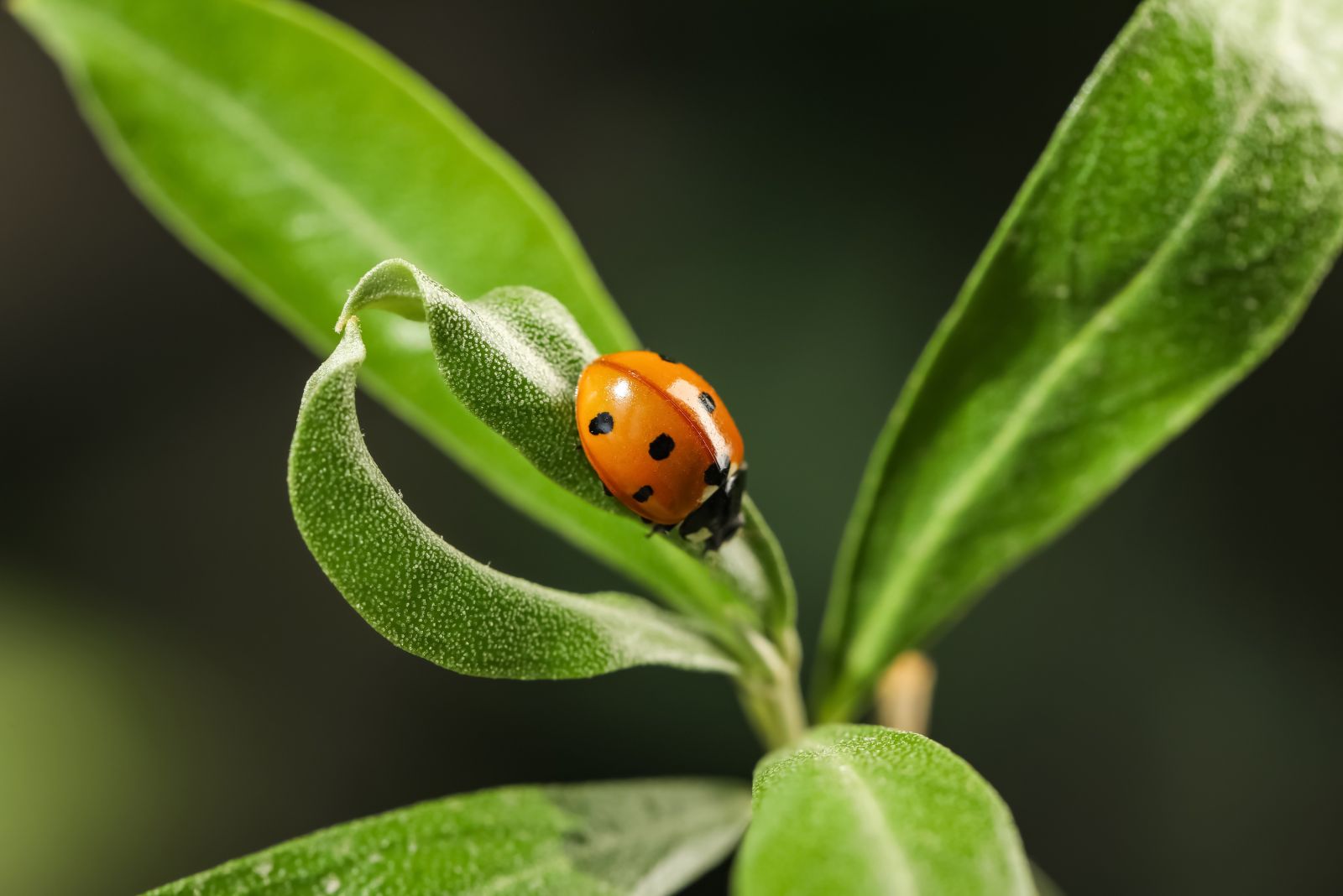
Not every insect in your Texas garden is a problem, and learning to tell the difference is one of the most useful things a gardener can do. Beneficial insects do work that no spray or tool can replicate.
They pollinate your vegetables and flowers, hunt down the pests that cause real damage, and keep your garden ecosystem in a kind of natural balance that makes everything easier to manage.
The challenge is that most gardens are not set up to attract or hold onto these insects. The habits that make a yard look neat and tidy are often the same ones that drive beneficial insects away.
Small shifts in how you manage your space, what you plant, and what you stop doing can completely change which insects show up and whether they decide to stay.
Texas has a rich population of beneficial insects waiting to move in, and your garden habits determine whether they do.
1. Planting Native Texas Flowers
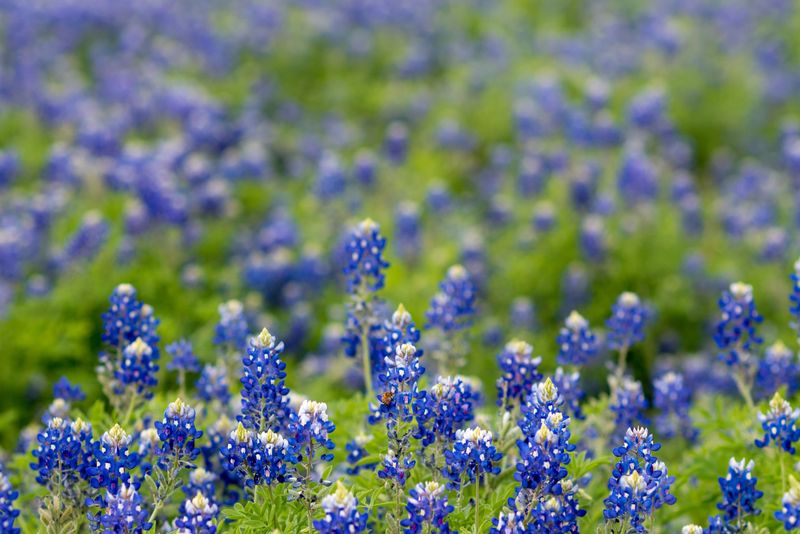
Walking through a Texas garden filled with native wildflowers feels like stepping into a living ecosystem. Bluebonnets, black-eyed Susans, coneflowers, and Mexican sage are just a few plants that have grown in Texas soil for thousands of years.
Beneficial insects have evolved right alongside these plants, so they recognize the nectar, pollen, and shelter they provide better than any exotic species ever could.
Native flowers do more than just look pretty. They produce nectar and pollen in the exact forms that local pollinators prefer.
Bees, butterflies, and hoverflies are drawn to these blooms because they match what their bodies are built to use. That connection between native plants and native insects is hard to beat.
Another great reason to go native is that these plants are tough. They are built for Texas heat, drought, and clay-heavy soils.
That means less watering, less fertilizing, and less work for you overall. A low-maintenance plant that also supports wildlife is a real win.
You do not need a huge yard to make an impact. Even a small patch of native flowers near a fence or along a walkway can attract dozens of beneficial insect species.
Mixing several native species together creates layers of habitat that support more insects at once. The Texas Native Plant Society website is a great resource for finding which plants grow best in your specific region of the state.
2. Avoiding Broad Chemical Pesticides
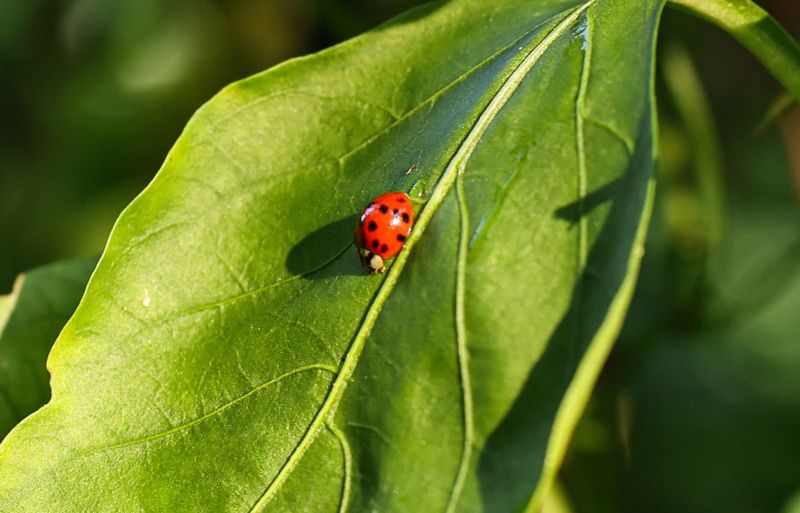
Most gardeners reach for a spray bottle the moment they spot a pest, but that quick fix often causes bigger problems down the road. Broad-spectrum pesticides do not just target the bad bugs.
They wipe out the good ones too, including ladybugs, ground beetles, parasitic wasps, and lacewings that were already working hard to protect your plants.
Ladybugs alone can eat up to 5,000 aphids during their lifetime. Lacewing larvae are fierce predators of whiteflies, mites, and small caterpillars.
When you spray a general pesticide, you remove these natural pest controllers from your garden. The pest population often bounces back faster than the beneficial insect population does, leaving your plants even more vulnerable than before.
Your Texas Garden Changes Every Week. Your Plan Should Too.
Gardening in Texas changes quickly throughout the season. Every Friday you’ll receive a simple weekly plan showing exactly what to plant, prune, fertilize, harvest, and protect so you never miss the right timing.
Switching to targeted pest control methods makes a big difference. Insecticidal soap, neem oil, and hand-picking pests are all options that cause far less harm to helpful insects.
These approaches let you deal with specific problem areas without disrupting the whole garden ecosystem.
If you do need to use a pesticide, timing matters a lot. Spraying in the early morning or late evening reduces contact with bees and butterflies that are most active during the day.
Reading product labels carefully and choosing the least toxic option available also helps. Over time, as your garden builds a strong population of beneficial insects, you may find that you need fewer and fewer interventions to keep pests under control.
Patience and observation are two of the most powerful tools any Texas gardener can have.
3. Growing Flowers With Different Bloom Times
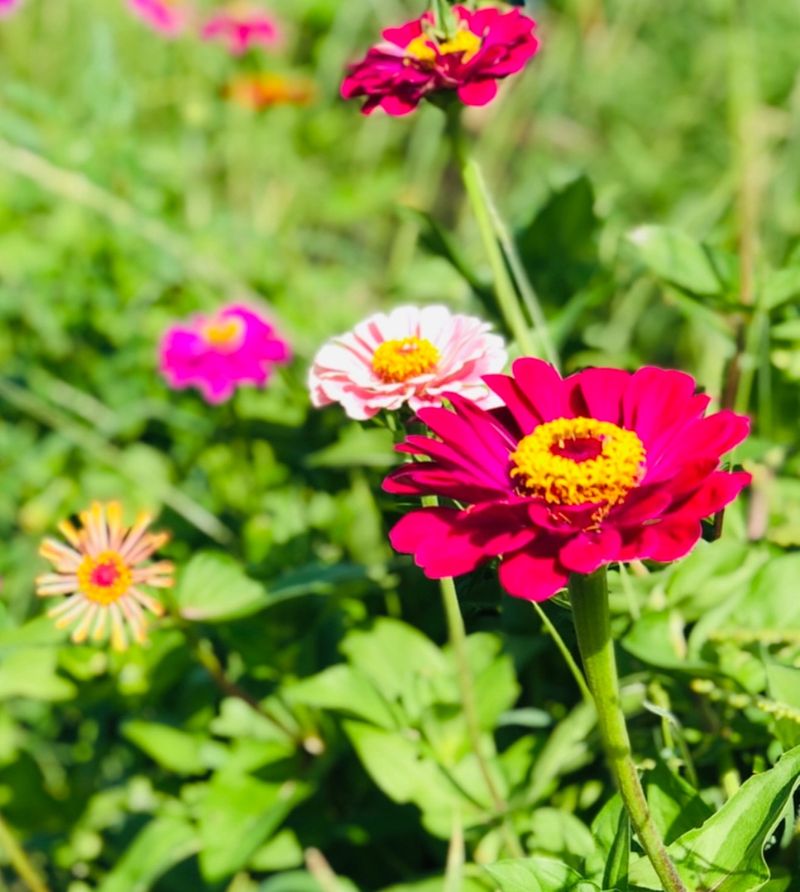
Imagine a buffet that only serves food for one week out of the year. That is what a garden with a single bloom period looks like to a beneficial insect.
Spreading bloom times across spring, summer, and fall keeps food available throughout the entire growing season, which is exactly what pollinators and predatory insects need to survive and thrive in Texas.
Spring bloomers like phlox and spiderwort give early-season bees and butterflies a much-needed energy source after winter. Summer flowers such as coneflowers, zinnias, and salvia keep the garden active during the hottest months.
Fall bloomers like goldenrod and asters are especially important because they fuel migrating monarchs and native bees preparing for cooler weather.
Planning for continuous blooms does not have to be complicated. A simple approach is to choose at least two or three plants for each season when you are picking what to grow.
Garden centers in Texas usually label plants with their bloom times, making it easy to build a diverse planting schedule. Seed packets also list this information clearly.
Keeping a garden journal is a helpful habit too. Jot down which flowers are blooming each month and which insects you notice visiting them.
Over a season or two, you will start to see patterns that help you make smarter planting choices.
A garden that blooms from March through November gives beneficial insects a reliable home base all year long, which means they will keep coming back and bringing their pest-controlling skills with them every time.
4. Leaving Some Areas Slightly Wild
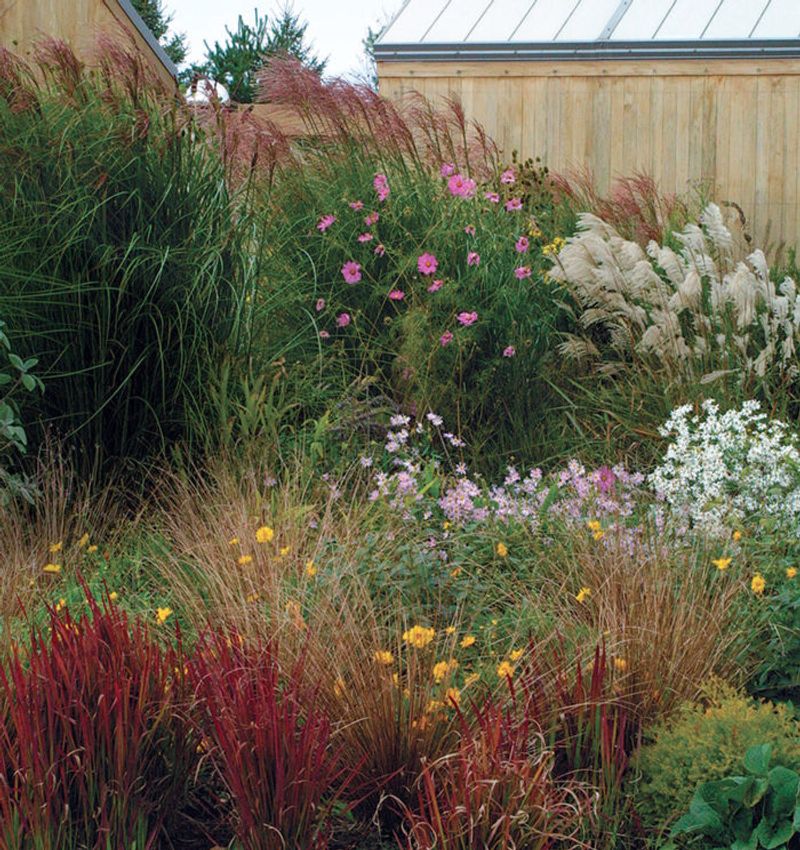
Not every corner of your yard needs to be perfectly manicured. In fact, leaving a small section a little wild might be one of the best things you can do for beneficial insects.
Ground beetles, solitary bees, fireflies, and many other helpful creatures rely on leaf litter, tall grasses, and undisturbed soil for nesting, overwintering, and raising their young.
Many native bees are ground-nesters. They need bare or loosely covered patches of soil to build their burrows.
Leaf litter provides shelter and food for ground beetles, which are excellent predators of slugs, caterpillars, and soil pests. Dried plant stems left standing through winter offer hollow tubes where small bees and wasps can lay their eggs safely.
You do not need to let your whole yard go wild to see results. A small corner behind a shed, a strip along a fence line, or even a single log pile can make a real difference.
The key is to avoid disturbing these areas too frequently. Raking leaves too aggressively or mowing every last inch of grass removes the habitat these insects depend on.
Think of it as intentional messiness with a purpose. Some gardeners even add a small brush pile or a bundle of hollow bamboo stems to attract specific insects like mason bees.
These simple additions cost almost nothing but provide enormous habitat value. A slightly wild garden corner is not neglect.
It is a smart, science-backed strategy that works with nature instead of against it, and Texas gardeners who try it are often amazed by the results.
5. Adding Shallow Water Sources
Texas summers are no joke. Temperatures regularly climb past 100 degrees Fahrenheit, and that kind of heat is just as tough on insects as it is on people.
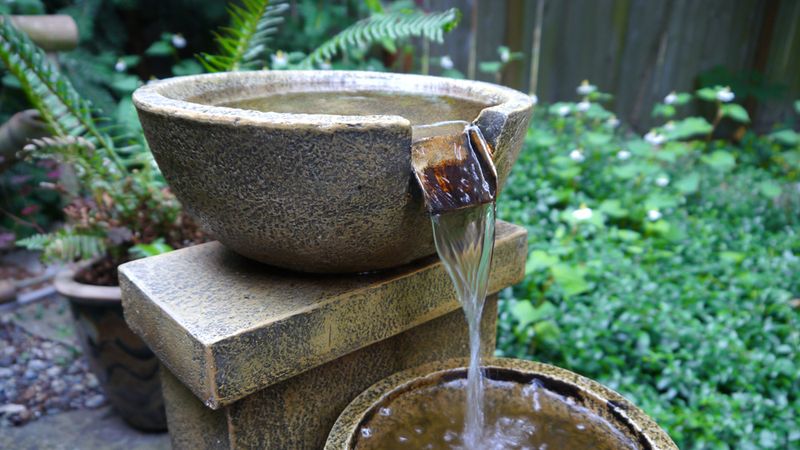
Beneficial insects need water to survive, but most water sources in a typical backyard are too deep or too slippery for small creatures to use safely. A shallow dish filled with water and stones solves this problem perfectly.
The stones or pebbles in the dish give insects a safe landing spot. Without them, small bees and butterflies can slip into the water and struggle to get back out.
With a few rocks sticking above the water surface, insects can land, drink, and fly off without any trouble. Even a simple terracotta saucer from a garden center works well for this purpose.
Placement matters when setting up a water source. Putting the dish near flowering plants gives insects a convenient stop during their foraging trips.
Keeping it in partial shade helps slow down evaporation, so you do not have to refill it as often. Changing the water every two or three days prevents mosquito larvae from developing, which keeps things clean and safe for your garden visitors.
You can also add multiple small water stations around different parts of your yard to serve more insects at once. Some gardeners get creative and use colorful dishes or decorative stones to make the water sources attractive as well as functional.
It is one of the simplest, least expensive habits you can build, and the difference it makes for beneficial insects during a hot Texas summer is genuinely remarkable.
6. Including Herbs In The Garden
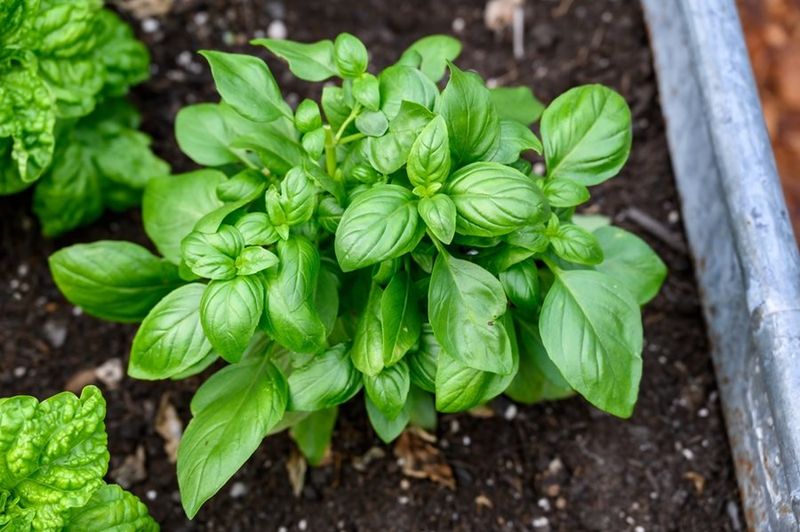
Most people grow herbs for cooking, but there is a whole other reason to keep them in the garden. When herbs like dill, basil, fennel, oregano, and cilantro are allowed to flower, they become powerful magnets for beneficial insects.
Their tiny blooms are packed with nectar and pollen that pollinators and predatory insects absolutely love.
Dill and fennel are especially well known for attracting parasitic wasps and hoverflies. These insects may sound intimidating, but they are actually fantastic allies.
Parasitic wasps lay their eggs inside pest insects like aphids and caterpillars, keeping populations in check naturally.
Hoverflies look like small bees but are actually flies, and their larvae eat aphids aggressively. Both are drawn to the flat-topped flower clusters that dill and fennel produce.
Basil and oregano attract bumblebees and honeybees in large numbers when they bloom. Many gardeners pinch off basil flowers to keep the leaves growing for cooking, but letting a few plants go to flower in a corner of the garden is worth it for the insect activity it creates.
Oregano blooms are especially long-lasting and easy to grow in Texas heat.
Mixing herbs into flower beds rather than keeping them separate in a dedicated patch spreads the benefits across more of your garden. You can tuck a few dill plants between tomatoes or let cilantro bolt near your peppers.
The flowering herbs act as insect pit stops throughout the garden, drawing in helpful visitors that then move on to pollinate your vegetables and manage pests nearby. It is a practical, beautiful, and rewarding strategy all at once.