Pennsylvania Gardeners Replacing Liriope With These Natives Are Not Looking Back
Liriope has been a staple in Pennsylvania gardens for years, and it is easy to understand why it caught on. It stays green, handles shade, controls erosion, and grows in spots where a lot of other plants give up.
But easy and reliable does not mean it is the best choice, and a growing number of Pennsylvania gardeners who have swapped liriope for native alternatives are finding out just how much they were missing.
Native plants bring something liriope never can, a genuine connection to the local ecosystem that supports insects, feeds birds, and works with Pennsylvania soil the way a plant that actually belongs here naturally would.
Several of these natives are just as tough and low maintenance as liriope, some even more so, and they add seasonal interest that liriope simply cannot match. Once gardeners make the switch, going back to liriope rarely crosses their minds.
1. Pennsylvania Sedge
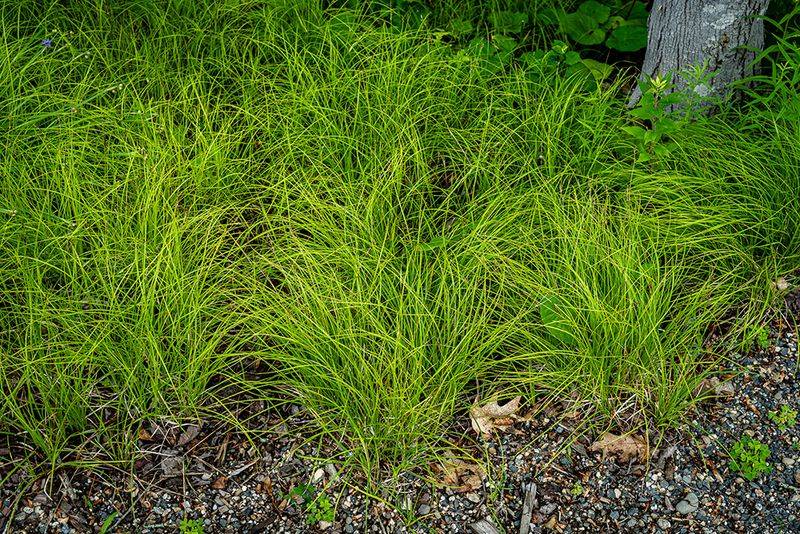
If you have ever struggled to grow anything under a big oak tree, Pennsylvania sedge might just become your new best friend. This fine-textured native grass-like plant thrives in dry shade, which is one of the hardest conditions for most plants to handle.
It forms a soft, arching carpet of green that looks neat without requiring much attention at all.
Unlike liriope, Pennsylvania sedge is actually native to the eastern United States, including Pennsylvania. That means it already knows how to survive here.
It does not need extra fertilizer, and once established, it rarely needs watering except during very dry spells. Deer tend to leave it alone too, which is a big bonus for gardeners in rural and suburban areas.
You can use it along walkways, under trees, or as a lawn alternative in shady spots where grass just will not grow. It stays low, usually under a foot tall, so there is no need for frequent trimming.
It stays green through much of the year and even handles light foot traffic reasonably well. Planting Pennsylvania sedge in fall or early spring gives it the best start. Space plants about a foot apart, and they will slowly fill in to create a seamless, natural-looking ground cover.
Gardeners who have made the switch often say they wish they had done it years sooner. It is low-drama, low-maintenance, and genuinely useful for Pennsylvania landscapes.
2. Foamflower
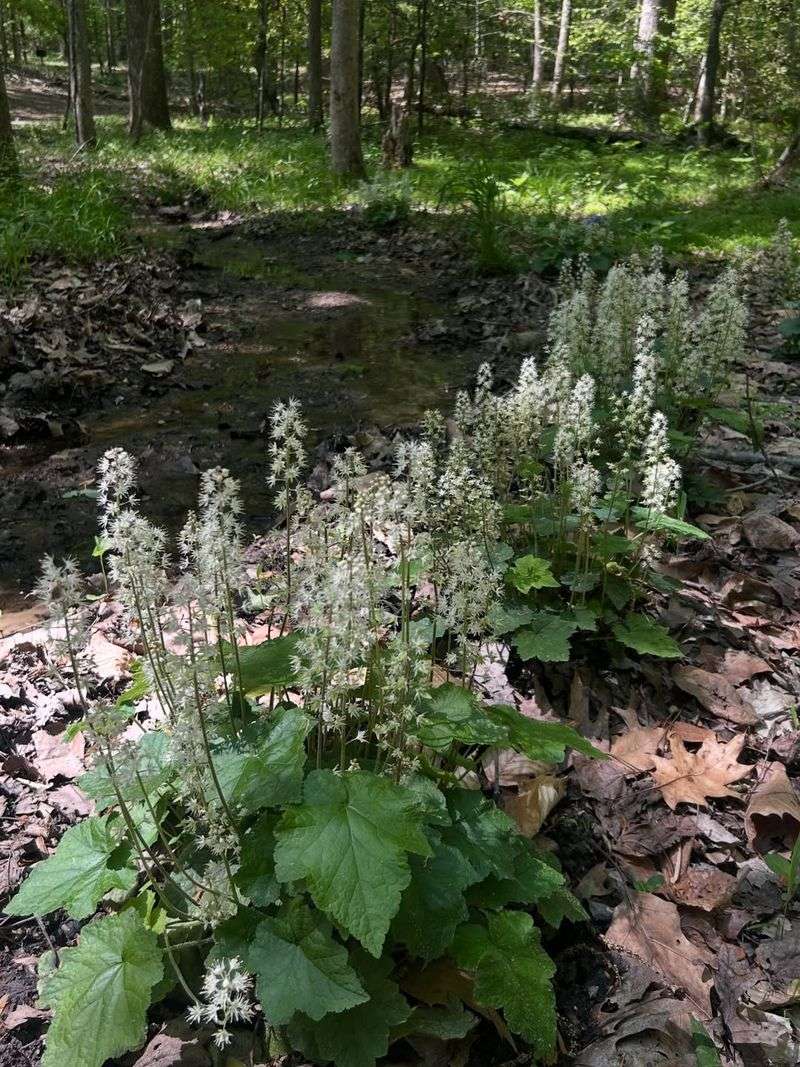
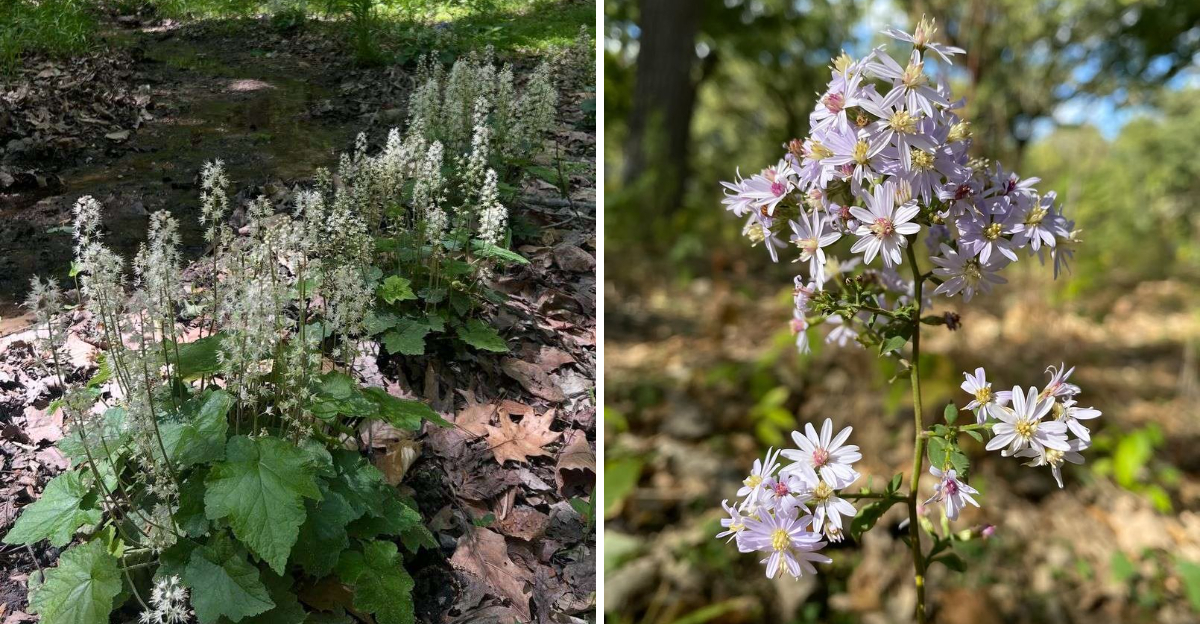
Foamflower earns its name every spring when it sends up fluffy, white flower spikes that look almost like tiny clouds floating above the garden floor. It is one of those plants that makes people stop and ask, what is that?
And once gardeners learn it is a Pennsylvania native, they are even more excited to grow it. This cheerful perennial loves shady spots, making it a natural fit under trees or along the north side of a house where little else wants to grow.
The heart-shaped leaves are attractive even when the plant is not in bloom, and some varieties have beautiful reddish or bronze markings that add extra visual interest throughout the growing season.
Your Pennsylvania Garden Changes Every Week. Your Plan Should Too.
Gardening in Pennsylvania changes quickly throughout the season. Every Friday you’ll receive a simple weekly plan showing exactly what to plant, prune, fertilize, harvest, and protect so you never miss the right timing.
Foamflower spreads slowly by runners, gently filling in bare patches without becoming aggressive or invasive. That is a major difference from liriope, which can be stubborn to remove once it takes hold.
Foamflower plays nicely with other shade lovers like ferns, wild ginger, and native hostas, creating a layered, natural woodland feel in your yard.
Planting foamflower is straightforward. It prefers moist, well-drained soil rich in organic matter, so mixing in some compost before planting really helps.
Water it regularly the first season, and after that it largely takes care of itself. Pollinators like native bees visit the flowers in spring, adding ecological value that liriope simply cannot offer.
For shady Pennsylvania borders, foamflower is a standout choice that rewards gardeners season after season.
3. Wild Ginger
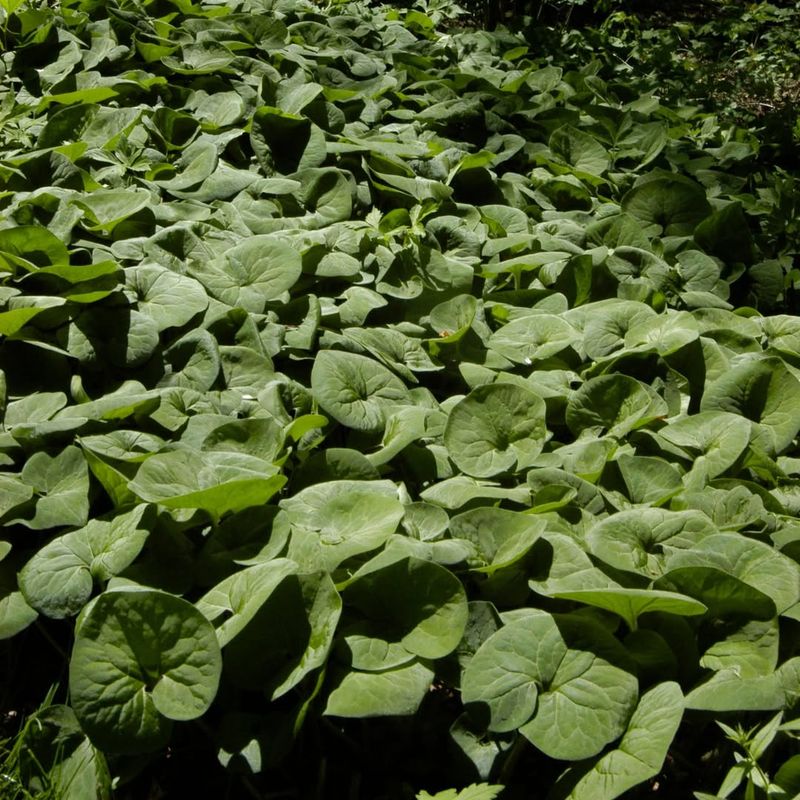
There is something almost magical about the way wild ginger carpets the ground beneath trees, creating a rich, lush look that feels straight out of an old-growth forest.
The broad, velvety leaves overlap each other in a way that completely shuts out weeds, making it one of the most effective natural weed suppressors you can plant.
Wild ginger, known scientifically as Asarum canadense, is native to Pennsylvania and much of the eastern United States. It grows slowly but steadily, spreading by underground rhizomes to form dense colonies.
The plant stays low, usually just six to eight inches tall, which makes it perfect for filling in the shaded areas under shrubs and trees where liriope is often planted.
One of the coolest things about wild ginger is its hidden flower. In early spring, a small brownish-purple bloom appears right at soil level, tucked beneath the leaves.
Most people never notice it, but certain insects do, and they help pollinate the plant. The leaves themselves are the real showstopper, staying lush and green from spring through fall.
Wild ginger prefers moist, humus-rich soil and does best in full to partial shade. It is drought-tolerant once established, though it appreciates occasional watering during hot summers.
Because it spreads naturally, you do not need to plant a lot to eventually get good coverage. Start with a few clumps, give it a couple of seasons, and you will have a thick, beautiful carpet that looks like it has always been there.
4. Green-And-Gold
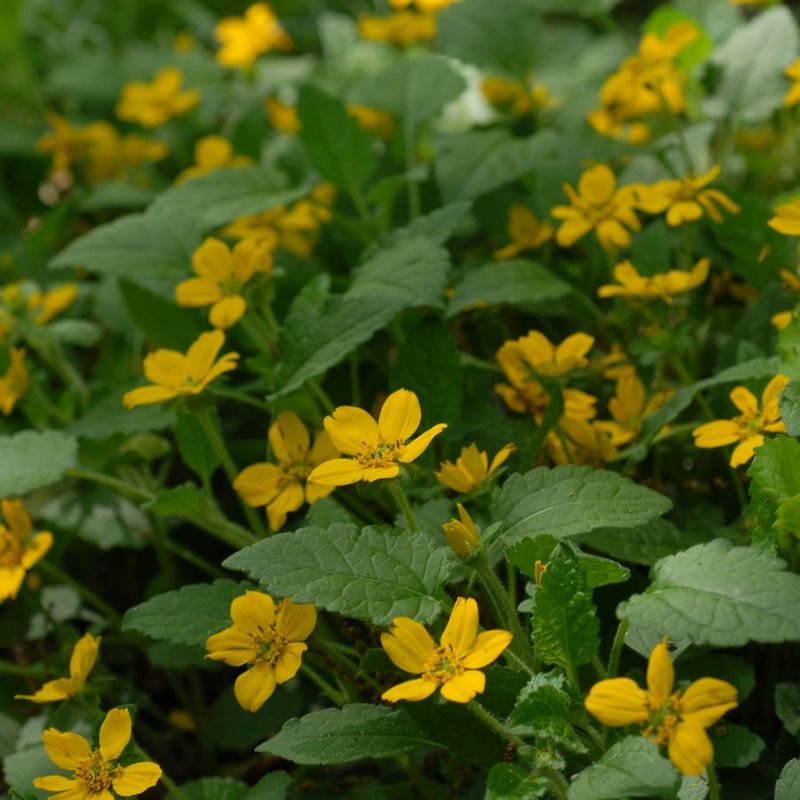
Bright yellow flowers popping up from a dense mat of dark green leaves might sound too good to be true, but that is exactly what green-and-gold delivers.
Known by its botanical name Chrysogonum virginianum, this cheerful little native plant punches well above its weight when it comes to visual impact and garden usefulness.
Green-and-gold is native to the eastern United States and handles a wide range of light conditions, from full sun to partial shade. That kind of flexibility is hard to find in a ground cover.
It blooms heavily in spring and often continues to sprinkle flowers throughout summer and fall, giving you color for months rather than just a few weeks.
The dense growth habit is one of its best features. Once established, green-and-gold forms a tight mat that makes it very difficult for weeds to sneak through.
Compared to liriope, it is far more welcoming to pollinators, attracting native bees and small butterflies that feed on the cheerful yellow blooms throughout the season.
Planting green-and-gold is easy. It prefers well-drained soil and does well in average garden conditions without needing extra amendments.
Water it during the first growing season while roots establish, and then it becomes quite self-sufficient. It spreads at a moderate pace, so it fills in nicely without taking over.
For Pennsylvania gardeners looking for a tough, colorful, and wildlife-friendly alternative to liriope, green-and-gold is a genuinely exciting option worth trying in almost any border.
5. Christmas Fern
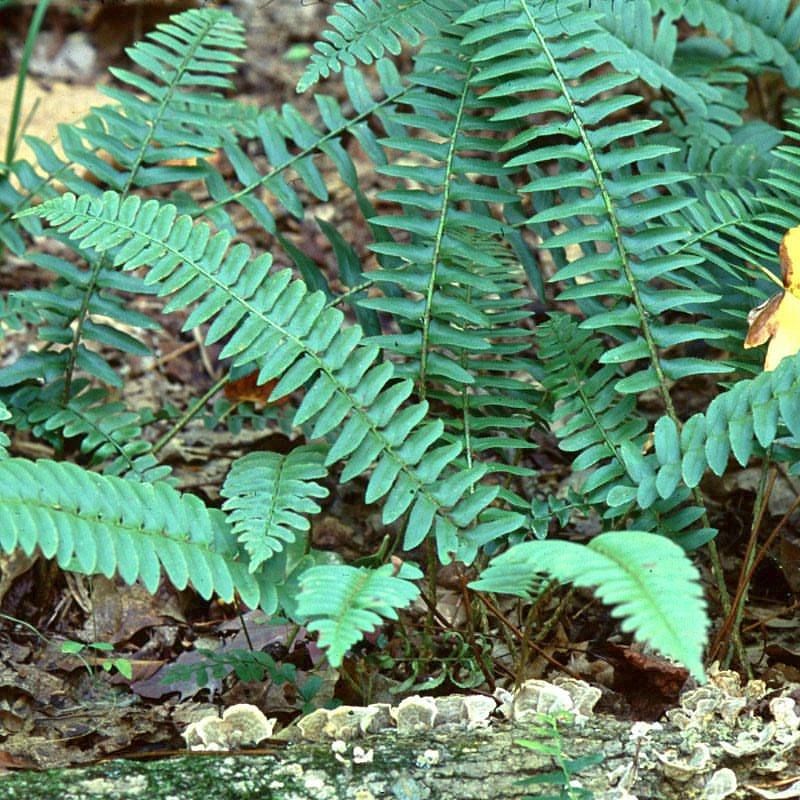
Ask any experienced Pennsylvania gardener about a reliable shade plant, and Christmas fern is almost certain to come up.
It has been growing in Pennsylvania’s woodlands for thousands of years, which means it is perfectly adapted to the state’s winters, summers, and everything in between. Few plants can claim that kind of proven track record.
The common name comes from the fact that this fern stays green through the holiday season, even under snow. That year-round presence is something liriope cannot always match, especially after a harsh winter.
The dark, glossy fronds arch gracefully and give garden beds a rich, layered texture that looks polished without requiring any effort from the gardener.
Christmas fern grows in clumps rather than spreading aggressively, so you always stay in control of where it grows. It tolerates dry shade, rocky soil, and slopes, which makes it incredibly versatile across different parts of a Pennsylvania yard.
Planting it on a shaded hillside is a great way to prevent erosion while adding beauty at the same time.
Wildlife benefits are another strong selling point. The dense fronds provide shelter for small birds and beneficial insects during cold months.
Planting Christmas fern is simple. It prefers partial to full shade and moist, well-drained soil, but it adapts to less-than-perfect conditions better than most plants.
Space clumps about two feet apart, water during dry spells the first year, and then step back and enjoy watching this tough, gorgeous native fern settle in and thrive for years to come.
6. Creeping Phlox
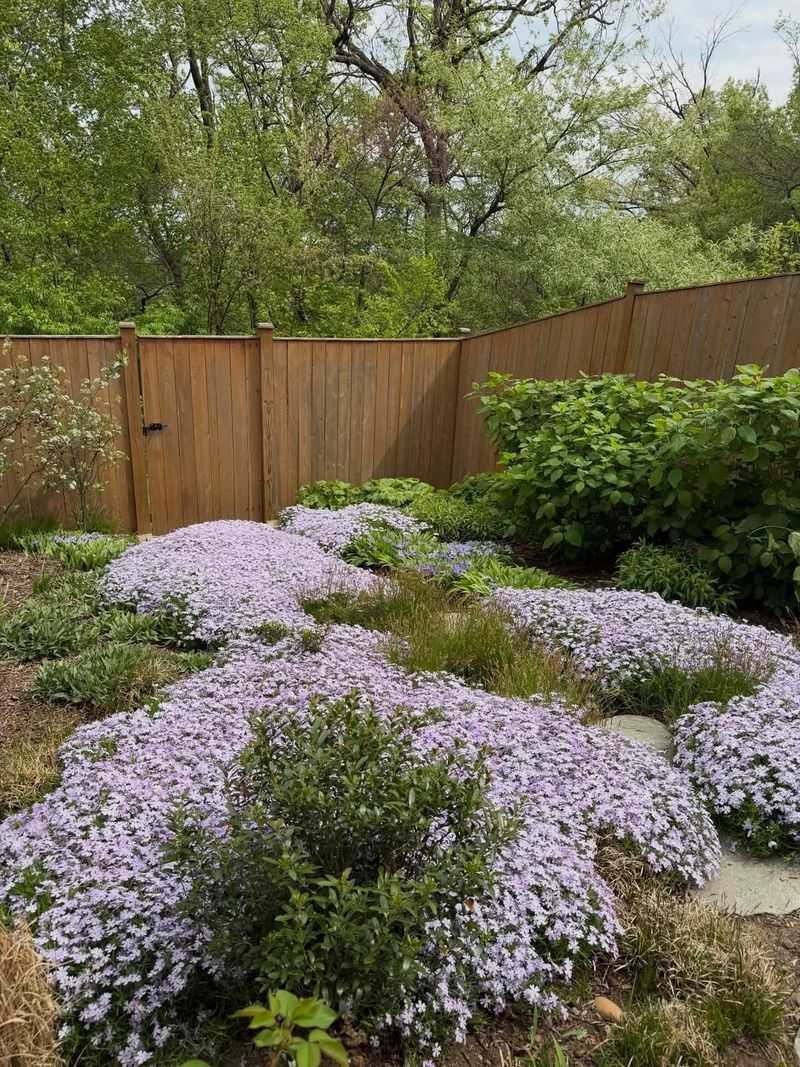
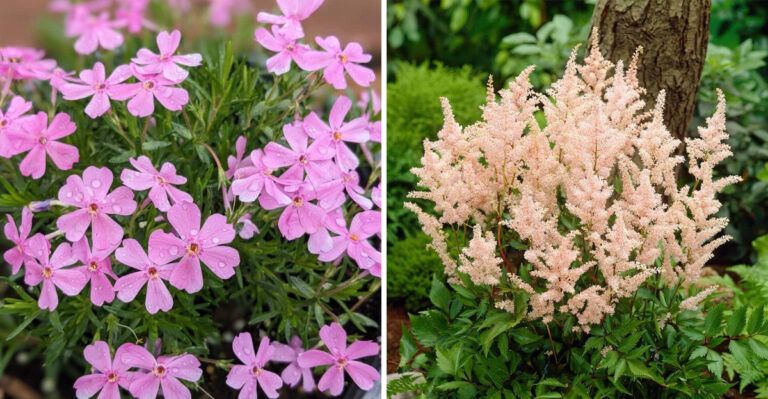
Every spring, creeping phlox puts on a show that stops traffic. Literally. Neighbors slow their cars to look at the rivers of pink, purple, lavender, and white blooms that cascade over rocks, walls, and sunny slopes.
No other native ground cover delivers that kind of jaw-dropping spring color quite as reliably.
Phlox subulata is native to the eastern United States and thrives in Pennsylvania’s climate with very little help. It loves sunny, well-drained spots and is especially at home on slopes where other plants struggle with erosion and poor soil.
Where liriope often looks flat and unexciting, creeping phlox transforms a plain border into something that looks professionally designed.
After the spring bloom fades, the fine-textured evergreen foliage stays in place all year, providing a tidy, low mat of soft green. That means you get structure and interest even when the flowers are not showing.
The plant stays only about four to six inches tall, so it never blocks the view of taller plants growing behind it.
Pollinators go absolutely wild for creeping phlox in early spring when other food sources are still scarce. Native bees, butterflies, and even hummingbirds visit the blooms, making your garden a busy, lively place right when the season gets started.
Planting is easy in average to sandy soil with good drainage. Water during the first season, trim lightly after blooming to keep the shape tidy, and enjoy a plant that truly earns its spot in a Pennsylvania garden every single year.
7. Blue Wood Aster
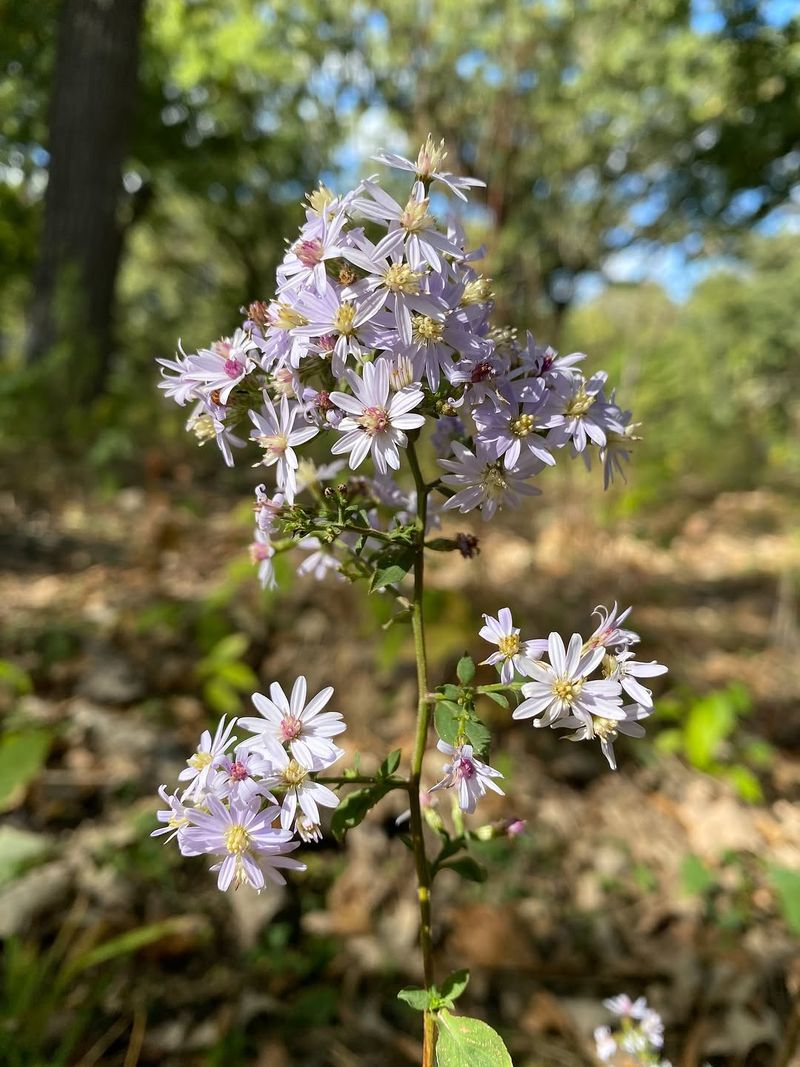
When most of the garden is winding down in September and October, blue wood aster is just getting started.
It is one of those plants that makes you rethink the whole idea of a fall garden, because the cloud of tiny lavender-blue flowers it produces is genuinely stunning at a time when color is hard to come by.
Symphyotrichum cordifolium, commonly called blue wood aster, is native to Pennsylvania and grows naturally in woodland edges and open shade.
That makes it a natural fit for the kinds of spots where liriope is often planted, along fence lines, under trees, and in the shadier corners of a yard.
It grows two to four feet tall, adding height and movement to borders that might otherwise feel flat.
The ecological value of blue wood aster is remarkable. It is one of the most important late-season nectar sources for native bees, monarch butterflies, and other pollinators preparing for migration or winter.
Swapping liriope for blue wood aster in your border is one of the most impactful things a Pennsylvania gardener can do for local wildlife.
Growing blue wood aster is not complicated. It adapts to average soil, prefers partial shade, and tolerates dry conditions once established.
You can cut it back in early spring to keep the shape tidy, or leave the stems standing through winter to provide shelter and food for birds. Either way, this plant rewards you with late-season beauty and ecological purpose that no ornamental grass can match.