Do These Pennsylvania Garden Tasks Now To Stop Tick Problems Before Summer

Ticks are one of the more serious outdoor concerns for Pennsylvania residents, and summer is when most people start thinking about them.
The problem is that by the time summer arrives, tick populations are already well established and active. The smarter move is getting ahead of them now, before conditions are fully in their favor.
Pennsylvania’s landscape, with all its wooded edges, leaf litter, and tall grass, creates exactly the kind of environment ticks thrive in, and most yards have at least some of those features without homeowners realizing how much they matter.
A few focused garden tasks done right now can significantly reduce tick habitat and lower the chances of running into them all season. None of this requires chemicals or major landscaping changes.
It mostly comes down to knowing where ticks hide, what draws them in, and which simple yard habits make your outdoor space a lot less welcoming to them.
1. Cut Back Tall Grass And Weeds
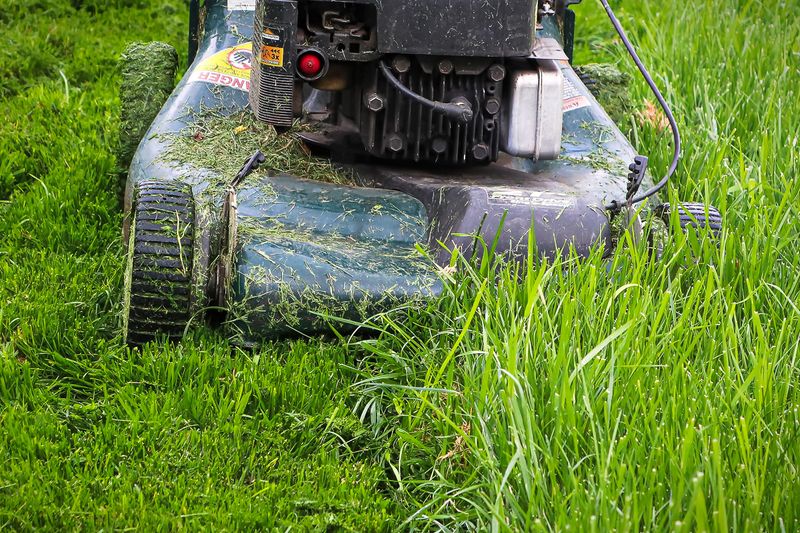
Tall grass is basically a welcome mat for ticks. They love to hang out in overgrown spots where the air stays moist and the ground stays cool.
If your lawn has patches of grass that have gotten out of hand over the winter, now is the time to get out there and cut it down.
Ticks do not jump or fly. Instead, they wait on tall blades of grass or weeds with their legs stretched out, ready to grab onto anything that walks by.
This behavior is called questing, and it happens most in vegetation that is four inches tall or more. Keeping your grass short removes that launching pad entirely.
Aim to mow your lawn regularly throughout spring and into summer. Set your mower blade to keep grass at about three inches or shorter.
Pay special attention to the edges of your yard where your lawn meets wooded areas, fences, or garden beds. Those transition zones are prime tick territory.
Weeds are just as much of a problem as tall grass. Wild plants like goldenrod, burdock, and clover can grow thick and fast along fence lines or near sheds.
Pull them out by hand or use a string trimmer to knock them back. Staying on top of this task every couple of weeks will keep your yard much less inviting to ticks all season long. A tidy lawn is genuinely one of the easiest and most effective things you can do right now.
2. Remove Leaf Litter Around Yard Edges
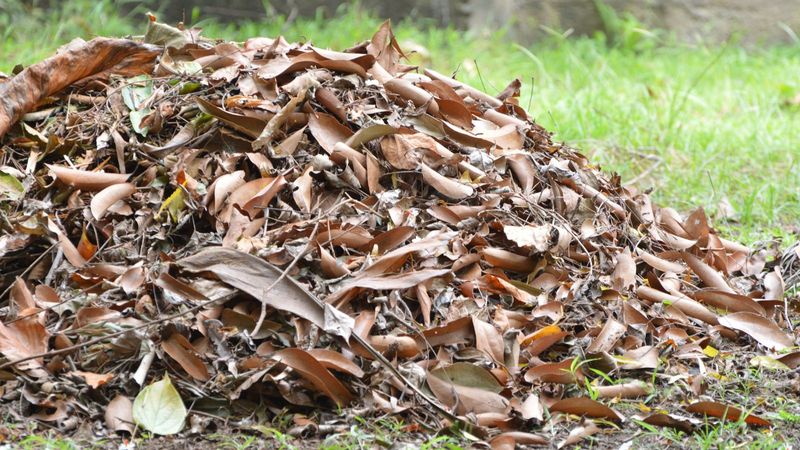
Last fall’s leaves might not look like much of a threat, but that soggy pile sitting along your fence line is actually a perfect home for ticks.
Damp, decomposing leaves hold moisture and warmth, giving ticks exactly the conditions they need to survive and stay active through cooler spring days.
Deer ticks, also known as black-legged ticks, are especially common in Pennsylvania and are known to carry Lyme disease. Research has shown that a large percentage of these ticks spend time in leaf litter during their early life stages.
Your Pennsylvania Garden Changes Every Week. Your Plan Should Too.
Gardening in Pennsylvania changes quickly throughout the season. Every Friday you’ll receive a simple weekly plan showing exactly what to plant, prune, fertilize, harvest, and protect so you never miss the right timing.
Removing that habitat disrupts their cycle before they ever get a chance to move into your lawn.
Start by raking up any leftover leaves around the perimeter of your yard. Focus on spots where leaves have piled up against the house foundation, under shrubs, and along the edges where your lawn meets wooded or brushy areas.
Bag the leaves and dispose of them properly rather than just moving them to another corner of your yard.
Once the obvious piles are gone, do a closer look for hidden layers of wet leaves that may have matted down under garden beds or around tree bases. Even a thin layer can shelter ticks and other pests.
After clearing things out, consider laying down a thin layer of cedar mulch in those areas. Cedar has natural properties that ticks tend to avoid, making it a smart and attractive finishing touch after your cleanup.
Staying on top of leaf removal now will pay off big when summer arrives.
3. Prune Dense Shrubs Near Walkways
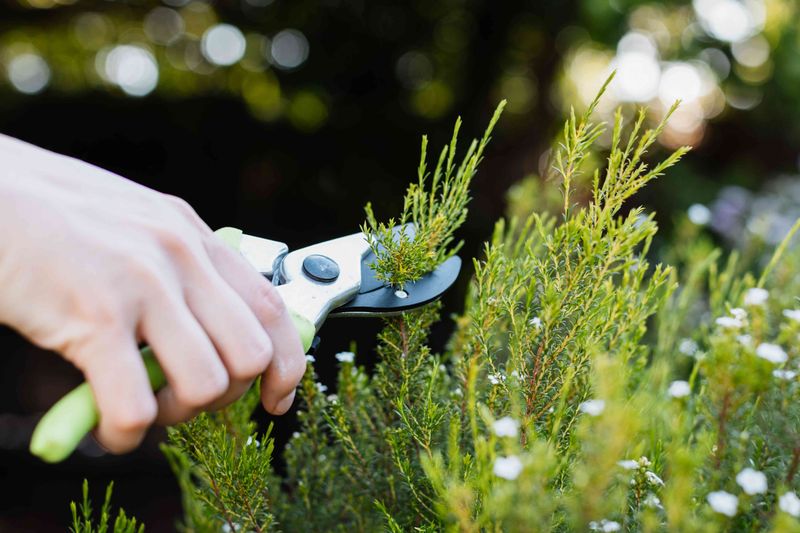
Overgrown shrubs along your garden paths do more than just look messy. They create shady, humid tunnels that ticks absolutely love.
When branches hang low and leaves press against each other tightly, sunlight and airflow get blocked out, and that cool, damp environment becomes a hotspot for tick activity right where people and pets walk every day.
Pruning your shrubs back now serves a double purpose. First, it opens up the space so sunlight can reach the soil beneath the plants.
Ticks are sensitive to dry conditions, and direct sunlight dries out their environment quickly, making it far less comfortable for them.
Second, trimmed shrubs no longer brush against your legs as you walk by, which reduces the chance of a tick hitching a ride onto you or your dog.
Use clean, sharp pruning shears or loppers to cut back branches that are crossing over walkways or hanging lower than knee height. Aim for a clean, open shape that lets air move through freely.
Remove any dry wood as well, since decaying branches hold moisture and can attract insects that ticks feed on.
After pruning, rake up all the clippings right away. Leaving plant debris on the ground just creates new hiding spots.
If you have a compost pile, keep it well away from the main yard and turn it regularly. Shrubs that are trimmed and tidy not only make your garden look sharp but also send a clear signal to ticks that your walkways are not a comfortable place to settle in for the season.
4. Create Mulch Or Gravel Borders Around Wooded Areas
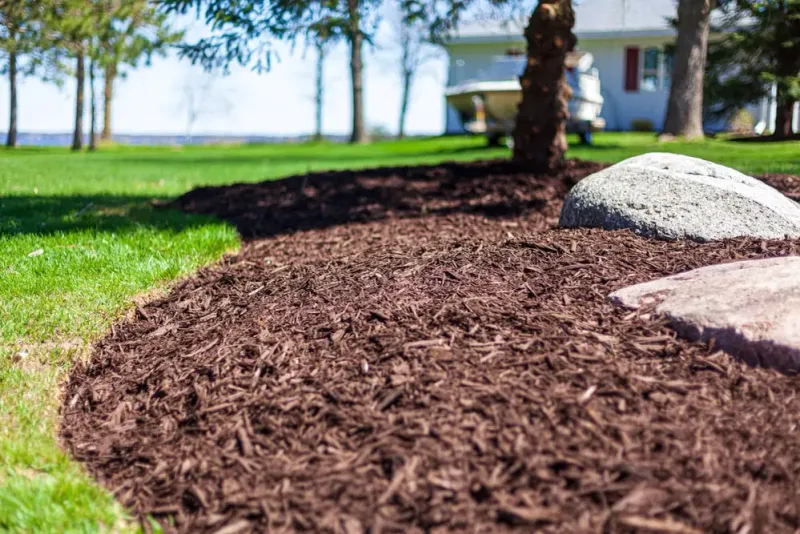
Your lawn and the woods behind your house might look like they just blend together, but that boundary zone is actually one of the most tick-heavy spots on your entire property.
Ticks that live in wooded areas naturally migrate toward lawns in search of hosts. Creating a physical barrier right at that edge can slow that movement significantly.
A mulch or gravel border about three feet wide placed between your lawn and any wooded or brushy area acts as a dry crossing zone that ticks are reluctant to travel through. Ticks need moisture to survive, and dry wood chips or gravel strips pull moisture away quickly.
Studies from the Connecticut Agricultural Experiment Station found that tick numbers dropped noticeably in yards that used these kinds of barriers consistently.
Wood chip mulch is one of the most popular choices because it is affordable, easy to spread, and looks natural in a garden setting. Cedar chips are an especially good pick since the natural oils in cedar wood are known to repel ticks and other insects.
Pea gravel or crushed stone works well too and requires almost no maintenance once it is in place.
Lay your barrier down now before tick season hits full swing. Use landscaping fabric underneath to keep weeds from growing up through the mulch or gravel.
Keep the border maintained throughout the season by adding fresh material if it thins out. Think of this border as a quiet, low-effort checkpoint that works around the clock to keep ticks from crossing into your outdoor living space.
It is one of the smartest investments you can make for your yard this spring.
5. Discourage Deer From Entering The Yard
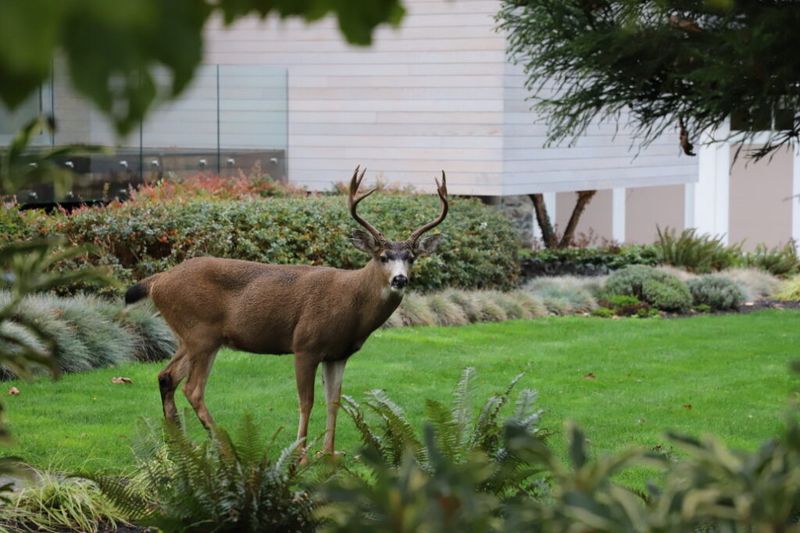
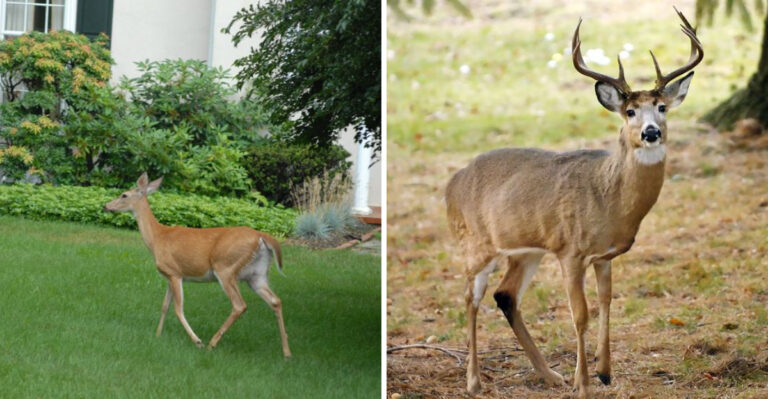
Deer might look peaceful wandering through a Pennsylvania neighborhood, but they are one of the main reasons tick populations stay so high in residential areas. Adult black-legged ticks depend heavily on deer as hosts to feed and reproduce.
Every time a deer walks through your yard, it can drop dozens of ticks along the way, seeding your lawn with a new generation of the pests.
Keeping deer out of your yard is one of the most impactful things you can do for long-term tick control. A sturdy fence is the most reliable option.
Deer can jump surprisingly high, so an effective fence needs to be at least eight feet tall. If that is not practical for your space, consider double-fencing, which uses two shorter fences spaced a few feet apart.
Deer tend to avoid the confined feeling of that kind of gap. Planting deer-resistant plants around your yard perimeter is another smart approach. Deer tend to avoid strong-smelling plants like lavender, Russian sage, catmint, and yarrow.
Replacing some of your more attractive plants with these options along the edges of your property can make your yard less appealing as a feeding stop.
Motion-activated sprinklers are a surprisingly effective and low-cost deterrent. A sudden burst of water startles deer and trains them to avoid the area over time.
You can also find deer-repellent sprays at most garden centers that use scent-based ingredients to keep deer away. Combining a couple of these strategies gives you the best results.
Fewer deer in your yard means fewer ticks, plain and simple, and that is a win worth working toward this spring.
6. Keep Groundcovers And Low Plants Trimmed Near Seating Areas
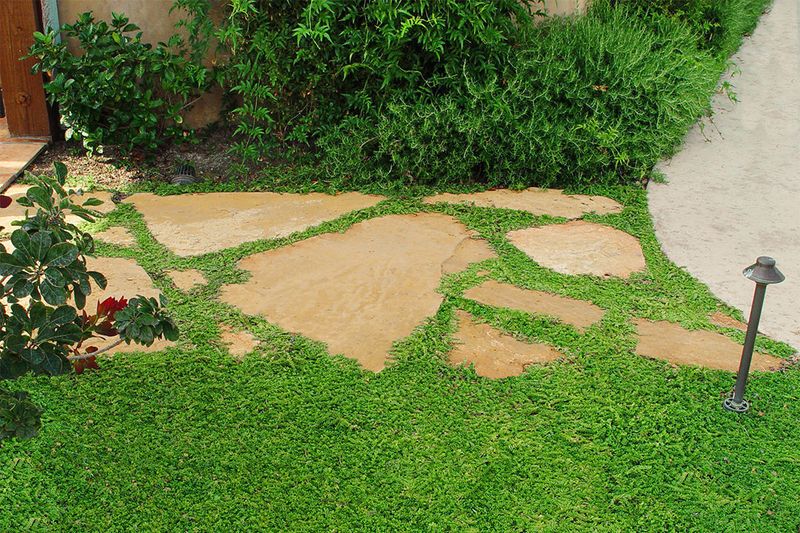
Patios and garden seating areas are where you actually spend your time outside, so it makes sense to give those spots extra attention when it comes to tick prevention.
Groundcovers like ivy, pachysandra, and creeping juniper are popular in Pennsylvania gardens, but when they grow thick and untrimmed right up against seating areas, they become a direct pathway for ticks to reach people and pets.
Low-growing plants create a dense, shaded layer close to the ground that stays humid and dark even on sunny days. That kind of microclimate is exactly what ticks seek out when they are not actively questing for a host.
Keeping these plants well-trimmed and thinned out removes that shelter and makes the area far less attractive to ticks overall.
Start by trimming back any groundcover that has crept onto pathways, patios, or within a foot of outdoor furniture.
Use garden shears or an electric trimmer to thin out the growth so light and air can reach the soil underneath. Rake up all the trimmings immediately and dispose of them away from your yard.
If you have flower beds near your patio, take a few minutes to pull any weeds and deadhead spent plants from last year. Keeping the bed loose and open reduces moisture retention right where you sit and relax.
Consider adding a small border of gravel or stone between your garden beds and the patio edge as an extra buffer.
Making your outdoor seating zone feel open and breezy is not just comfortable for you but genuinely unwelcoming for ticks that prefer cool, damp, and sheltered spaces to hide in all season.