Keep Tennessee Petunias Blooming All Summer With This Simple Pruning Habit
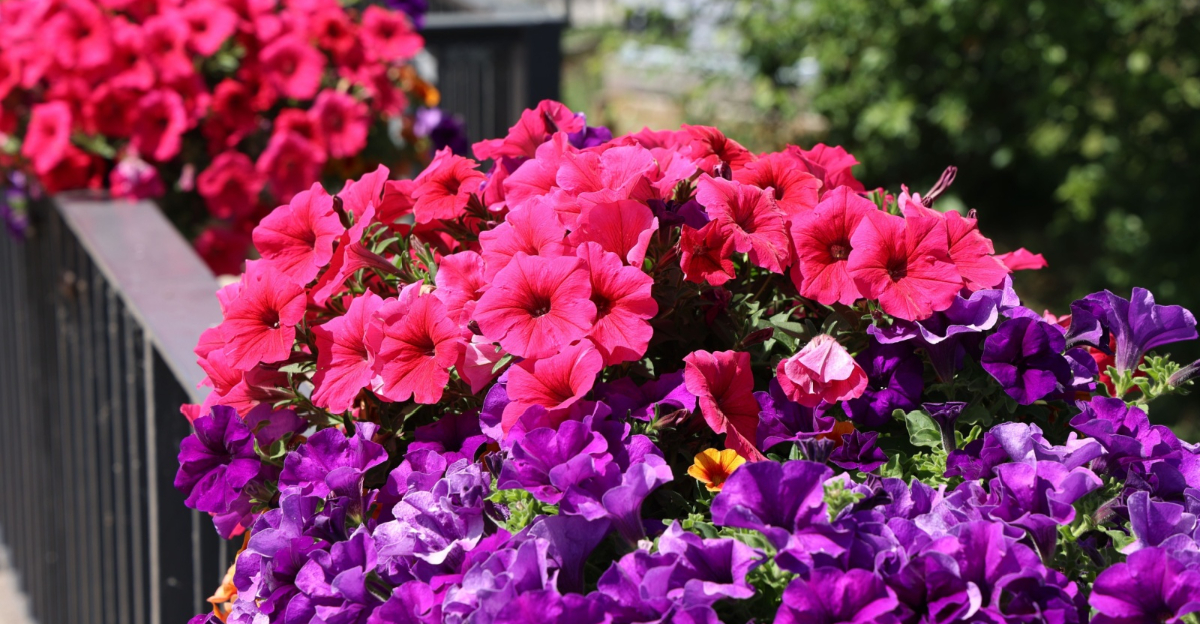
Petunias are dramatic.
They open the season like they have something to prove, cascading color, nonstop blooms, the whole show.
Then July arrives in Tennessee, and suddenly those same plants look like they gave up and nobody told you why.
Here’s what actually happens: once a flower fades and gets left on the plant, the petunia shifts its energy toward making seeds instead of new blooms.
It thinks its work is done.
You just need to convince it otherwise, and turns out, you are exactly the right person for that.
Tennessee summers are brutal on flowers, but petunias are tougher than they look.
Give them the right nudge at the right moment, and they will reward you with color well into September.
This is how you do it.
Why Your Petunias Slow Down In The Heat
Petunias are drama queens when summer gets serious.
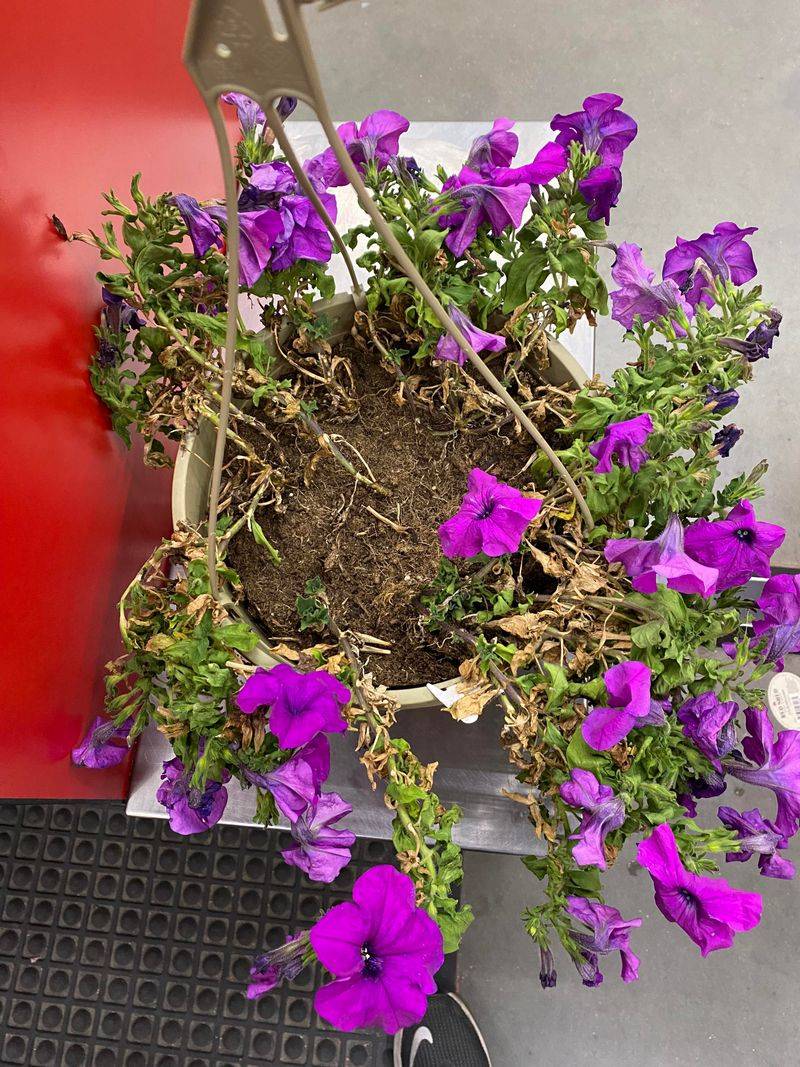
Around mid-July in Tennessee, you might notice your once-lush plants looking stretched, sparse, and strangely flowerless.
That sudden slowdown is not random, and it is not your fault.
Petunias are naturally programmed to focus energy on seed production once a flower fades.
When spent blooms are left on the plant, the stem signals the whole system to slow down flowering and shift into survival mode.
Hot, humid air speeds this process up fast, which is why Tennessee gardeners often feel like they are losing the battle by late summer.
Soil temperature also plays a sneaky role here.
When ground temps climb above 85 degrees, root activity can slow.
You might water faithfully and still see drooping, pale, or barely blooming plants.
Sunlight intensity in Tennessee peaks between June and August, causing petunias to burn energy faster than they can replace it.
This creates a cycle of stress that looks a lot like neglect, even when you are doing everything right.
Understanding this cycle is the first step toward breaking it.
The simple pruning habit that keeps blooms coming works directly against this energy-draining pattern.
By removing spent flowers and trimming stems regularly, you redirect the plant’s focus from seed-making back to blooming.
Once you understand why petunias slow down, the fix starts to feel almost obvious.
The Flower You Need To Remove (And How To Spot It)
Not every flower on your petunia plant is helping you.
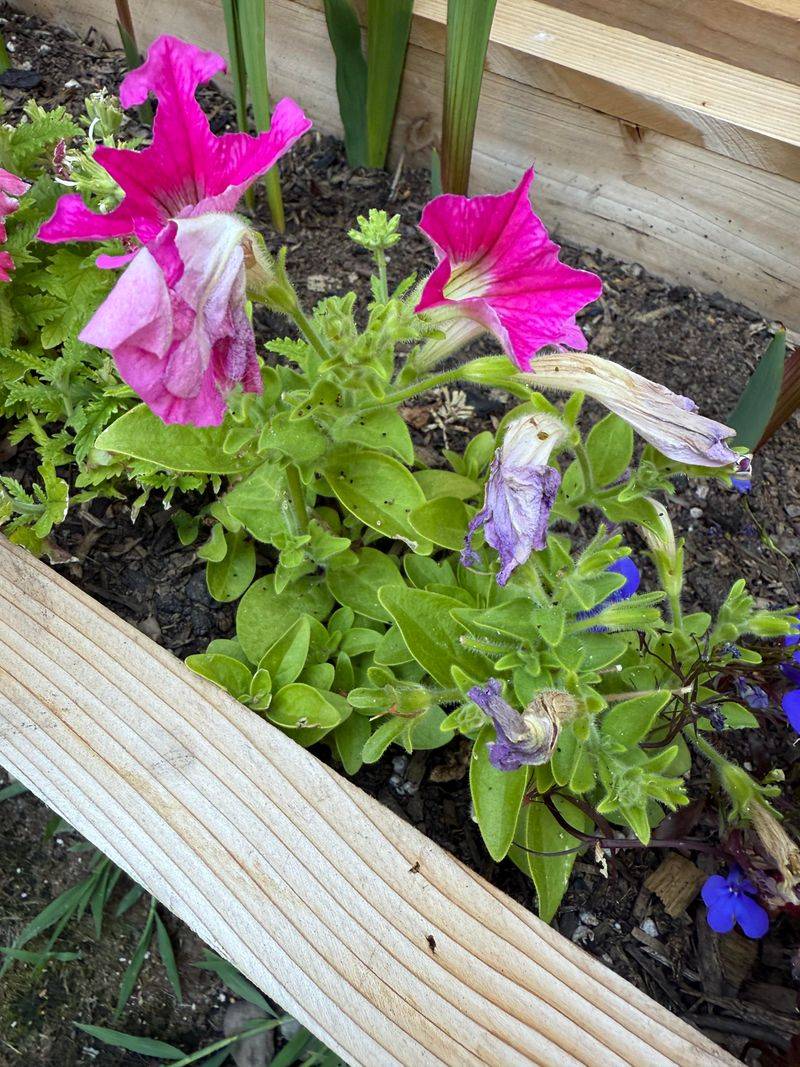
The ones that look papery, faded, or slightly sticky at the base are actually working against you.
Those are spent blooms, and they are quietly telling your plant to stop producing new flowers.
A spent petunia flower has a very specific look once you know what to search for.
The petals lose their bright color and start to curl inward or droop downward.
Below the faded petals, you will often spot a small green pod forming, which is the seed capsule the plant is rushing to fill.
Fresh blooms are firm, brightly colored, and fully open.
Spent ones feel soft or papery when you pinch them gently and may leave a sticky residue on your fingers.
Your Tennessee Garden Changes Every Week. Your Plan Should Too.
Gardening in Tennessee changes quickly throughout the season. Every Friday you’ll receive a simple weekly plan showing exactly what to plant, prune, fertilize, harvest, and protect so you never miss the right timing.
That stickiness is often a sign the flower has likely already been pollinated and is moving on without you.
Some gardeners confuse buds with spent flowers, so take a close look before you remove anything.
Buds are tight, pointed, and often have a slightly waxy coating.
Spent blooms are loose, dull, and sitting lower on the stem than the healthy growth above them.
Training your eye to spot the difference takes about one good walk through your garden.
After that first focused look, identifying spent blooms becomes second nature.
Once you can spot them, you are already halfway there.
The blooms that follow will make the whole thing worth it.
Where Exactly To Cut For The Best Results
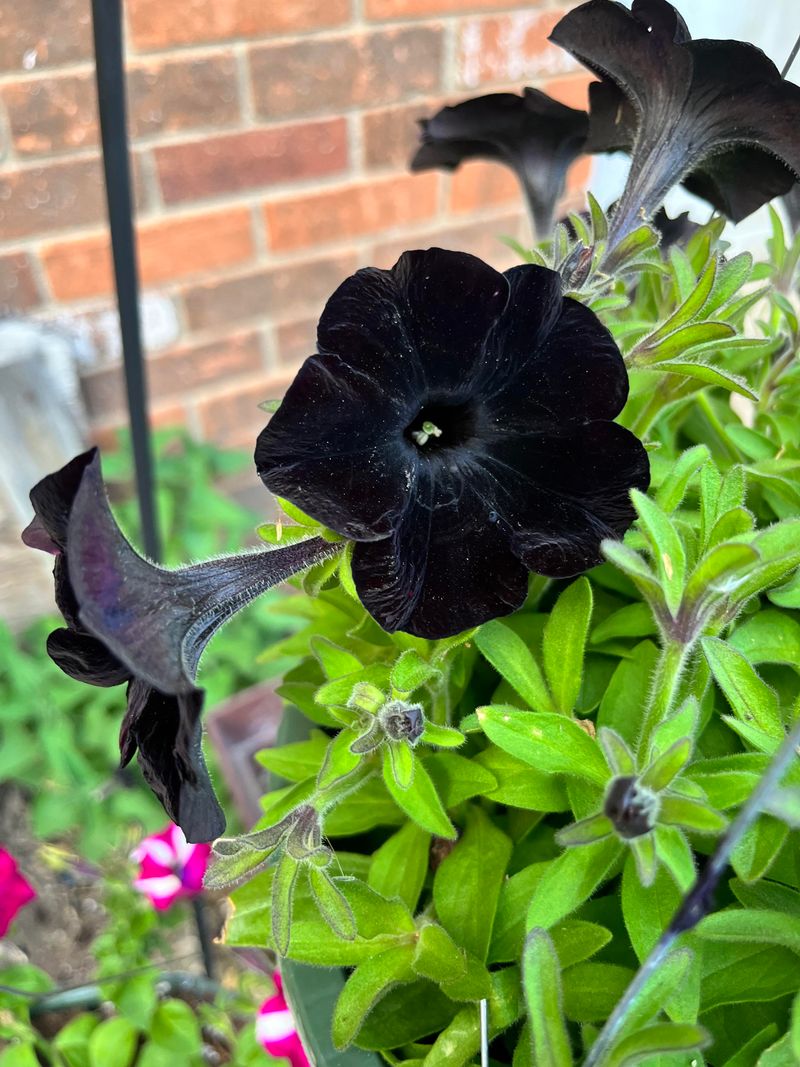
Cutting in the wrong spot is almost as bad as not cutting at all.
Many gardeners pinch off just the petal, leaving the seed pod and a stub of stem behind, which does almost nothing to encourage new growth.
The location of your cut is everything when it comes to getting petunias to rebloom quickly.
For standard deadheading, find the spent bloom and trace the stem down to the first set of healthy leaves.
Make your cut just above that leaf node, about a quarter inch above it.
That node is where the plant stores its next burst of energy, and a clean cut right there signals it to push out a fresh stem and bud.
Sharp scissors or small pruning snips make a cleaner cut than fingernails, which may crush the stem and leave it more vulnerable to disease.
A clean cut heals faster and lets the plant redirect energy without wasting time repairing damage.
Wipe your blades with rubbing alcohol between plants if you are working in a large bed to avoid spreading any fungal issues.
When you cut back further than the first leaf node, you are doing a light trim rather than simple deadheading.
This is fine and sometimes necessary, but save the deeper cuts for plants that have gotten seriously leggy.
For routine weekly maintenance, the first leaf node is your sweet spot every single time.
Getting this detail right separates a garden that looks decent from one that genuinely stops people in their tracks.
Precise cuts lead to faster regrowth, fuller plants, and a bloom cycle that keeps going all the way into September.
How Often Tennessee Gardeners Do This In Summer
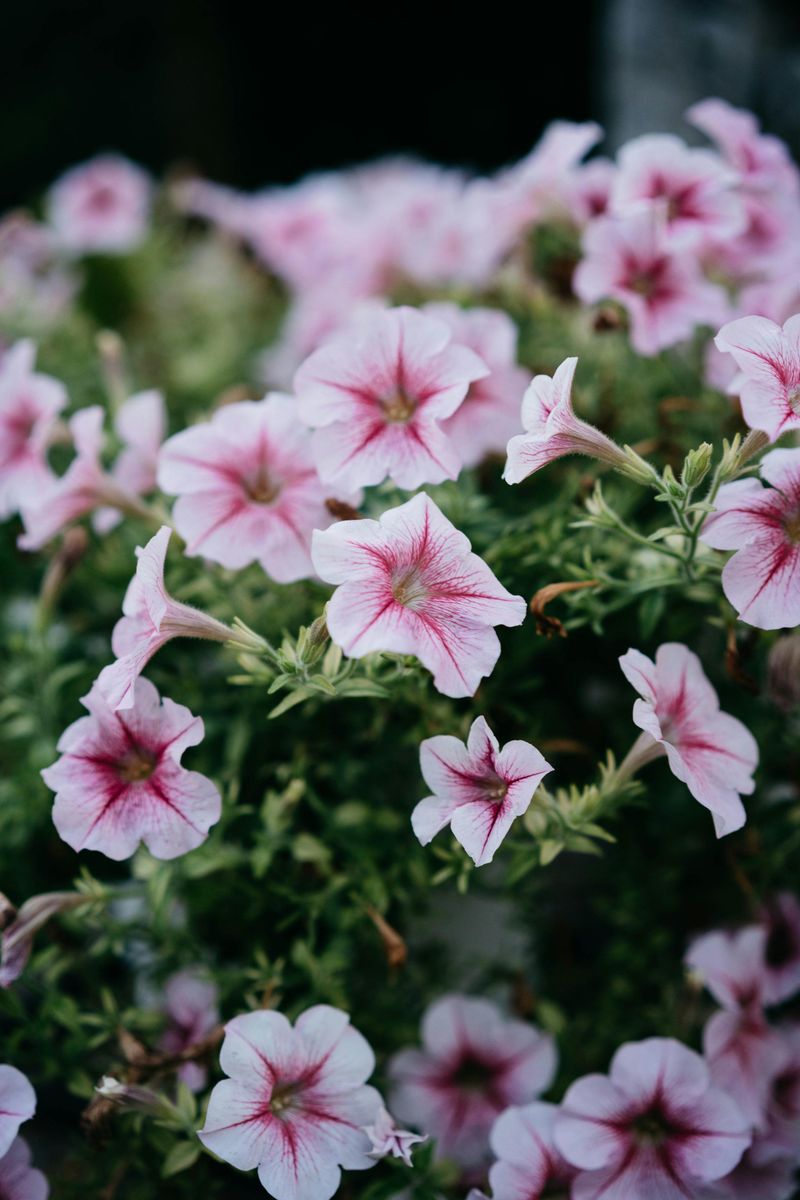
Once a week is the sweet spot for most Tennessee gardeners during the peak summer months.
Tennessee heat speeds up the bloom cycle from late June through August.
That means spent flowers pile up faster than you might expect.
A weekly walk-through with scissors takes about ten minutes and keeps everything in check.
Some gardeners prefer to do a quick check every few days during the hottest stretches of July.
If your plants are in full sun and temperatures are consistently above 90 degrees, blooms fade fast.
Seed pods can form in as little as three to four days.
A slightly more frequent schedule during those weeks can make a noticeable difference in how full your plants look.
The best time to prune is in the early morning when temperatures are cooler and the plant is well-hydrated from overnight moisture.
Avoiding the midday heat reduces stress on both you and the plant after cutting.
Even on busy weeks, a five-minute morning check can prevent a week of lost blooms.
Consistency matters more than perfection with this habit.
Missing one week will not ruin your plants, but missing two or three in a row during peak summer can set them back significantly.
A small regular action, done consistently, prevents a much bigger problem down the line.
Building this routine into your week pays off in a way that feels almost magical.
Gardeners who deadhead weekly often report that their petunias look better in late August than they did in June.
That is not luck, that is the power of showing up consistently.
When A Bigger Trim Is The Answer
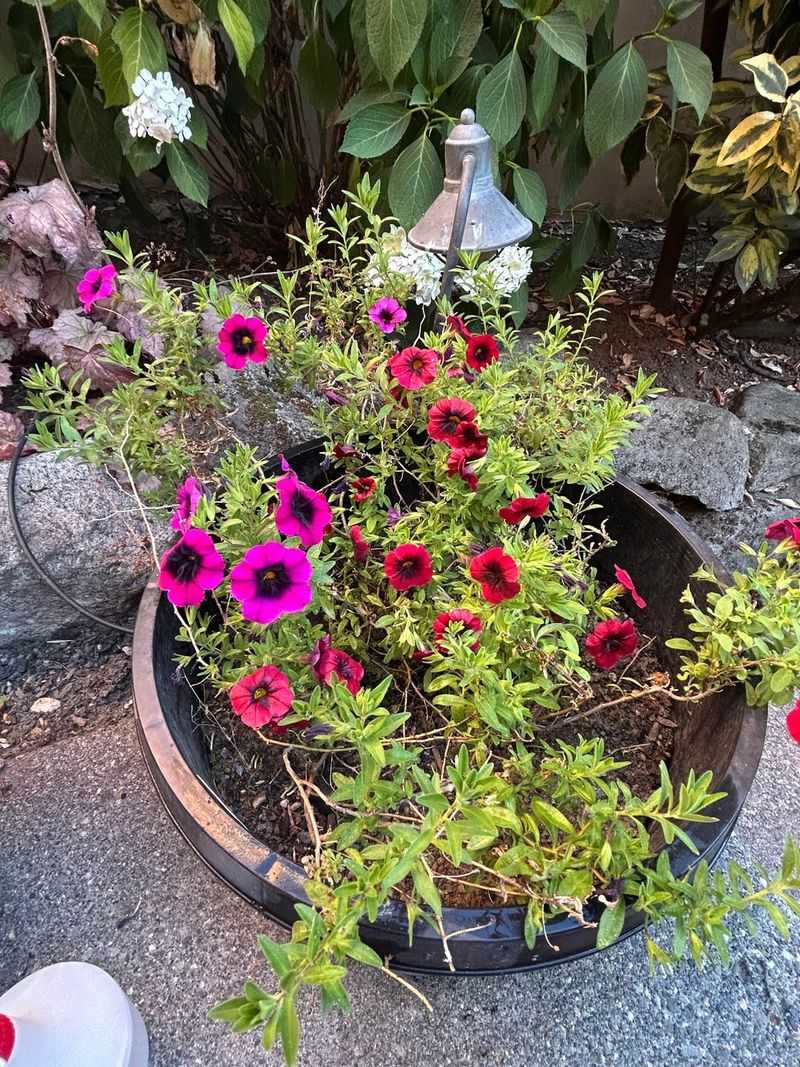
Sometimes a plant does not need a touch-up, it needs a full restart.
If your petunias have gone more than three weeks without attention, it is time for a harder approach.
The same goes if the stems are six inches or longer with barely any leaves near the base.
This is called a hard reset, and it works better than most gardeners expect.
Cut the entire plant back by about half its height, aiming for a point on each stem where you can still see a leaf node or two.
Yes, it will look rough for a few days and that is completely normal.
The plant is not struggling, it is regrouping, and the energy it was sending to all those tired stems is now redirecting toward fresh new growth.
Water deeply right after a hard cut and give the plant a light feeding with a balanced fertilizer.
Petunias recovering from a hard trim respond well to a little extra nutrition.
Look for something with a higher phosphorus number, it encourages both root and bloom development.
Within seven to ten days, you should start seeing small green nubs forming at the nodes you left behind.
August is actually a great time to do a hard reset in Tennessee because the worst heat is often just starting to ease up.
Cooler nights in late August help plants recover faster and push out a fresh flush of blooms heading into fall.
Timing your hard trim with that natural shift can give you the best second act of the season.
Skipping the hard reset when a plant clearly needs it just delays the inevitable.
A bold cut now means a spectacular finish later, and that payoff is absolutely worth the momentary bare look.
What Your Garden Can Look Like In Two Weeks
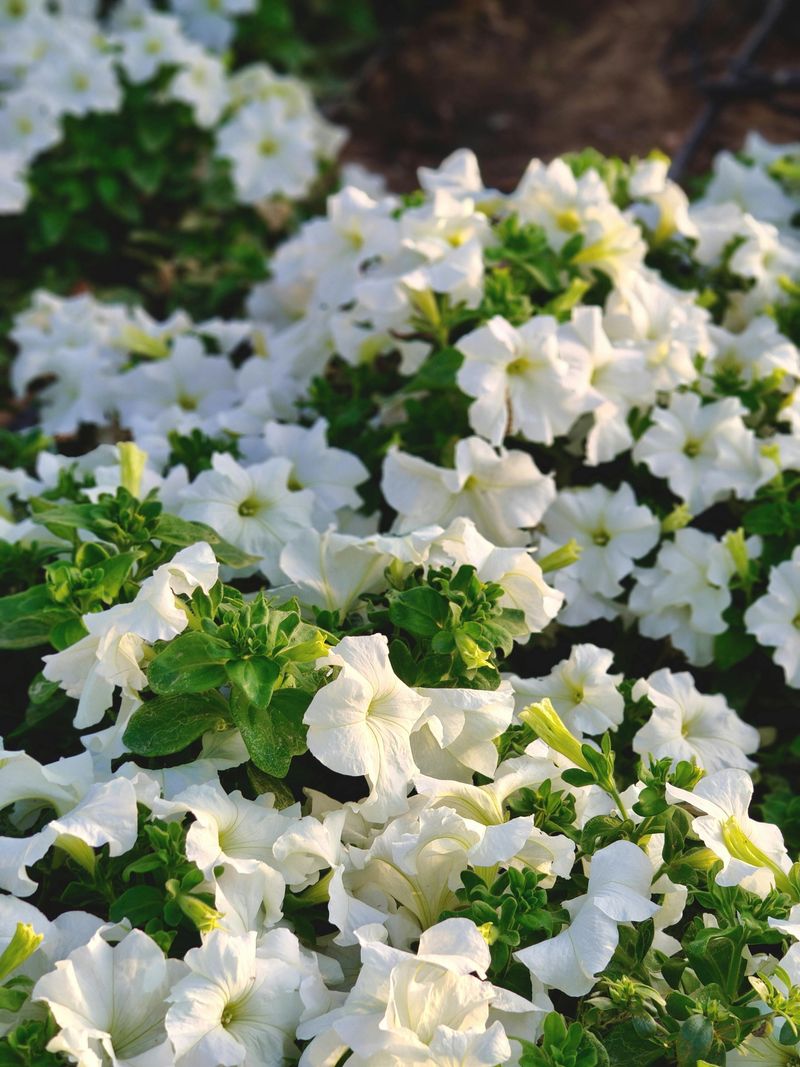
Two weeks after starting a consistent pruning habit, something shifts in your garden that is hard to describe until you see it yourself.
The stems look shorter and bushier, the color is more saturated, and there are blooms where there used to be only bare green sticks.
It feels less like maintenance and more like a reward.
Most gardeners notice the first wave of new buds appearing within five to seven days of their first real deadheading session.
By day ten, those buds are opening into full flowers.
By the two-week mark, the plant can double or even triple its visible bloom count.
The shape of the plant also improves dramatically after consistent trimming.
Instead of the long, floppy arms that tend to flop over the edges of containers or beds, the growth becomes compact and mounded.
That fuller shape is not just prettier, it also protects the plant by reducing the surface area exposed to intense afternoon sun.
Color intensity often surprises first-time deadheaders the most.
New blooms on a well-pruned petunia often appear brighter and fuller.
The plant is putting genuine energy into each new flower rather than spreading it thin across dozens of dying ones.
Keeping Tennessee petunias blooming all summer long is not about luck or having a green thumb.
It is about one simple, repeatable habit done consistently.
Start this week, stay with it, and your garden will still be turning heads when the first cool breeze of September finally rolls in.