Lavender Loves Company With These 10 Pennsylvania Garden Plants
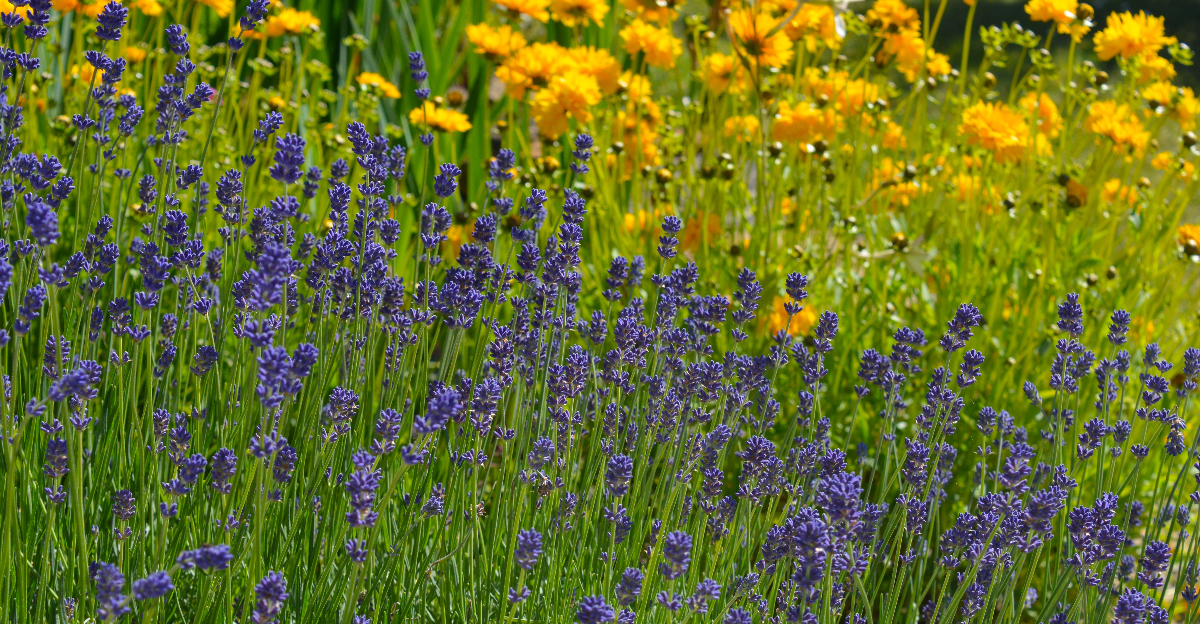
Many gardeners in Pennsylvania simply plant lavender and think they’re finished. A few purple spikes and some silver leaves, and that’s it.
But those whose gardens attract attention every summer? They know something the rest of us don’t.
There’s a reason why some garden beds appear to be straight out of a magazine while others merely look… okay. It’s not just about the lavender itself. It’s about what it’s paired with.
Lavender has a hidden side. If it’s placed next to the wrong plant, it can become unhappy, struggle, or even get completely overshadowed. However, when it’s next to the right companion, something almost enchanting happens. The colors become more vibrant.
The pollinators increase. The flowers bloom throughout the seasons in ways that seem almost too good to be true.
In Pennsylvania gardens, there are ten specific plants that work wonders with lavender. Not twenty. Not a hundred. Just ten that help lavender shine as the garden star it was always meant to be.
1. Coneflowers
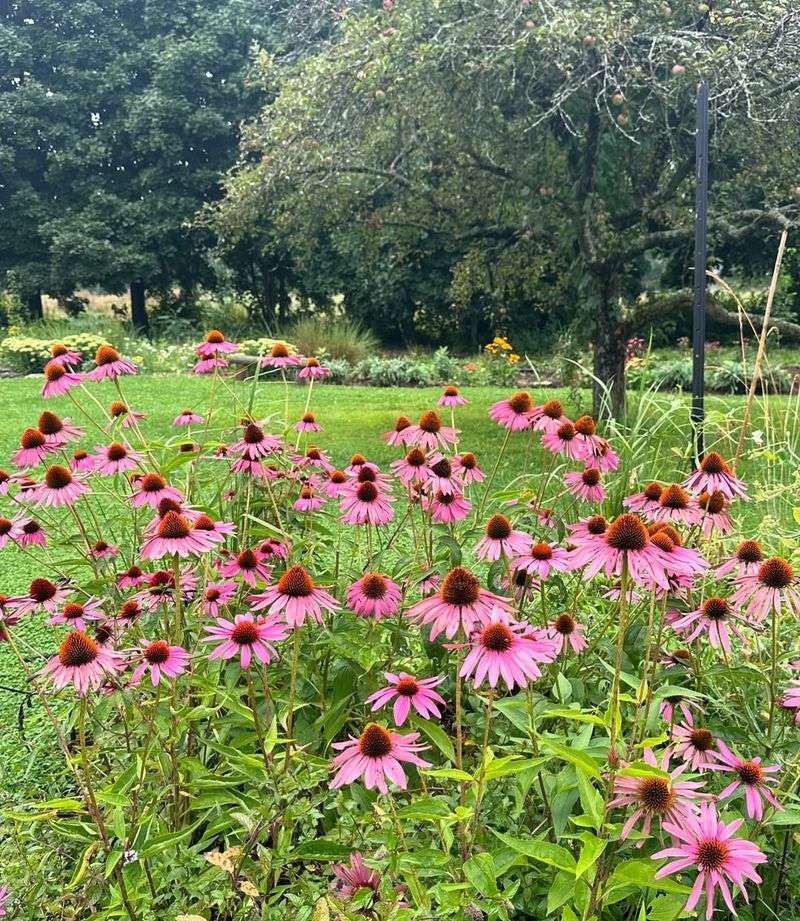
Coneflowers and lavender are a pairing that just works. Echinacea purpurea is one of the most dependable perennials in the state. It flowers from midsummer to early fall, which is perfectly timed.
Just when the main bloom of lavender starts to fade, coneflowers take over and keep the vibrant colors alive. The visual contrast is truly pleasing.
Coneflower blooms are wide, bold, and open, while lavender spikes are slender and structured. Together, they create a layered appearance that feels thoughtfully arranged without being too rigid. Classic purple or white coneflowers next to lavender offer a cool, harmonious color scheme.
If you prefer something more dramatic, pink, orange, and yellow varieties can really amp up the excitement. Both plants thrive in full sun and well-drained soil, so they have similar needs right from the beginning.
This makes things easier for you. Space coneflowers about eighteen to twenty-four inches away from your lavender clumps to give them both enough room to grow.
During late summer, coneflowers attract butterflies, bees, and goldfinches in droves. Placing them near lavender turns your sunny border into a wildlife haven. These two plants were practically made for each other.
2. Black Eyed Susans
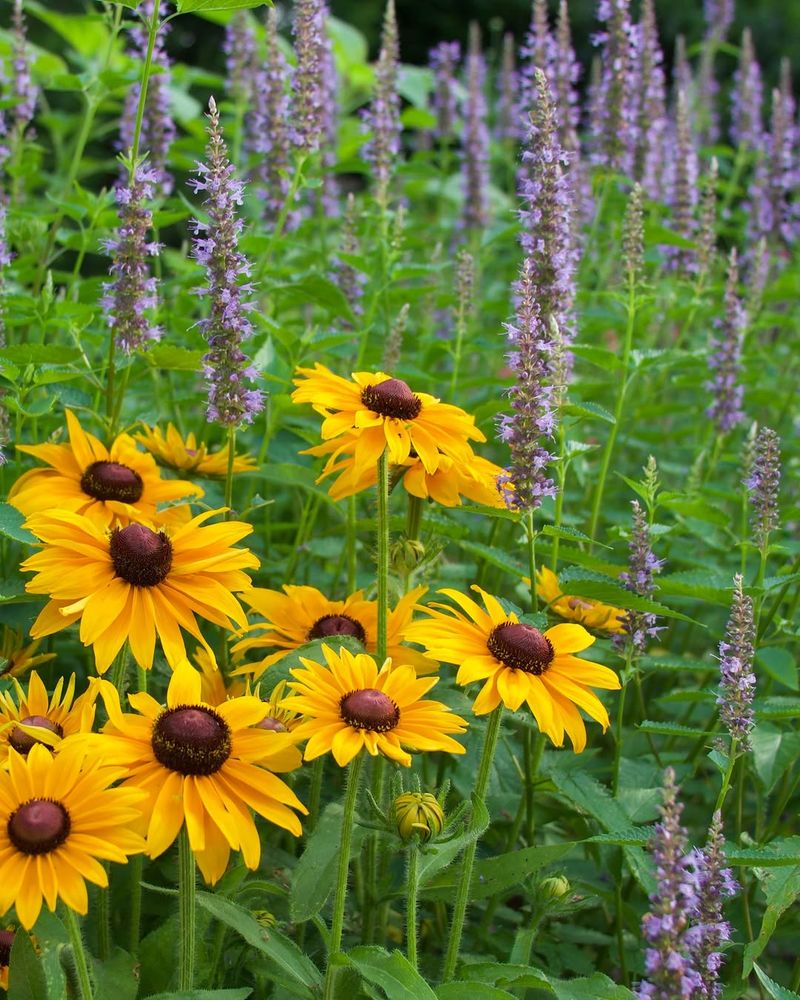
The combination of golden yellow and cool purple is one of those color pairings that just exudes happiness. Black-eyed Susans bring that vibe in abundance.
Their vibrant petals and dark chocolate centers stand out against the soft silver-green leaves of lavender. Each plant enhances the beauty of the other. That’s what makes a truly great duo.
Rudbeckia hirta thrives in Pennsylvania summers without any fuss. It loves full sun, average well-drained soil, and can handle the summer heat. No drama, no special needs.
Once it’s settled in, it requires very little water and no extra care. For lavender gardeners who want their plants to be self-sufficient, black-eyed Susans are perfect.
They bloom from midsummer to early fall, providing a long period of bright color during the peak growing season. Plus, these plants spread easily. A small group can turn into a beautiful patch of gold over a few seasons.
Your Pennsylvania Garden Changes Every Week. Your Plan Should Too.
Gardening in Pennsylvania changes quickly throughout the season. Every Friday you’ll receive a simple weekly plan showing exactly what to plant, prune, fertilize, harvest, and protect so you never miss the right timing.
Pollinators go crazy for black-eyed Susans. Native bees, bumblebees, and butterflies are frequent visitors. The seed heads also feed birds well into winter, long after everything else has disappeared.
Make sure to plant them about eighteen inches away from lavender so their spreading nature doesn’t overcrowd the base.
A cluster of three to five plants next to a lavender patch creates a border that practically shines on a sunny afternoon. It’s hard to find anything that brings such simple joy to a garden.
3. Yarrow
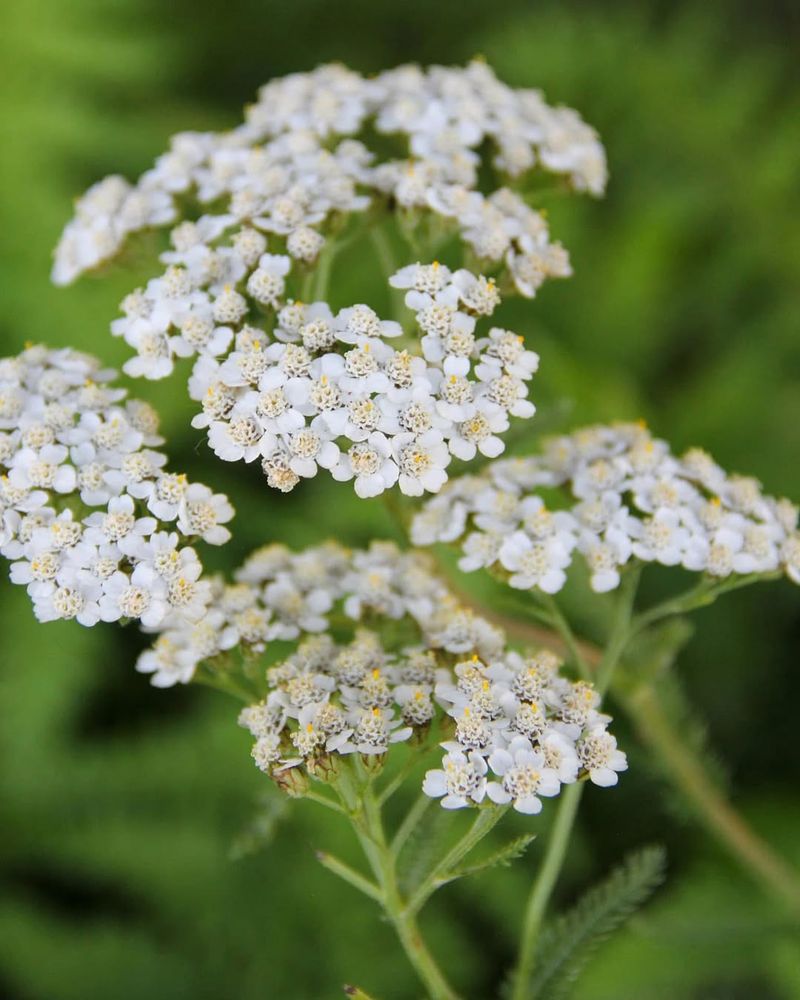
Yarrow doesn’t seek the spotlight. Instead, it subtly enhances everything around it. Where lavender showcases tall spikes, yarrow presents flat-topped flower clusters that spread out like a landing pad.
The difference in shape is one of the most pleasing aspects of planting these two together. Vertical meets horizontal. Spiky meets soft. It just works.
Achillea millefolium actually prefers not to be coddled. Rich, moist soil causes it to droop and sulk.
In dry, sunny, lean conditions? It flourishes. This means yarrow and lavender are on the same page from the start. They desire the same things.
The fern-like, finely cut leaves are appealing even when yarrow isn’t in bloom. They add texture at the base of the planting and keep things engaging between flowering periods.
Flower colors range from white and pale yellow to deep gold, red, and soft pink. That’s a broad spectrum to complement lavender’s purple shades.
Yarrow is also a secret weapon for pest control. Wasps, hoverflies, and native bees are attracted to those flat flower heads.
These insects quietly manage garden pests in the background. You get both beauty and functionality in one easy-care plant.
Blooming occurs from late spring to midsummer, with a potential second bloom after trimming. Just space yarrow about eighteen inches away from lavender. The results are impressive.
4. Russian Sage
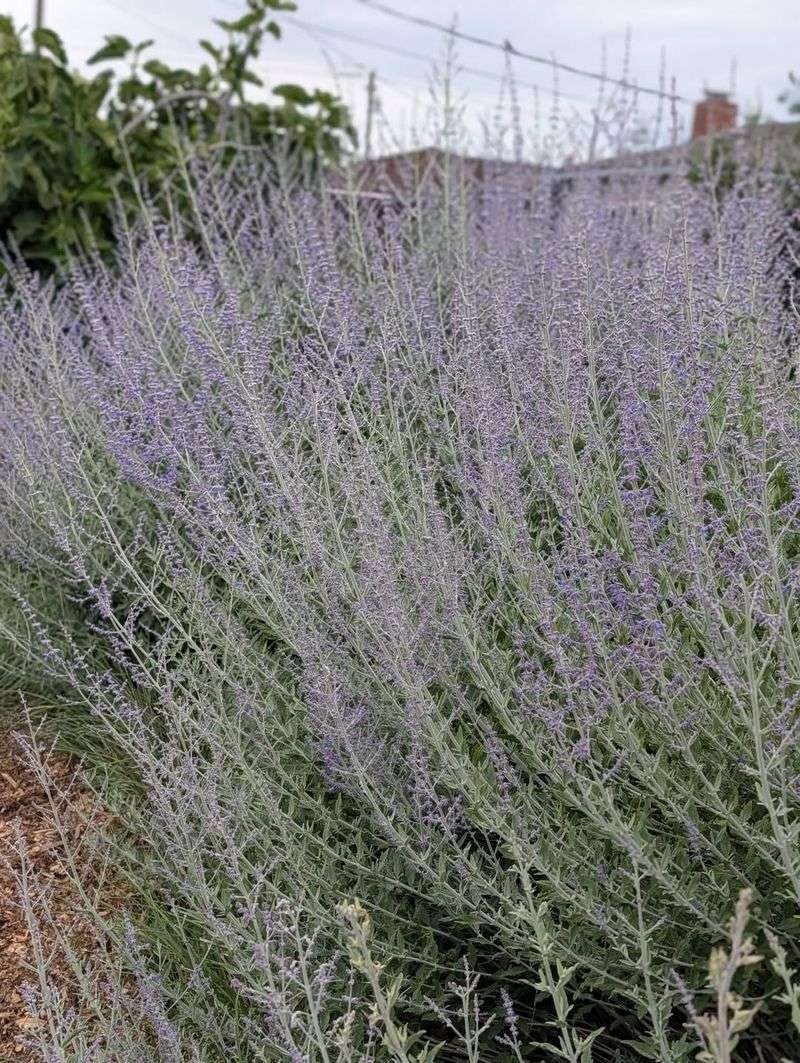
Russian sage is like lavender’s taller, more eye-catching relative who just came back from Provence. Perovskia atriplicifolia shoots up tall wands of silvery stems adorned with small flowers from midsummer to fall.
When planted next to lavender, they form a dreamy purple haze that truly makes people stop in their tracks. It’s one of the most stylish combinations you can create in a sunny Pennsylvania garden.
Their needs are the same: full sun, well-drained soil, and a strong liking for dry conditions rather than wet ones.
If you have a spot where other plants have a hard time, both Russian sage and lavender will thrive there. They’re not just a pretty sight together. They’re like best friends.
The height of Russian sage is what really makes it special. It can grow three to four feet tall, while most lavender stays under two feet.
By planting Russian sage behind lavender, you achieve a natural, layered look effortlessly. Lavender takes the front, and Russian sage rises dramatically behind it. The whole arrangement appears planned.
Bees are also huge fans of Russian sage. The long blooming period provides pollinators with a steady food source for weeks.
Even after the flowers fade, the silvery stems maintain their shape throughout winter. The garden remains captivating long after everything else has settled down.
Space Russian sage about twenty-four to thirty inches away from lavender. Together, they create a planting that looks like it belongs on the cover of a magazine.
5. Perennial Salvia
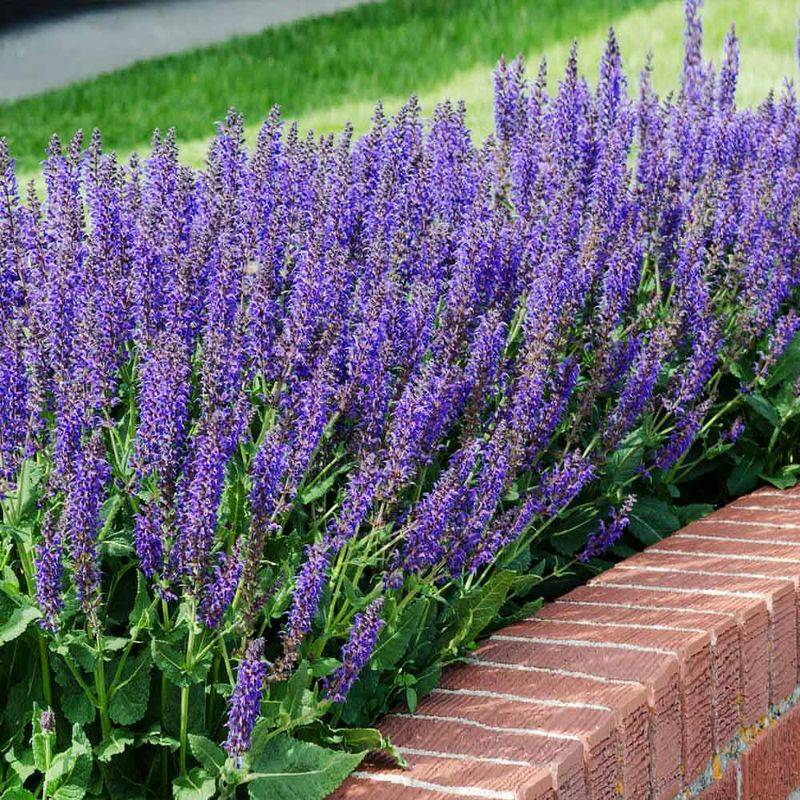
Salvia and lavender go together so well that it feels almost unfair. Both have upright flower spikes. They thrive in full sun and well-drained soil. They also attract a ton of pollinators.
When you plant them together, you create a border that seems really well thought out. It’s like the garden version of a perfectly coordinated outfit.
Salvia nemorosa flowers come in rich purple, violet-blue, soft pink, and white. You can match the colors of lavender for a cool, harmonious look. Or, you can choose contrasting colors for a bolder effect. Either way, it looks great.
The blooming period is quite generous. The first blooms appear from late spring to early summer. If you cut back the spent spikes by about a third, many varieties will bloom again in late summer. That means you get two waves of color from just one plant.
Bumblebees and native bees are always visiting salvia. Hummingbirds are attracted to the brighter varieties. By planting salvia next to lavender, you essentially double the pollinator attraction of your garden bed in one go.
Popular varieties like Caradonna, May Night, and East Friesland are reliable performers throughout Pennsylvania.
Most of them grow between eighteen and twenty-four inches tall, which means they match the height of lavender. So, salvia doesn’t just go well with lavender. It enhances it.
6. Coreopsis
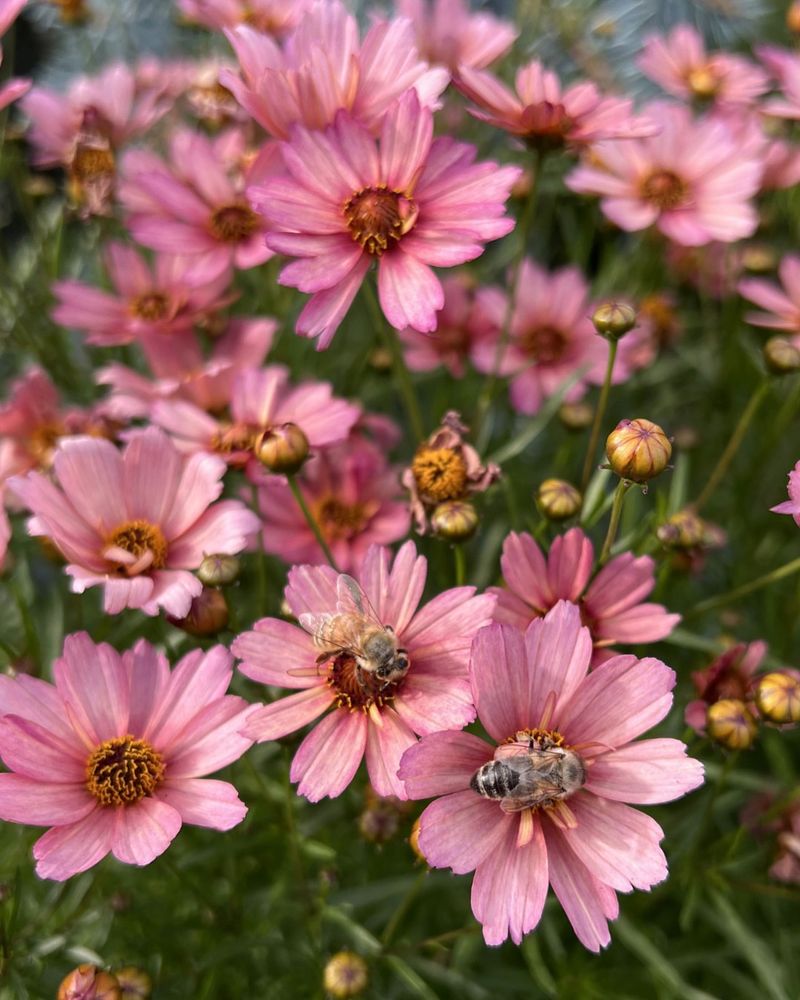
Coreopsis is one of the most lively plants in the garden. It blooms as if it has somewhere important to be and can’t wait to get there.
Bright yellow, daisy-like flowers show up from early summer all the way into fall. When planted next to lavender, it provides a warm, energetic contrast that brightens the entire border. Yellow and purple together are classic for a reason.
Coreopsis verticillata, known as the threadleaf variety, is the best option for pairing with lavender. It creates neat mounds of delicate, fern-like leaves that add texture without being bulky. The overall look is light and airy, which beautifully softens the area around lavender.
The growing needs are a perfect fit. Full sun, well-drained soil, and the ability to handle dry spells once established. Neither plant prefers rich, wet conditions. They don’t require much attention. They can coexist in the same space without any issues.
Native bees and butterflies frequently visit coreopsis during its long blooming season. The cheerful flowers attract pollinators from June until frost.
Varieties like Zagreb and Moonbeam remain compact at twelve to eighteen inches tall. This makes them perfect for the front edge of a lavender planting.
Space them about fifteen inches away from lavender and allow them to spill forward a bit while lavender occupies the middle. The combination is simple, sunny, and quietly stunning. Coreopsis doesn’t overthink it.You shouldn’t either.
7. Catmint
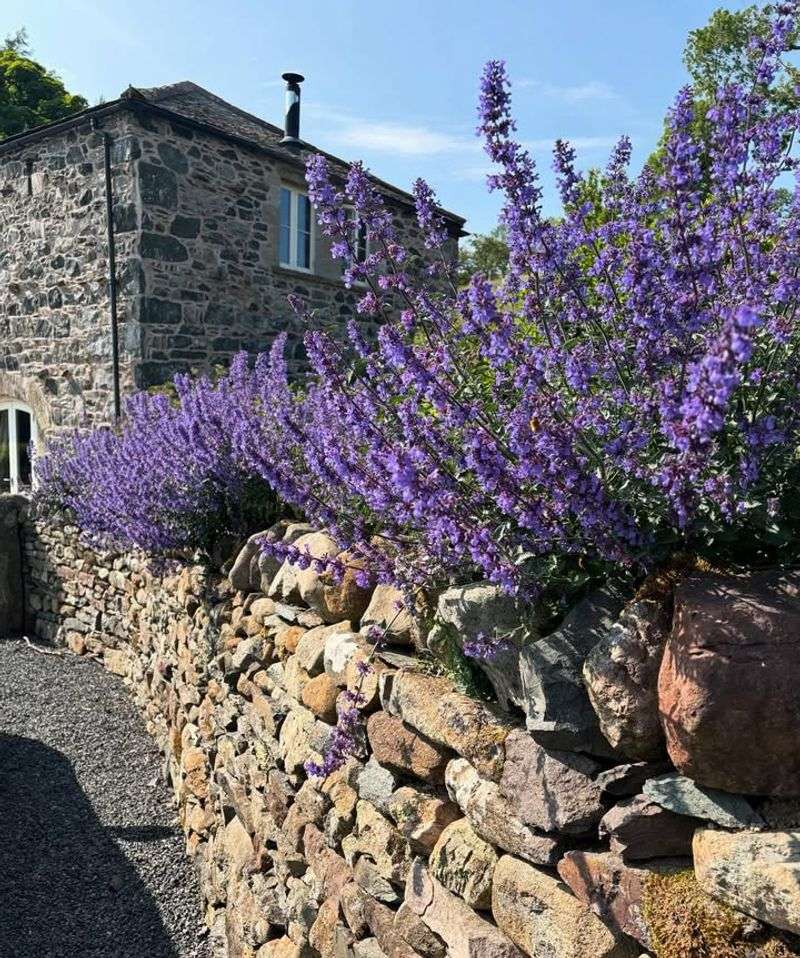
Catmint is like taking a deep breath on a warm afternoon. It doesn’t stand rigidly. It doesn’t seek the spotlight.
Instead, it adorns itself with tiny blooms that attract buzzing bees from spring to summer. Alongside lavender, it creates a romantic, laid-back atmosphere that invites people to stay a while.
Nepeta x faassenii thrives in full sun and dry soil without any fuss. Once it’s established, it can handle drought like a champ.
Unlike some garden favorites that droop when the rain is scarce, catmint remains vibrant and lush. Both plants are naturally low-maintenance, and together, they require even less care.
The color scheme is gentle, harmonious, and pleasing to the eye. Both plants feature blue-purple shades.
Walker’s Low is the top choice for gardens in Pennsylvania. It reaches about eighteen to twenty-four inches in height and width.
If you trim it back by half after the first bloom, it will bounce back with new growth in late summer. This means a long season of soft, cottage-style beauty with minimal effort.
When planting catmint, space it about eighteen inches away from lavender. Allow it to flow forward. The result is effortlessly charming and truly hard to beat.
8. Sedum
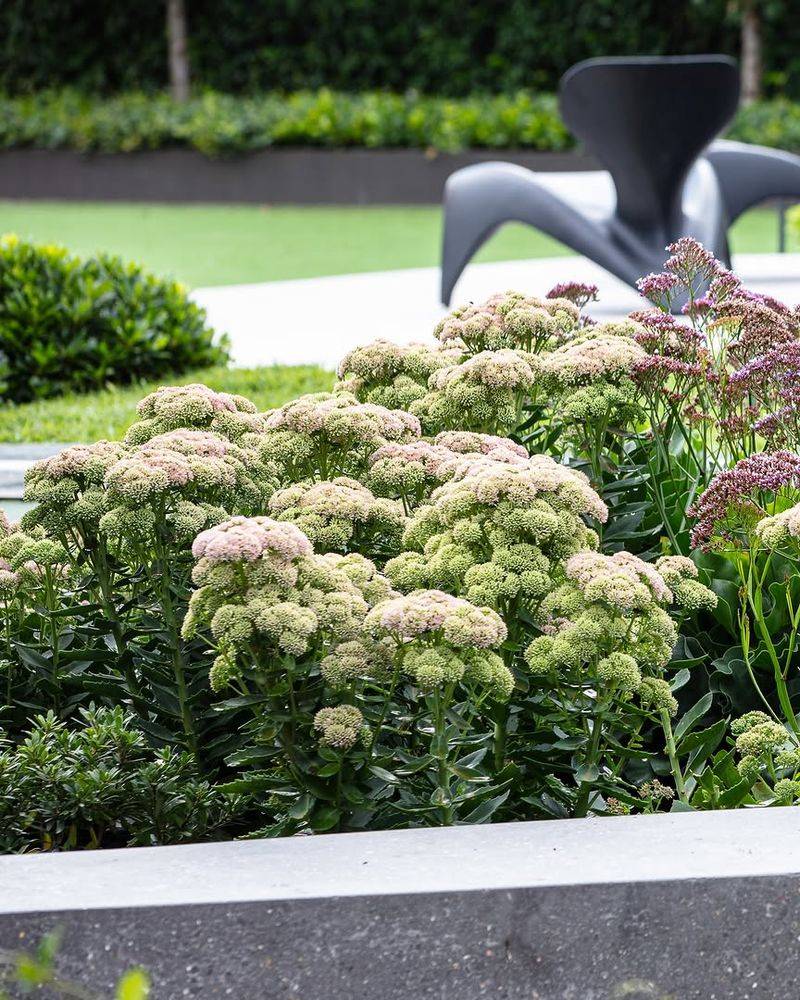
By the end of summer, many perennial gardens begin to look a bit messy. The lavender has completed its main blooming period, and other perennials are also starting to fade. The garden is in need of a finishing touch. Sedum provides just that.
Its thick, succulent-like leaves remain neat and appealing throughout the entire season. Then, just as everything else begins to wilt, large flower clusters bloom from late summer into fall.
Upright varieties known as Hylotelephium are the top picks to plant near lavender. On the other hand, Autumn Joy is the traditional choice. It reaches heights of eighteen to twenty-four inches with strong stems that don’t require staking.
Newer varieties like Neon and Mr. Goodbud offer vibrant pink hues that also look amazing next to lavender’s faded silver stems in early fall.
The growing conditions for both plants are perfectly matched. They thrive in full sun, well-drained soil, and have drought resistance that rivals that of lavender.
Both plants prefer lean, sunny environments and provide you with almost no maintenance in return. The only thing they can’t handle is heavy, wet soil.
In September and October, late-season bees and butterflies are attracted to sedum’s broad flower heads. Just plant it behind or next to your clusters and observe how it gracefully extends the season with quiet assurance. That’s all it takes.
9. Little Bluestem
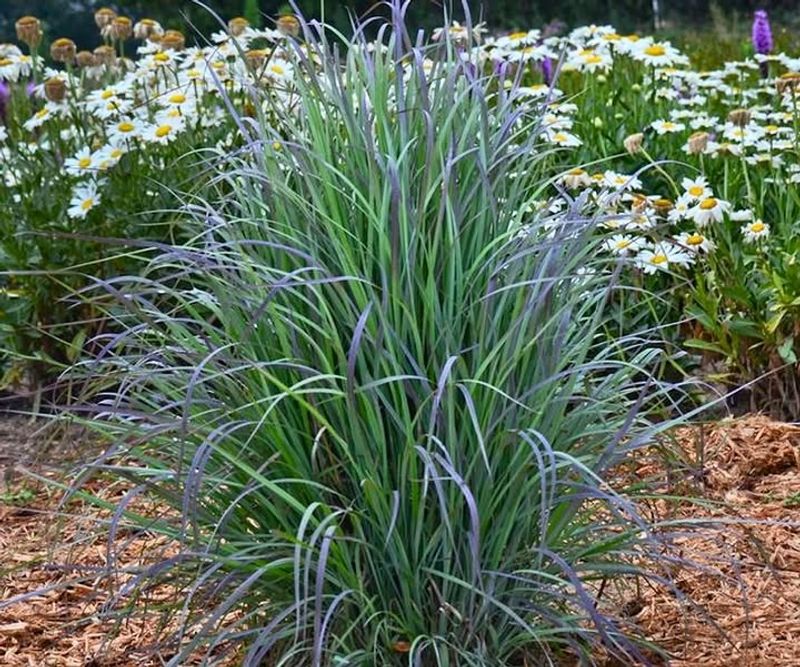
Flowering plants have a lot of capabilities. However, moving gracefully in the wind isn’t one of them. That’s where little bluestem comes into play.
When the wind flows through this grass, its delicate blue-green blades reflect the light and sway with a calm energy that brings the entire garden to life.
Next to the structured mounds of lavender, little bluestem offers a texture that is truly difficult to match with anything else.
Schizachyrium scoparium is a native species of North American prairies and is perfectly adapted to Pennsylvania. It reaches a height of two to four feet, making it an ideal backdrop plant behind the shorter lavender mounds.
During the summer, the foliage remains blue-green and upright. It’s attractive, yet subtle. But when fall comes, everything shifts. The grass changes into warm hues of copper and orange that shine in the sunlight like nothing else in the garden.
Little bluestem thrives in full sun and well-drained, lean soil. It’s best to avoid rich or moist soil, as that can cause it to flop over.
Just make sure to space it about twenty-four inches away from lavender so both plants can grow into their natural forms. And just like that, little bluestem got its place in every season.
10. Bee Balm
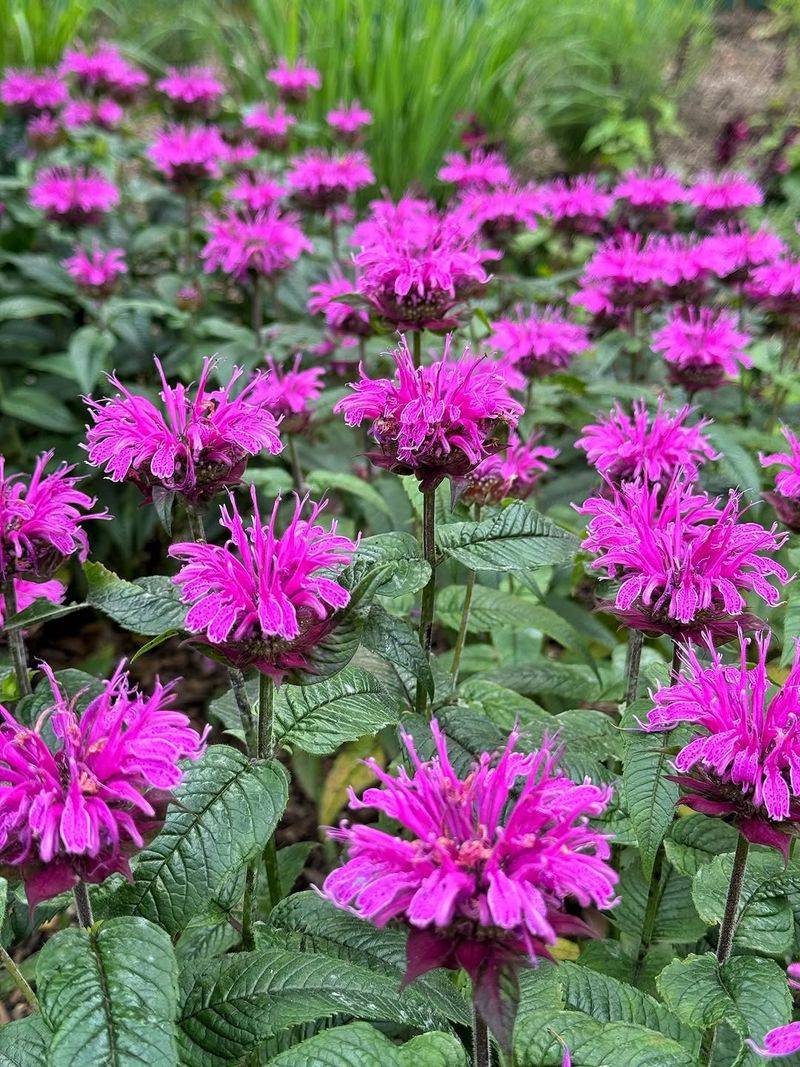
When you spot a hummingbird hovering over the blooms of bee balm, it becomes clear why gardeners are so fond of this plant. Monarda didyma showcases striking flowers in shades of red, pink, purple, and white from midsummer to late summer.
Hummingbirds are drawn to it with impressive loyalty. The visual spectacle of bee balm’s flowers next to the spikes of lavender is truly thrilling. This combination definitely deserves attention.
Now, let’s be real. Bee balm needs a bit more moisture than lavender does. It typically grows along stream banks and damp woodland edges throughout Pennsylvania.
If you try to squeeze it into the same dry, well-drained area where lavender flourishes, it will lead to issues. Powdery mildew and general dissatisfaction.
Luckily, the fix is straightforward. Position bee balm a little distance away instead of right next to lavender. A few feet apart in soil that retains a bit more moisture is ideal.
Placing it at the edge of the lavender bed works well. Keeping three to four feet of space allows each plant to thrive while still being close enough to appreciate together.
Choosing mildew-resistant varieties is essential here. Jacob Cline, Raspberry Wine, and Coral Reef all do significantly better compared to older varieties.
Make sure to plant bee balm in full sun to light shade. Reaching heights of two to four feet, it adds striking vertical interest behind lavender.
Its benefits to bees, butterflies, and hummingbirds make it one of the most rewarding plants on this list. So, just a little extra planning can make a big difference with this one.