This Native Pink Flower Attracts Butterflies And Hummingbirds To Georgia Gardens
Butterflies do not stay anywhere for long in summer gardens, especially once the heat starts building across Georgia. Hummingbirds can be even harder to hold around flower beds for more than a quick visit.
Then certain flowers suddenly change the entire yard.
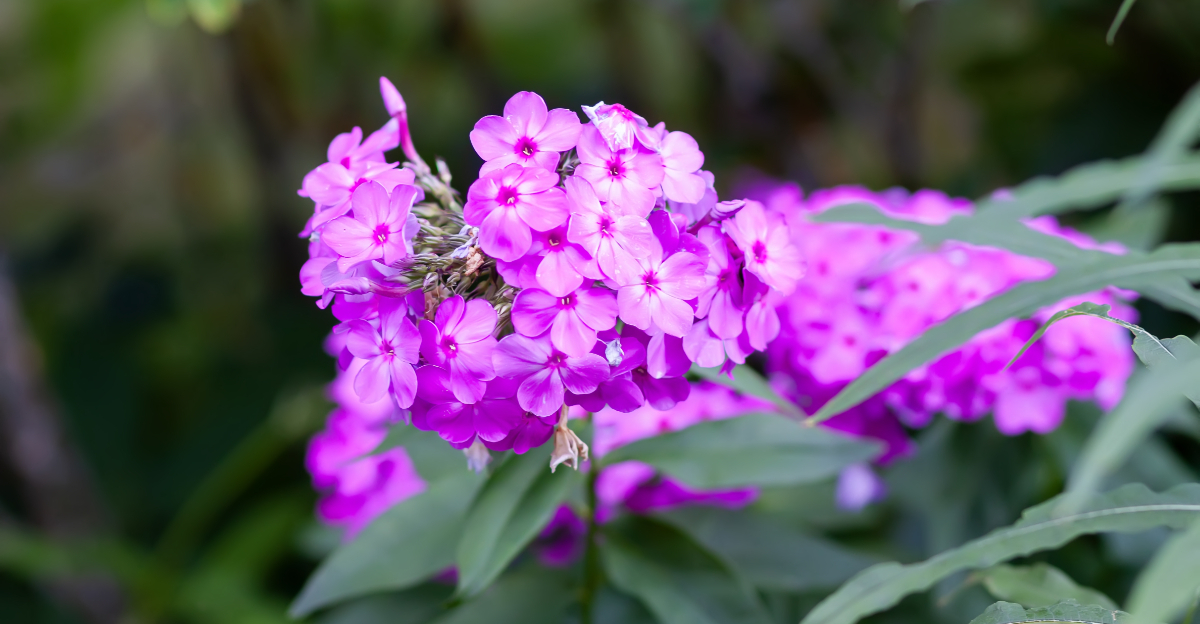
Bright pink blooms rise above the foliage while butterflies and hummingbirds keep returning all summer. One part of the garden suddenly feels brighter and far more alive.
That is exactly what happens once Phlox paniculata reaches peak bloom.
Large flower clusters keep opening through summer while sweet fragrance spreads through the garden during warm evenings.
Bees stay busy around the flowers while swallowtails drift between the blooms long after many summer plants begin slowing down from the heat.
Some plants bloom beautifully for a short time and disappear into the background afterward. Garden phlox keeps pulling attention back day after day once summer flowering fully begins.
1. Bright Pink Blooms Keep Drawing Butterflies All Summer
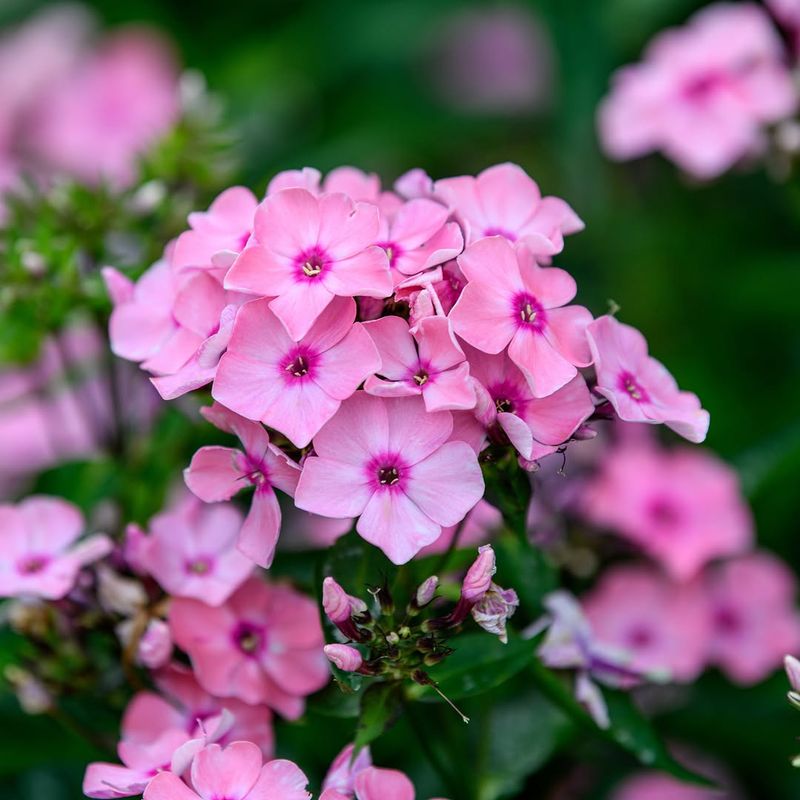
Bright pink flower clusters on garden phlox start attracting butterflies almost immediately once blooming begins in summer.
Beds that looked ordinary earlier in the season suddenly feel much more active.
Everything changes once the flowers fully open across the tops of the tall stems. Large blooms stay easy for butterflies to notice from a distance.
Activity becomes even heavier during warm sunny afternoons. Swallowtails often spend long stretches moving between the flower heads.
The nectar supply stays reliable for weeks instead of fading quickly after the first flush of blooms.
Painted ladies, skippers, and fritillaries also return repeatedly once more flowers begin opening. Some flowering plants slow down badly during intense summer heat.
Garden phlox usually keeps producing fresh buds while nearby plants already start looking tired or stressed. Dense flower clusters also help butterflies feed more efficiently.
Multiple small blooms stay packed closely together. Insects can move around easily without wasting energy searching for another nectar source nearby.
Constant movement around the flowers quickly becomes one of the most noticeable parts of the plant during peak bloom season.
Regular watering helps the flowers last longer through dry stretches.
2. Hummingbirds Quickly Notice The Tall Flower Clusters
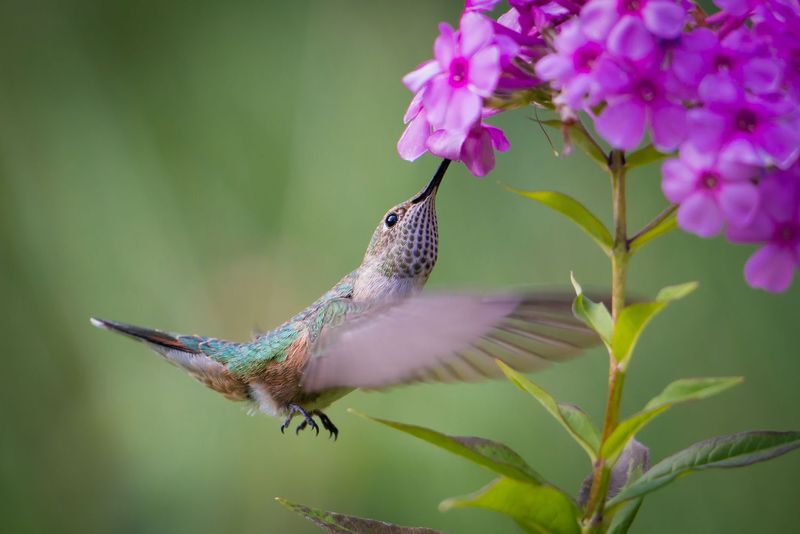
Tall stems covered in bright pink flowers quickly grab hummingbird attention once garden phlox reaches full bloom.
Flower clusters rise above surrounding foliage and become highly visible feeding spots throughout summer.
Hummingbirds often appear within seconds of entering the yard. Many dart directly toward the blooms before hovering around the flowers while searching for nectar.
Fast movement around the plant becomes much more noticeable once several stems begin flowering at the same time.
Tube-shaped flowers make feeding easier for hummingbirds. Birds can reach deep into the blooms without struggling through crowded petals or thick foliage.
Several hummingbirds may return repeatedly during the same afternoon once they recognize the plant as a dependable nectar source.
One flowering clump can suddenly become the busiest area in the garden after peak blooming begins.
Bright color also plays a major role in attracting attention from farther away. Vivid pink flowers stand out strongly against green foliage during sunny weather.
Your Georgia Garden Changes Every Week. Your Plan Should Too.
Gardening in Georgia changes quickly throughout the season. Every Friday you’ll receive a simple weekly plan showing exactly what to plant, prune, fertilize, harvest, and protect so you never miss the right timing.
Taller varieties become even easier to notice once mature stems begin swaying above nearby plants in the breeze.
Consistent moisture helps support fuller flowering and healthier stems through the hottest part of summer.
3. Sweet Fragrance Makes This Native Flower Stand Out
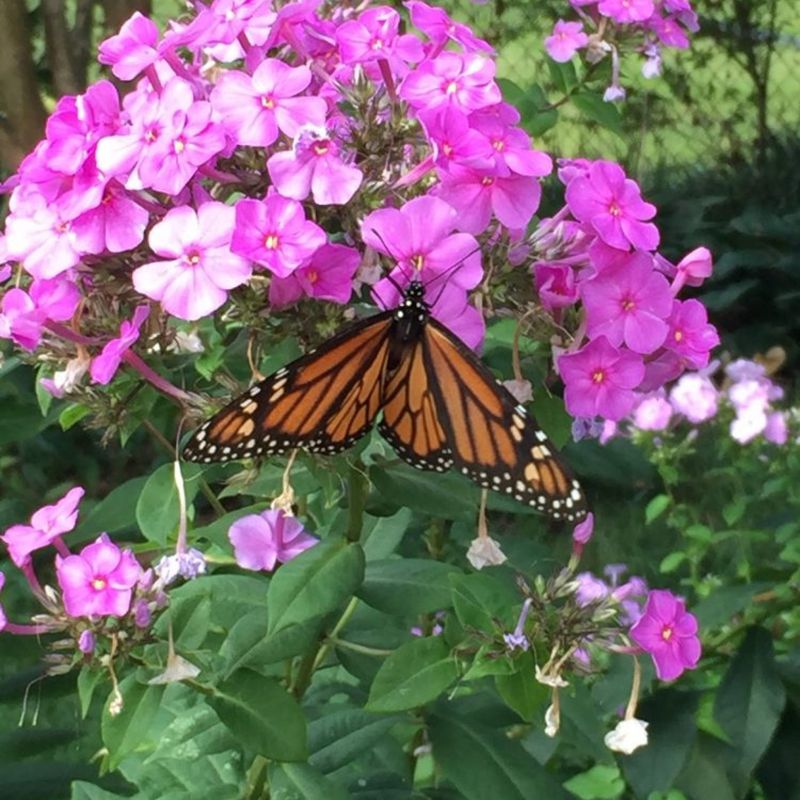
Garden phlox becomes surprisingly memorable once the fragrance starts spreading through the yard during summer evenings.
Sweet floral scent drifts through the air long after the bright pink flowers first catch attention from across the garden.
Warm weather often makes the fragrance even stronger. Calm evenings allow the scent to linger around patios, walkways, and seating areas for hours.
Some flowering plants look impressive but produce very little noticeable fragrance once people get close. Garden phlox behaves differently once blooming reaches full strength.
Large flower clusters release a soft sweet scent that feels pleasant without becoming overpowering during hot weather.
Many gardeners notice the fragrance before even reaching the plant itself.
Pollinators also respond strongly to scented flowers throughout the blooming season. Bees remain highly active around the blooms during daytime feeding hours.
Butterflies continue circling nearby flower heads while searching for nectar. Moths sometimes appear around the flowers later in the evening once the scent becomes even more noticeable after sunset.
Good airflow helps the plant stay healthier through humid summer weather. Crowded stems can trap moisture around the leaves and increase disease problems later in the season.
4. Long-Lasting Blooms Keep Pollinators Coming Back
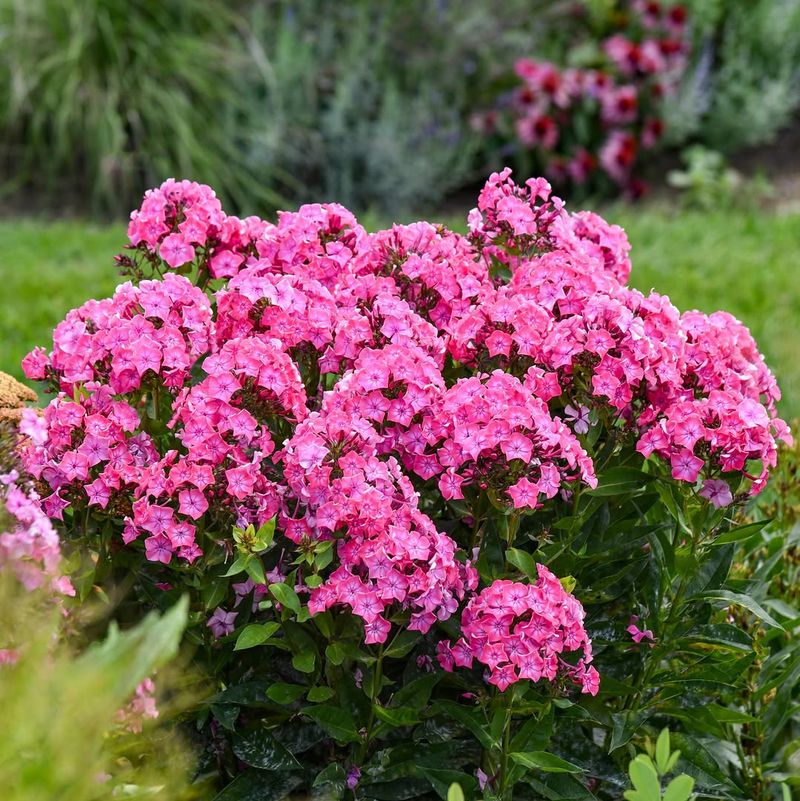
Many flowering plants produce one strong wave of color, then quickly fade once summer heat becomes intense. Garden phlox keeps blooming much longer than people often expect.
Butterflies, bees, and hummingbirds continue returning steadily through the season instead of disappearing after only a short burst of activity.
Fresh buds continue opening across the flower clusters while older blooms slowly fade lower on the stems. That steady cycle helps the plant stay colorful for weeks during summer.
Nearby flowers sometimes begin looking worn out once temperatures rise.
Garden phlox usually keeps pushing out bright pink blooms much later with proper care and regular moisture.
Extended flowering also creates a stronger visual effect in planting beds. Large clusters of pink flowers remain highly noticeable while many early-season perennials already start declining from heat stress.
Multiple plants blooming together can completely change how lively the garden feels during midsummer afternoons.
Bright blooms continue drawing attention long after many nearby flowers already begin fading.
Removing spent blooms helps encourage additional flowering later in the season. Regular watering near the base also helps the plant handle dry stretches more successfully.
5. Large Flower Heads Create Constant Garden Movement
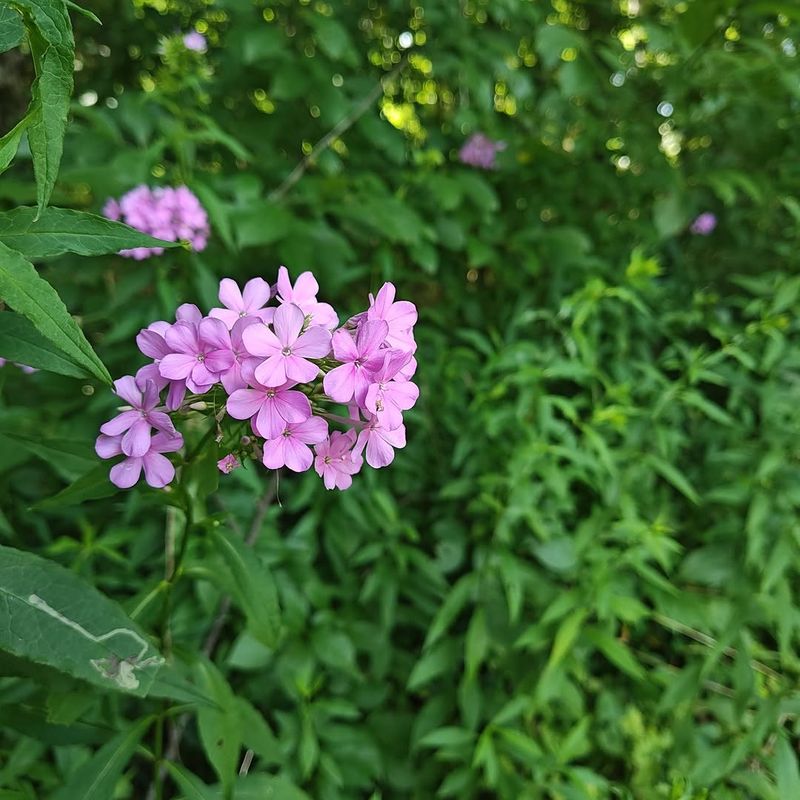
Garden phlox rarely blends into the background once the flower heads reach full size during summer.
Large rounded clusters rise above the foliage and create much more visual impact than many smaller flowering perennials nearby.
One mature plant can hold dozens of blooms at the same time. That fullness makes planting beds feel brighter, busier, and far more colorful once peak flowering begins.
Movement around the flowers becomes almost nonstop during warm weather. Butterflies drift slowly between bloom clusters while bees crawl across the petals searching for nectar throughout the day.
Hummingbirds also stay highly active around the tall stems once multiple flower heads open together. Something always seems to hover, land, or circle around the plant once blooming intensifies.
Constant activity around the flowers quickly becomes one of the most noticeable parts of the display.
Wind creates another layer of movement during summer afternoons. Tall stems sway gently above nearby foliage instead of staying stiff and motionless through the heat.
Larger varieties bring even more motion once flower clusters begin moving naturally through the breeze.
That softer movement helps planting beds feel more alive during the hottest part of the growing season.
6. Full Sun Helps Summer Phlox Produce More Flowers
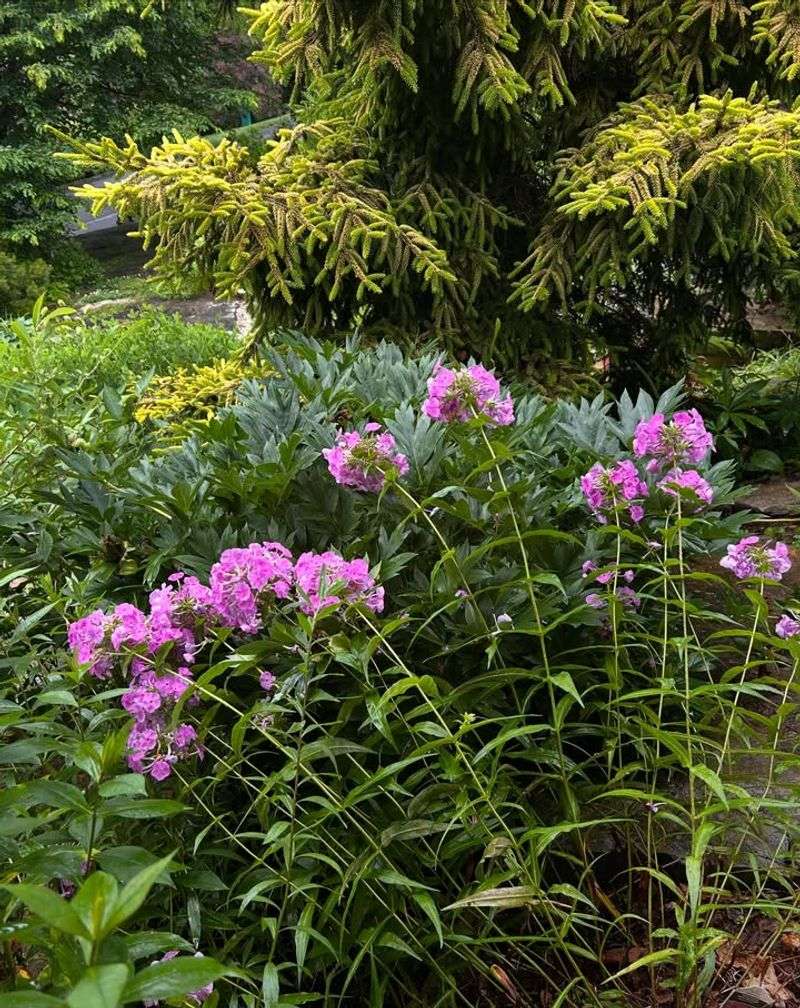
Flower production changes dramatically once summer phlox receives enough direct sunlight during the growing season.
Plants growing in brighter areas usually develop fuller stems, larger flower clusters, and far more buds than those sitting in heavy shade.
Blooming may still happen in lower light, but the plant often looks thinner and produces fewer flowers once summer fully settles in.
Morning sun becomes especially valuable during humid weather. Sunlight helps dry moisture sitting on the leaves after rainy nights or heavy morning dew.
Faster drying conditions reduce stress on the foliage and help limit disease problems later in the season.
Plants growing in constant shade often struggle much more once humidity and heat begin building for long stretches.
Stronger sunlight also helps stems remain sturdier during peak bloom season. Taller varieties can become floppy when light levels stay too low for too long.
Rich soil and consistent moisture help support healthier upright growth as flowering intensifies during midsummer. Thick mulch around the base can also help roots stay cooler once temperatures begin climbing.
7. Deadheading Encourages Fresh Pink Blooms Later In Summer
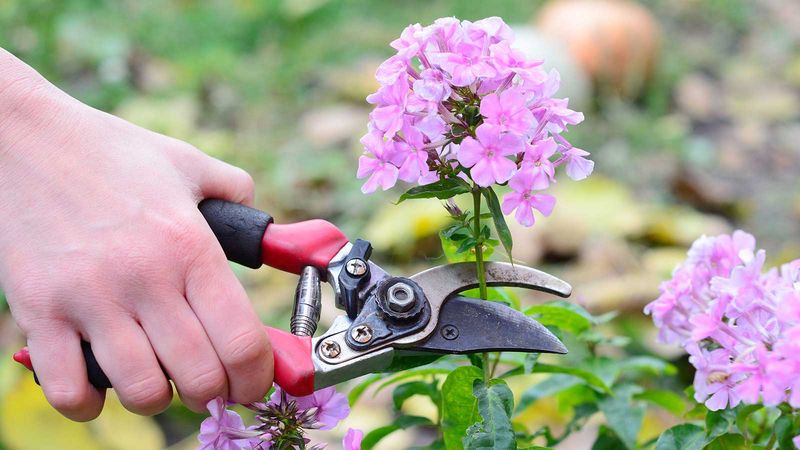
Spent flower clusters can make summer phlox start looking tired much sooner than expected once the earliest blooms begin fading.
Deadheading helps the plant stay cleaner and encourages fresh flower production later in the season.
Instead of shifting energy fully toward seed production, the plant continues focusing on new growth and additional blooms during active summer flowering.
Removing faded flower heads also changes the overall appearance of the plant surprisingly quickly. Fresh green growth becomes more noticeable once older blooms disappear from the stems.
New buds often begin forming around the trimmed areas not long afterward.
Many gardeners notice another strong wave of pink flowers appearing later in the season once deadheading becomes part of the regular routine.
Sharp garden snips work best for cleaner cuts without damaging nearby stems or unopened buds.
Cutting just above healthy leaf growth helps the plant recover more naturally while keeping the stems looking tidy after pruning.
Waiting too long to remove fading blooms can slow additional flowering once intense summer heat settles in for extended periods.
Regular watering after deadheading also helps support quicker recovery and healthier regrowth. Mulch around the base helps roots hold moisture longer during dry stretches.