Spot 10 Warning Signs Before Japanese Beetles Take Over Your Tennessee Garden
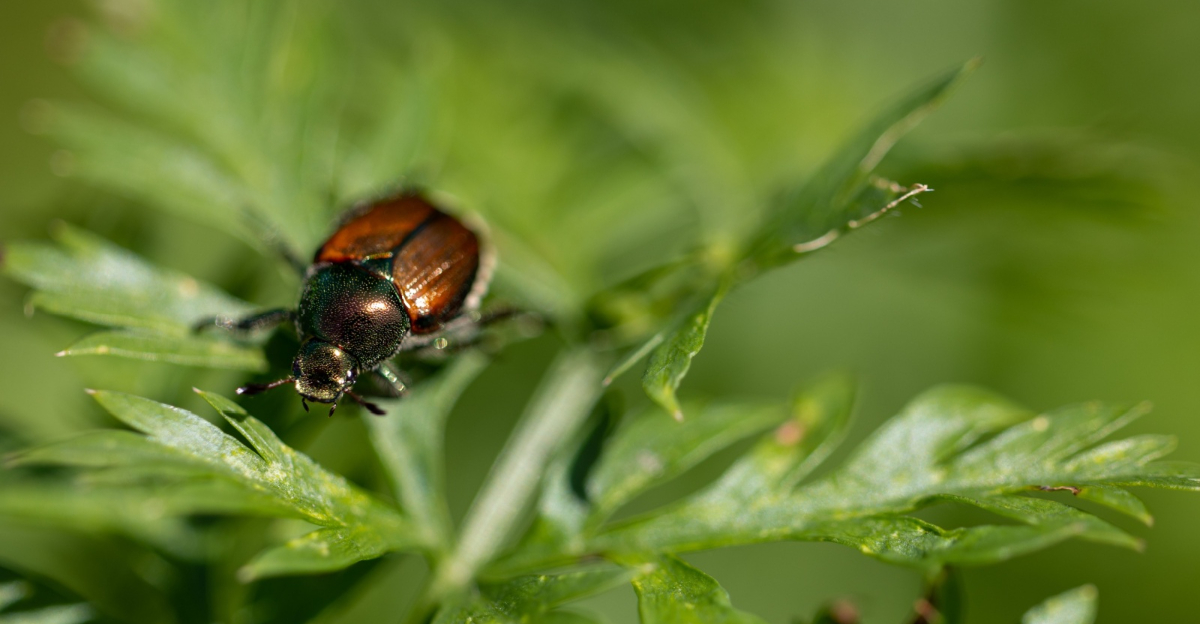
Your garden may be under attack right now, and you might not even know it yet.
Japanese beetles rank among the most damaging pests threatening Tennessee gardens each summer. They move quickly, stripping healthy plants bare within just a few days. At first, the signs are subtle. Small patches of skeletonized leaves.
Ragged edges on rose petals. Tiny bites taken from fruit tree foliage.
These early clues are easy to overlook, but they matter.
Once a small infestation grows, it can spread across an entire garden in no time. No corner of your garden is truly safe from their appetite.
Tennessee gardeners who learn to spot the warning signs early are far better positioned to protect what they have worked hard to grow. Catching these beetles before they multiply could be the difference between a thriving garden and a bare one.
1. Leaves Look Skeletonized
Flip over any leaf in your garden and you might be staring at the first major clue of a Japanese beetle problem.
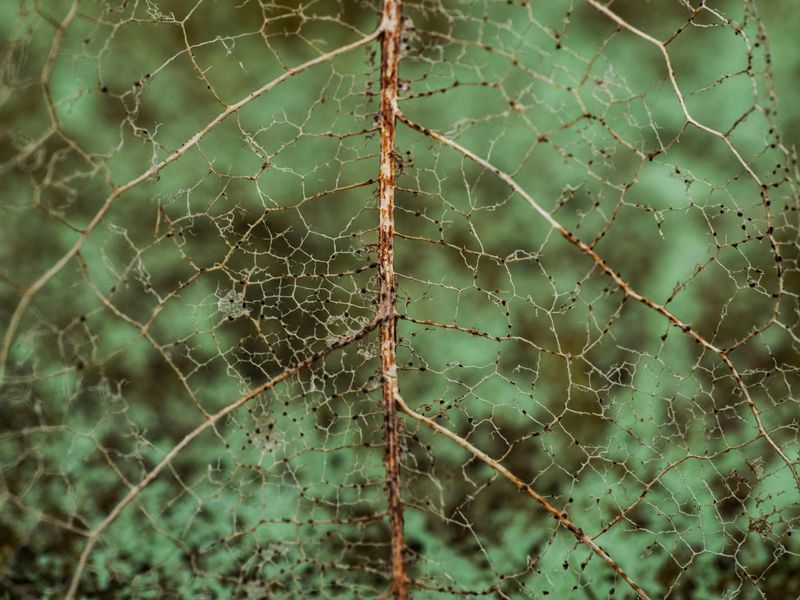
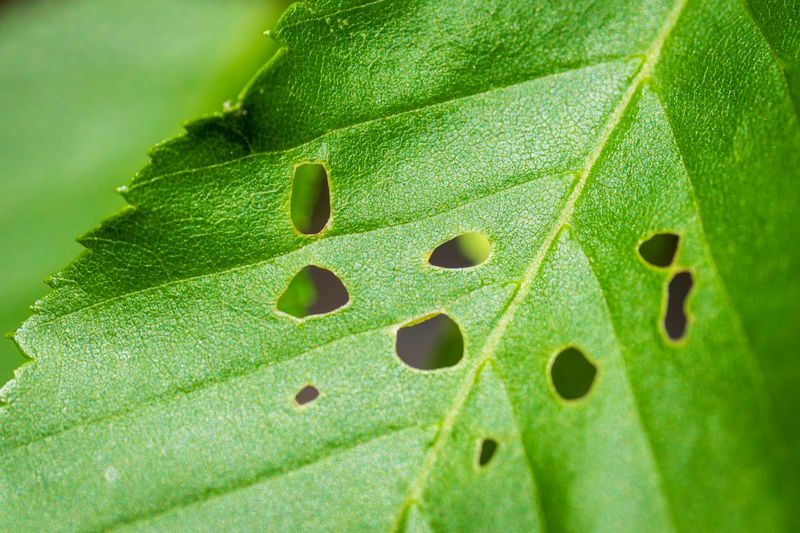
Skeletonized leaves look like nature took a hole punch to them, leaving only the thin veins behind.
The tissue between those veins gets eaten completely, turning solid green leaves into something that looks like brown lace.
This feeding pattern is almost a signature move for Japanese beetles.
Other insects chew around the edges, but these pests eat right through the middle.
You will notice the damage most on roses, grapes, and linden trees first.
Once you spot one skeletonized leaf, check the nearby plants immediately.
The beetles rarely stop at one meal.
Acting fast the moment you see this pattern gives you the best chance of stopping a small problem before it explodes into a full infestation across your yard.
2. Roses And Buds Are Chewed
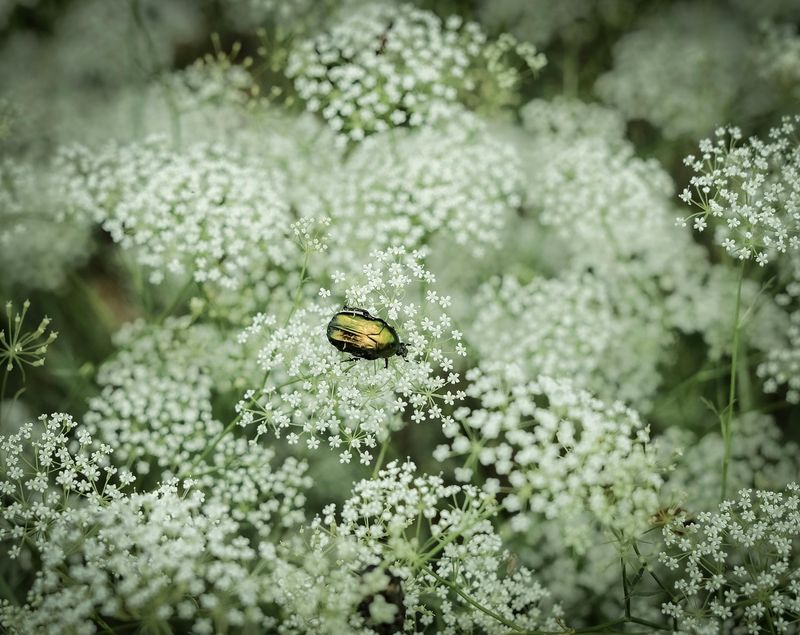
Japanese beetles treat roses like their first and favorite meal.
If your rose buds are opening up looking torn, ragged, and half-eaten, these beetles are likely the culprits. They go straight for the soft flower tissue and tender new buds before the blooms even get a chance to open fully.
What makes this sign so alarming is how fast it happens.
A rose bush that looked perfect on Monday can look destroyed by Wednesday.
The beetles chew through petals methodically, leaving behind shredded, brown-edged flowers that no longer resemble the blooms you planted.
Gardeners in Tennessee often mistake early chewing damage for weather stress or disease.
That mistake costs precious time.
The longer the infestation goes unnoticed, the harder it becomes to reverse the damage. Act on suspicion, not just certainty.
Check the undersides of petals and inside half-open buds closely.
Small, metallic-colored insects feeding on the petals or sitting on top of the blooms are a clear confirmation.
Once you spot them, you can start taking action right away before the damage spreads further.
3. Metallic Green And Copper Beetles Are Visible
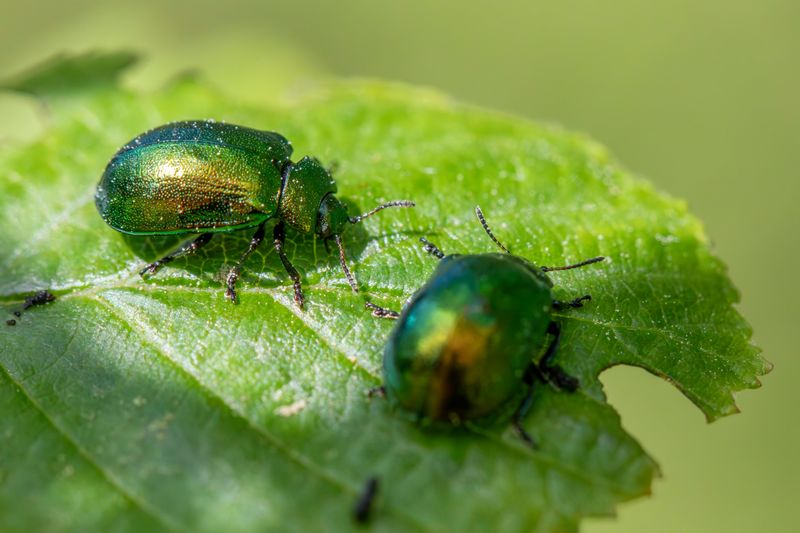
Seeing the actual beetle is the clearest confirmation you have a problem.
Your Tennessee Garden Changes Every Week. Your Plan Should Too.
Gardening in Tennessee changes quickly throughout the season. Every Friday you’ll receive a simple weekly plan showing exactly what to plant, prune, fertilize, harvest, and protect so you never miss the right timing.
Japanese beetles have a look that is hard to confuse with anything else in a garden.
Their bodies are a brilliant metallic green, and their wing covers are a warm copper-brown, almost like a tiny piece of jewelry sitting on your plants.
Each beetle is roughly the size of a fingernail, small enough to overlook at first glance.
Along the edges of their bodies, you will notice small white tufts of hair poking out.
That detail alone is enough to positively identify them compared to similar-looking beetles.
No other common garden pest carries that exact combination of color and markings.
Spotting even one or two of these insects on your plants is a signal worth taking seriously.
Where there are two, there are usually dozens more nearby. These beetles release pheromones that actively attract others to the same location.
A small group can turn into a swarm within days.
Do not wait for the numbers to grow.
Once you see that unmistakable green and copper shimmer moving across your plants, the time to respond is immediately.
Early action makes every difference.
4. Plants Are Eaten From The Top Down
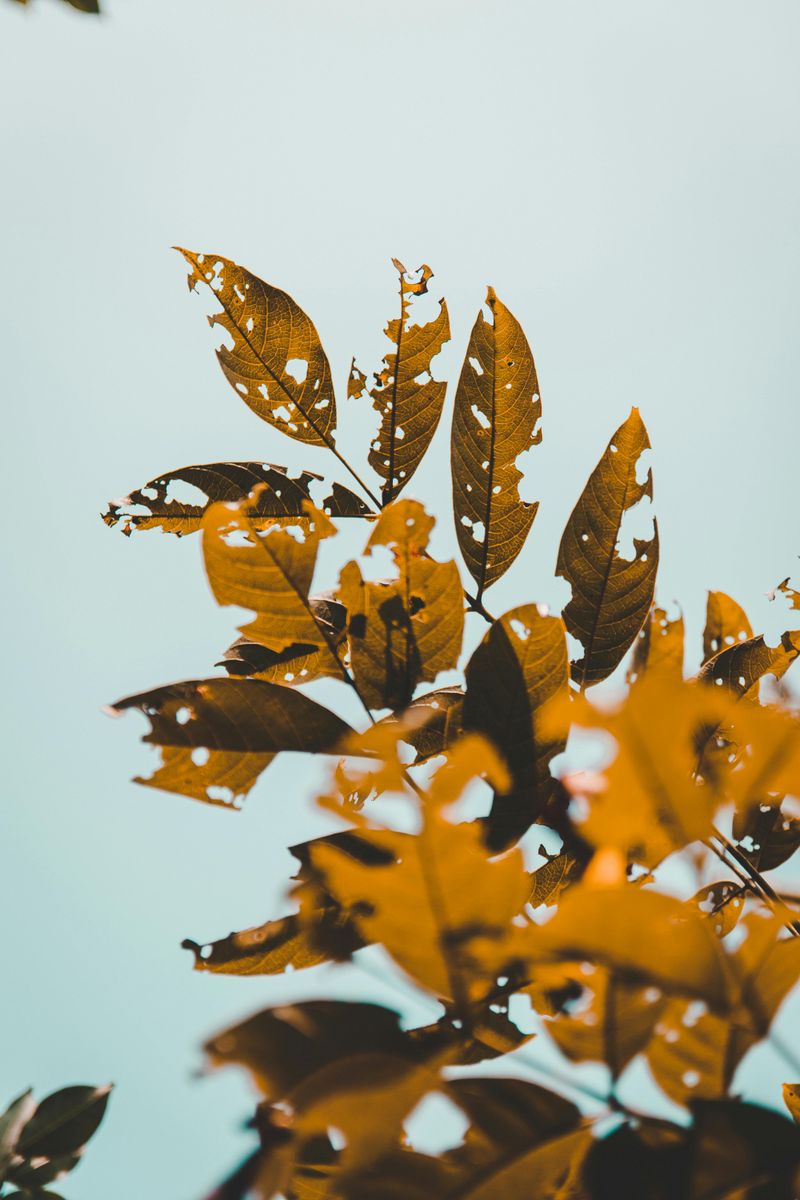
Japanese beetles have a preference that most gardeners never expect: they start at the top.
When a plant gets attacked, the highest, sunniest leaves and branches get stripped first.
Lower leaves often look perfectly fine while the canopy above looks like it survived a hailstorm.
This top-down feeding pattern happens because the beetles are attracted to warmth and sunlight.
The upper parts of plants absorb the most sun, making them the prime feeding spots.
By the time damage becomes visible lower on the plant, the top may already be severely compromised.
Checking only the leaves at eye level means you could completely miss the early stages of an infestation. Make a habit of stepping back and looking at the full shape of your trees and shrubs from a distance.
A thinning canopy or a noticeably bare top section on an otherwise healthy plant is a warning sign that deserves a much closer look right away.
5. Beetles Clustering On The Same Plant
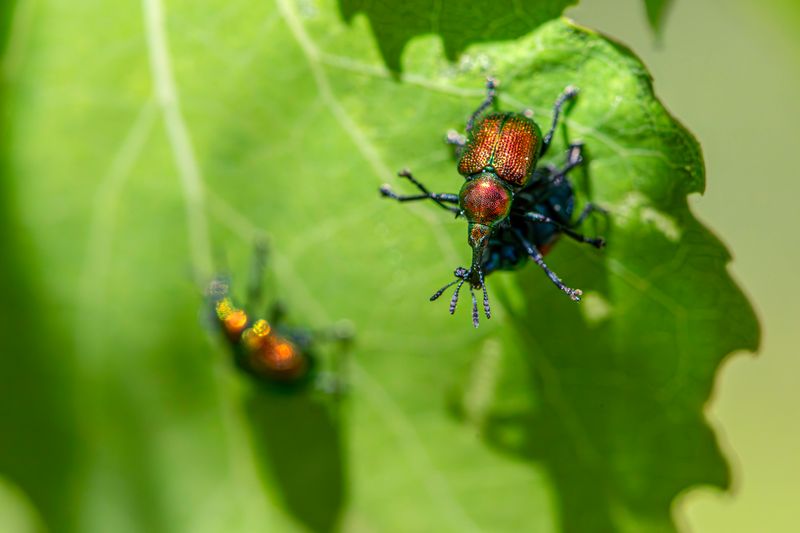
One Japanese beetle on a plant is a scout. A cluster of twenty on the same branch is an invasion in progress.
These insects are highly social feeders, and once one finds a good food source, it releases a scent that essentially sends out a dinner invitation to every beetle in the area.
Clusters can form incredibly fast, sometimes within hours of the first beetle landing.
You might walk past a plant in the morning and see nothing unusual, then return after lunch to find it covered.
The clustering behavior is one of the most alarming sights in a summer garden because it signals rapid, concentrated destruction.
When you spot a cluster, avoid the temptation to swat them away with your hands.
That scattering behavior causes them to drop to the soil and hide, making removal harder.
Instead, hold a bucket of soapy water beneath the cluster and knock the beetles directly into it.
Early morning works best because the beetles move more slowly in cooler temperatures.
6. Fruit Trees Showing Heavy Leaf Damage
Your fruit trees are prime targets, and the damage can look alarming fast.
Tennessee fruit trees sit at the top of the Japanese beetle’s preferred host list.
When these trees come under attack, entire branches can be stripped of their leaf tissue within a week or two under heavy pressure.
The speed of that destruction catches many gardeners off guard.
Heavy leaf loss on a fruit tree is more than just cosmetic.
Leaves are how trees produce energy through photosynthesis.
Significant foliage loss puts real stress on the tree.
It drains energy reserves, cuts into fruit production, and opens the door to disease and other pests moving in.
One infestation can trigger a chain of problems that lasts well beyond the summer season.
Watch for browning, papery leaves that crumble when touched, combined with that telltale skeletonized look along the upper branches.
Check your trees regularly during peak beetle season, not just when something looks wrong.
Catching early feeding activity before it escalates gives your trees a much stronger chance of recovery.
Young trees under three years old are especially at risk.
They have not yet built up enough root strength to bounce back easily from heavy defoliation.
Give them extra attention and act quickly at the first sign of feeding.
Protecting your orchard from early damage can make the difference between a full harvest and a disappointing one come fall.
7. Plants Wilting Despite Adequate Watering
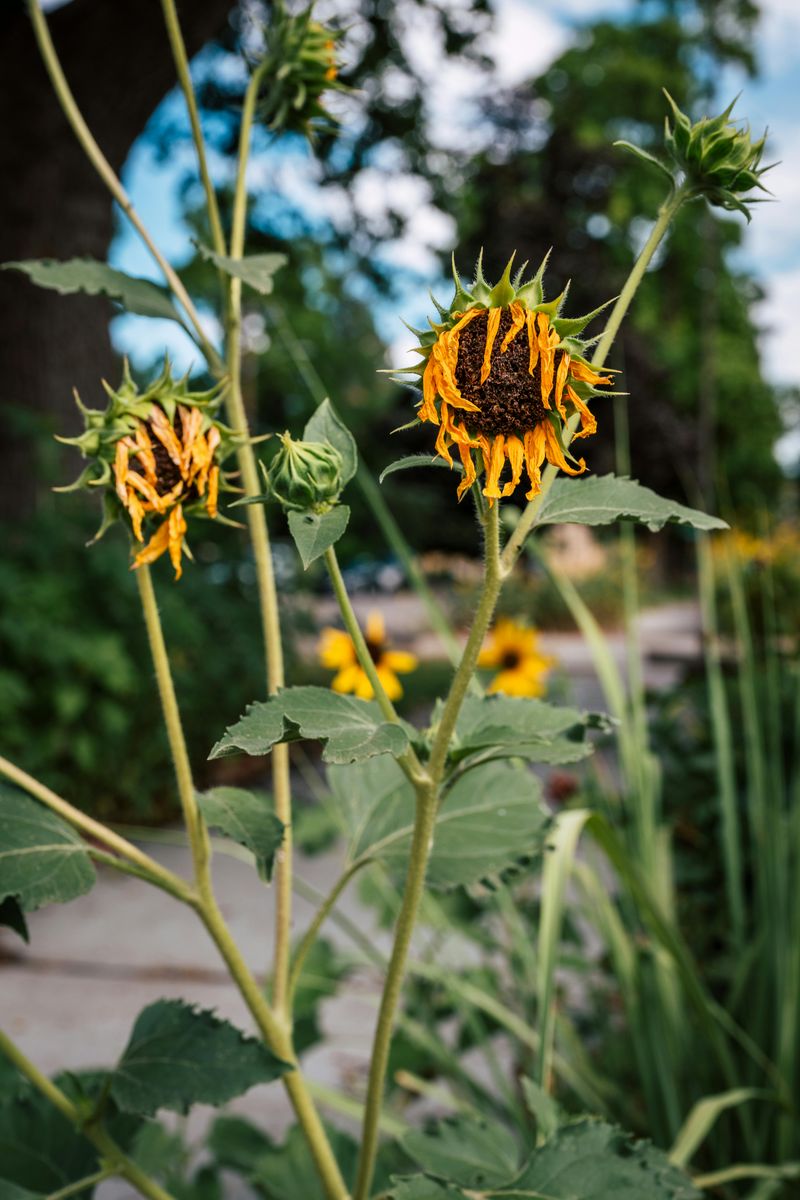
Wilting plants in a well-watered garden send a confusing message, but the explanation might be underground.
Japanese beetles lay their eggs in lawn soil, and those eggs hatch into white grubs that feed aggressively on grass and plant roots.
Lawn patches may wilt or brown despite watering when grubs feed on grass roots.
This symptom is sneaky because it mimics drought stress or overwatering.
Many gardeners spend weeks adjusting their watering schedules, adding fertilizer, or checking for disease, never realizing the real problem is happening beneath the surface.
The wilt gets worse over time as more roots are destroyed.
If your plants are wilting for no obvious reason during peak summer months, gently dig around the base of a struggling plant and check the soil.
Finding white, C-shaped grubs in the top few inches of soil confirms the connection.
Treating the soil for grubs at this stage protects both your lawn and your garden plants from continued underground damage.
8. White Grubs Found Under The Soil
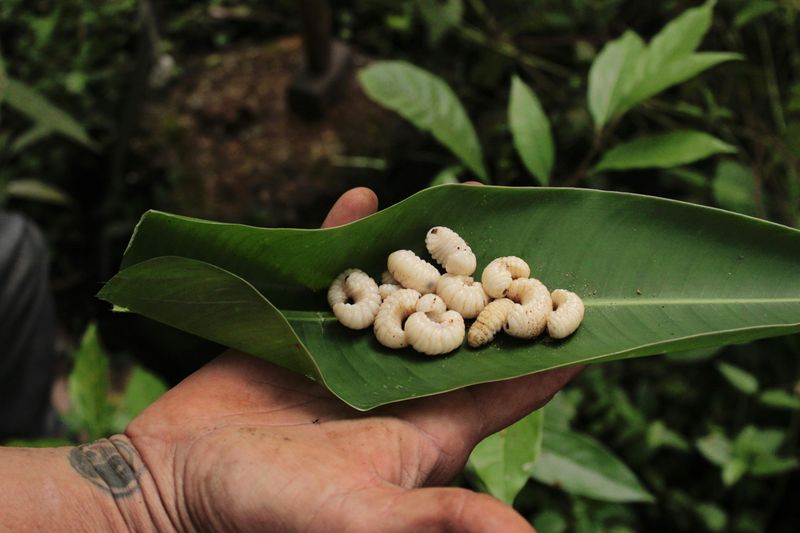
Fat, white grubs curled just beneath your lawn turf are not a sight you want to ignore.
What you do next makes all the difference.
These grubs are the larval stage of Japanese beetles, and they spend months underground eating grass roots before emerging as adult beetles the following summer.
A healthy lawn can tolerate a small number of grubs, but populations of more than ten per square foot typically cause visible damage.
The grass above will start to feel spongy underfoot, then turn brown in irregular patches.
You can actually roll back the damaged turf like a loose carpet because the roots holding it down have been eaten away.
In Tennessee, young grubs are most active and most vulnerable in the soil from late July through August, making that the best window to inspect and treat your lawn.
Push a flat shovel about three inches into the soil in several spots across your yard.
Consistent grub activity in soil samples is a clear signal to act.
A targeted soil treatment in late summer can stop next year’s beetles before they ever emerge.
Why wait for the damage to begin?
9. Birds Pecking Aggressively At The Lawn
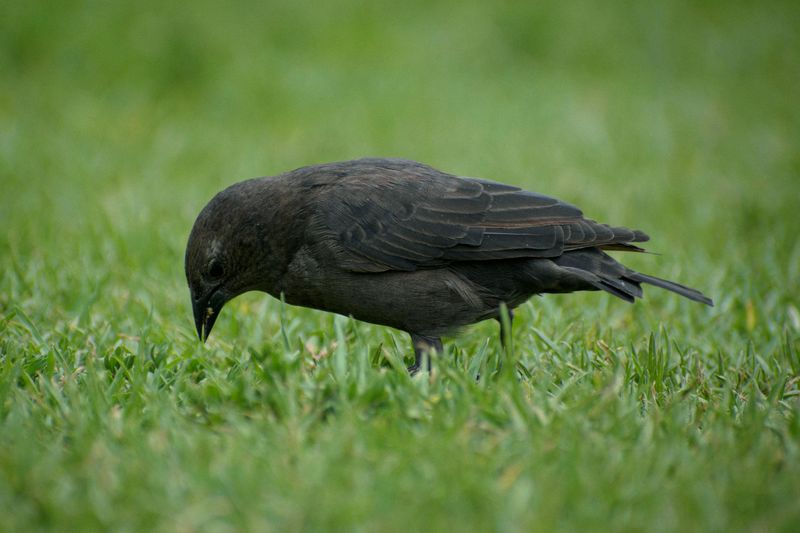
Birds do not tear up a healthy lawn without reason, and that reason is often underground.
They are remarkably good at detecting grub activity beneath the surface.
Persistent pecking in the same spot day after day is rarely random.
They are almost certainly following a food trail underground.
Persistent bird activity in the same area can be a useful prompt to investigate further.
Most people shoo the birds away without realizing what the behavior is signaling.
The pecking pulls back small sections of turf, and you may notice the grass separating from the soil more easily than it should in those spots.
Follow the birds. Walk to the areas where they are most active and press your foot down on the turf.
If it feels soft and spongy rather than firm, grubs are likely feeding below.
Dig a small test hole and confirm.
Grubs caught early, before they mature and emerge as adults, are far easier to manage.
That timing makes all the difference. Act now and your garden has a real fighting chance this season.
10. Damage Spreads Rapidly Plant To Plant
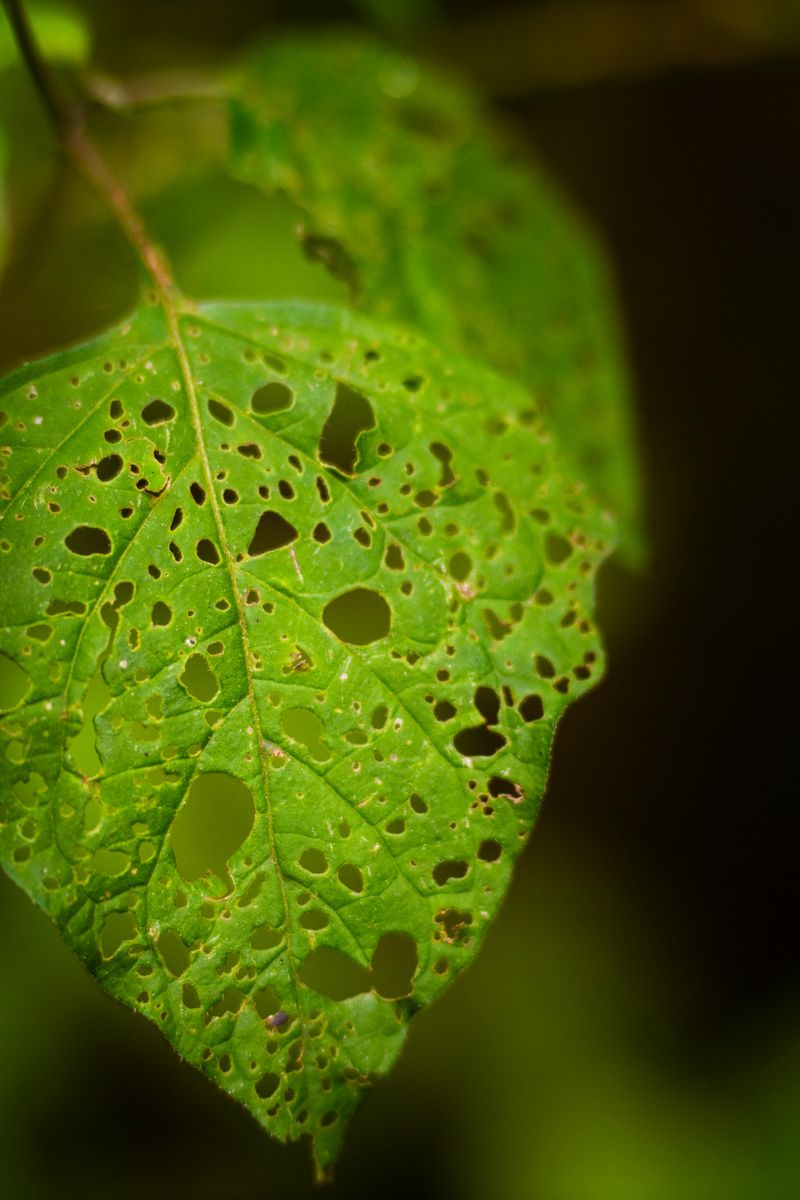
One of the most alarming things about Japanese beetles is how fast their destruction moves through a garden.
These beetles do not stay put. They migrate from plant to plant with very little pause between meals.
A garden that looks fine on one side of the yard can show damage on the other side within days.
Adult beetles fly strong and far.
Their pheromone signals also travel through the air, pulling more beetles toward already-damaged plants.
Damaged plants can also become more noticeable to passing beetles, adding to the pull of an already active feeding site.
The situation compounds itself in a way that feels overwhelming if you are not watching closely.
Stopping the spread of Japanese beetles across your Tennessee garden requires consistent monitoring throughout June, July, and August.
Walk your garden every two to three days during peak season and look for fresh damage on plants that seemed healthy before.
Early action, manual removal, and targeted treatments can still protect most of your plants.
Damage has started, but has the battle really been lost yet?